The Blue Heart of the Planet
Oceans & Seas of the World
A journey through 50 of Earth's great oceans, seas, gulfs and bays across 7 ocean basins — from the vast Pacific and the pitch-black Mariana Trench to the saltiest, warmest and strangest waters — and the rarely-seen creatures that haunt the deep.
Interactive · 3D dive
How deep does the ocean go?
The ocean is layered like a sunlit-to-pitch-black skyscraper, nearly 11 kilometres deep. Tap a zone to pilot the submersible down through the water column — and meet the creatures that live at each depth.
Tip: hover the column to tilt it · tap a layer to dive
Sunlight Zone
The bright surface layer where enough sunlight reaches for plants and plankton to grow. Almost all the ocean life we know — corals, tuna, dolphins, turtles — lives in this thin sunlit skin of the sea.
Who lives here
Record holders
The largest, deepest, saltiest and warmest waters on Earth — the oceans and seas that break the records.
Largest ocean
≈ 165 million km²
The Pacific is bigger than all of Earth’s land put together — it covers roughly a third of the planet.
Pacific OceanDeepest point on Earth
Challenger Deep ≈ 10,935 m
At the bottom of the Pacific’s Mariana Trench, Everest could be sunk with more than two kilometres to spare.
Pacific OceanLargest sea
≈ 5.7 million km²
Bordered by island arcs and deep trenches, the Philippine Sea is the biggest sea in the world.
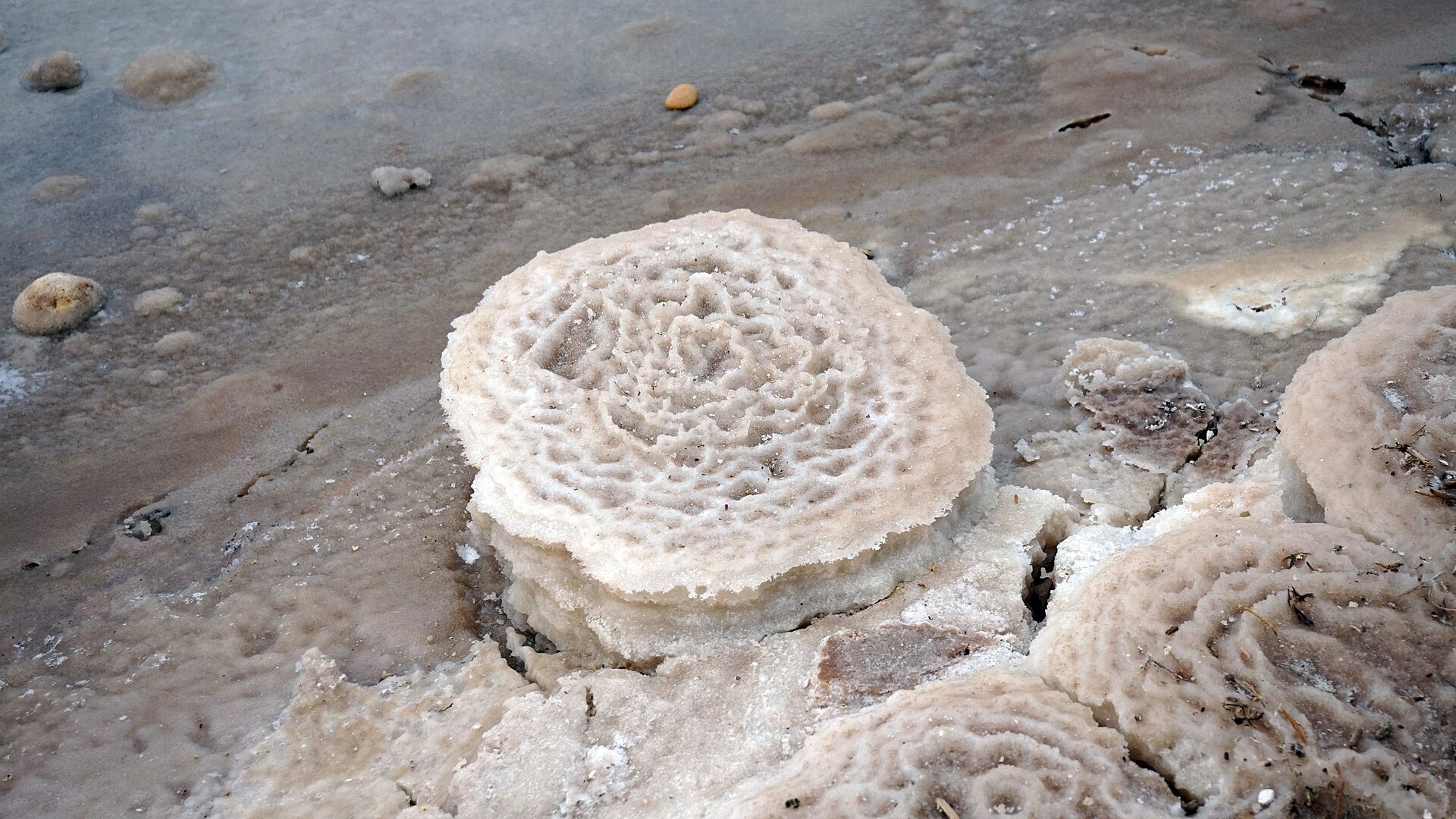
Philippine SeaSaltiest & lowest water
≈ 34% salt, 430 m below sea level
Almost ten times saltier than the ocean, the Dead Sea is so dense you float — and its shore is Earth’s lowest land.
Dead SeaWarmest sea
Up to ≈ 36°C in summer
Shallow and ringed by desert, the Persian Gulf reaches bath-like temperatures few marine animals can endure.
Persian GulfLargest enclosed sea
≈ 371,000 km²
Completely landlocked, the Caspian is the biggest inland body of water on Earth — a sea in all but name.
Caspian SeaLargest bay
≈ 2.17 million km²
The Bay of Bengal is the largest bay in the world, fed by some of the mightiest rivers on the planet.
Bay of BengalStrongest ocean current
Antarctic Circumpolar Current
Encircling Antarctica, it carries more water than all the world’s rivers combined — over 100 times as much.
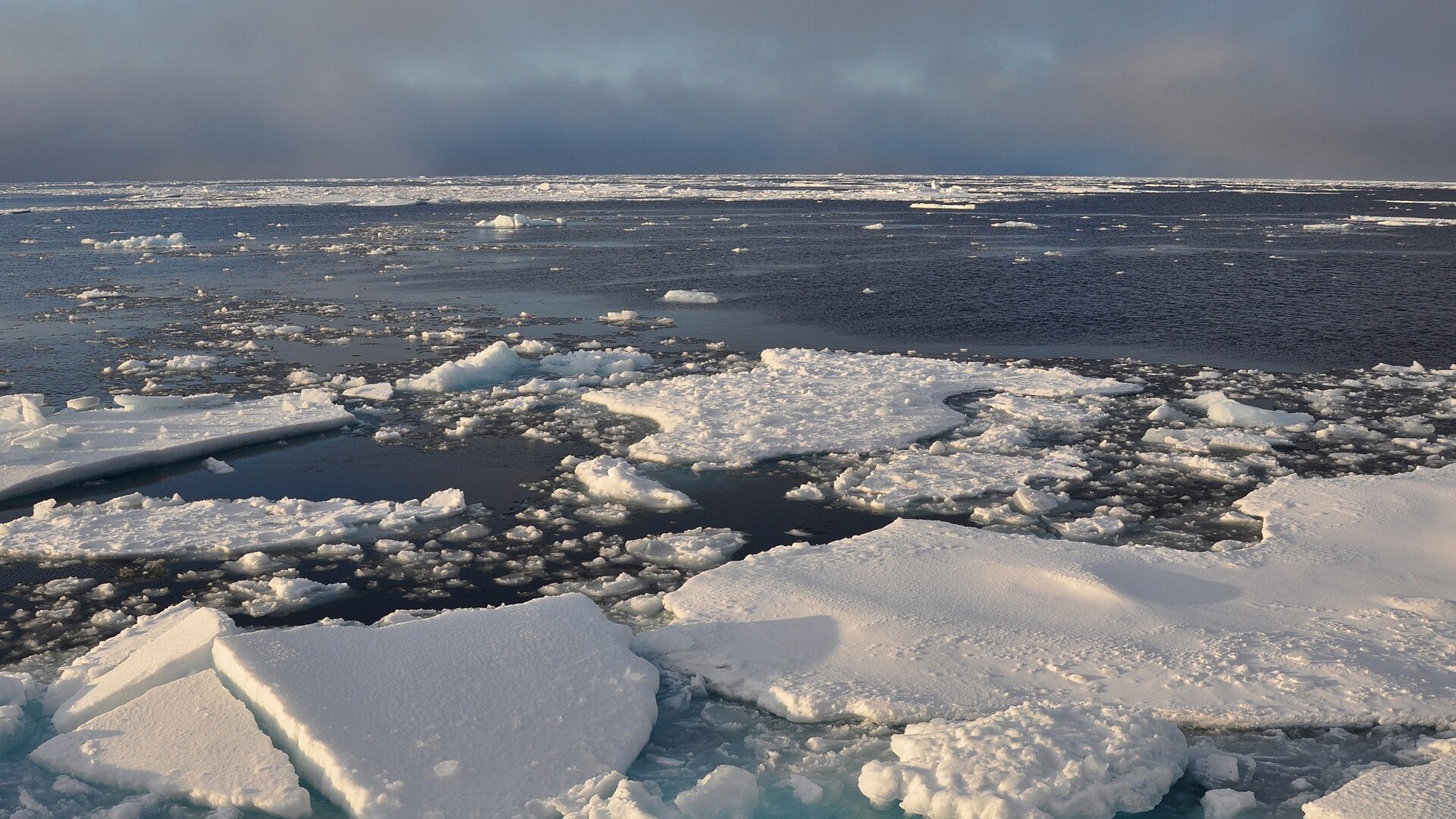
Southern OceanOcean
5 waters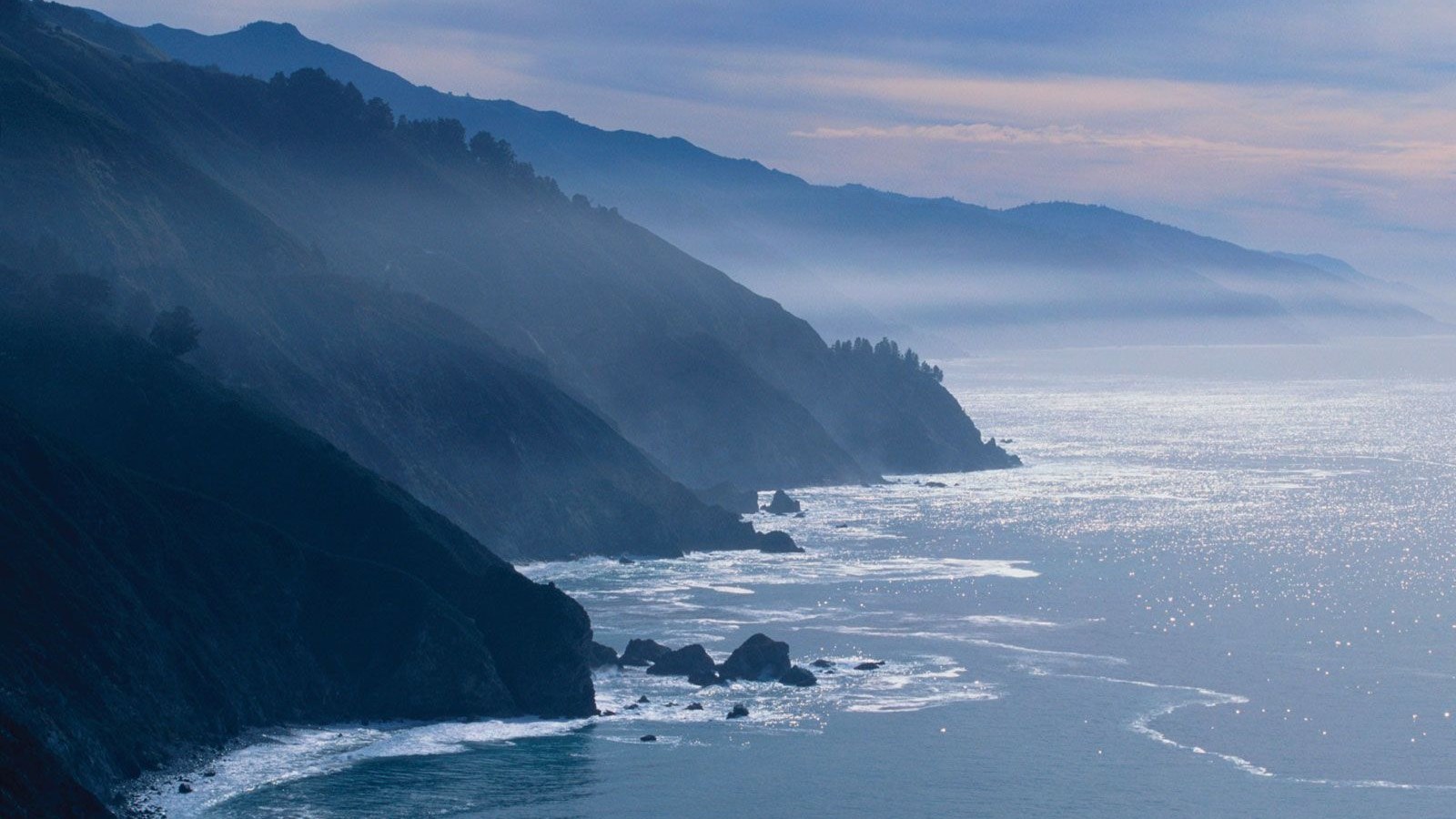
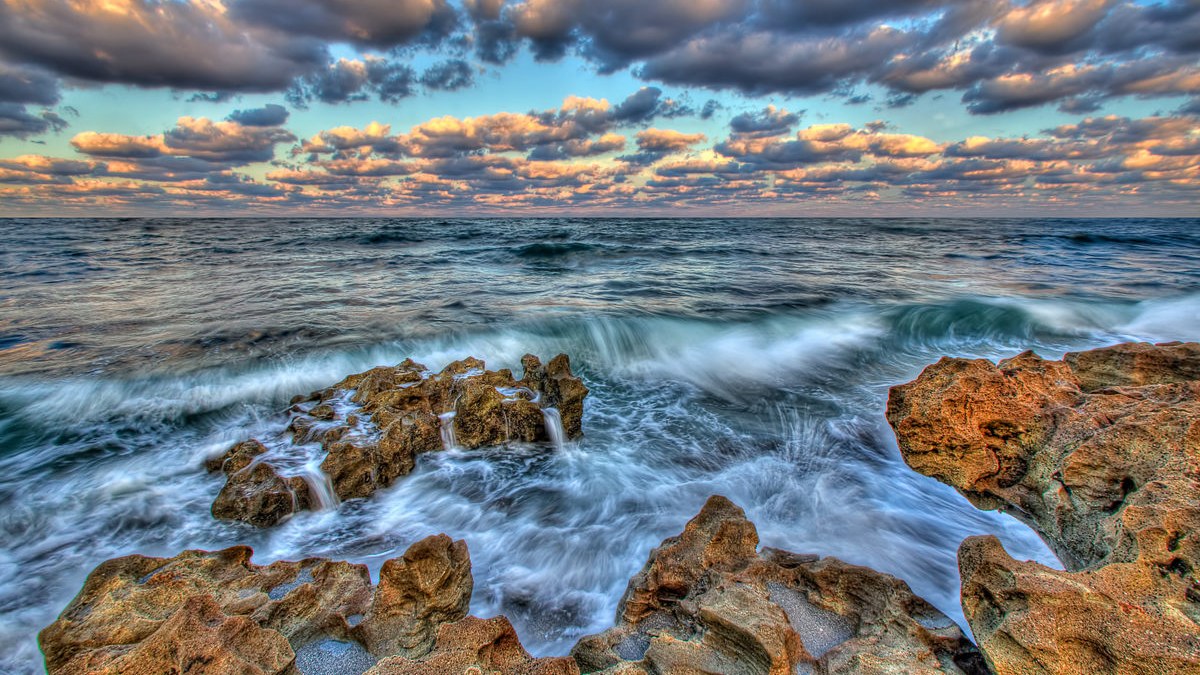
Sea
29 waters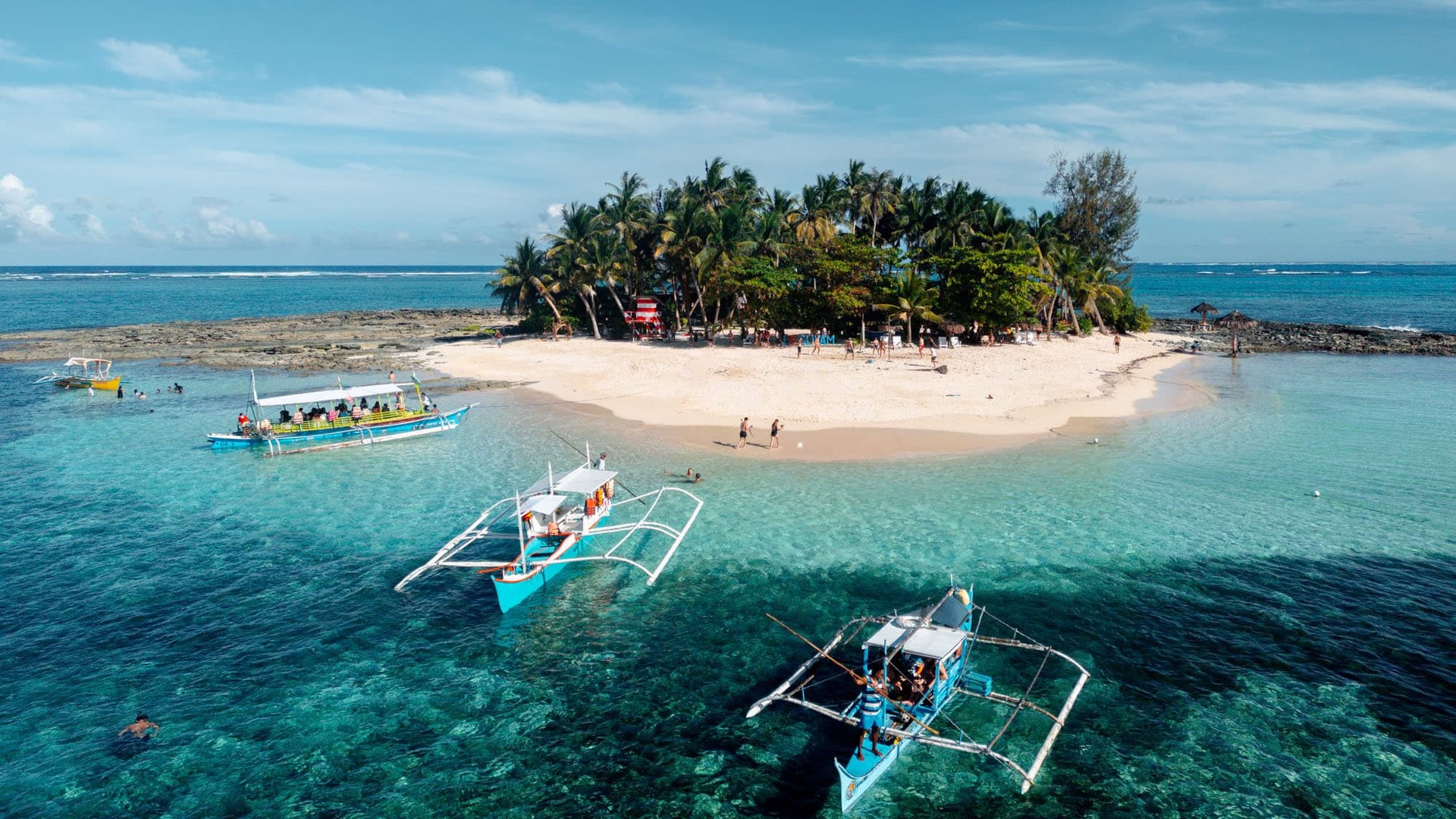
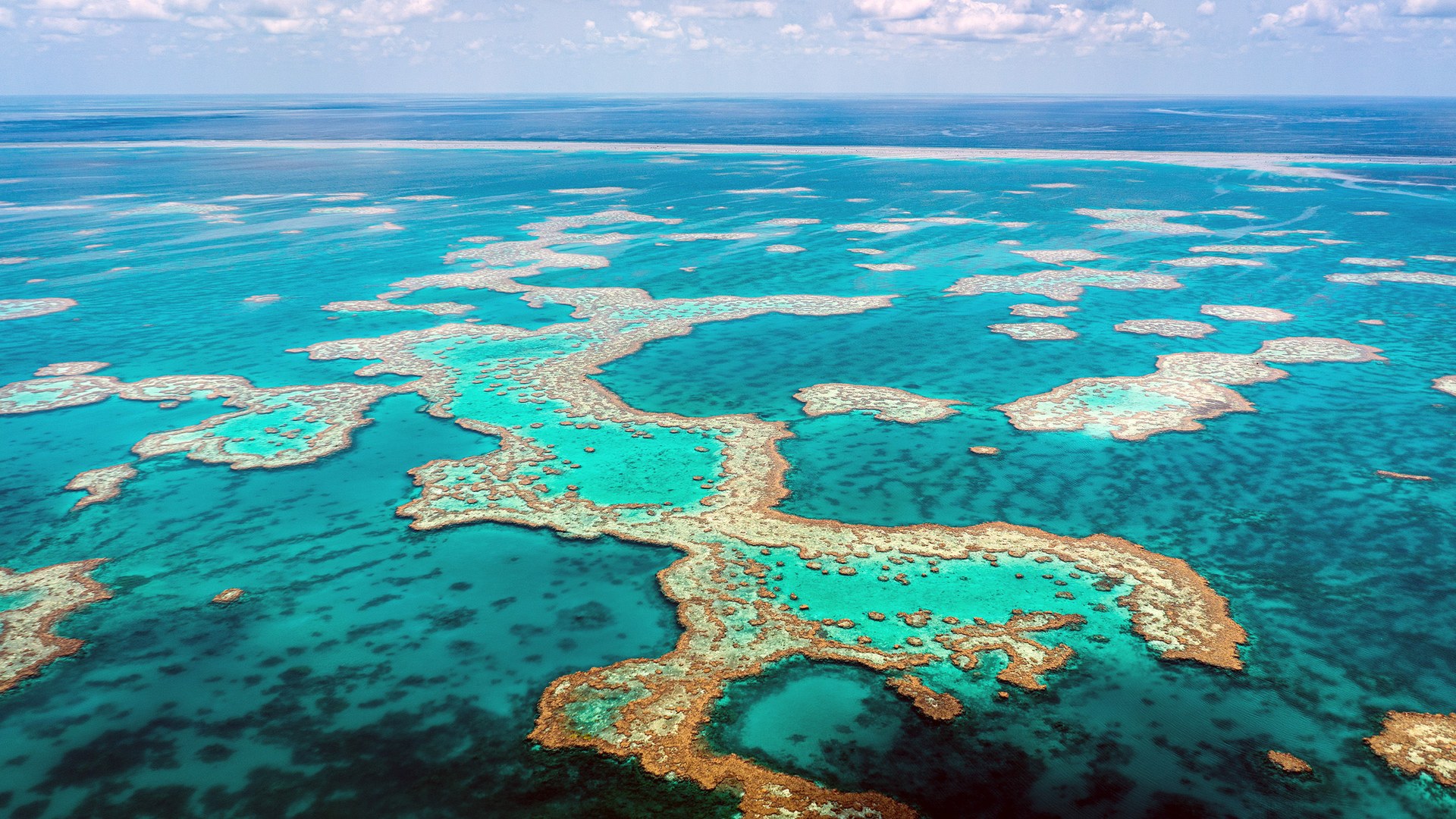
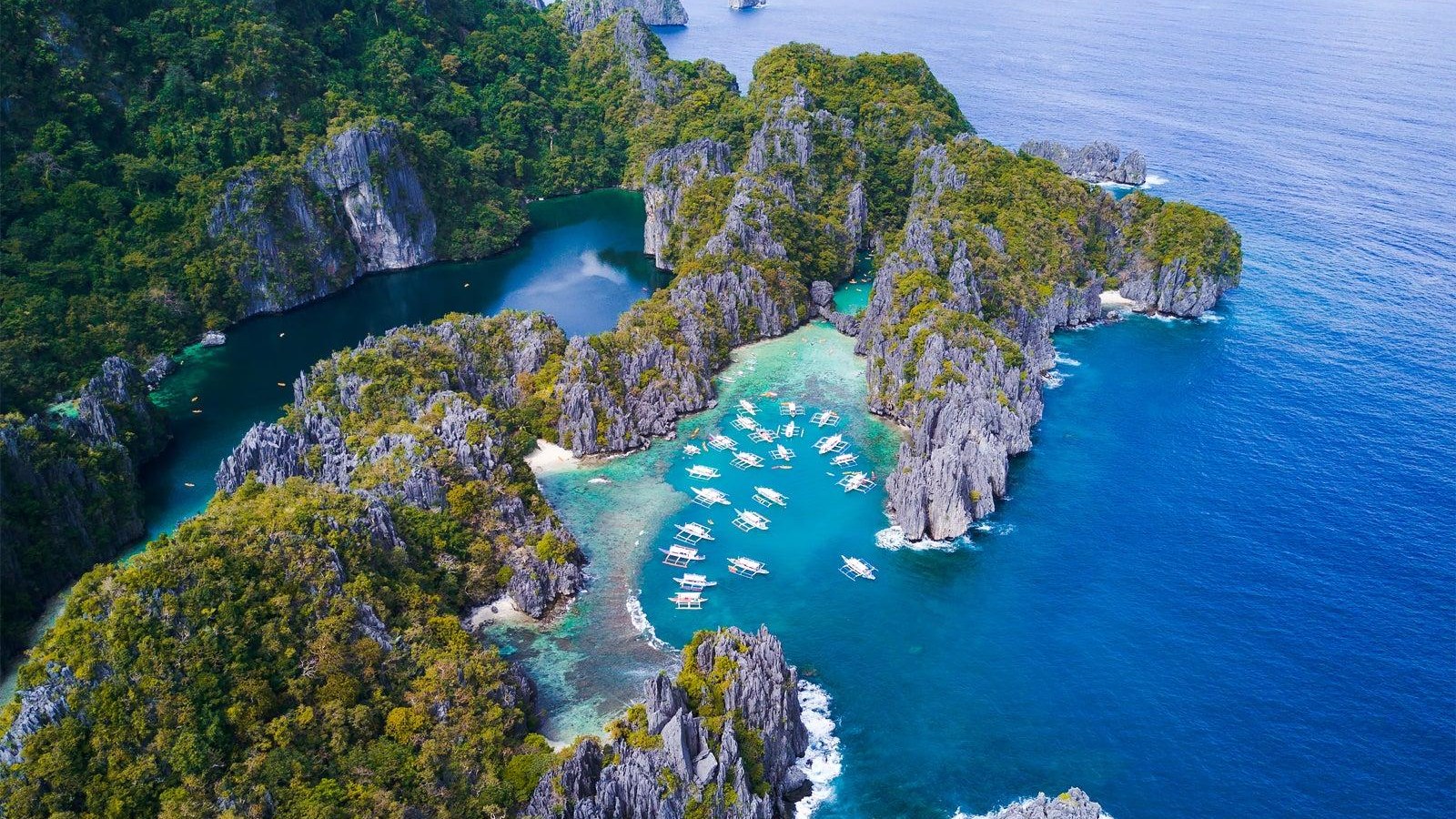
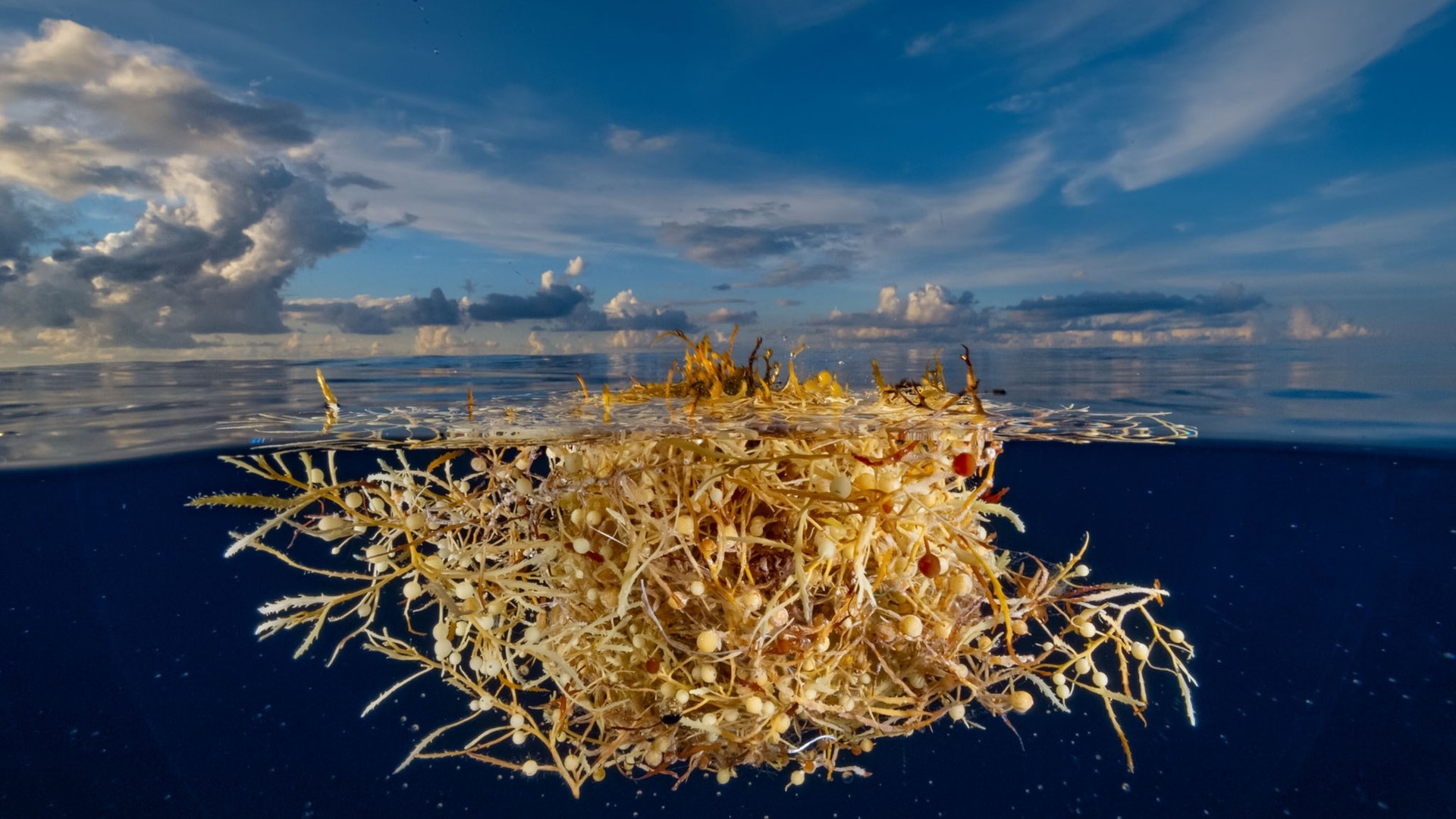
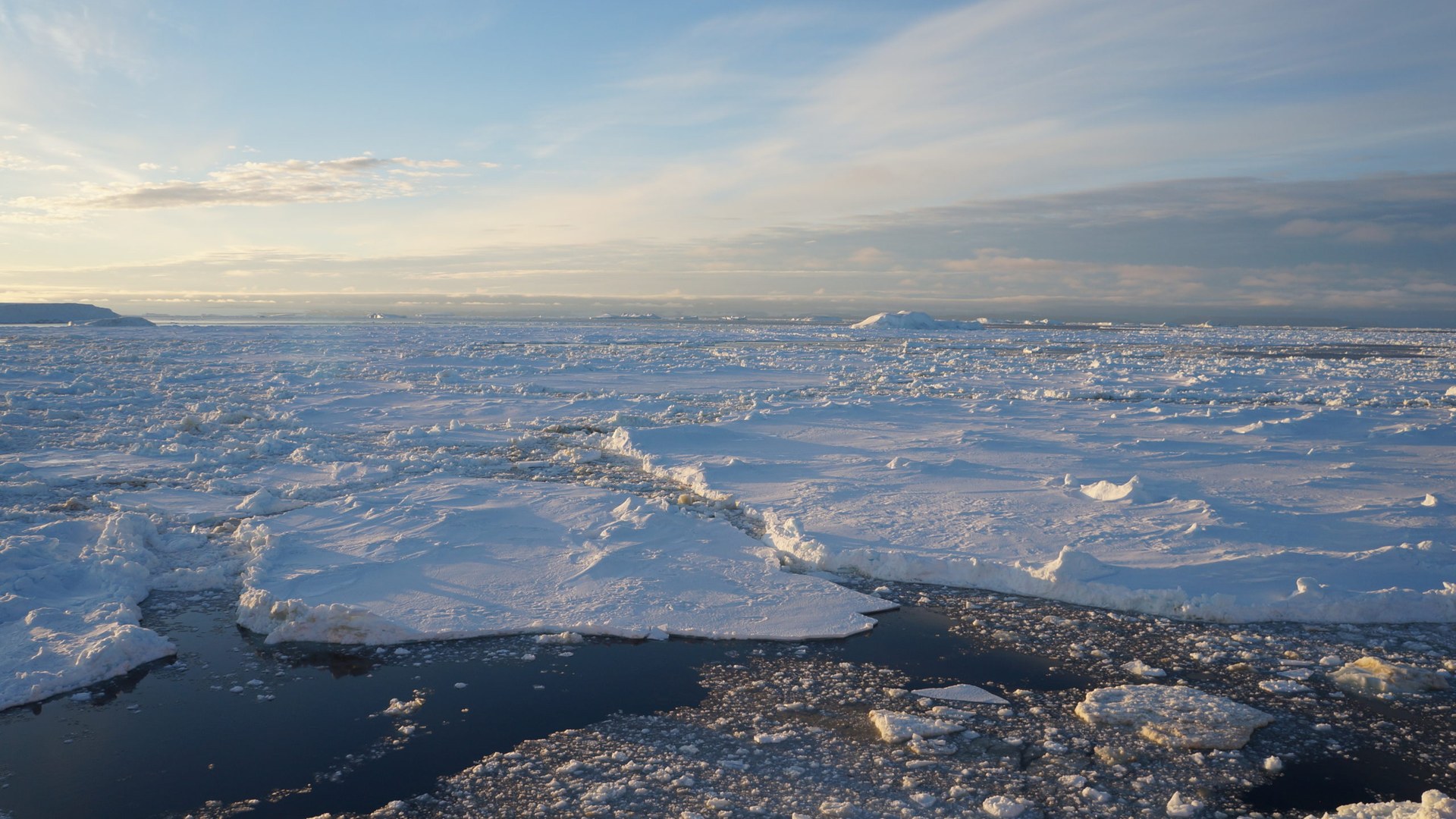
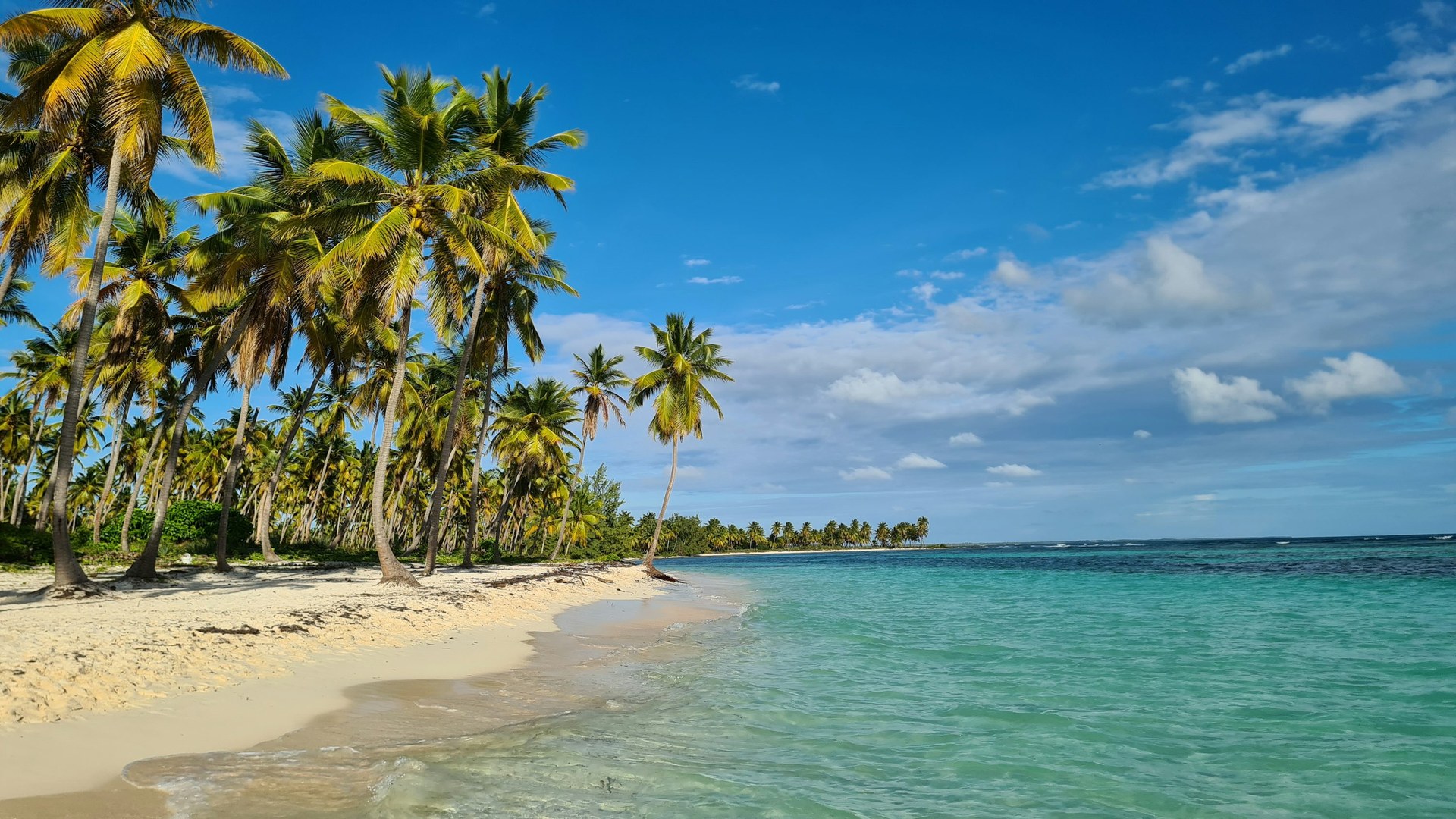
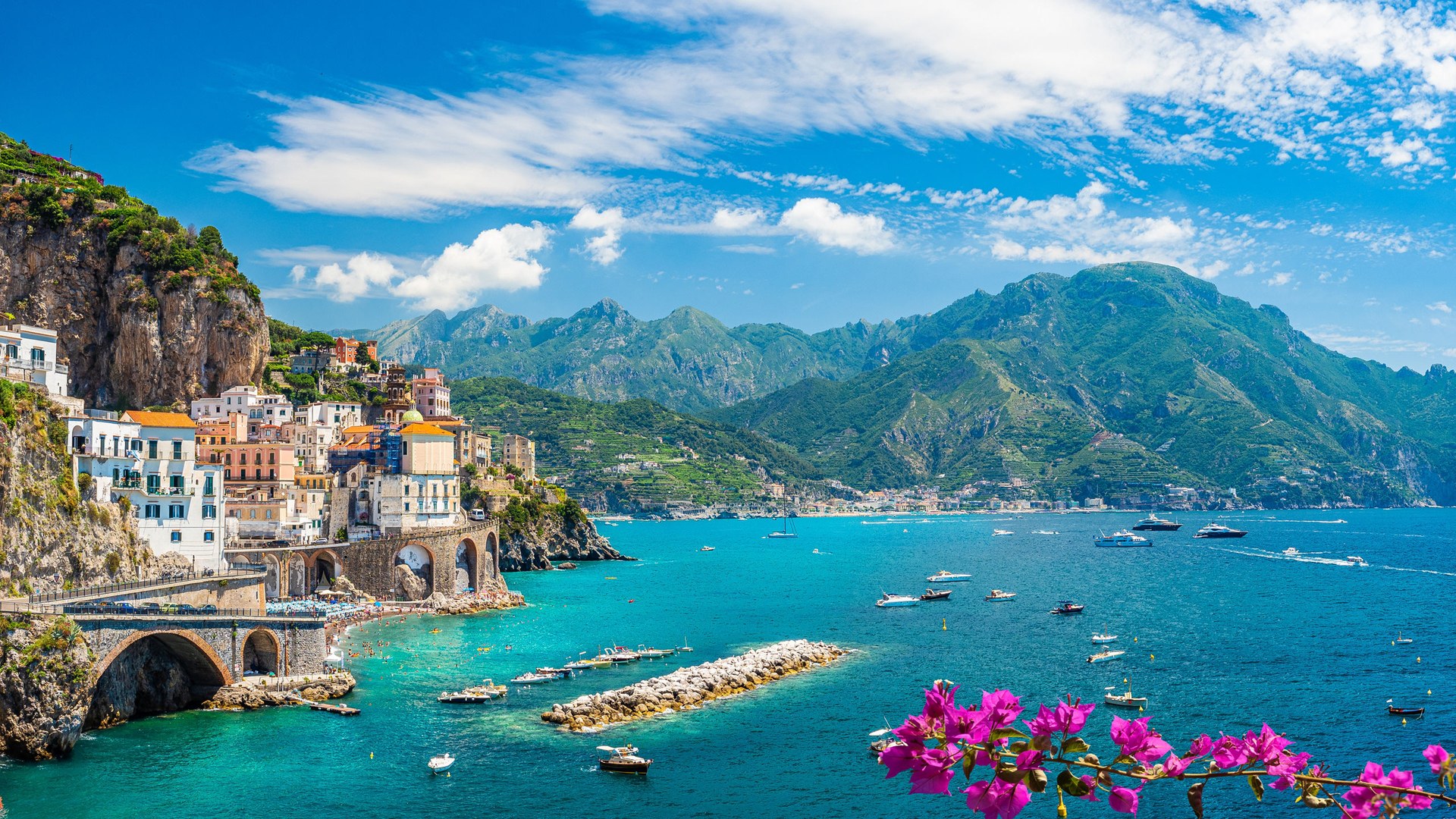
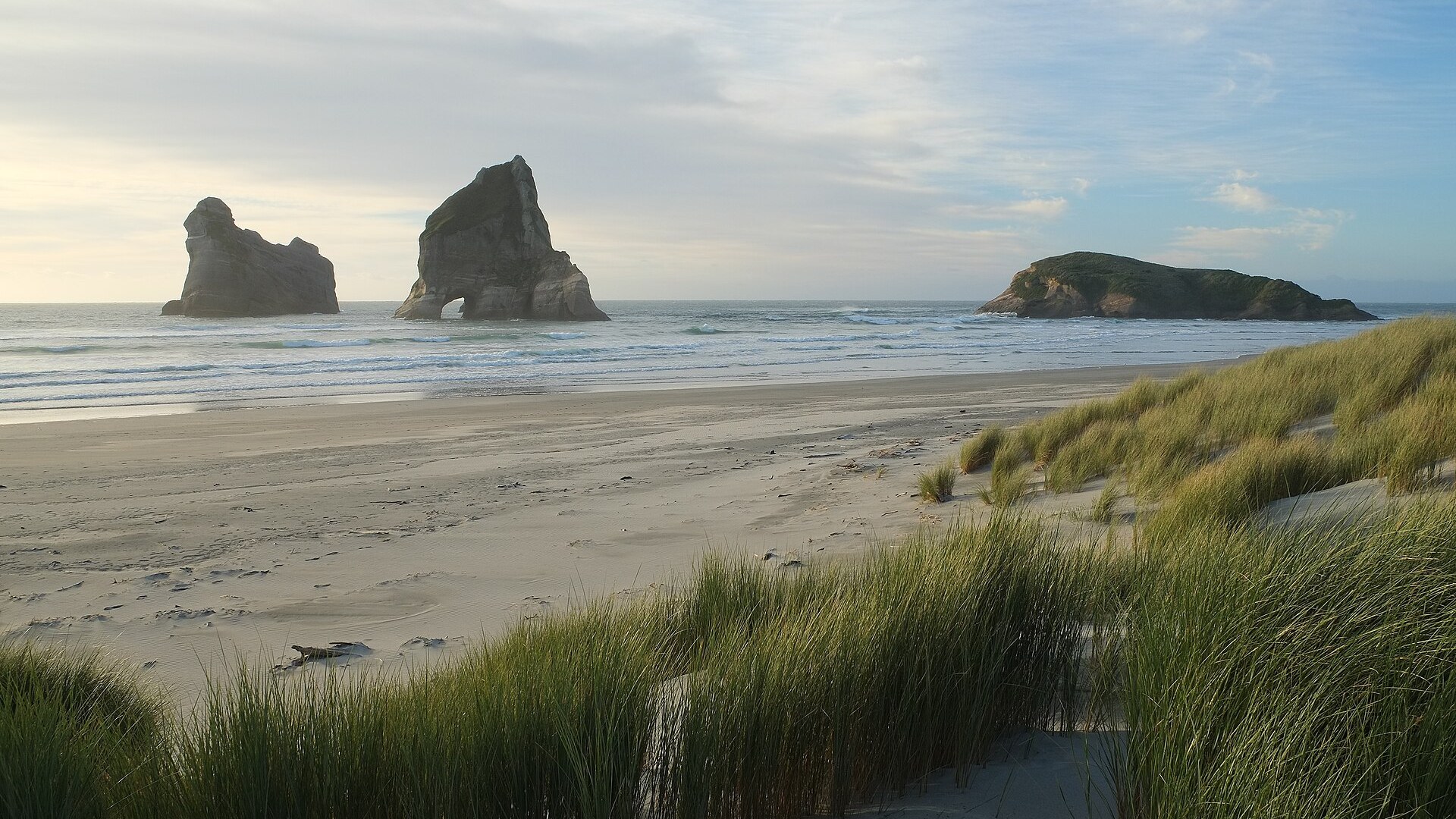
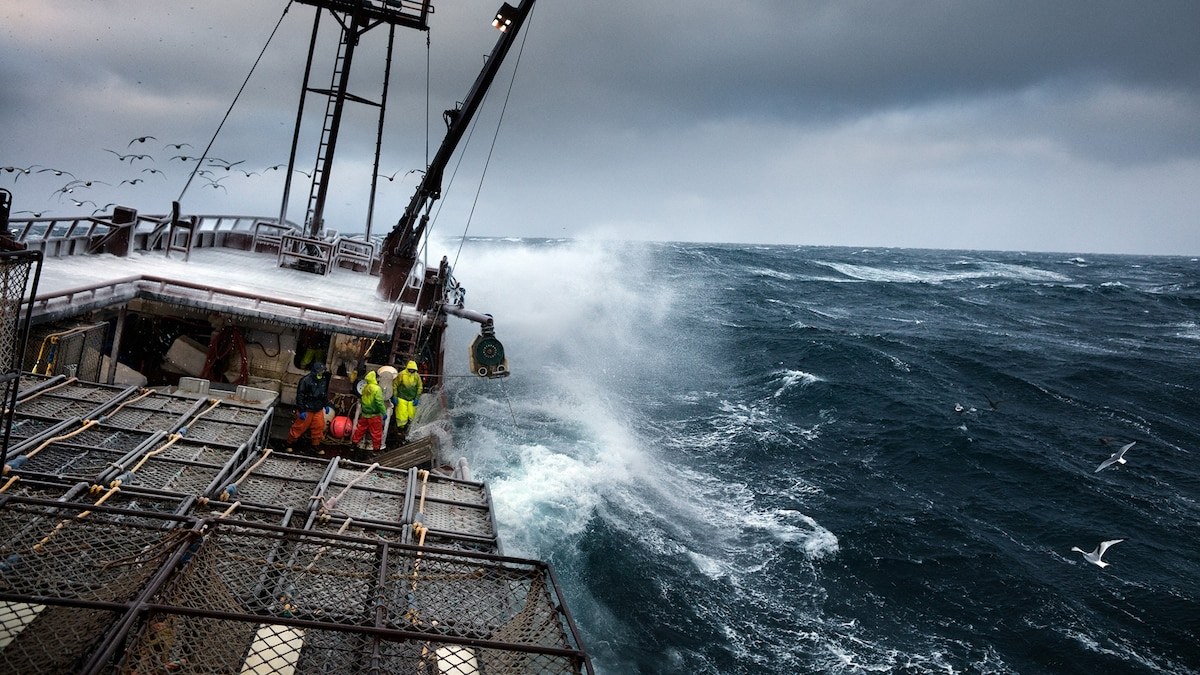
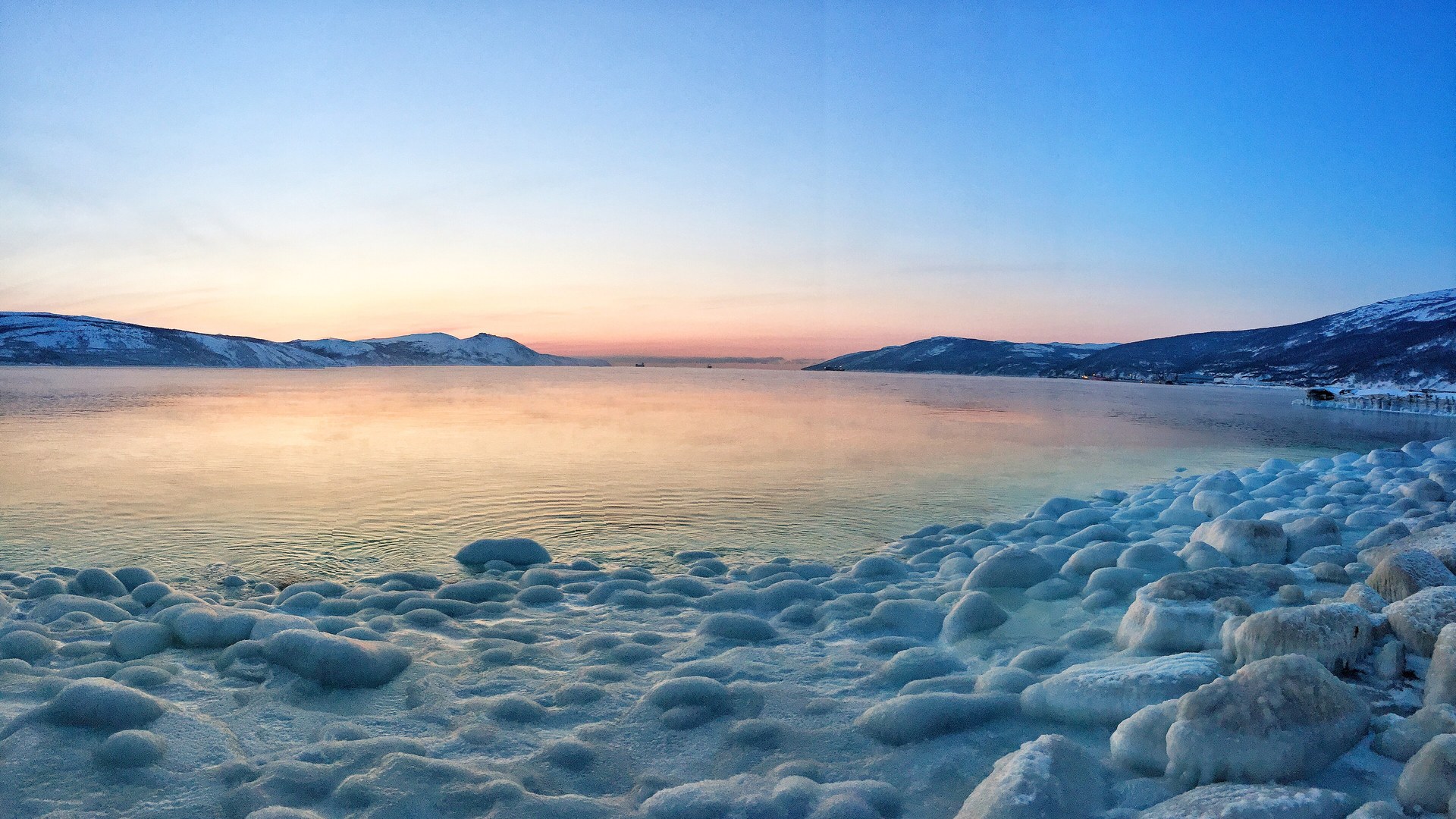
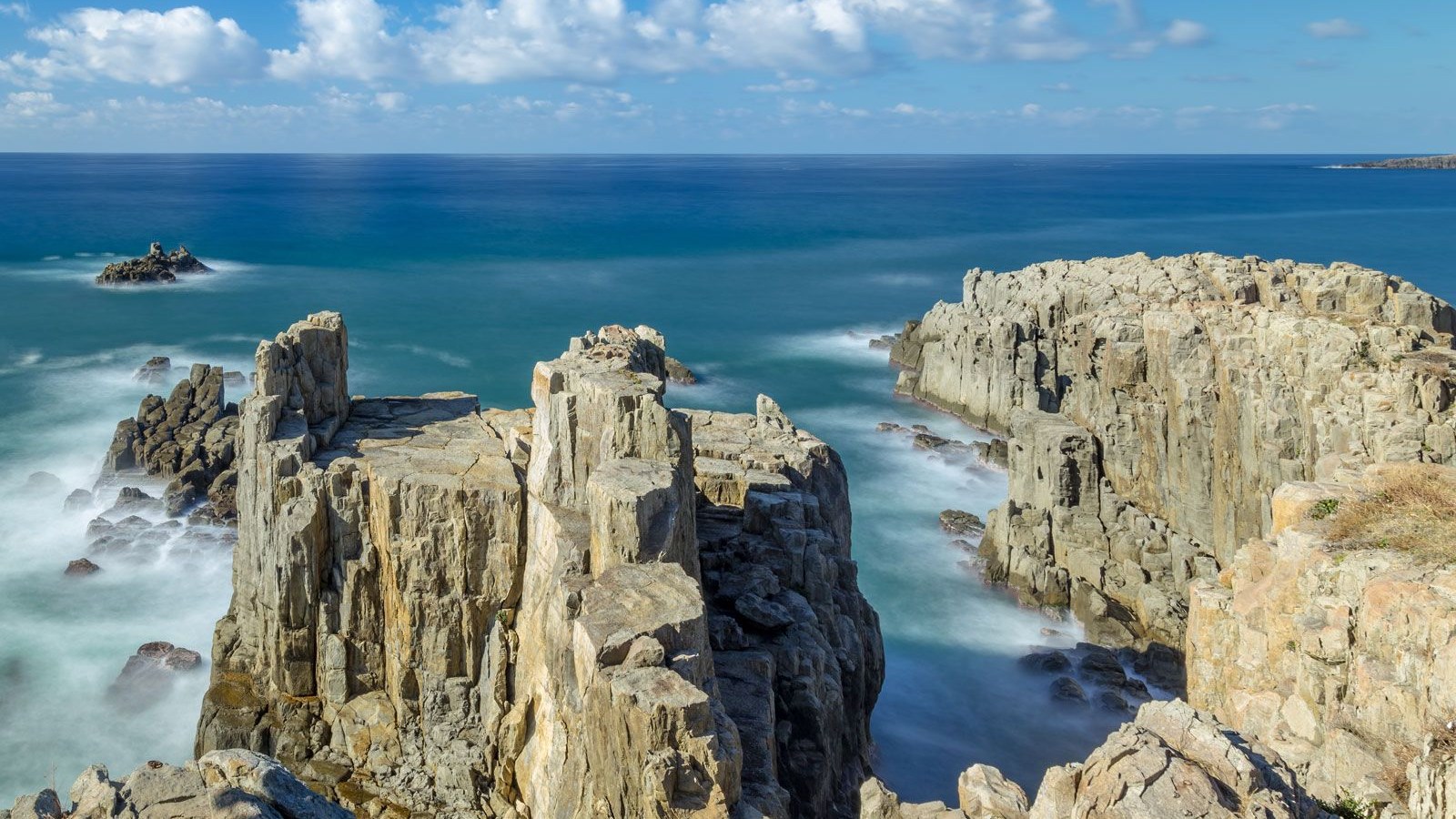
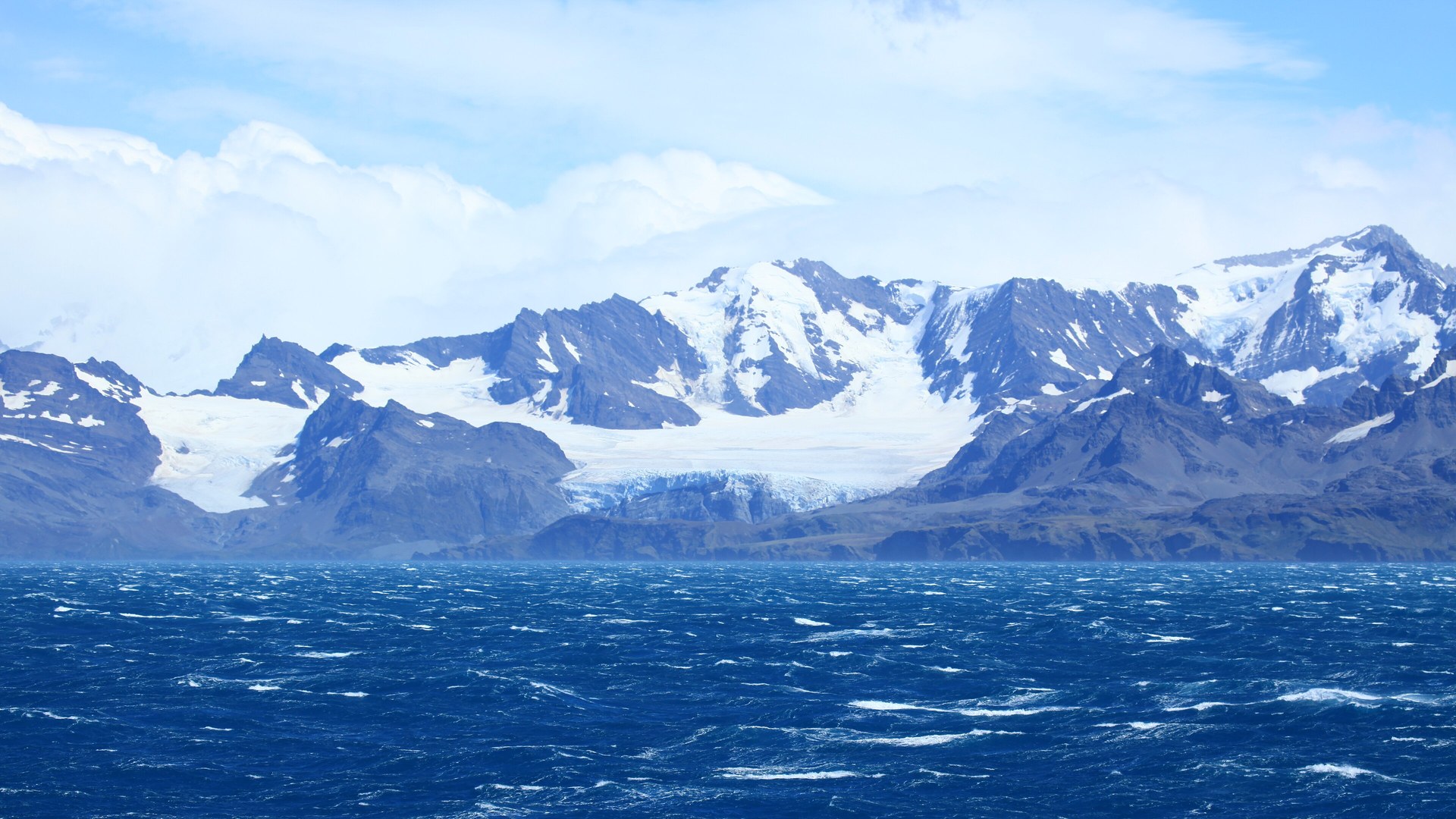
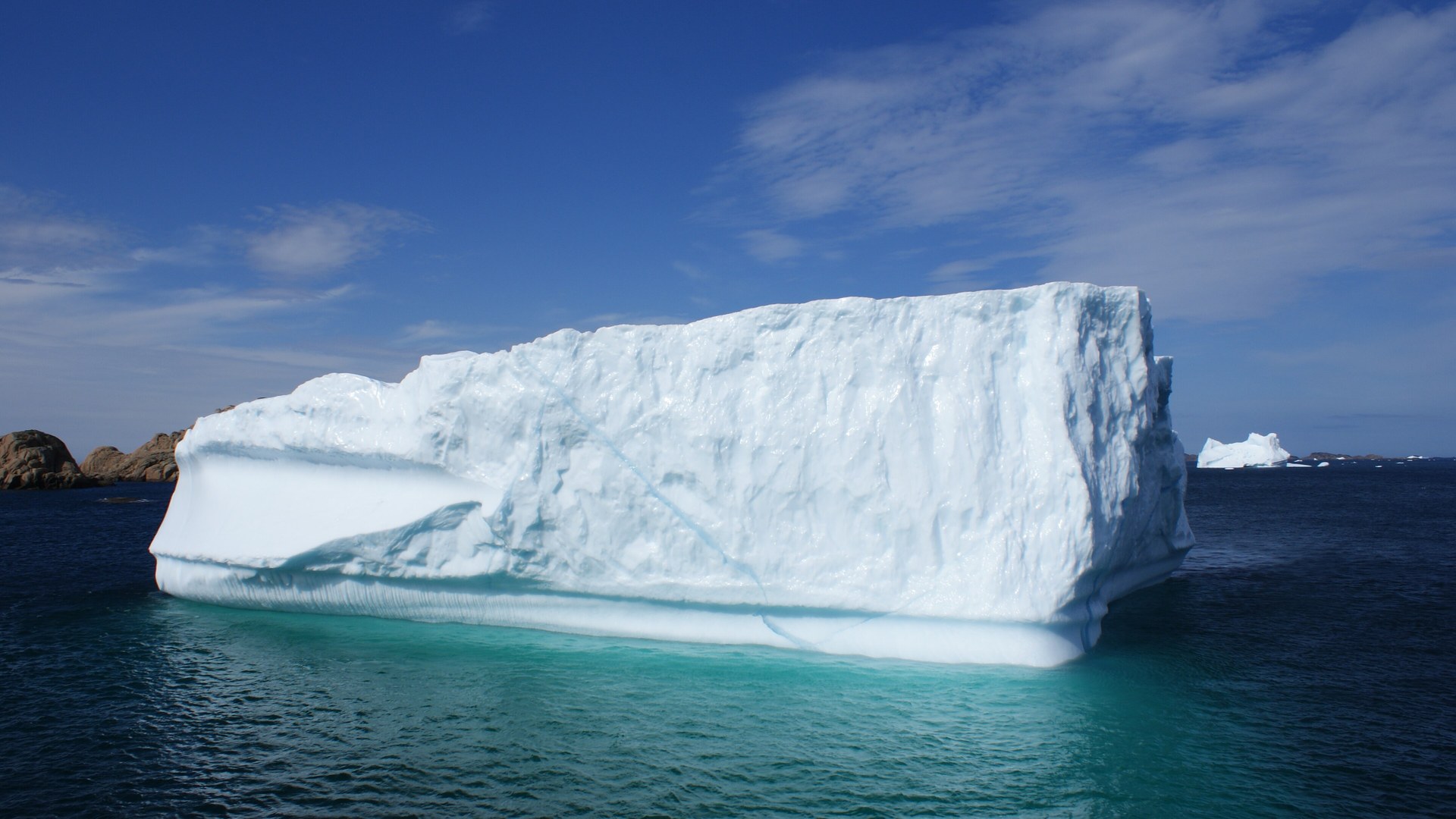
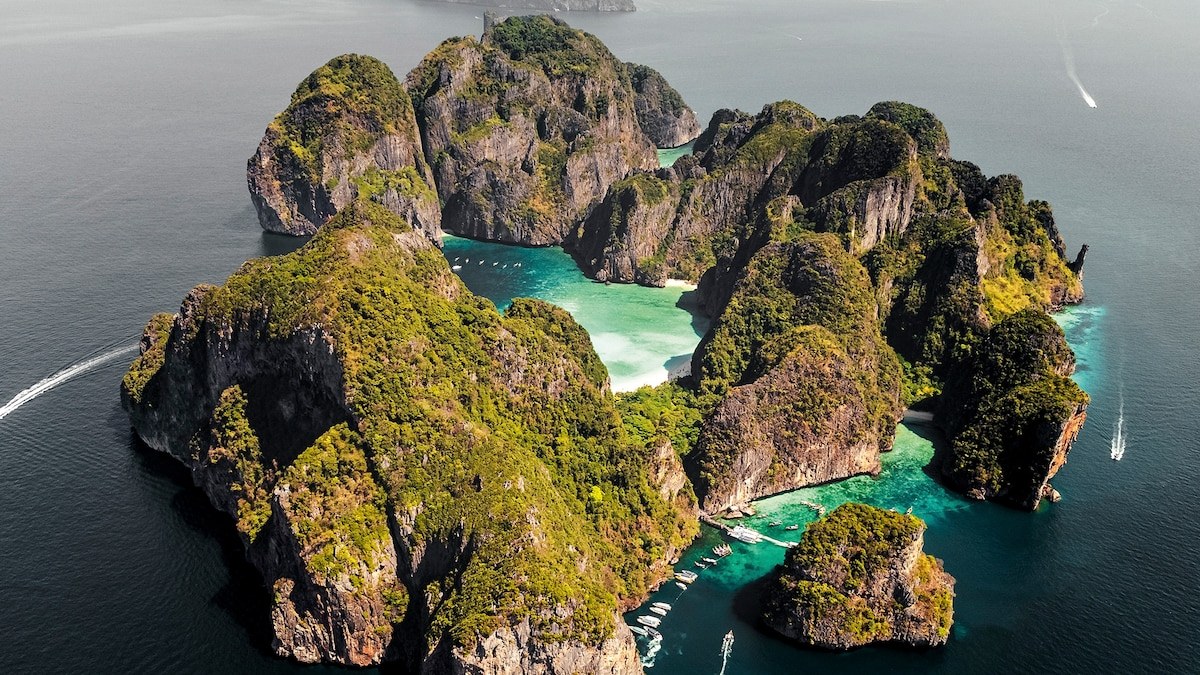
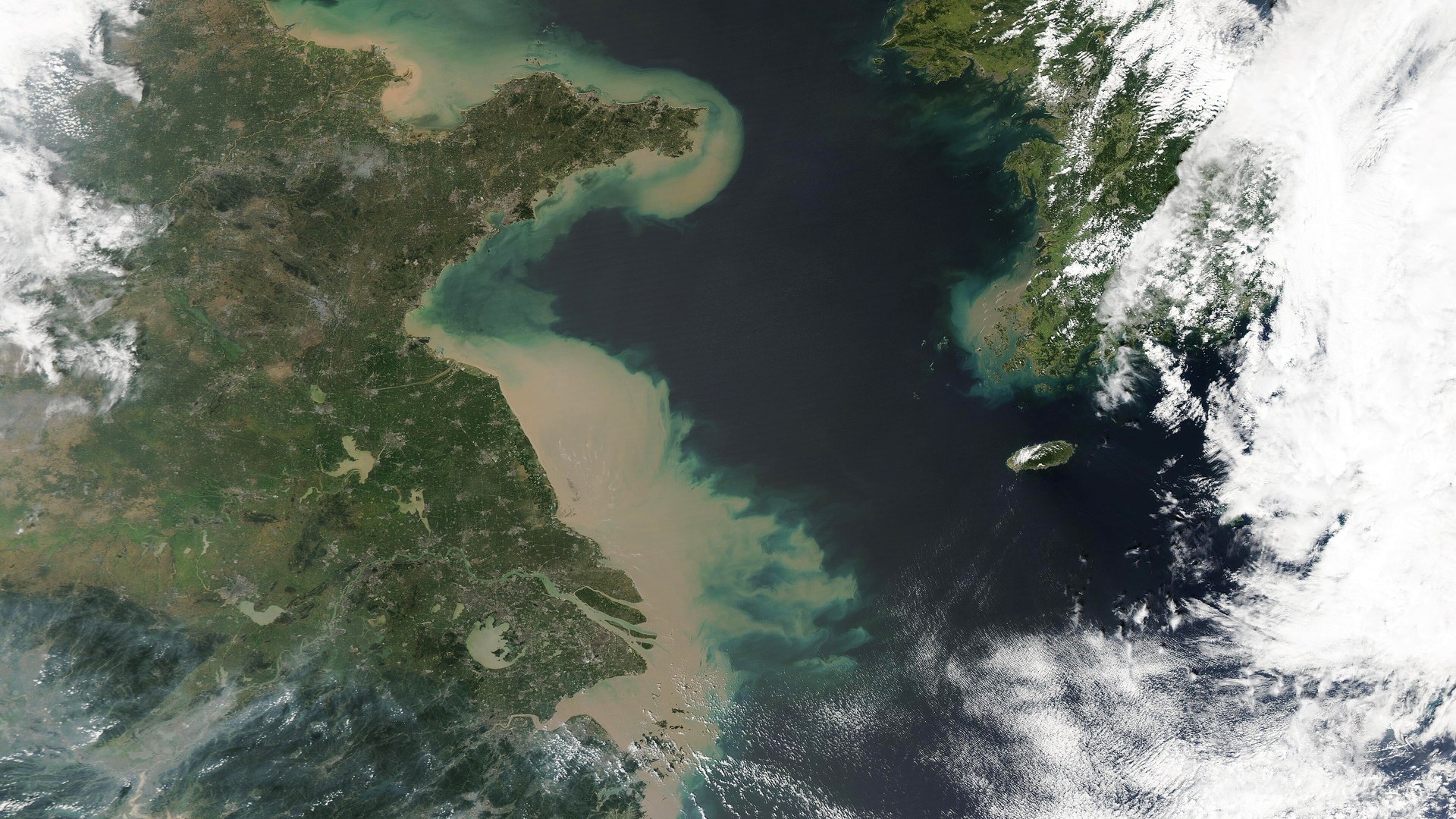
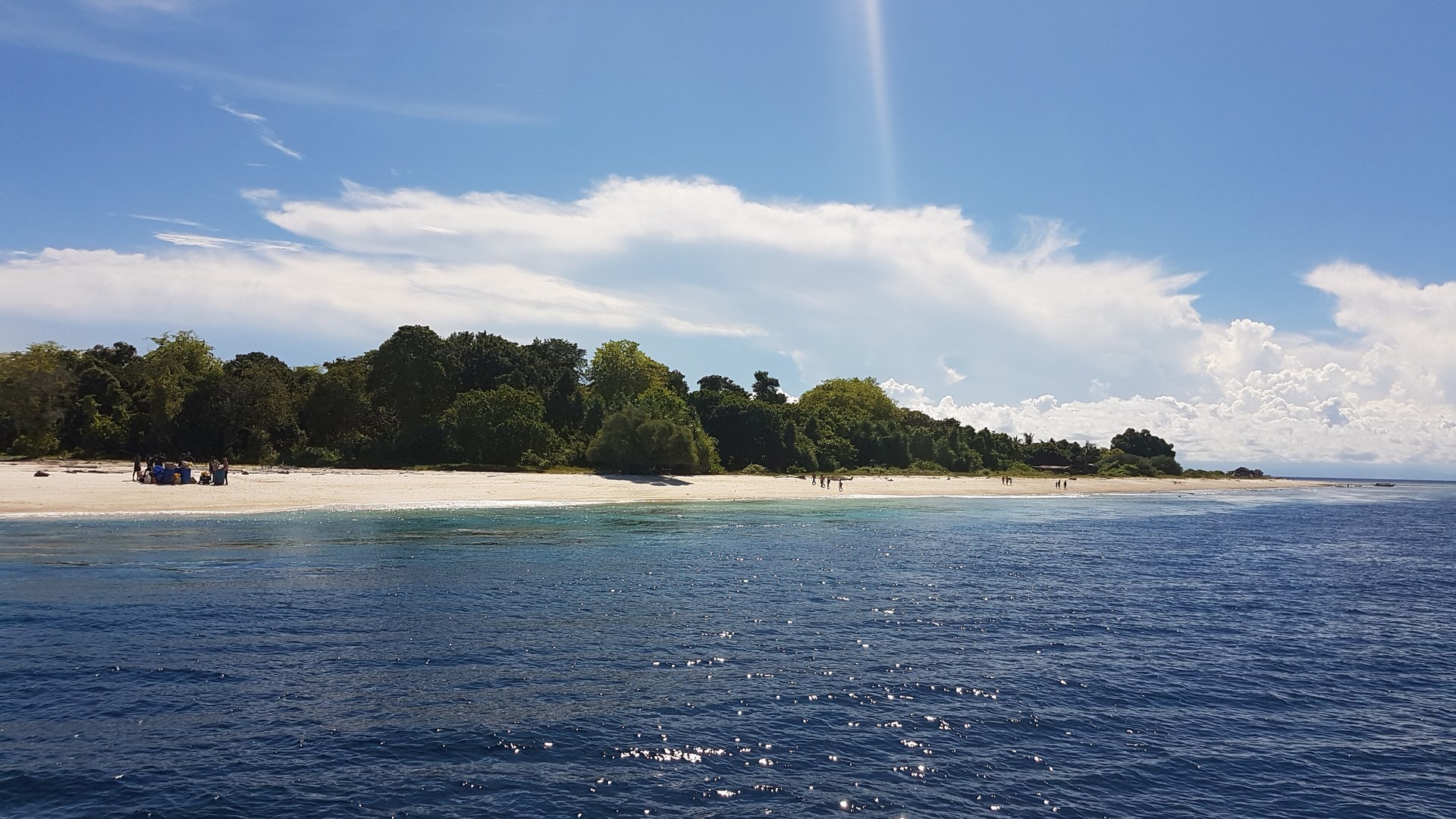
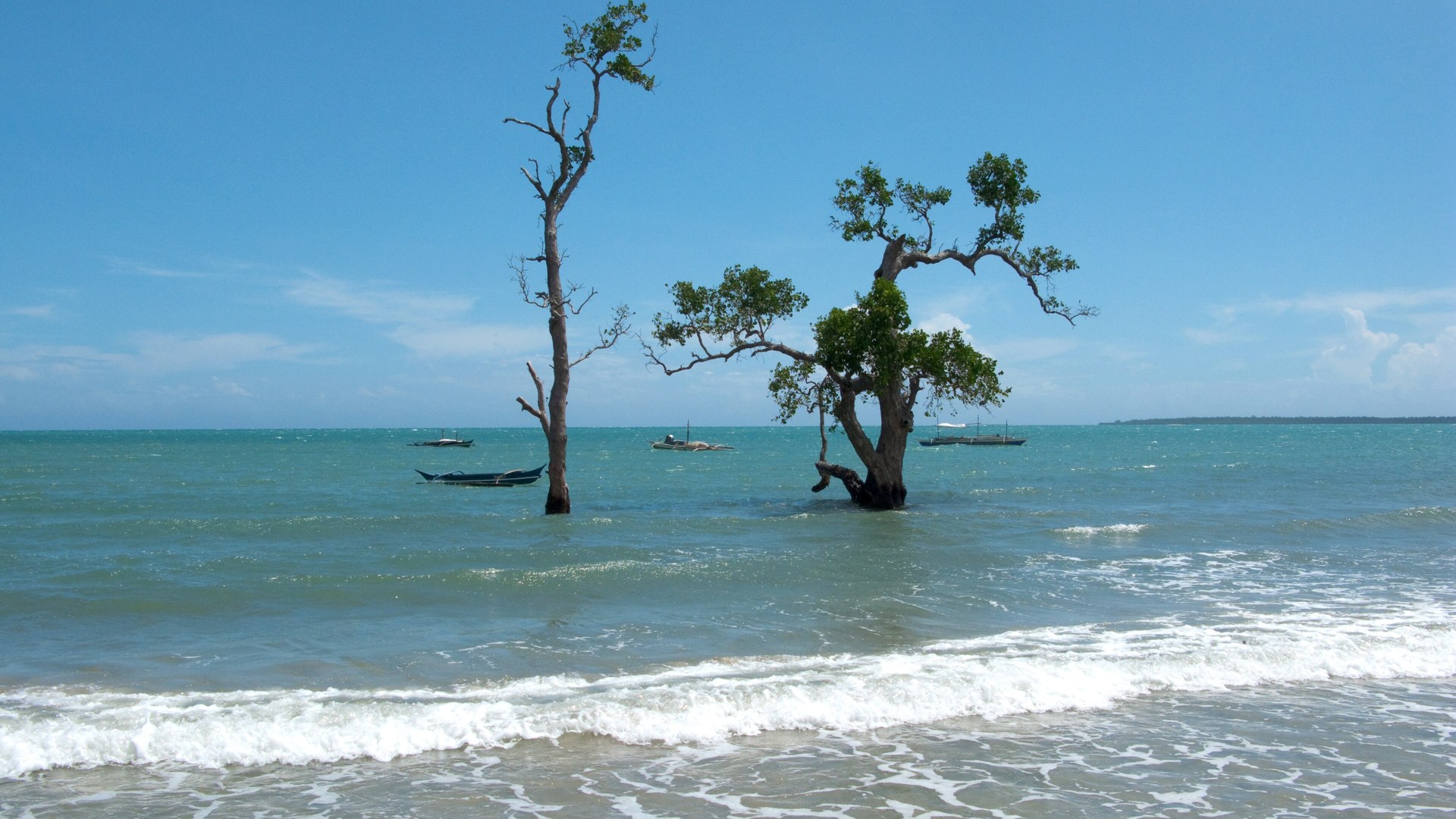
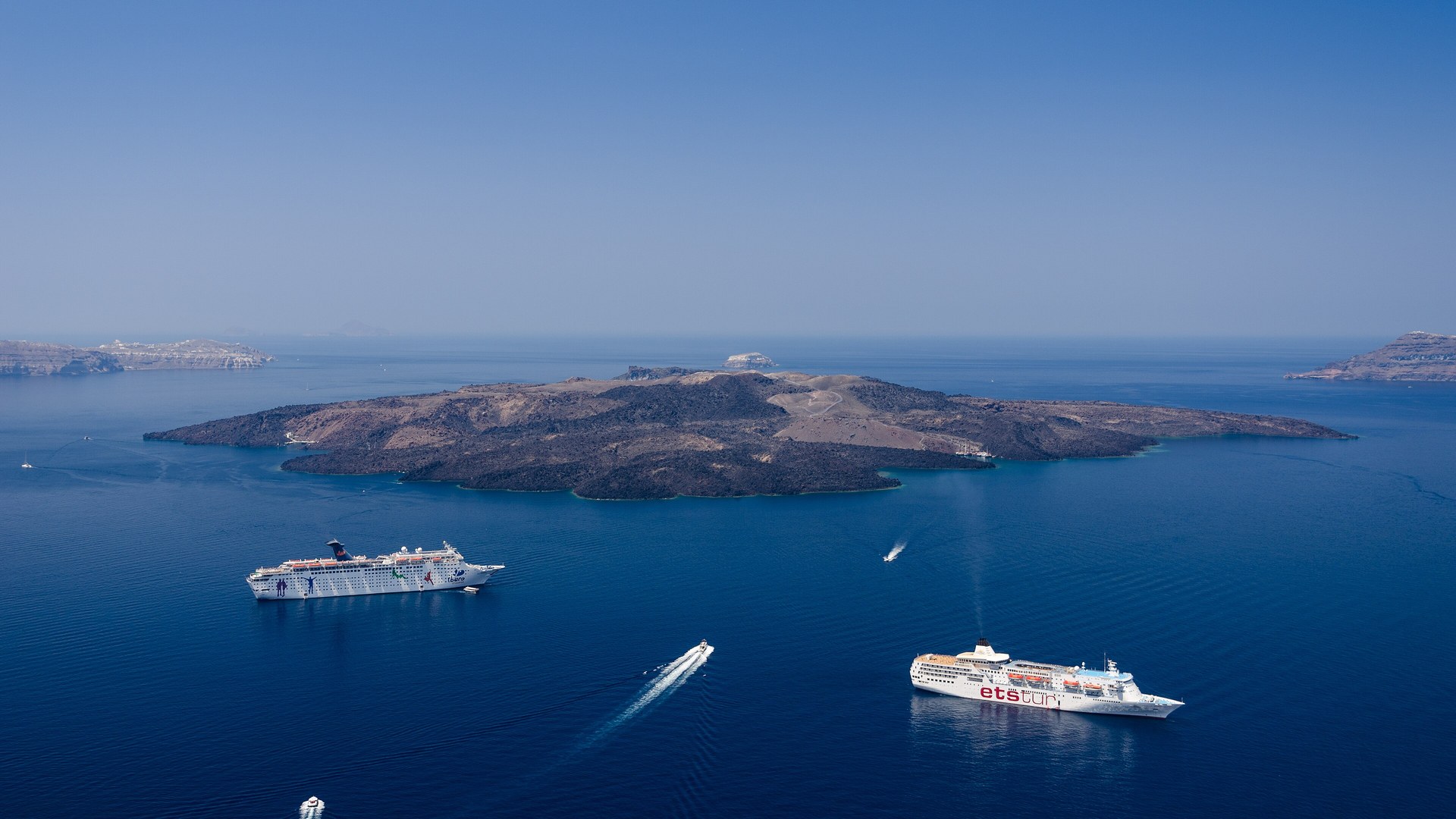
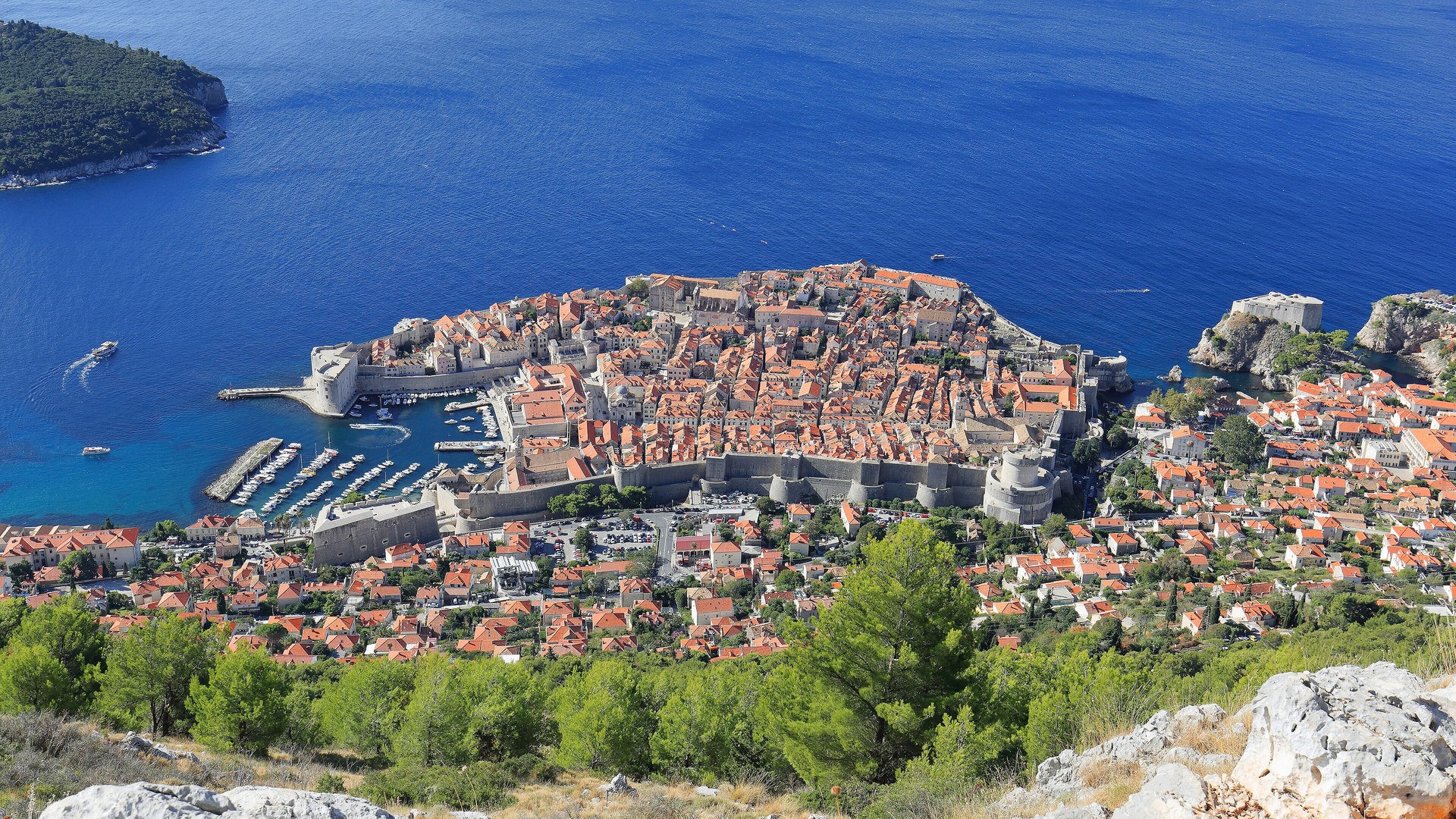
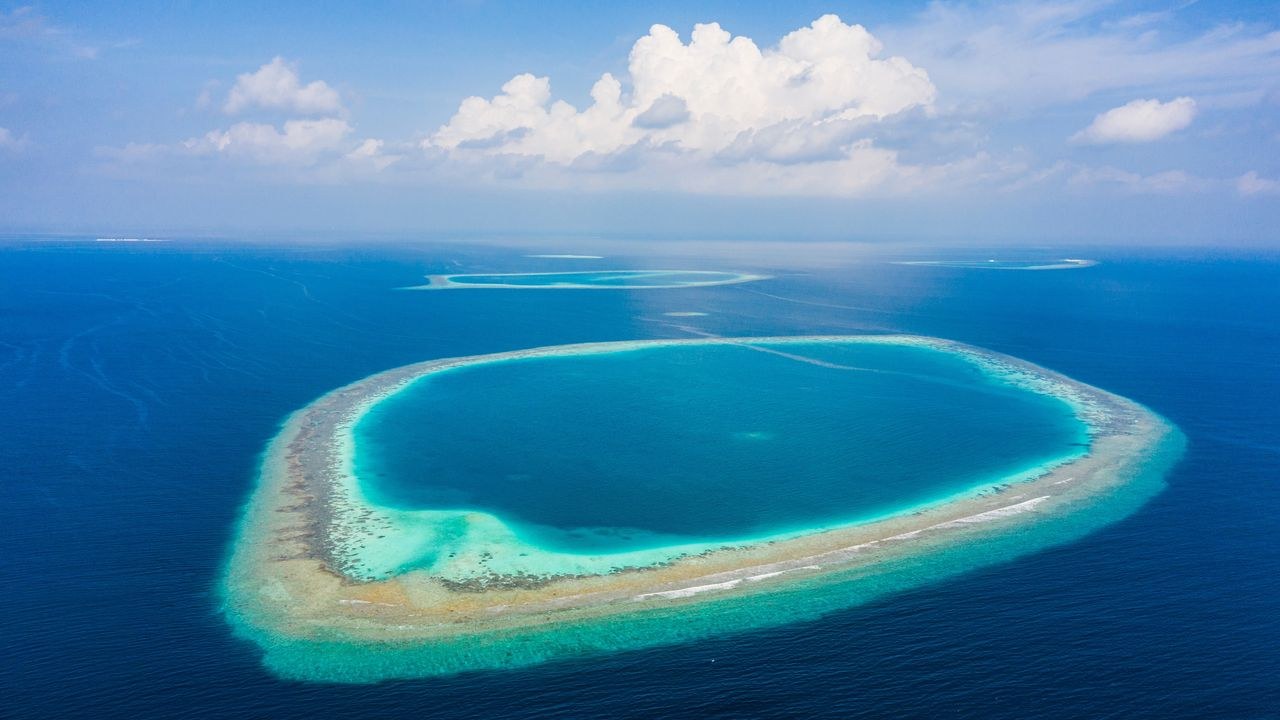
Enclosed Sea
7 waters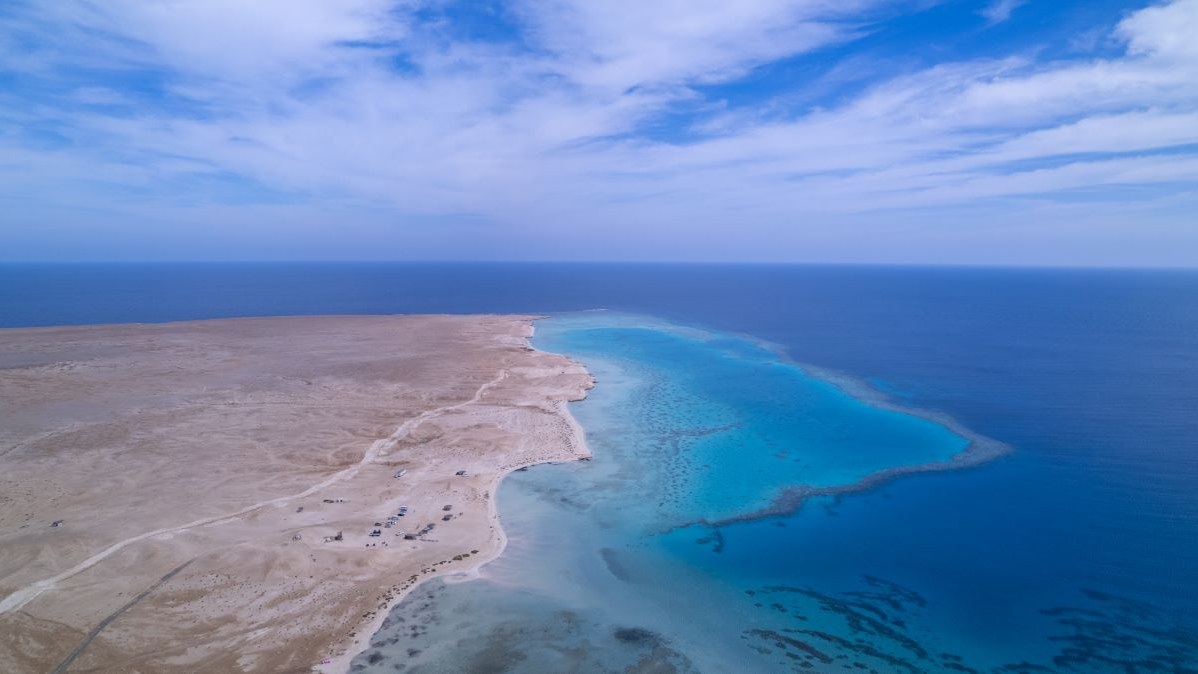
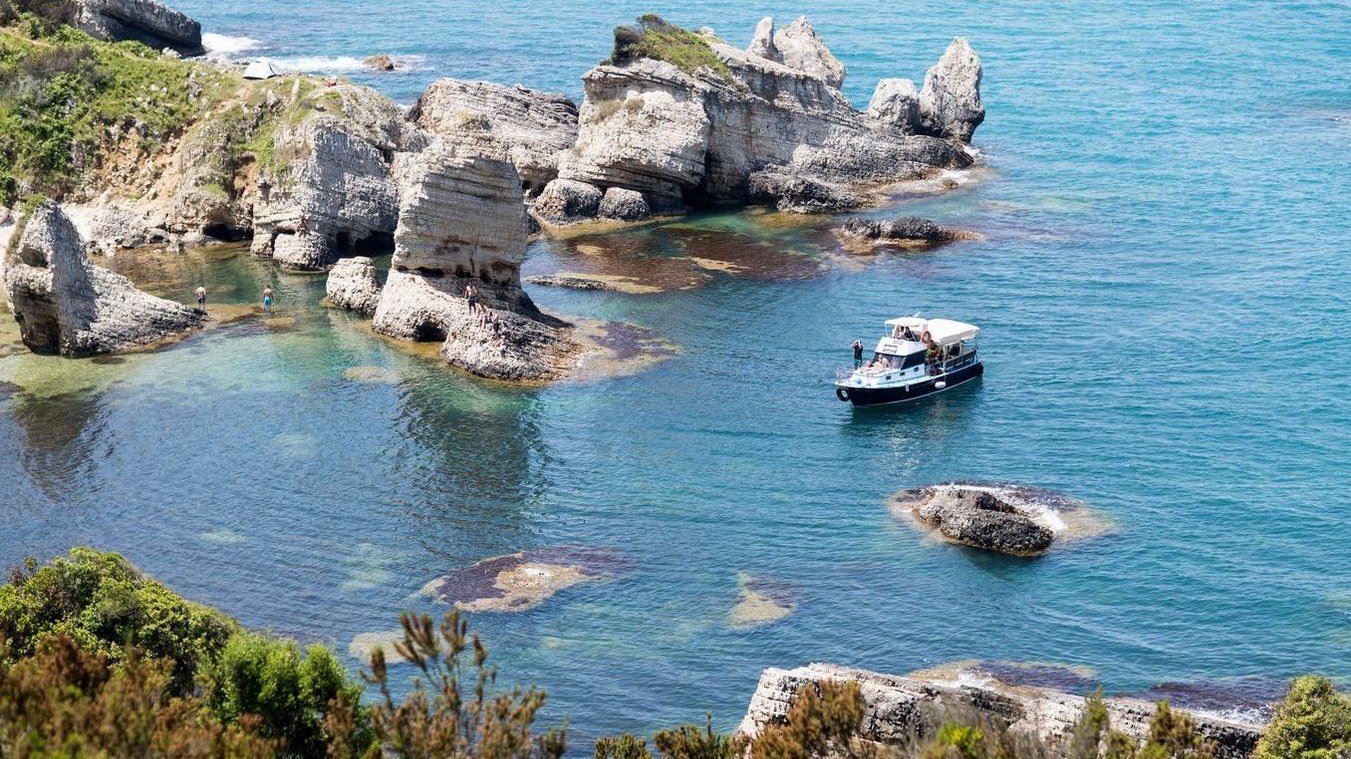
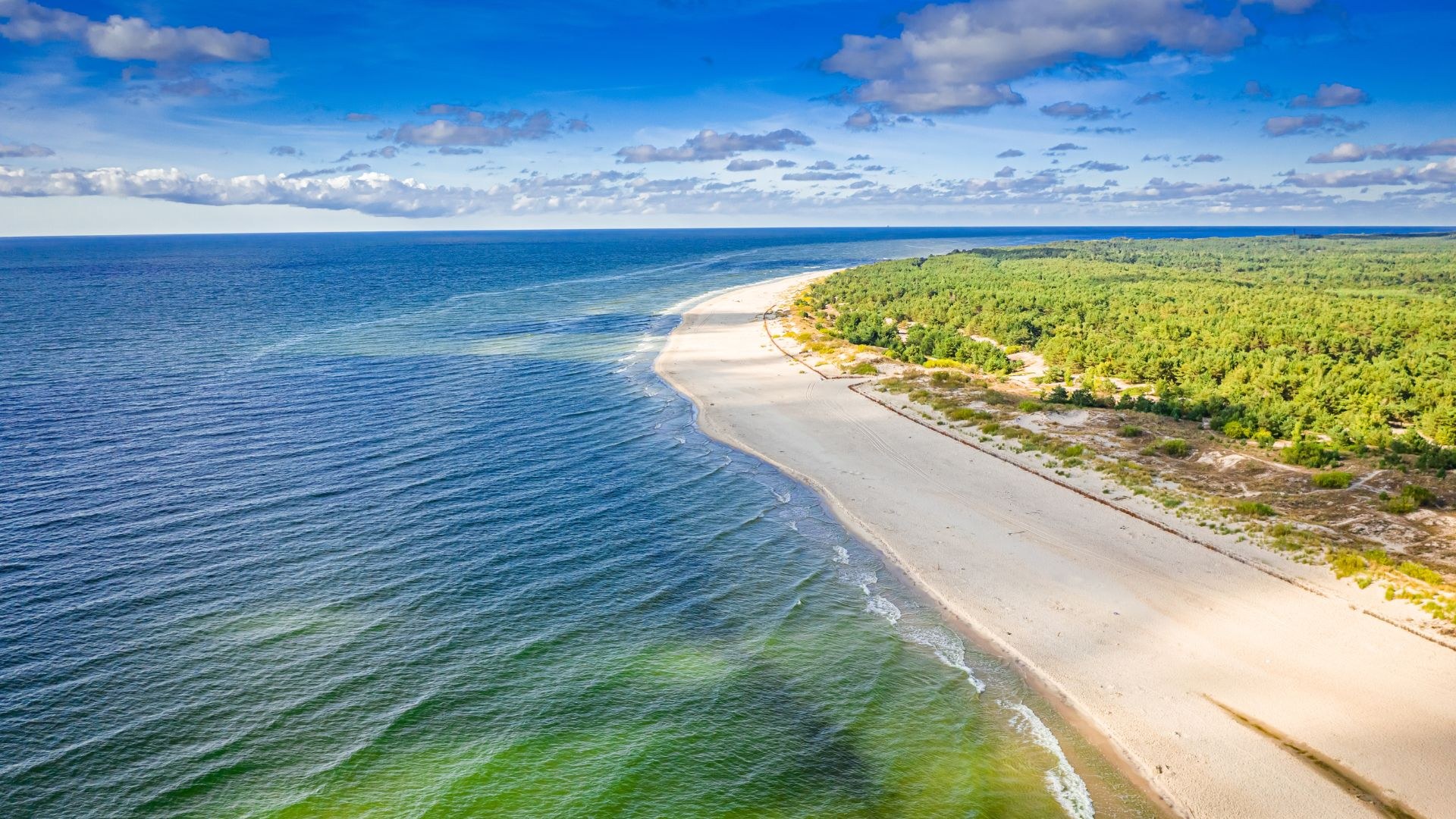
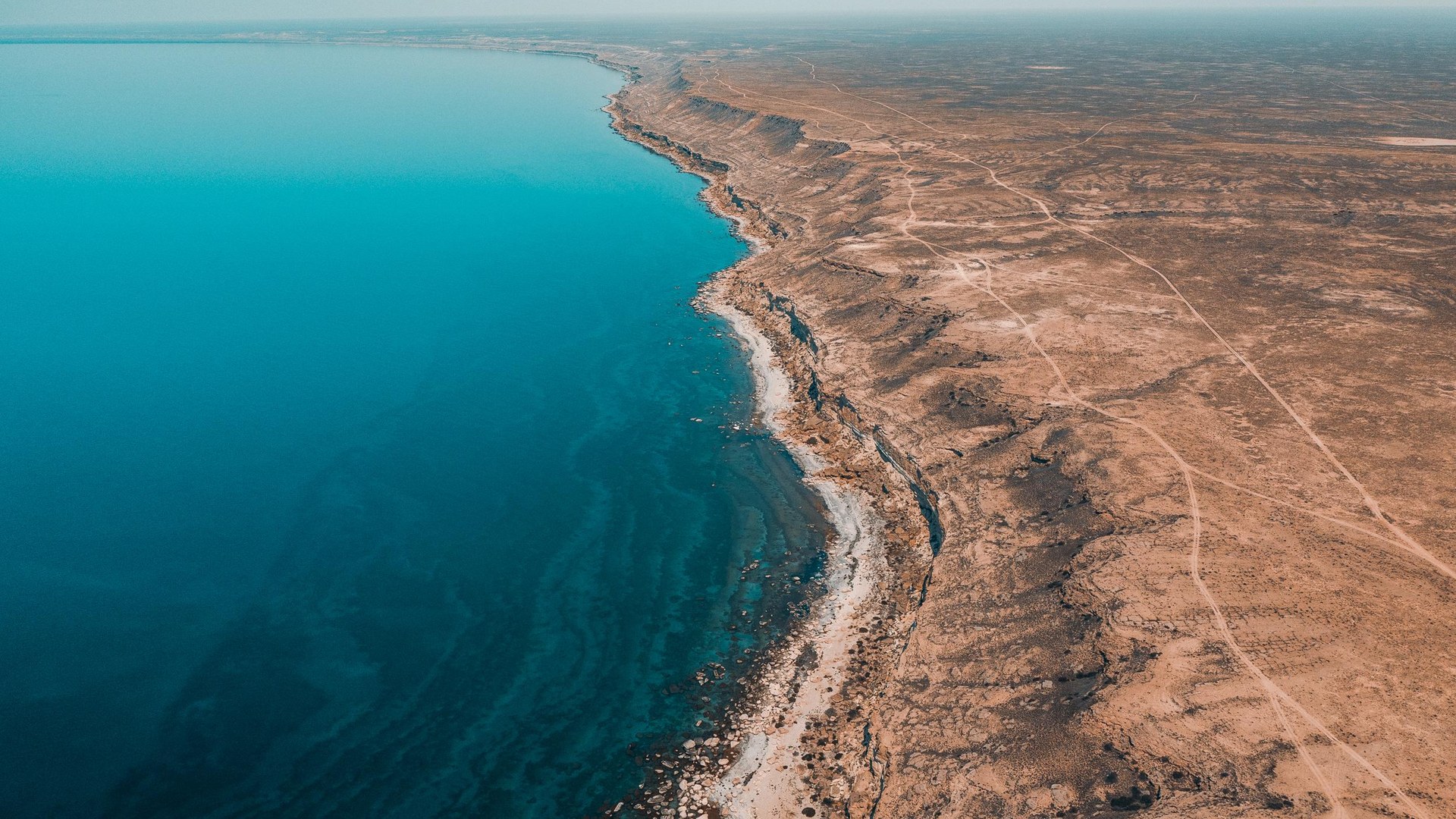
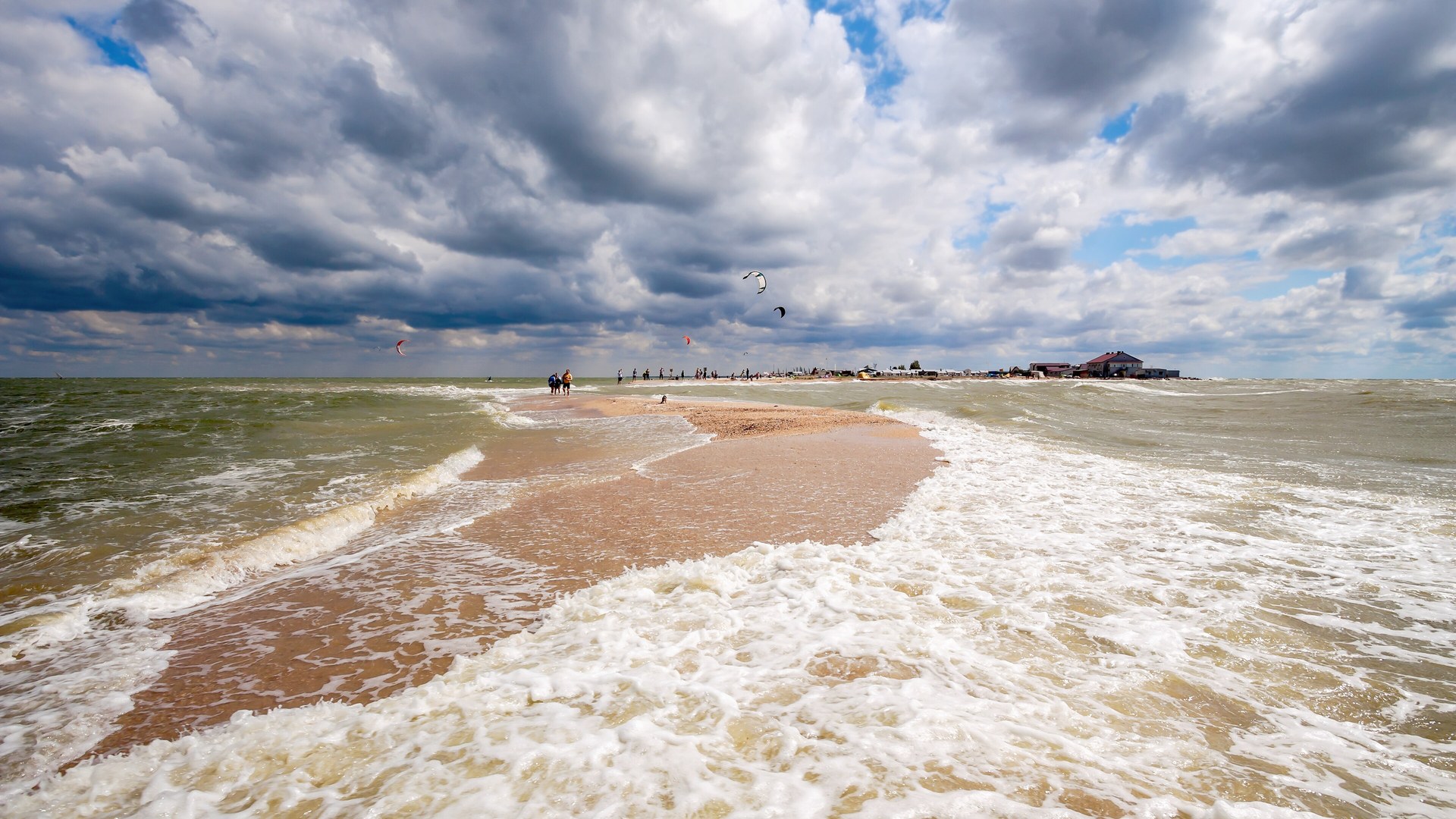
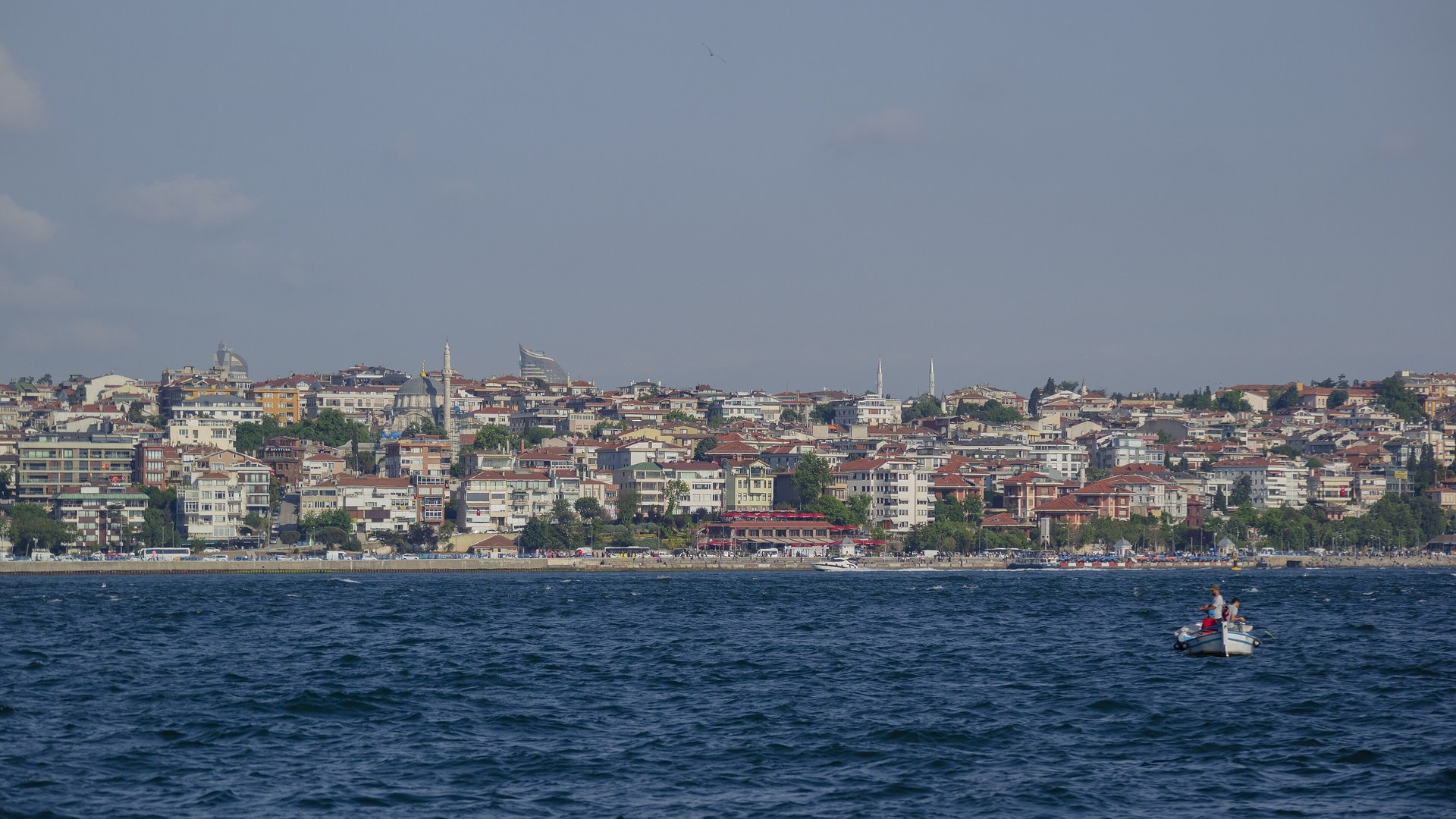
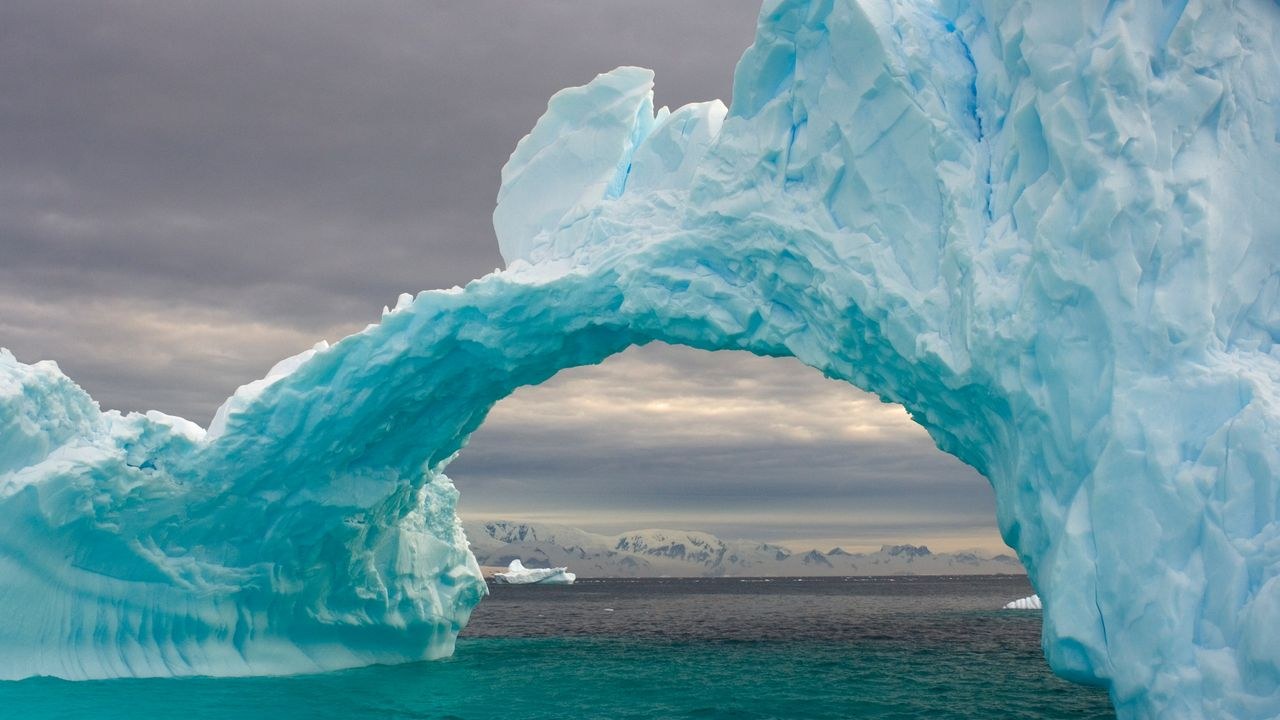
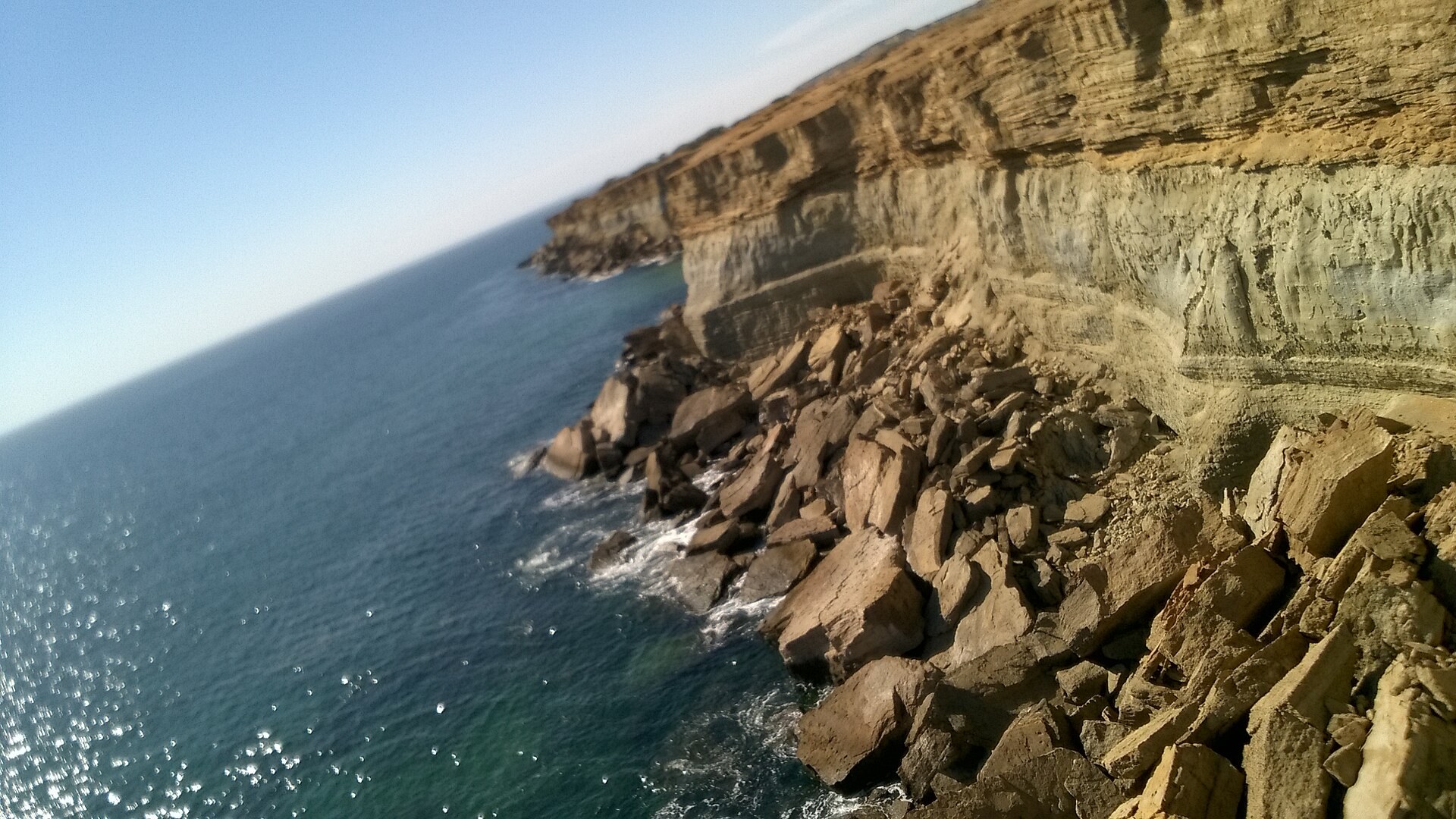
Gulf & Bay
9 waters
How life survives the deep
Crushing pressure, total darkness, near-freezing cold and no sunlight for food — yet life thrives from the sunlit surface to the deepest trench. Here are the astonishing tricks that make it possible.
Making their own light
In the dark deep, most animals glow. Bioluminescence lures prey, finds mates and startles attackers where sunlight never reaches.
e.g. Anglerfish, firefly squid, dragonfish
Withstanding crushing pressure
Kilometres down, pressure can top 1,000 atmospheres. Deep-sea bodies are soft and water-filled, with no air spaces to be crushed.
e.g. Blobfish, giant isopod, dumbo octopus
Living without the Sun
At hydrothermal vents, whole communities feed on chemicals from the Earth itself — chemosynthesis instead of photosynthesis.
e.g. Giant tube worms, yeti crab, scaly-foot snail
Beating the cold
In polar seas, special antifreeze proteins stop blood from freezing, and thick blubber locks in precious warmth.
e.g. Antarctic icefish, krill, emperor penguin
Vanishing in open water
With nowhere to hide, animals turn transparent or glow faintly on their bellies to erase their shadow from below.
e.g. Hatchetfish, sea angel, glass squid
Filtering the sea
The ocean’s biggest animals eat some of its smallest, straining tonnes of plankton and krill through comb-like mouths.
e.g. Whale shark, manta ray, blue whale
Diving on one breath
Air-breathing hunters slow their hearts and store oxygen in their muscles to plunge thousands of metres after prey.
e.g. Sperm whale, leatherback turtle, elephant seal
Camouflage & disguise
Reef dwellers mimic their surroundings so perfectly — or impersonate other animals — that predators simply pass them by.
e.g. Leafy seadragon, mimic octopus, pygmy seahorse
Explore the oceans your way
Dig deeper with our interactive ocean tools.
Go deeper into the ocean
Sea-floor landforms and trenches, the great ocean currents, famous expeditions into the deep, the ocean and climate change, and the peoples of the sea.