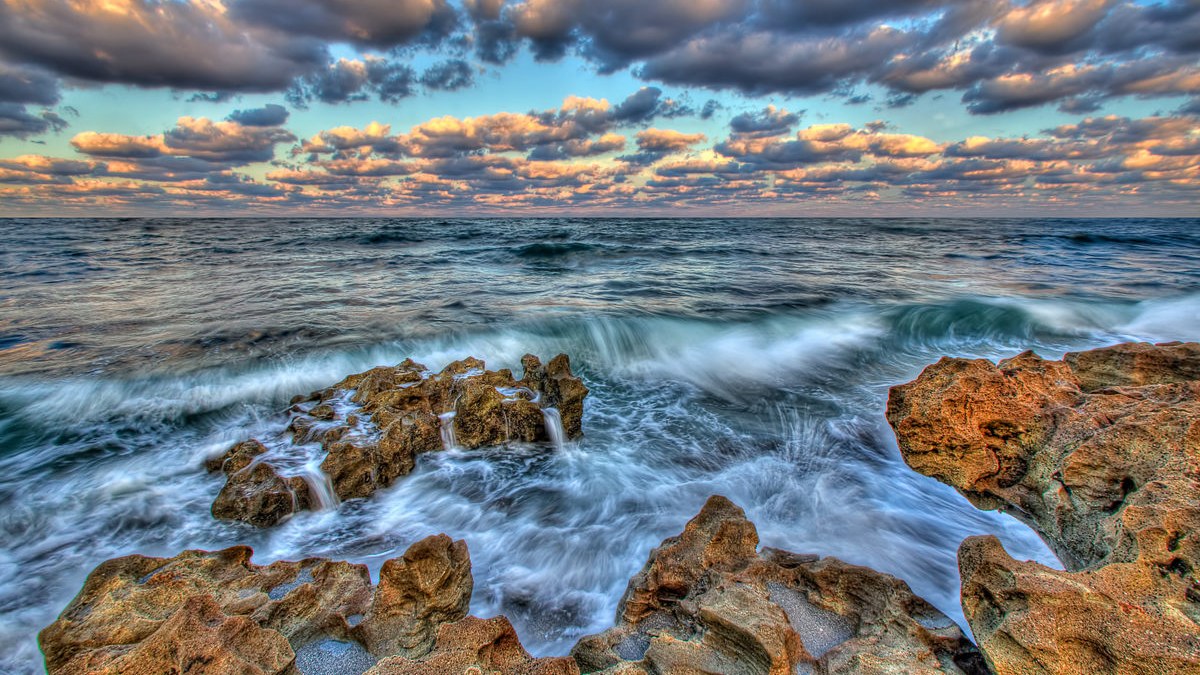
The second-largest ocean, an “S”-shaped basin between the Americas, Europe and Africa, split down the middle by the longest mountain range on Earth.
Area
106,460,000 km²
Ocean basin
Atlantic
Location
The second-largest ocean, dividing the Old and New Worlds
Average depth
about 3,646 m
Maximum depth
Puerto Rico Trench — about 8,376 m
Salinity
~35–37 ppt (the saltiest ocean)
Temperature
−2°C in the far north to 27°C in the tropics
Region
Between the Americas, Europe & Africa
About the Atlantic Ocean
The Atlantic Ocean separates the Americas from Europe and Africa and is still growing wider by a few centimetres each year as new sea floor is created along the Mid-Atlantic Ridge. Its powerful Gulf Stream carries warm tropical water north, keeping western Europe far milder than its latitude should allow. It has been the great highway of exploration, trade and migration for centuries.
Did you know?
Running down its centre is the Mid-Atlantic Ridge — a 16,000 km underwater mountain chain where the ocean floor is slowly splitting apart.
Highlights
- The saltiest of the major oceans
- Split by the Mid-Atlantic Ridge, the longest mountain range on Earth
- Home of the warm, climate-shaping Gulf Stream
Photo gallery
Life in the Atlantic Ocean
Creatures, seabirds and marine plants — including some of the rarest and strangest — that live in these waters.
Creatures of the deep
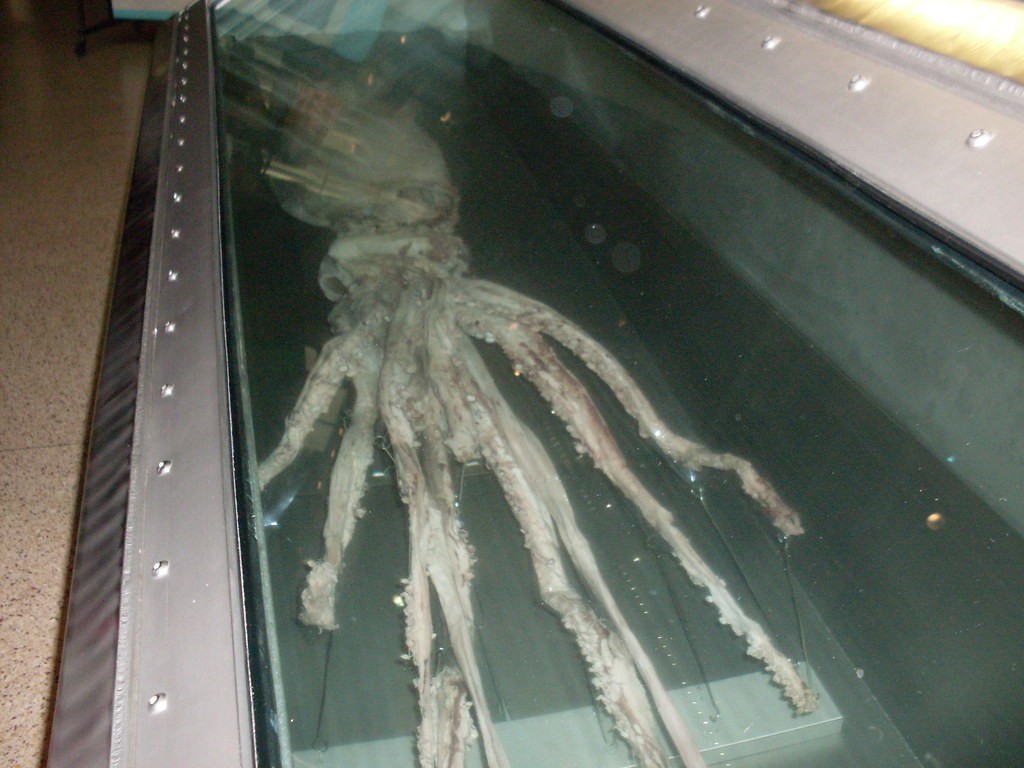
Giant squid
A deep-ocean giant with eyes the size of dinner plates, almost never seen alive.
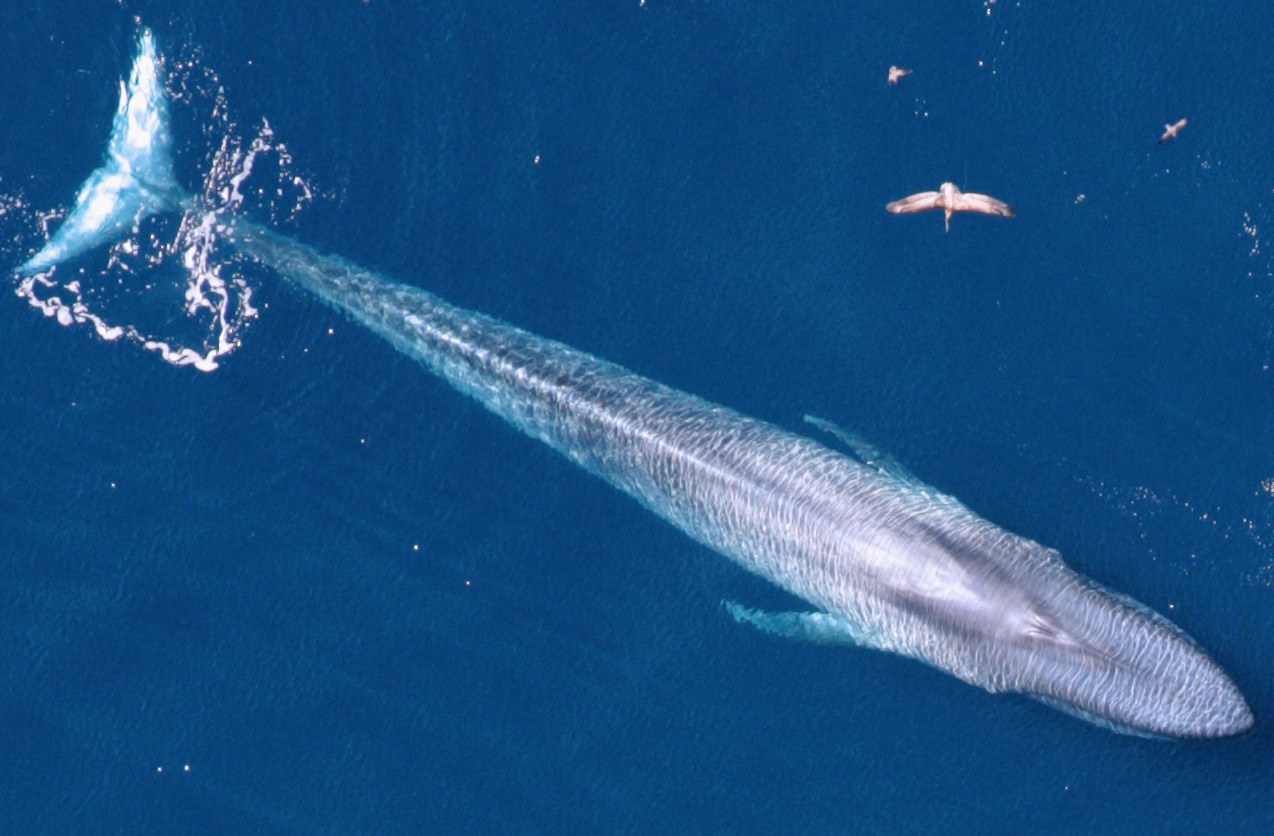
Blue whale
The largest animal ever to live — longer than three buses and heavier than 25 elephants.
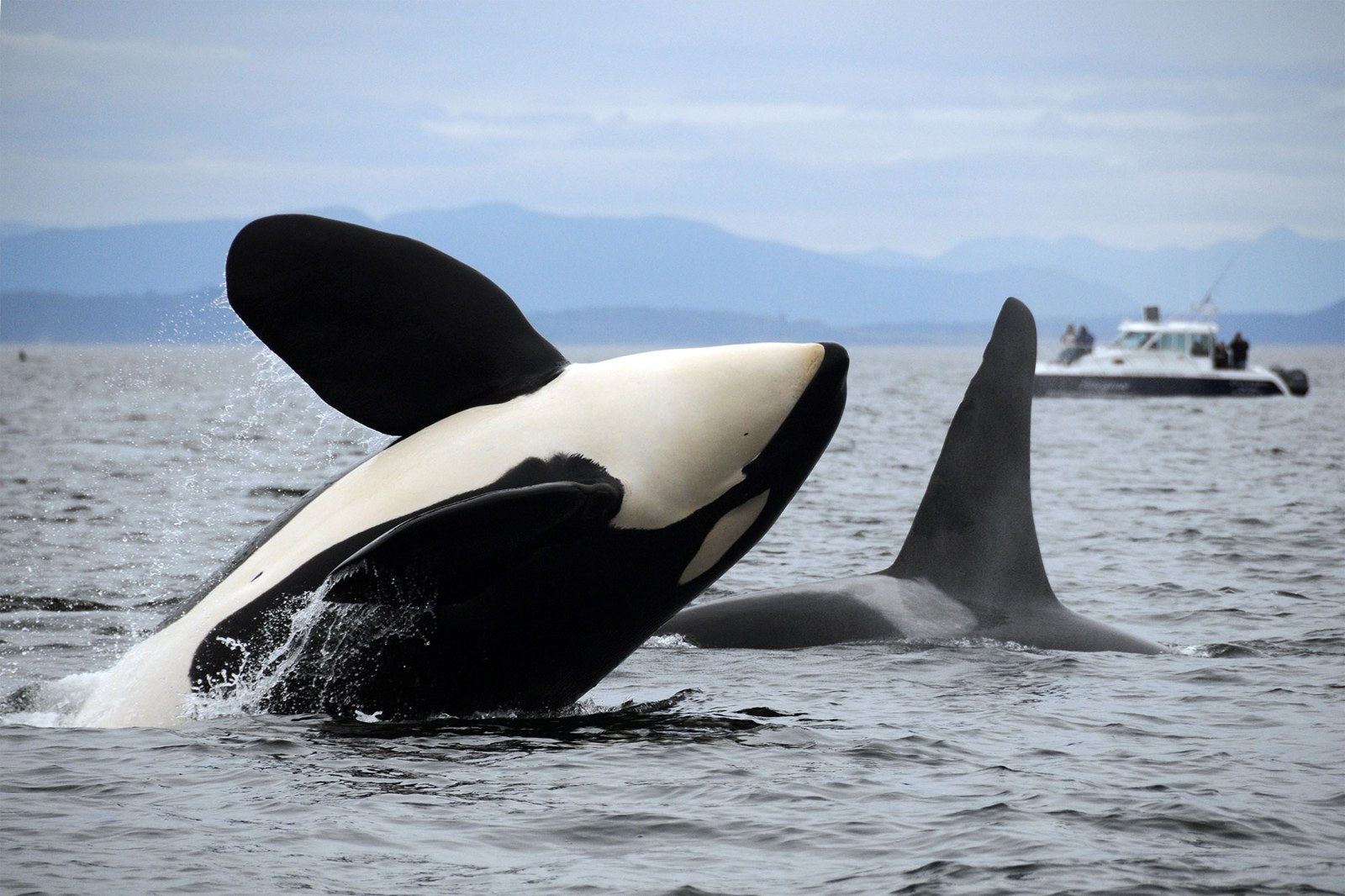
Orca (killer whale)
The ocean’s top predator: a brilliant, family-living dolphin found in every sea.
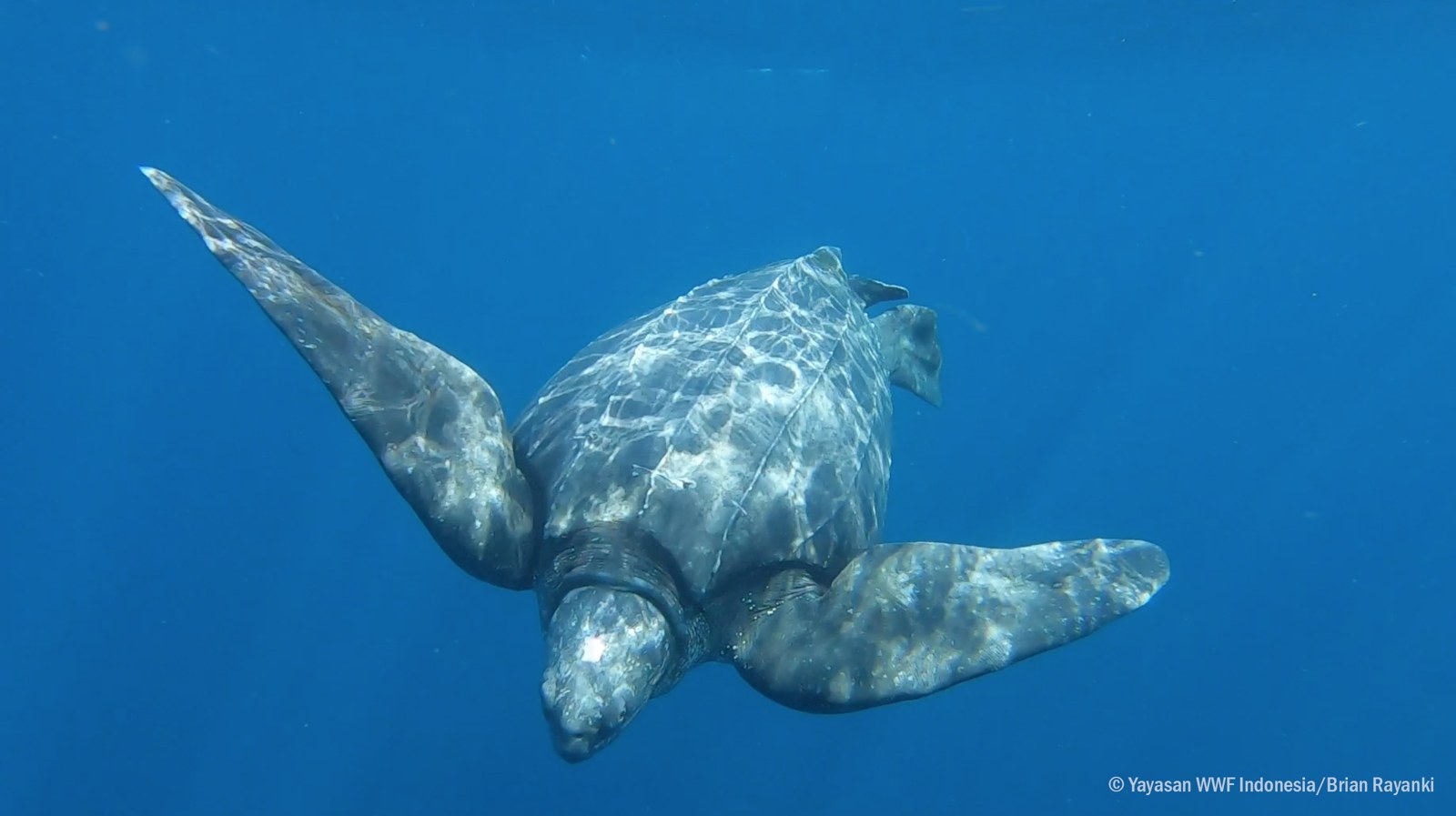
Leatherback turtle
The largest sea turtle, diving over 1,000 m in pursuit of jellyfish.
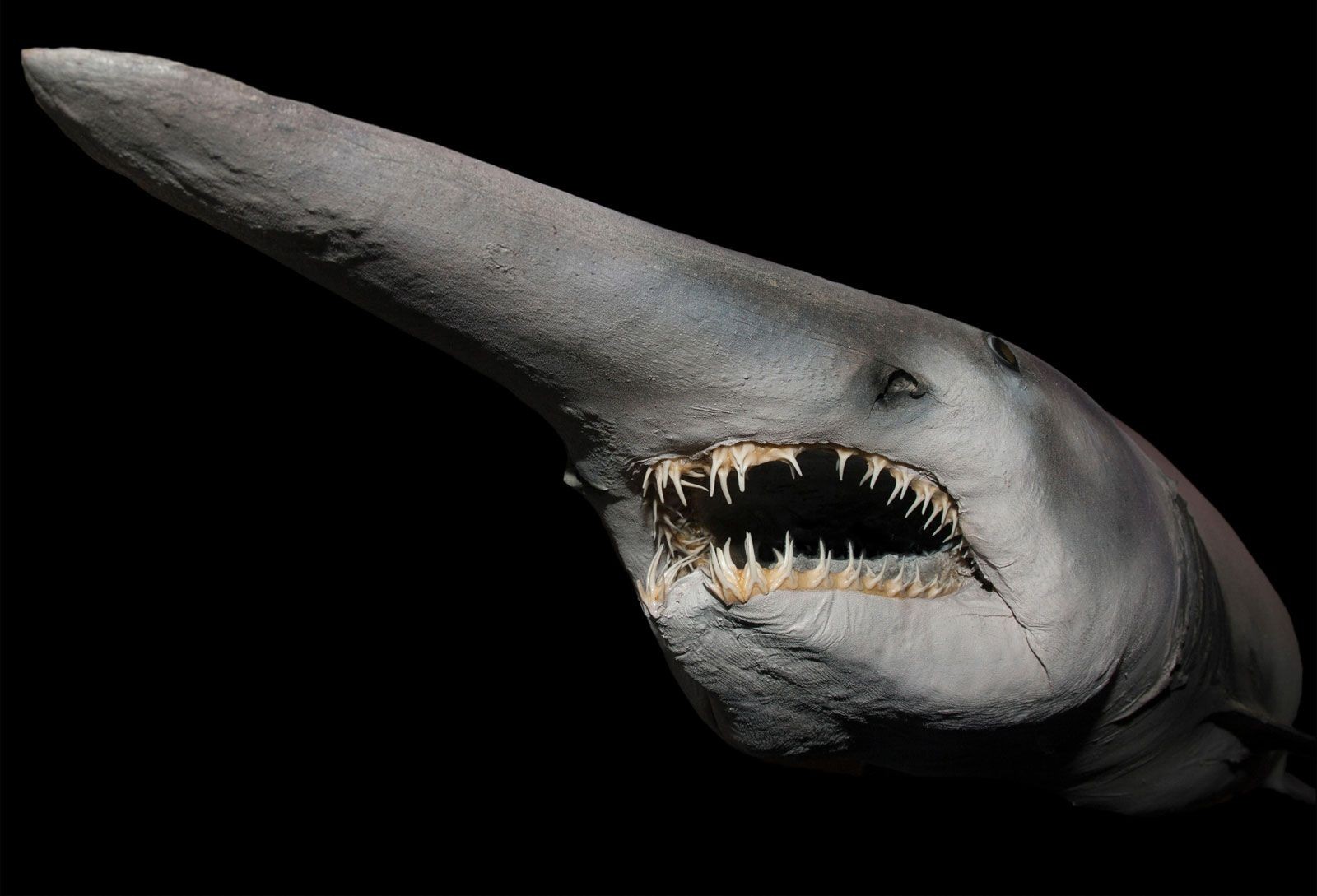
Goblin shark
A pink, slingshot-jawed “living fossil” shark that shoots its jaws out to snatch prey.
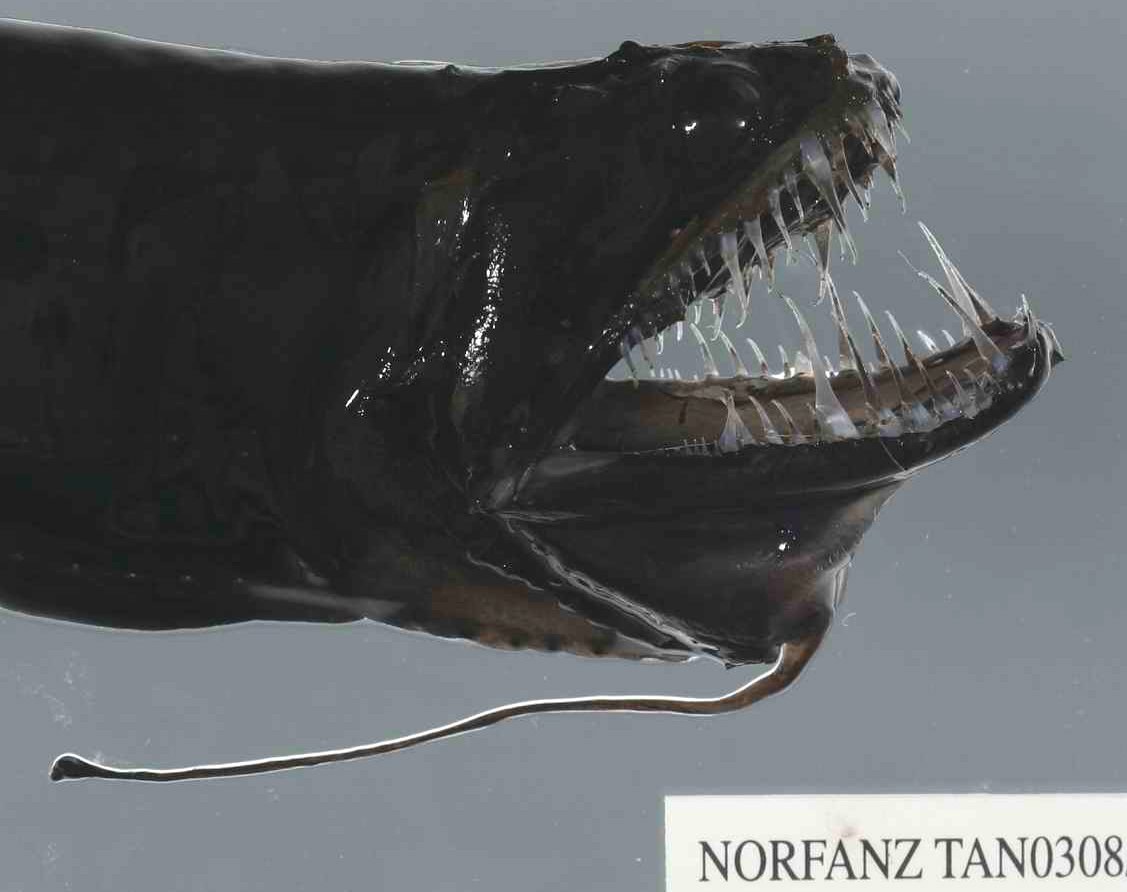
Deep-sea dragonfish
A black twilight predator with fang-like teeth and a glowing chin barbel.
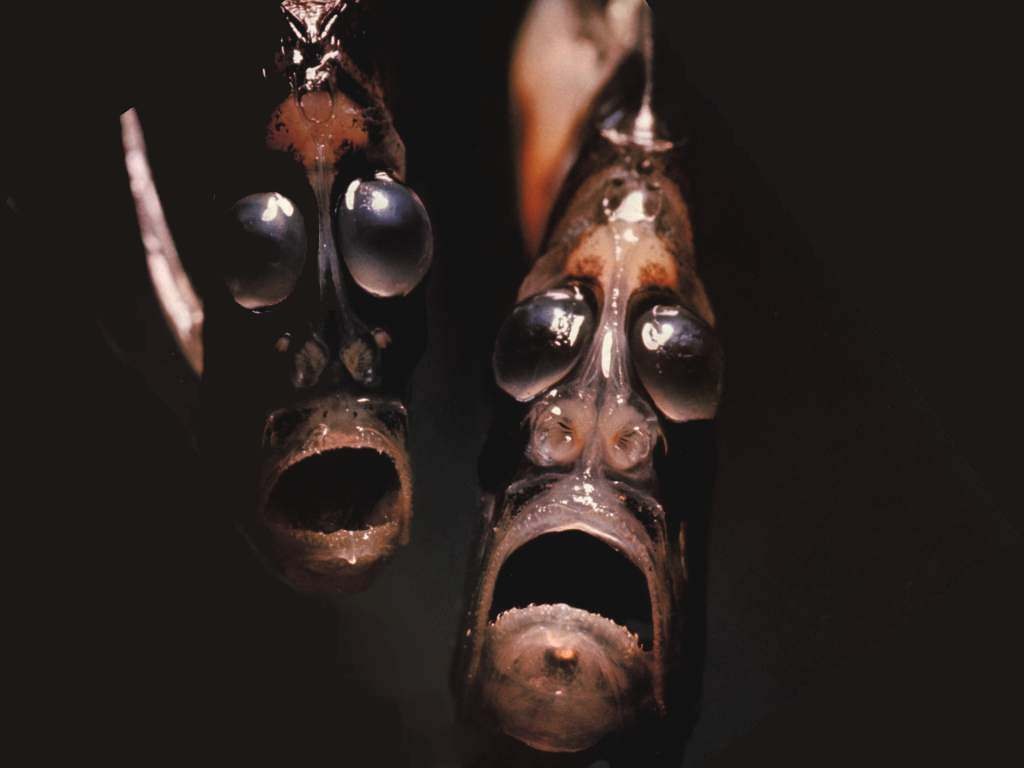
Hatchetfish
A silvery twilight-zone fish with upturned eyes and belly lights that erase its silhouette.
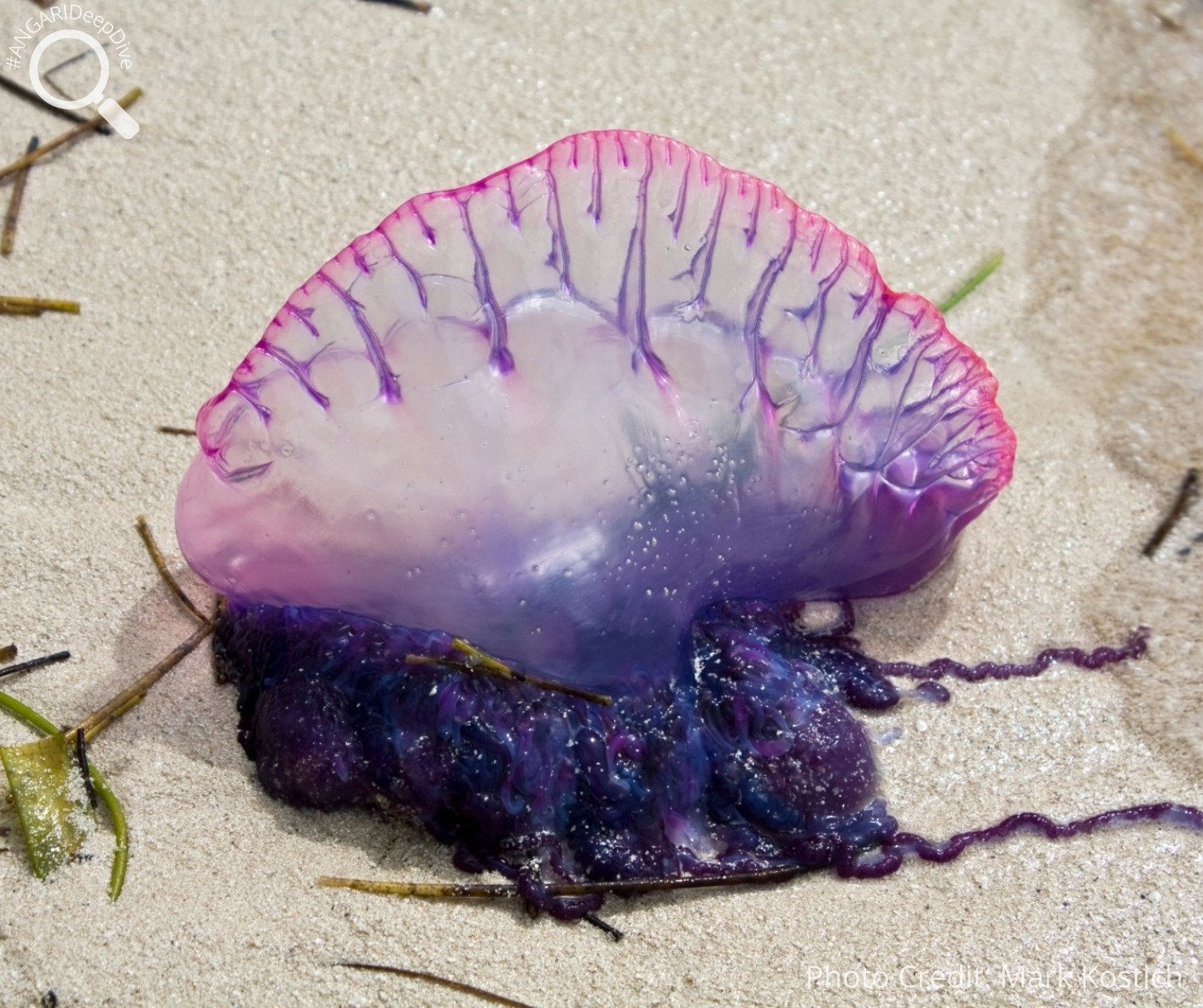
Portuguese man o’ war
Not one animal but a drifting colony, trailing venomous tentacles metres below its gas float.
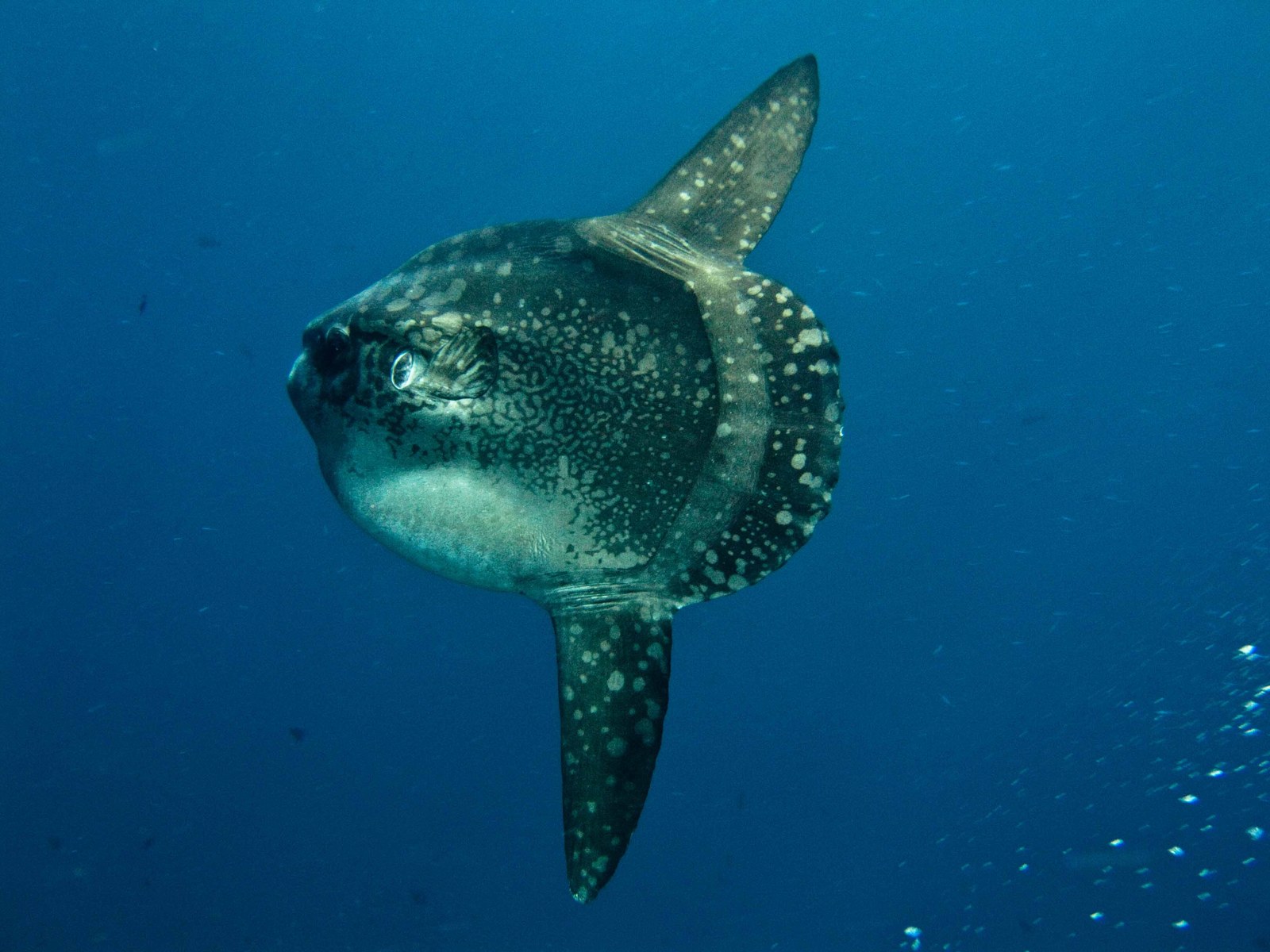
Ocean sunfish (mola mola)
The heaviest bony fish alive, basking flat on its side at the sunlit surface.
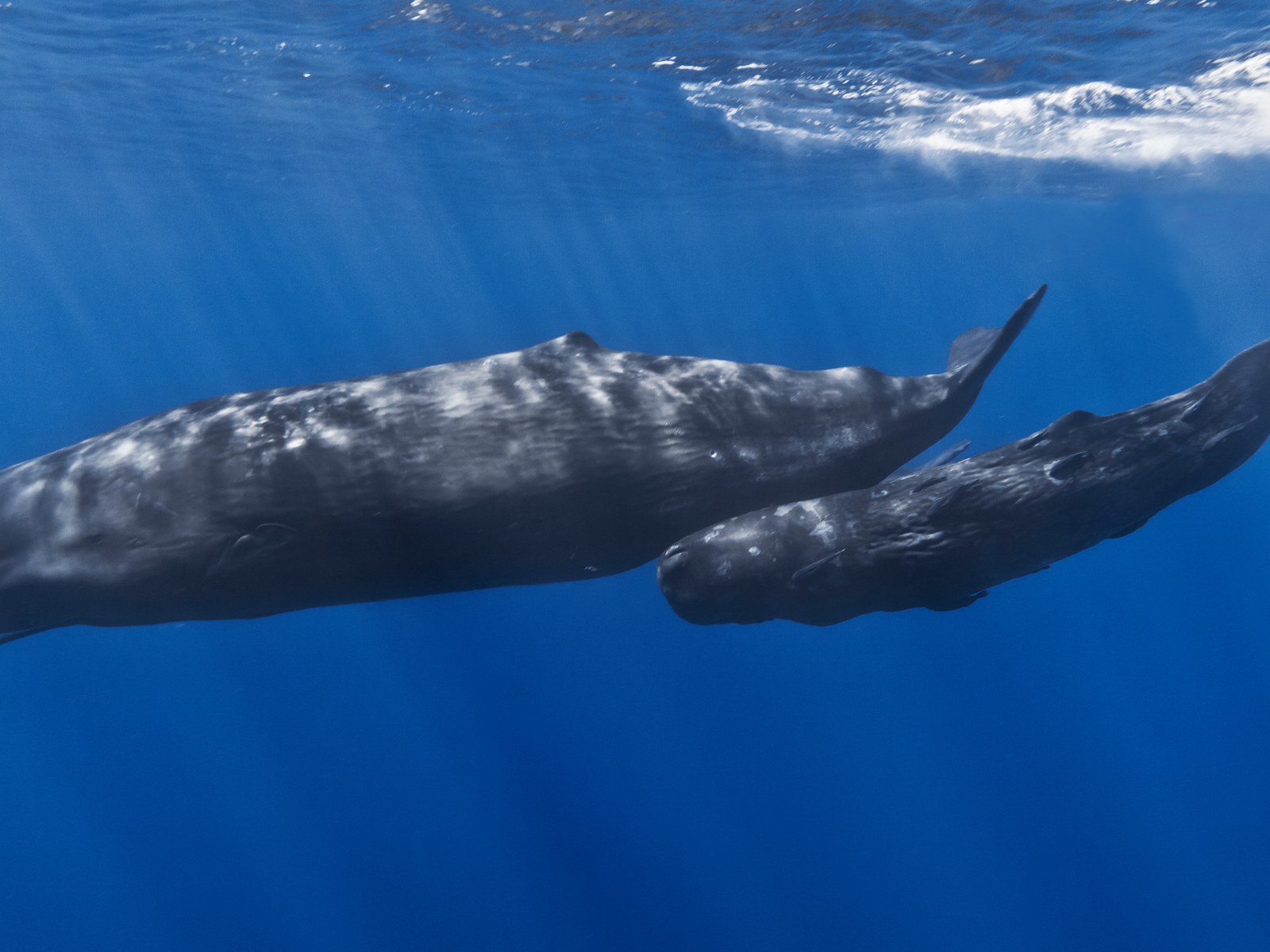
Sperm whale
The largest toothed predator alive, diving over 2 km into the dark to hunt giant squid.
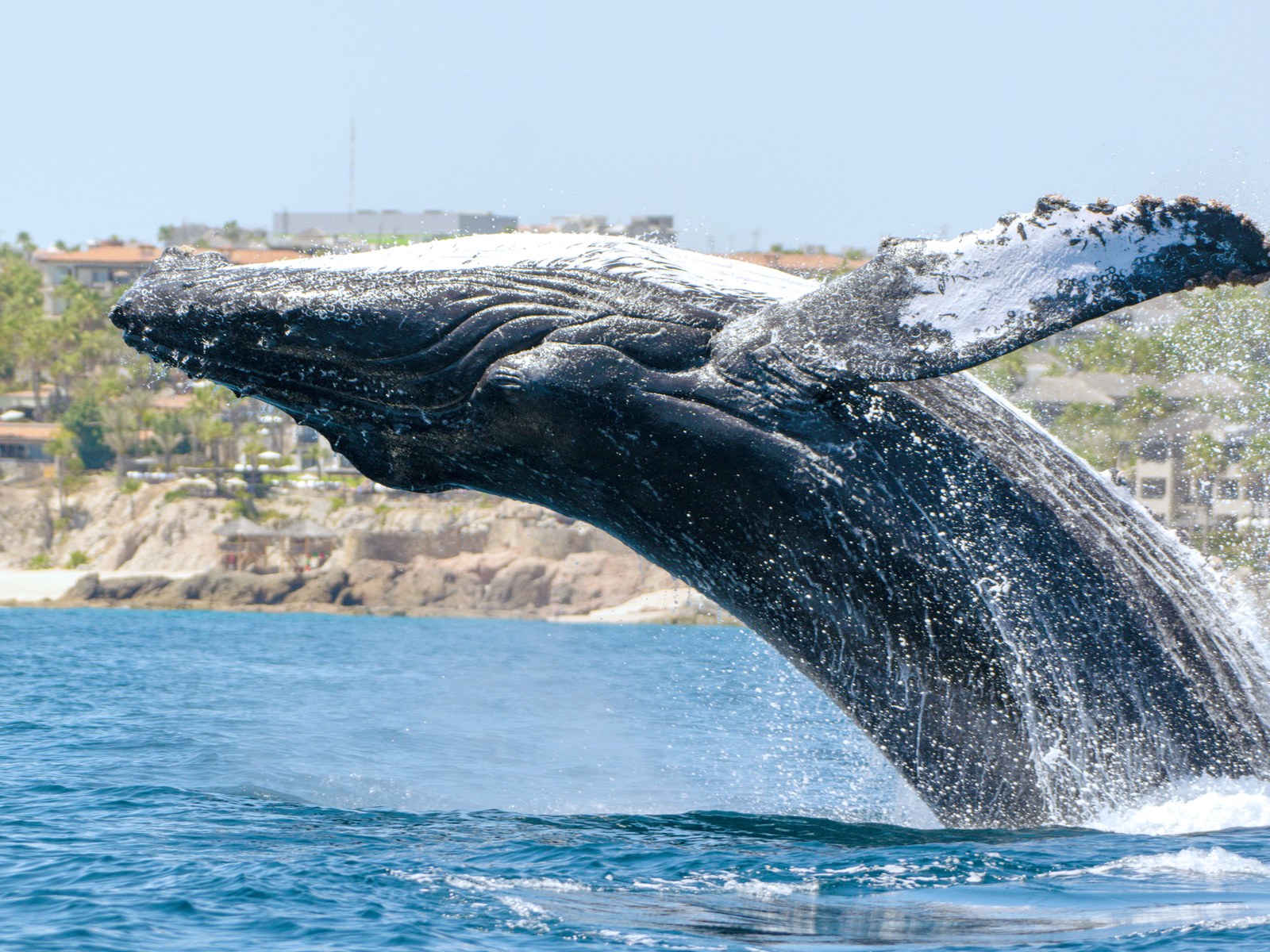
Humpback whale
An acrobatic baleen whale famed for breaching clear of the water and singing haunting songs.
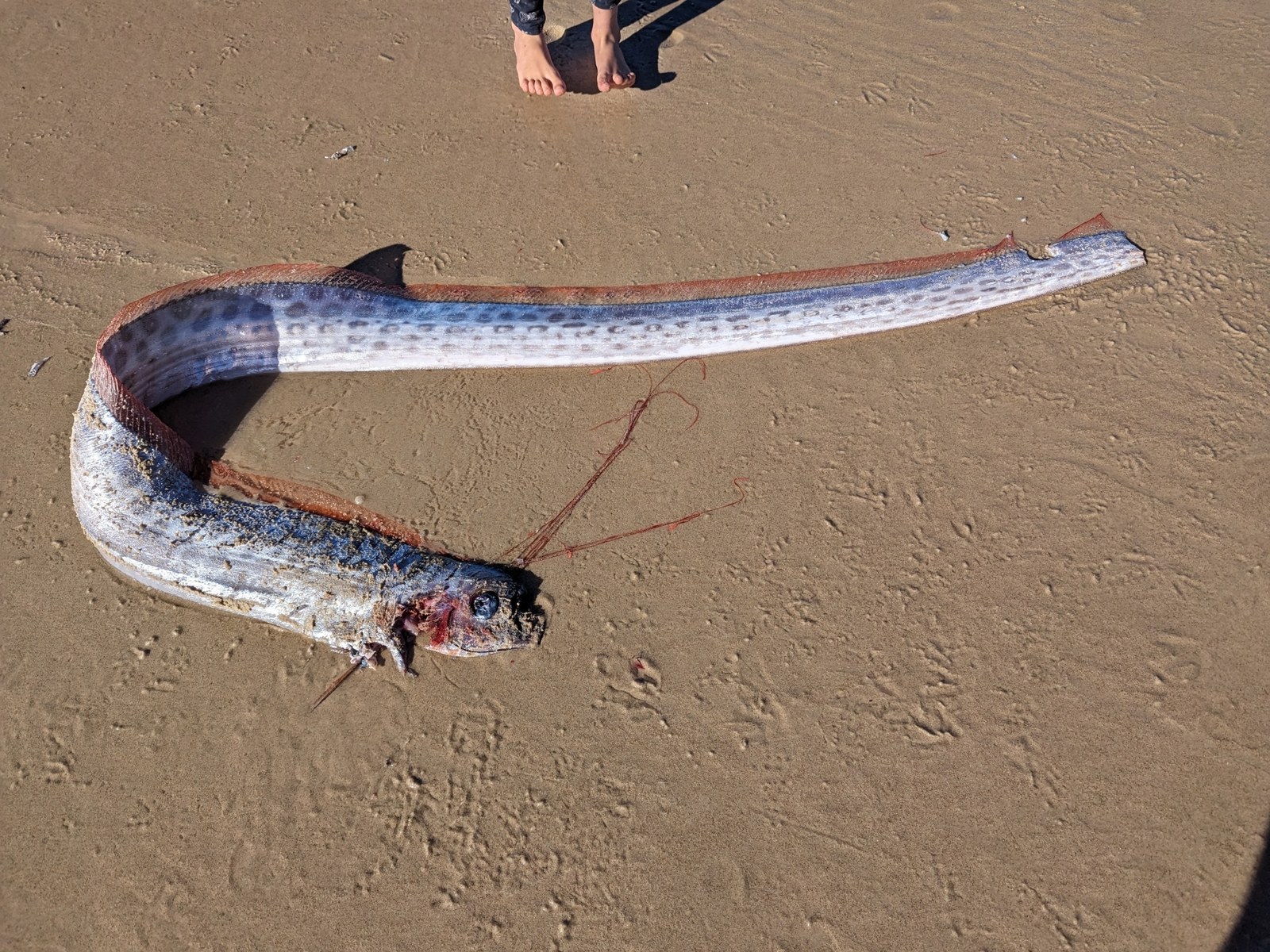
Oarfish
The longest bony fish on Earth — a ribbon up to 8 m that inspired sea-serpent legends.
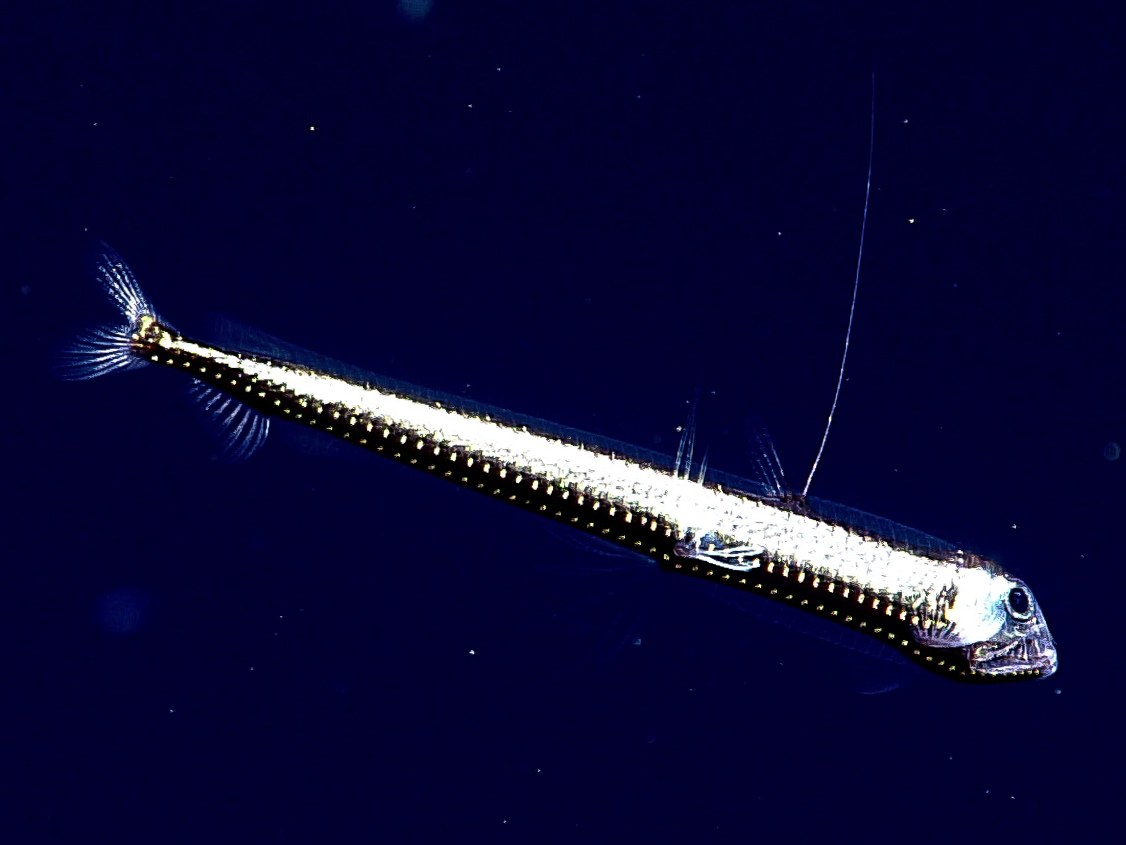
Viperfish
A deep-sea hunter whose fangs are so long it cannot fully close its own mouth.
Seabirds
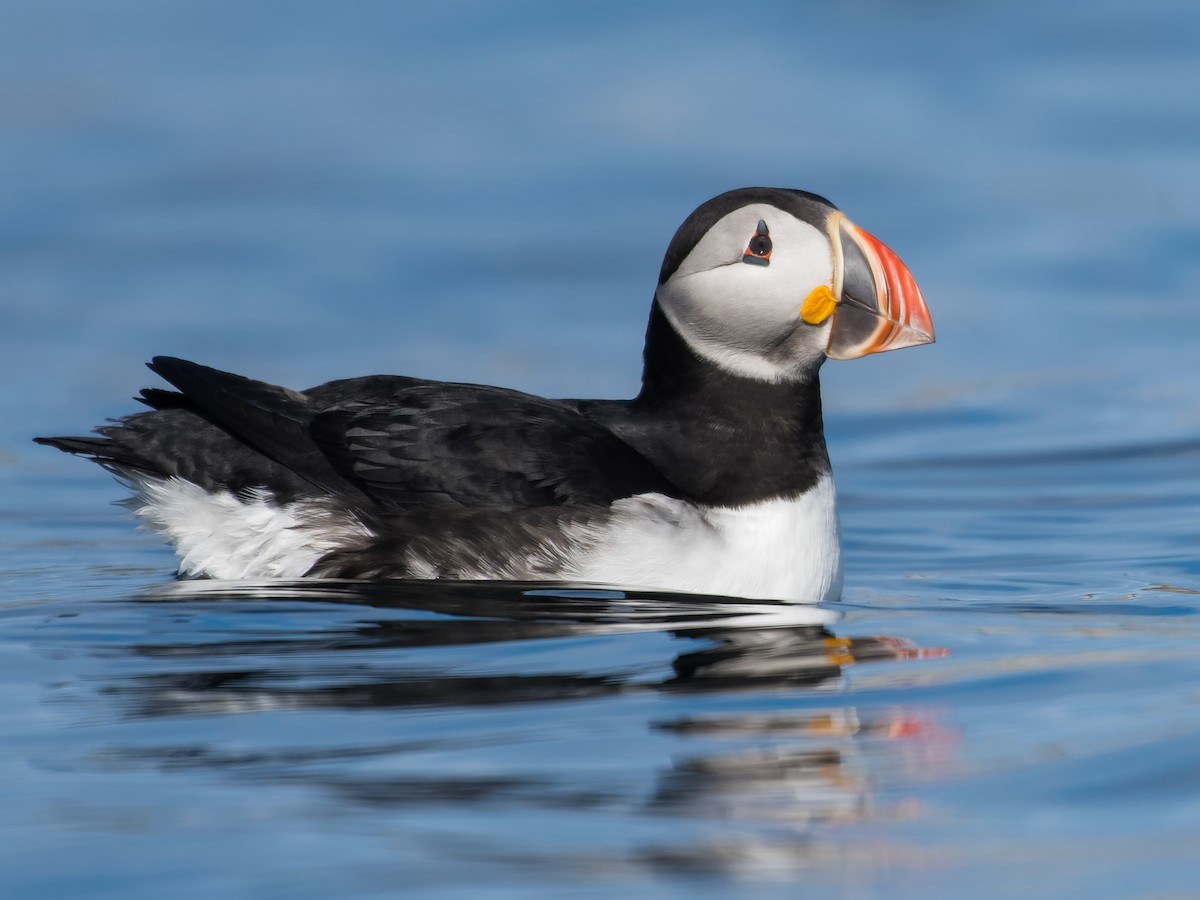
Atlantic puffin
The clown-faced “sea parrot” that nests in burrows on North Atlantic cliffs.
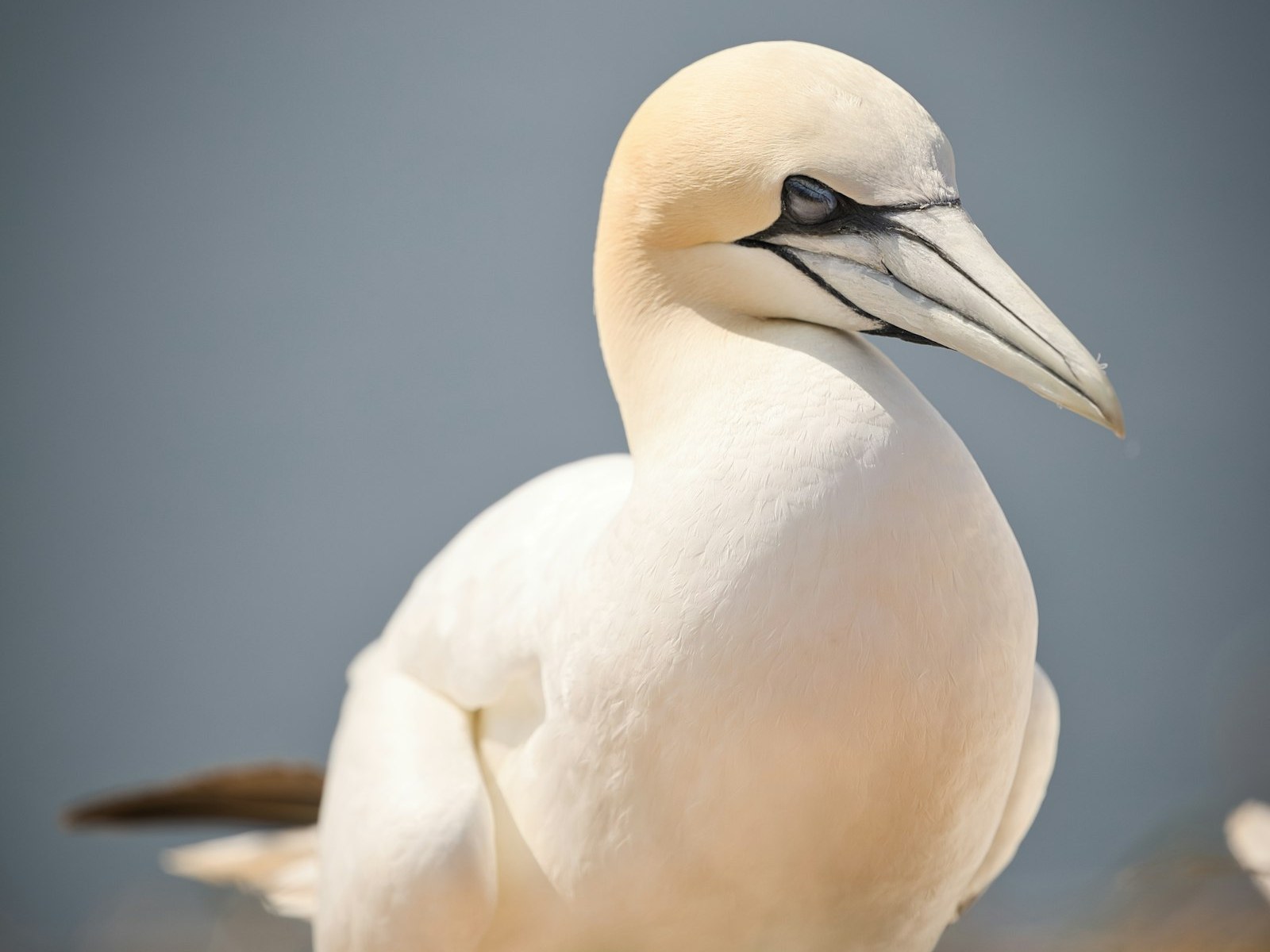
Northern gannet
A big white seabird that folds its wings and dives like an arrow at 100 km/h.
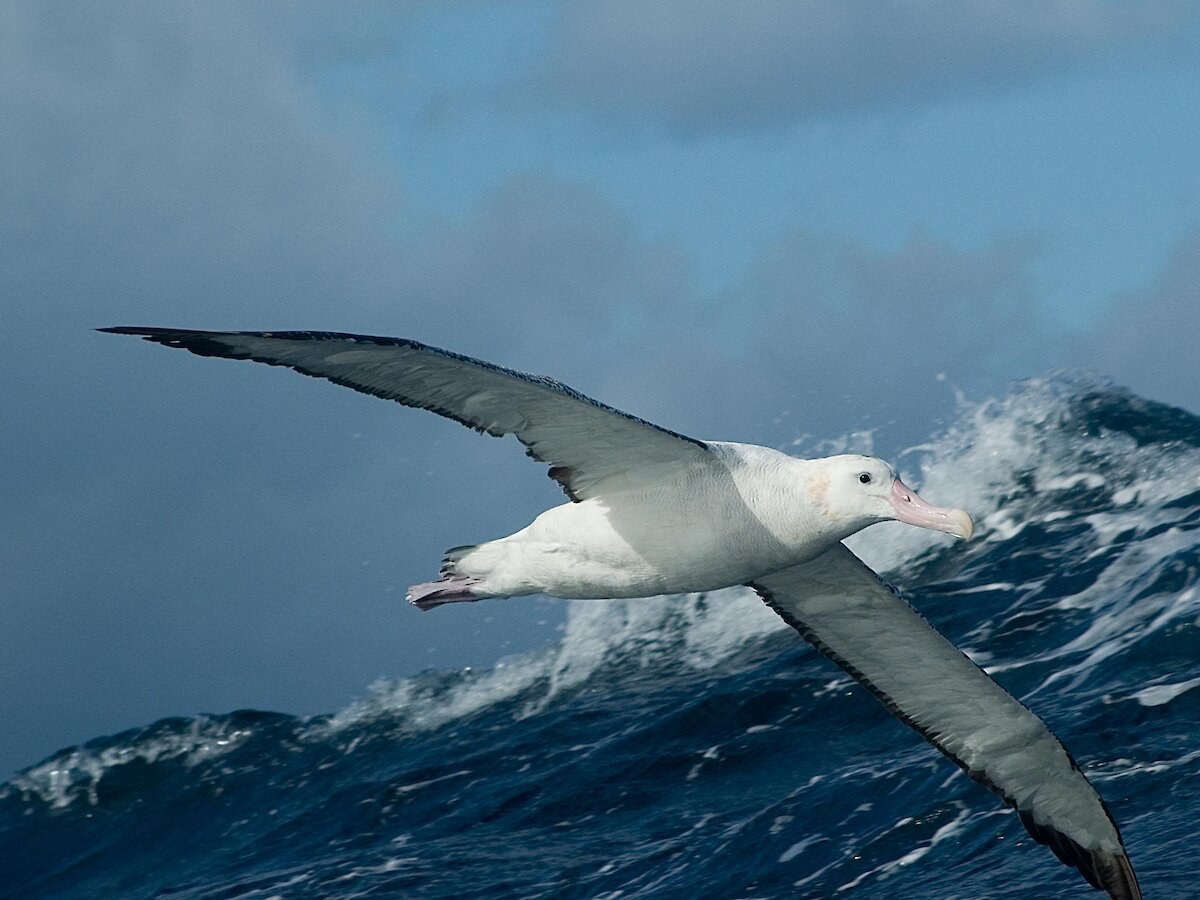
Wandering albatross
The longest wingspan of any bird — 3.5 m — gliding the Southern Ocean for years without landing.
Marine plants & algae
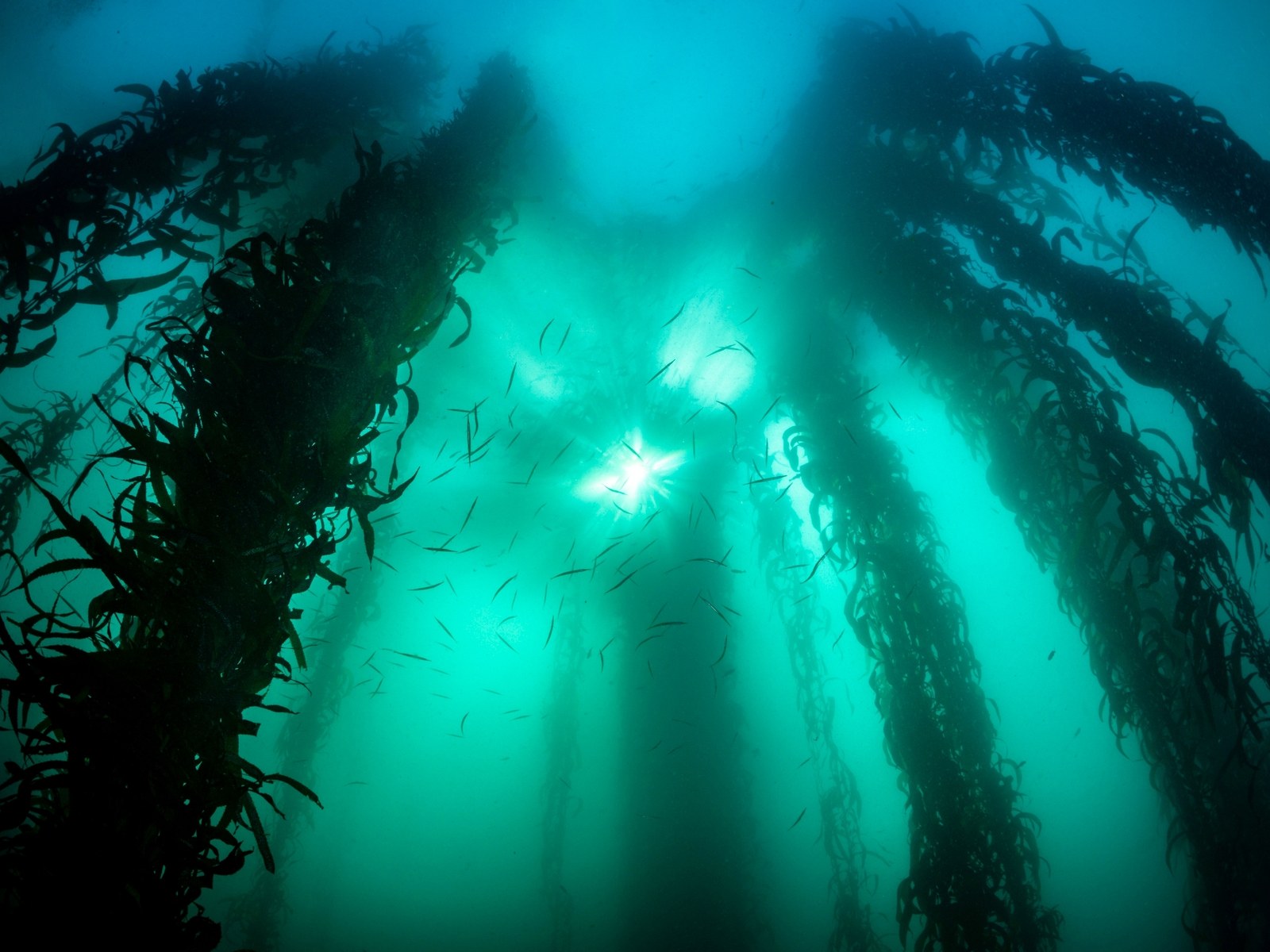
Giant kelp
The fastest-growing seaweed on Earth, building towering underwater forests up to 45 m tall.
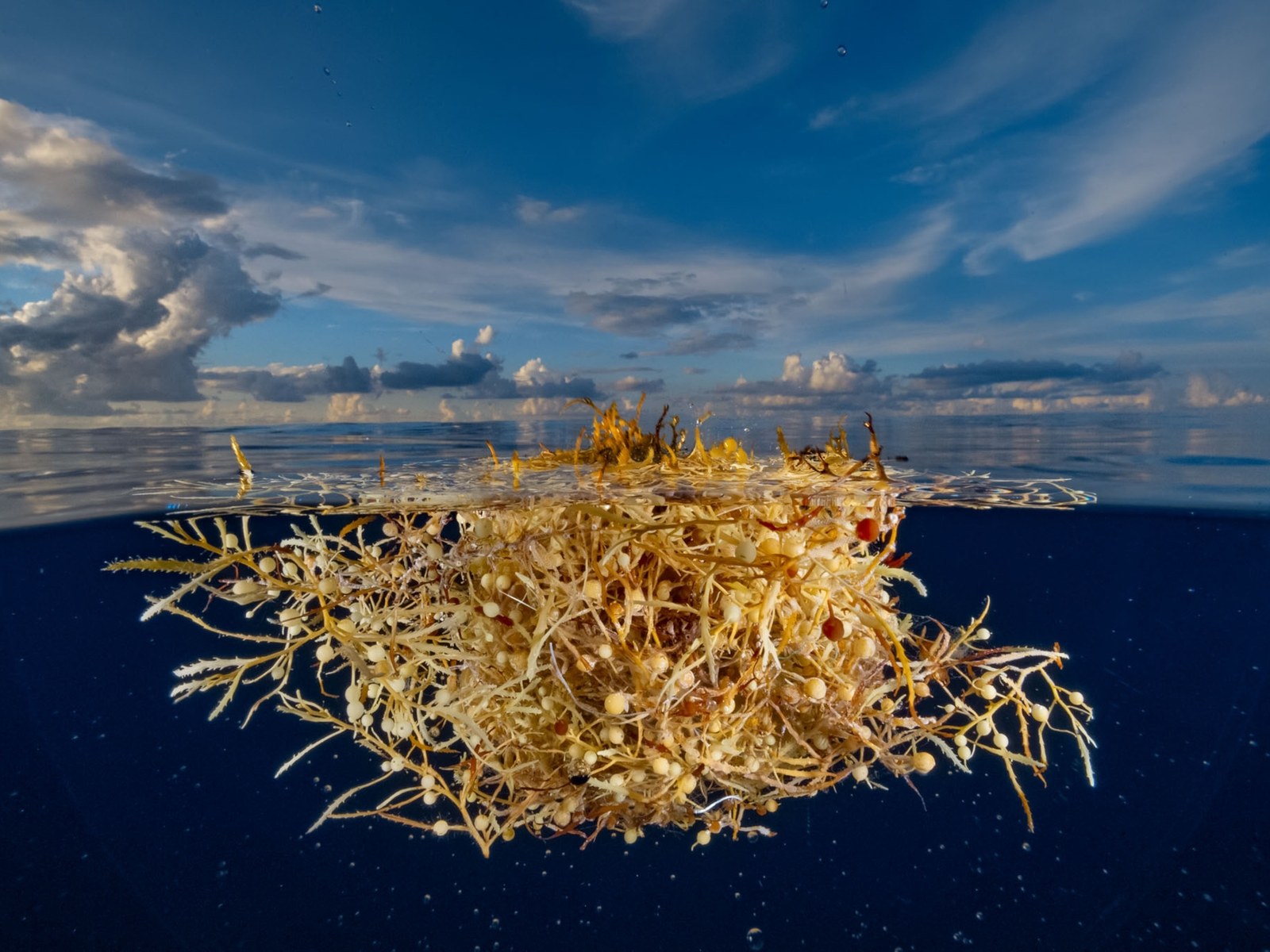
Sargassum
Free-floating golden seaweed that forms the living raft of the Sargasso Sea.
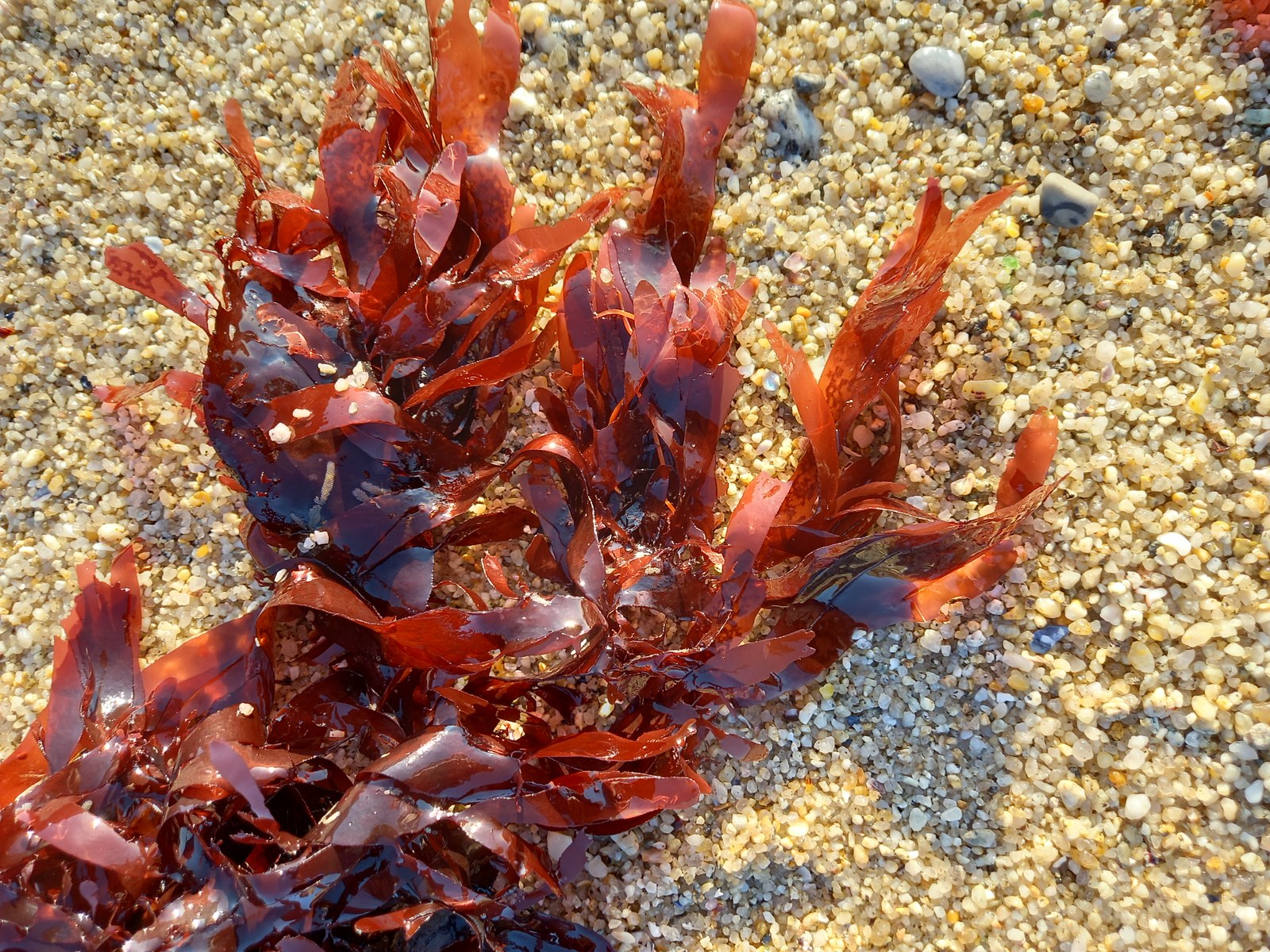
Dulse
A red cold-water seaweed eaten for centuries around the North Atlantic.
Surface & deep in the Atlantic Ocean
The sea is warm where the Sun reaches it and cold far below. Flip between the sunlit surface and the deep water to feel the difference — these are typical figures for a ocean.
Sunlit surface
20°C
typical surface temperature
Sun-warmed at the top, the open ocean turns cold and black with depth. Below about 1,000 m it hovers near 3–4°C almost everywhere on Earth, no matter the surface weather.
Recorded range for the Atlantic Ocean: −2°C in the far north to 27°C in the tropics