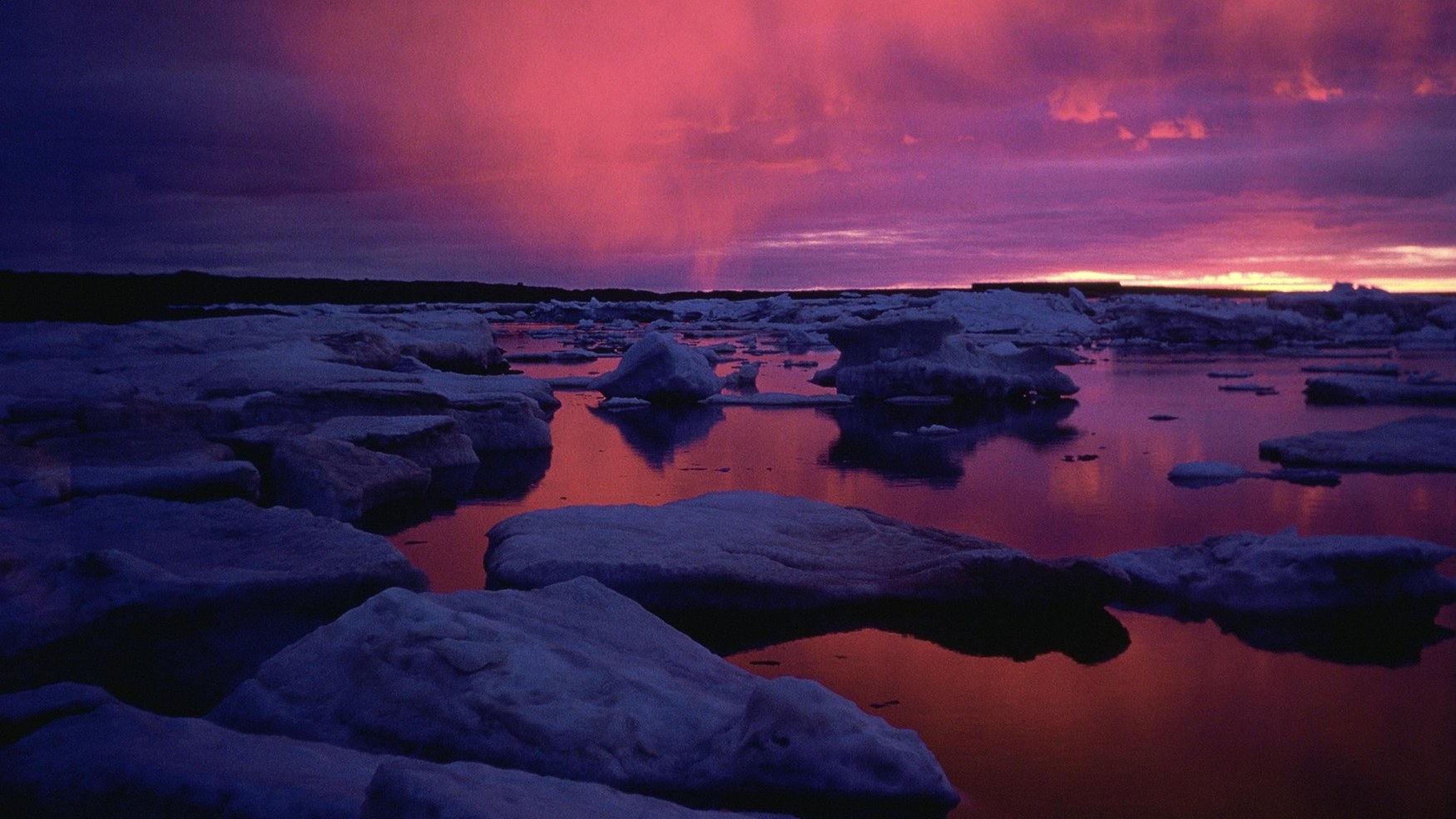
An enormous, shallow sea reaching deep into northern Canada, frozen for much of the year and roamed by polar bears.
Area
1,230,000 km²
Ocean basin
Arctic
Location
A vast, shallow northern inland sea
Average depth
about 100 m
Maximum depth
about 270 m
Salinity
~30 ppt (low)
Temperature
Cold; frozen over much of the year
Region
Northern Canada
About the Hudson Bay
Hudson Bay is a huge, shallow inland sea in northern Canada, connected to the Arctic and Atlantic oceans. For much of the year it is locked in ice, and its cold waters shape the climate of a large part of North America. Polar bears, beluga whales and seals depend on its ice and shores — most famously around Churchill, where bears gather each autumn.
Did you know?
The town of Churchill on its shore is called the “Polar Bear Capital of the World”, where bears gather to wait for the sea to freeze.
Highlights
- A vast, shallow frozen inland sea
- The “Polar Bear Capital” on its shore
- Home to belugas, seals and polar bears
Photo gallery
Life in the Hudson Bay
Creatures, seabirds and marine plants — including some of the rarest and strangest — that live in these waters.
Creatures of the deep
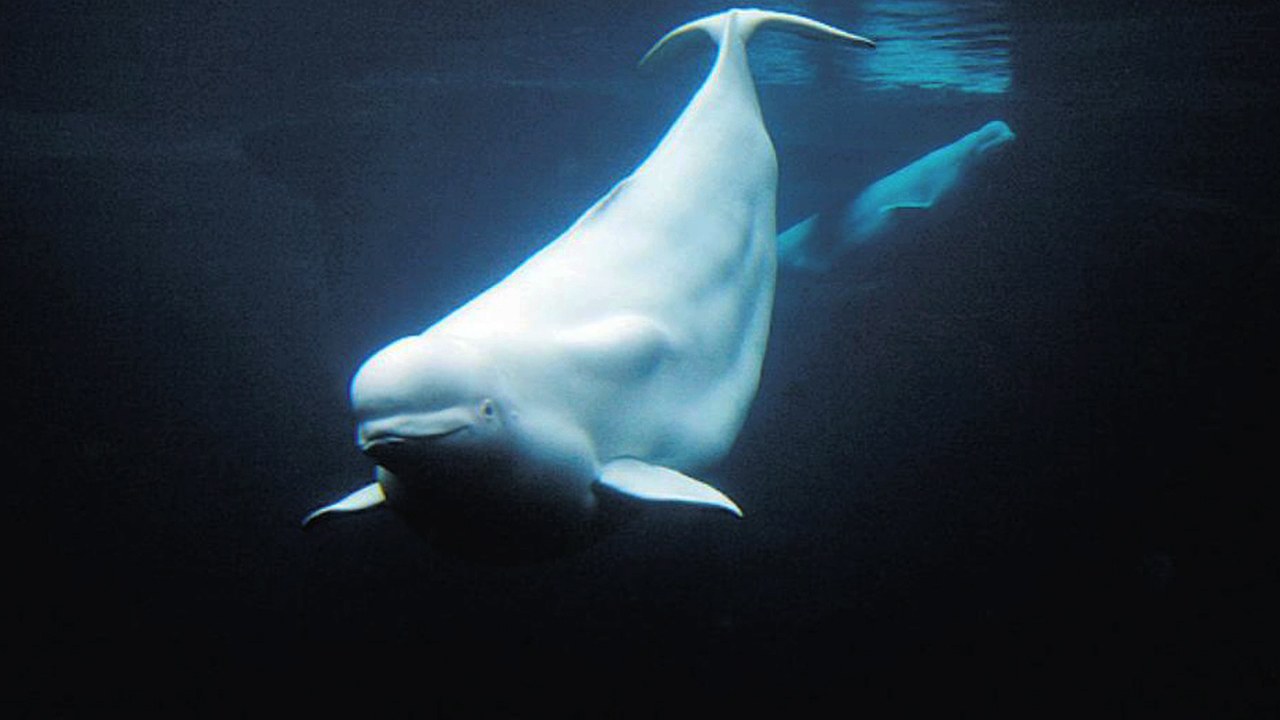
Beluga whale
The chatty white “canary of the sea” of the Arctic, famed for its range of calls.
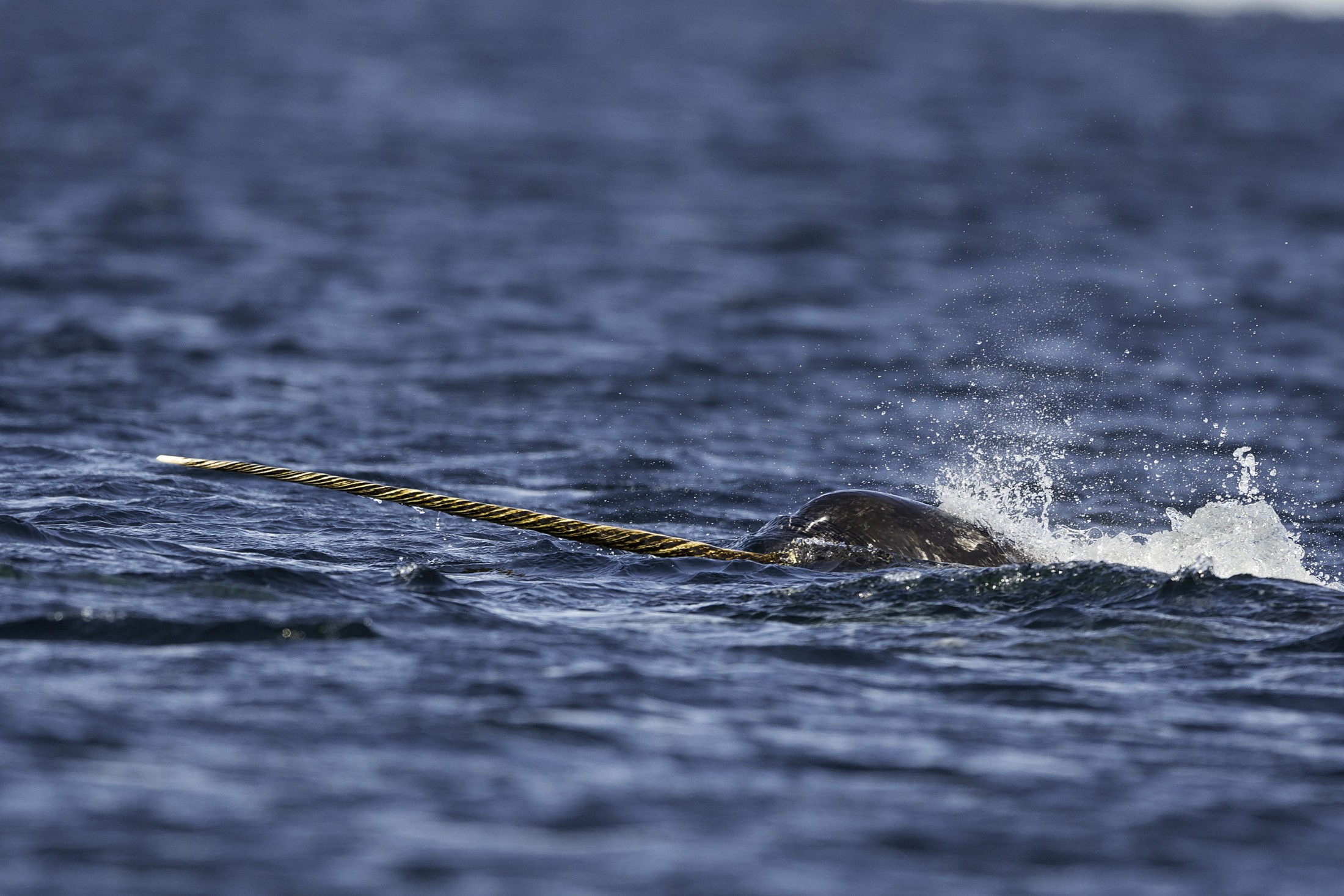
Narwhal
The “unicorn of the sea”, an Arctic whale whose tusk is a single spiralled tooth.
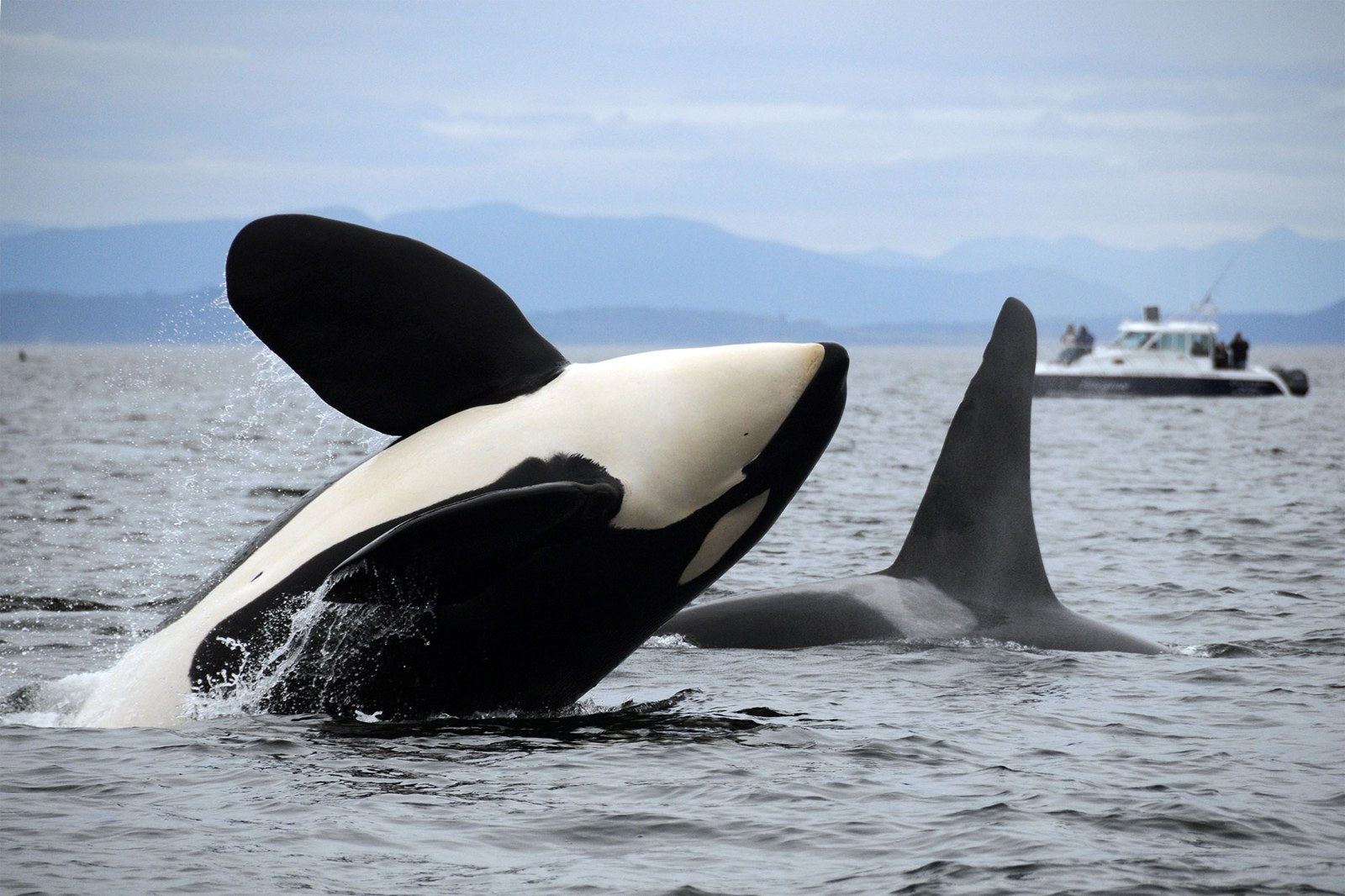
Orca (killer whale)
The ocean’s top predator: a brilliant, family-living dolphin found in every sea.
Seabirds
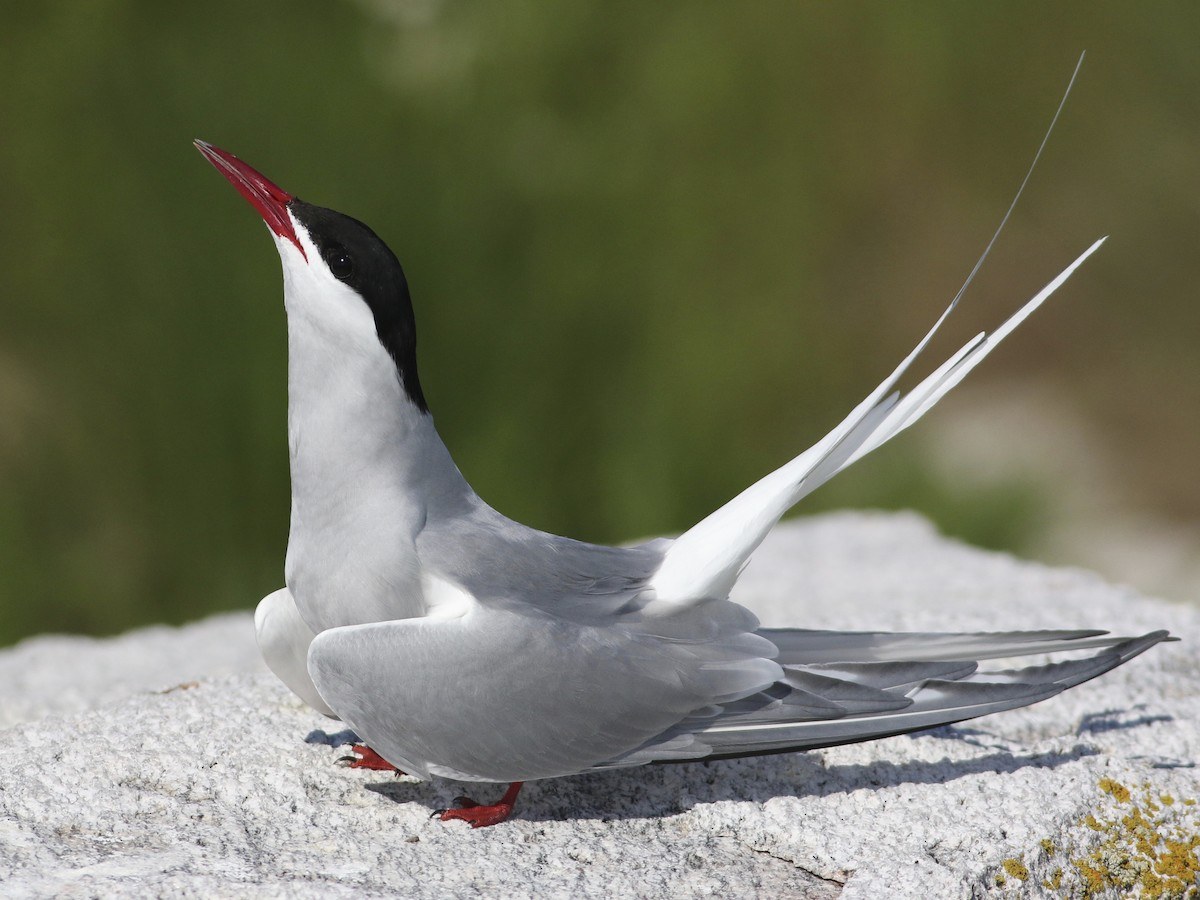
Arctic tern
The migration champion, flying pole to pole and back — the longest journey of any animal.
Marine plants & algae
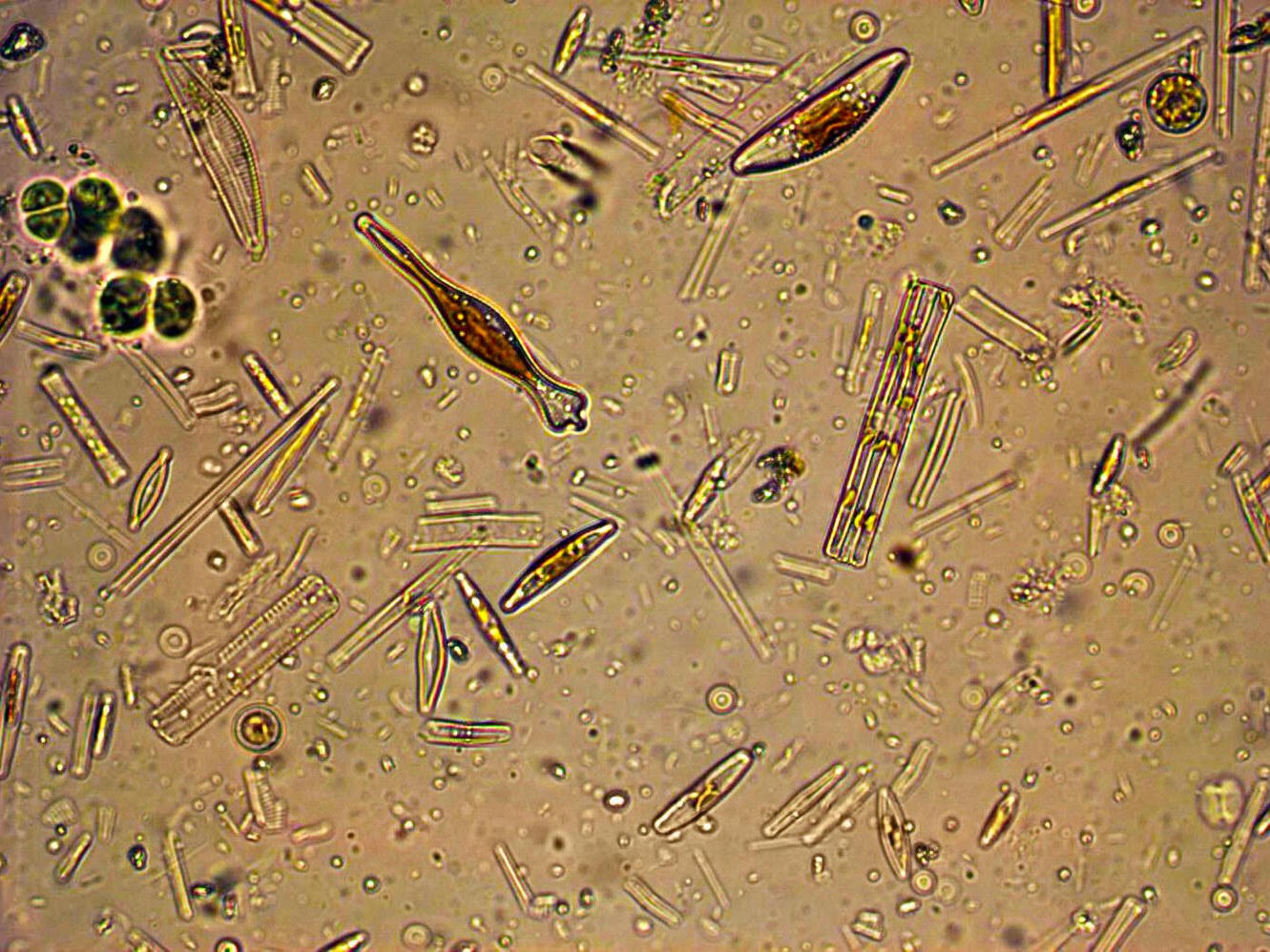
Phytoplankton
Microscopic drifting algae that bloom in their trillions and make much of the air we breathe.
Surface & deep in the Hudson Bay
The sea is warm where the Sun reaches it and cold far below. Flip between the sunlit surface and the deep water to feel the difference — these are typical figures for a gulf & bay.
Sunlit surface
26°C
typical surface temperature
Shallow and sheltered, gulfs and bays warm up quickly from top to bottom, staying far milder than the deep open ocean nearby.
Recorded range for the Hudson Bay: Cold; frozen over much of the year