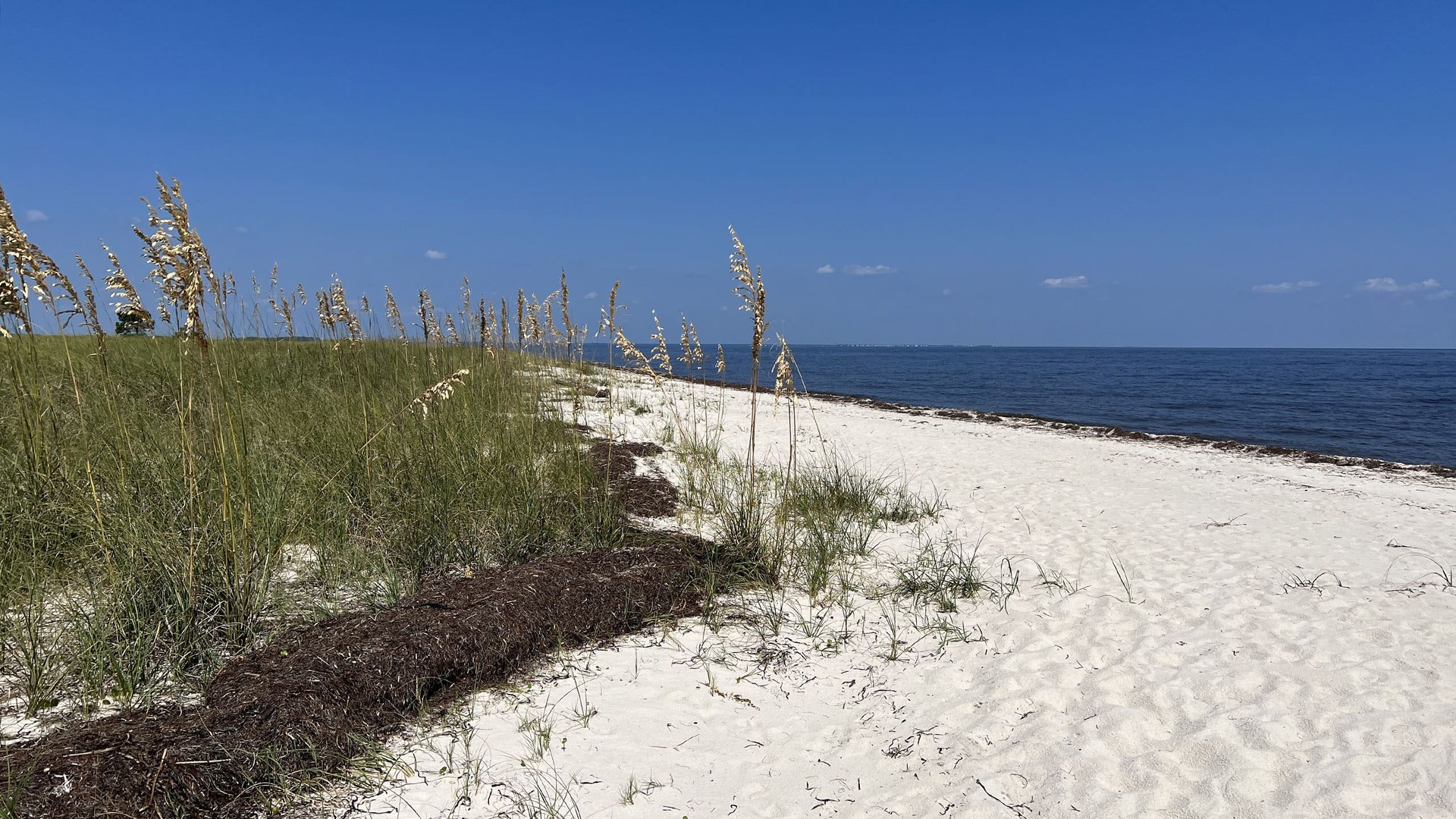
A large, warm gulf almost enclosed by the USA, Mexico and Cuba, whose heat helps power the Atlantic hurricane season.
Area
1,550,000 km²
Ocean basin
Atlantic
Location
The warm gulf that fuels hurricanes
Average depth
about 1,615 m
Maximum depth
Sigsbee Deep — about 4,384 m
Salinity
~36 ppt
Temperature
Warm, 20–30°C
Region
Between the USA, Mexico & Cuba
About the Gulf of Mexico
The Gulf of Mexico is an ocean basin almost ringed by the southern United States, eastern Mexico and Cuba, connected to the Atlantic and Caribbean by straits. Its warm waters feed the Gulf Stream and supercharge hurricanes. It holds major oil and gas fields, rich fisheries and the vast Mississippi River delta, but also a large seasonal “dead zone” of low oxygen.
Did you know?
Its warm “Loop Current” acts like fuel for hurricanes, which can explode in strength as they cross the gulf toward land.
Highlights
- Warm waters that supercharge hurricanes
- Source of the mighty Gulf Stream
- Major oil, gas and fishing grounds
Photo gallery
Life in the Gulf of Mexico
Creatures, seabirds and marine plants — including some of the rarest and strangest — that live in these waters.
Creatures of the deep
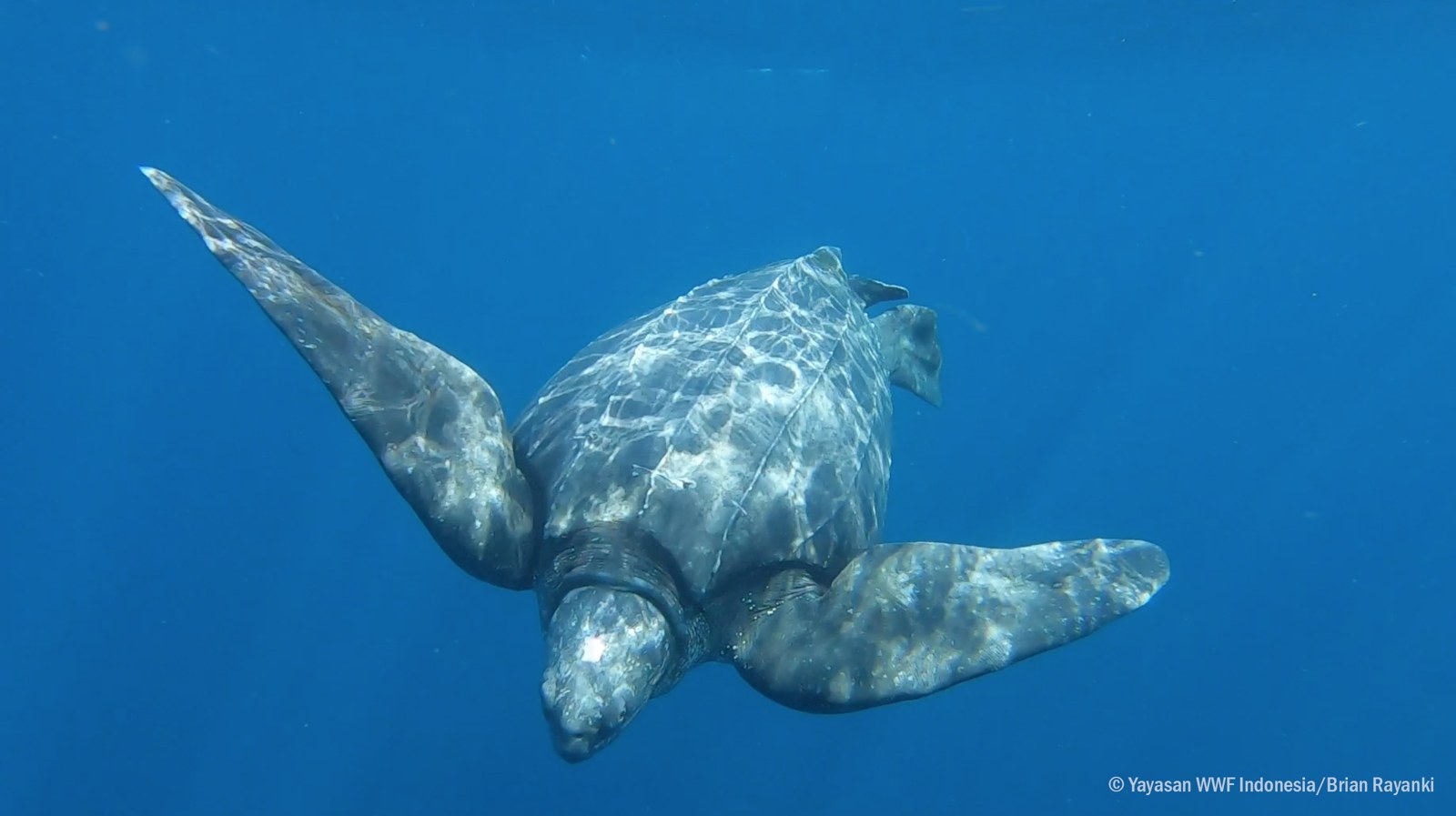
Leatherback turtle
The largest sea turtle, diving over 1,000 m in pursuit of jellyfish.

Hammerhead shark
Its wing-shaped head is packed with sensors that detect prey buried in the sand.
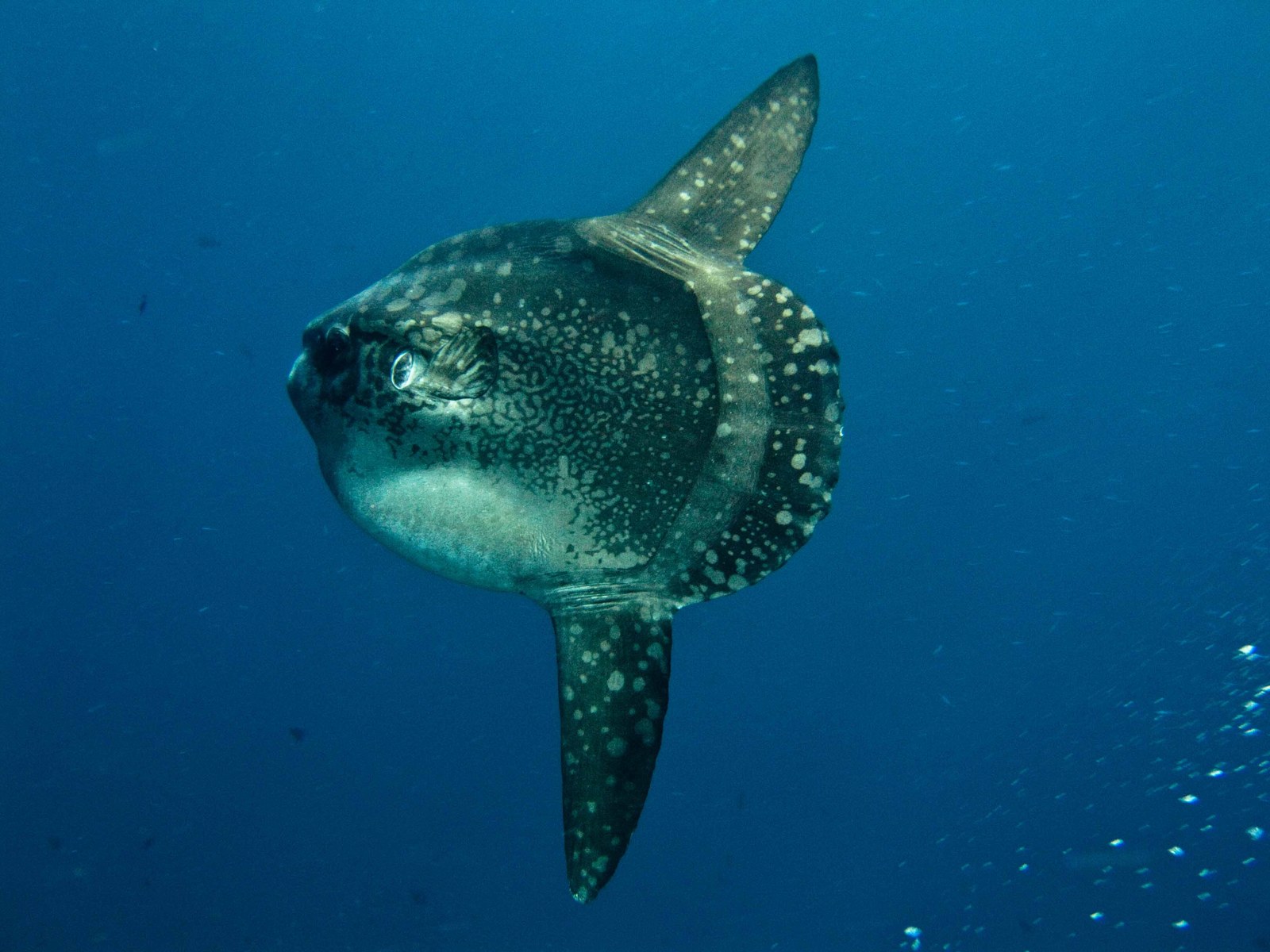
Ocean sunfish (mola mola)
The heaviest bony fish alive, basking flat on its side at the sunlit surface.
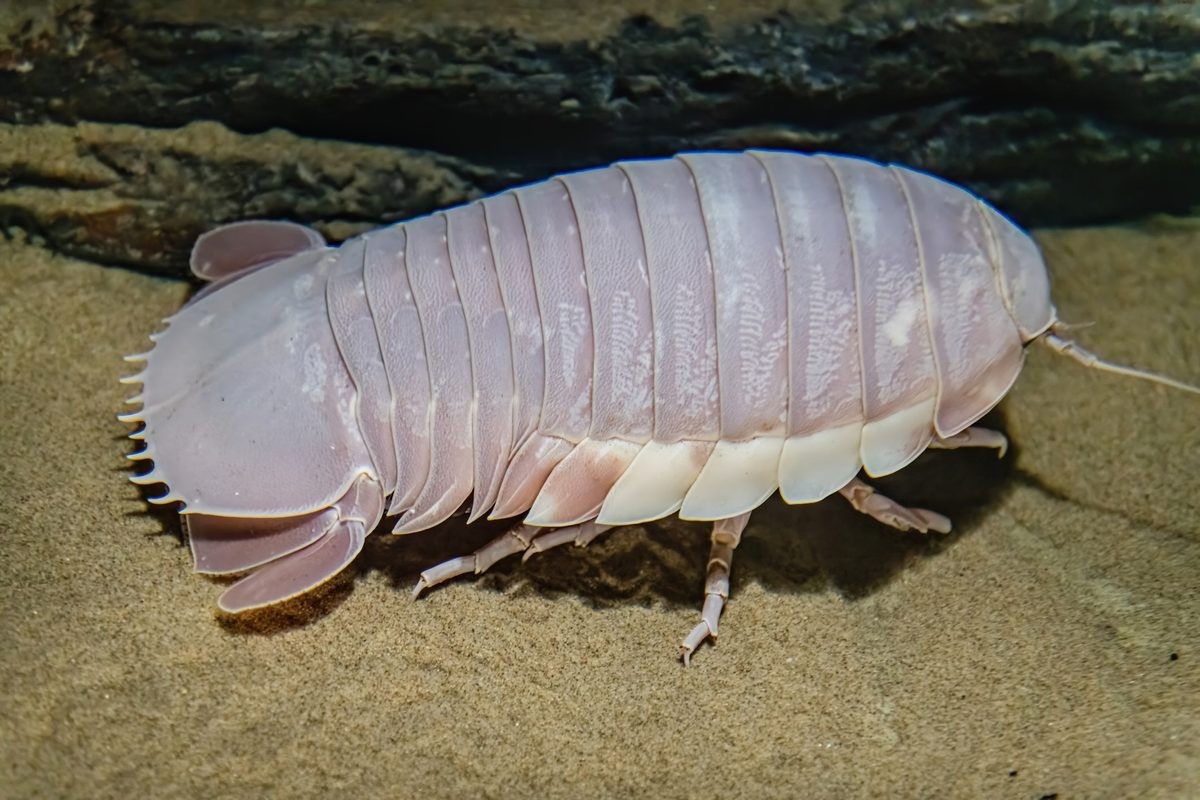
Giant isopod
A deep-sea relative of the woodlouse that can grow to the size of a small cat.
Seabirds
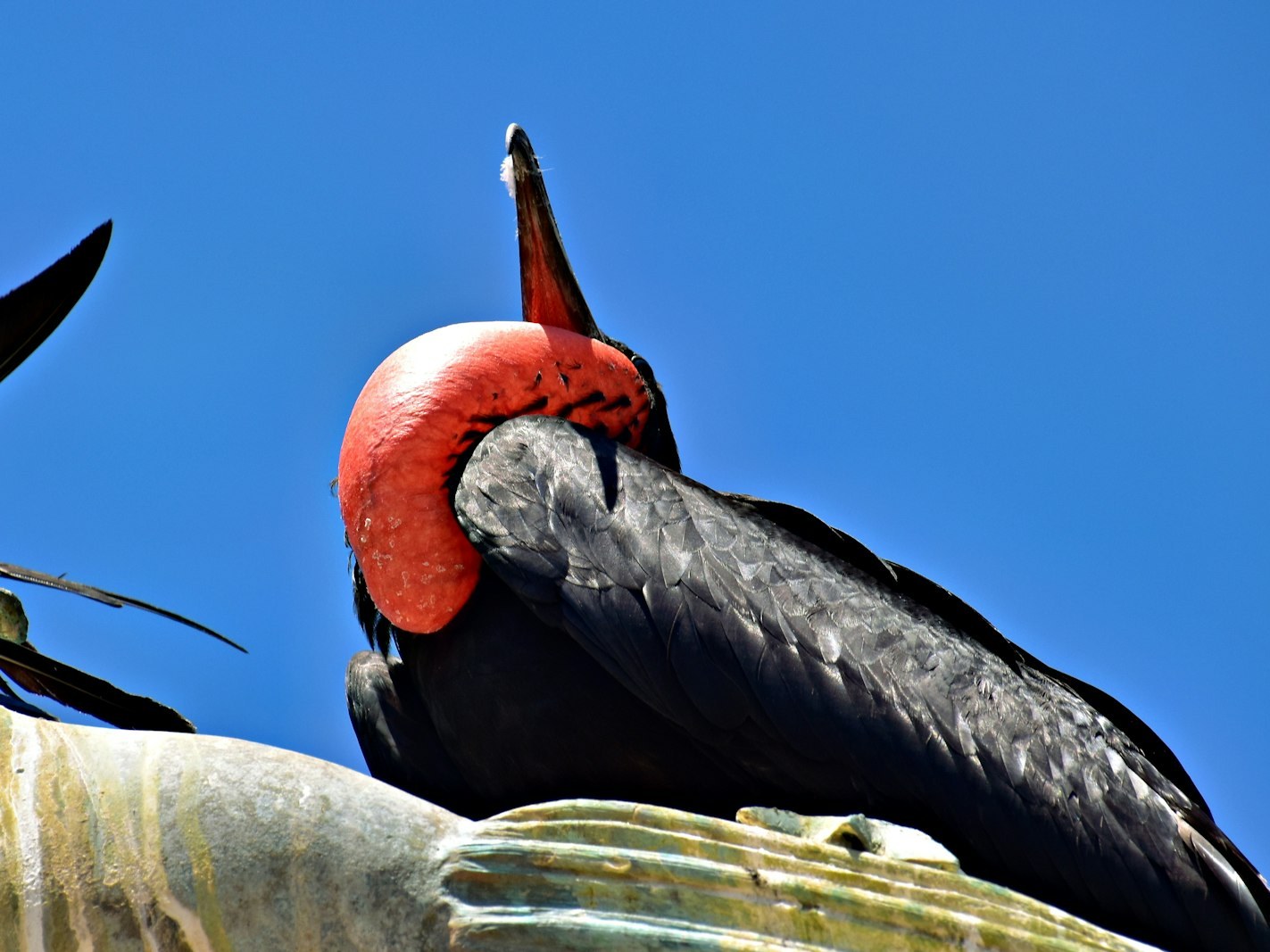
Frigatebird
A pirate of tropical skies; the male balloons a scarlet throat pouch to court mates.

Northern gannet
A big white seabird that folds its wings and dives like an arrow at 100 km/h.
Marine plants & algae
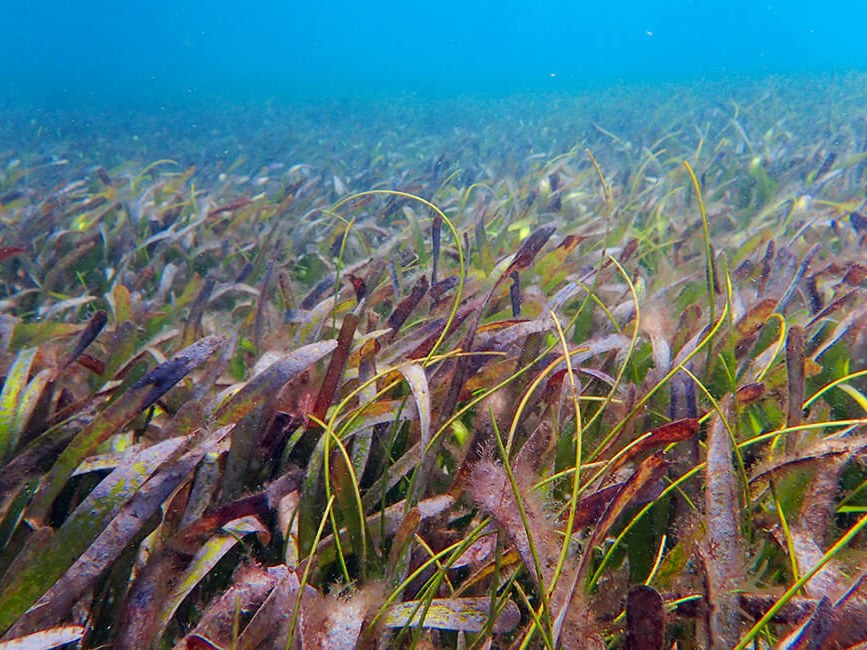
Turtle grass
A tropical seagrass whose meadows feed turtles, manatees and dugongs.
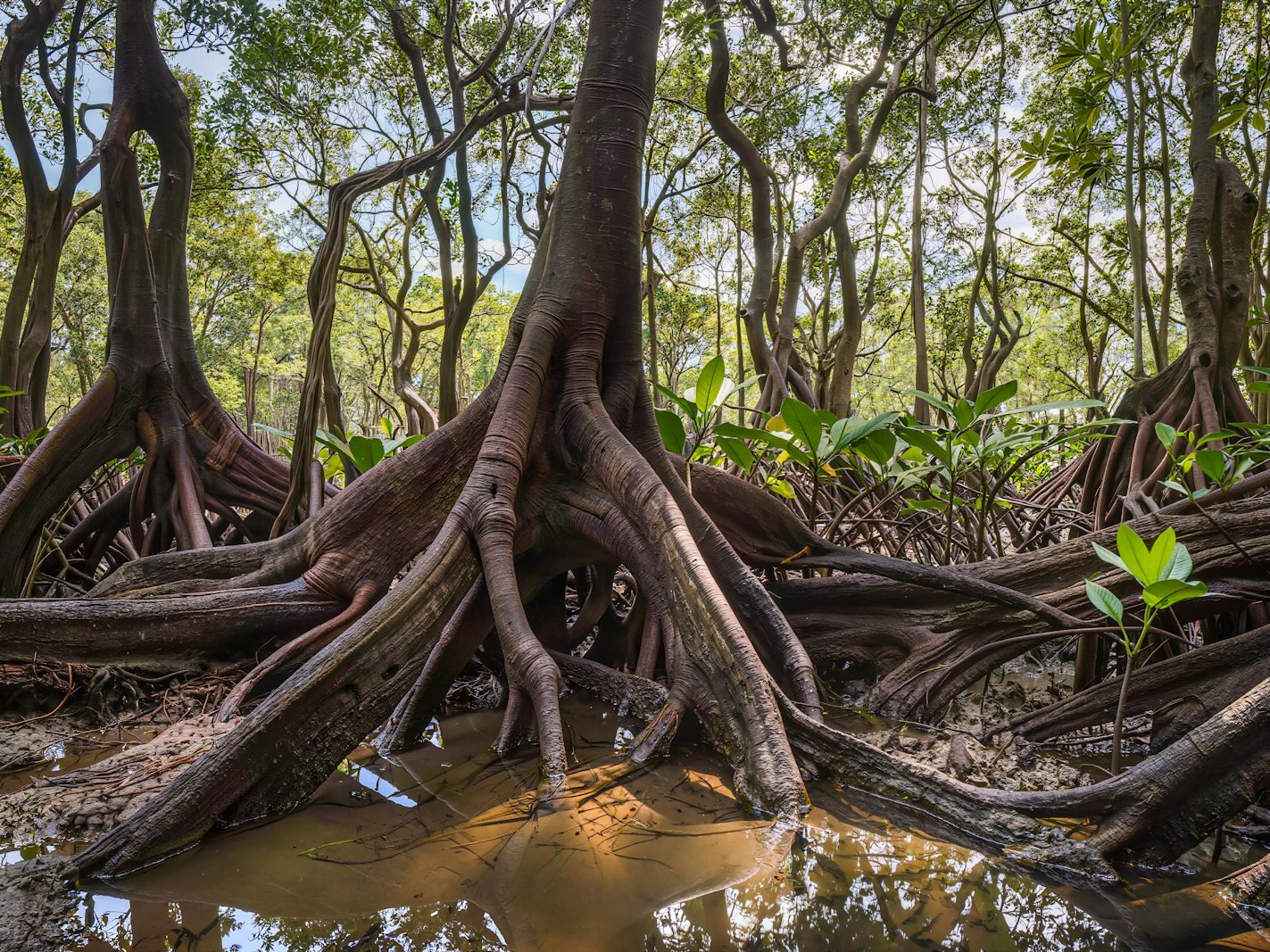
Mangrove
Salt-tolerant coastal trees whose tangled roots shelter young fish and buffer storms.
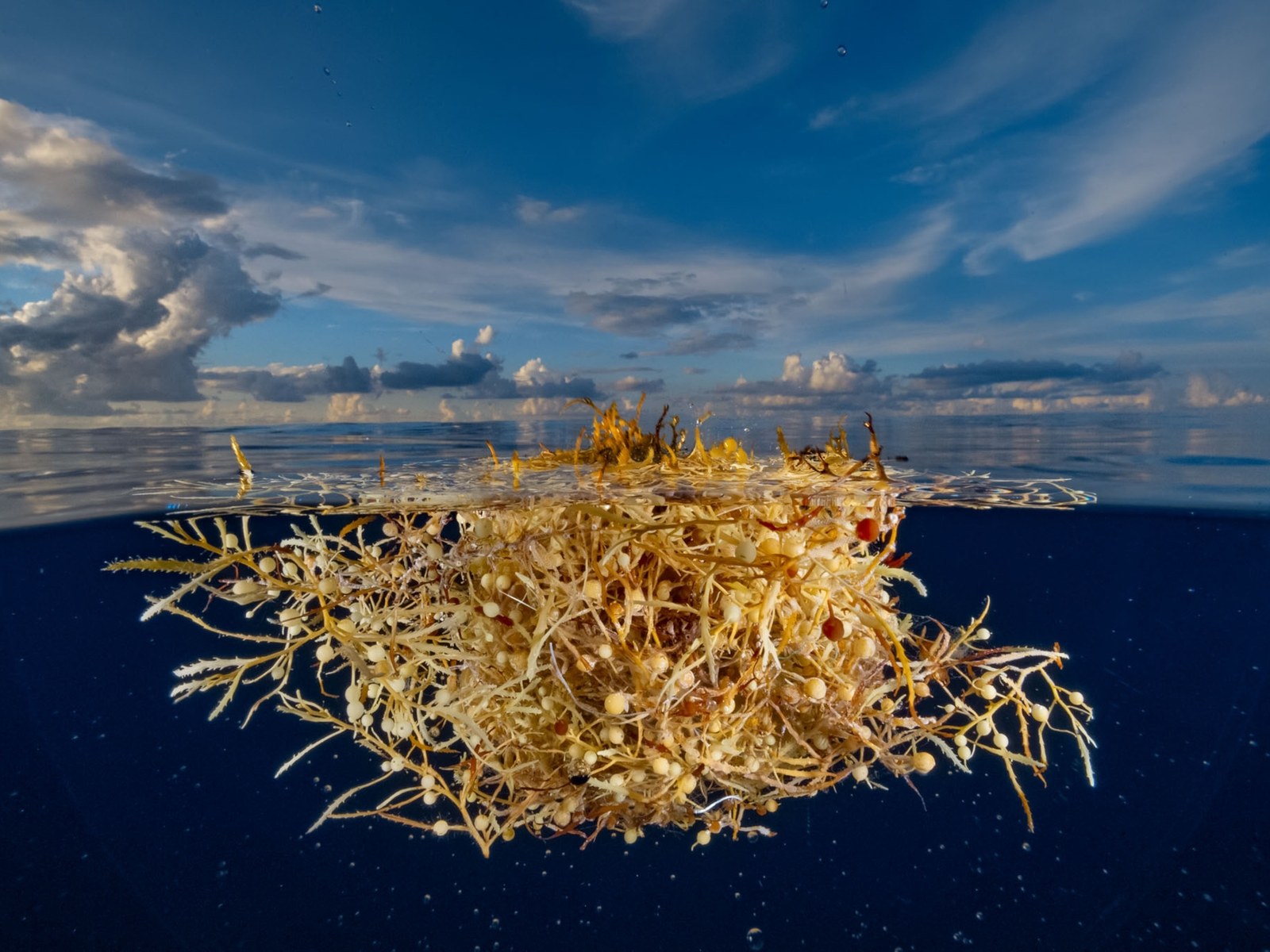
Sargassum
Free-floating golden seaweed that forms the living raft of the Sargasso Sea.
Surface & deep in the Gulf of Mexico
The sea is warm where the Sun reaches it and cold far below. Flip between the sunlit surface and the deep water to feel the difference — these are typical figures for a gulf & bay.
Sunlit surface
26°C
typical surface temperature
Shallow and sheltered, gulfs and bays warm up quickly from top to bottom, staying far milder than the deep open ocean nearby.
Recorded range for the Gulf of Mexico: Warm, 20–30°C