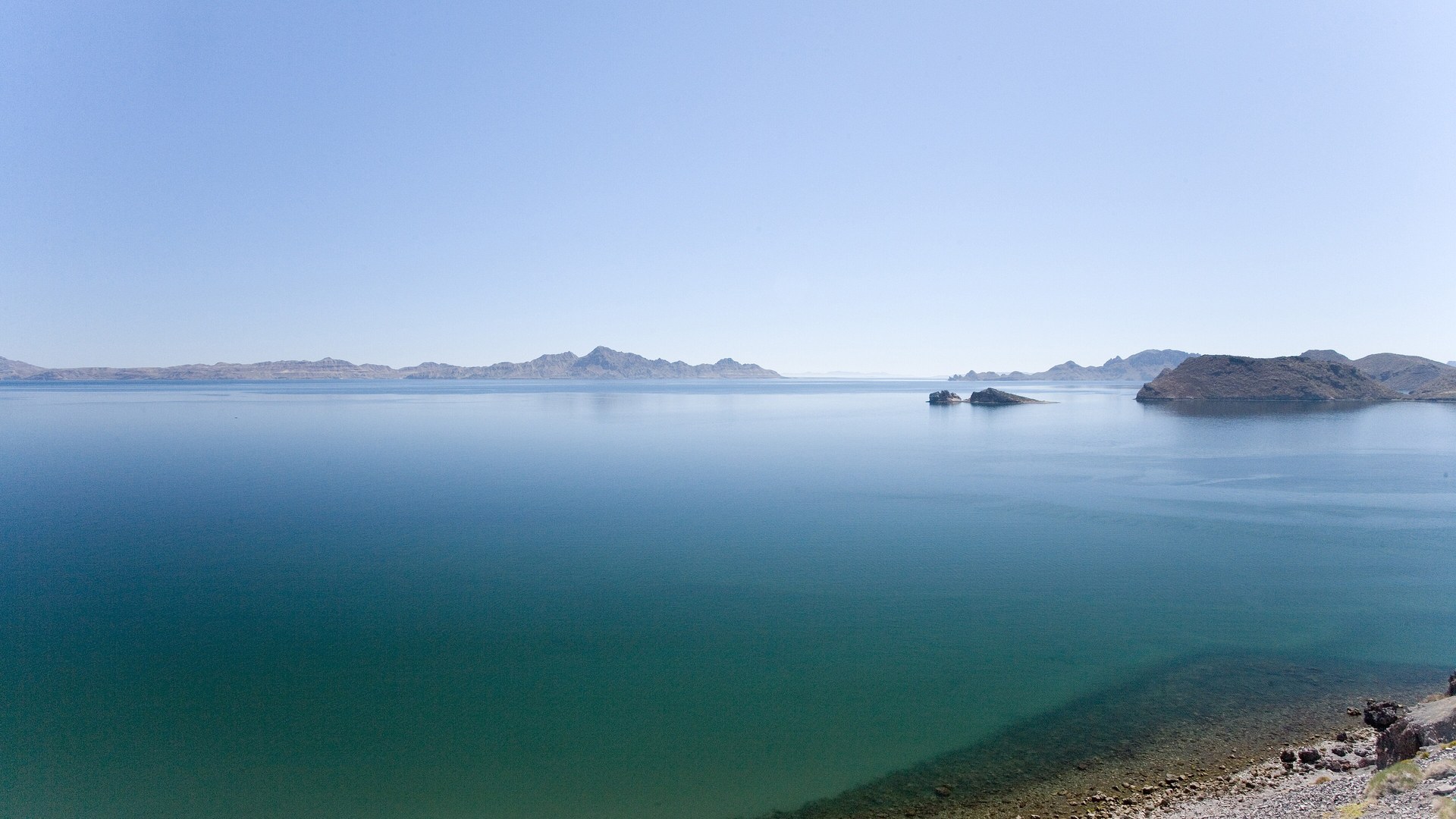
Gulf of California (Sea of Cortez)
Between Baja California & mainland Mexico
A deep, narrow sea between Baja California and the Mexican mainland so teeming with life that Jacques Cousteau called it “the world’s aquarium”.
Area
160,000 km²
Ocean basin
Pacific
Location
The “world’s aquarium” between Baja and Mexico
Average depth
about 820 m
Maximum depth
about 3,000 m
Salinity
~35 ppt
Temperature
Warm, 16–31°C
Region
Between Baja California & mainland Mexico
About the Gulf of California (Sea of Cortez)
The Gulf of California, or Sea of Cortez, is a young, deep rift sea formed as Baja California tears away from mainland Mexico. Its cool upwelling and sun-warmed shallows together support an astonishing wealth of life — whales, dolphins, whale sharks, manta rays and vast seabird colonies. It is also the last refuge of the critically endangered vaquita porpoise.
Did you know?
Jacques Cousteau called it “the world’s aquarium” — yet it is also the last home of the vaquita, the rarest marine mammal on Earth.
Highlights
- Cousteau’s “world’s aquarium”
- A young, deep rift sea
- Last home of the vaquita
Photo gallery
Life in the Gulf of California (Sea of Cortez)
Creatures, seabirds and marine plants — including some of the rarest and strangest — that live in these waters.
Creatures of the deep
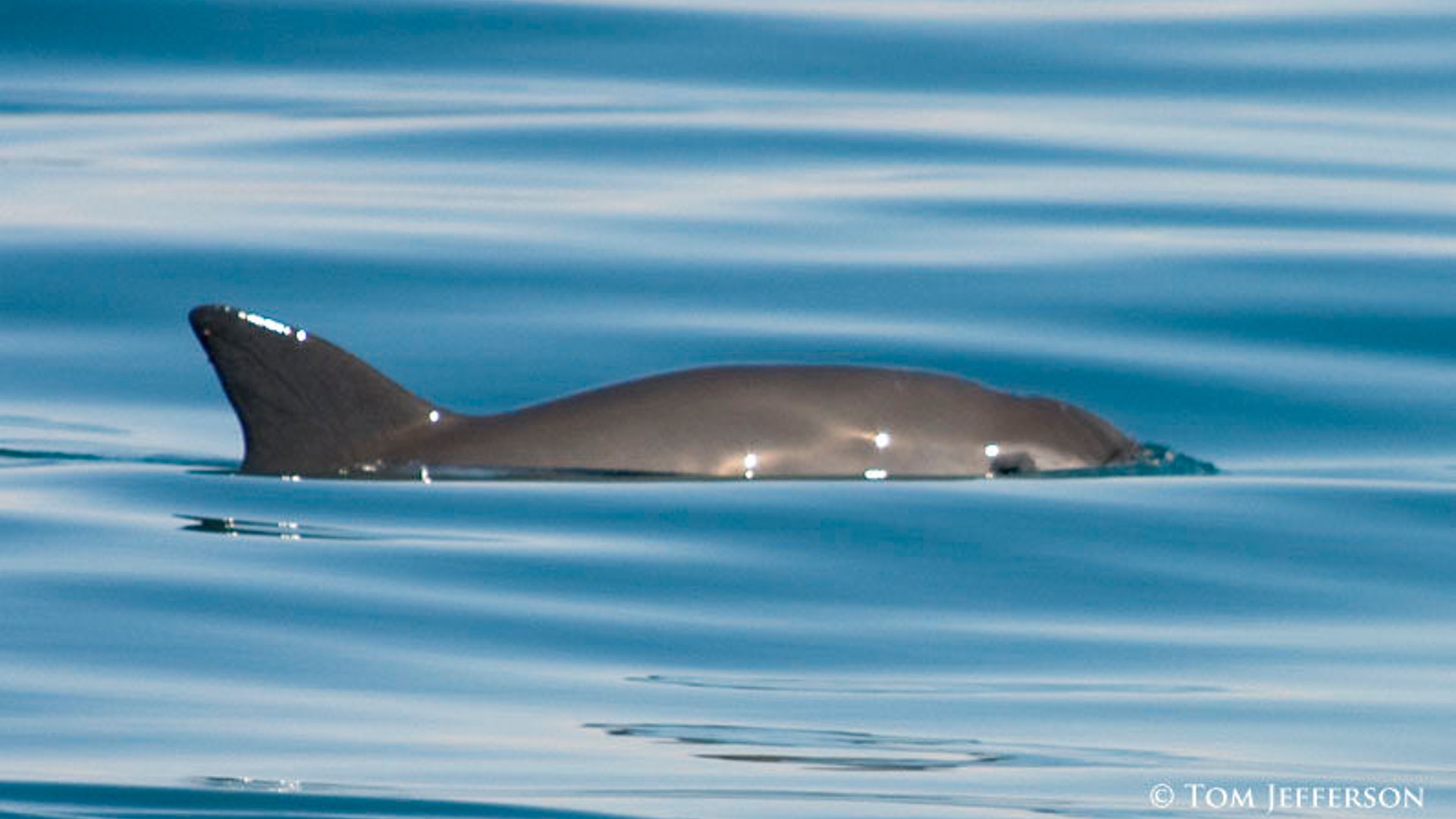
Vaquita
The world’s rarest marine mammal — a tiny porpoise clinging on in the Gulf of California.
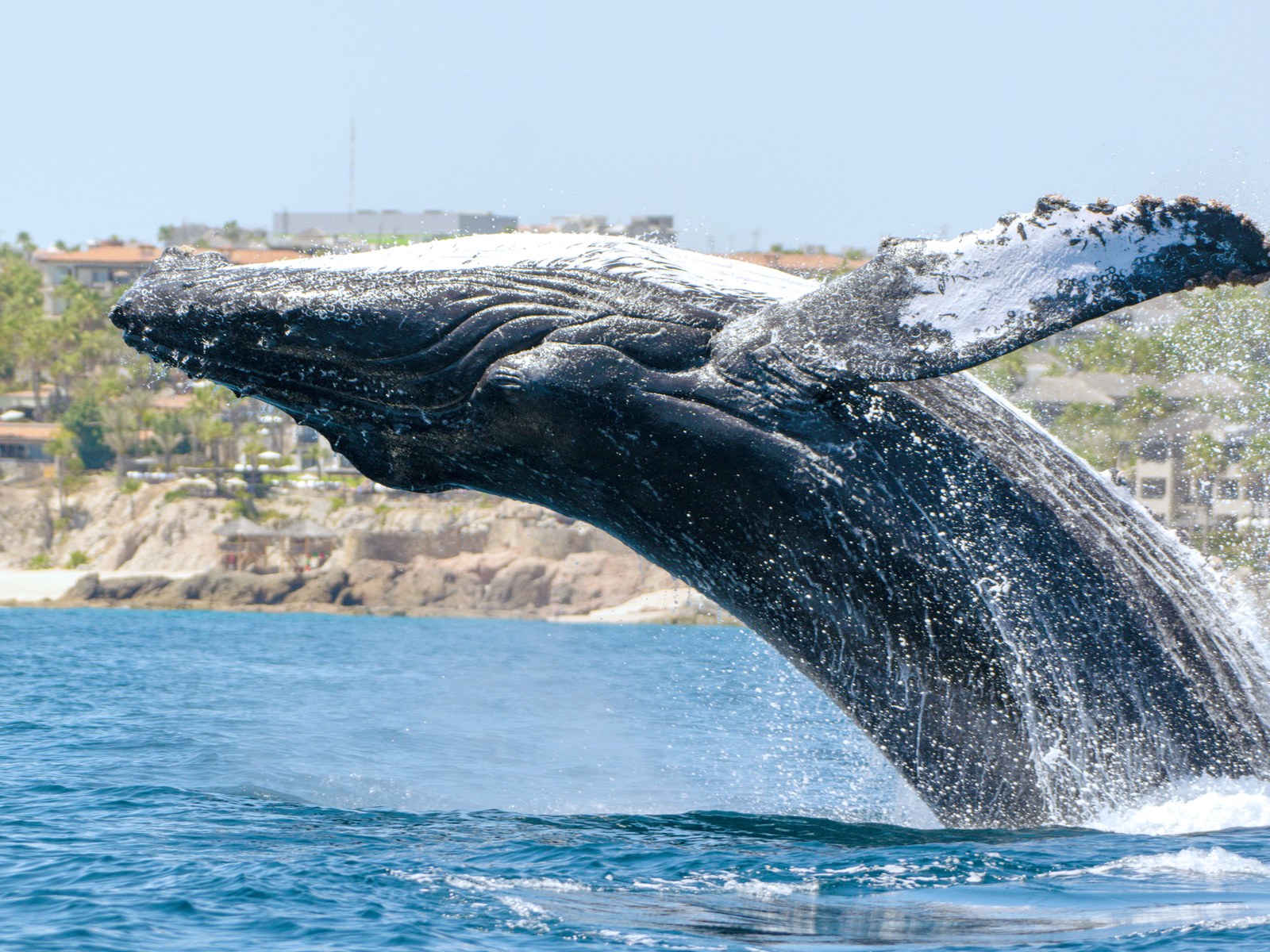
Humpback whale
An acrobatic baleen whale famed for breaching clear of the water and singing haunting songs.
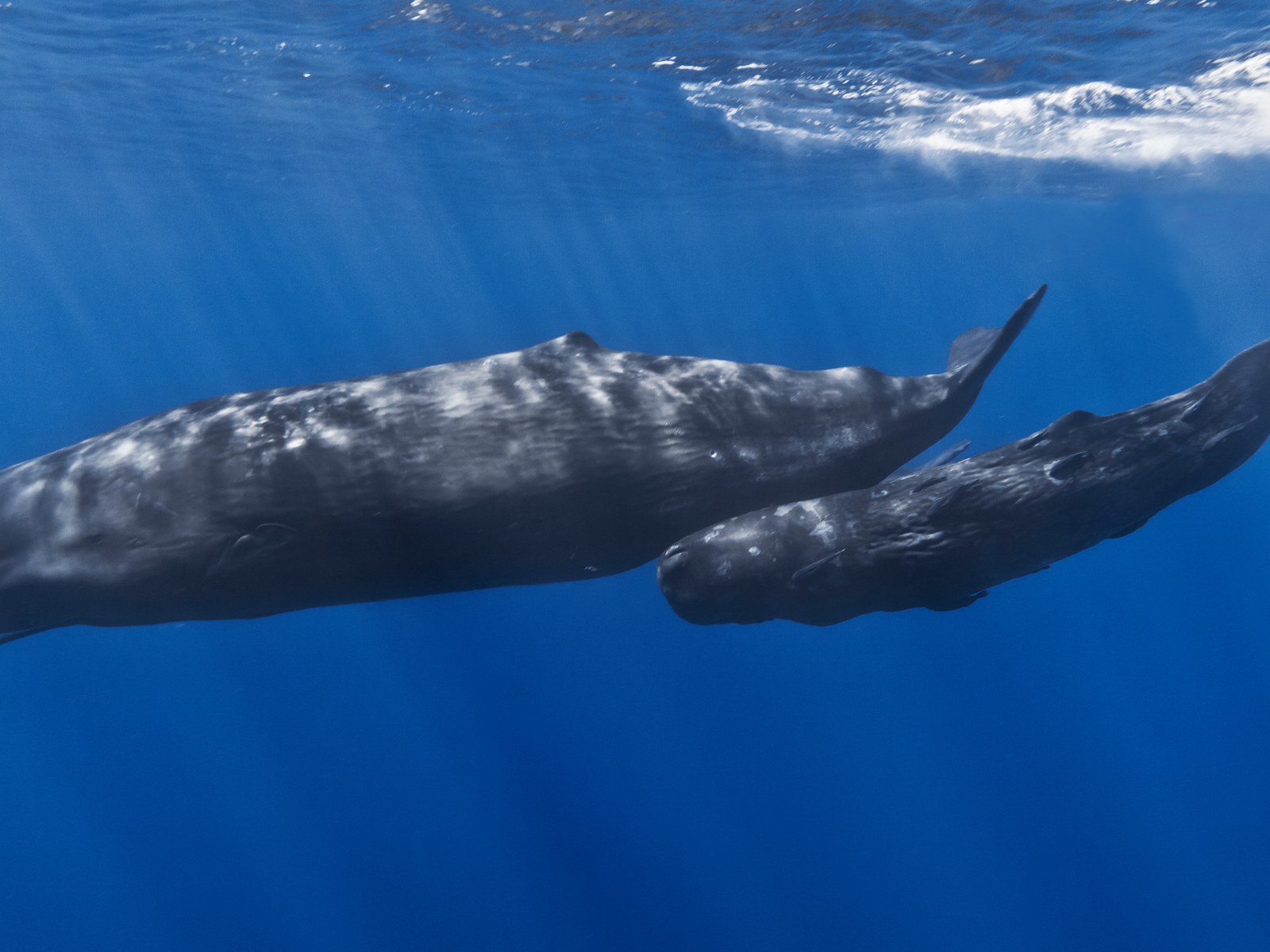
Sperm whale
The largest toothed predator alive, diving over 2 km into the dark to hunt giant squid.
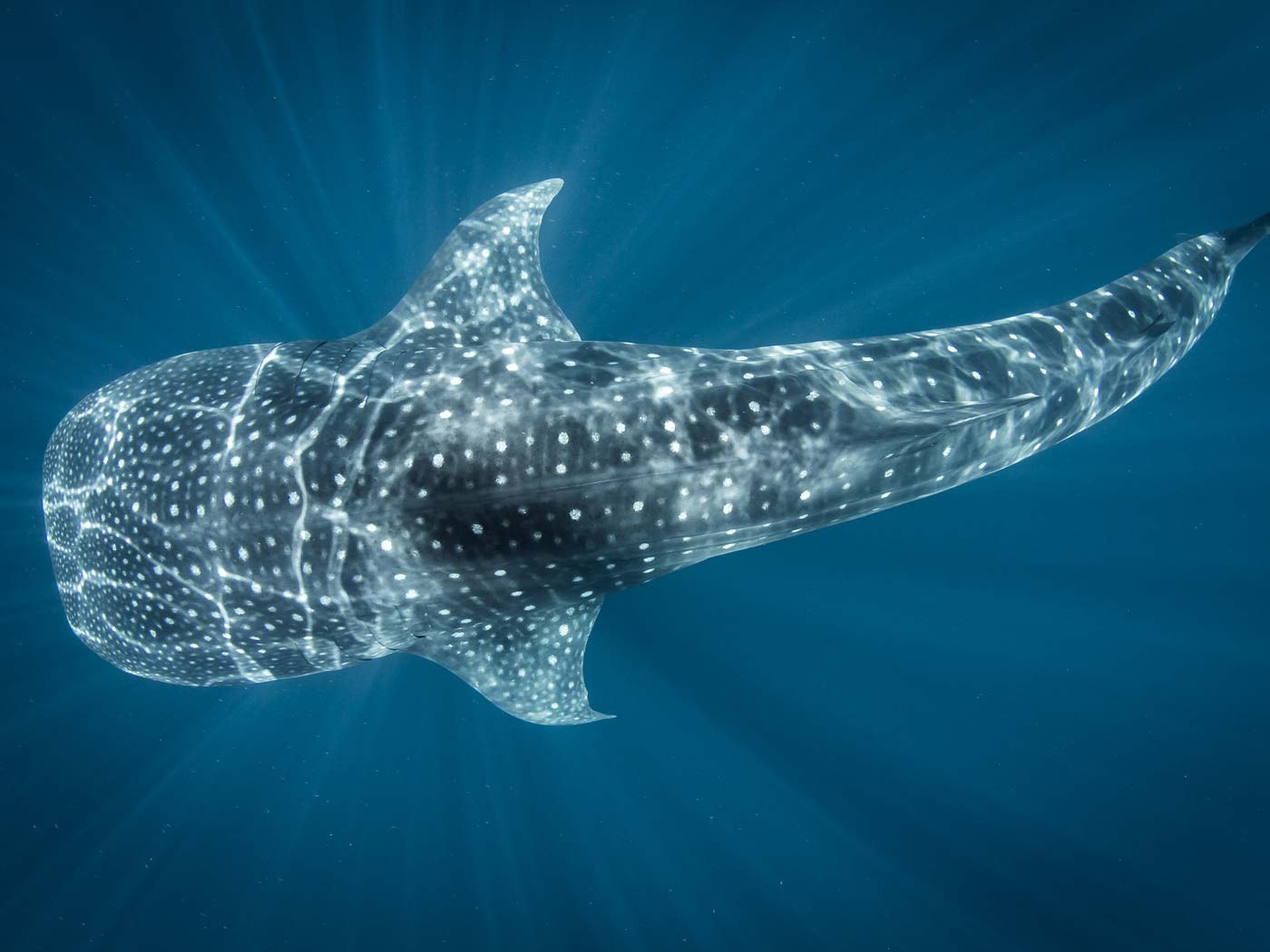
Whale shark
The largest fish alive — a spotted, harmless giant that strains plankton from the sea.
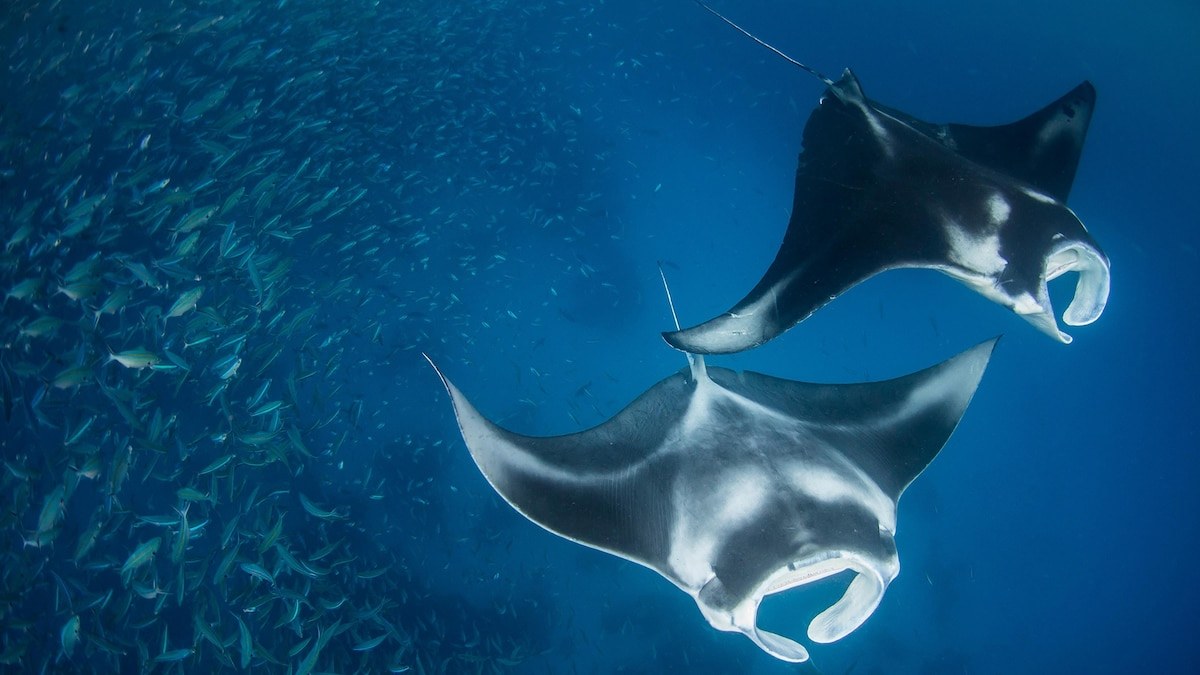
Manta ray
A gentle giant that “flies” through the water on wings up to seven metres across.
Seabirds
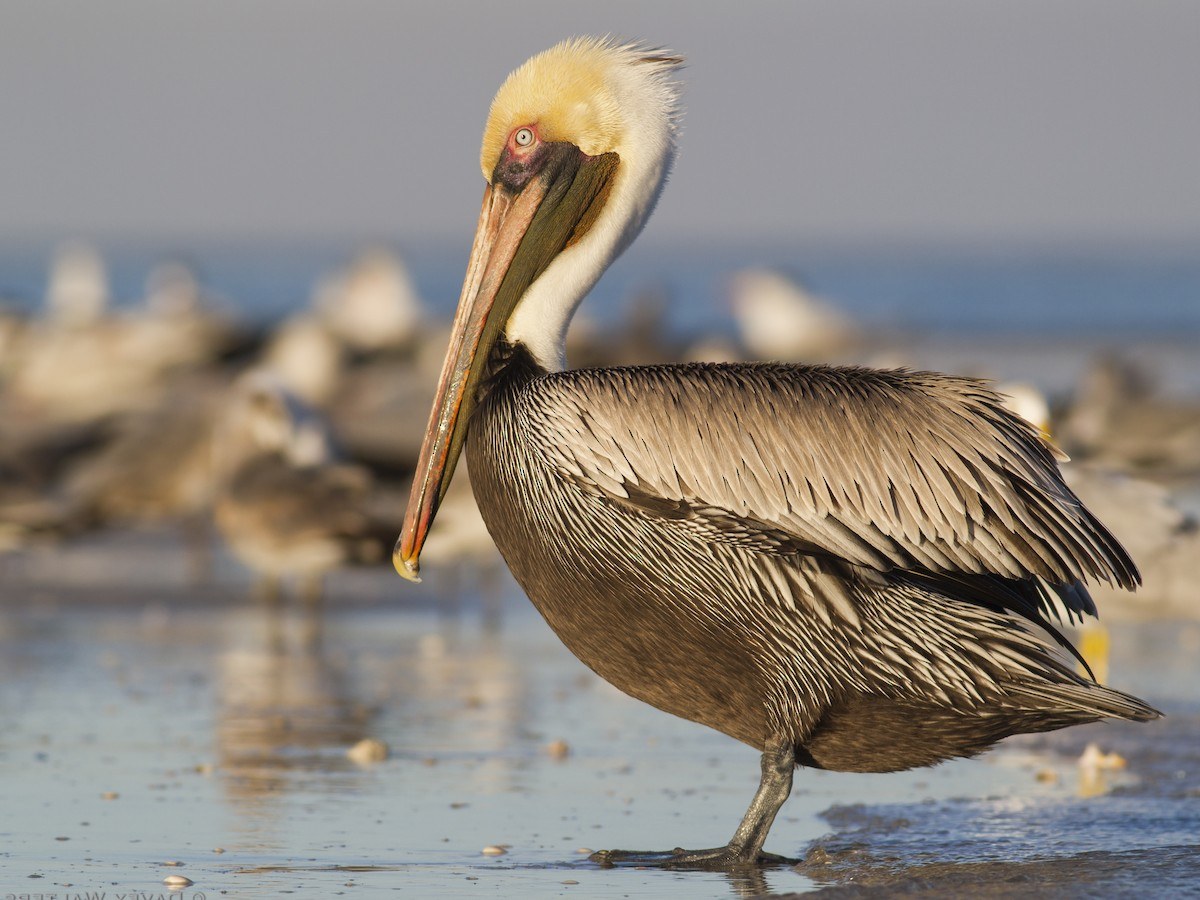
Brown pelican
Plunge-dives headfirst into the sea, scooping up fish in its enormous throat pouch.
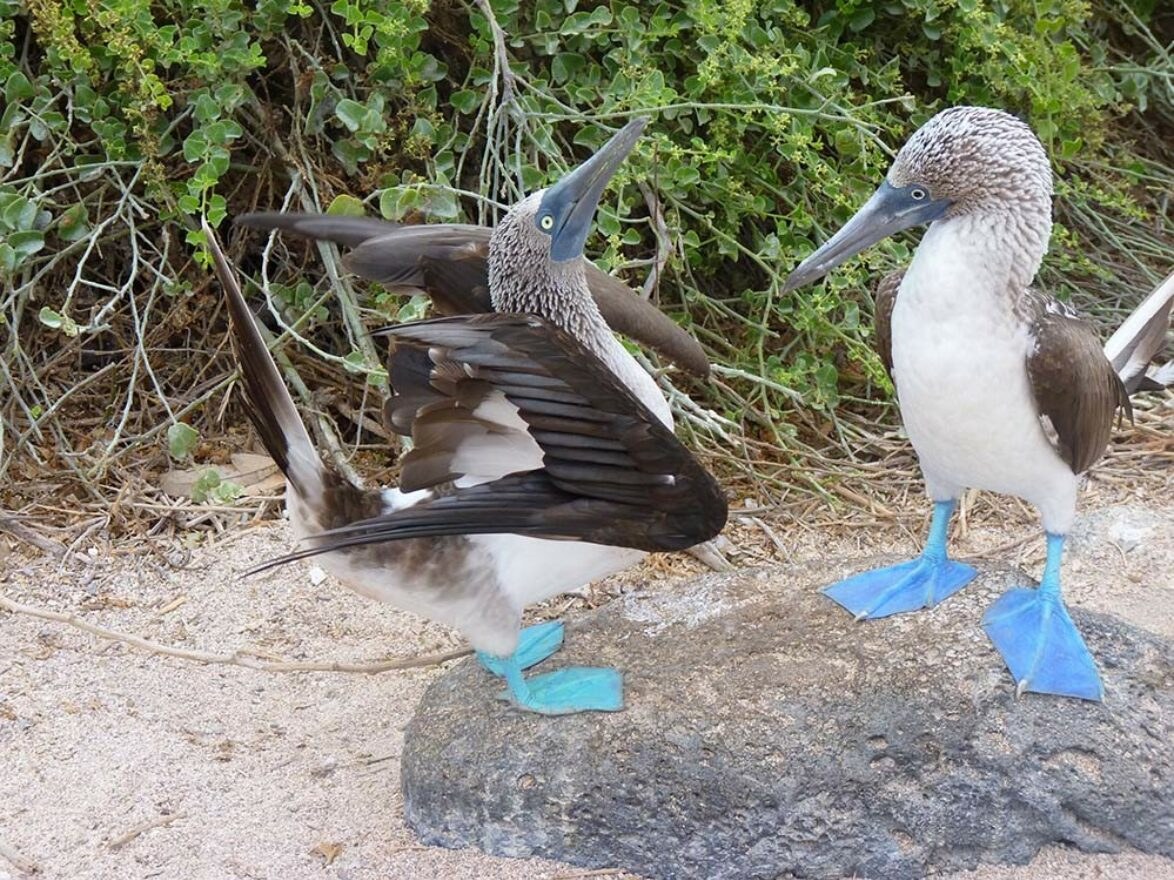
Blue-footed booby
A Pacific seabird famed for its bright blue feet and comical courtship dance.
Marine plants & algae
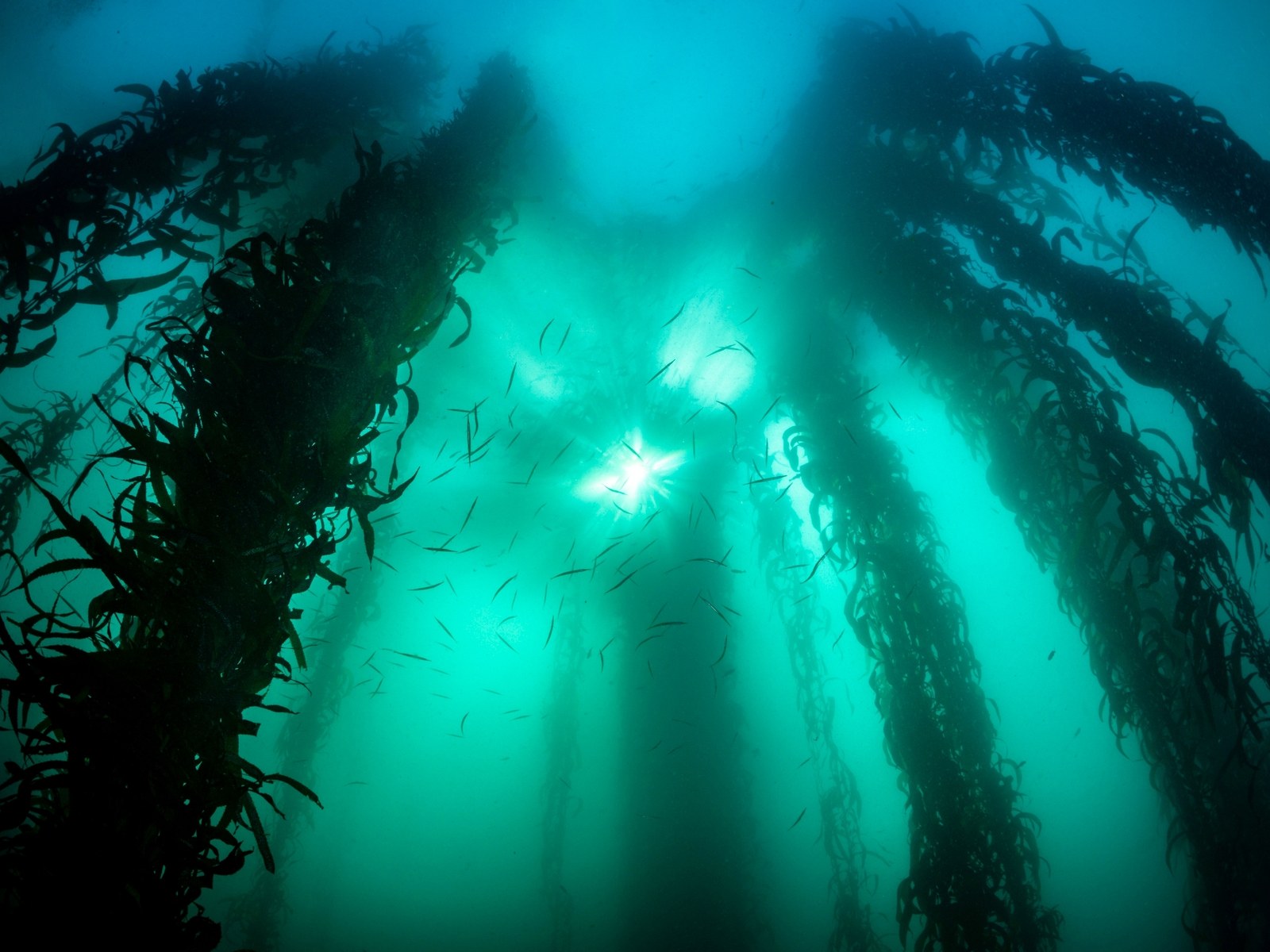
Giant kelp
The fastest-growing seaweed on Earth, building towering underwater forests up to 45 m tall.
Surface & deep in the Gulf of California (Sea of Cortez)
The sea is warm where the Sun reaches it and cold far below. Flip between the sunlit surface and the deep water to feel the difference — these are typical figures for a gulf & bay.
Sunlit surface
26°C
typical surface temperature
Shallow and sheltered, gulfs and bays warm up quickly from top to bottom, staying far milder than the deep open ocean nearby.
Recorded range for the Gulf of California (Sea of Cortez): Warm, 16–31°C