
The largest and one of the deepest seas on Earth, a vast stretch of the western Pacific studded with deep trenches.
Area
5,695,000 km²
Ocean basin
Pacific
Location
The largest sea in the world
Average depth
about 4,900 m
Maximum depth
Galathea Depth (Philippine Trench) — about 10,540 m
Salinity
~34–35 ppt
Temperature
Warm, 25–30°C
Region
Western Pacific, east of the Philippines
About the Philippine Sea
The Philippine Sea lies in the western Pacific, bordered by the Philippines, Taiwan, Japan and the island arcs of the Marianas. Beneath it, one tectonic plate is diving under another, carving out some of the deepest trenches on the planet. Its warm waters are a breeding ground for powerful typhoons that sweep across East Asia.
Did you know?
It is the biggest sea in the world and holds the Philippine Trench, plunging more than 10 km straight down.
Highlights
- The largest sea on Earth
- Contains the 10 km-deep Philippine Trench
- A birthplace of Pacific typhoons
Photo gallery
Life in the Philippine Sea
Creatures, seabirds and marine plants — including some of the rarest and strangest — that live in these waters.
Creatures of the deep
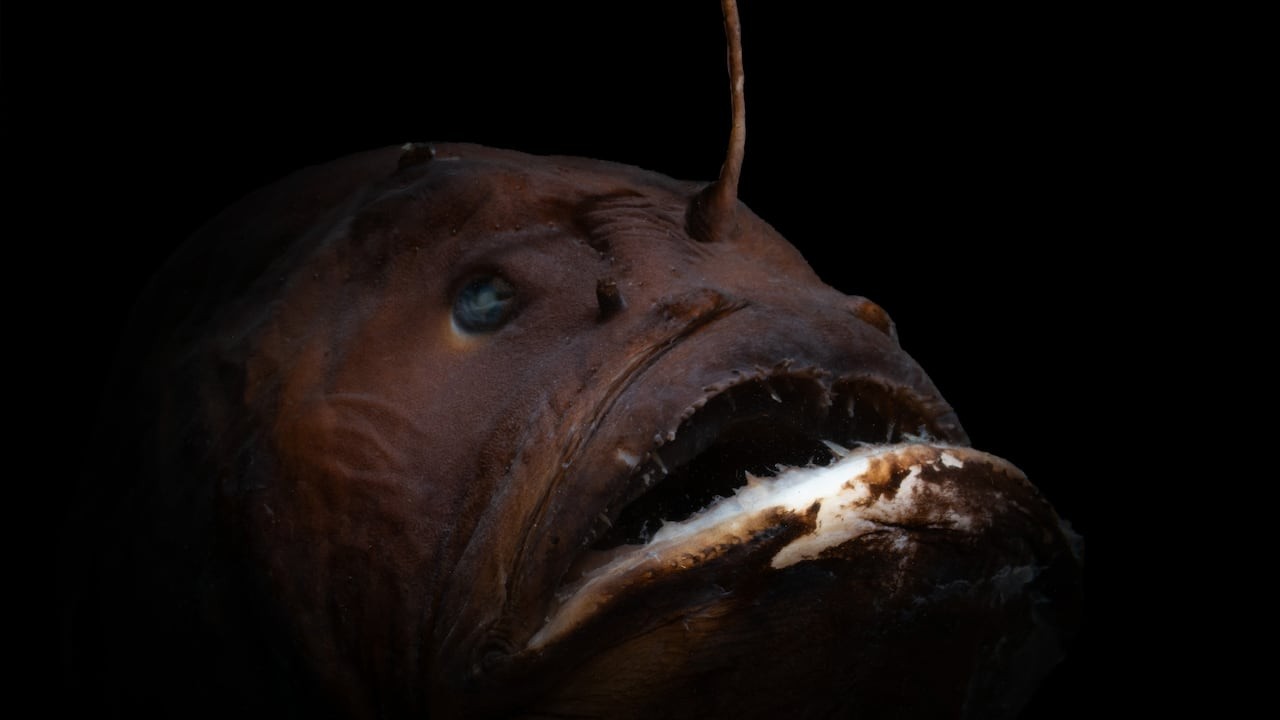
Deep-sea anglerfish
In the lightless deep, the female dangles a glowing lure to draw prey into her fang-filled jaws.
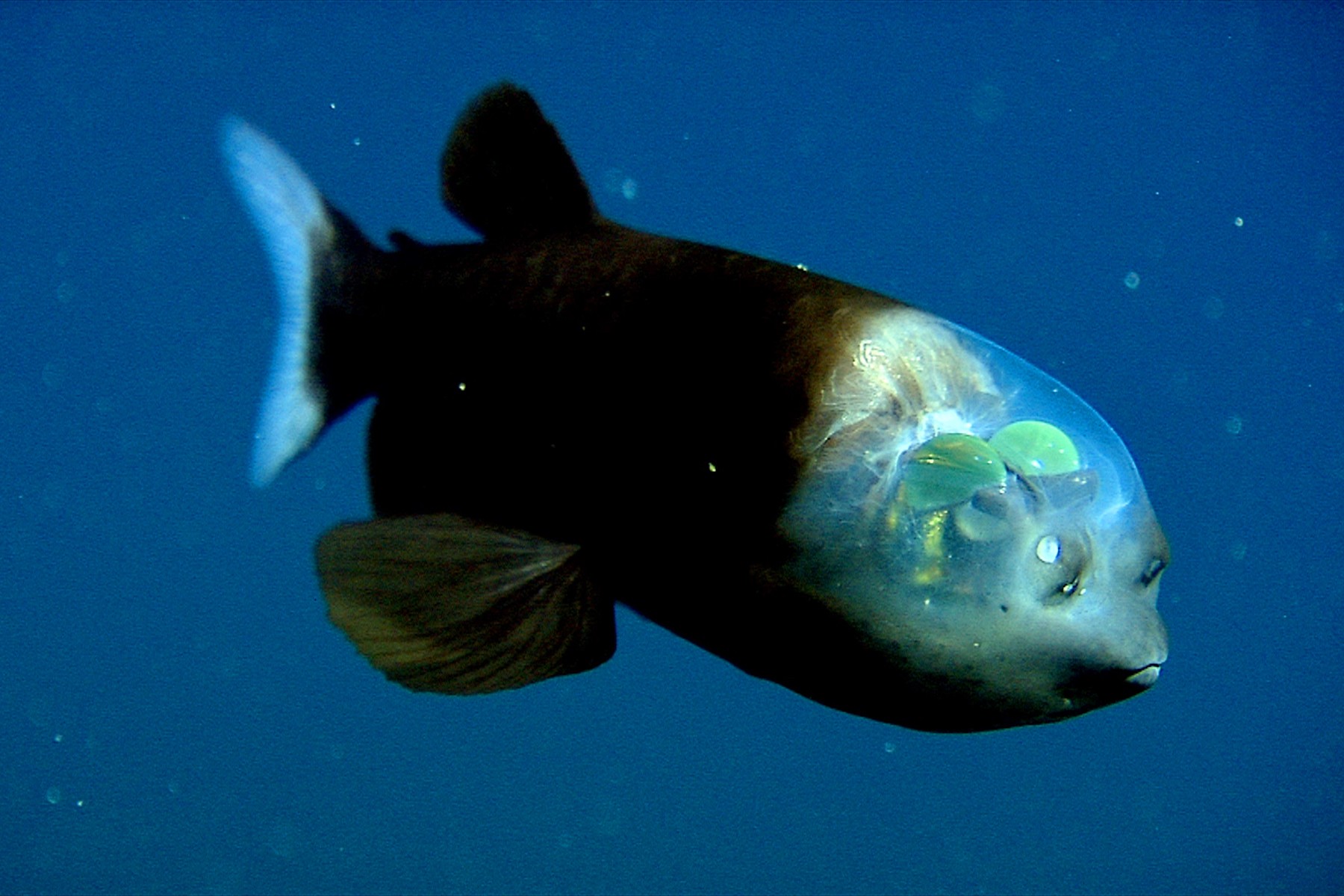
Barreleye fish
Its transparent, dome-shaped head lets tubular eyes rotate to peer straight up for prey.
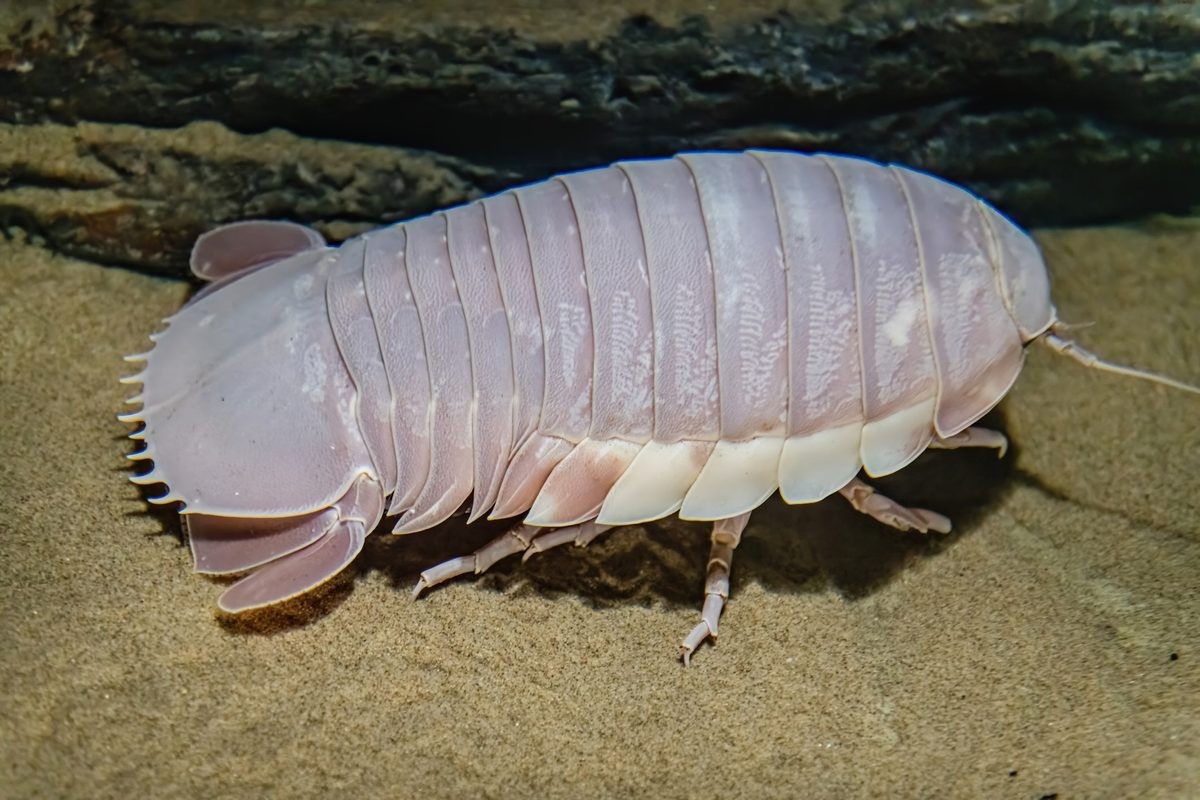
Giant isopod
A deep-sea relative of the woodlouse that can grow to the size of a small cat.
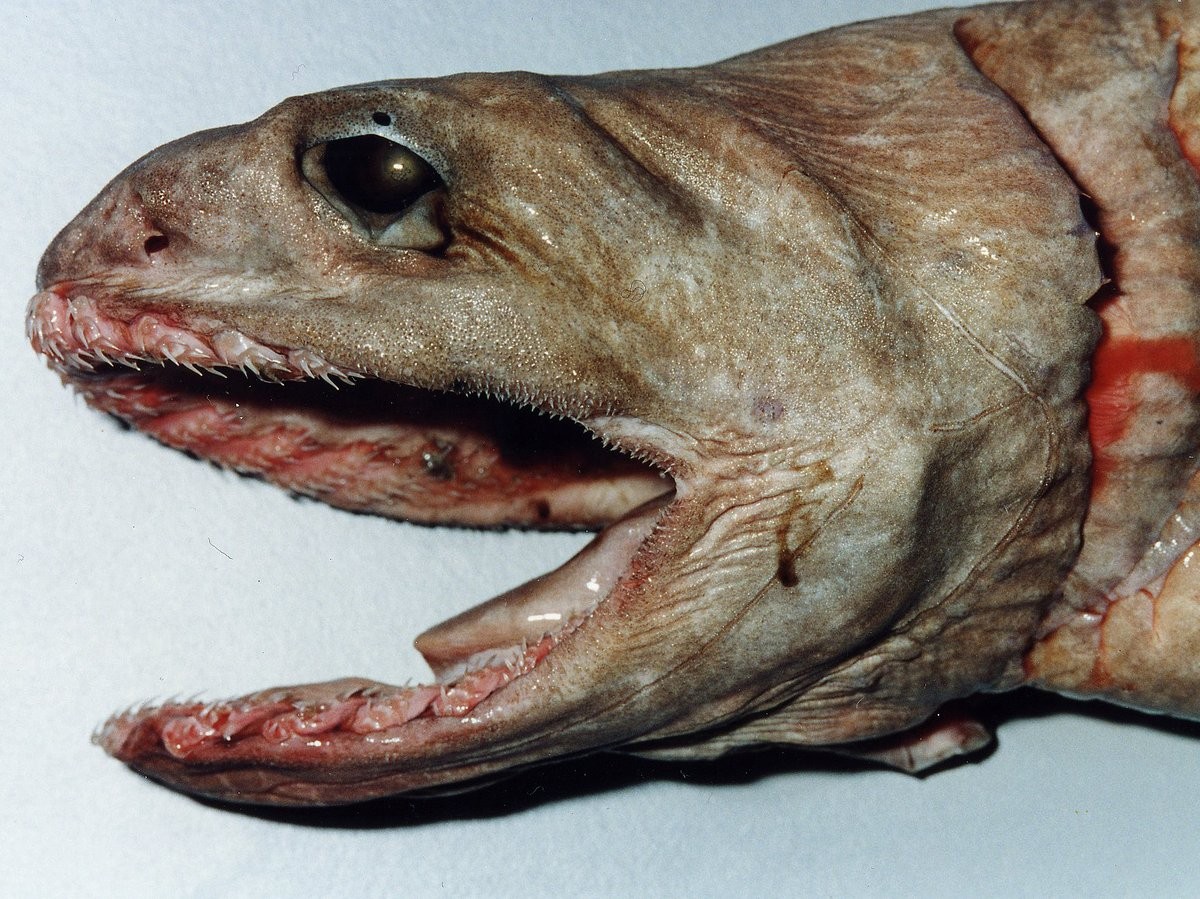
Frilled shark
An eel-like “living fossil” shark of the deep, lined with 300 needle-sharp teeth.
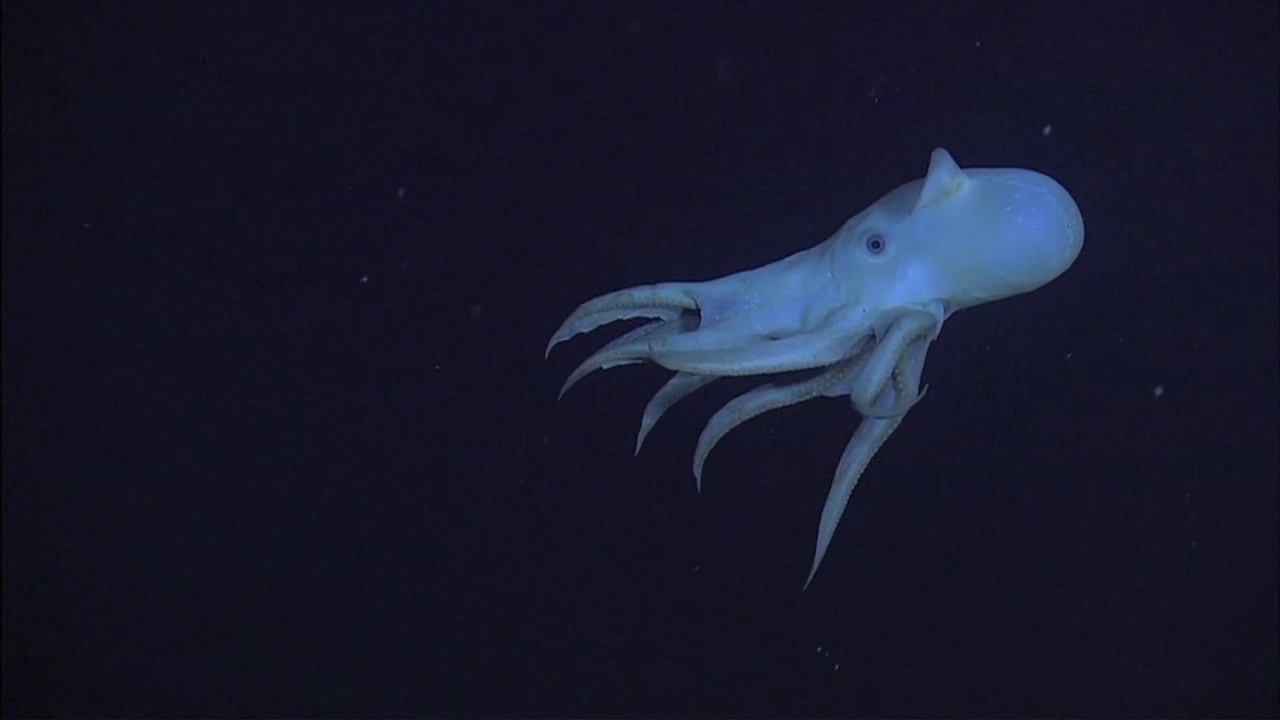
Dumbo octopus
The deepest-living of all octopuses, flapping ear-like fins over the abyssal plain.
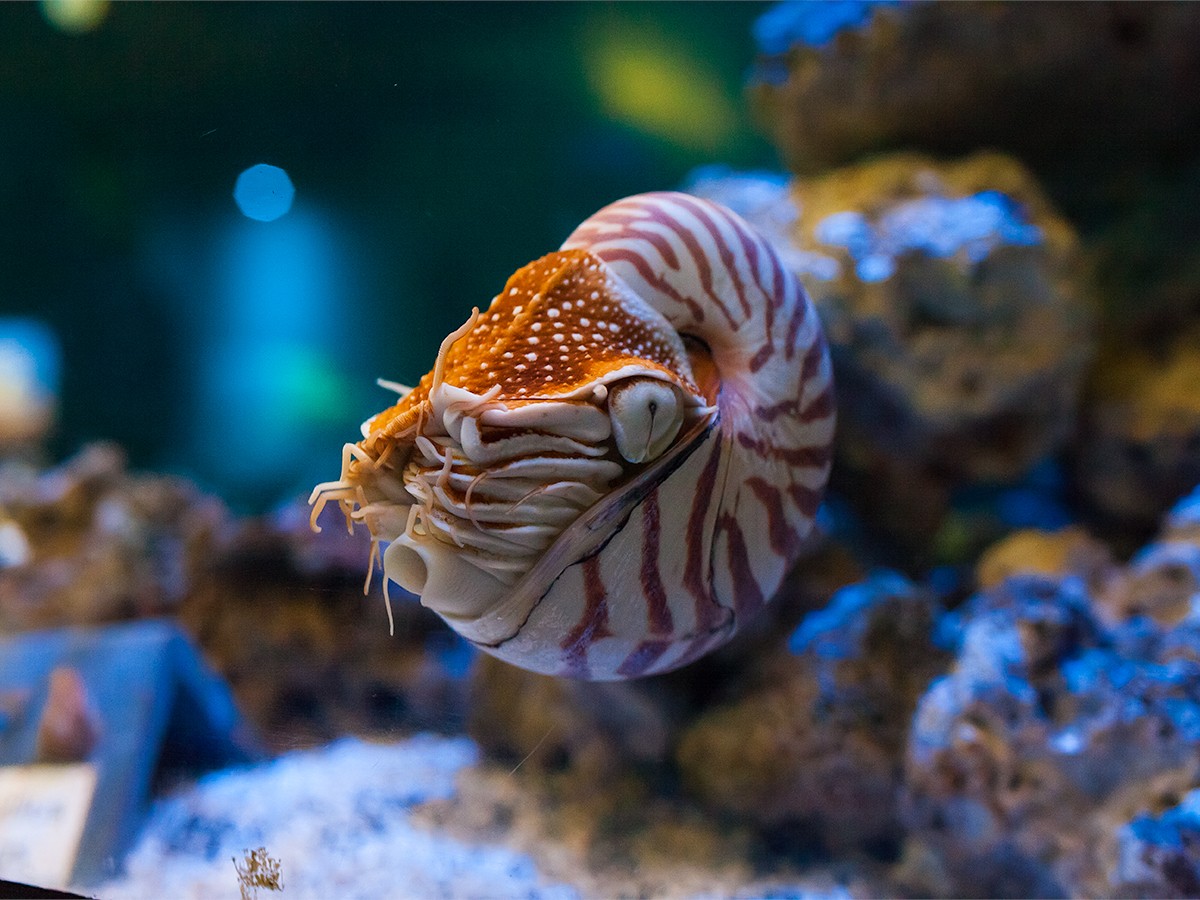
Chambered nautilus
An ancient spiral-shelled cephalopod little changed in 500 million years.
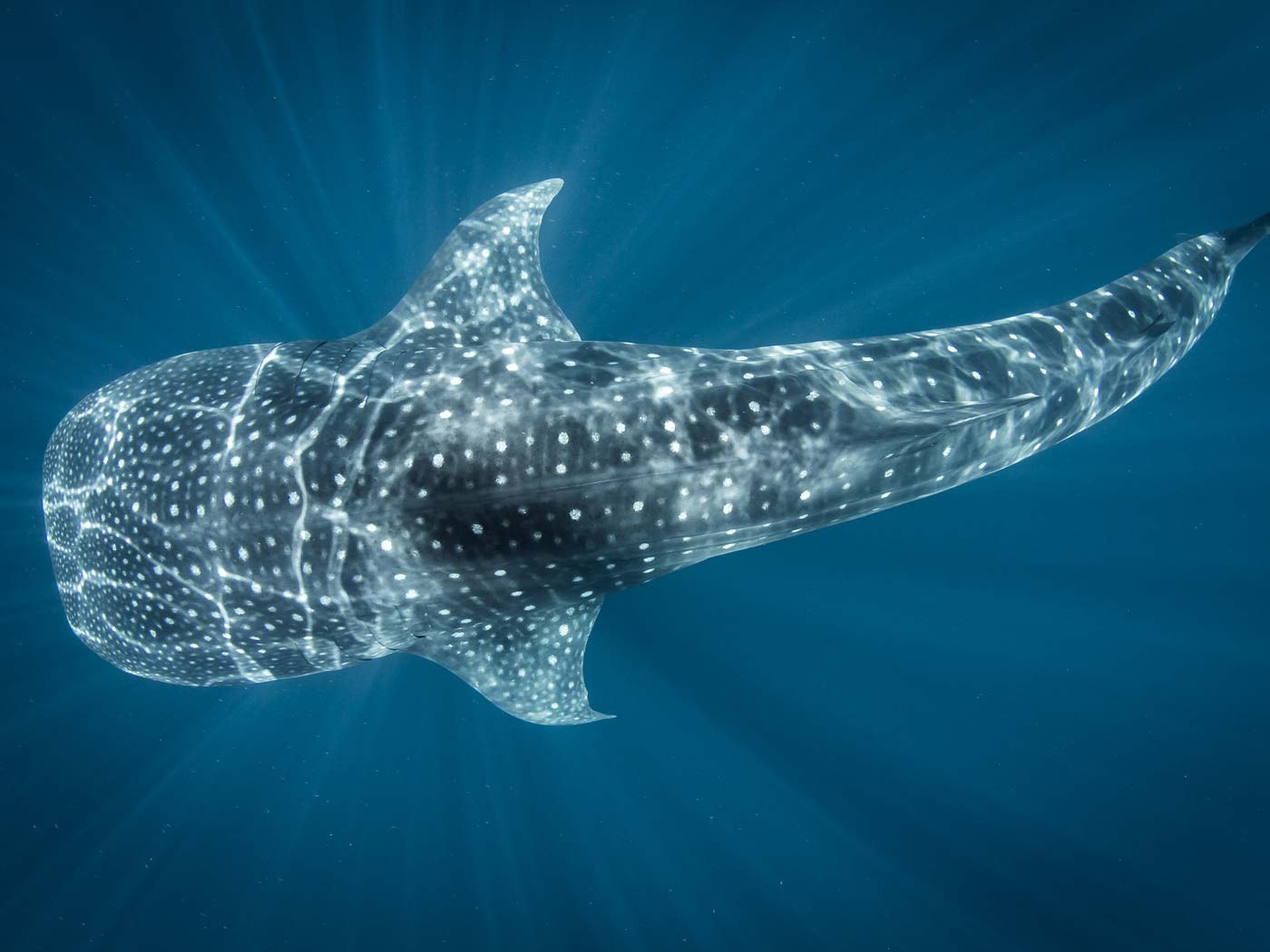
Whale shark
The largest fish alive — a spotted, harmless giant that strains plankton from the sea.
Seabirds
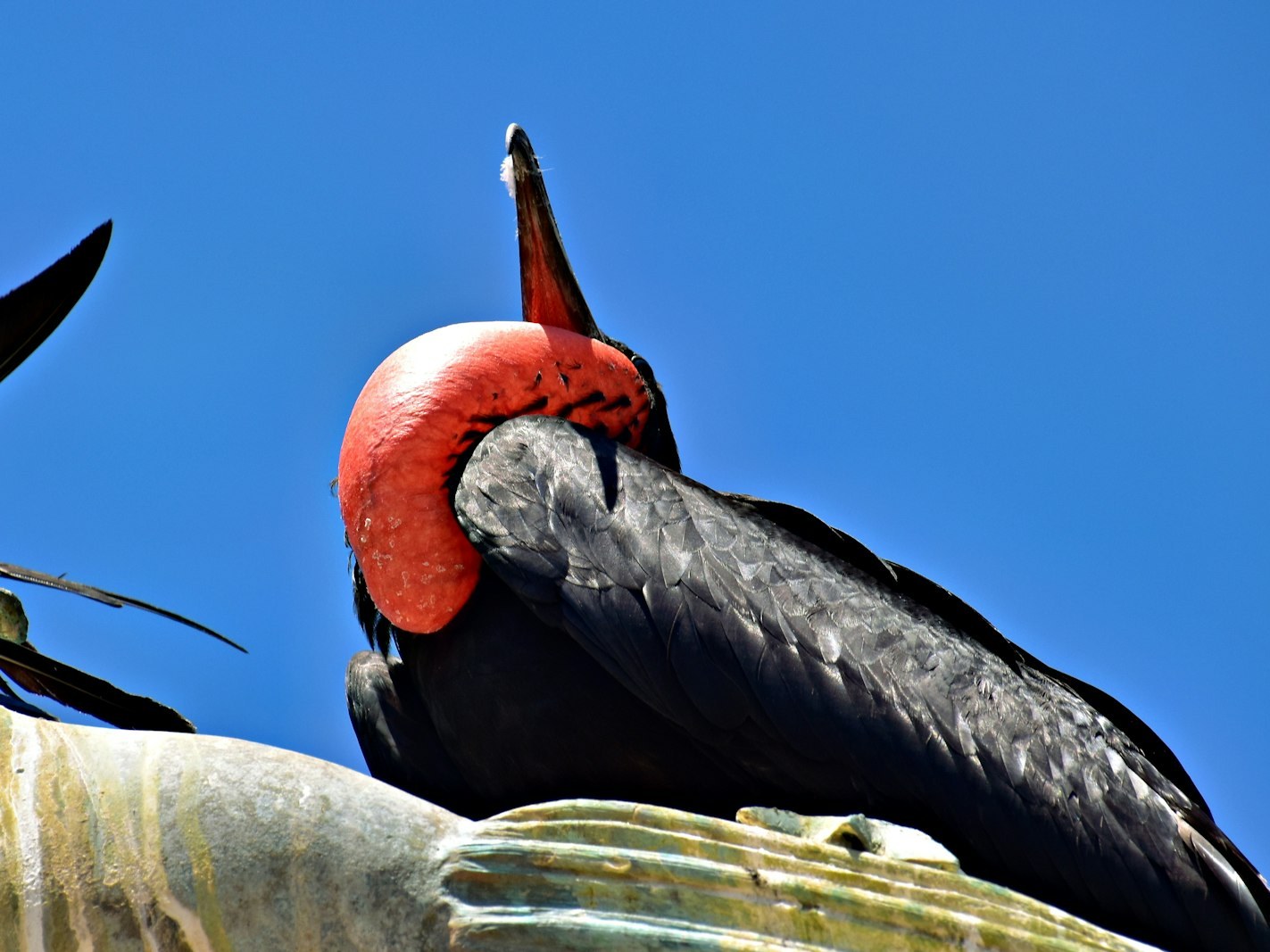
Frigatebird
A pirate of tropical skies; the male balloons a scarlet throat pouch to court mates.
Marine plants & algae
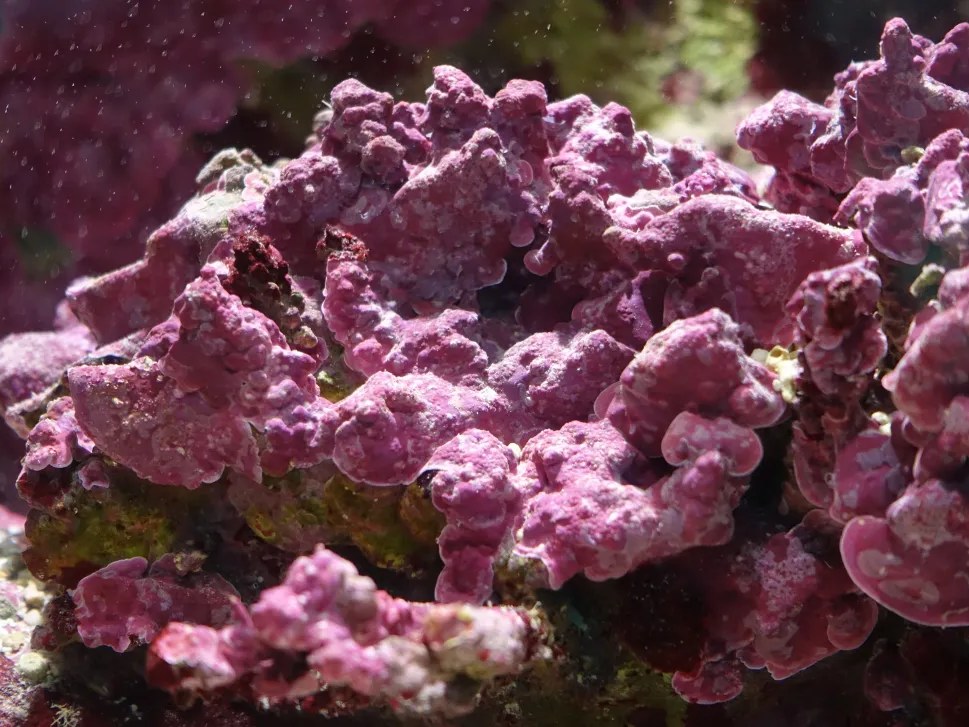
Coralline algae
Stony pink algae that cement coral reefs together and help them grow.
Surface & deep in the Philippine Sea
The sea is warm where the Sun reaches it and cold far below. Flip between the sunlit surface and the deep water to feel the difference — these are typical figures for a sea.
Sunlit surface
22°C
typical surface temperature
Seas warm strongly at the surface in summer, but their deeper water stays cold and still — the sunlight simply never reaches it.
Recorded range for the Philippine Sea: Warm, 25–30°C