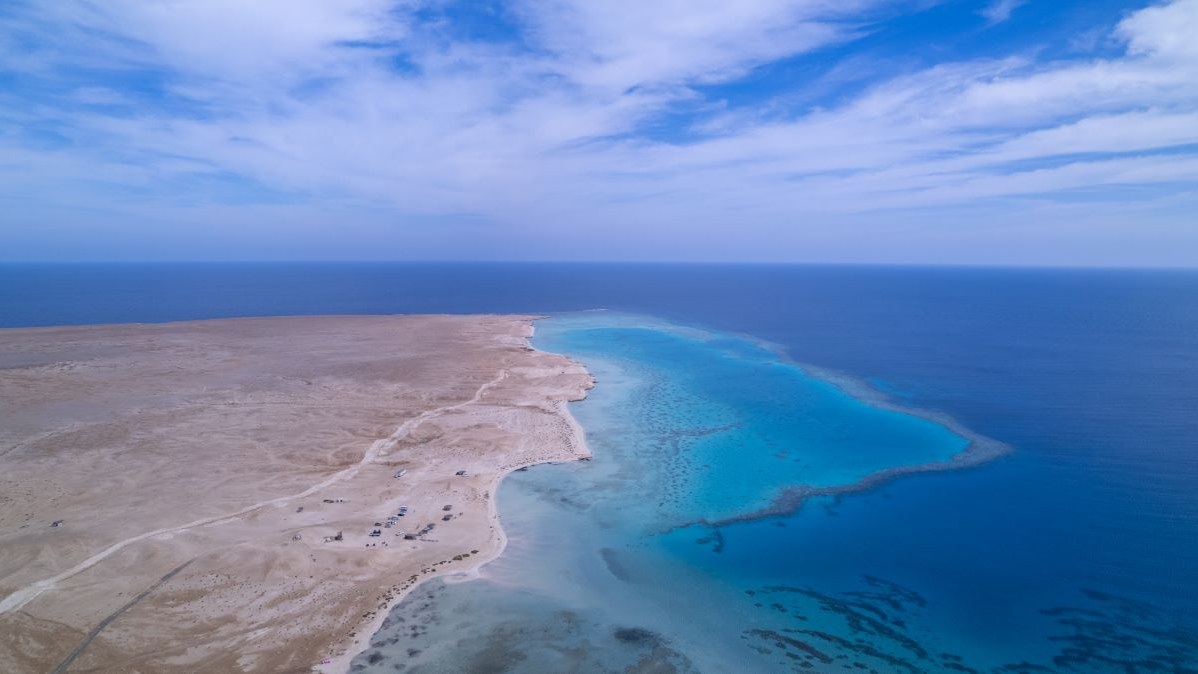
A long, warm and extremely salty sea slowly splitting Africa from Arabia, famous for brilliant coral reefs.
Area
438,000 km²
Ocean basin
Indian
Location
The warm, salty sea splitting two continents
Average depth
about 490 m
Maximum depth
about 3,040 m
Salinity
~40 ppt (one of the saltiest seas)
Temperature
Very warm, 26–30°C, up to 34°C
Region
Between Africa & Arabia
About the Red Sea
The Red Sea stretches between north-east Africa and the Arabian Peninsula, linked to the Indian Ocean in the south and the Mediterranean by the Suez Canal in the north. It lies along a rift where two continental plates are slowly tearing apart. Hot, salty and fed by almost no rivers, its clear warm water nurtures some of the most colourful and heat-tolerant coral reefs on Earth.
Did you know?
It is being born from a crack in the Earth — Africa and Arabia are pulling apart here, and in the far future it may grow into a new ocean.
Highlights
- A rift where a new ocean may one day form
- Among the saltiest and warmest seas
- Spectacular heat-tolerant coral reefs
Photo gallery
Life in the Red Sea
Creatures, seabirds and marine plants — including some of the rarest and strangest — that live in these waters.
Creatures of the deep
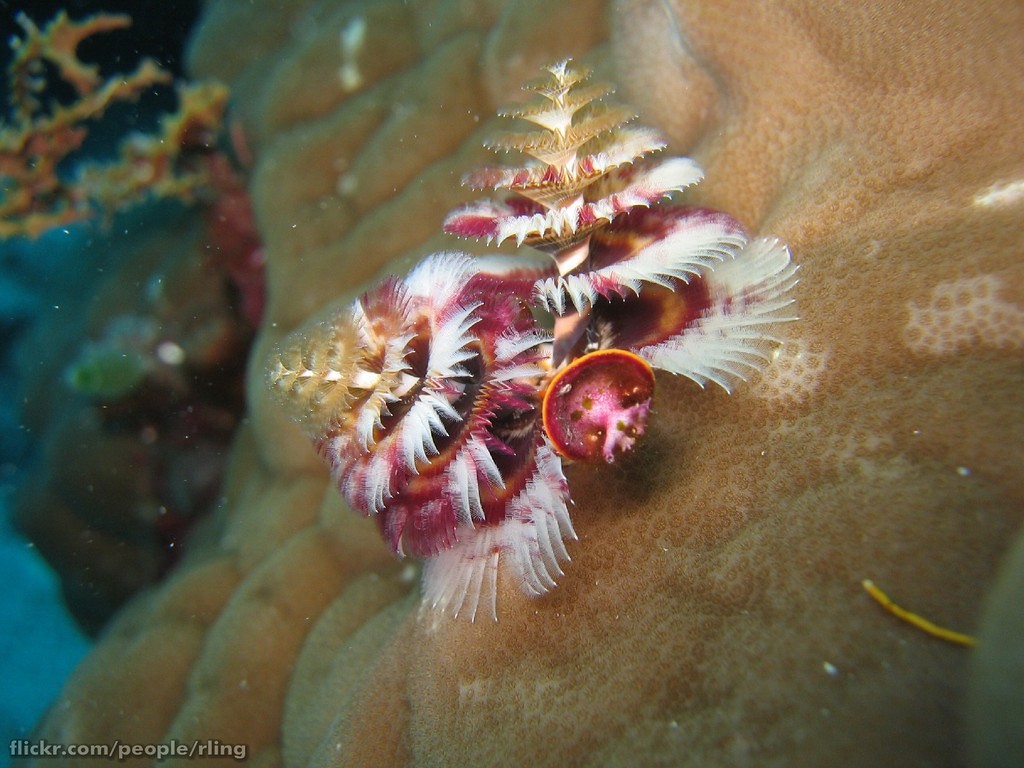
Christmas tree worm
A tube worm whose feathery, spiralled crowns dot tropical corals in every colour.
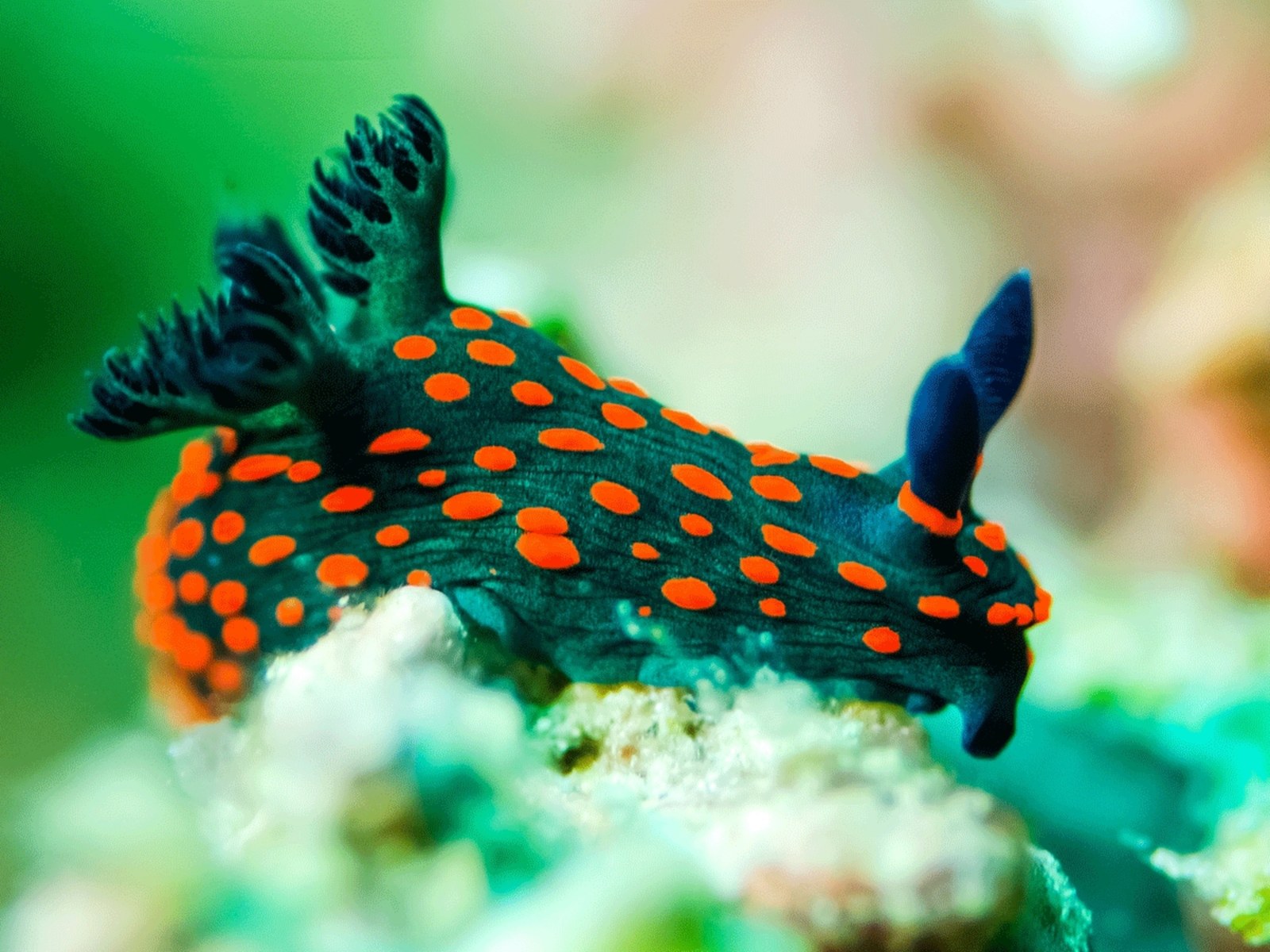
Nudibranch (sea slug)
Dazzlingly coloured sea slugs that steal stings — and even sunlight — from the food they eat.
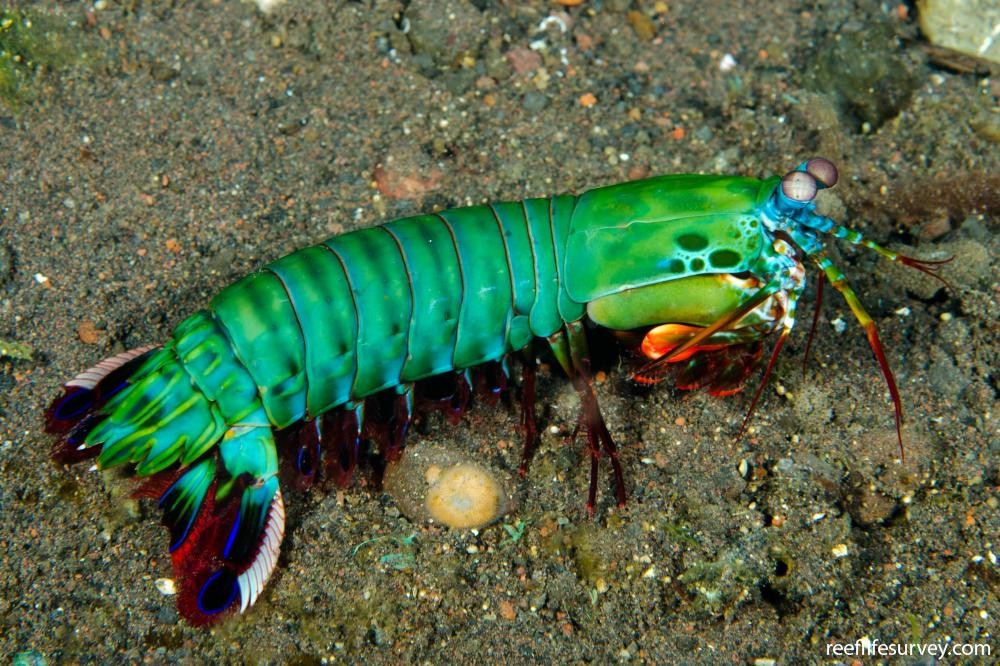
Mantis shrimp
A reef crustacean with the fastest strike in nature and the most complex eyes on Earth.
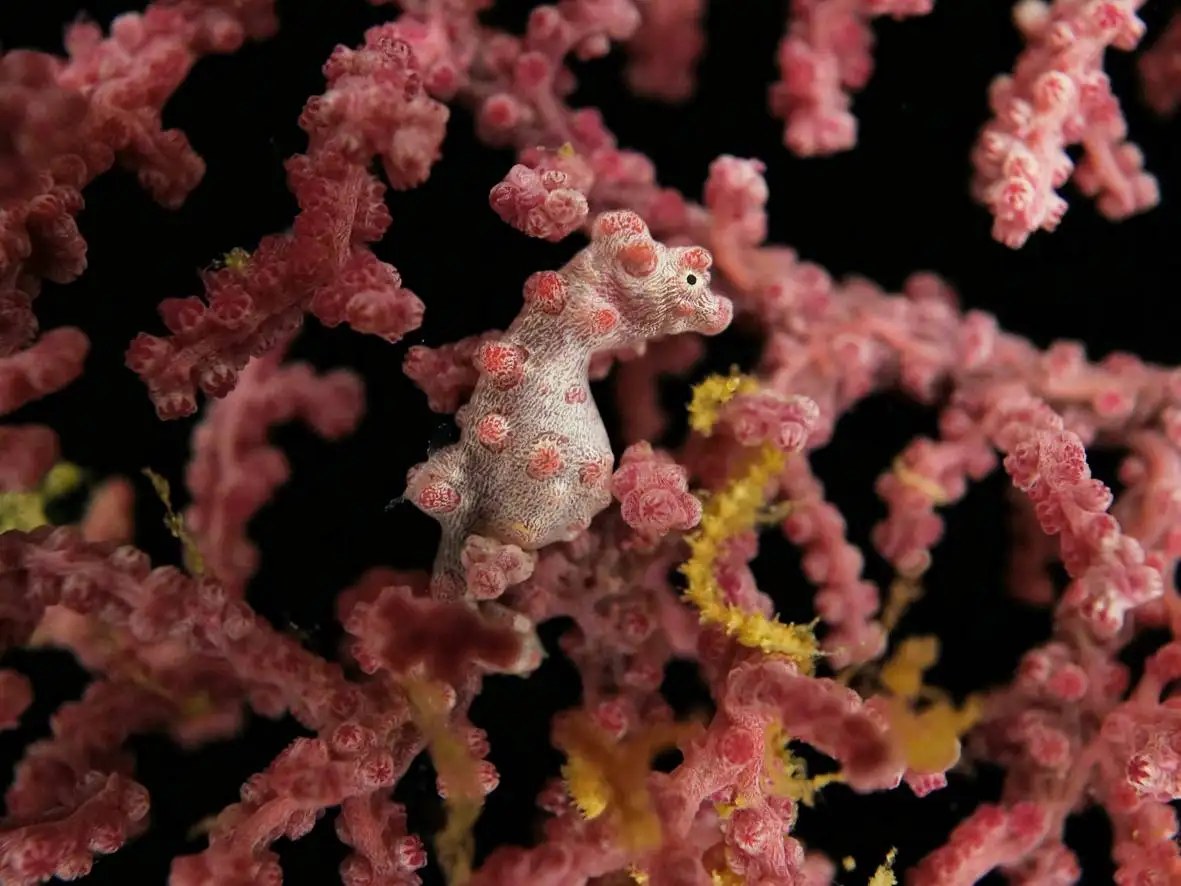
Pygmy seahorse
A thumbnail-sized seahorse camouflaged so perfectly on sea fans it was found by accident.
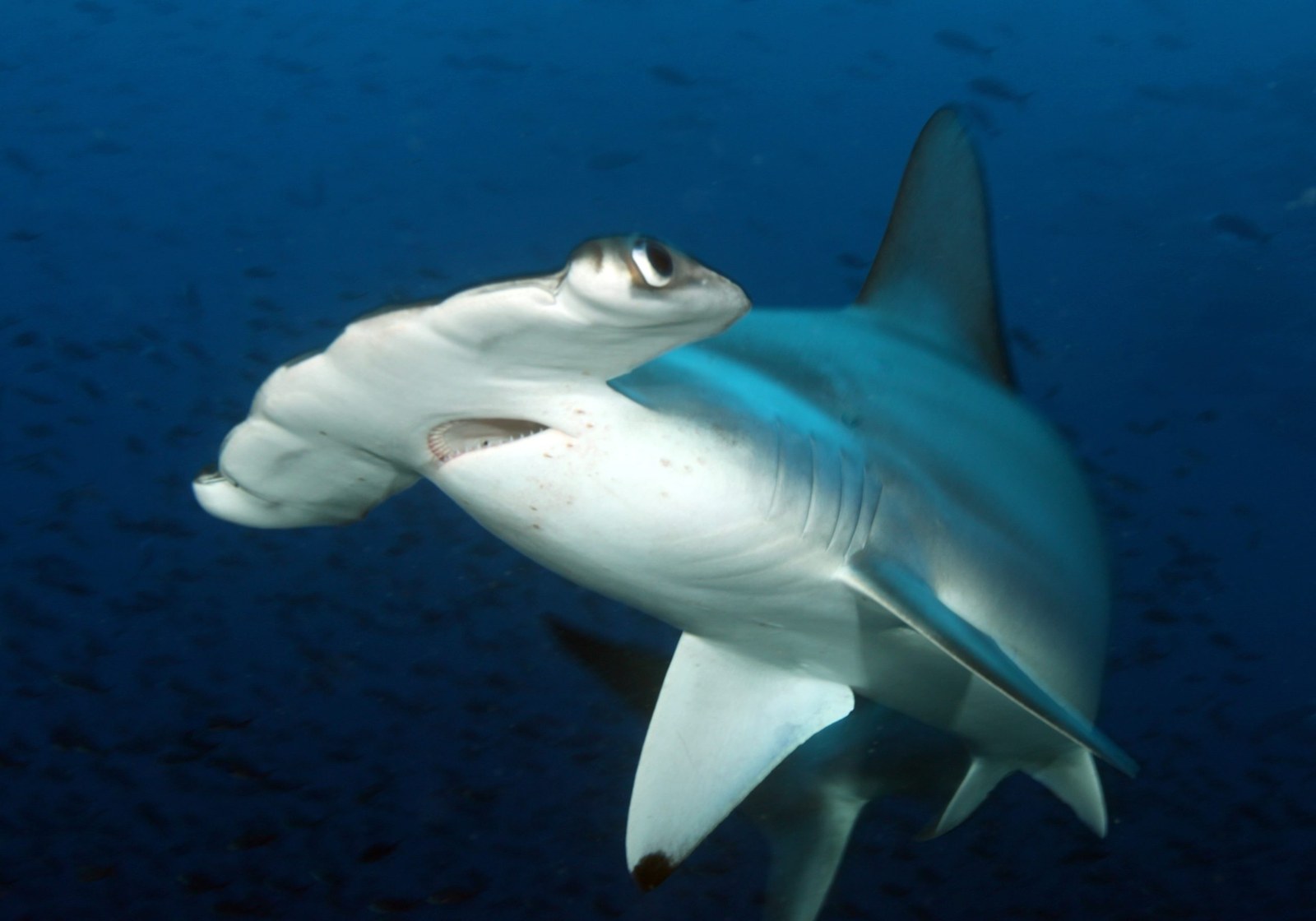
Hammerhead shark
Its wing-shaped head is packed with sensors that detect prey buried in the sand.
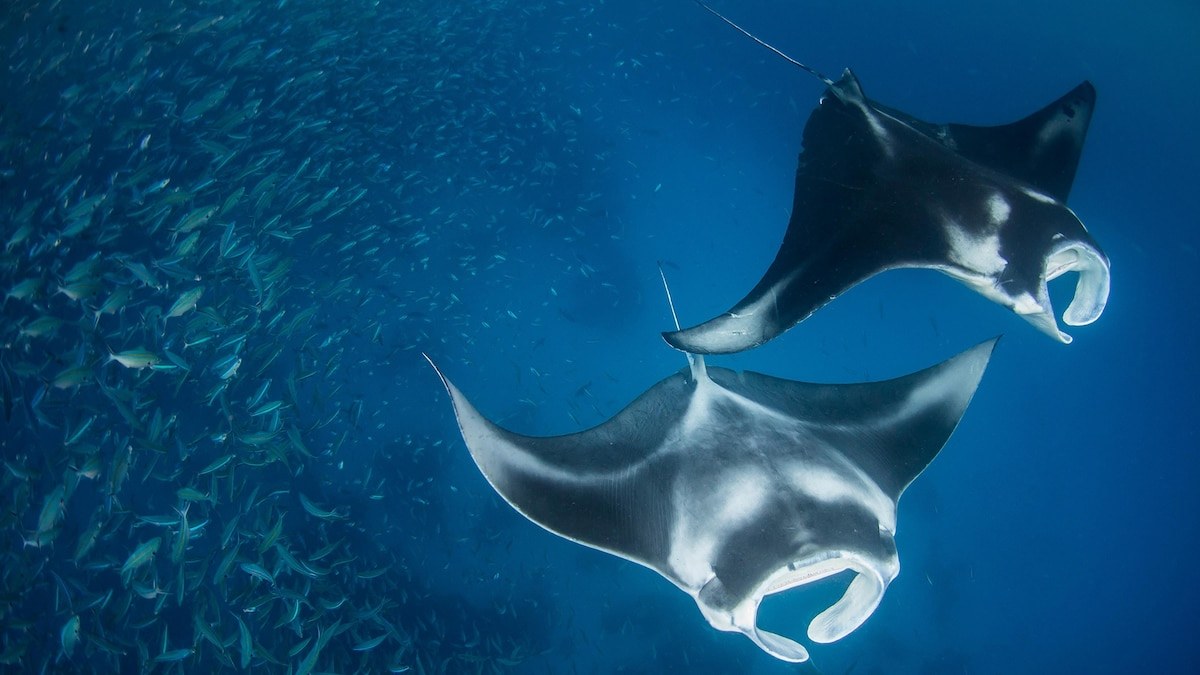
Manta ray
A gentle giant that “flies” through the water on wings up to seven metres across.
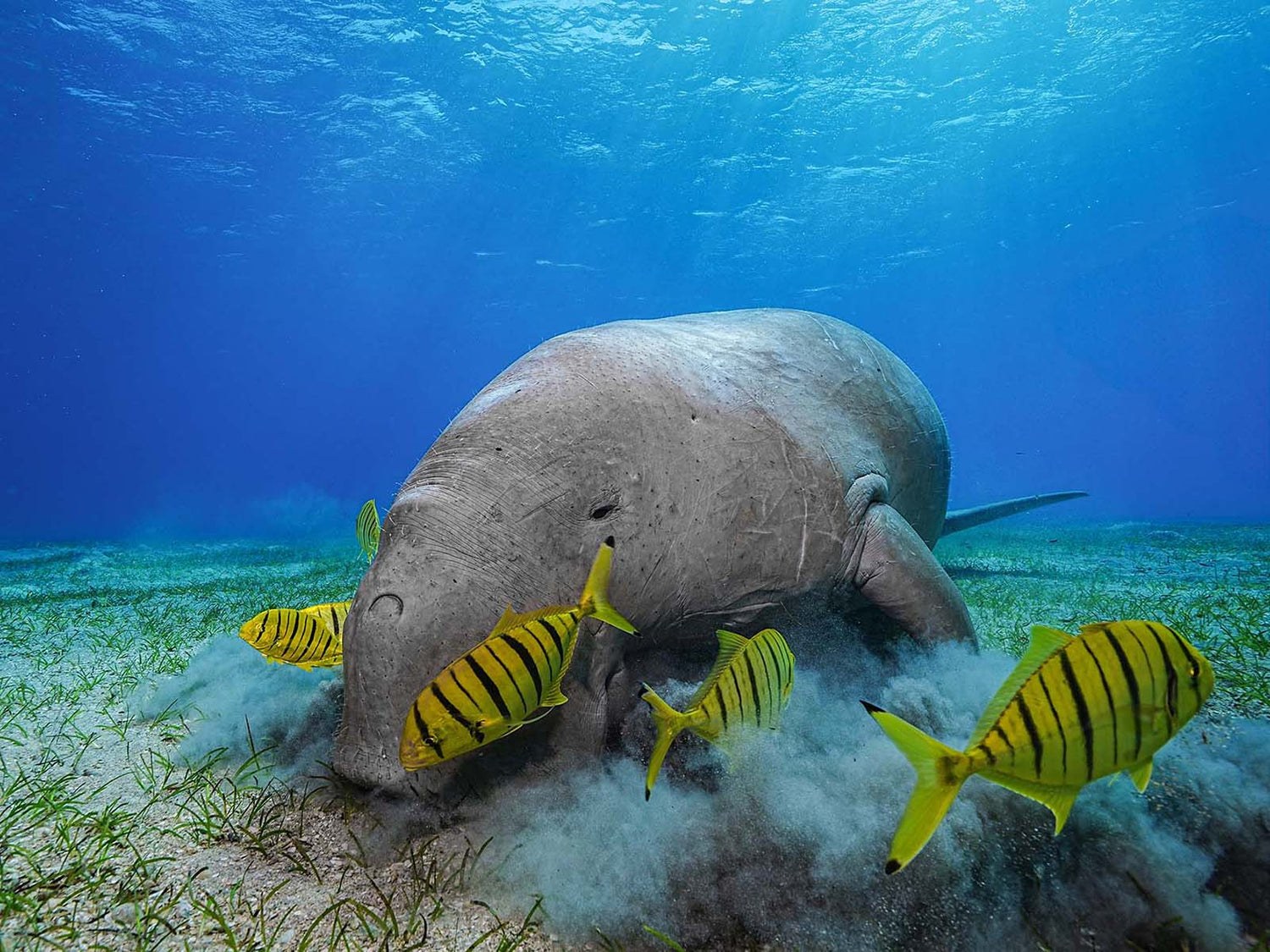
Dugong
A gentle seagrass-grazing “sea cow” of warm Indo-Pacific coasts, cousin to the manatee.
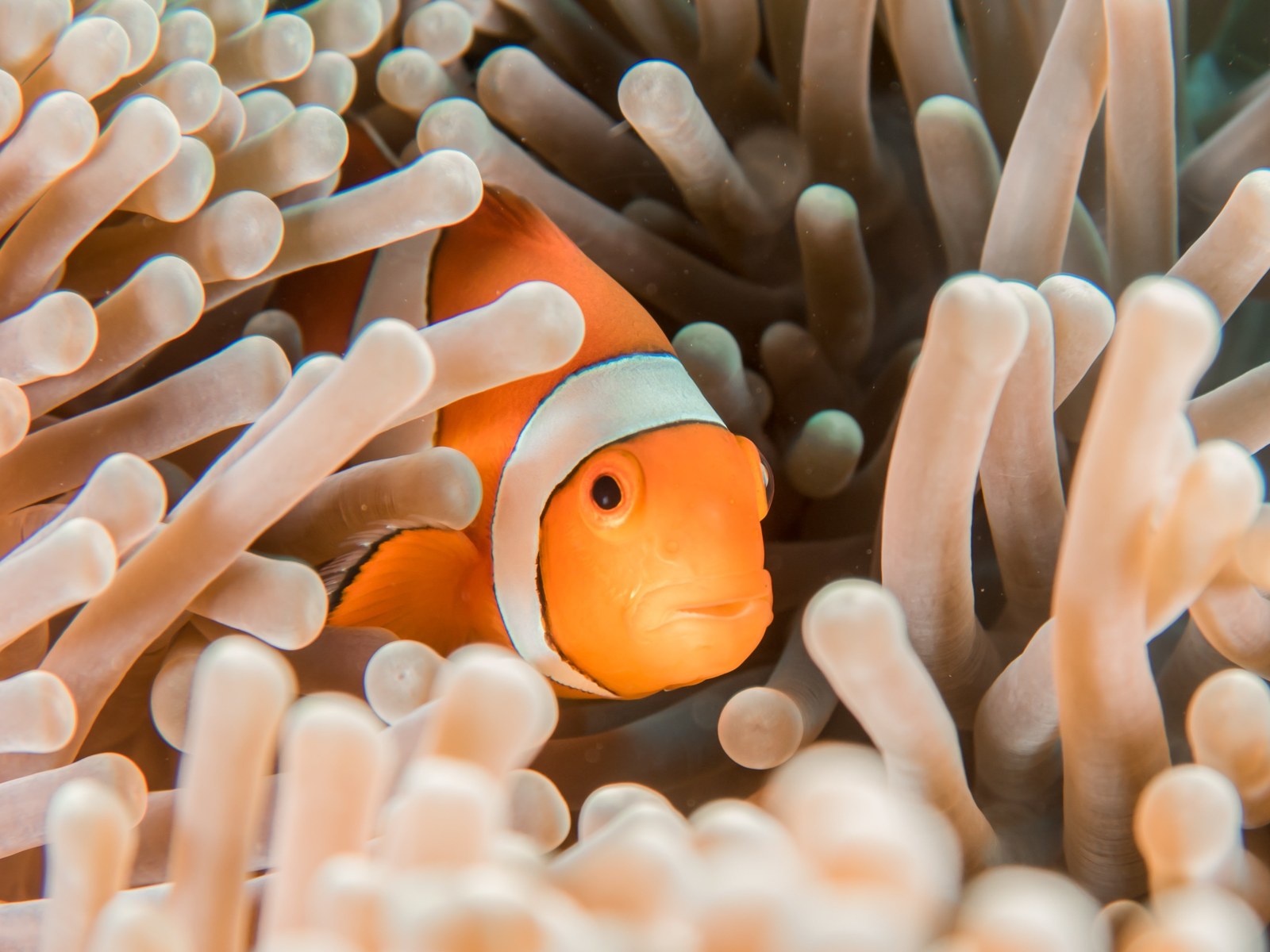
Clownfish
Lives unharmed among an anemone’s stinging tentacles; every clownfish is born male.
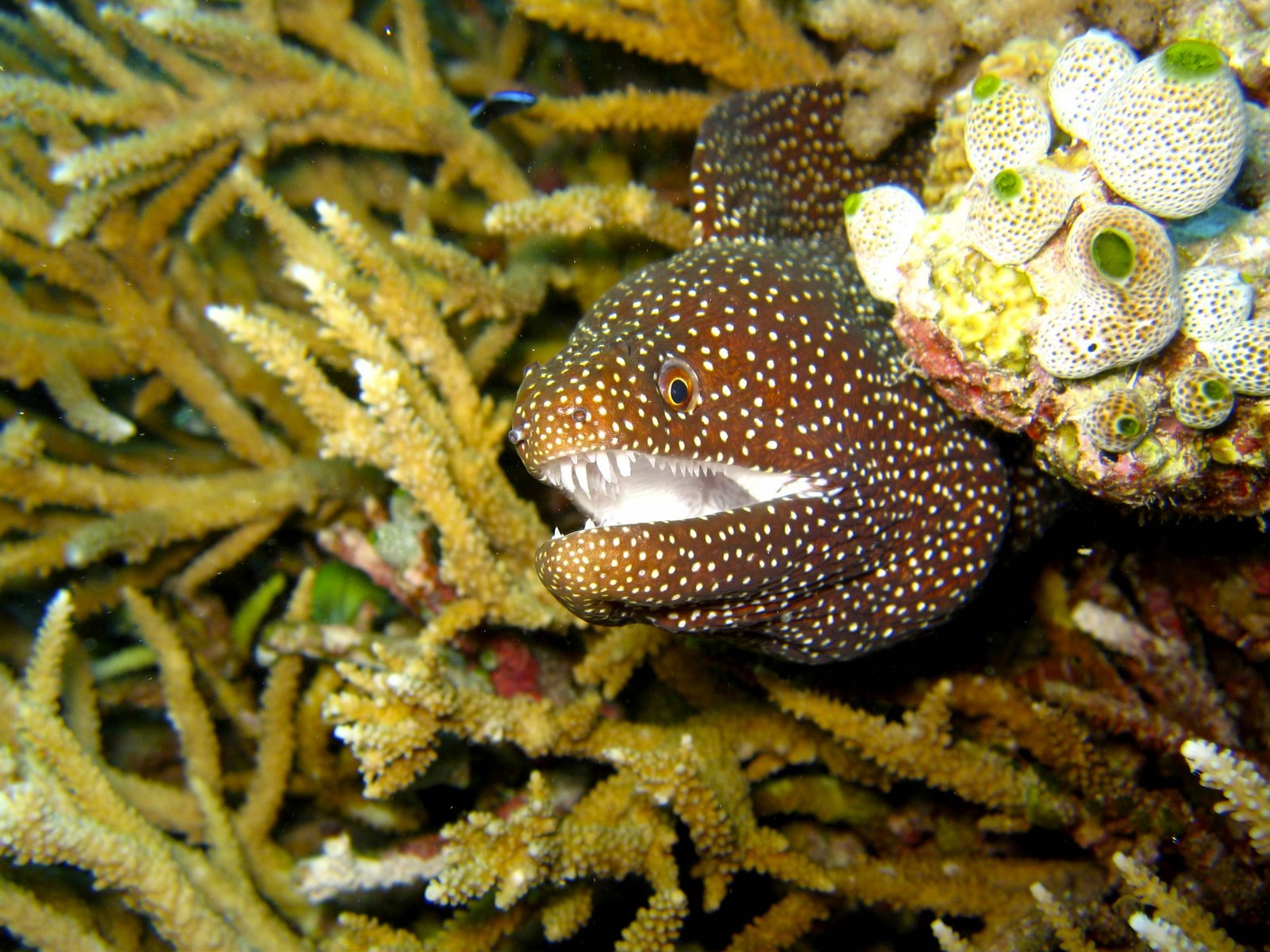
Moray eel
A reef ambush predator with a hidden second set of jaws in its throat to drag prey down.
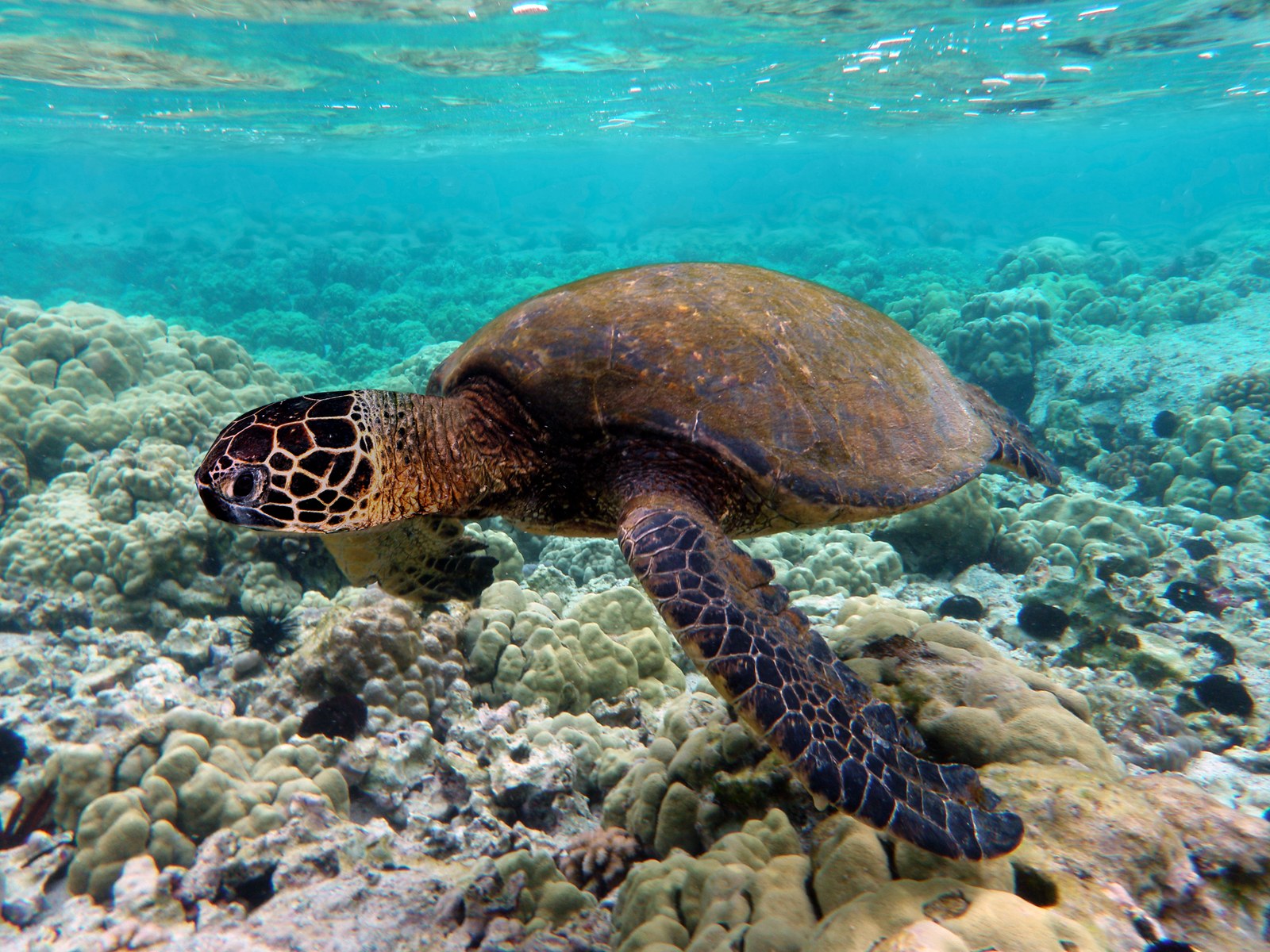
Green sea turtle
The only sea turtle that grazes seagrass as an adult, which tints its fat green.
Marine plants & algae
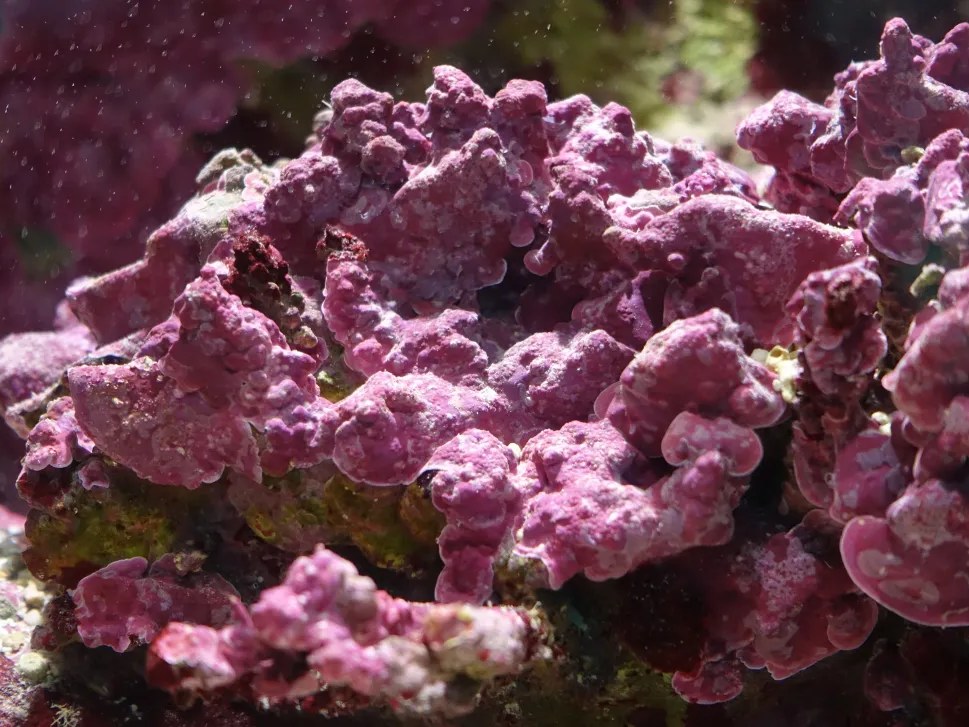
Coralline algae
Stony pink algae that cement coral reefs together and help them grow.
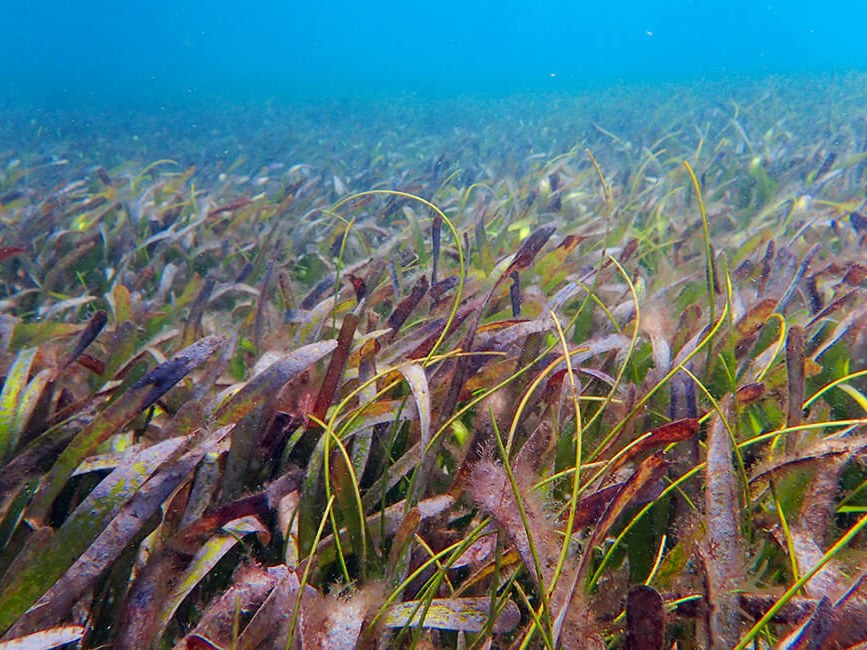
Turtle grass
A tropical seagrass whose meadows feed turtles, manatees and dugongs.
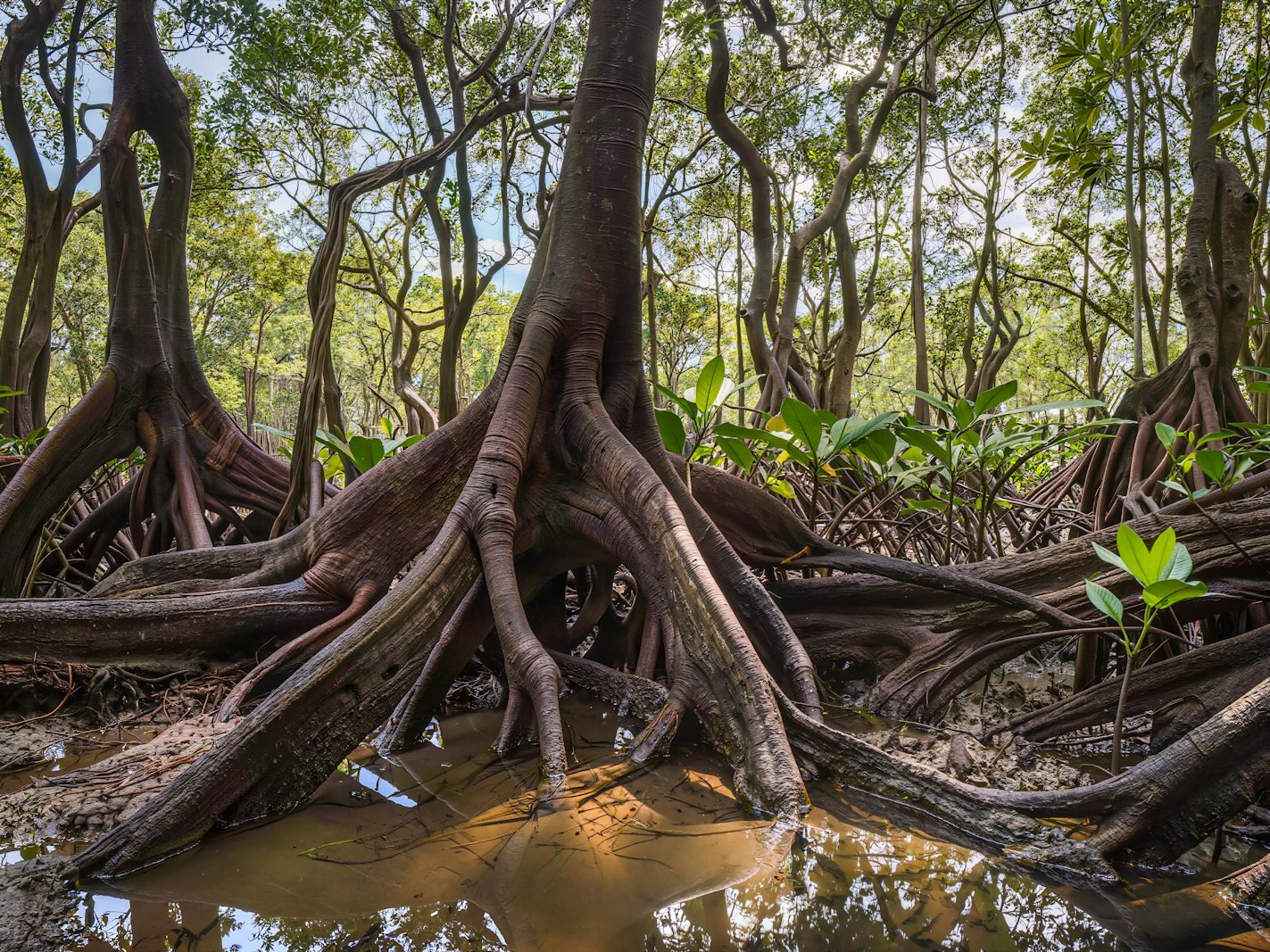
Mangrove
Salt-tolerant coastal trees whose tangled roots shelter young fish and buffer storms.
Surface & deep in the Red Sea
The sea is warm where the Sun reaches it and cold far below. Flip between the sunlit surface and the deep water to feel the difference — these are typical figures for a enclosed sea.
Sunlit surface
24°C
typical surface temperature
Ringed by land, enclosed seas heat up more at the surface and, cut off from the open ocean, their trapped deep water often stays comparatively warm.
Recorded range for the Red Sea: Very warm, 26–30°C, up to 34°C