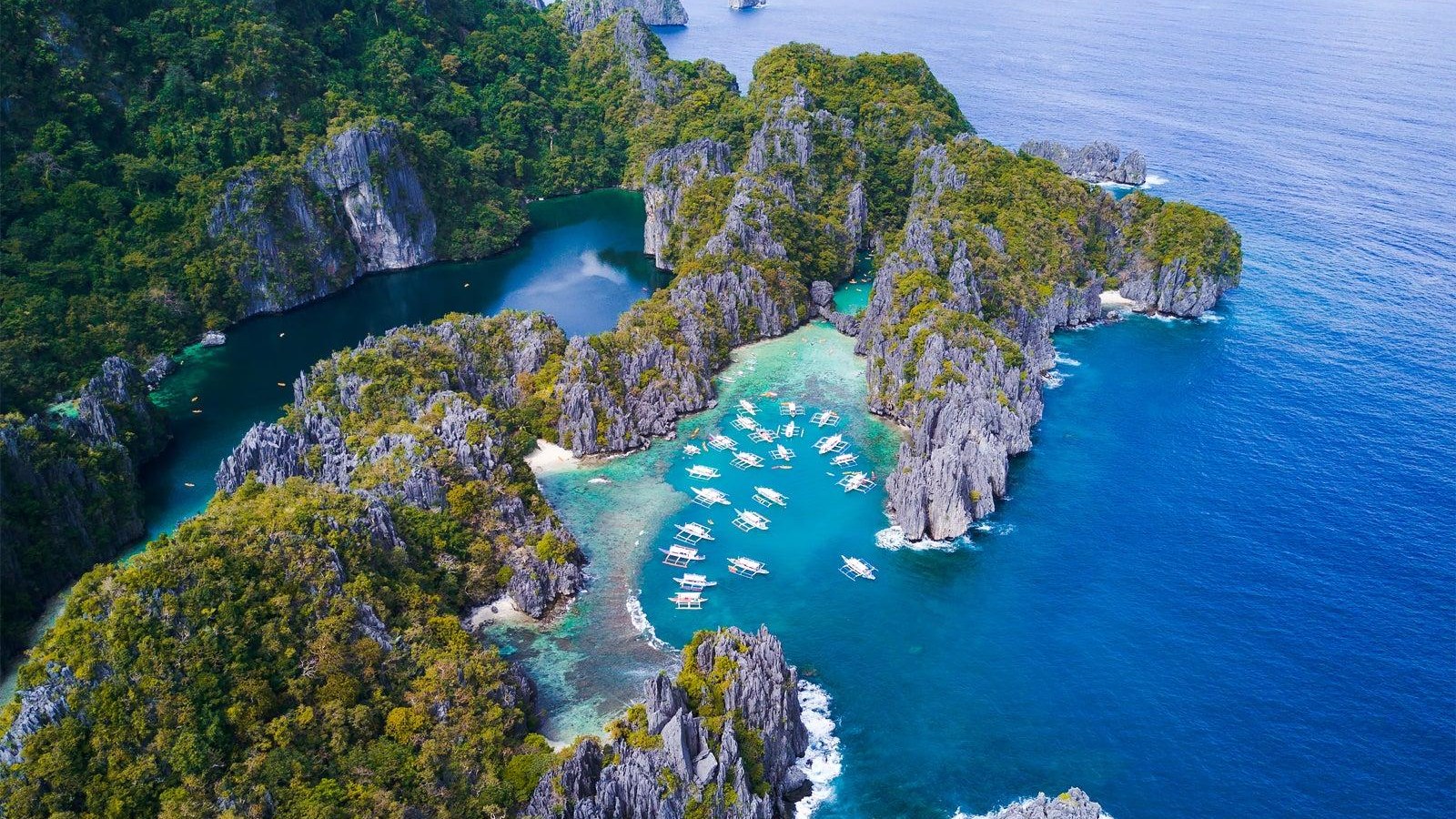
A strategically vital tropical sea in South-east Asia, scattered with reefs and islands and carrying a huge share of world trade.
Area
3,500,000 km²
Ocean basin
Pacific
Location
One of the world’s busiest seas
Average depth
about 1,212 m
Maximum depth
about 5,559 m
Salinity
~34 ppt
Temperature
Warm, 25–30°C
Region
South-east Asia
About the South China Sea
The South China Sea stretches from Singapore to the Taiwan Strait, bordered by China, Vietnam, the Philippines, Malaysia and Brunei. It is dotted with hundreds of small reefs, atolls and islands such as the Spratlys and Paracels. Its coral reefs and fisheries feed millions, while its sea lanes make it one of the most strategically important bodies of water in the world.
Did you know?
Roughly a third of all global shipping passes through it, making it one of the most important — and contested — seas on Earth.
Highlights
- Carries about a third of global shipping
- Scattered with hundreds of reefs and islands
- Rich fisheries feeding millions
Photo gallery
Life in the South China Sea
Creatures, seabirds and marine plants — including some of the rarest and strangest — that live in these waters.
Creatures of the deep
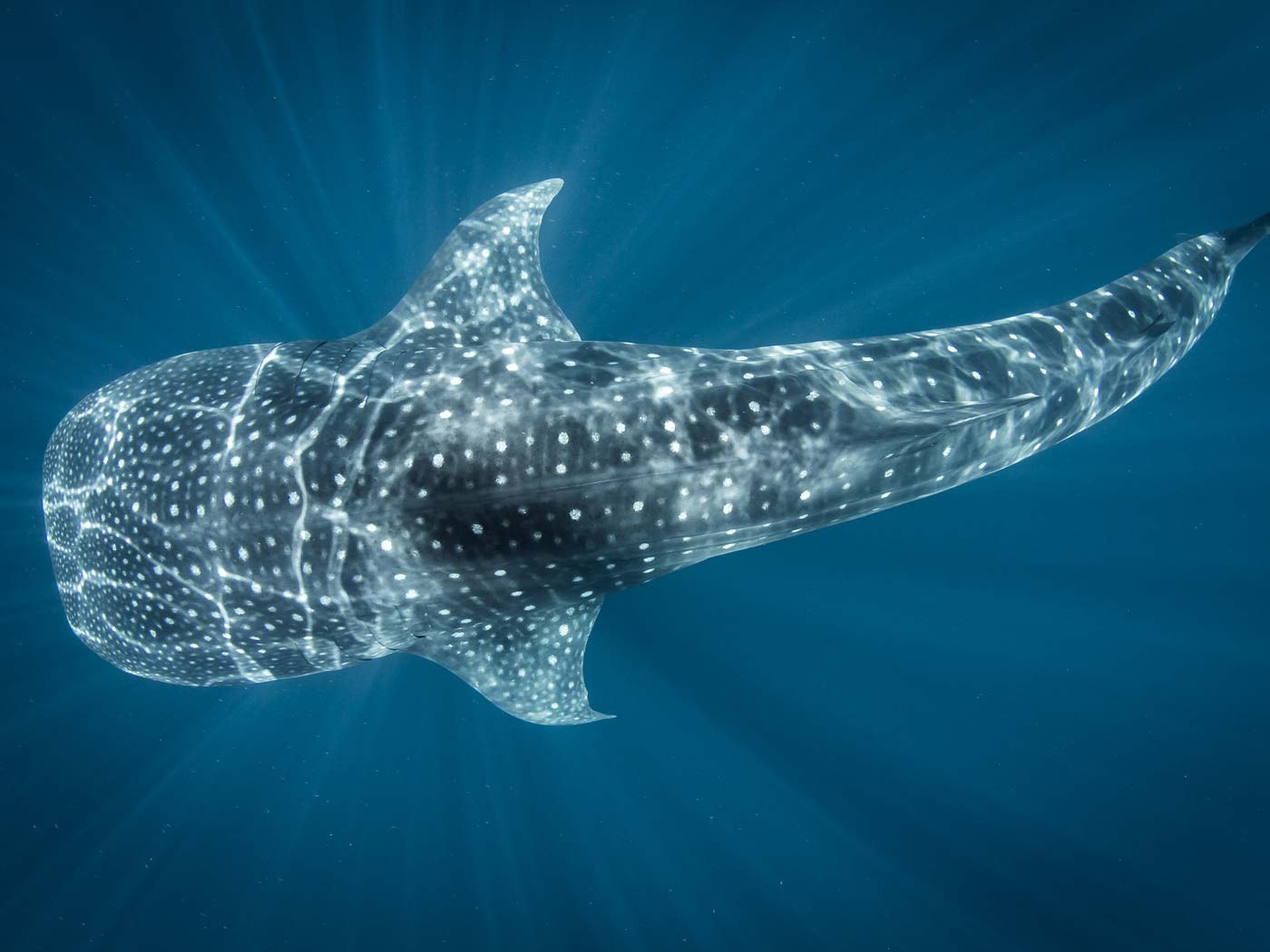
Whale shark
The largest fish alive — a spotted, harmless giant that strains plankton from the sea.
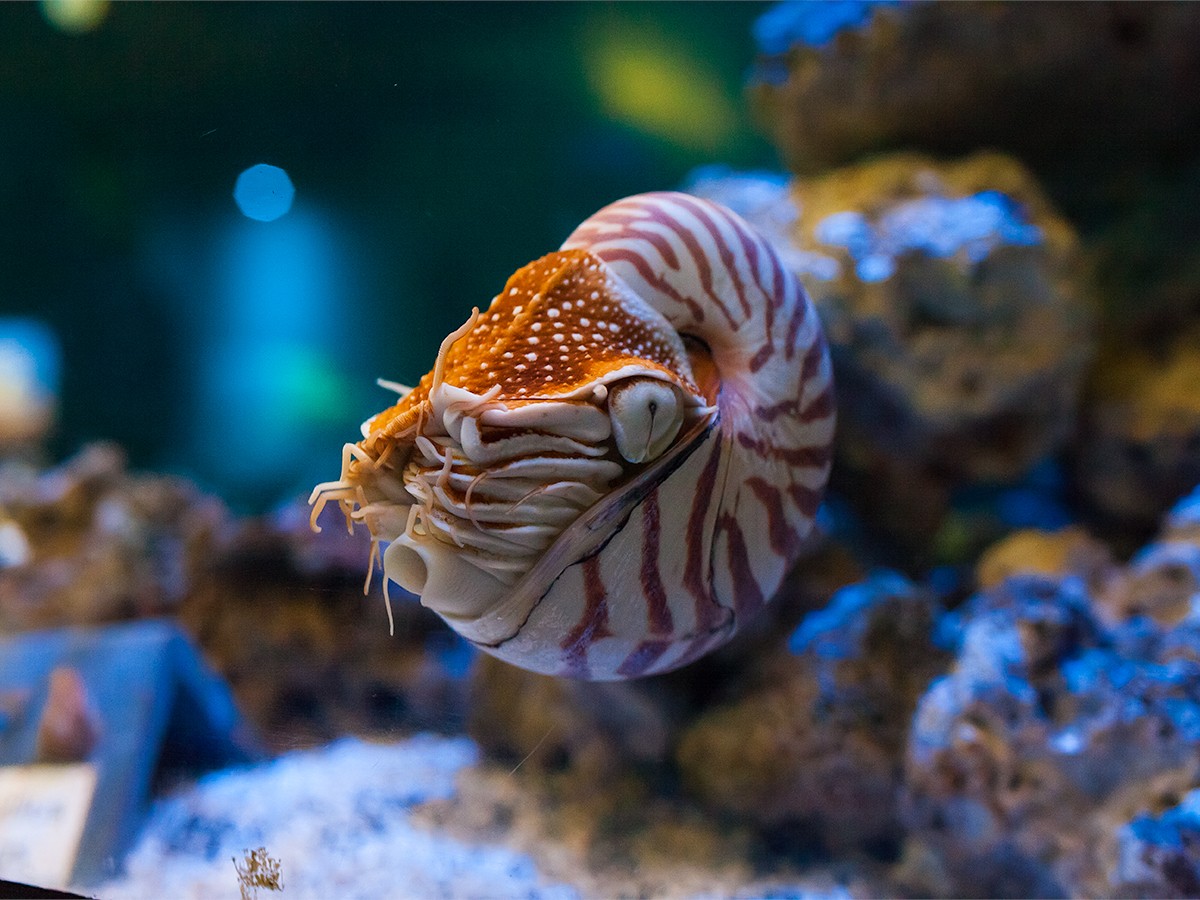
Chambered nautilus
An ancient spiral-shelled cephalopod little changed in 500 million years.
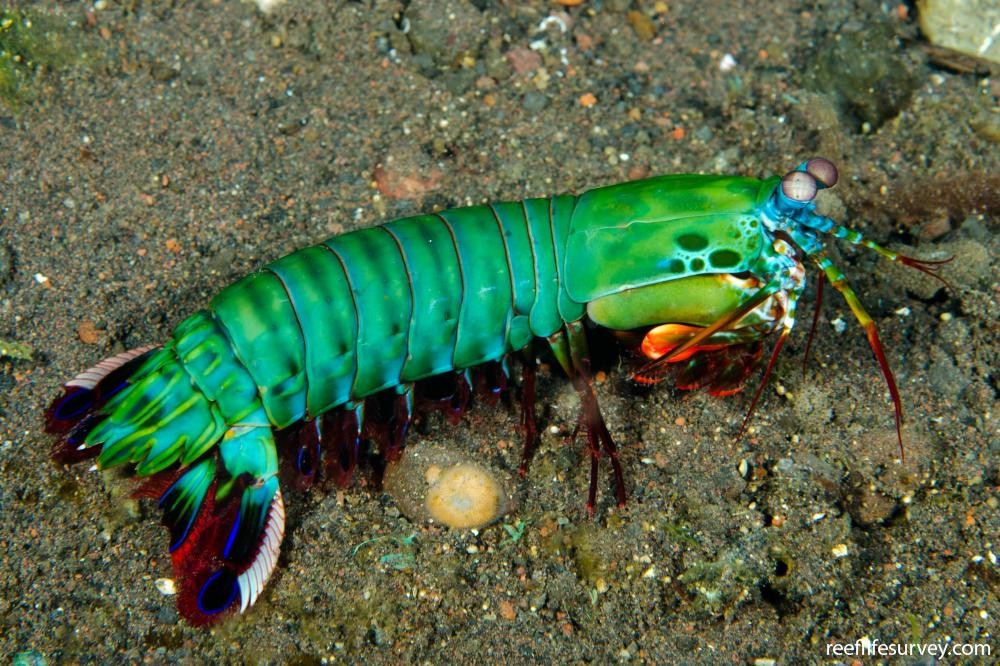
Mantis shrimp
A reef crustacean with the fastest strike in nature and the most complex eyes on Earth.
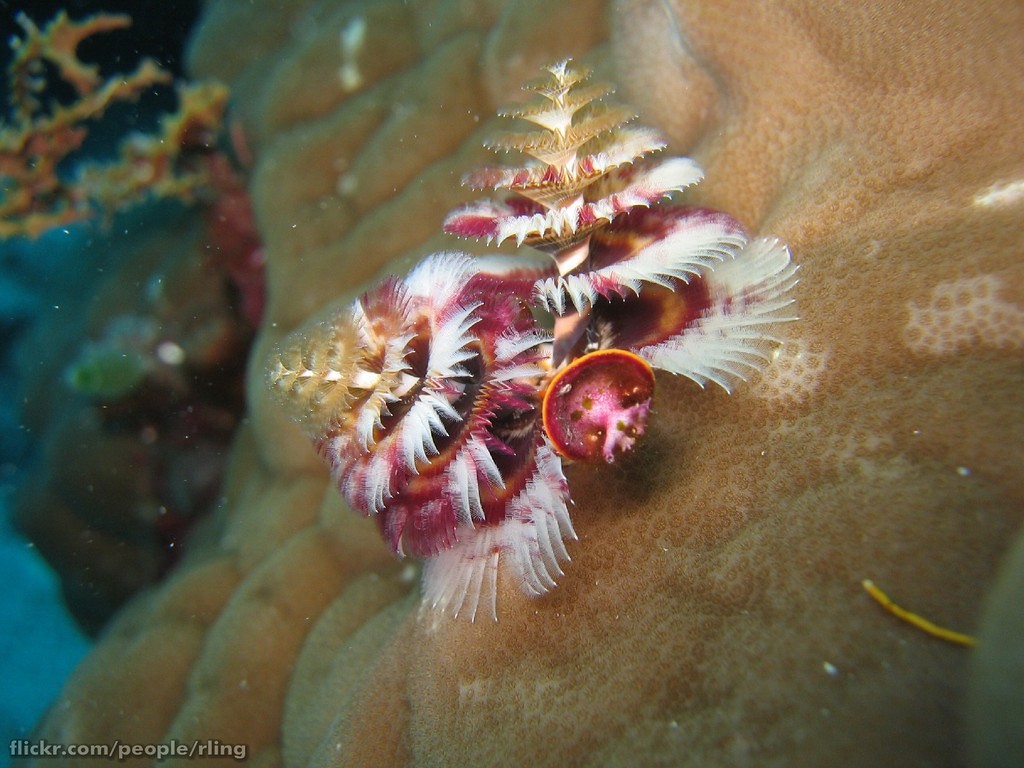
Christmas tree worm
A tube worm whose feathery, spiralled crowns dot tropical corals in every colour.
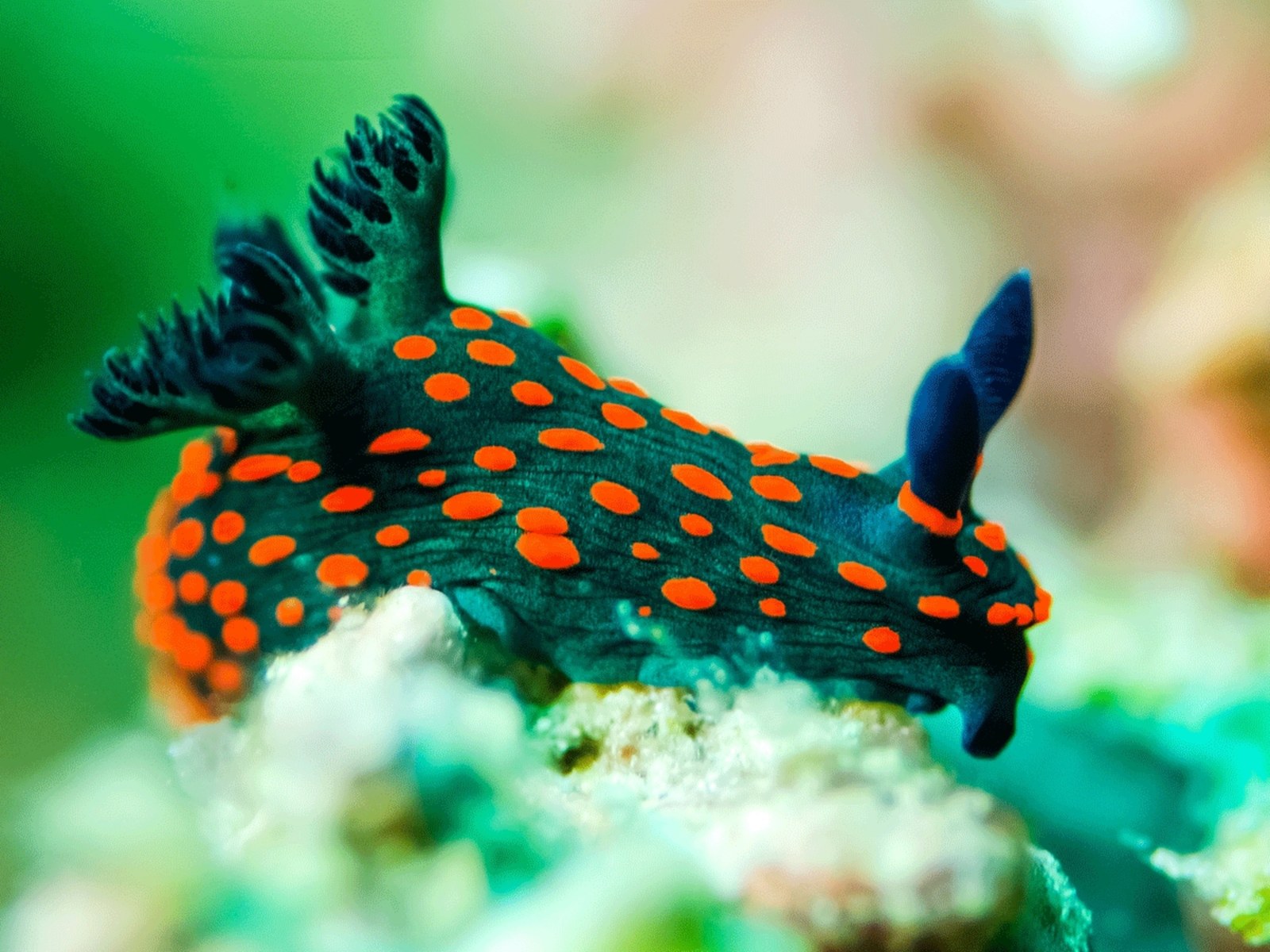
Nudibranch (sea slug)
Dazzlingly coloured sea slugs that steal stings — and even sunlight — from the food they eat.
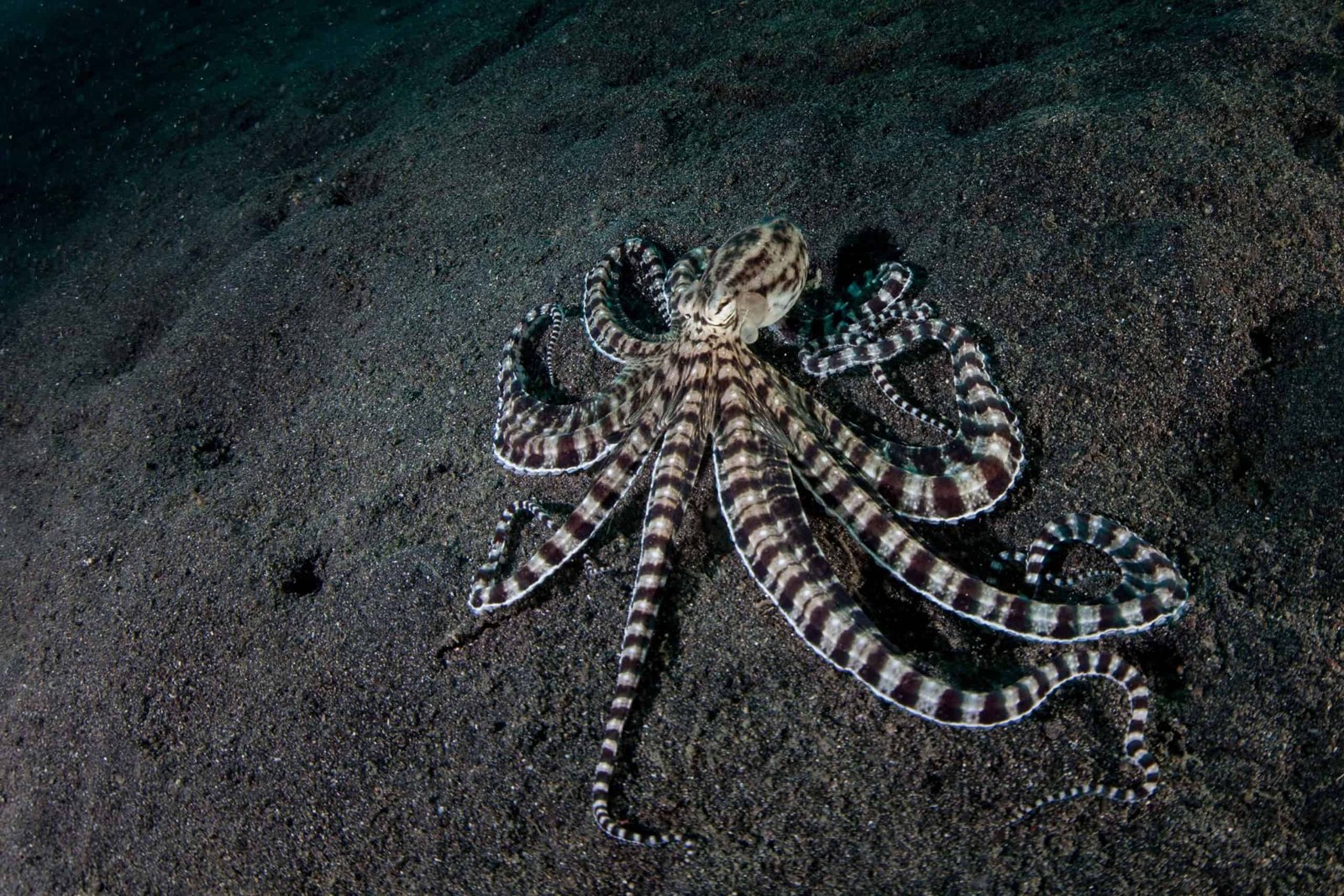
Mimic octopus
An octopus that impersonates sea snakes, lionfish and flatfish on demand.
Seabirds
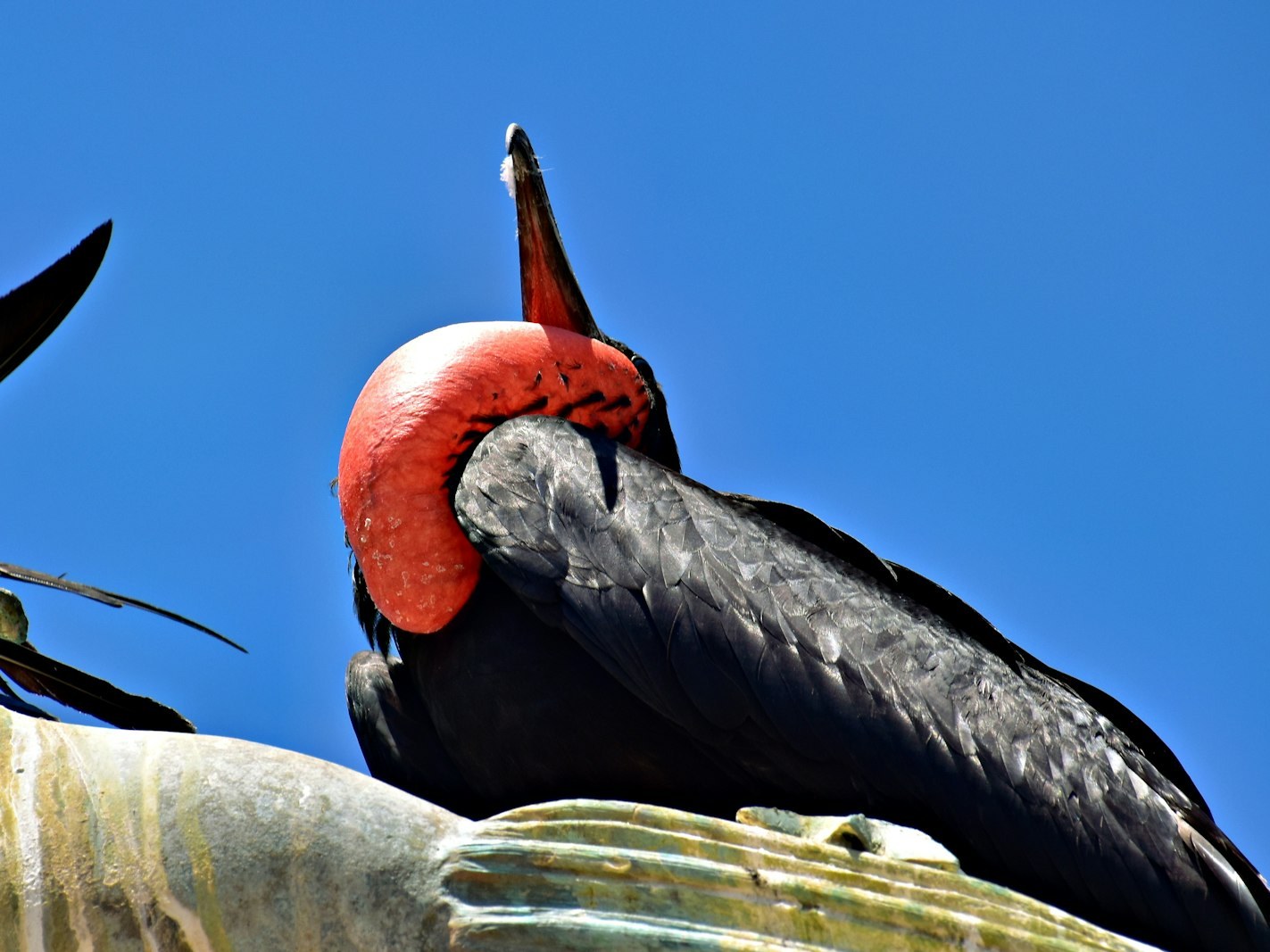
Frigatebird
A pirate of tropical skies; the male balloons a scarlet throat pouch to court mates.
Marine plants & algae
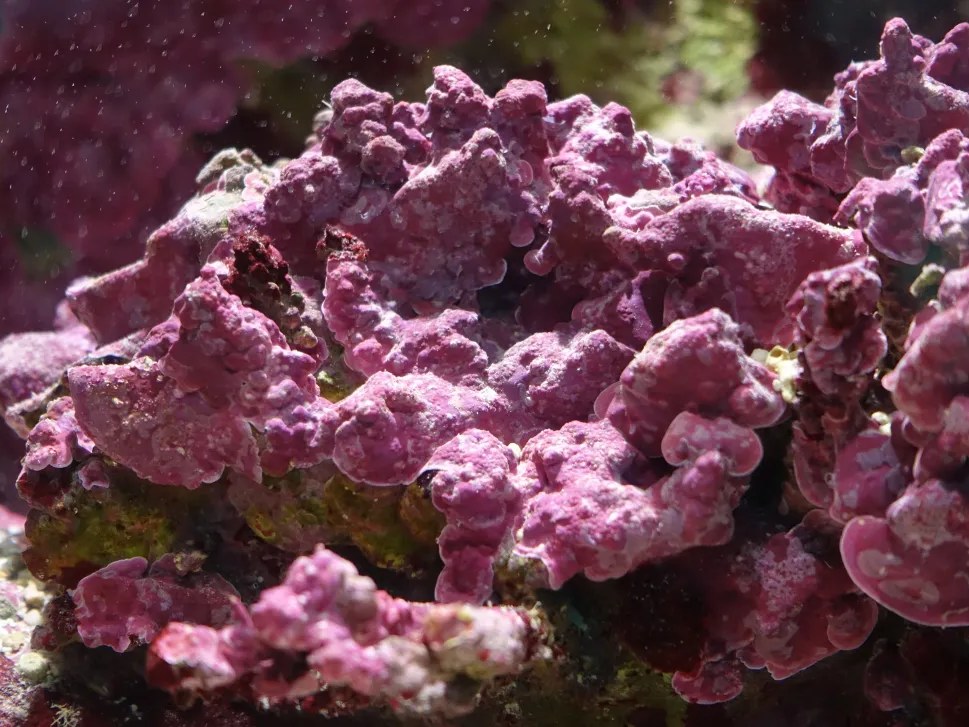
Coralline algae
Stony pink algae that cement coral reefs together and help them grow.
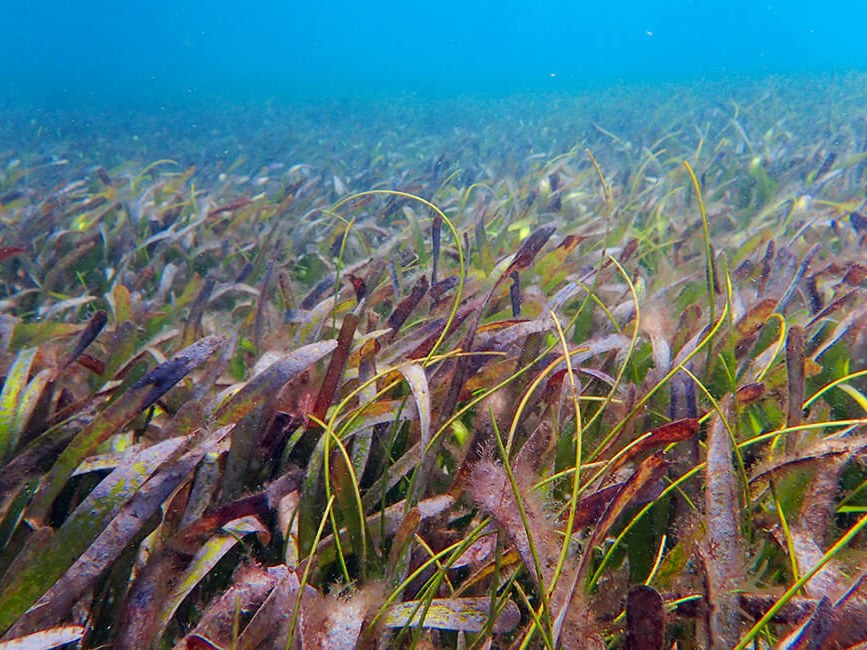
Turtle grass
A tropical seagrass whose meadows feed turtles, manatees and dugongs.
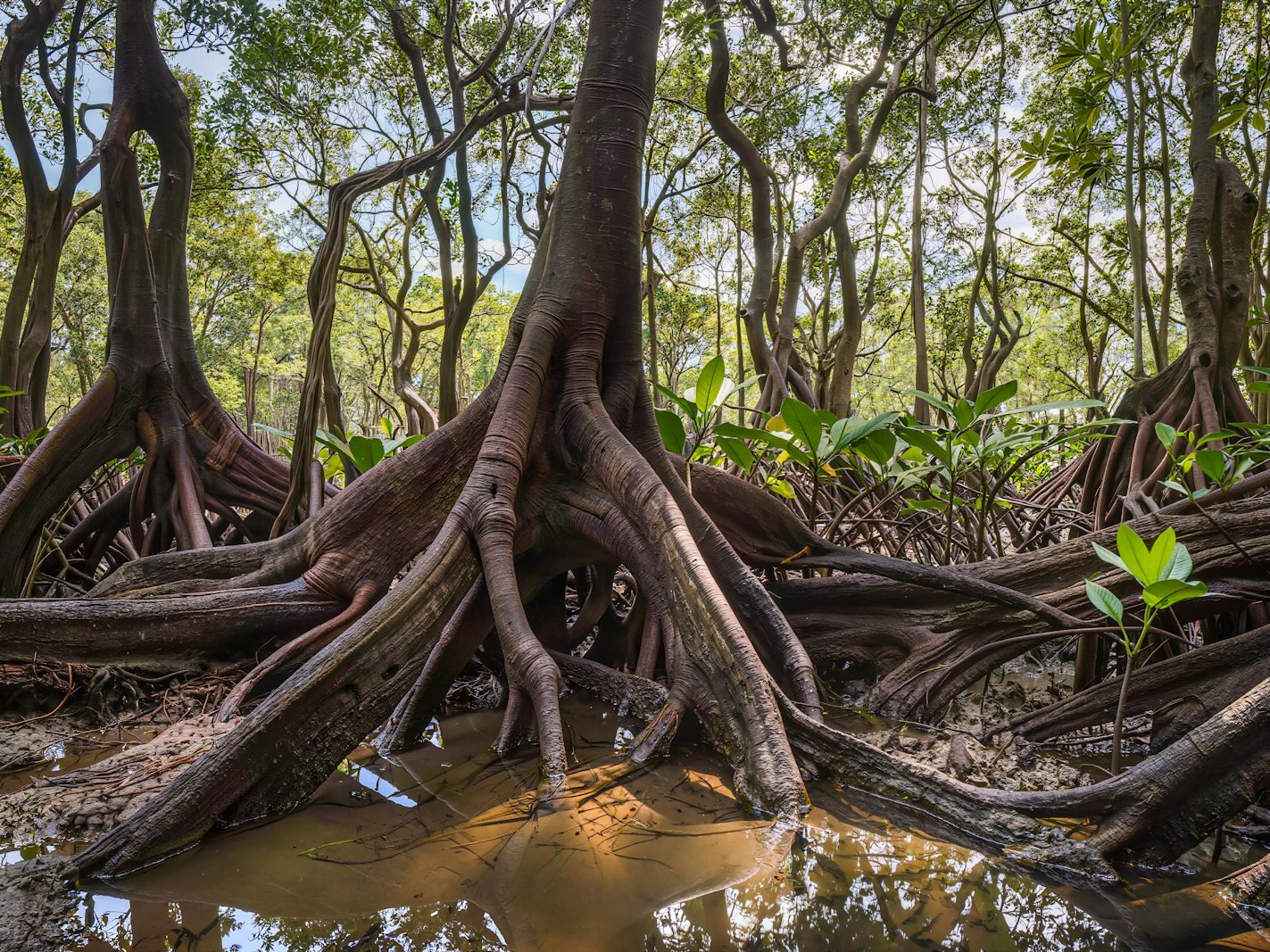
Mangrove
Salt-tolerant coastal trees whose tangled roots shelter young fish and buffer storms.
Surface & deep in the South China Sea
The sea is warm where the Sun reaches it and cold far below. Flip between the sunlit surface and the deep water to feel the difference — these are typical figures for a sea.
Sunlit surface
22°C
typical surface temperature
Seas warm strongly at the surface in summer, but their deeper water stays cold and still — the sunlight simply never reaches it.
Recorded range for the South China Sea: Warm, 25–30°C