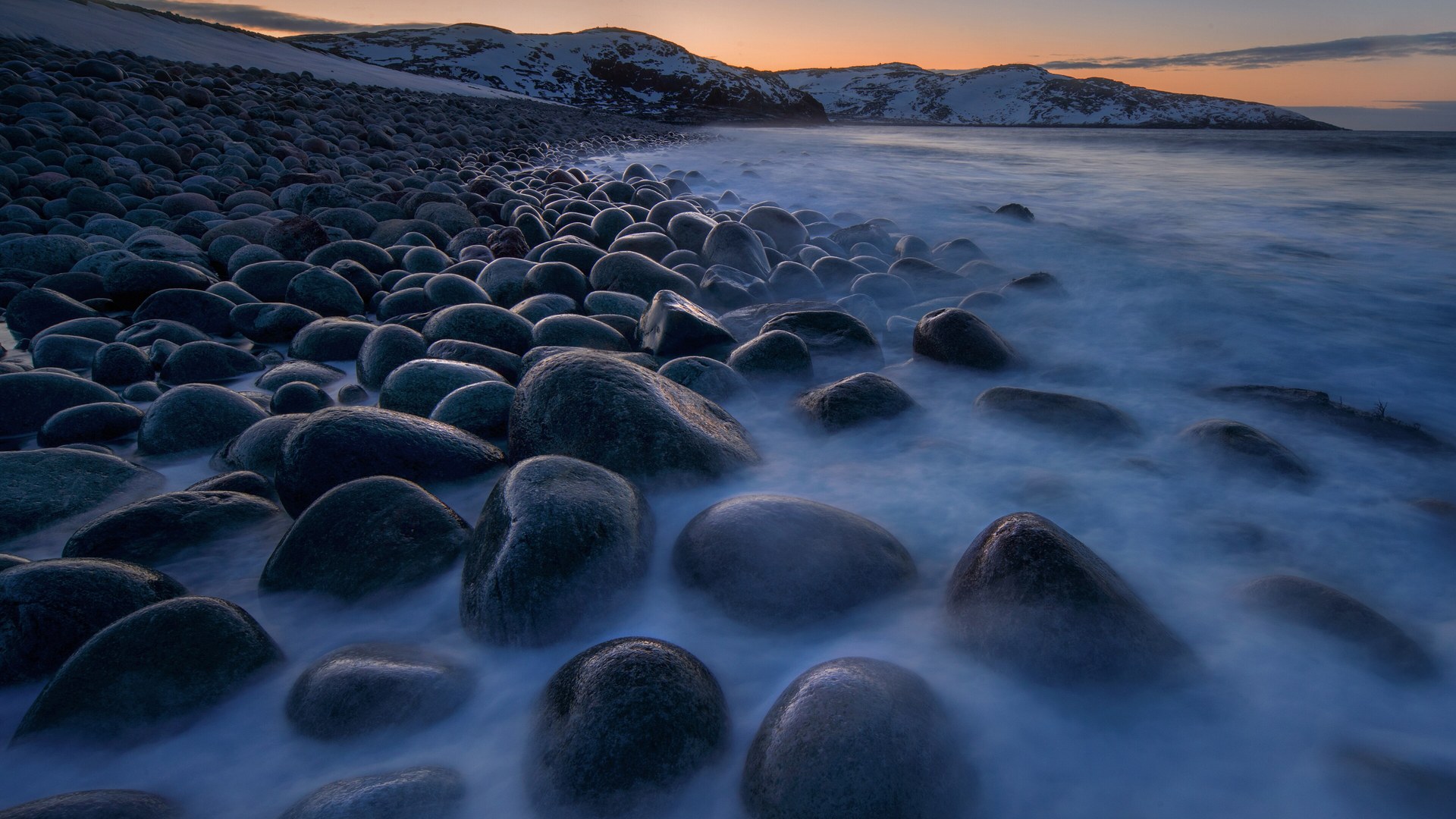
A shallow Arctic shelf sea where warm Atlantic water collides with polar water, making one of the most productive cold seas on Earth.
Area
1,400,000 km²
Ocean basin
Arctic
Location
A shallow Arctic shelf sea where warm and polar waters meet
Average depth
about 230 m
Maximum depth
about 600 m
Salinity
~34–35 ppt
Temperature
Cold, −1.8°C to 9°C
Region
Arctic, off northern Norway & Russia
About the Barents Sea
The Barents Sea sits on the Arctic shelf north of Norway and Russia. Warm Atlantic water flowing in from the south-west keeps its south-western part ice-free, while its north freezes over — and the sharp “polar front” between them drives rich plankton blooms. It holds one of the world’s great cod fisheries and huge seabird cliffs.
Did you know?
The “polar front” where its warm and cold waters meet triggers blooms that feed cod, seabirds and whales in huge numbers.
Highlights
- Where Atlantic and polar waters collide
- Home to a world-class cod fishery
- Partly ice-free, partly frozen
Photo gallery
Life in the Barents Sea
Creatures, seabirds and marine plants — including some of the rarest and strangest — that live in these waters.
Creatures of the deep
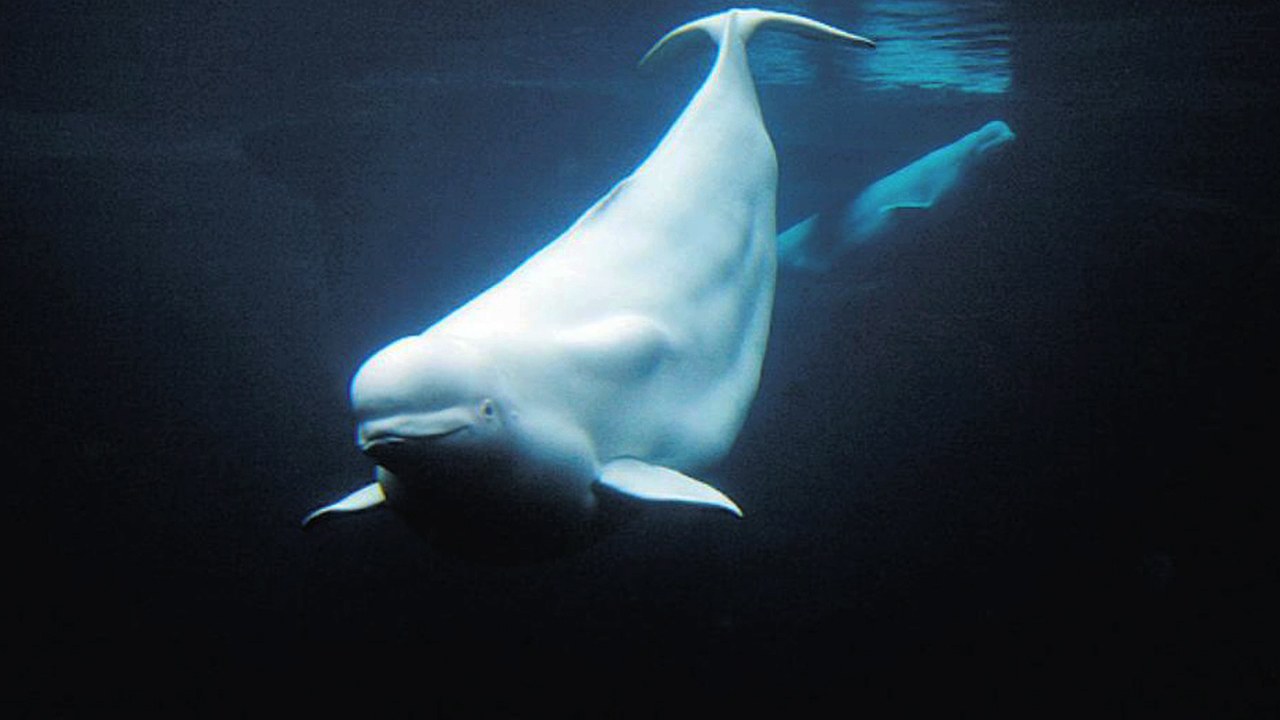
Beluga whale
The chatty white “canary of the sea” of the Arctic, famed for its range of calls.
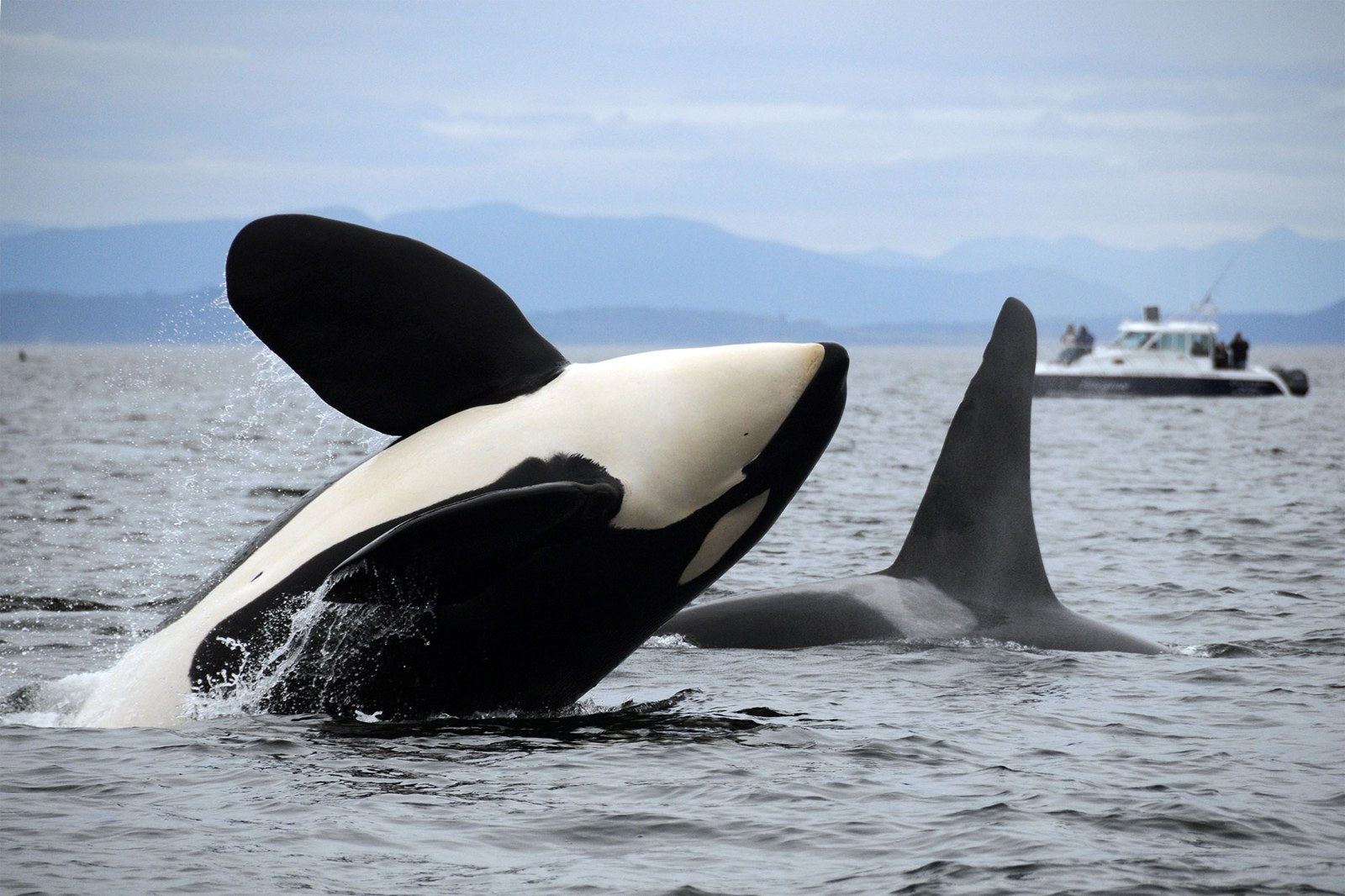
Orca (killer whale)
The ocean’s top predator: a brilliant, family-living dolphin found in every sea.
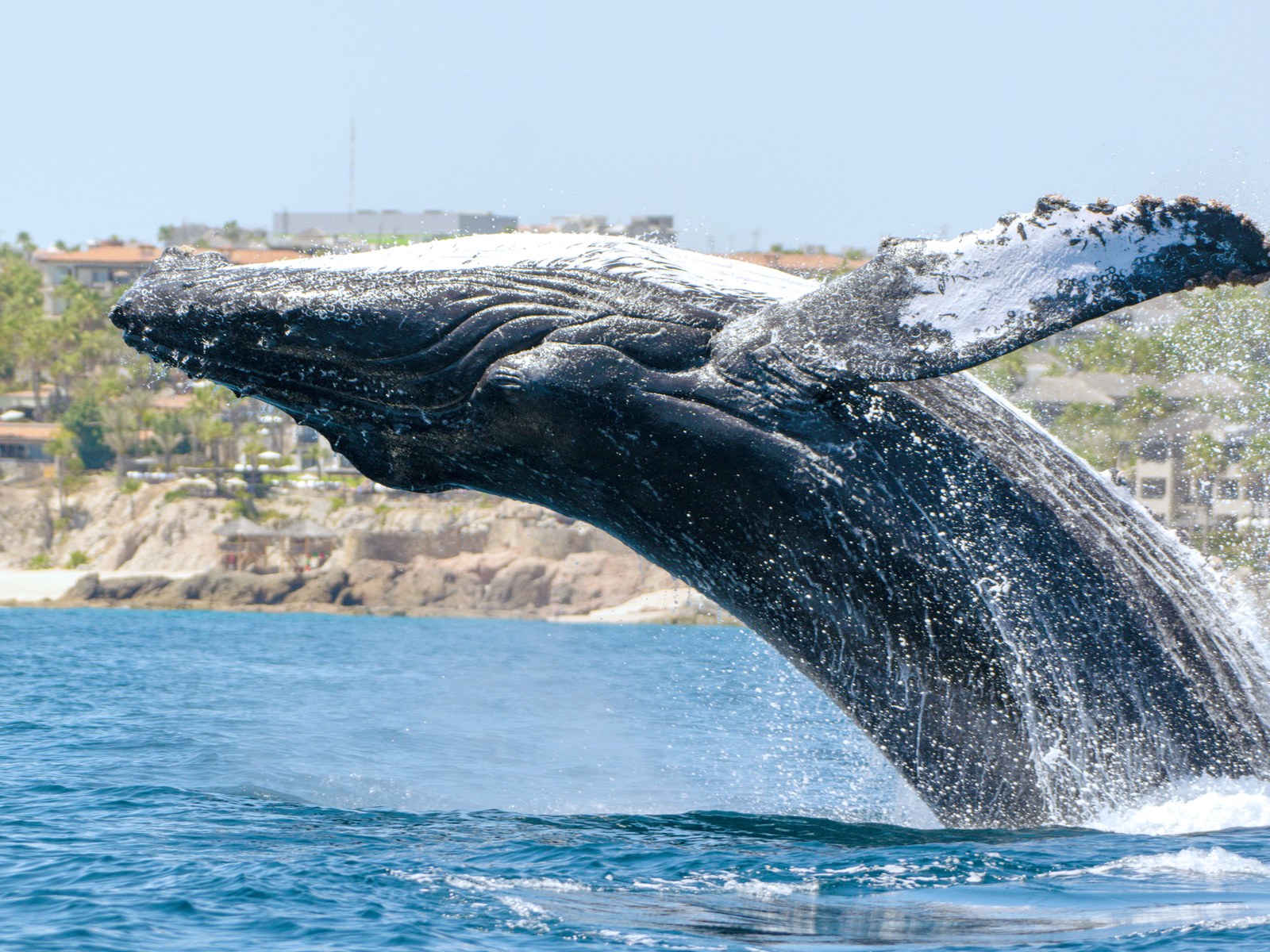
Humpback whale
An acrobatic baleen whale famed for breaching clear of the water and singing haunting songs.
Seabirds
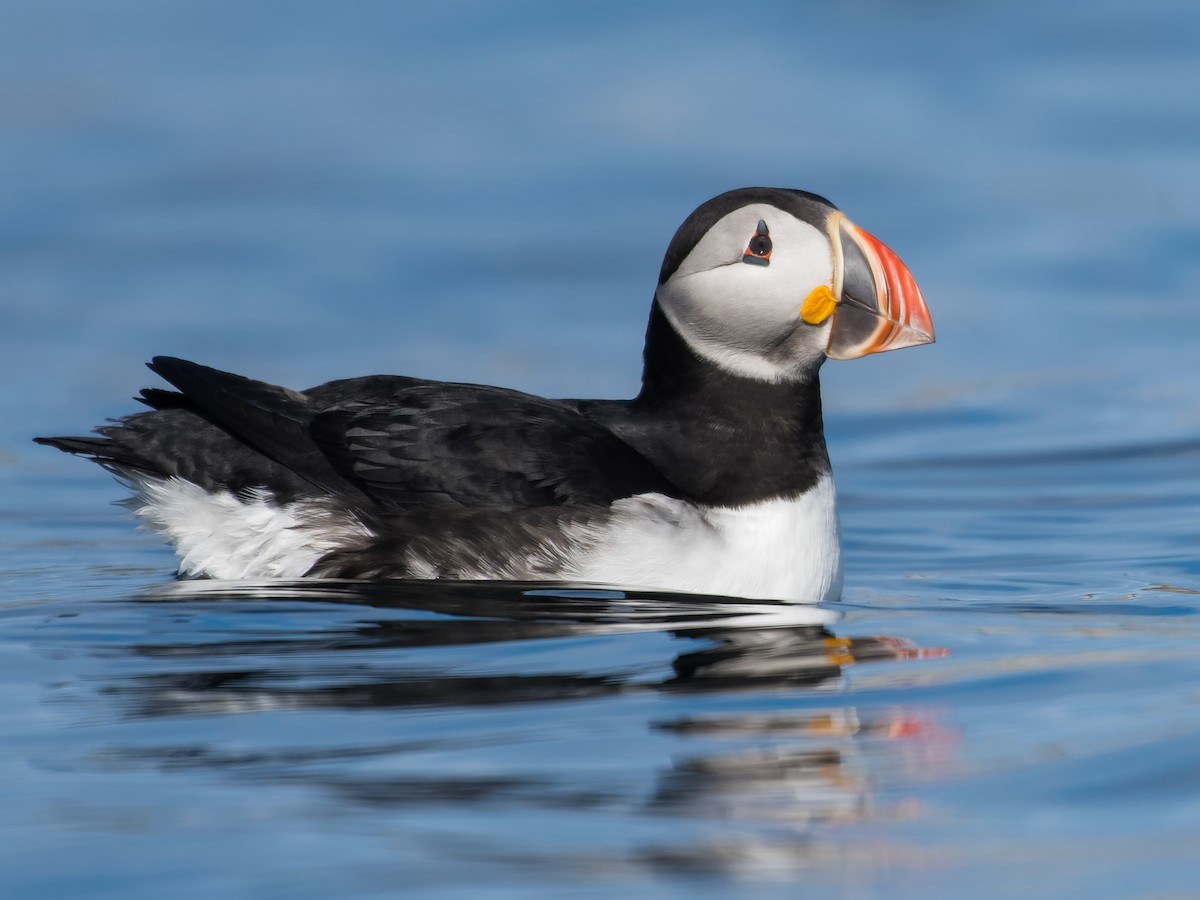
Atlantic puffin
The clown-faced “sea parrot” that nests in burrows on North Atlantic cliffs.
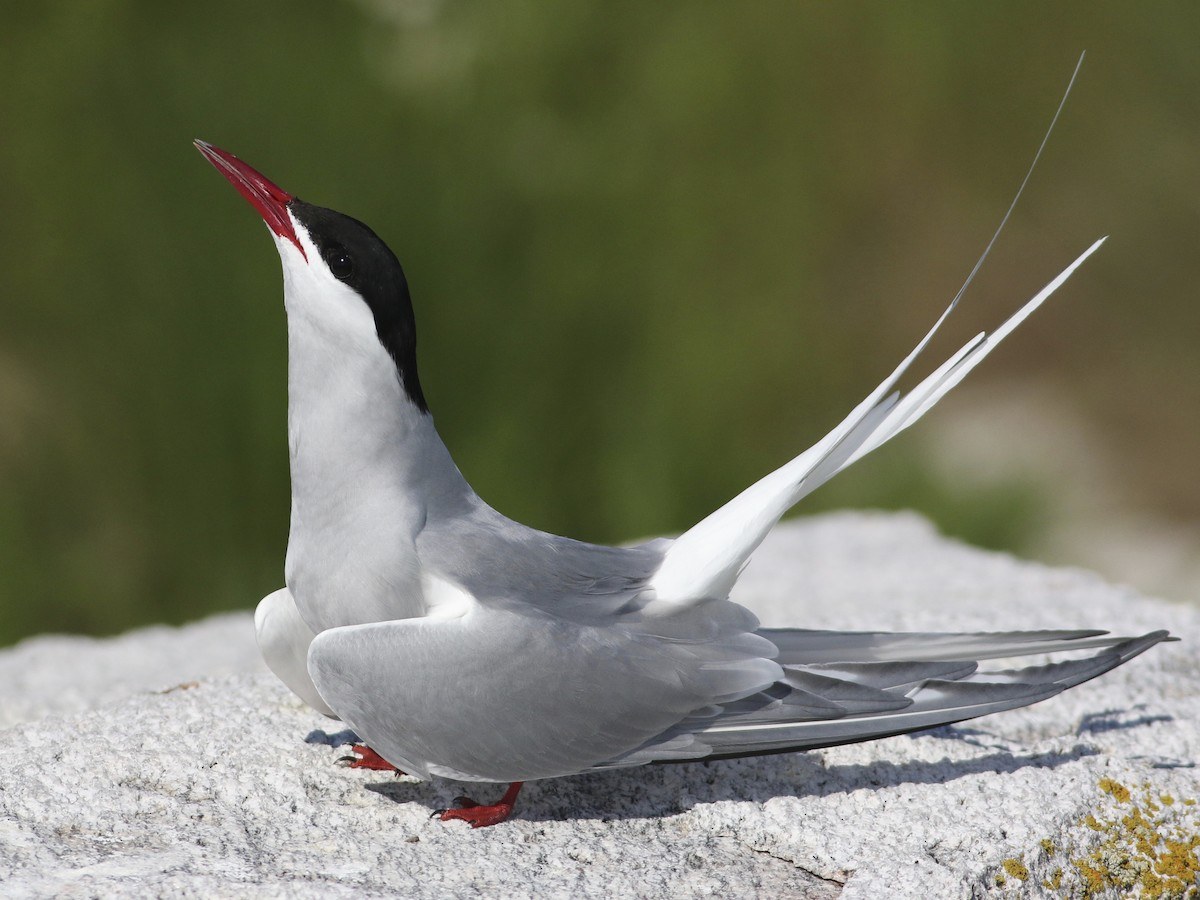
Arctic tern
The migration champion, flying pole to pole and back — the longest journey of any animal.
Marine plants & algae
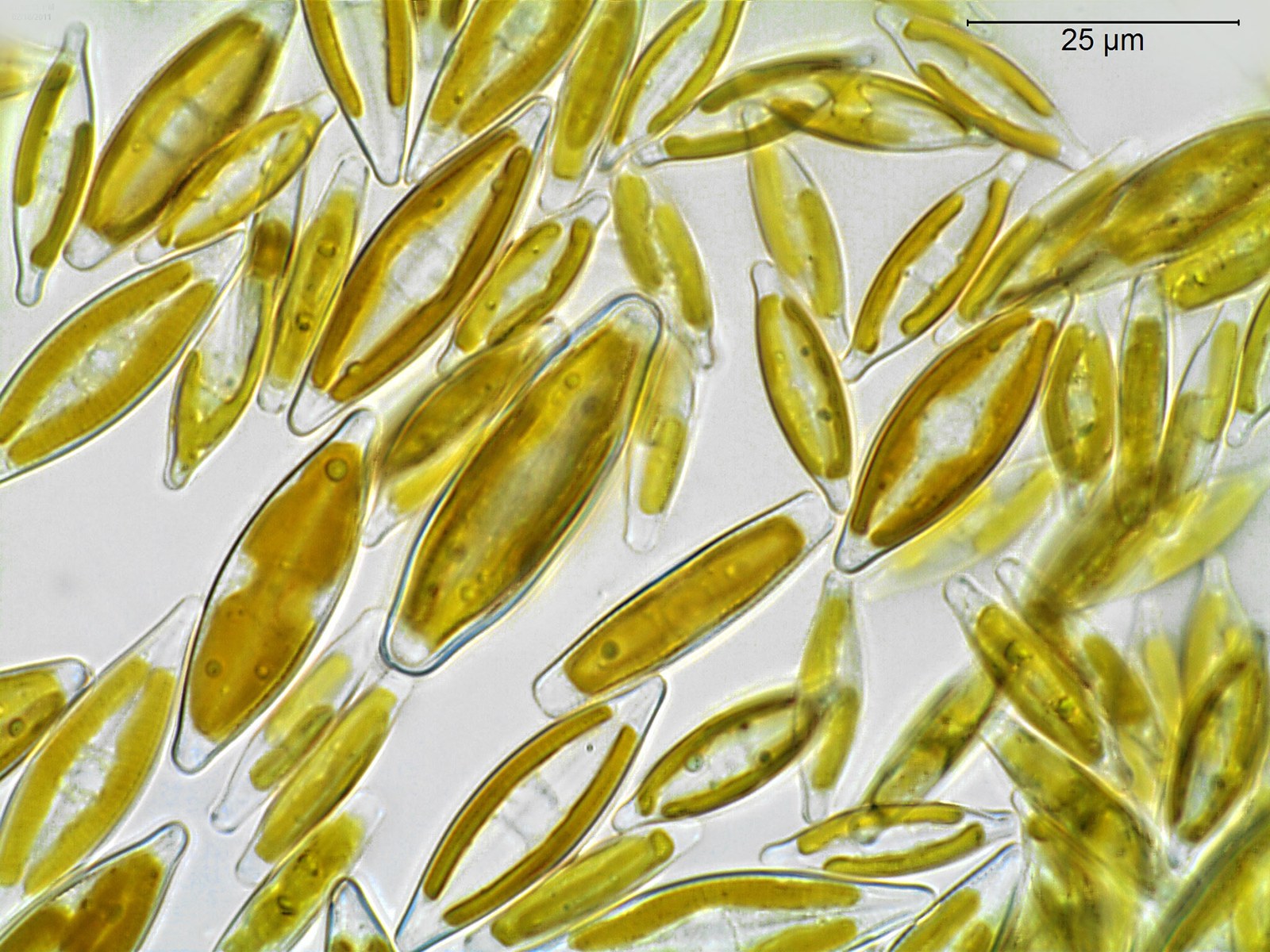
Diatoms
Microalgae in glass-like shells that generate a huge share of the oxygen we breathe.
Surface & deep in the Barents Sea
The sea is warm where the Sun reaches it and cold far below. Flip between the sunlit surface and the deep water to feel the difference — these are typical figures for a sea.
Sunlit surface
22°C
typical surface temperature
Seas warm strongly at the surface in summer, but their deeper water stays cold and still — the sunlight simply never reaches it.
Recorded range for the Barents Sea: Cold, −1.8°C to 9°C