
A shallow, busy sea between Britain and mainland Europe, rich in fish, oil and gas and crossed by some of the world’s busiest shipping lanes.
Area
570,000 km²
Ocean basin
Atlantic
Location
The shallow, busy sea of northern Europe
Average depth
about 95 m
Maximum depth
about 700 m (Norwegian Trench)
Salinity
~34–35 ppt
Temperature
6°C in winter to 17°C in summer
Region
Between Britain & northern Europe
About the North Sea
The North Sea is a shallow arm of the Atlantic bordered by Britain, Scandinavia and the Low Countries. Despite its modest depth it is enormously important: rich fishing grounds, major oil and gas fields, offshore wind farms and some of the busiest ports and sea lanes on Earth all lie within it. Long ago, lower seas exposed “Doggerland”, now drowned beneath the waves.
Did you know?
Thousands of years ago much of it was dry land — “Doggerland” — where people hunted before rising seas drowned it.
Highlights
- Shallow but hugely important
- Rich in oil, gas and offshore wind
- Once the lost land of Doggerland
Photo gallery
Life in the North Sea
Creatures, seabirds and marine plants — including some of the rarest and strangest — that live in these waters.
Creatures of the deep
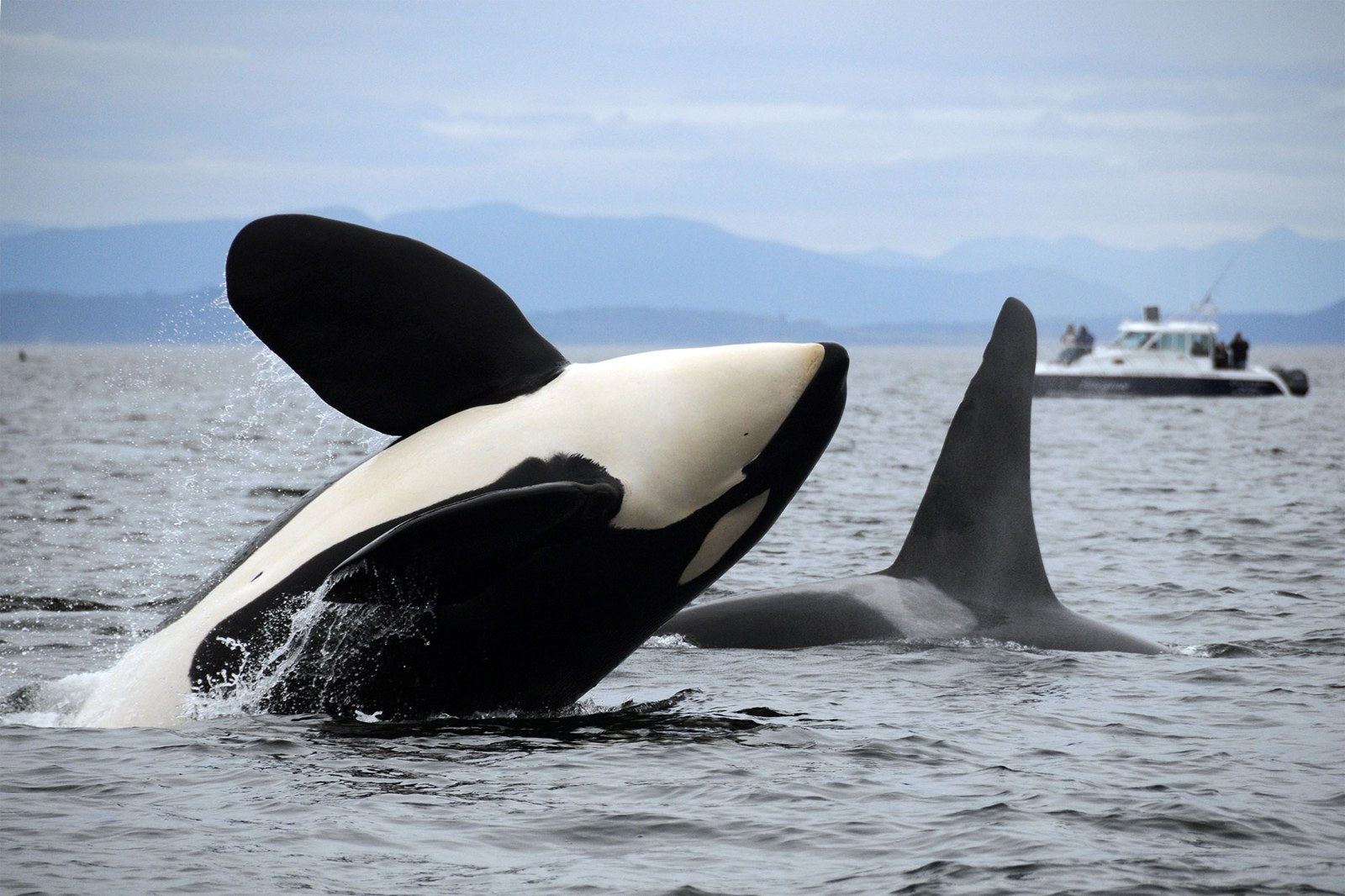
Orca (killer whale)
The ocean’s top predator: a brilliant, family-living dolphin found in every sea.
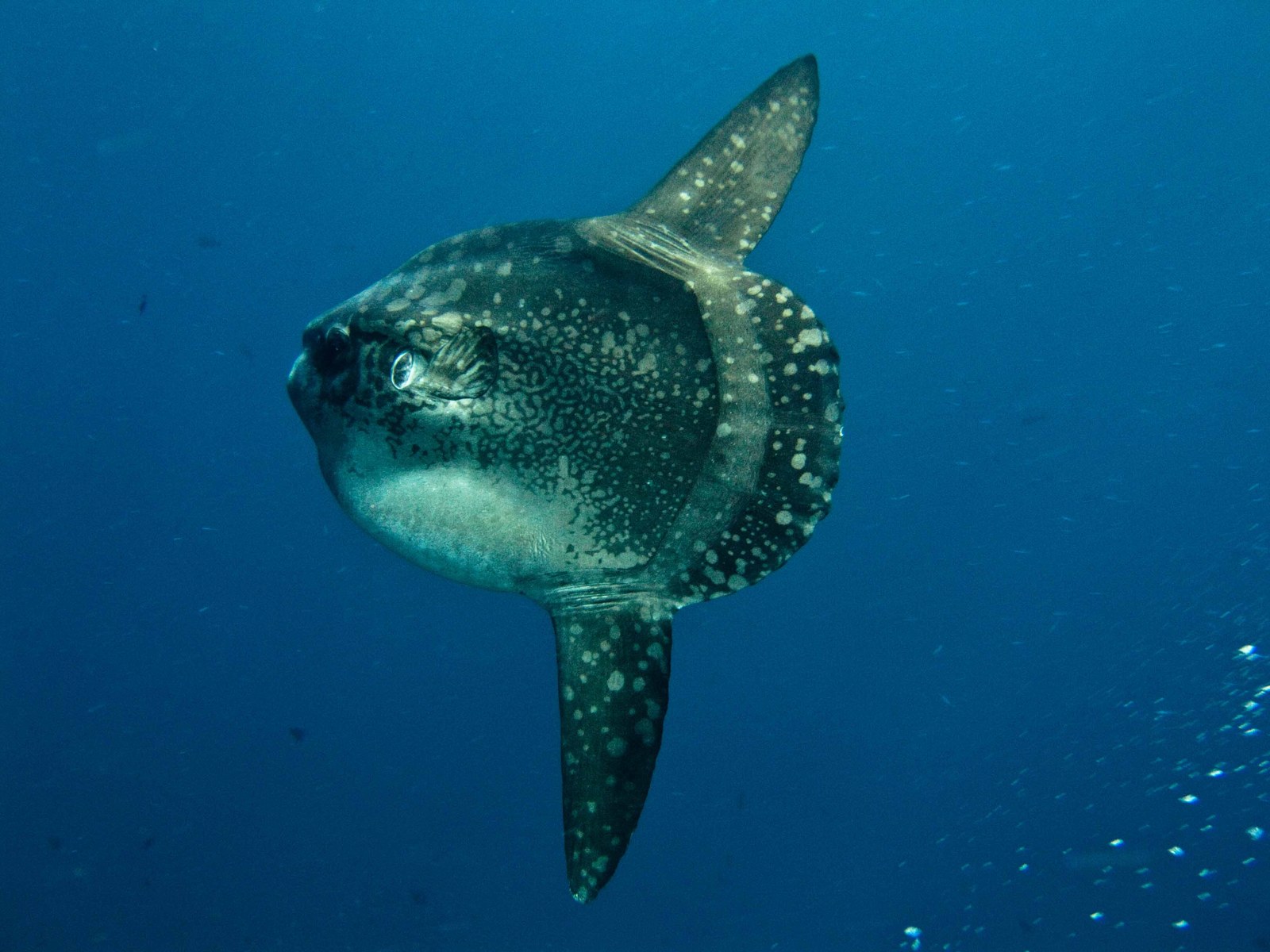
Ocean sunfish (mola mola)
The heaviest bony fish alive, basking flat on its side at the sunlit surface.
Seabirds
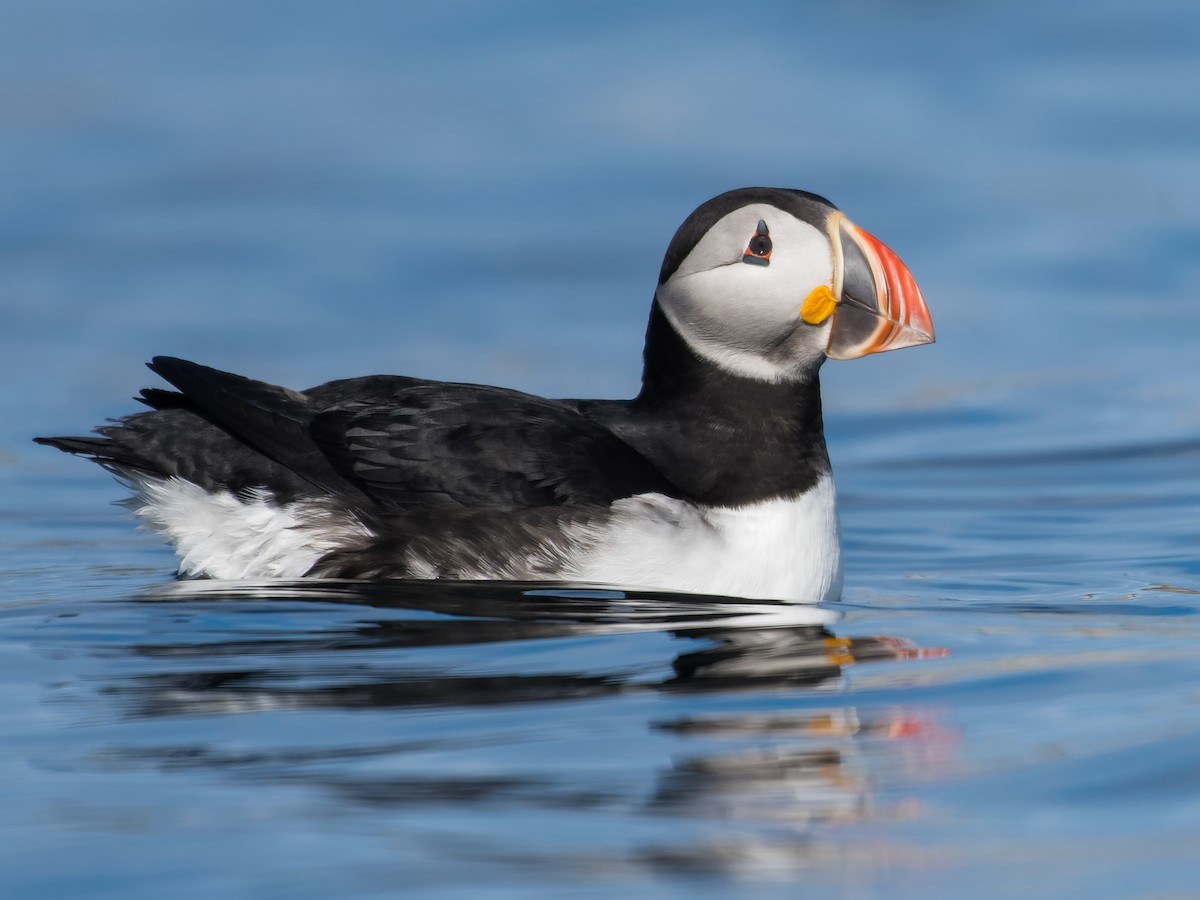
Atlantic puffin
The clown-faced “sea parrot” that nests in burrows on North Atlantic cliffs.
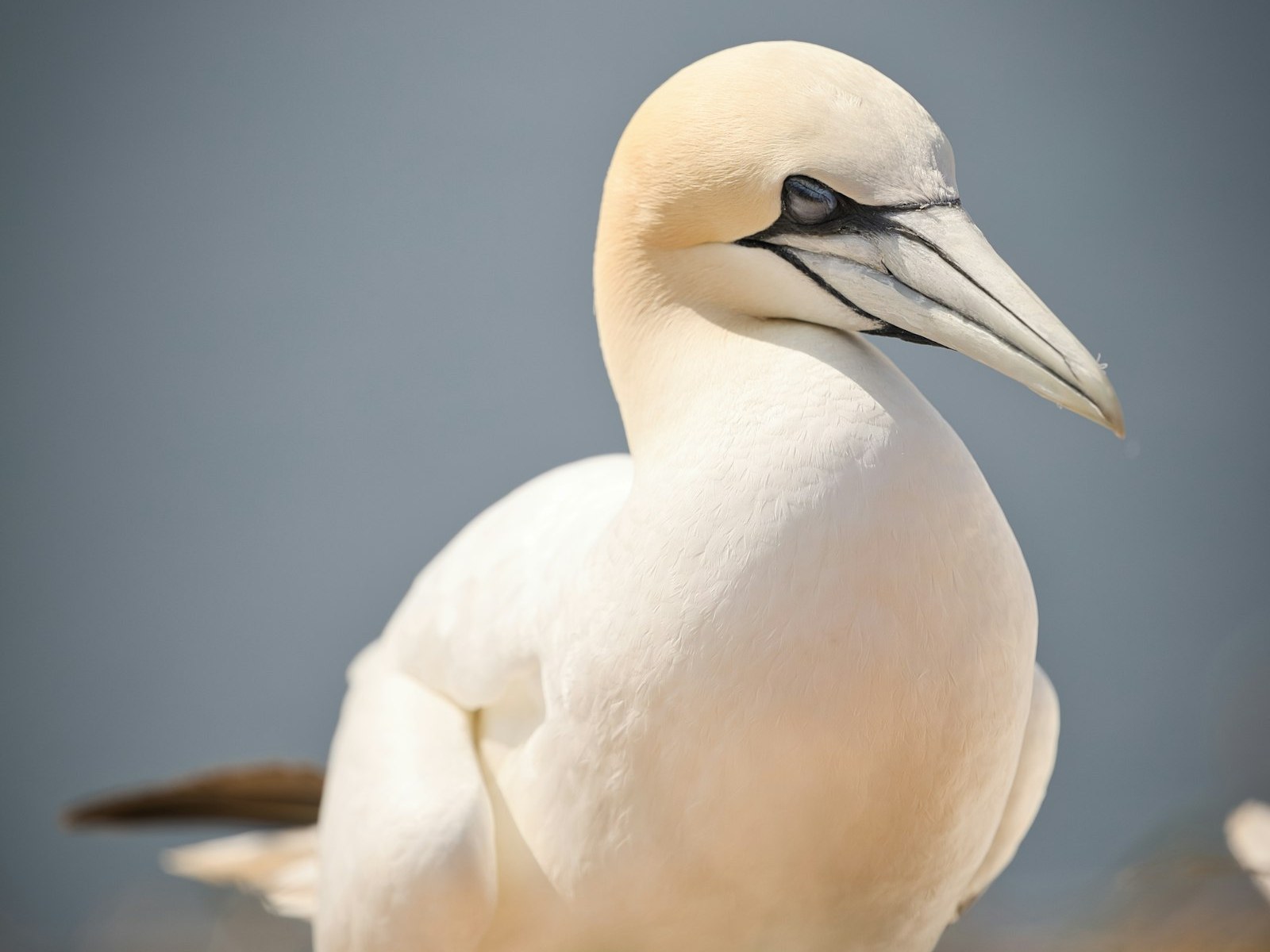
Northern gannet
A big white seabird that folds its wings and dives like an arrow at 100 km/h.
Marine plants & algae
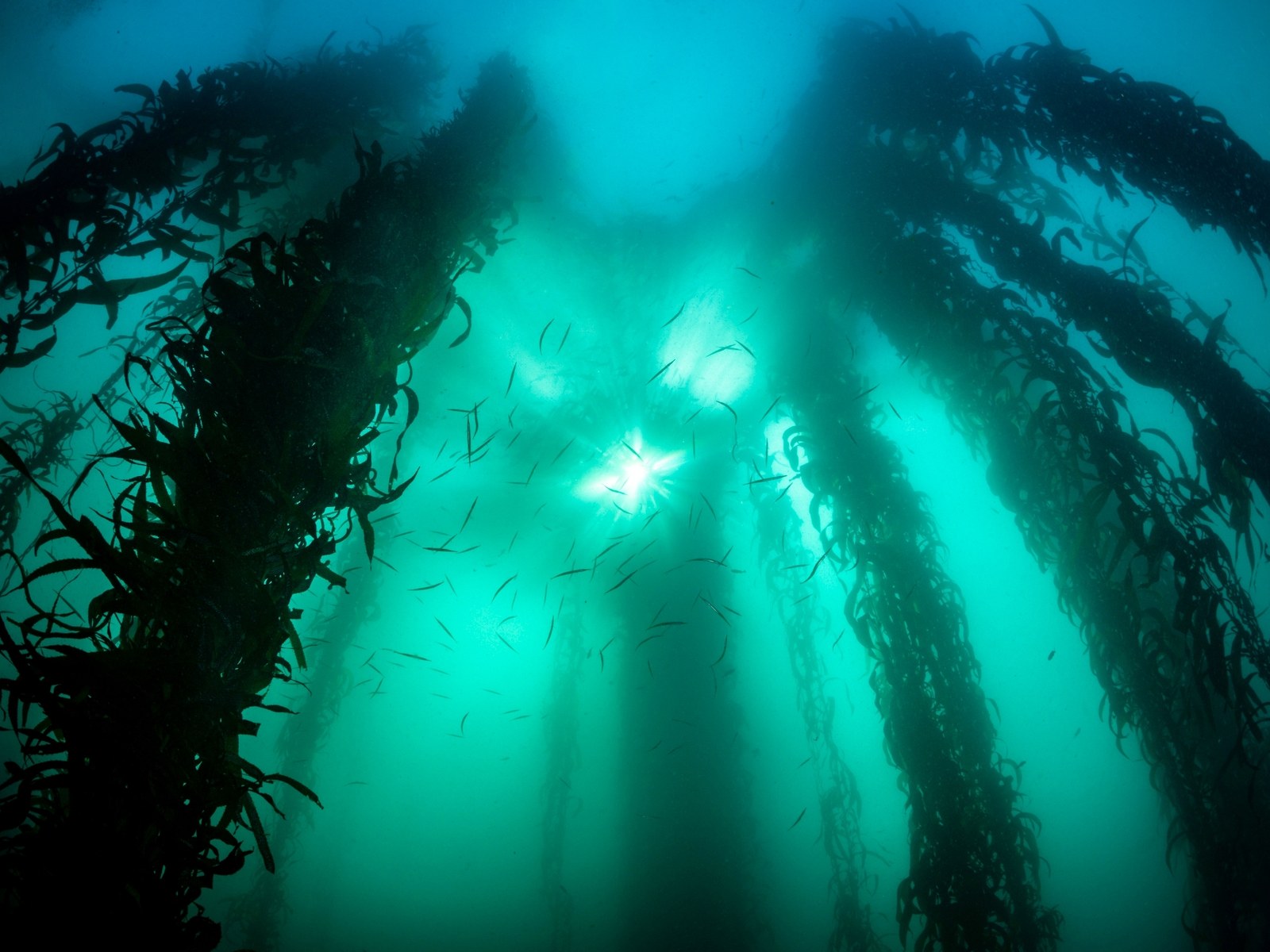
Giant kelp
The fastest-growing seaweed on Earth, building towering underwater forests up to 45 m tall.
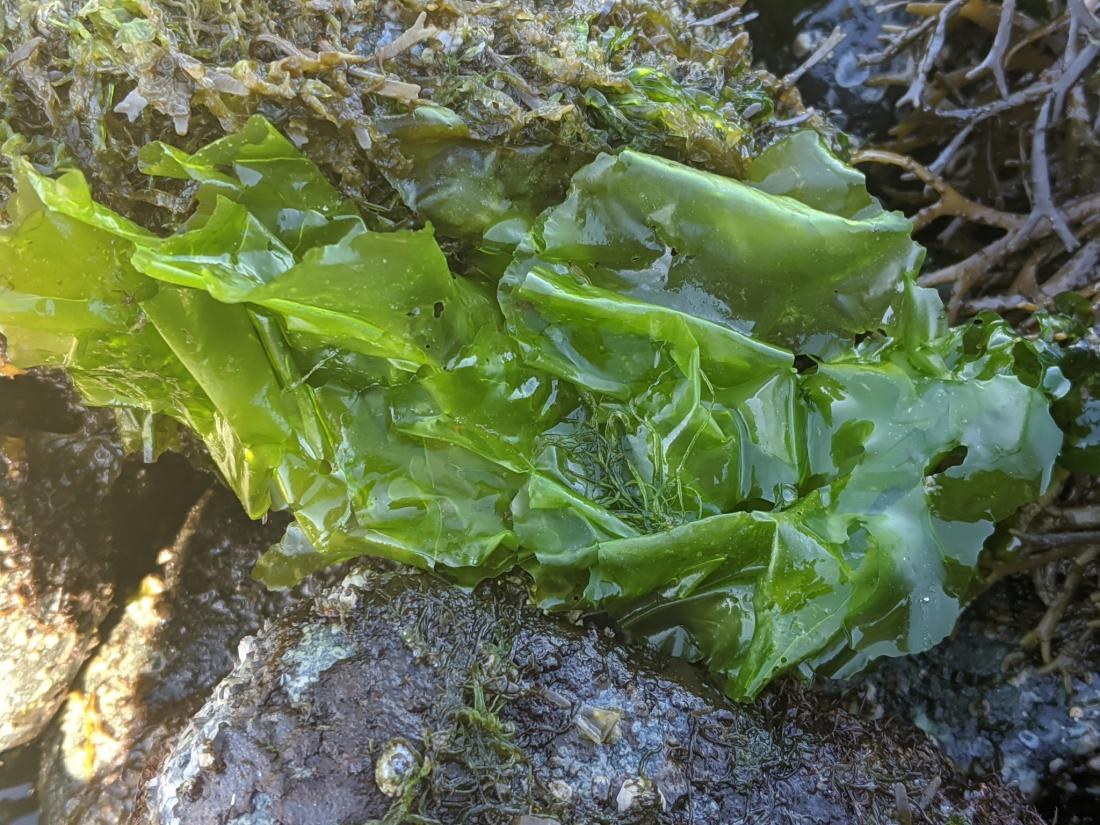
Sea lettuce
A bright-green, paper-thin edible seaweed that drapes rocky shores worldwide.
Surface & deep in the North Sea
The sea is warm where the Sun reaches it and cold far below. Flip between the sunlit surface and the deep water to feel the difference — these are typical figures for a sea.
Sunlit surface
22°C
typical surface temperature
Seas warm strongly at the surface in summer, but their deeper water stays cold and still — the sunlight simply never reaches it.
Recorded range for the North Sea: 6°C in winter to 17°C in summer