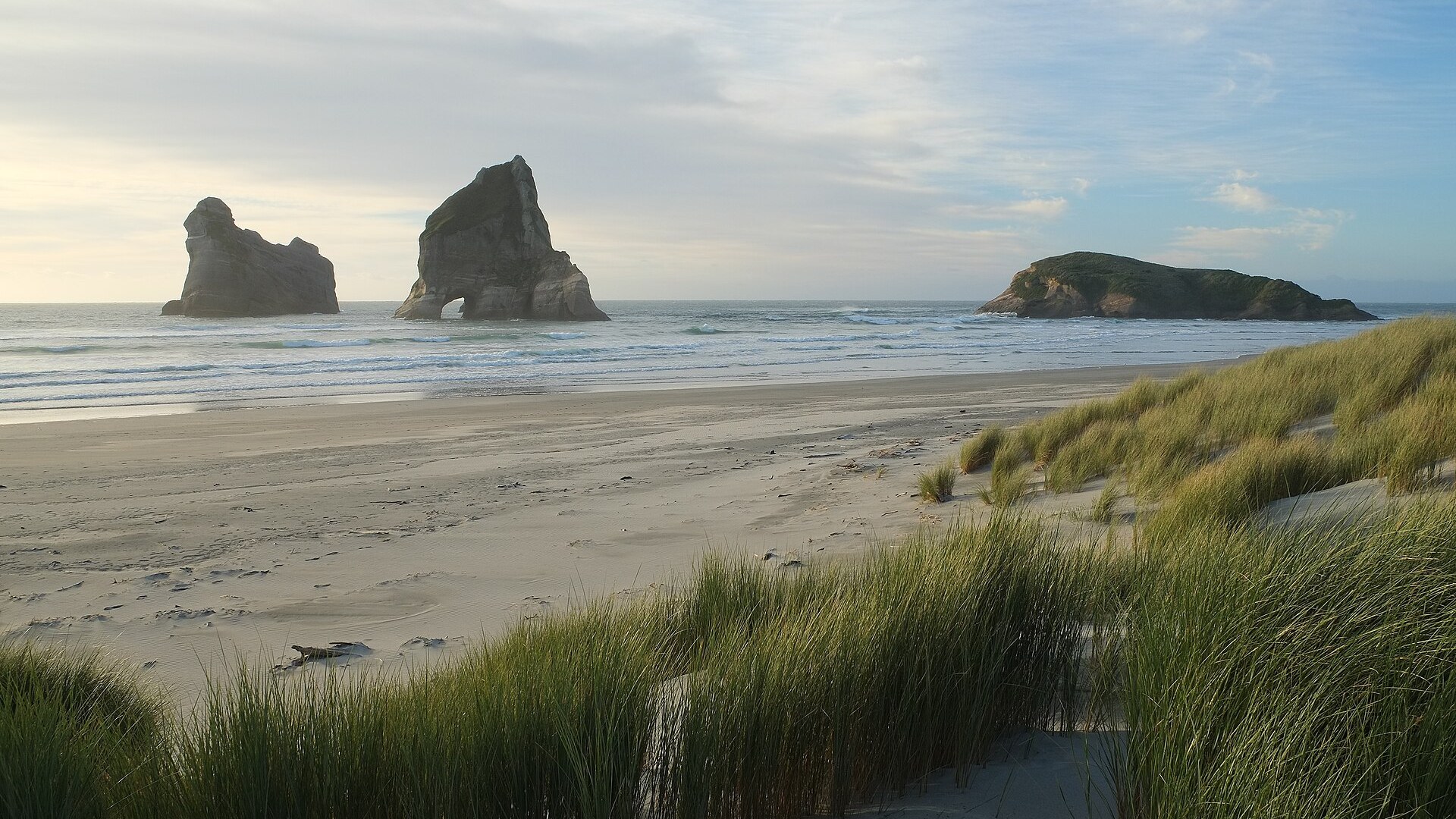
A deep, often stormy sea between Australia and New Zealand, nicknamed “the Ditch” by the people who cross it.
Area
2,300,000 km²
Ocean basin
Pacific
Location
The stormy “Ditch” between Australia and New Zealand
Average depth
about 3,285 m
Maximum depth
about 5,943 m
Salinity
~35 ppt
Temperature
15–25°C
Region
Between Australia & New Zealand
About the Tasman Sea
The Tasman Sea separates south-eastern Australia from New Zealand, named after the explorer Abel Tasman. Deep underwater ridges and seamounts rise from its floor, and the warm East Australian Current (made famous by the film Finding Nemo) sweeps down its western edge. It is known for rough weather and big swells.
Did you know?
Australians and New Zealanders jokingly call a trip across it “hopping the Ditch” — though its storms are anything but gentle.
Highlights
- Separates Australia and New Zealand
- Swept by the East Australian Current
- Famous for rough seas and big swells
Photo gallery
Life in the Tasman Sea
Creatures, seabirds and marine plants — including some of the rarest and strangest — that live in these waters.
Creatures of the deep
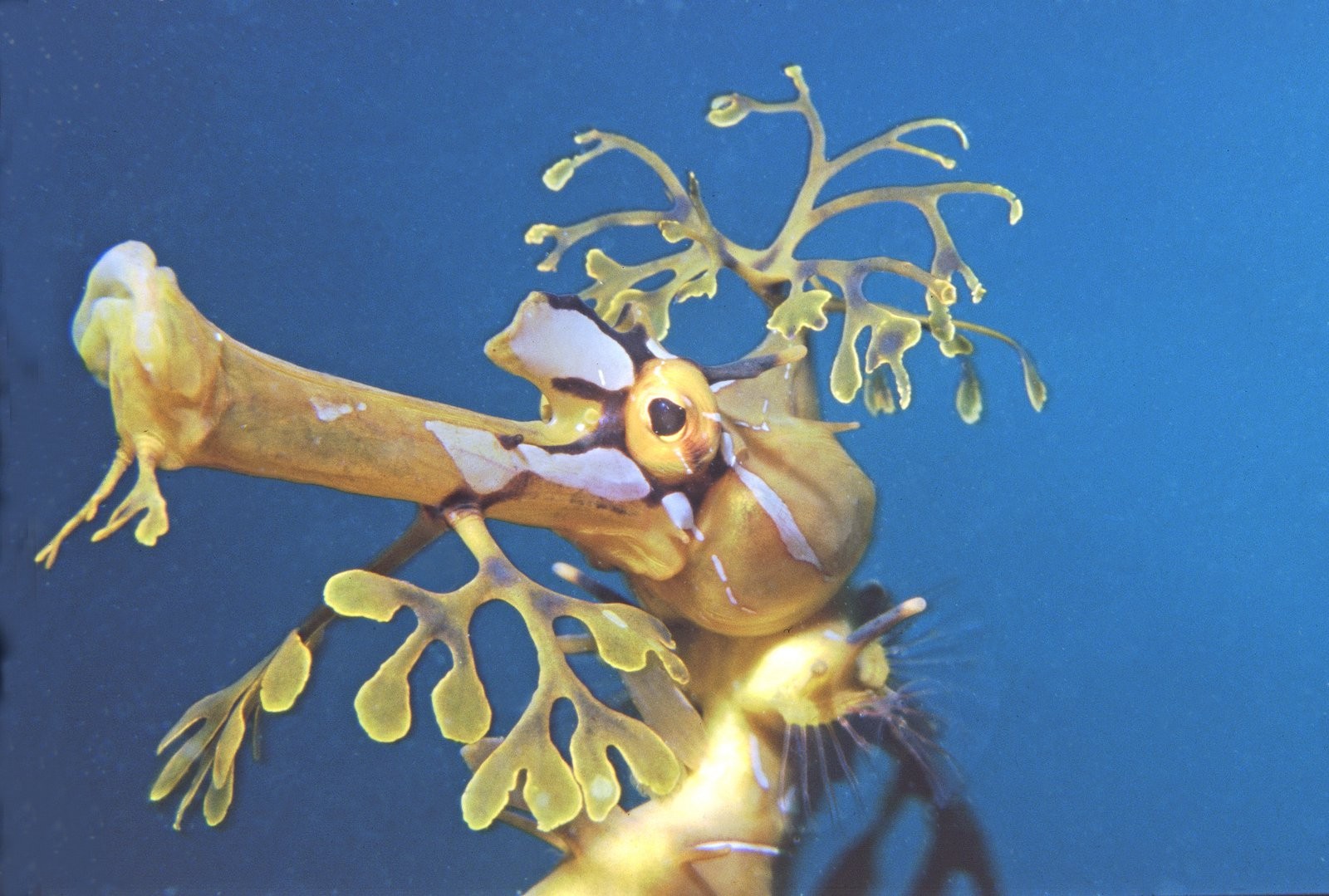
Leafy seadragon
A master of disguise draped in leaf-shaped fronds, drifting off southern Australia.
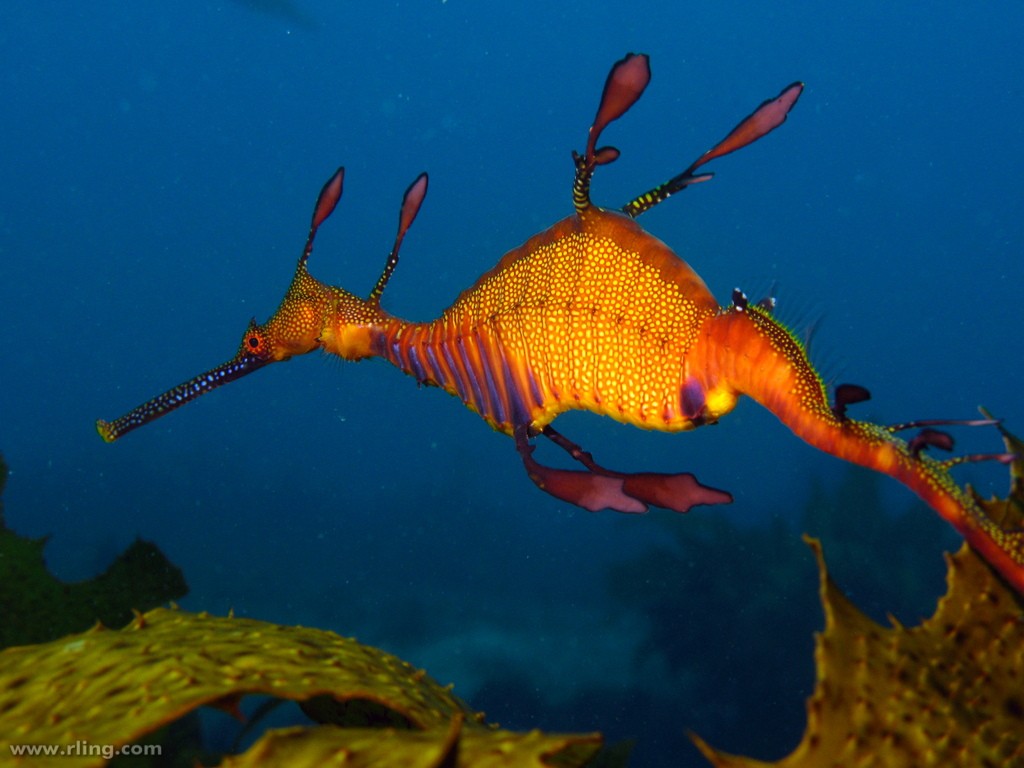
Weedy seadragon
A seahorse cousin cloaked in weedy appendages along Australia’s temperate reefs.

Giant squid
A deep-ocean giant with eyes the size of dinner plates, almost never seen alive.
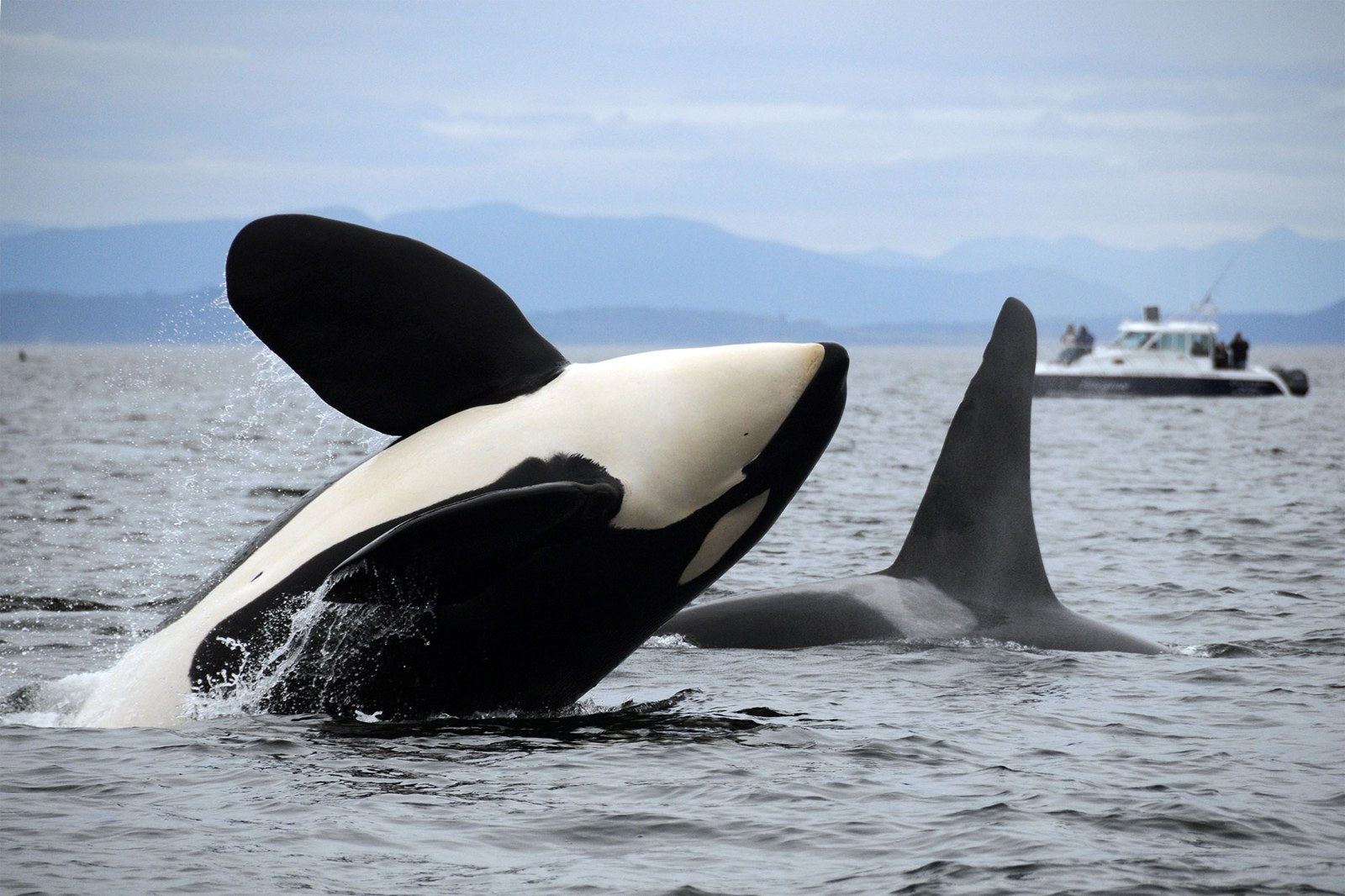
Orca (killer whale)
The ocean’s top predator: a brilliant, family-living dolphin found in every sea.
Seabirds
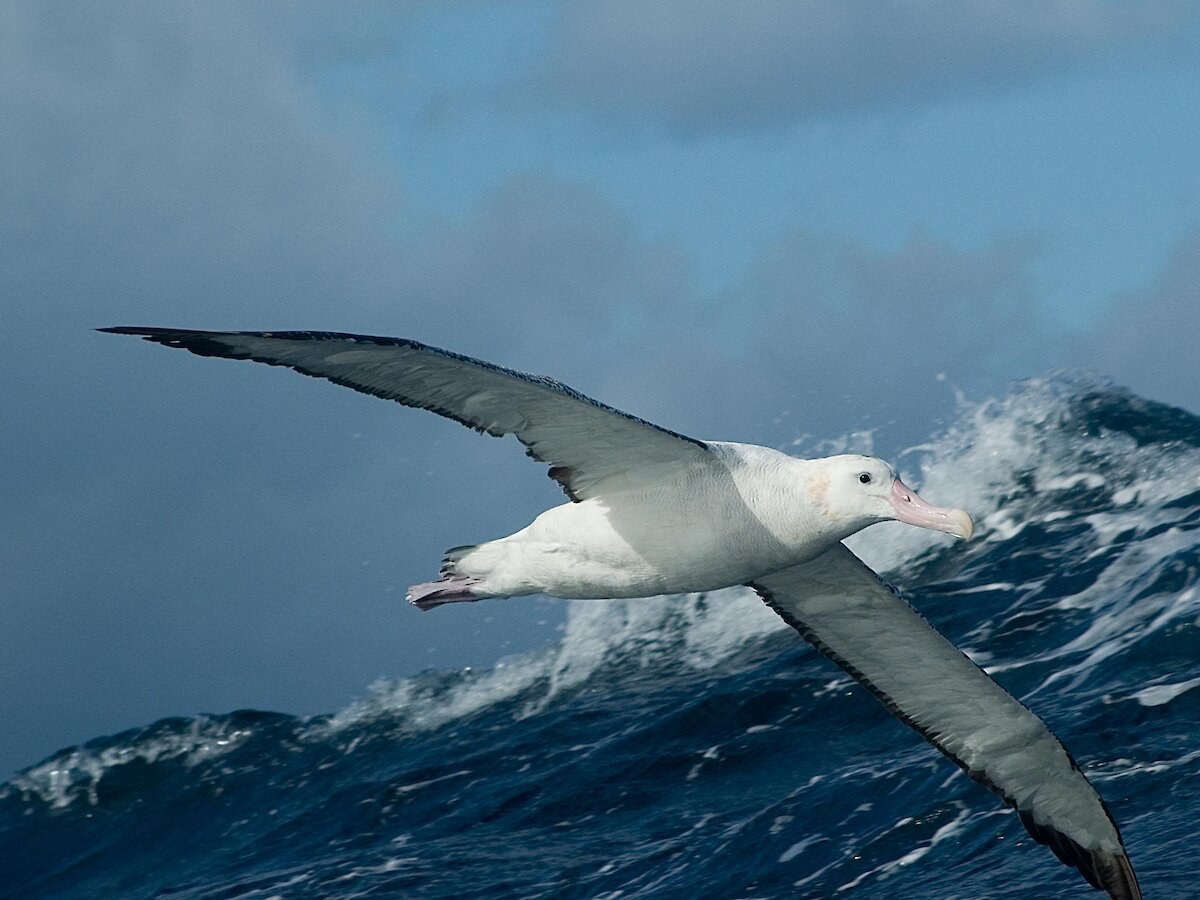
Wandering albatross
The longest wingspan of any bird — 3.5 m — gliding the Southern Ocean for years without landing.
Marine plants & algae
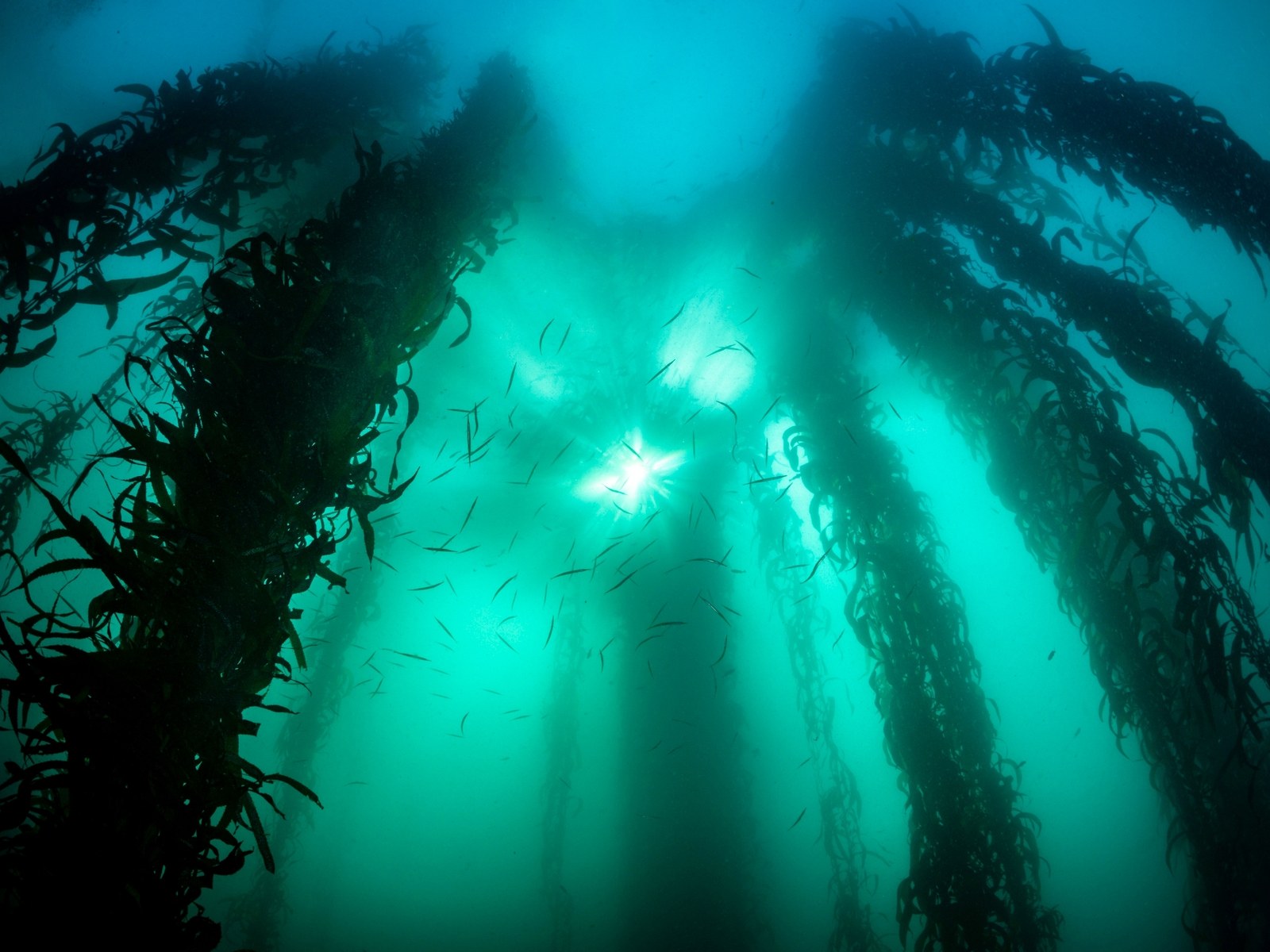
Giant kelp
The fastest-growing seaweed on Earth, building towering underwater forests up to 45 m tall.
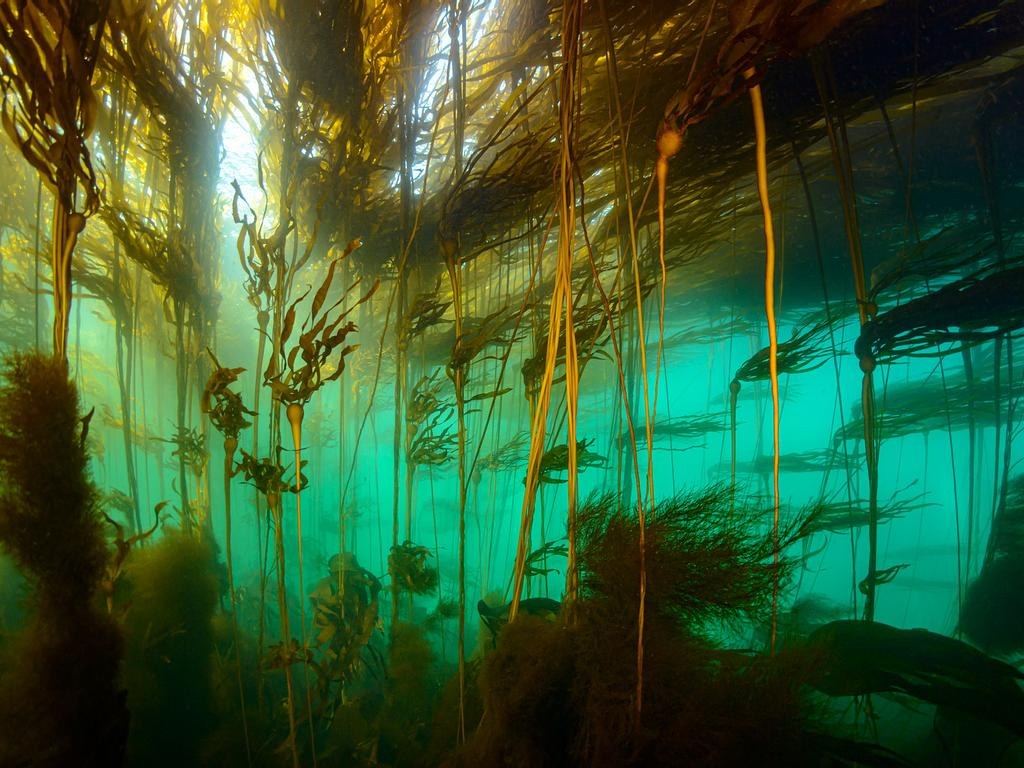
Bull kelp
A tough cold-water kelp with a gas-filled float and long, whip-like fronds.
Surface & deep in the Tasman Sea
The sea is warm where the Sun reaches it and cold far below. Flip between the sunlit surface and the deep water to feel the difference — these are typical figures for a sea.
Sunlit surface
22°C
typical surface temperature
Seas warm strongly at the surface in summer, but their deeper water stays cold and still — the sunlight simply never reaches it.
Recorded range for the Tasman Sea: 15–25°C