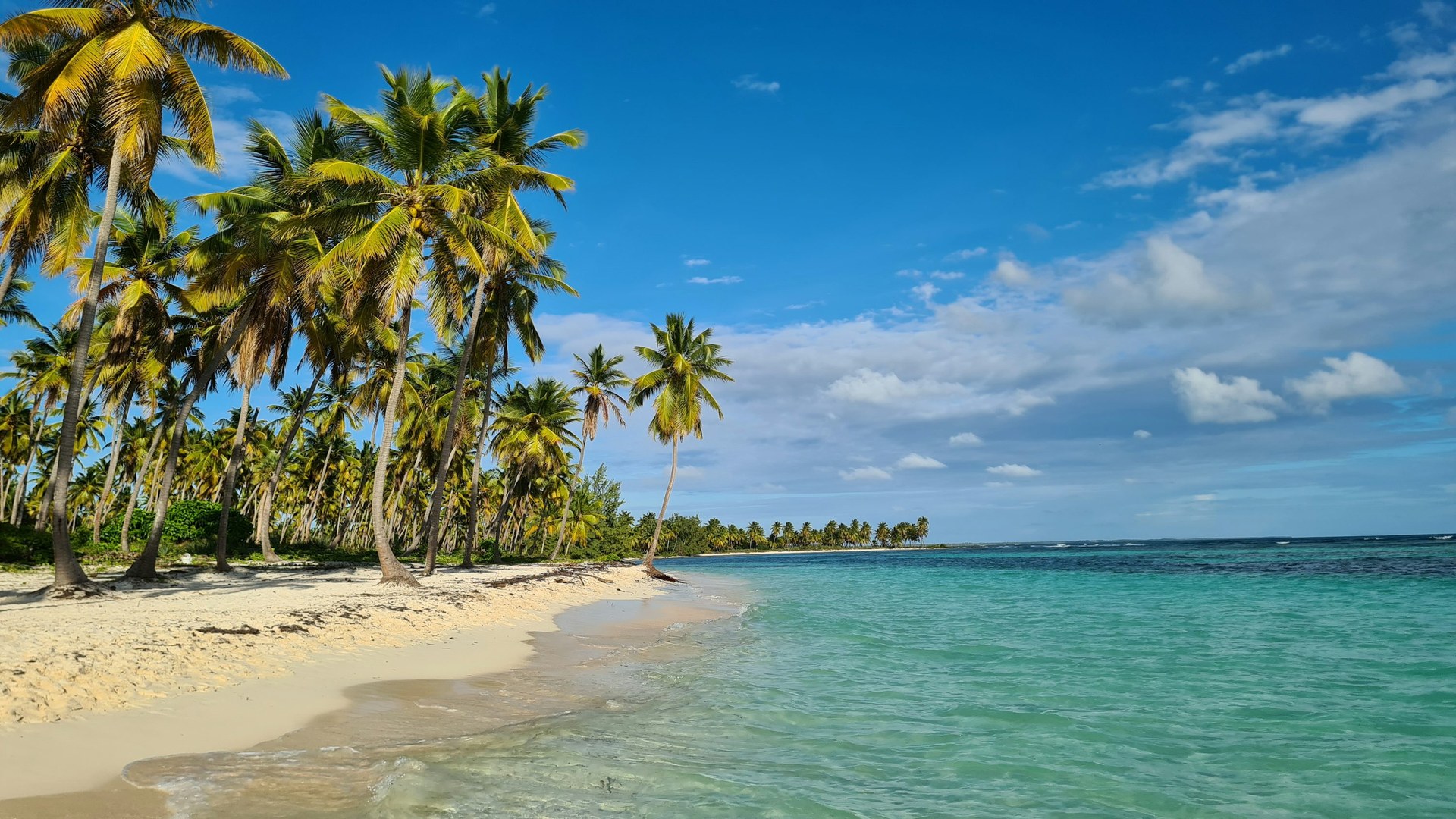
A warm, turquoise tropical sea ringed by the islands of the West Indies, famous for coral reefs, pirates and paradise beaches.
Area
2,754,000 km²
Ocean basin
Atlantic
Location
The turquoise sea of the tropics
Average depth
about 2,200 m
Maximum depth
Cayman Trough — about 7,686 m
Salinity
~36 ppt
Temperature
Warm, 26–28°C year-round
Region
Between Central America & the West Indies
About the Caribbean Sea
The Caribbean Sea is enclosed by Central and South America and the long arc of Caribbean islands, from Cuba to Trinidad. Its warm, clear waters host the second-largest barrier reef in the world and some of the planet’s most famous beaches. It was the stage for centuries of exploration, piracy and trade, and its warmth helps feed powerful Atlantic hurricanes.
Did you know?
Its deepest point, the Cayman Trough, drops nearly 7.7 km — far deeper than most people imagine such a sunny sea could be.
Highlights
- Holds the Mesoamerican Barrier Reef
- Deepest point: the Cayman Trough
- A historic sea of exploration and piracy
Photo gallery
Life in the Caribbean Sea
Creatures, seabirds and marine plants — including some of the rarest and strangest — that live in these waters.
Creatures of the deep
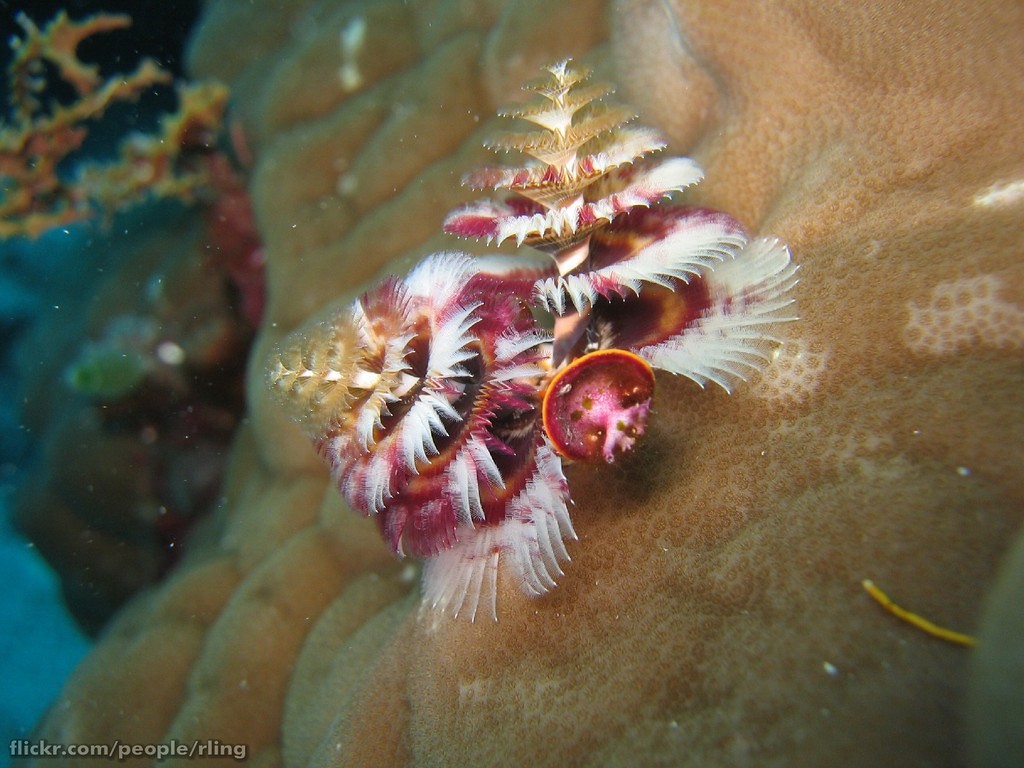
Christmas tree worm
A tube worm whose feathery, spiralled crowns dot tropical corals in every colour.
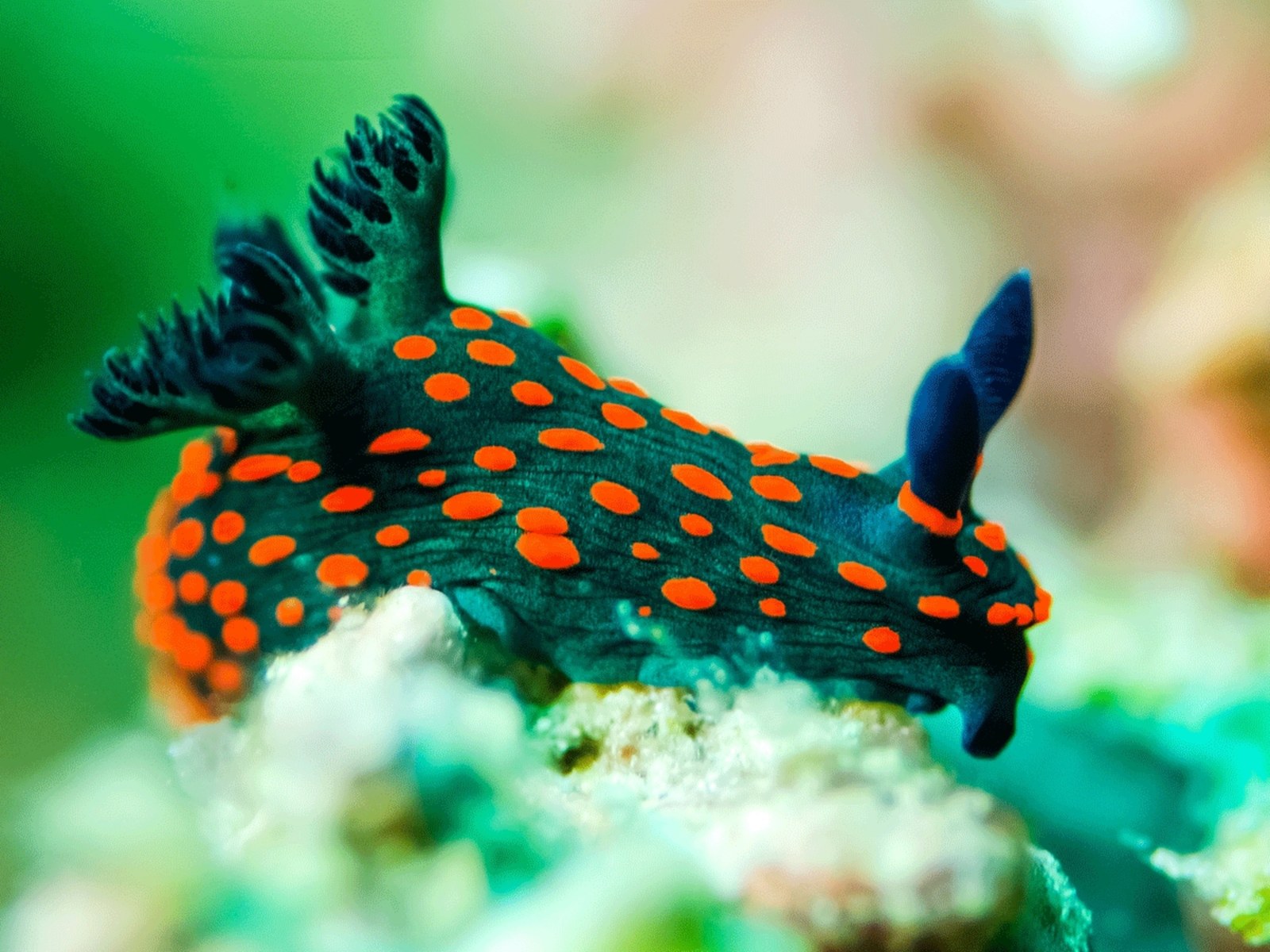
Nudibranch (sea slug)
Dazzlingly coloured sea slugs that steal stings — and even sunlight — from the food they eat.
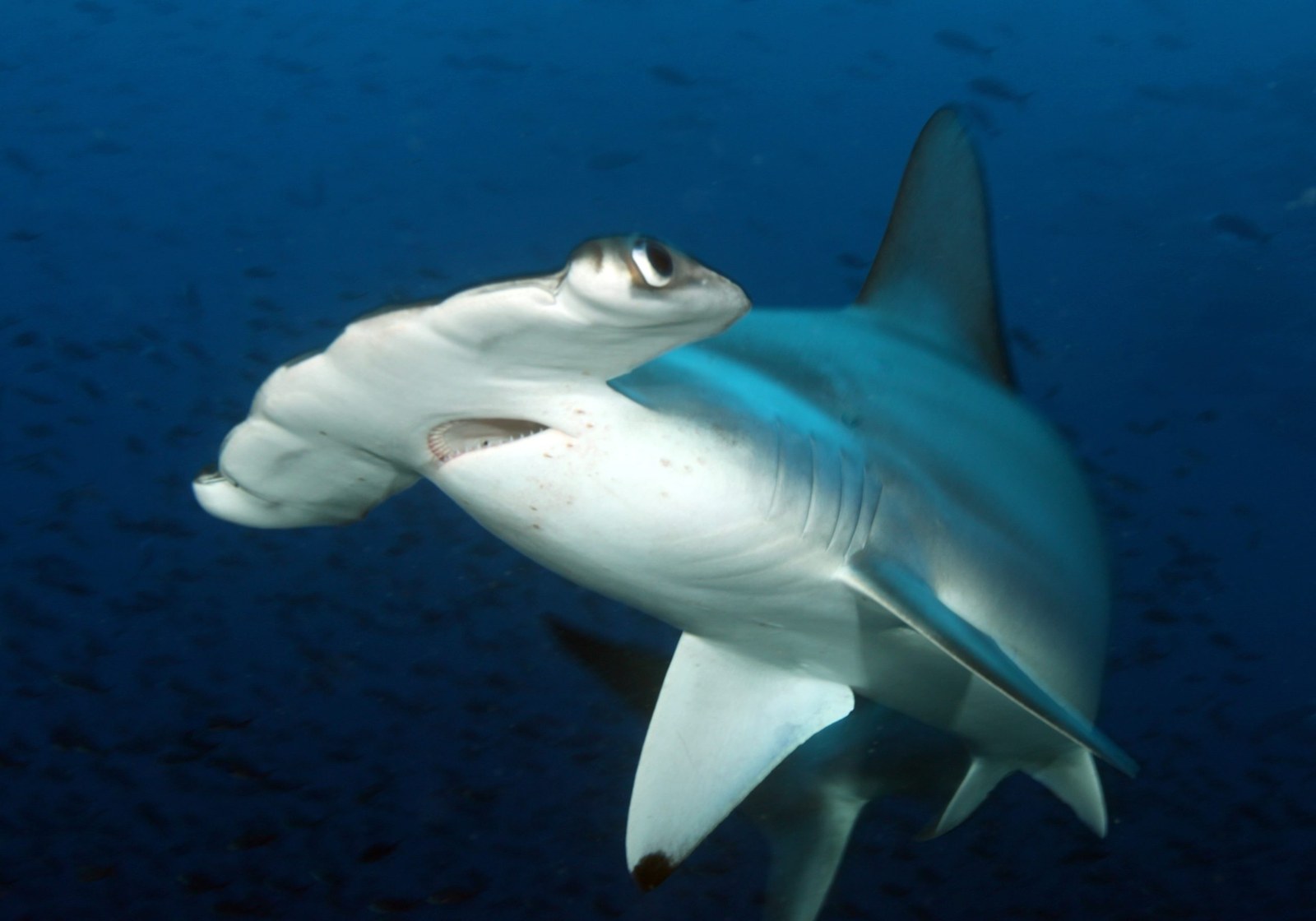
Hammerhead shark
Its wing-shaped head is packed with sensors that detect prey buried in the sand.
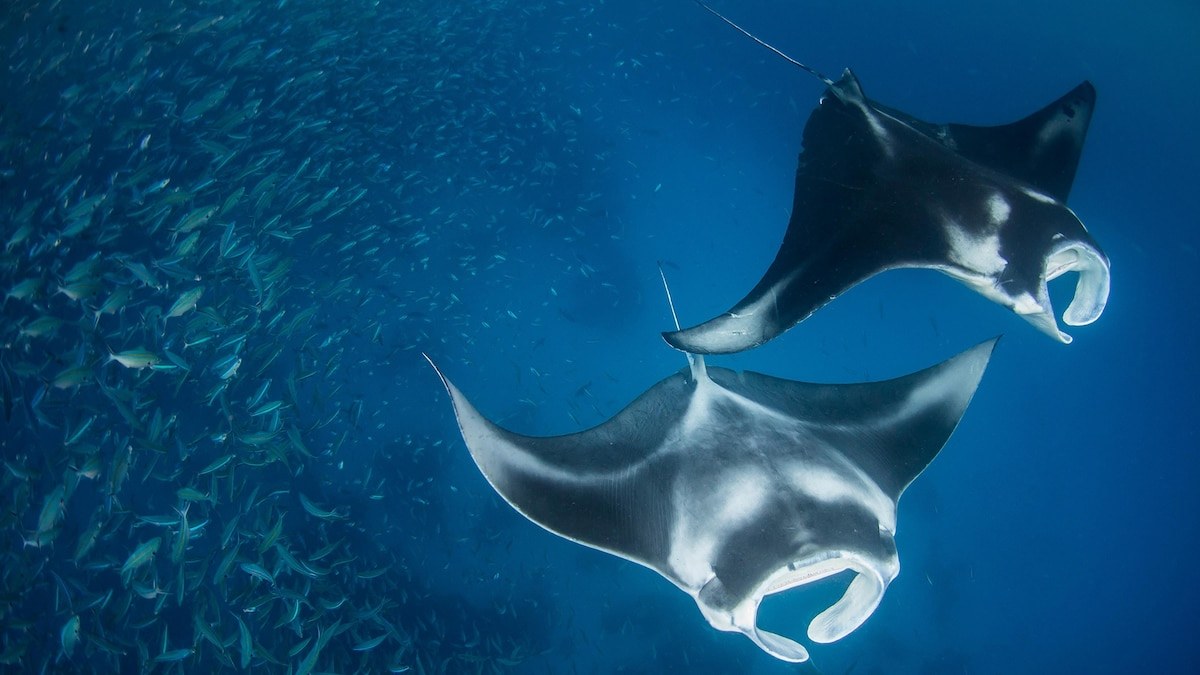
Manta ray
A gentle giant that “flies” through the water on wings up to seven metres across.
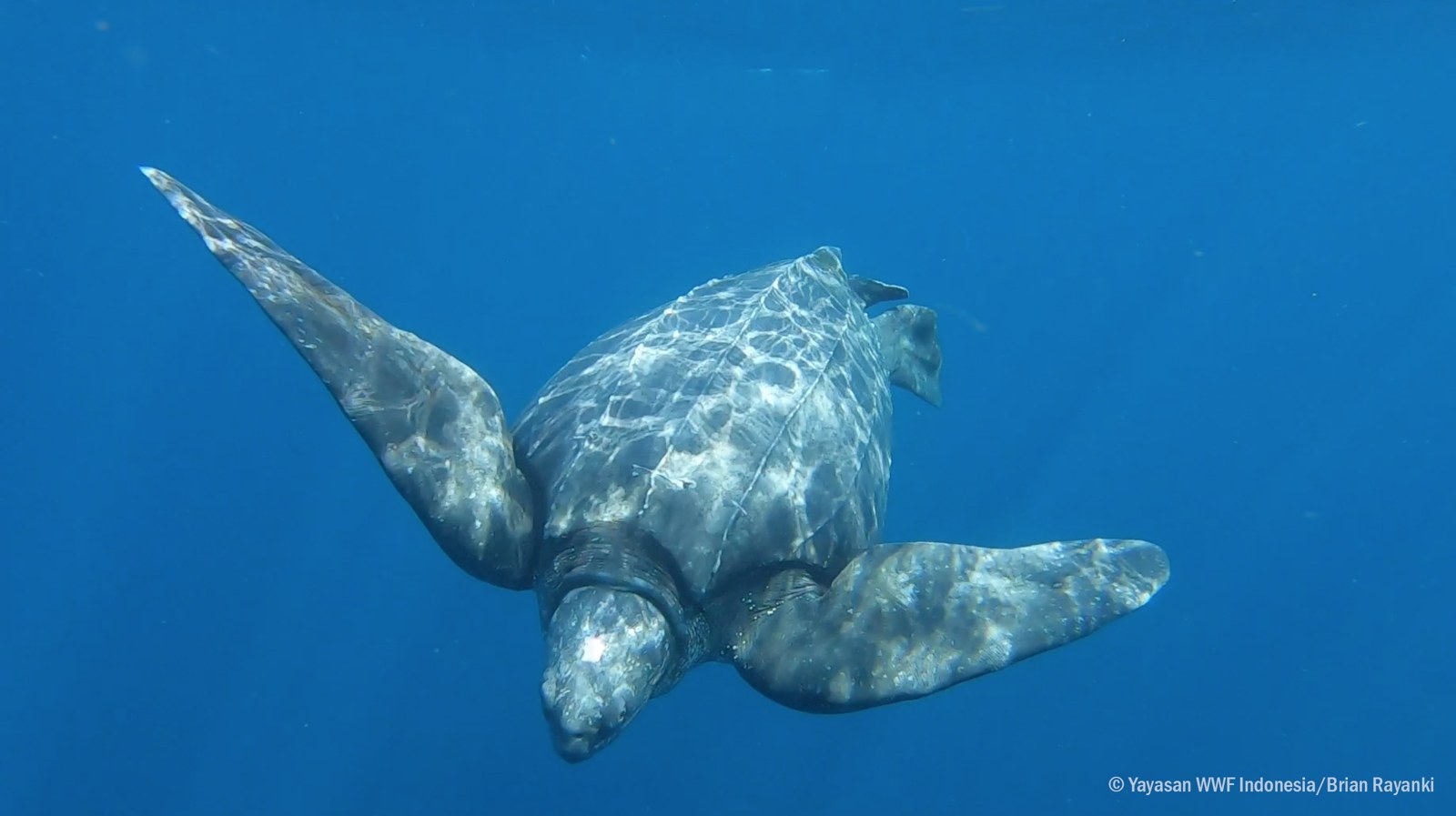
Leatherback turtle
The largest sea turtle, diving over 1,000 m in pursuit of jellyfish.
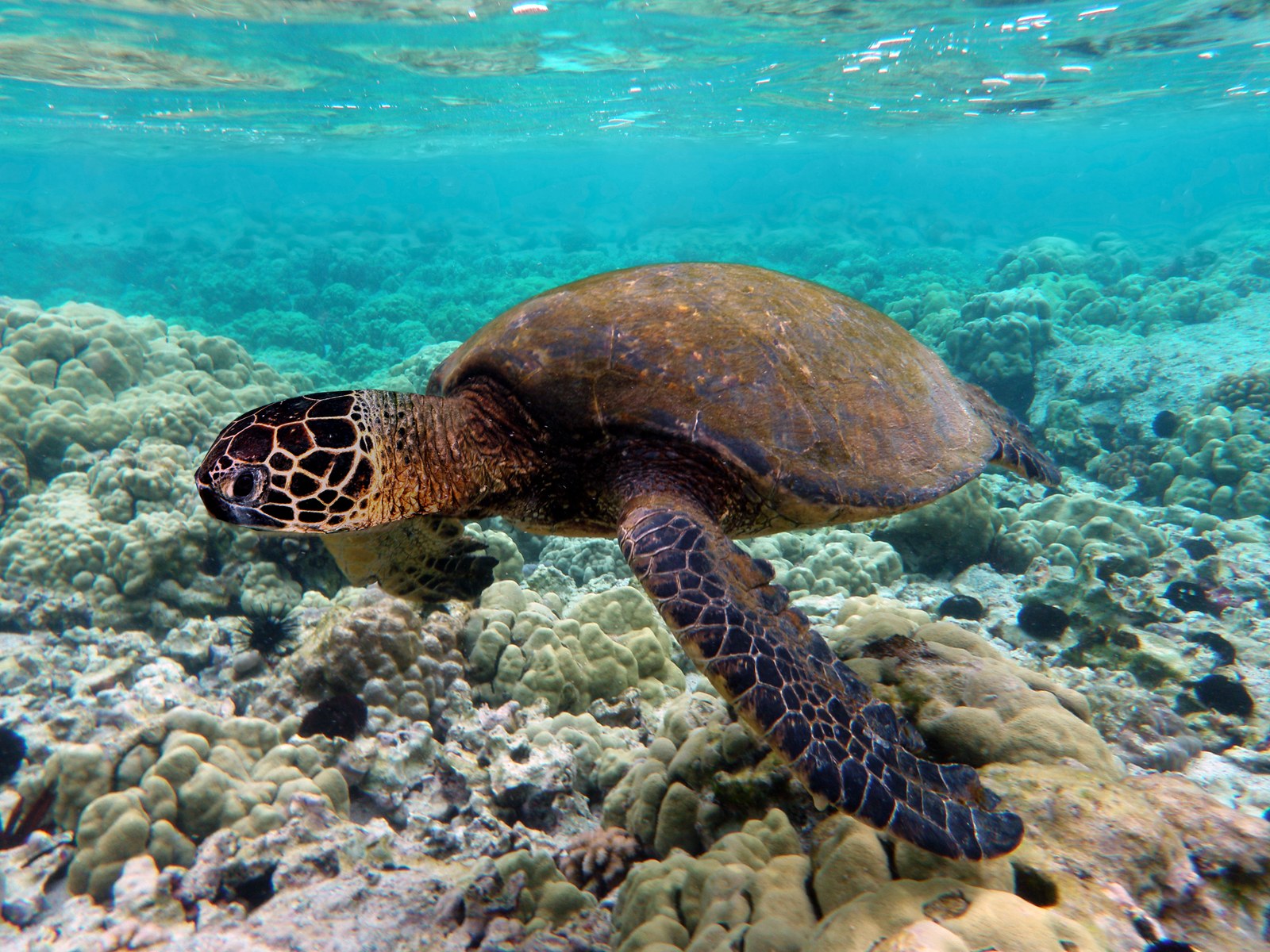
Green sea turtle
The only sea turtle that grazes seagrass as an adult, which tints its fat green.
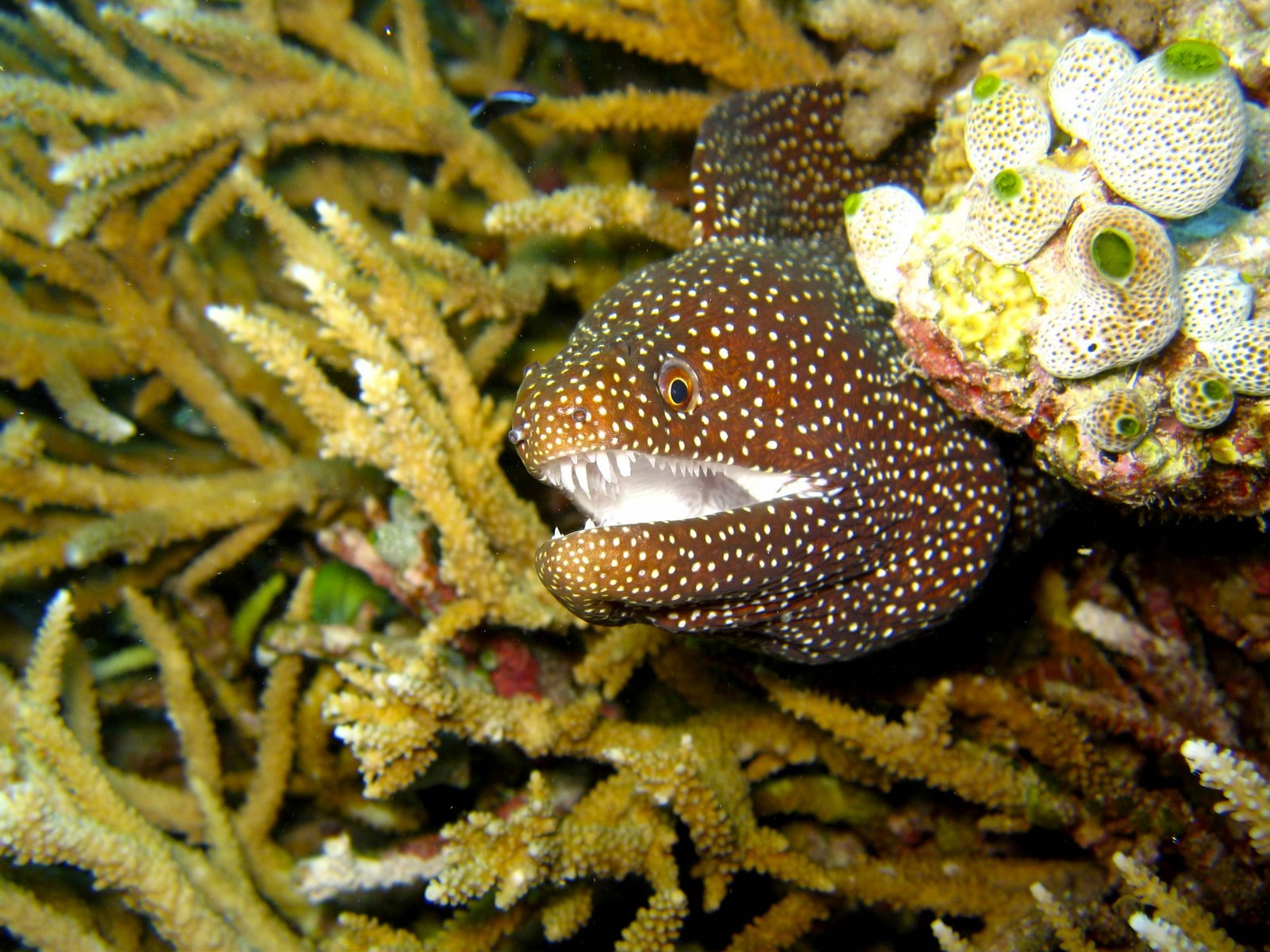
Moray eel
A reef ambush predator with a hidden second set of jaws in its throat to drag prey down.
Seabirds
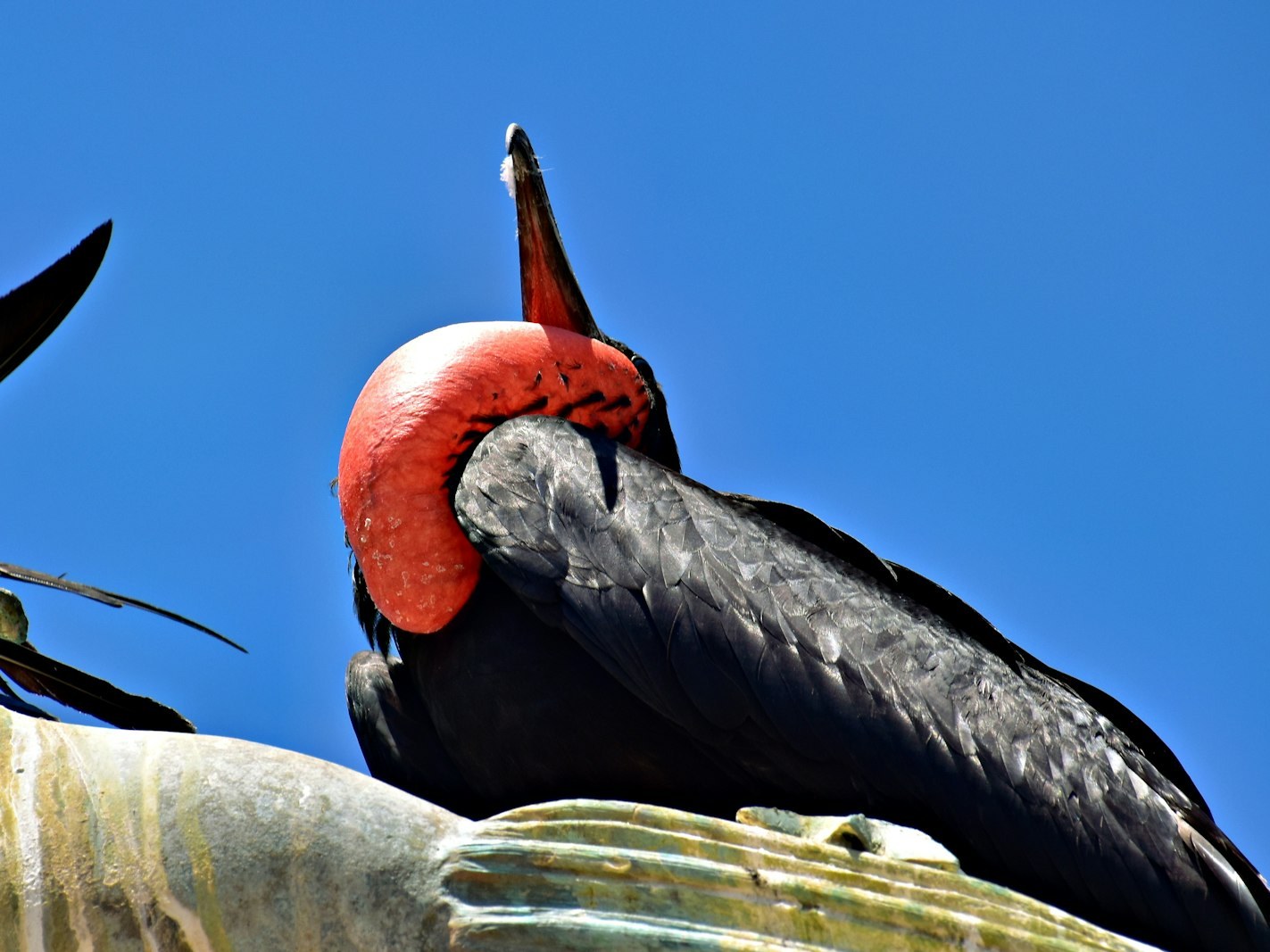
Frigatebird
A pirate of tropical skies; the male balloons a scarlet throat pouch to court mates.
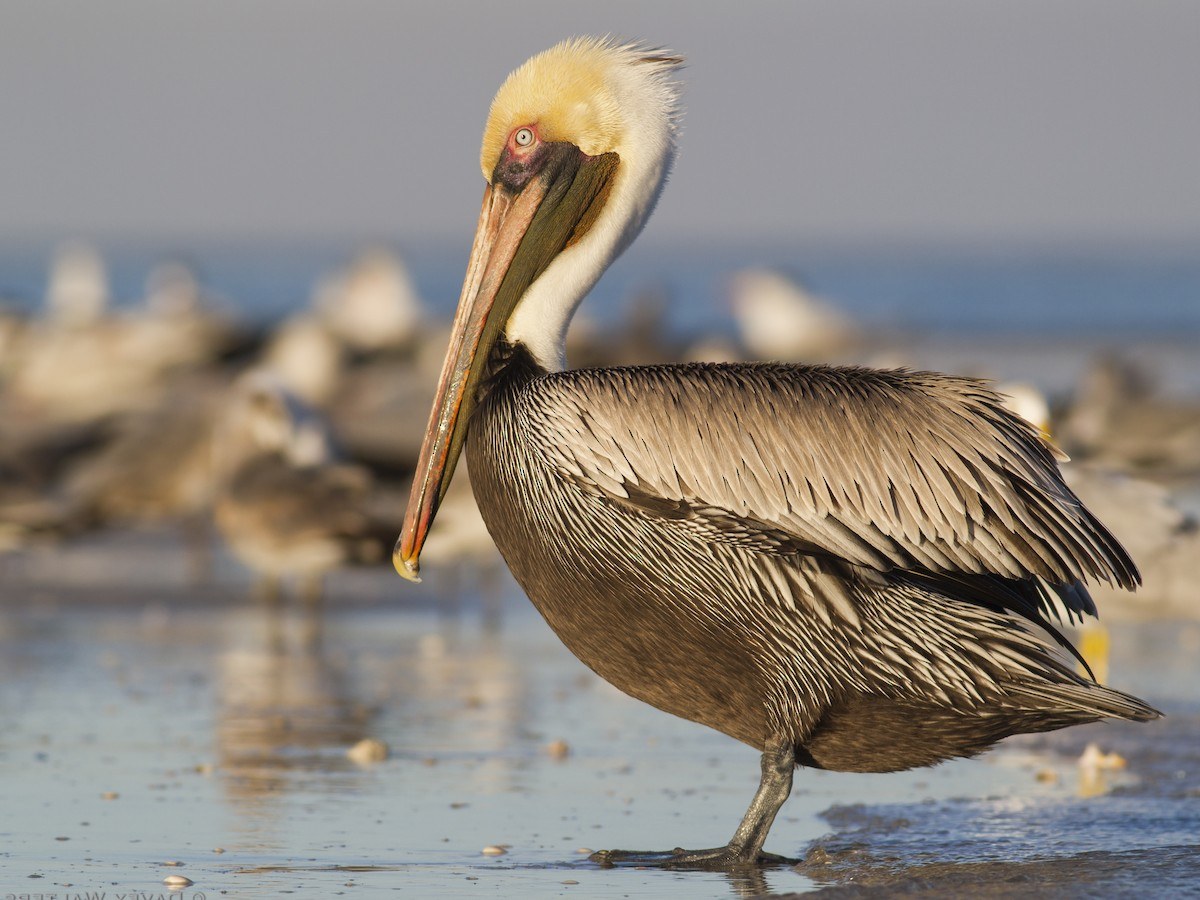
Brown pelican
Plunge-dives headfirst into the sea, scooping up fish in its enormous throat pouch.
Marine plants & algae
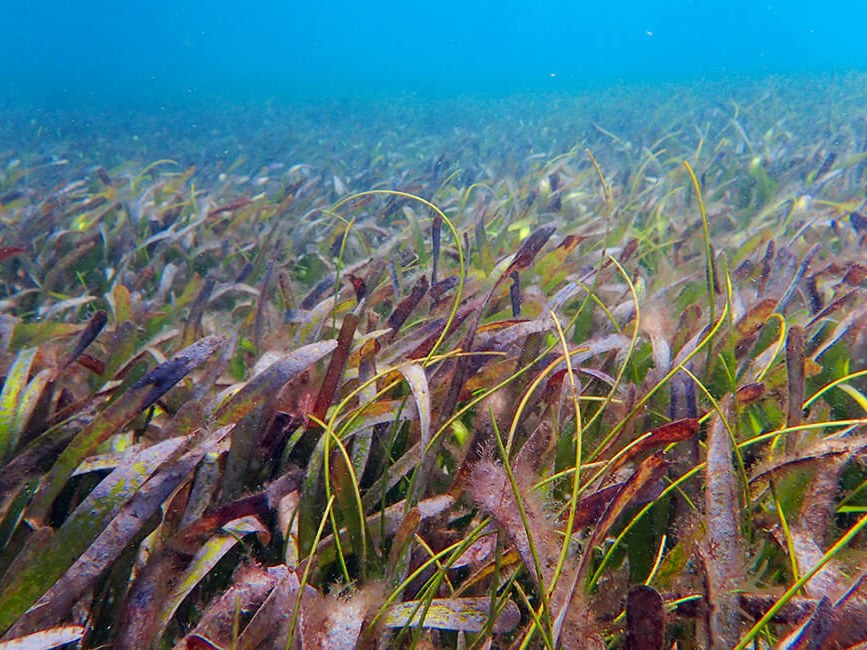
Turtle grass
A tropical seagrass whose meadows feed turtles, manatees and dugongs.
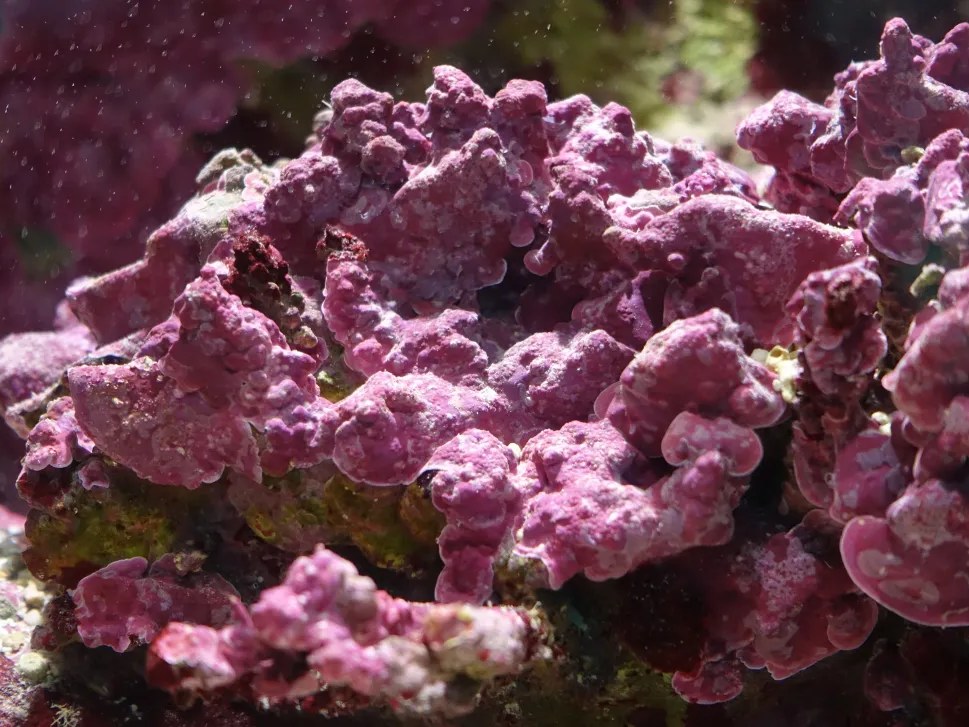
Coralline algae
Stony pink algae that cement coral reefs together and help them grow.
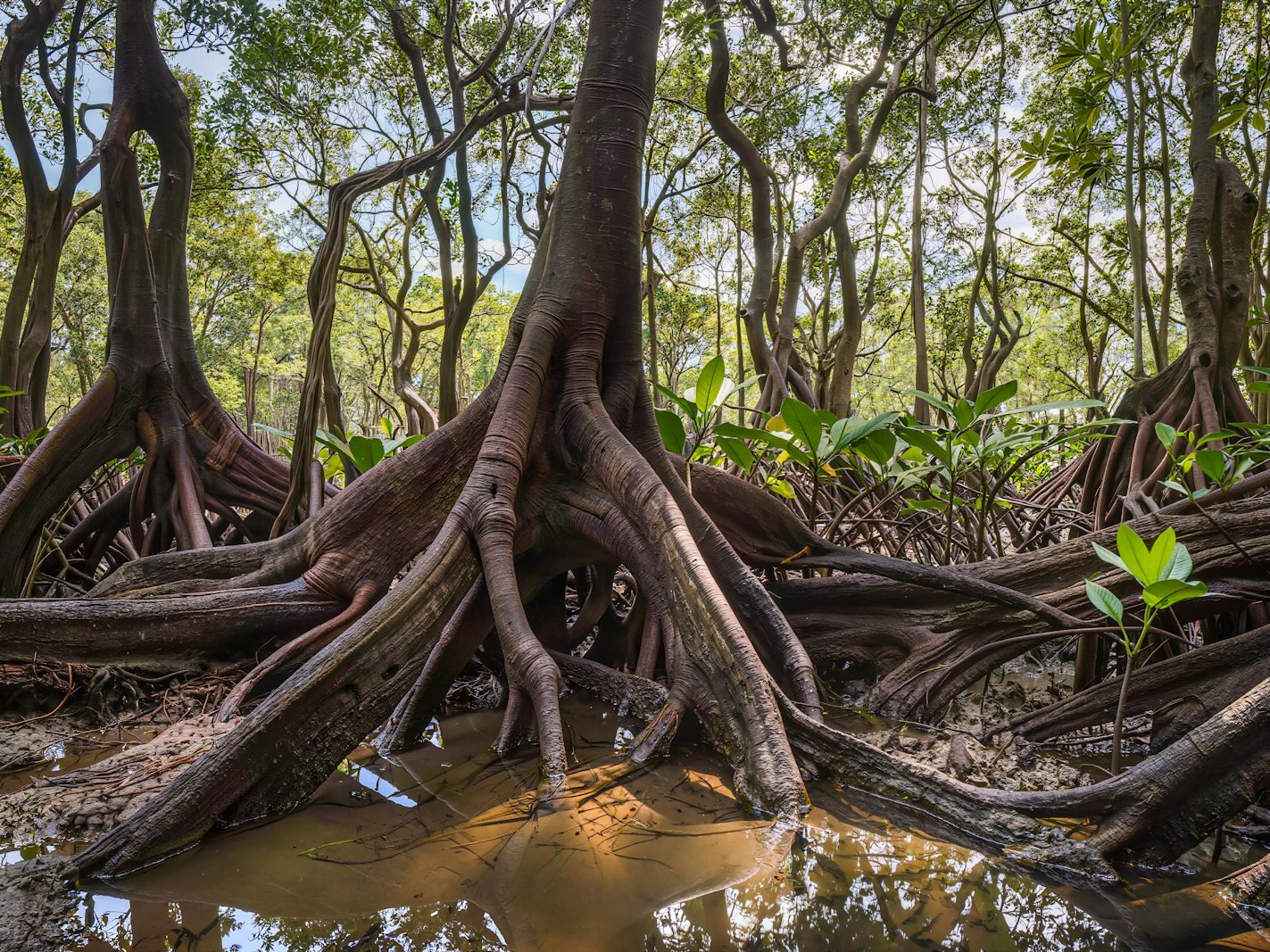
Mangrove
Salt-tolerant coastal trees whose tangled roots shelter young fish and buffer storms.
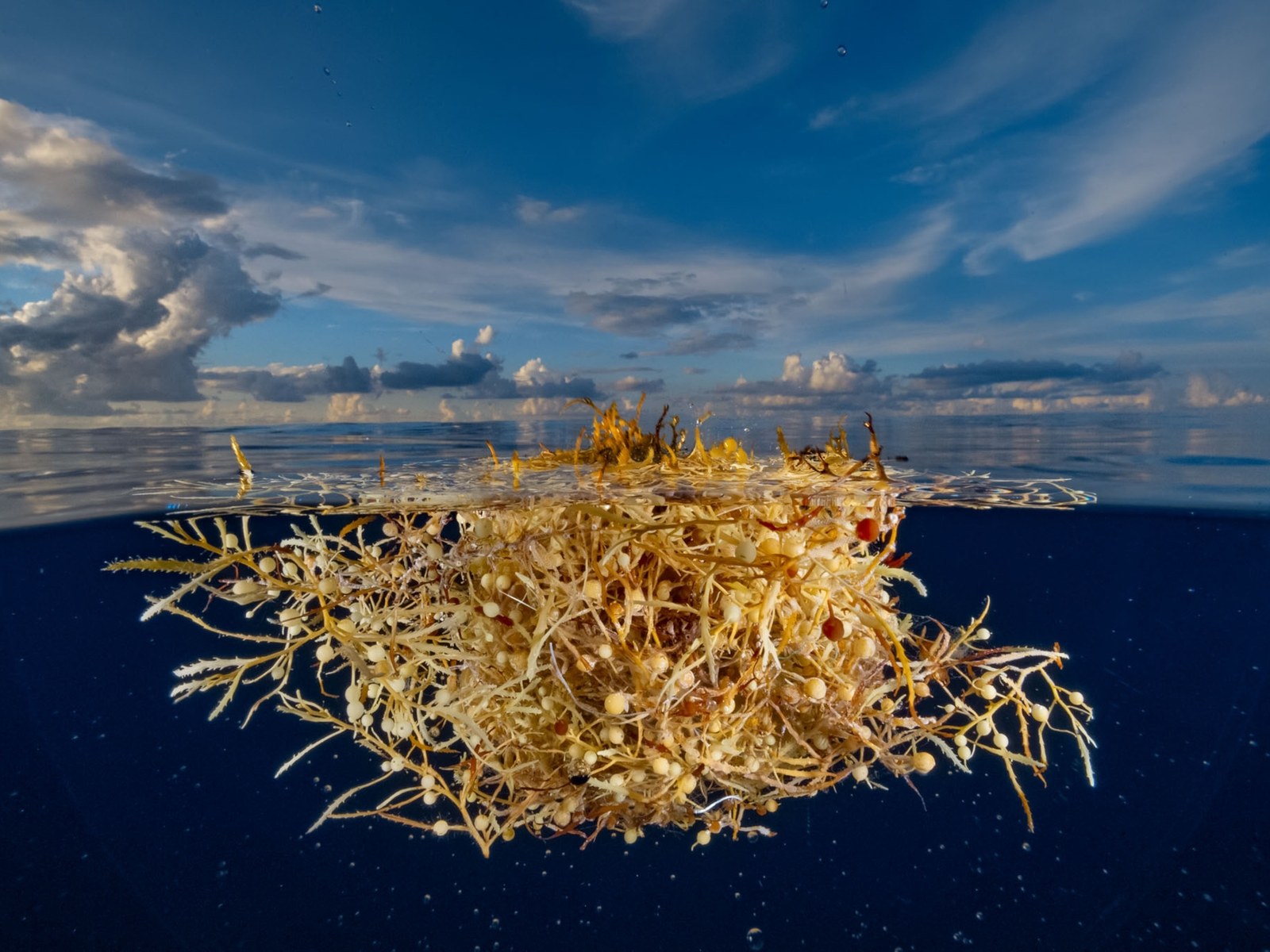
Sargassum
Free-floating golden seaweed that forms the living raft of the Sargasso Sea.
Surface & deep in the Caribbean Sea
The sea is warm where the Sun reaches it and cold far below. Flip between the sunlit surface and the deep water to feel the difference — these are typical figures for a sea.
Sunlit surface
22°C
typical surface temperature
Seas warm strongly at the surface in summer, but their deeper water stays cold and still — the sunlight simply never reaches it.
Recorded range for the Caribbean Sea: Warm, 26–28°C year-round