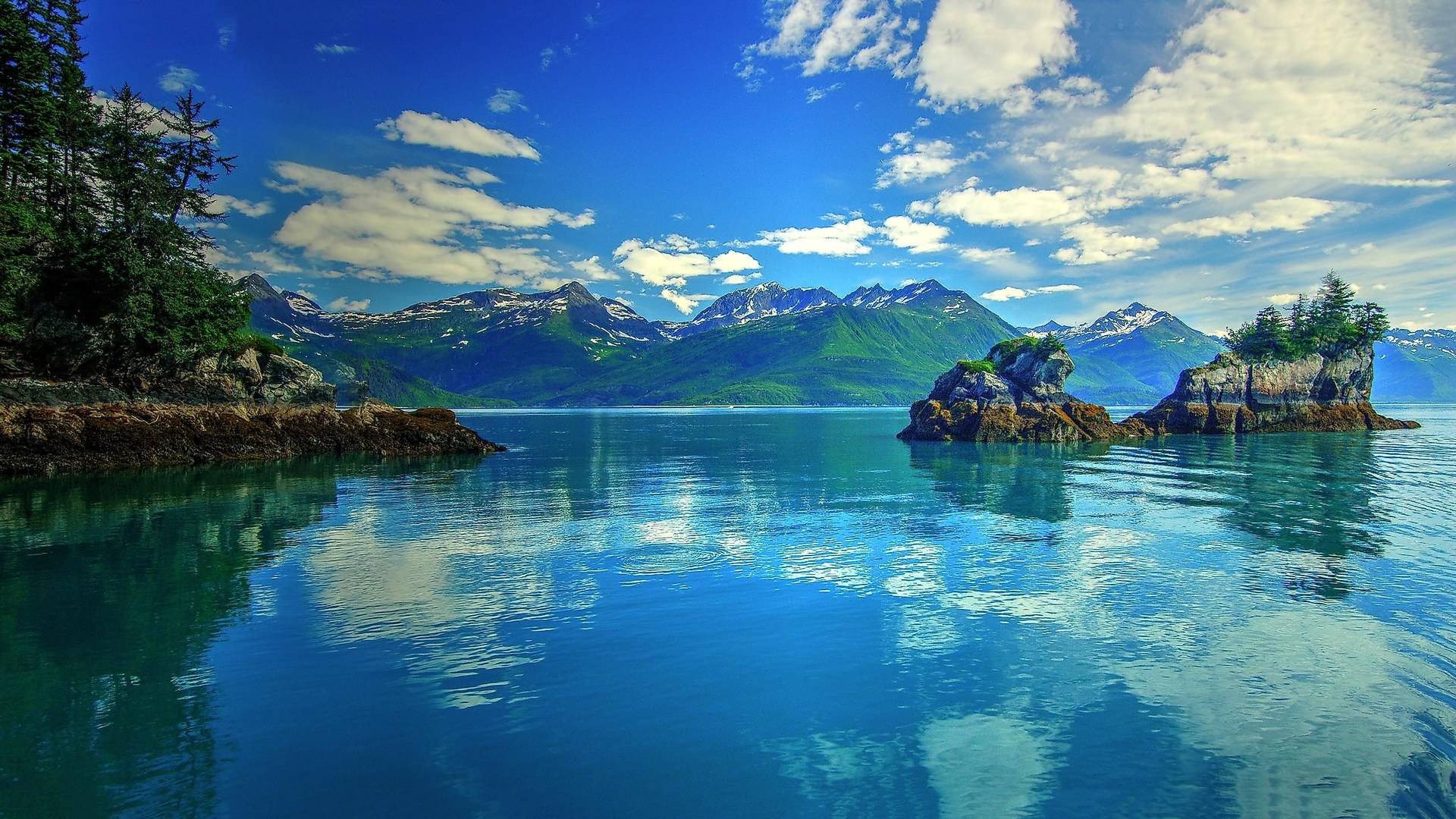
A cold, stormy gulf off southern Alaska, ringed by glaciers and famous for a dramatic line where two waters seem to meet.
Area
1,327,000 km²
Ocean basin
Pacific
Location
The storm-factory of the north Pacific
Average depth
about 2,400 m
Maximum depth
about 4,900 m
Salinity
~32 ppt
Temperature
Cold, 2–15°C
Region
Off southern Alaska
About the Gulf of Alaska
The Gulf of Alaska arcs along the southern coast of Alaska, backed by towering coastal mountains and tidewater glaciers. Its cold, nutrient-rich waters make it one of the most productive fisheries anywhere, full of salmon, halibut, whales and seabirds. It is also a notorious storm factory, where powerful weather systems form before marching across North America.
Did you know?
It is one of the stormiest stretches of ocean on Earth, where huge low-pressure systems are born and sweep across the Pacific.
Highlights
- One of the stormiest seas on Earth
- Ringed by glaciers and high mountains
- Extremely rich salmon fisheries
Photo gallery
Life in the Gulf of Alaska
Creatures, seabirds and marine plants — including some of the rarest and strangest — that live in these waters.
Creatures of the deep
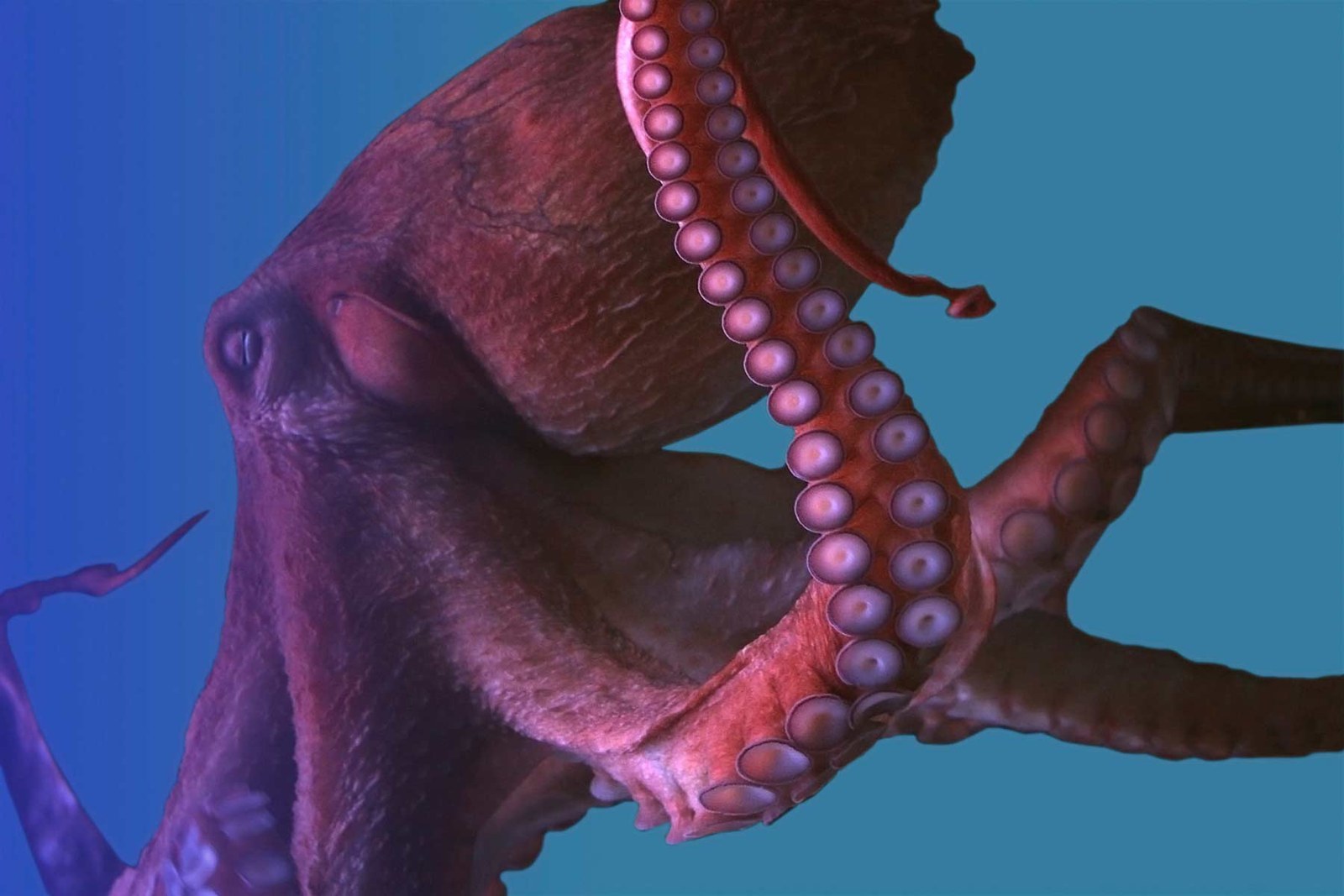
Giant Pacific octopus
The largest octopus on Earth — a shape-shifting, colour-changing cold-water giant.
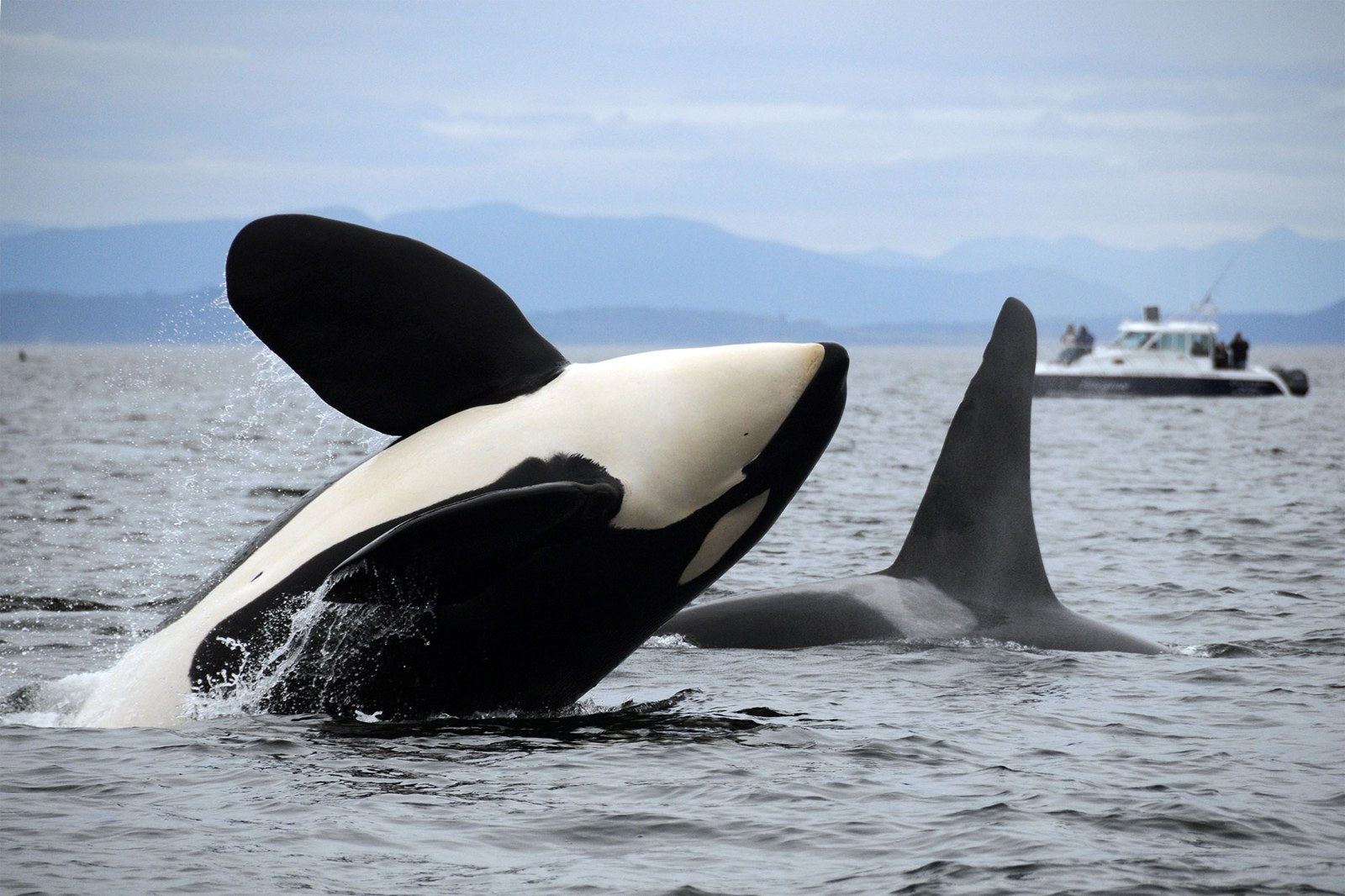
Orca (killer whale)
The ocean’s top predator: a brilliant, family-living dolphin found in every sea.
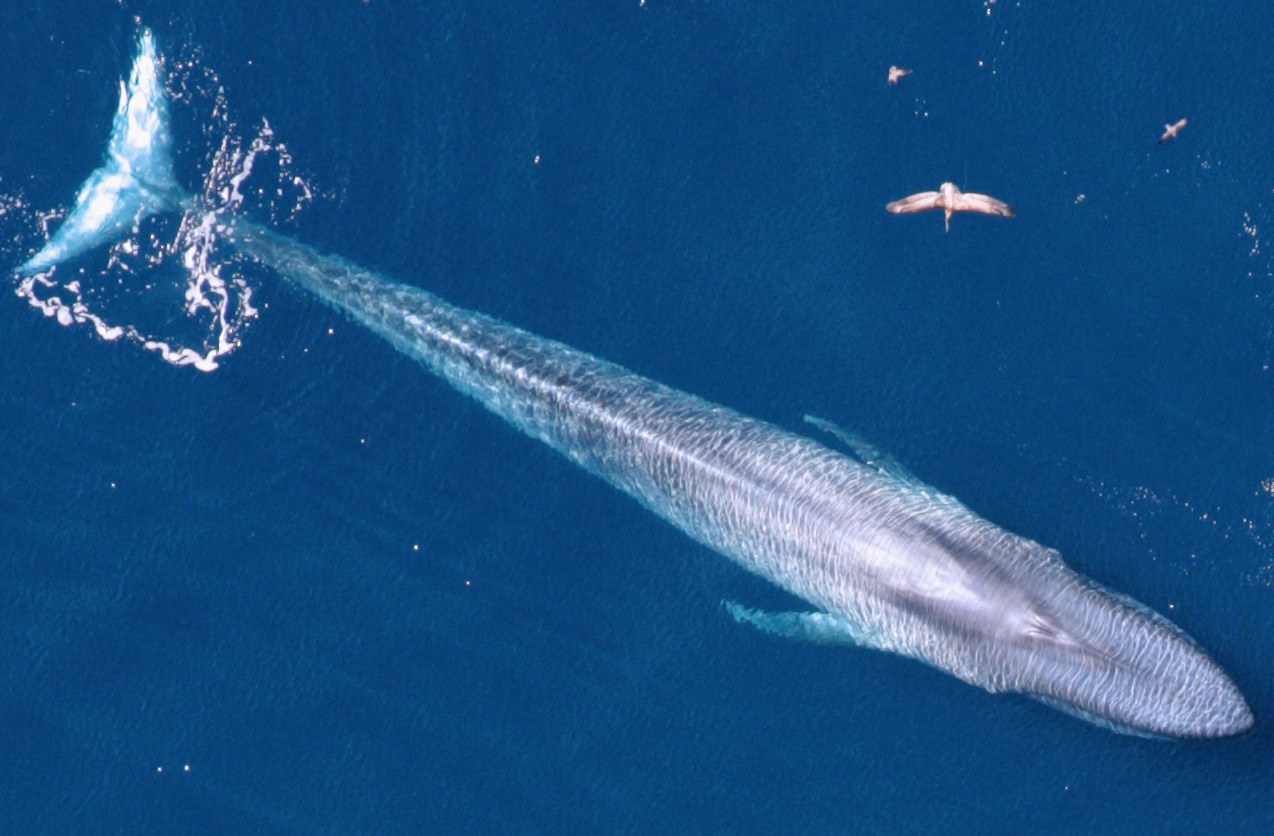
Blue whale
The largest animal ever to live — longer than three buses and heavier than 25 elephants.
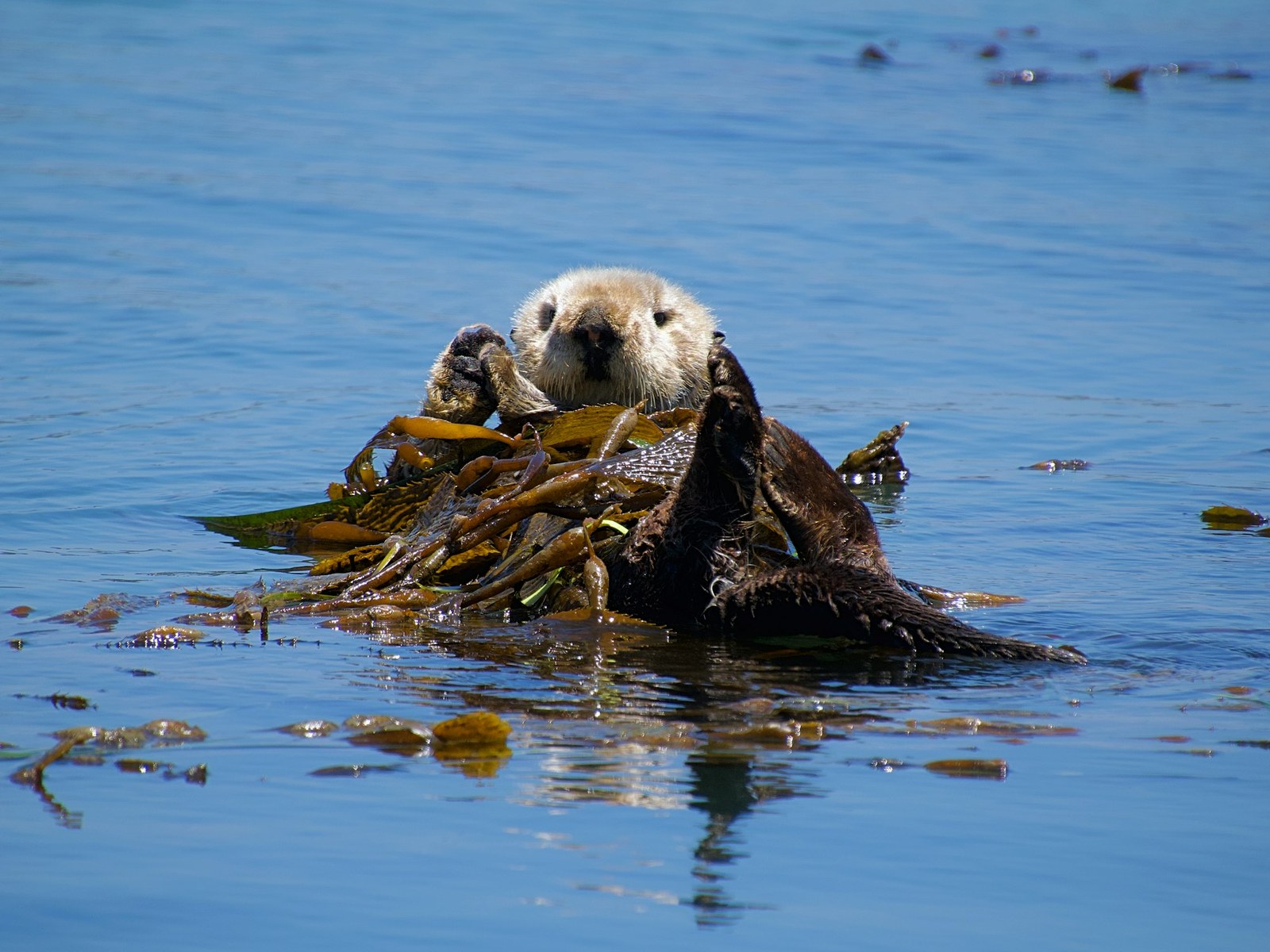
Sea otter
A tool-using kelp-forest keystone that cracks shellfish on a stone balanced on its belly.
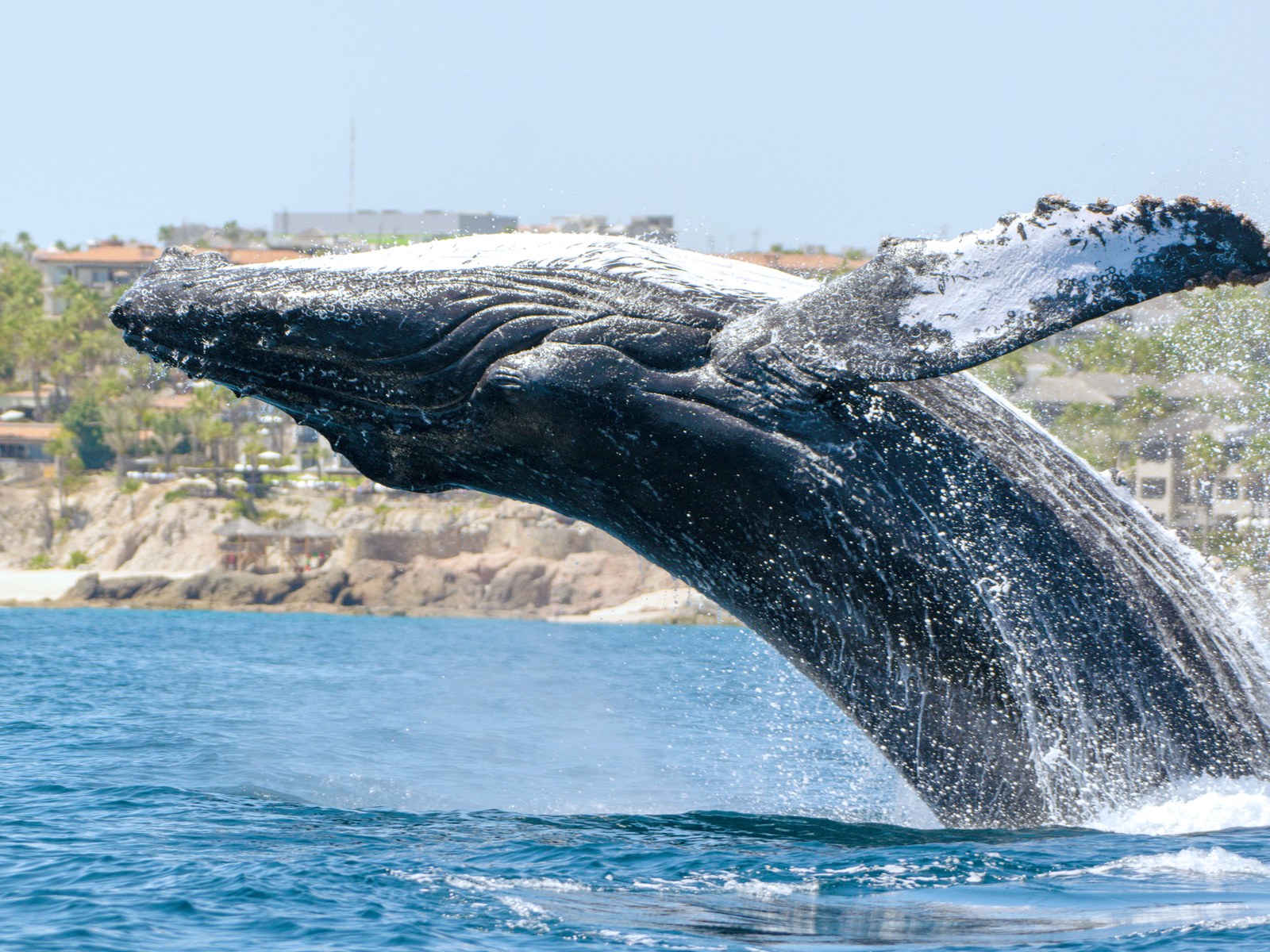
Humpback whale
An acrobatic baleen whale famed for breaching clear of the water and singing haunting songs.
Seabirds
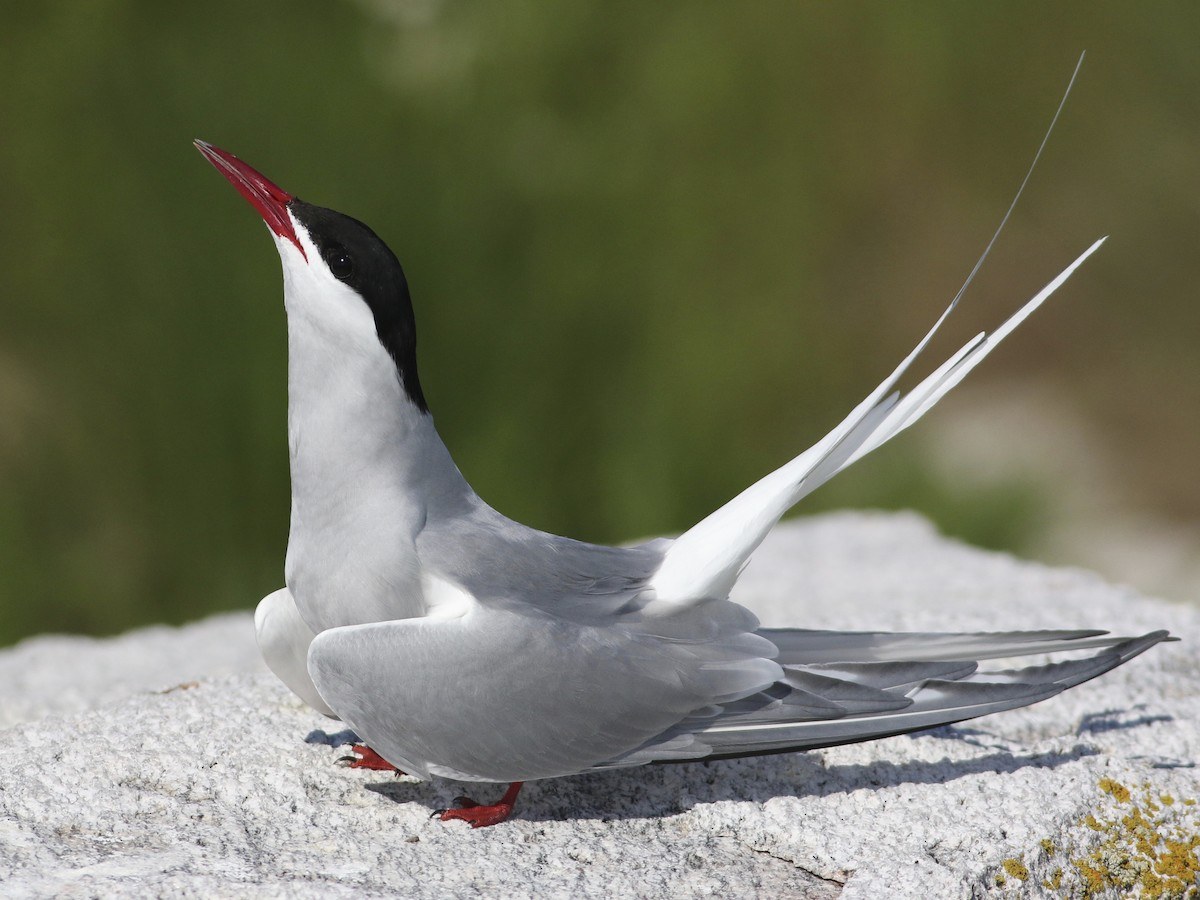
Arctic tern
The migration champion, flying pole to pole and back — the longest journey of any animal.
Marine plants & algae
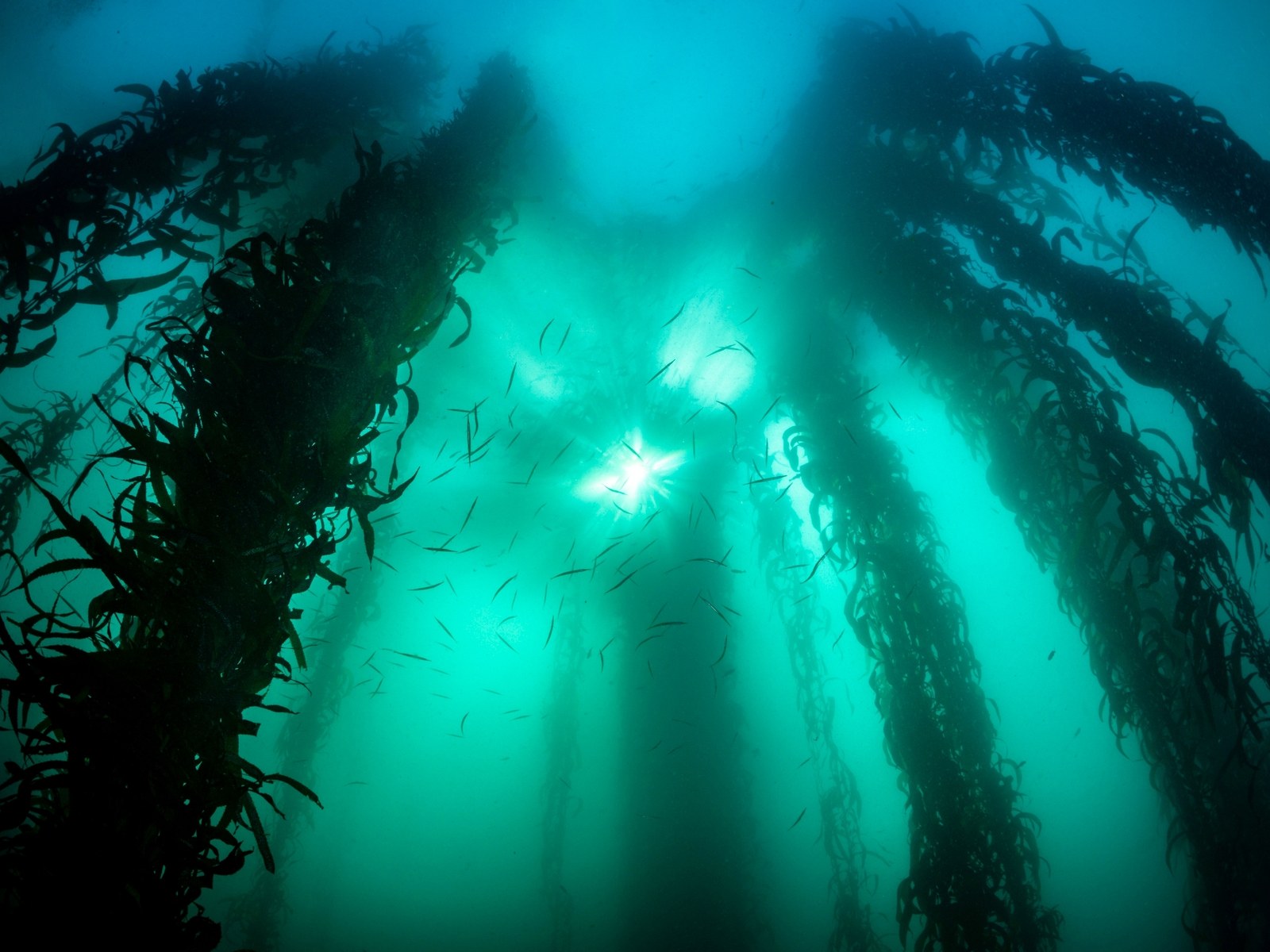
Giant kelp
The fastest-growing seaweed on Earth, building towering underwater forests up to 45 m tall.
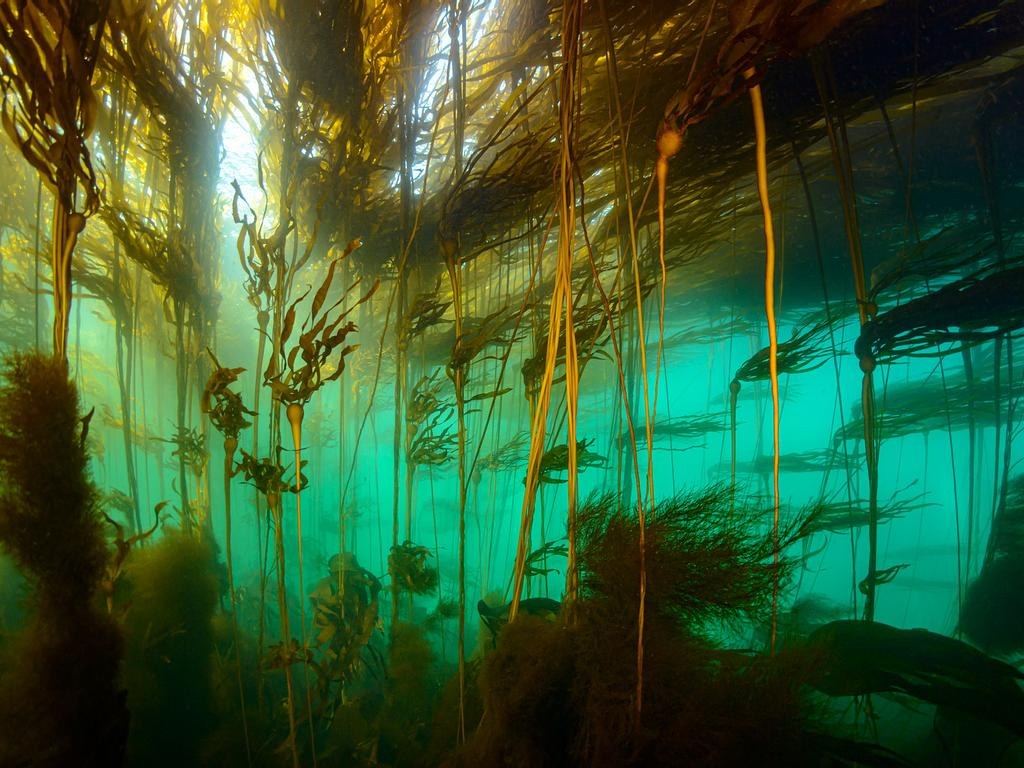
Bull kelp
A tough cold-water kelp with a gas-filled float and long, whip-like fronds.
Surface & deep in the Gulf of Alaska
The sea is warm where the Sun reaches it and cold far below. Flip between the sunlit surface and the deep water to feel the difference — these are typical figures for a gulf & bay.
Sunlit surface
26°C
typical surface temperature
Shallow and sheltered, gulfs and bays warm up quickly from top to bottom, staying far milder than the deep open ocean nearby.
Recorded range for the Gulf of Alaska: Cold, 2–15°C