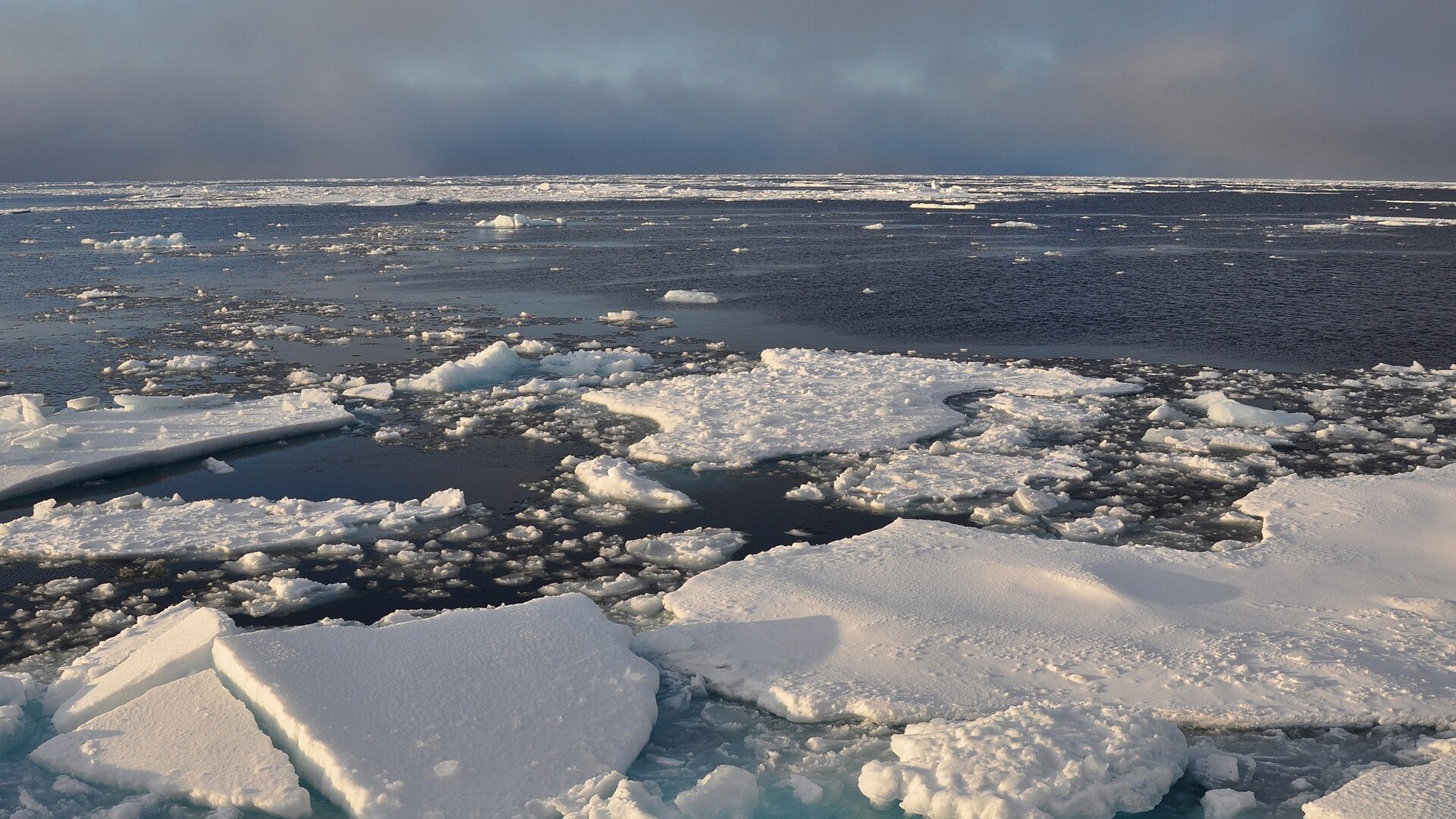
The smallest and shallowest ocean, capped for much of the year by drifting sea ice around the North Pole.
Area
14,060,000 km²
Ocean basin
Arctic
Location
The smallest, shallowest and coldest ocean
Average depth
about 1,205 m
Maximum depth
Molloy Deep — about 5,550 m
Salinity
~30–34 ppt (least salty)
Temperature
Near freezing, around −2°C to 3°C
Region
Around the North Pole
About the Arctic Ocean
The Arctic Ocean sits atop the world, almost entirely surrounded by the lands of North America, Europe and Asia. A thick cap of sea ice covers much of it in winter and shrinks in summer — a cycle now changing fast as the climate warms. Beneath the ice live polar bears, narwhals, walruses and seals, and its cold waters play a huge role in steering the planet’s climate.
Did you know?
Much of it is covered by floating sea ice, and it is the least salty ocean because so much fresh water pours in from rivers and melting ice.
Highlights
- The smallest and shallowest ocean
- Capped by drifting Arctic sea ice
- The least salty of all the oceans
Photo gallery
Life in the Arctic Ocean
Creatures, seabirds and marine plants — including some of the rarest and strangest — that live in these waters.
Creatures of the deep
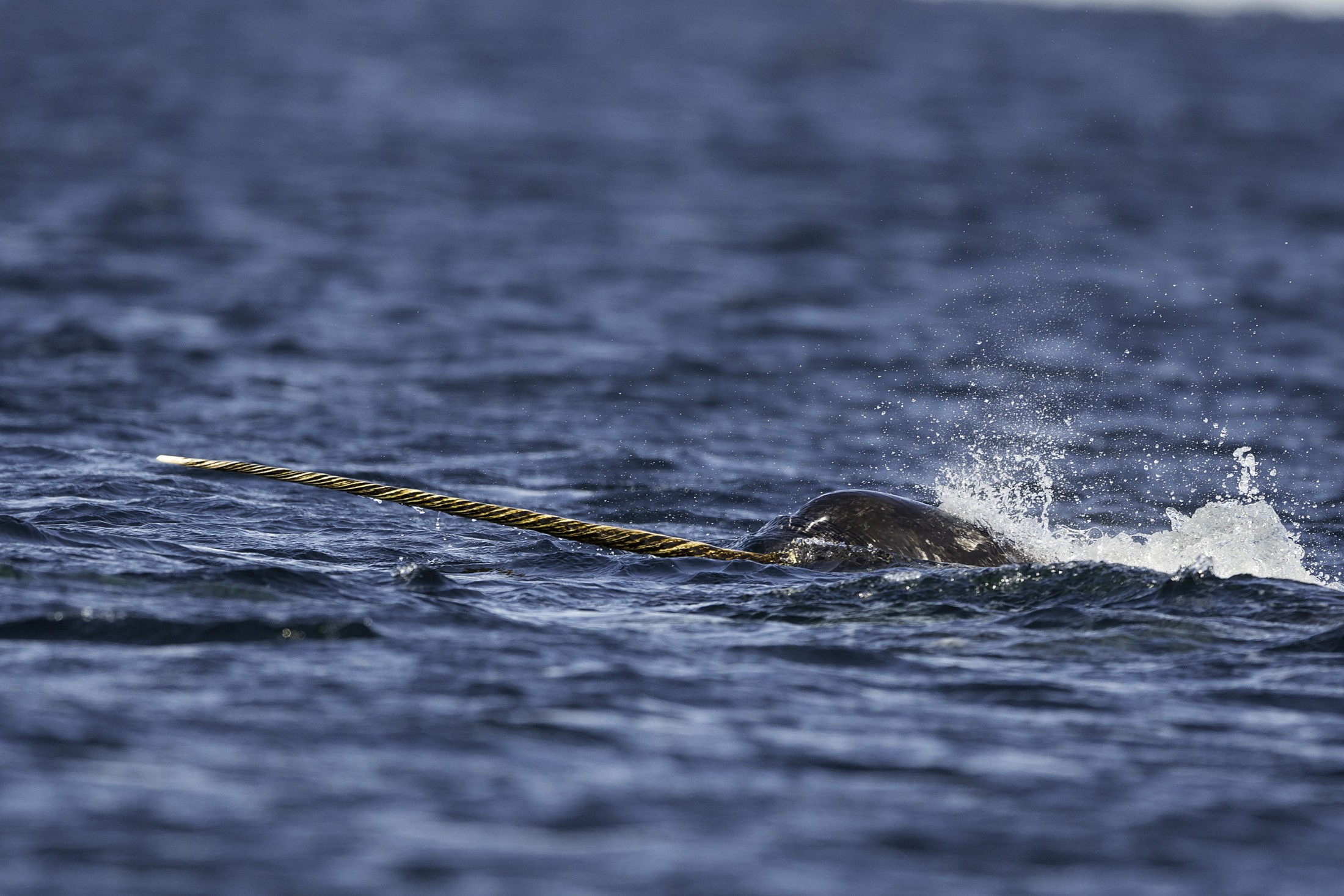
Narwhal
The “unicorn of the sea”, an Arctic whale whose tusk is a single spiralled tooth.
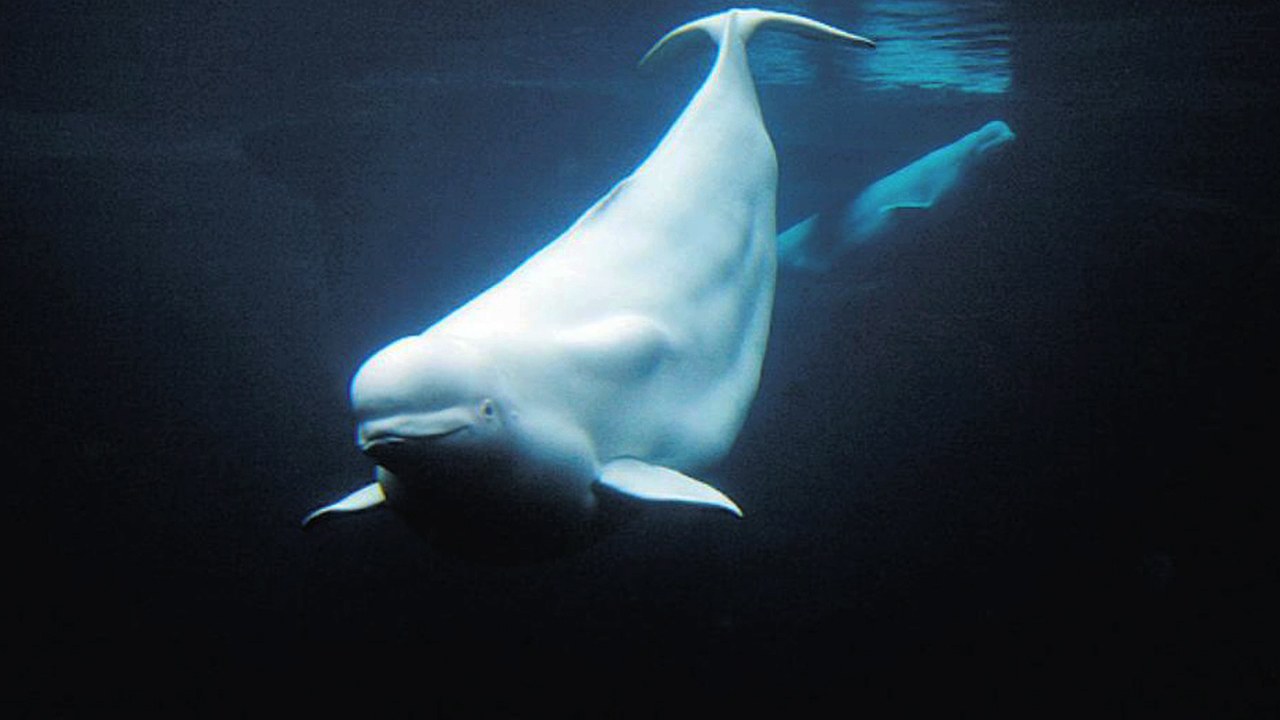
Beluga whale
The chatty white “canary of the sea” of the Arctic, famed for its range of calls.
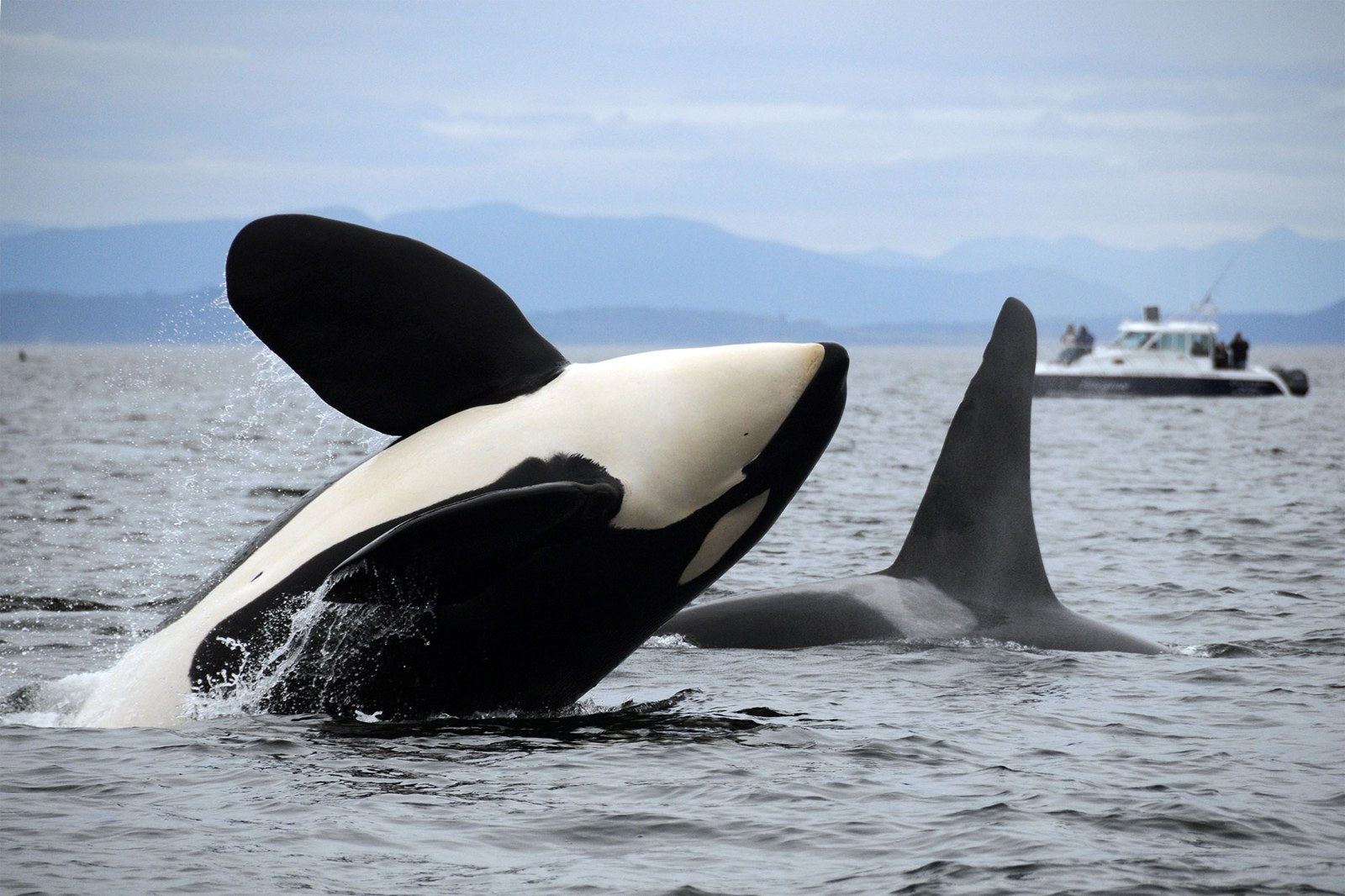
Orca (killer whale)
The ocean’s top predator: a brilliant, family-living dolphin found in every sea.
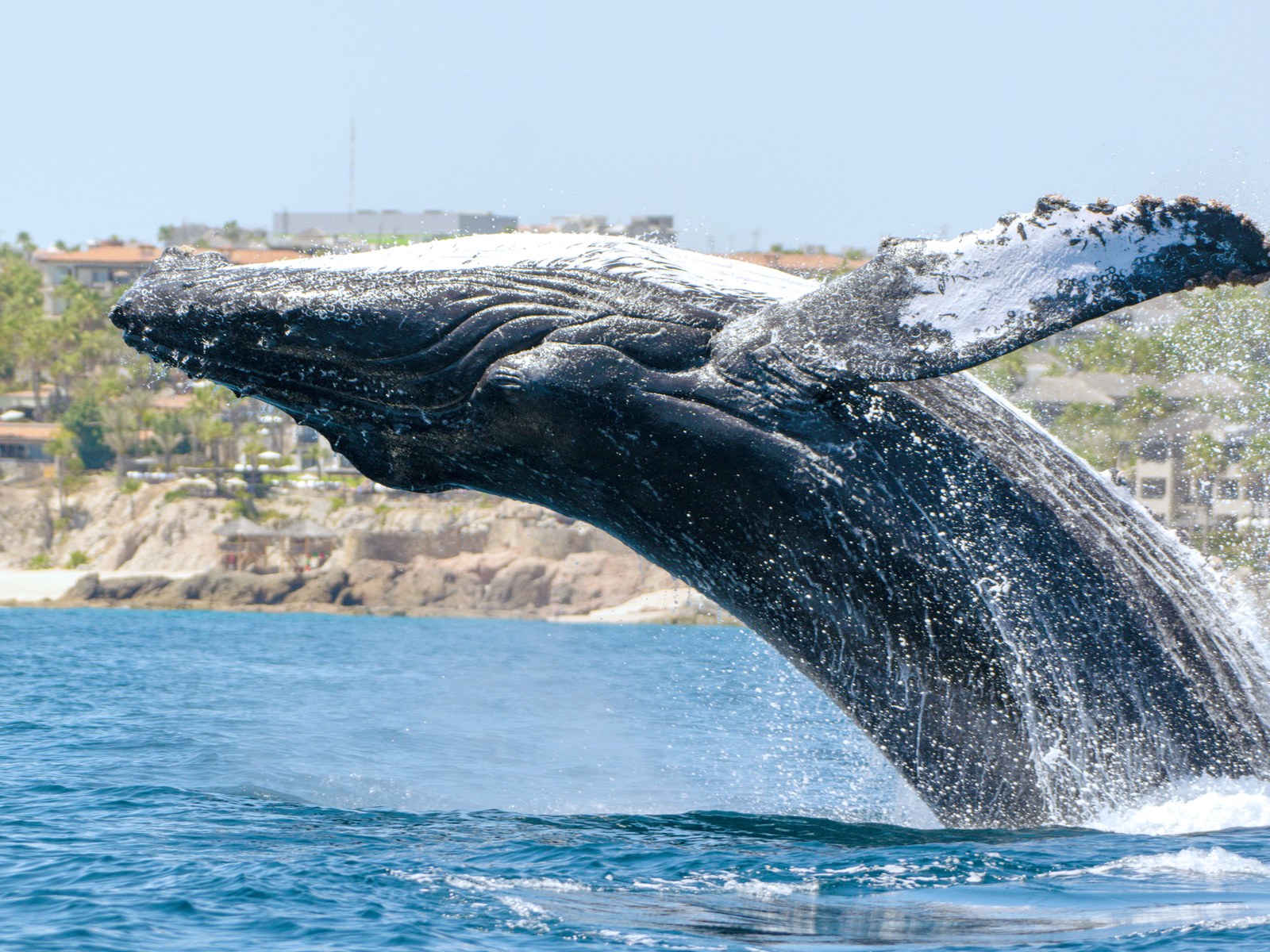
Humpback whale
An acrobatic baleen whale famed for breaching clear of the water and singing haunting songs.
Seabirds
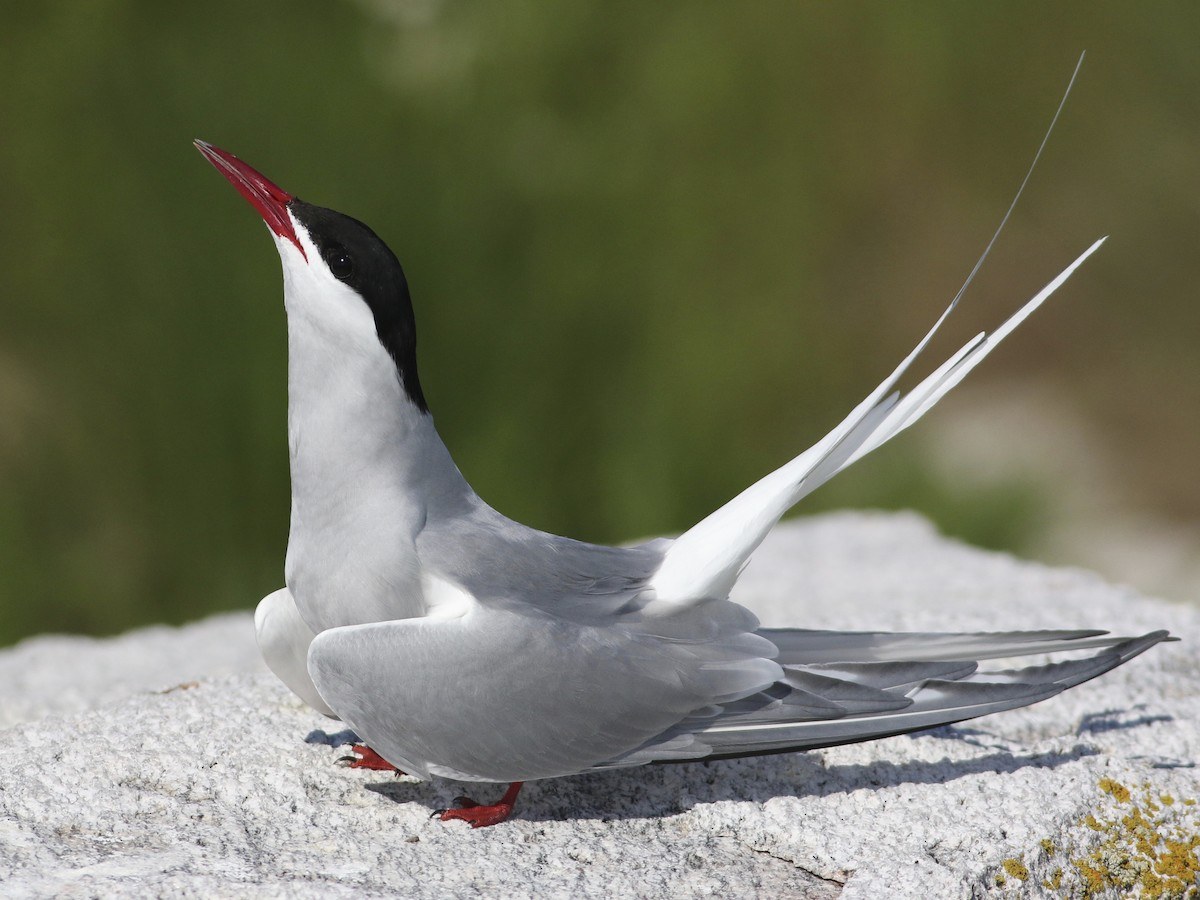
Arctic tern
The migration champion, flying pole to pole and back — the longest journey of any animal.
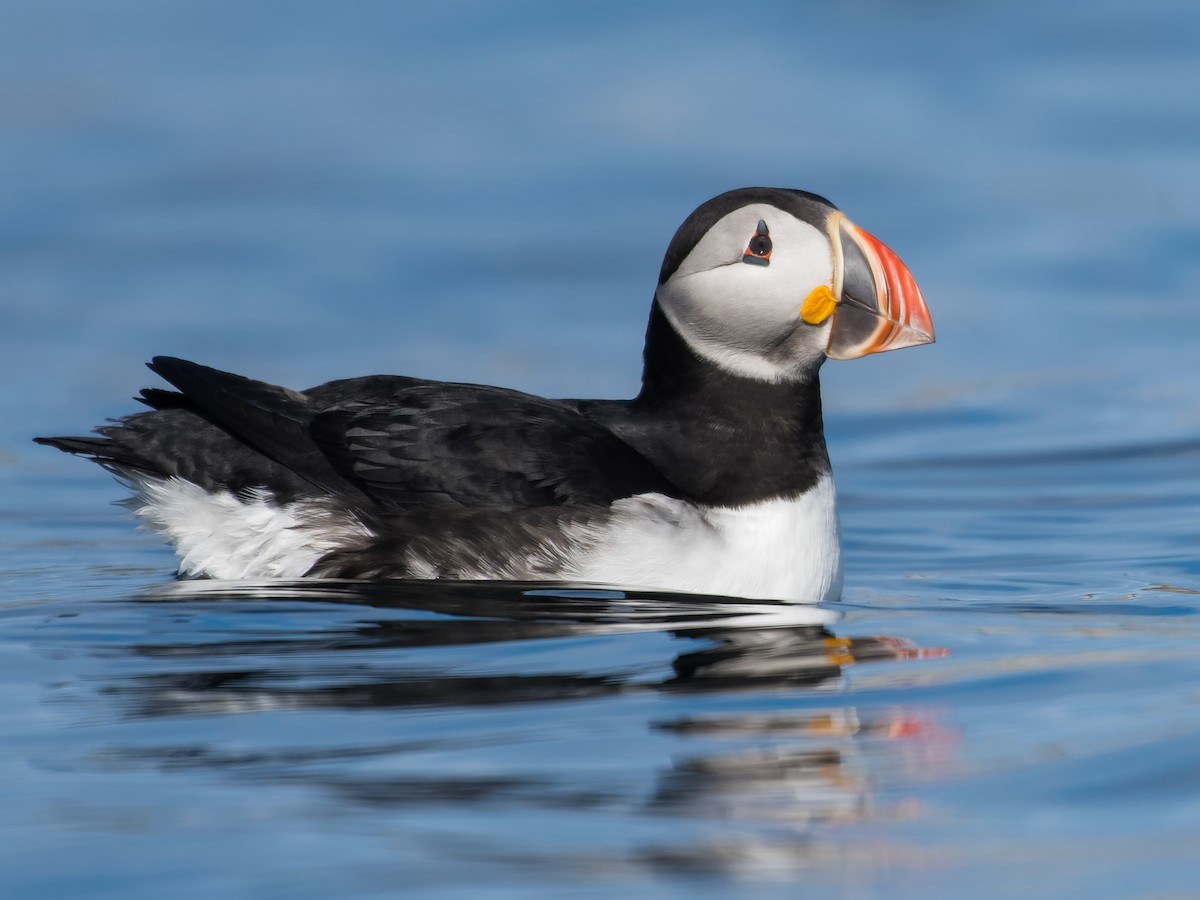
Atlantic puffin
The clown-faced “sea parrot” that nests in burrows on North Atlantic cliffs.
Marine plants & algae
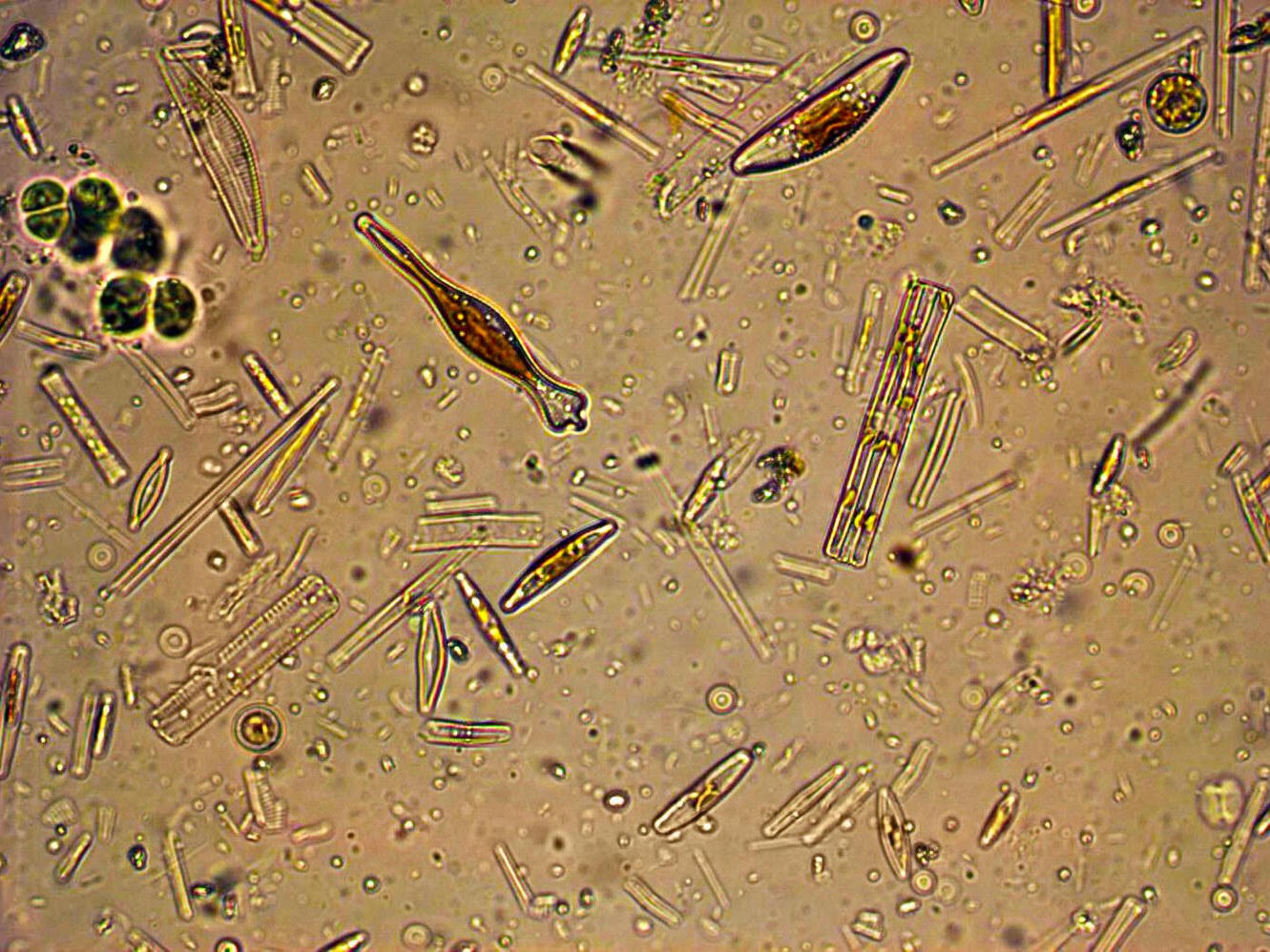
Phytoplankton
Microscopic drifting algae that bloom in their trillions and make much of the air we breathe.
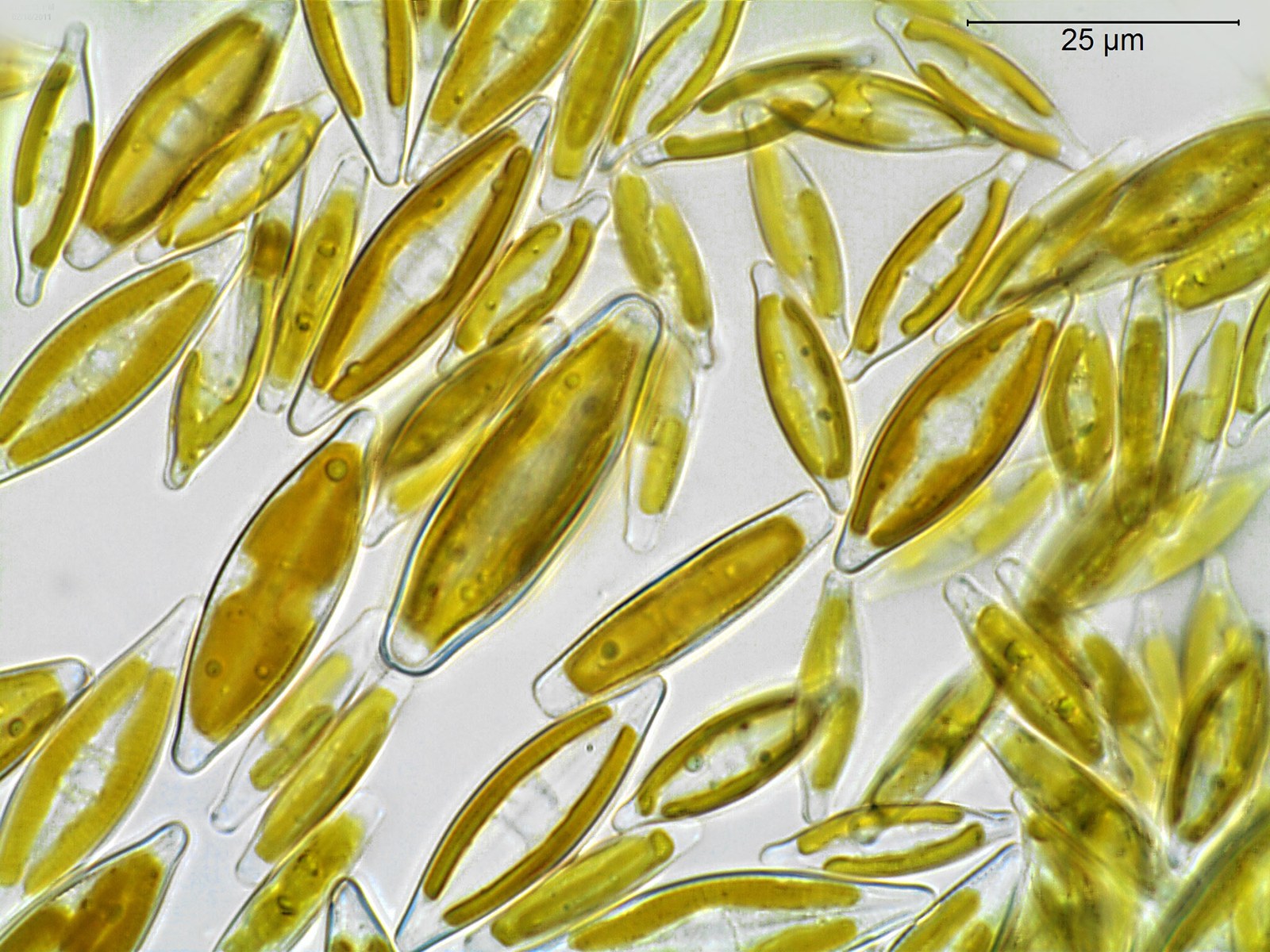
Diatoms
Microalgae in glass-like shells that generate a huge share of the oxygen we breathe.
Surface & deep in the Arctic Ocean
The sea is warm where the Sun reaches it and cold far below. Flip between the sunlit surface and the deep water to feel the difference — these are typical figures for a ocean.
Sunlit surface
20°C
typical surface temperature
Sun-warmed at the top, the open ocean turns cold and black with depth. Below about 1,000 m it hovers near 3–4°C almost everywhere on Earth, no matter the surface weather.
Recorded range for the Arctic Ocean: Near freezing, around −2°C to 3°C