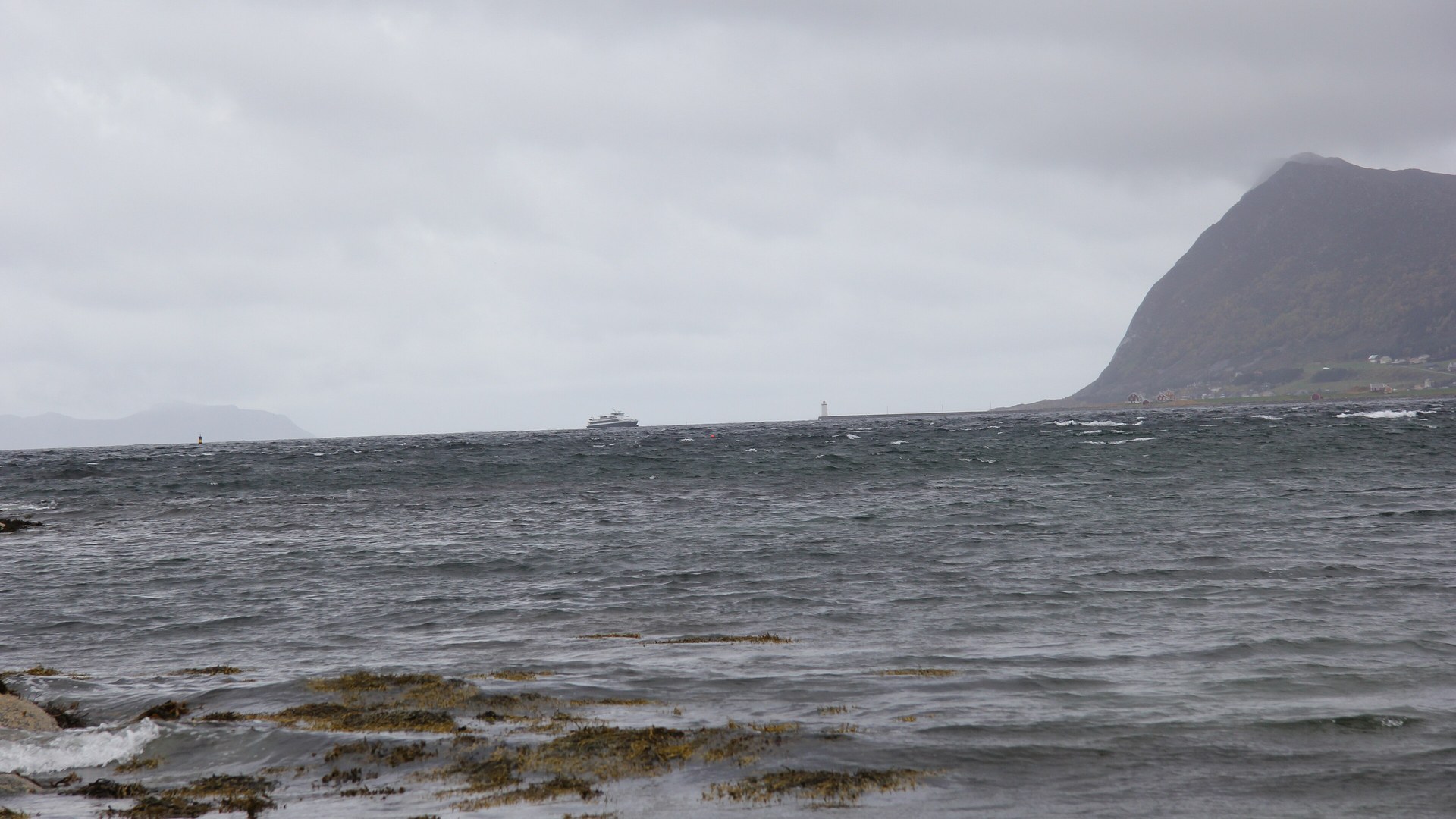
A deep, warm-fed sea off Norway where Atlantic water slips north toward the Arctic, keeping Scandinavia’s coast ice-free.
Area
1,380,000 km²
Ocean basin
Atlantic
Location
A deep gateway between the Atlantic and Arctic
Average depth
about 1,600 m
Maximum depth
about 3,970 m
Salinity
~35 ppt
Temperature
Cold, −1°C to 12°C
Region
Between Norway, Iceland & the Arctic
About the Norwegian Sea
The Norwegian Sea separates Norway from Iceland and the Greenland Sea and, unusually for its far-northern position, stays ice-free year round thanks to the warm North Atlantic Drift. Its deep basin is a key site where cooling surface water sinks to help drive the global ocean conveyor. Whales, herring and vast seabird colonies thrive along its edges.
Did you know?
Unlike most seas at its latitude it almost never freezes, because the warm North Atlantic Drift flows straight through it.
Highlights
- Stays ice-free despite its latitude
- Helps drive the global ocean conveyor
- Rich herring and whale grounds
Photo gallery
Life in the Norwegian Sea
Creatures, seabirds and marine plants — including some of the rarest and strangest — that live in these waters.
Creatures of the deep
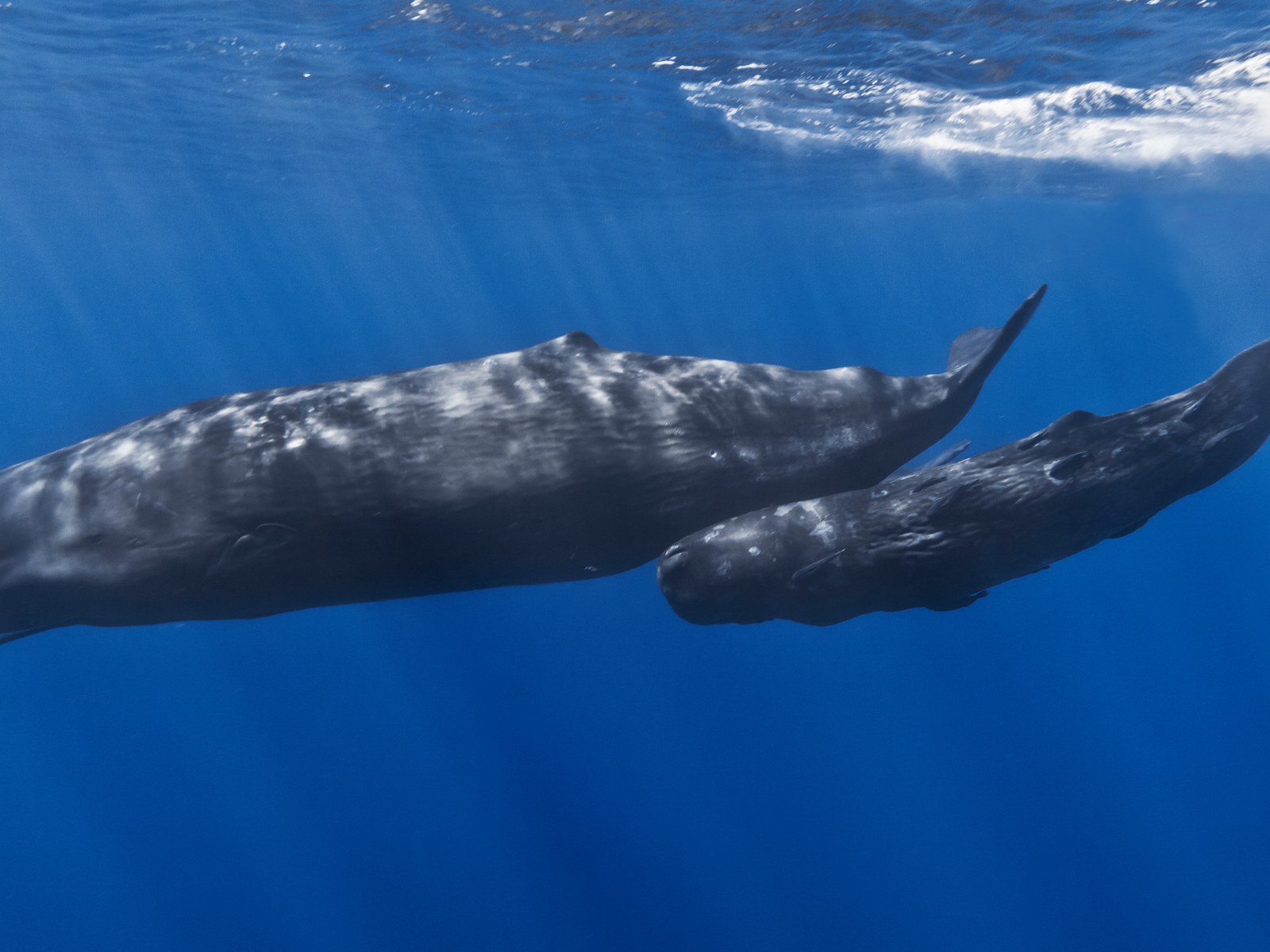
Sperm whale
The largest toothed predator alive, diving over 2 km into the dark to hunt giant squid.
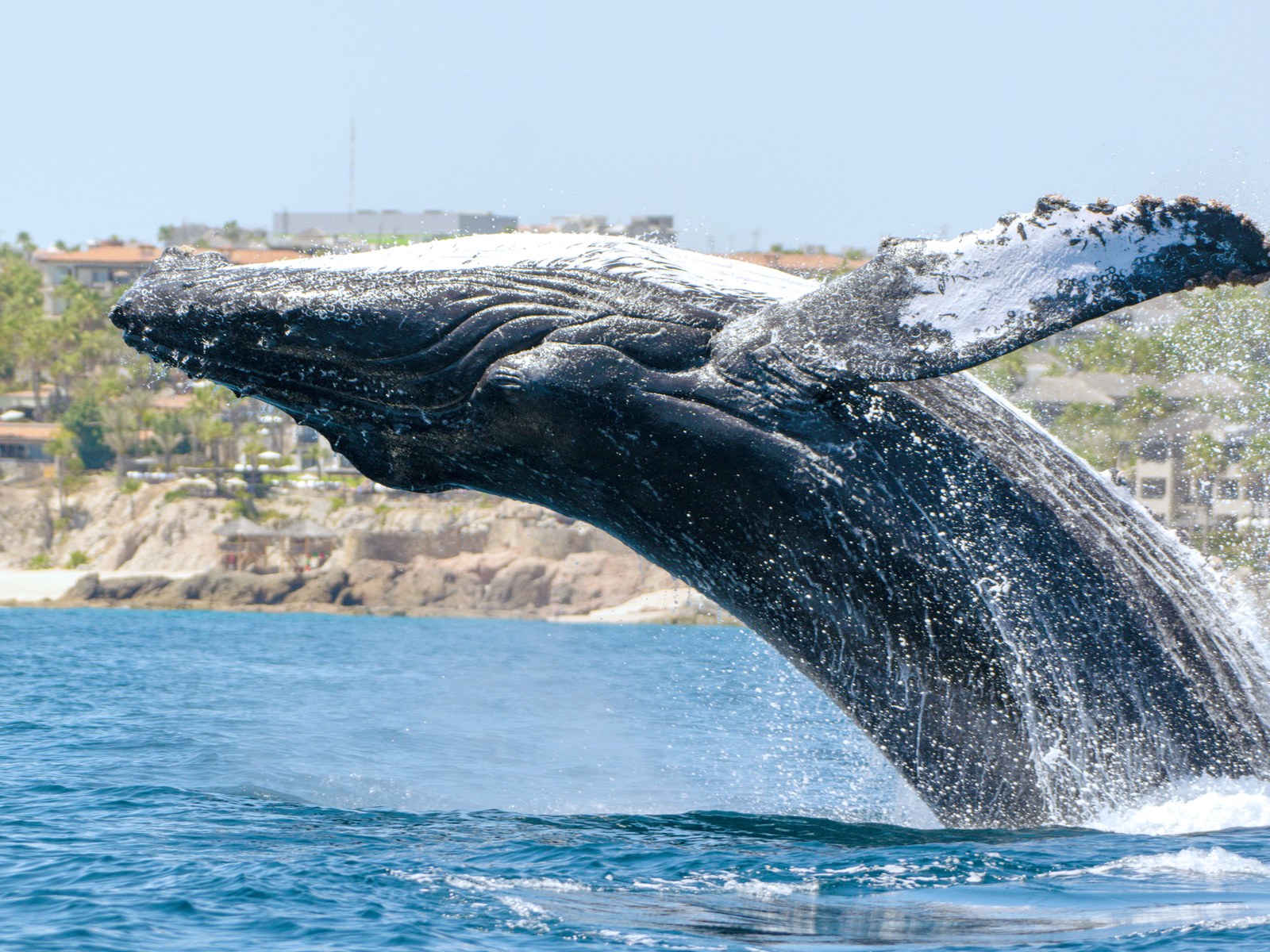
Humpback whale
An acrobatic baleen whale famed for breaching clear of the water and singing haunting songs.
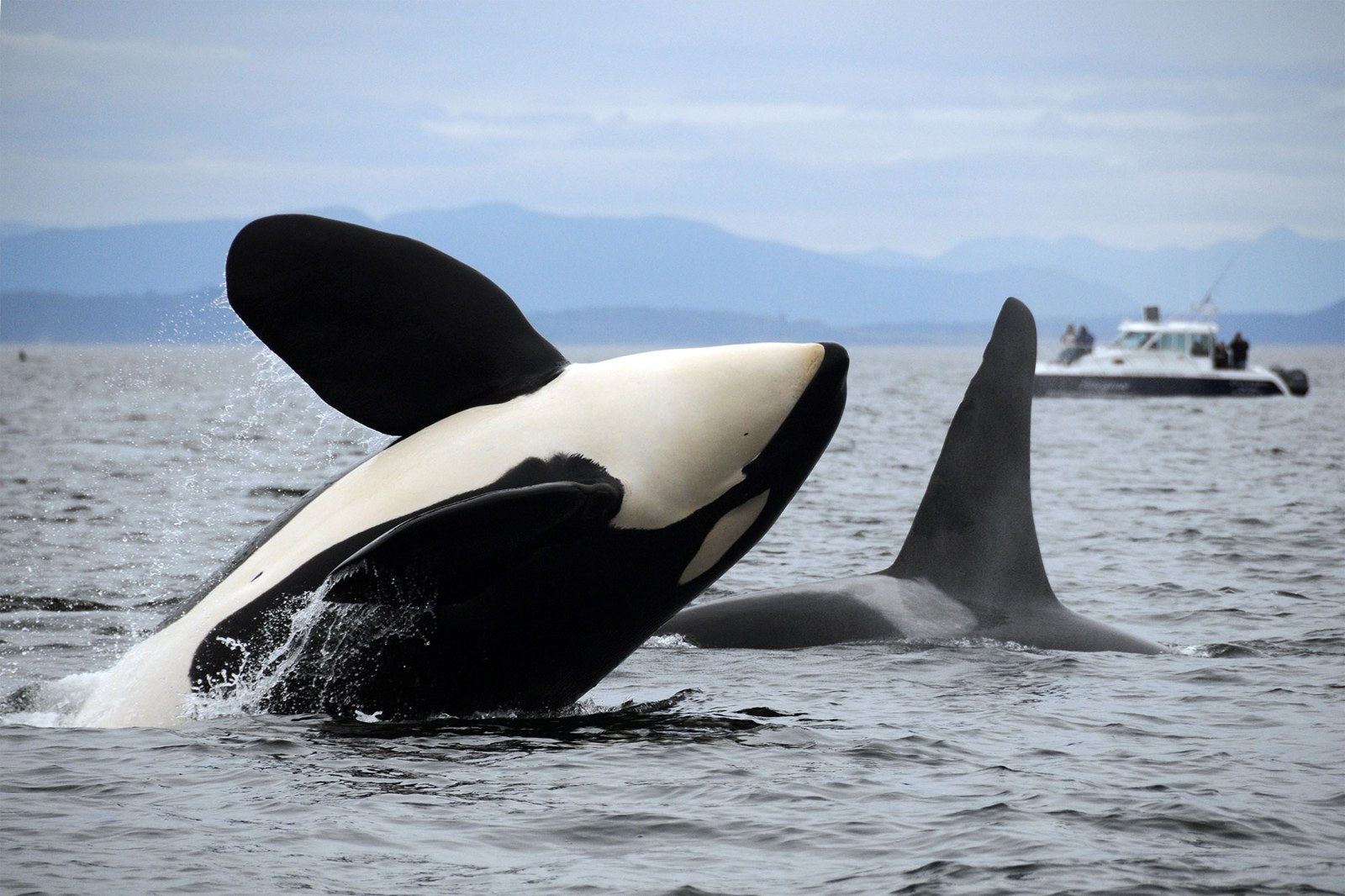
Orca (killer whale)
The ocean’s top predator: a brilliant, family-living dolphin found in every sea.
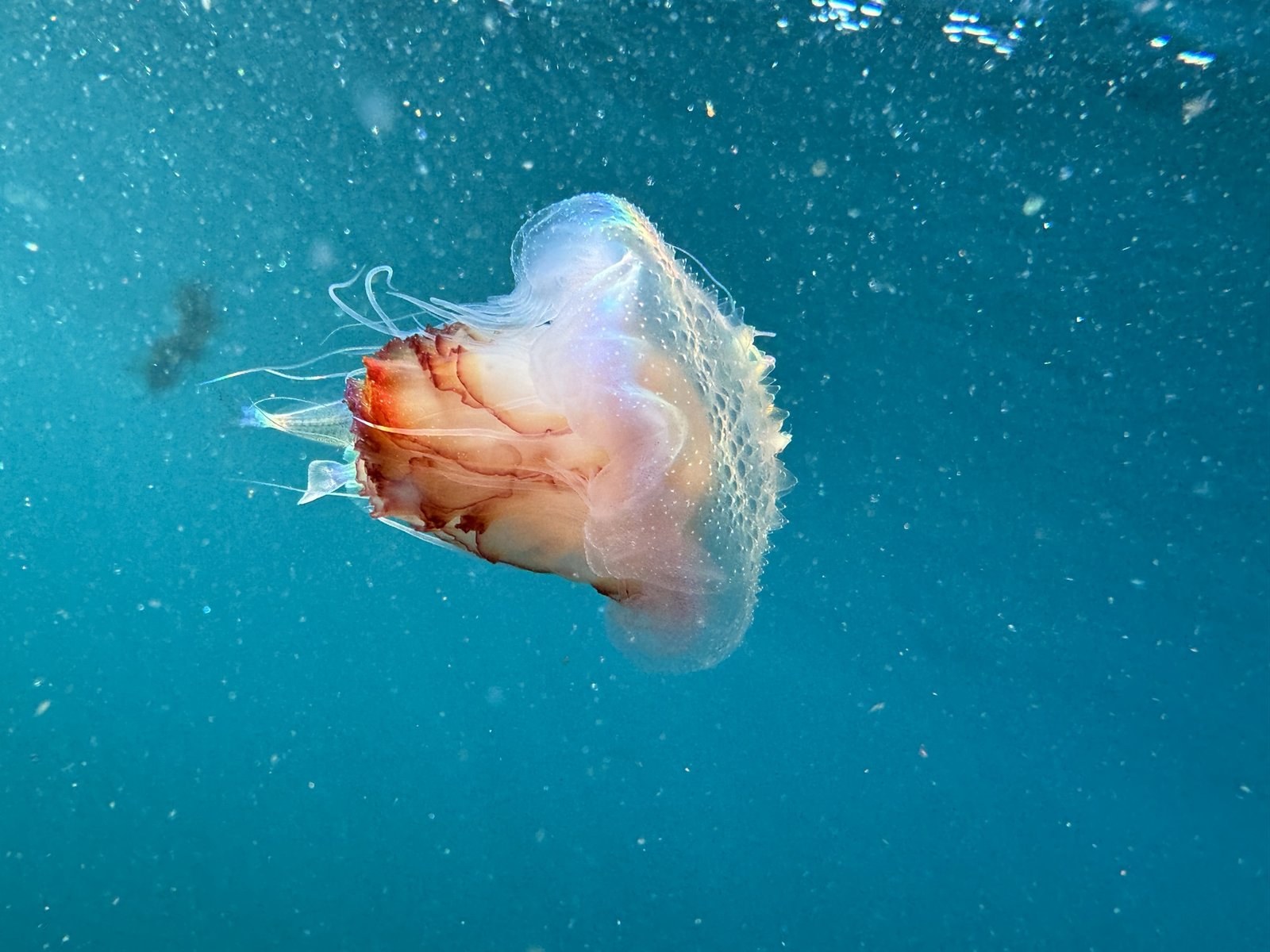
Lion’s mane jellyfish
The largest known jellyfish, trailing a mane of tentacles that can stretch over 30 m.
Seabirds
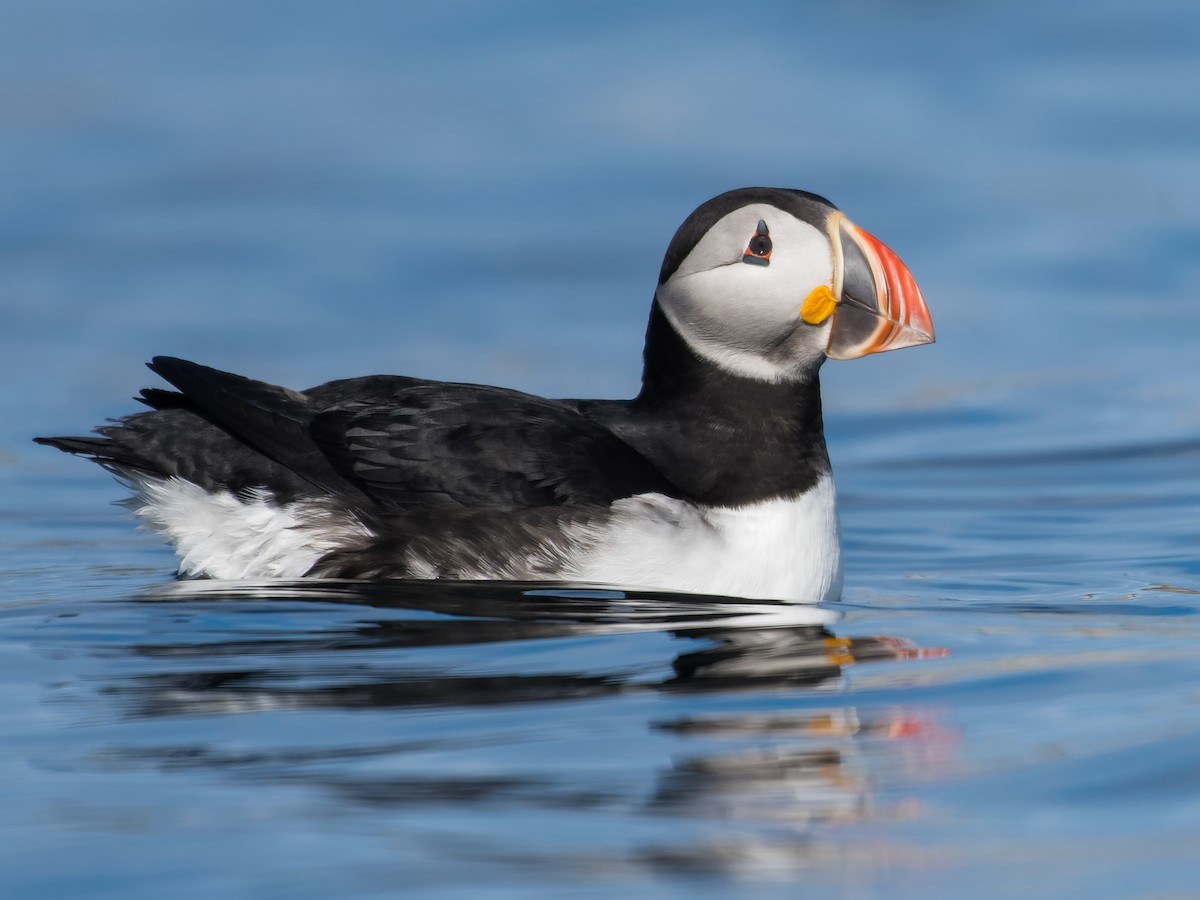
Atlantic puffin
The clown-faced “sea parrot” that nests in burrows on North Atlantic cliffs.
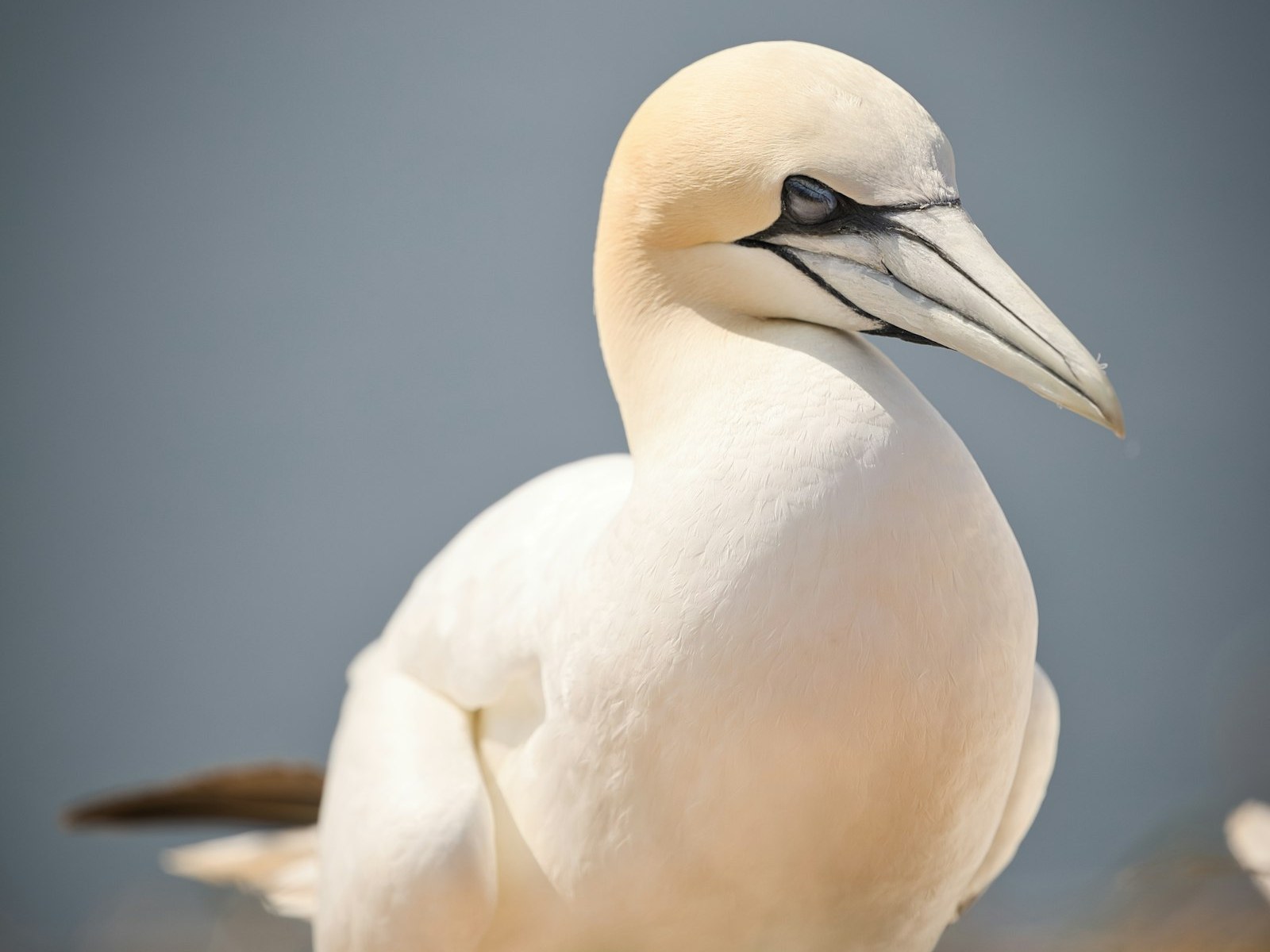
Northern gannet
A big white seabird that folds its wings and dives like an arrow at 100 km/h.
Marine plants & algae
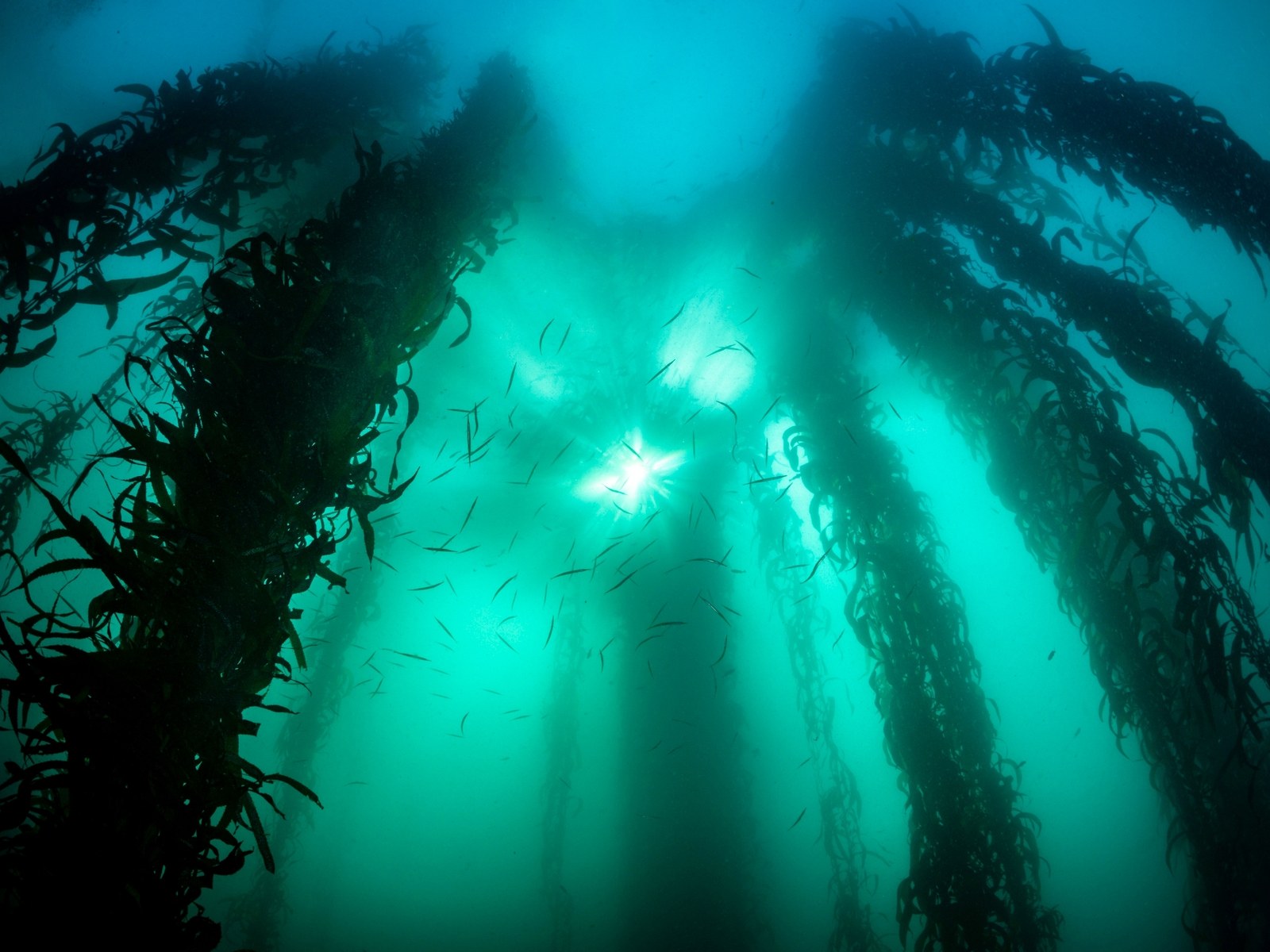
Giant kelp
The fastest-growing seaweed on Earth, building towering underwater forests up to 45 m tall.
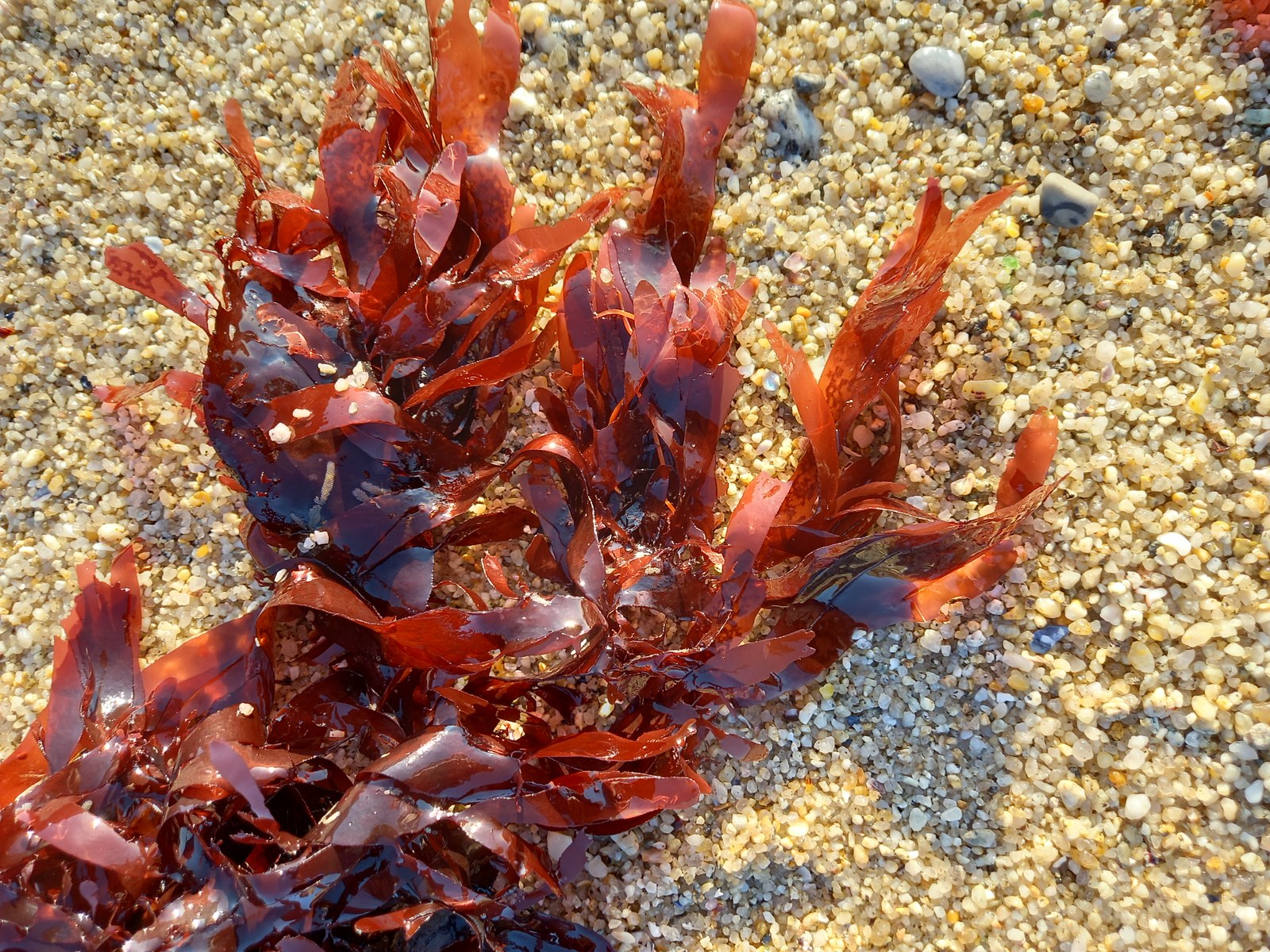
Dulse
A red cold-water seaweed eaten for centuries around the North Atlantic.
Surface & deep in the Norwegian Sea
The sea is warm where the Sun reaches it and cold far below. Flip between the sunlit surface and the deep water to feel the difference — these are typical figures for a sea.
Sunlit surface
22°C
typical surface temperature
Seas warm strongly at the surface in summer, but their deeper water stays cold and still — the sunlight simply never reaches it.
Recorded range for the Norwegian Sea: Cold, −1°C to 12°C