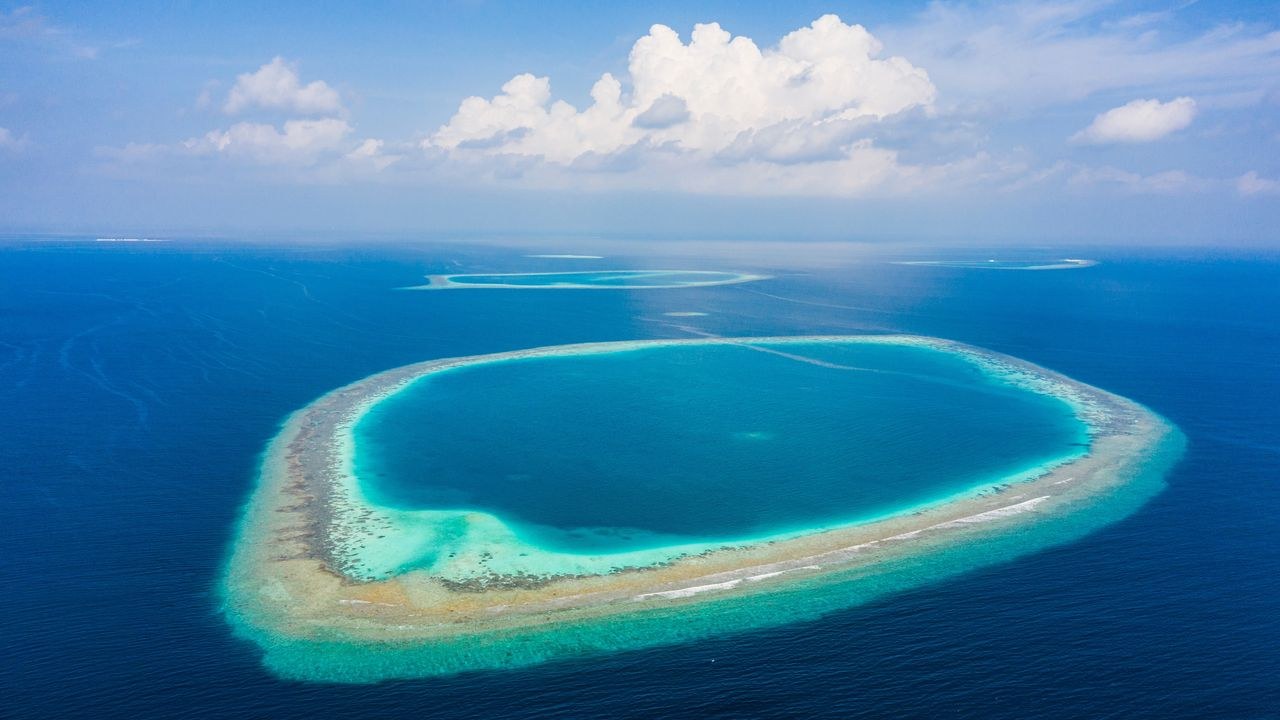
The warmest of the world’s oceans, ringed by Africa, Asia and Australia and driven by the great seasonal monsoon winds.
Area
70,560,000 km²
Ocean basin
Indian
Location
The warmest ocean, cradled by three continents
Average depth
about 3,741 m
Maximum depth
Sunda (Java) Trench — about 7,290 m
Salinity
~32–37 ppt
Temperature
Among the warmest ocean waters, often above 28°C
Region
Between Africa, Asia, Australia & Antarctica
About the Indian Ocean
The Indian Ocean is bounded by Africa, the Middle East and South Asia to the north, and opens to the Southern Ocean in the south. Unlike other oceans it is almost landlocked in the north, and the reversing monsoon winds drive its currents in a way found nowhere else. It carries much of the world’s oil shipping and holds rich coral reefs, from the Maldives to the Red Sea.
Did you know?
Its surface waters are the warmest of any ocean, which helps power the monsoon that waters the farms of billions of people in Asia.
Highlights
- The warmest of the world’s oceans
- Its monsoon winds reverse with the seasons
- A vital route for global oil and trade
Photo gallery
Life in the Indian Ocean
Creatures, seabirds and marine plants — including some of the rarest and strangest — that live in these waters.
Creatures of the deep
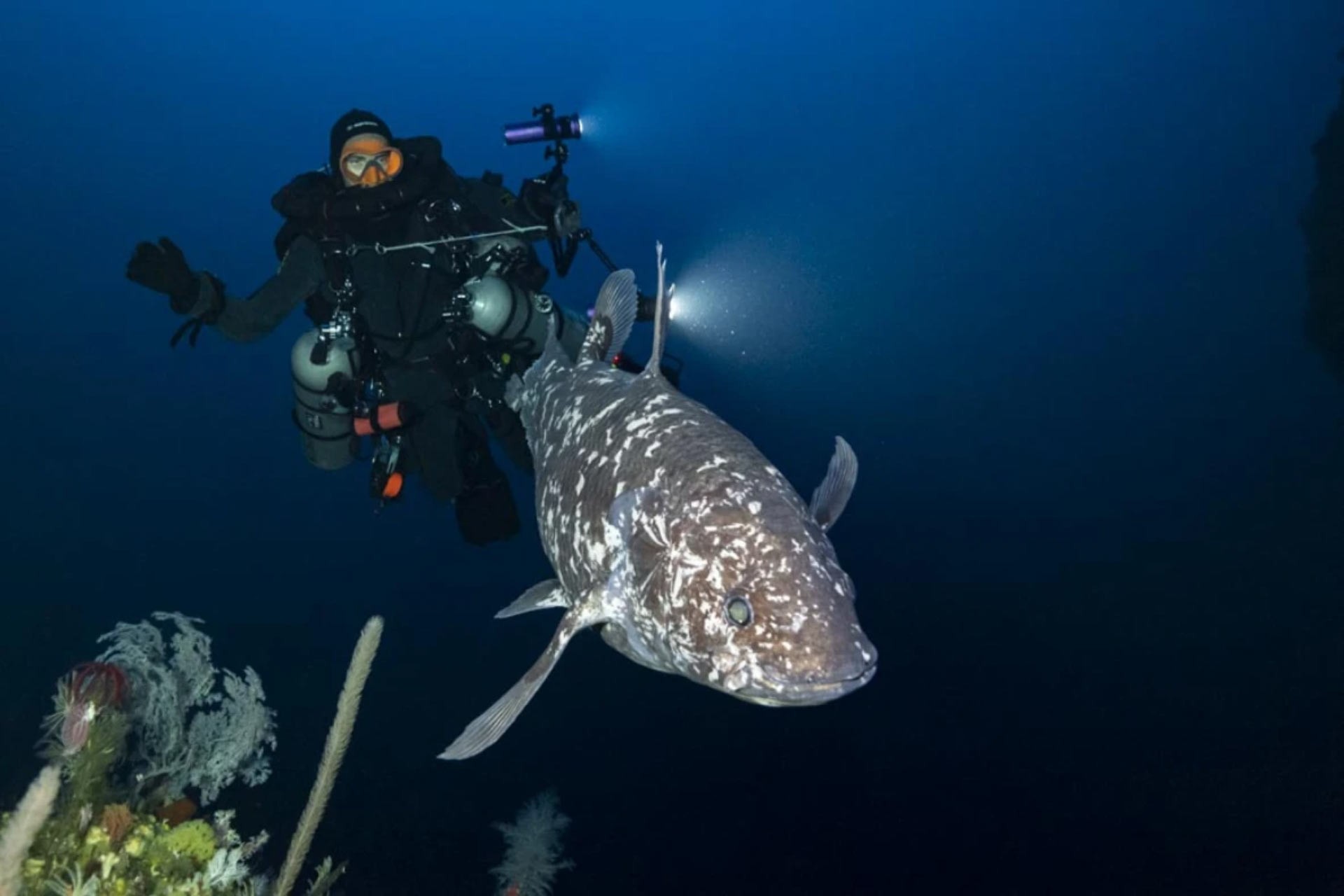
Coelacanth
A lobe-finned “fossil fish” believed extinct for 66 million years — until one was netted in 1938.
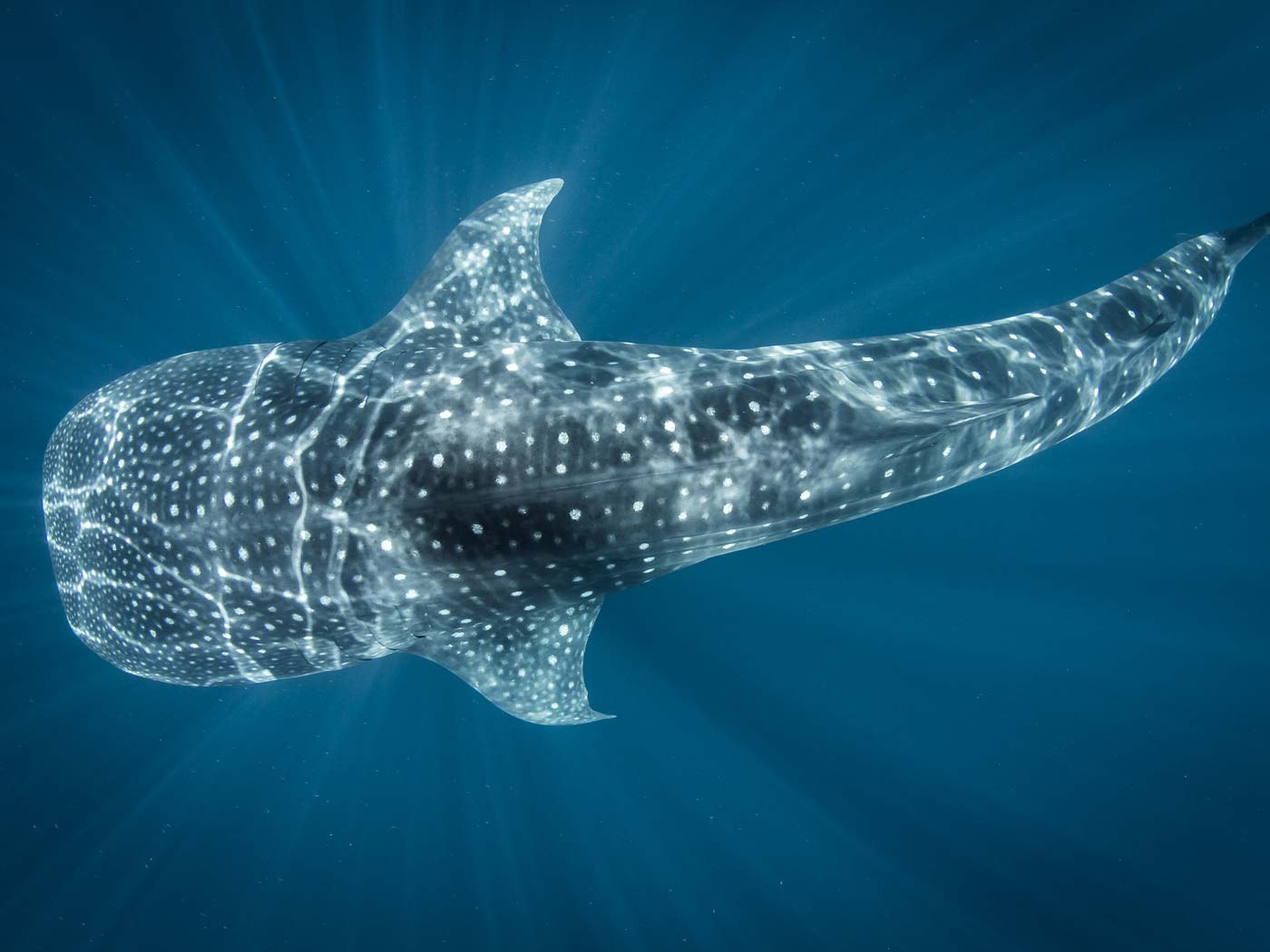
Whale shark
The largest fish alive — a spotted, harmless giant that strains plankton from the sea.
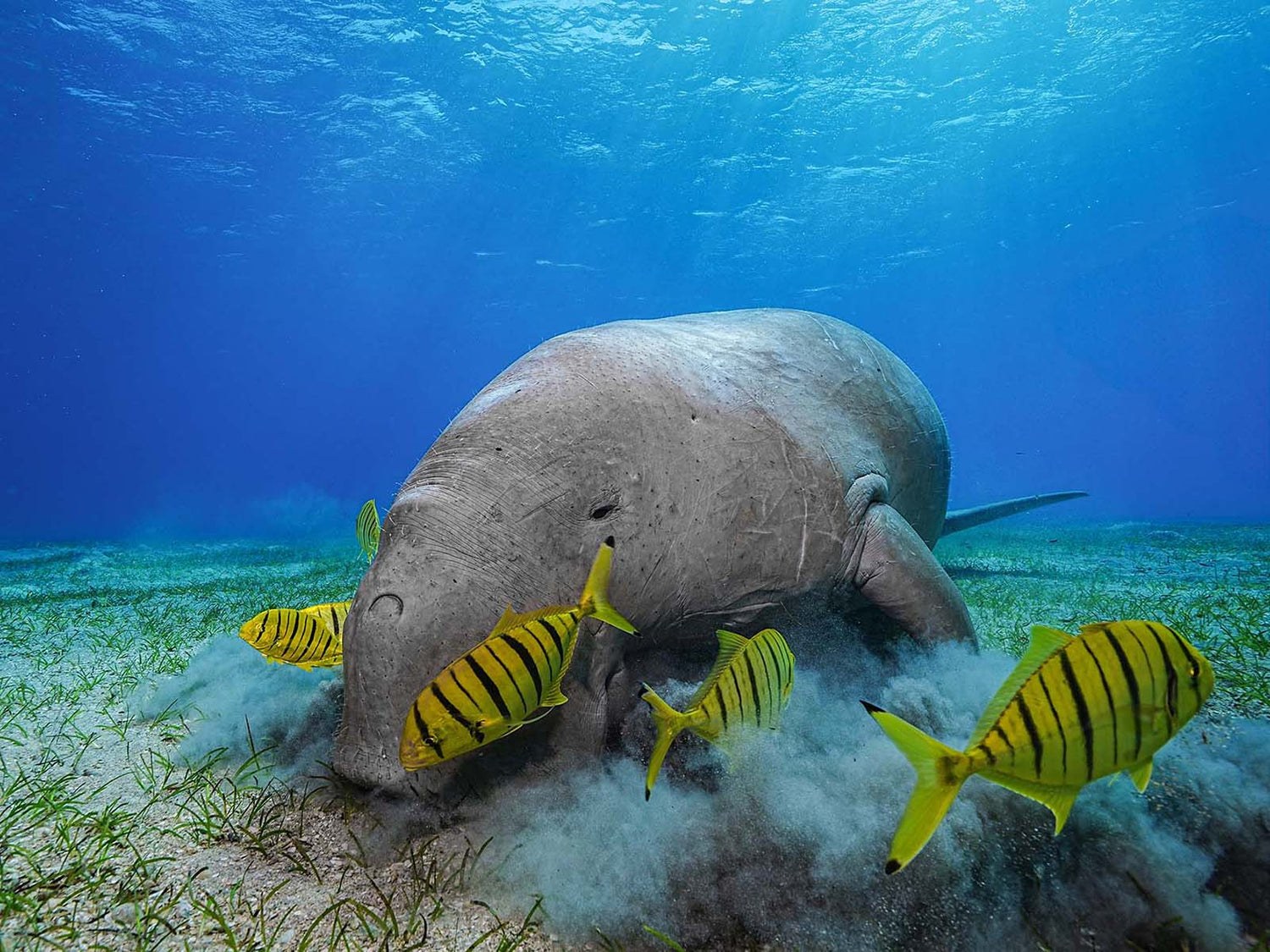
Dugong
A gentle seagrass-grazing “sea cow” of warm Indo-Pacific coasts, cousin to the manatee.
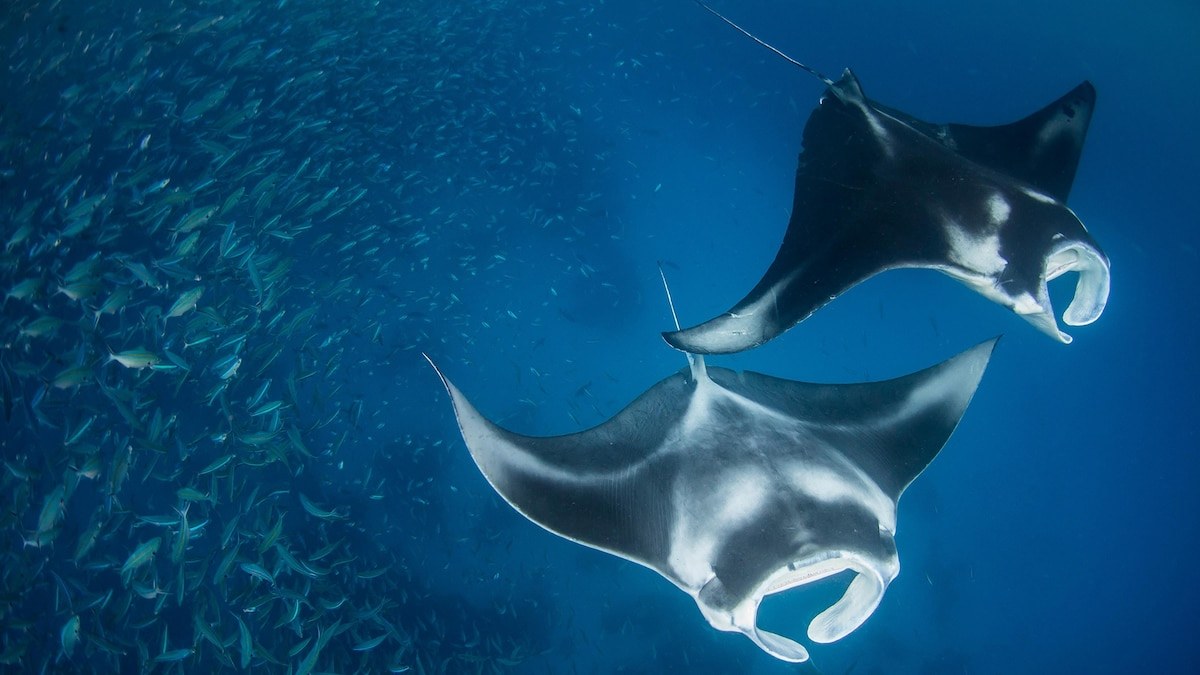
Manta ray
A gentle giant that “flies” through the water on wings up to seven metres across.
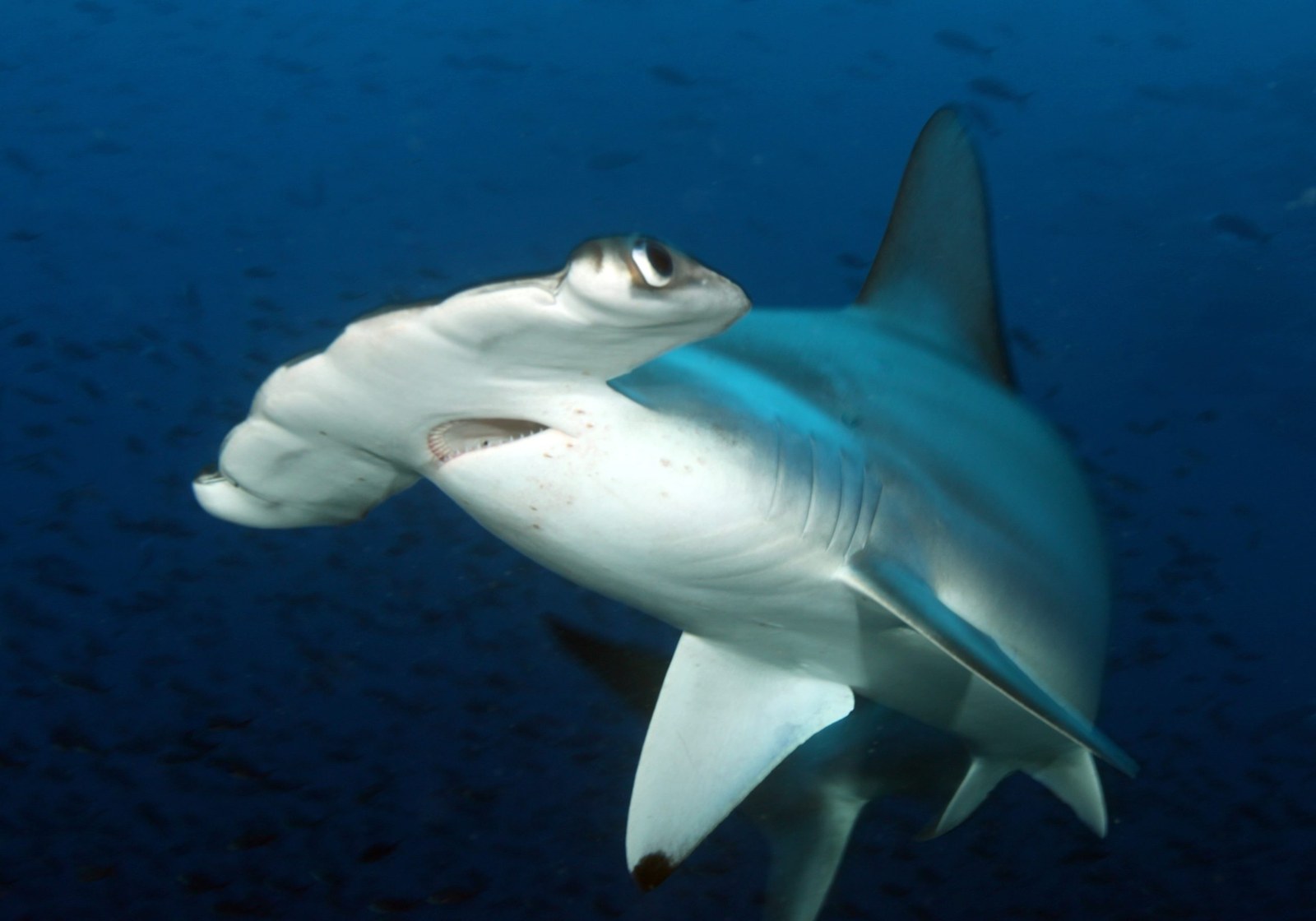
Hammerhead shark
Its wing-shaped head is packed with sensors that detect prey buried in the sand.
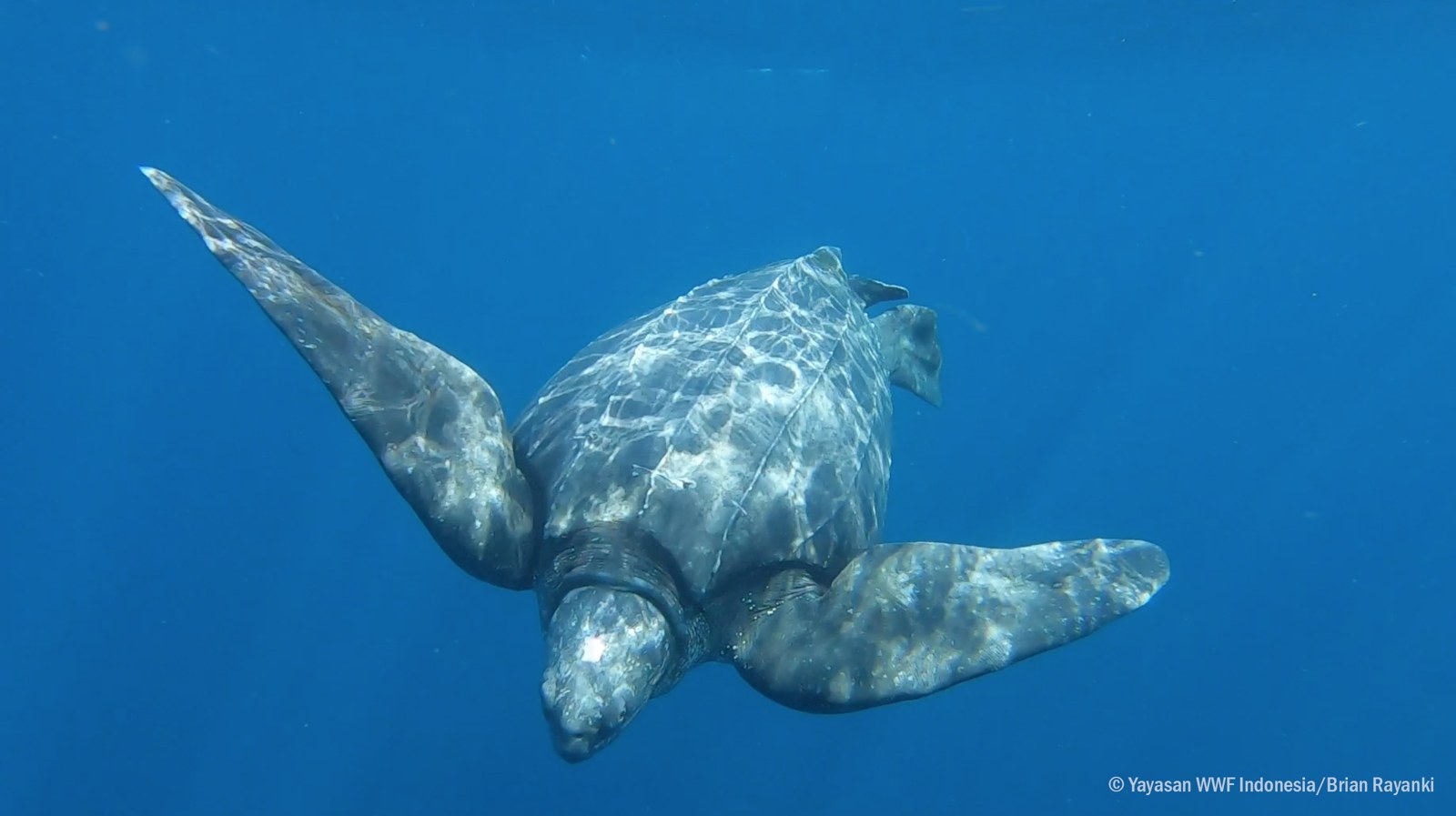
Leatherback turtle
The largest sea turtle, diving over 1,000 m in pursuit of jellyfish.
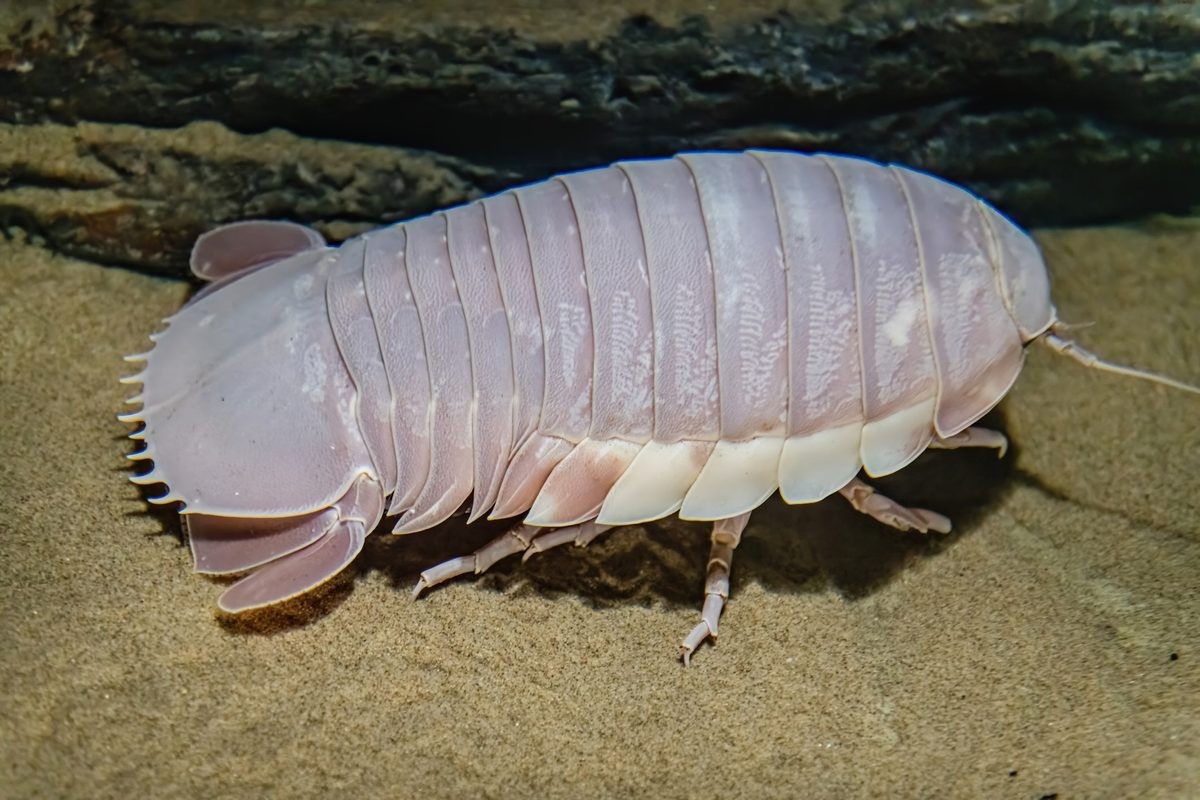
Giant isopod
A deep-sea relative of the woodlouse that can grow to the size of a small cat.
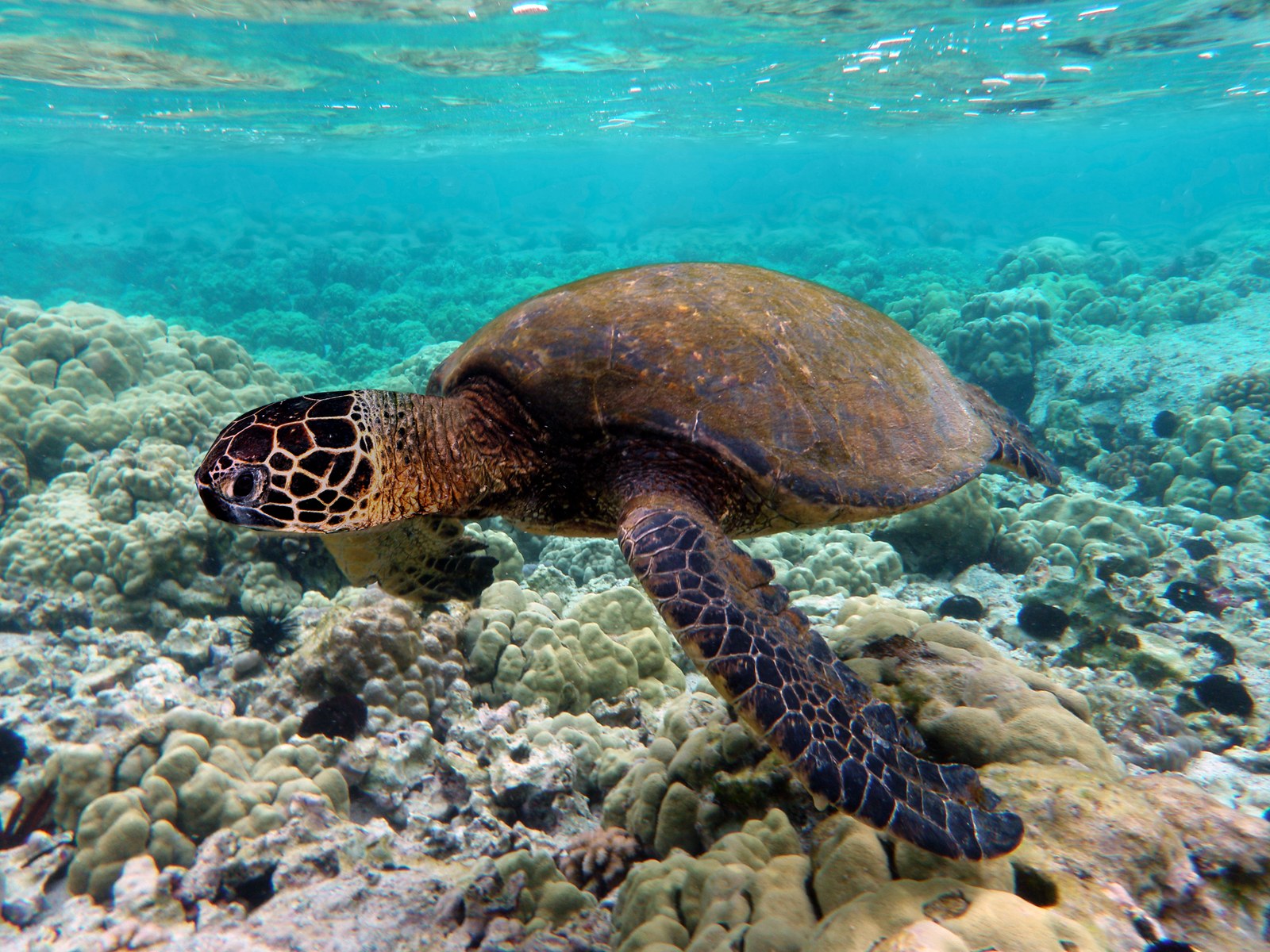
Green sea turtle
The only sea turtle that grazes seagrass as an adult, which tints its fat green.
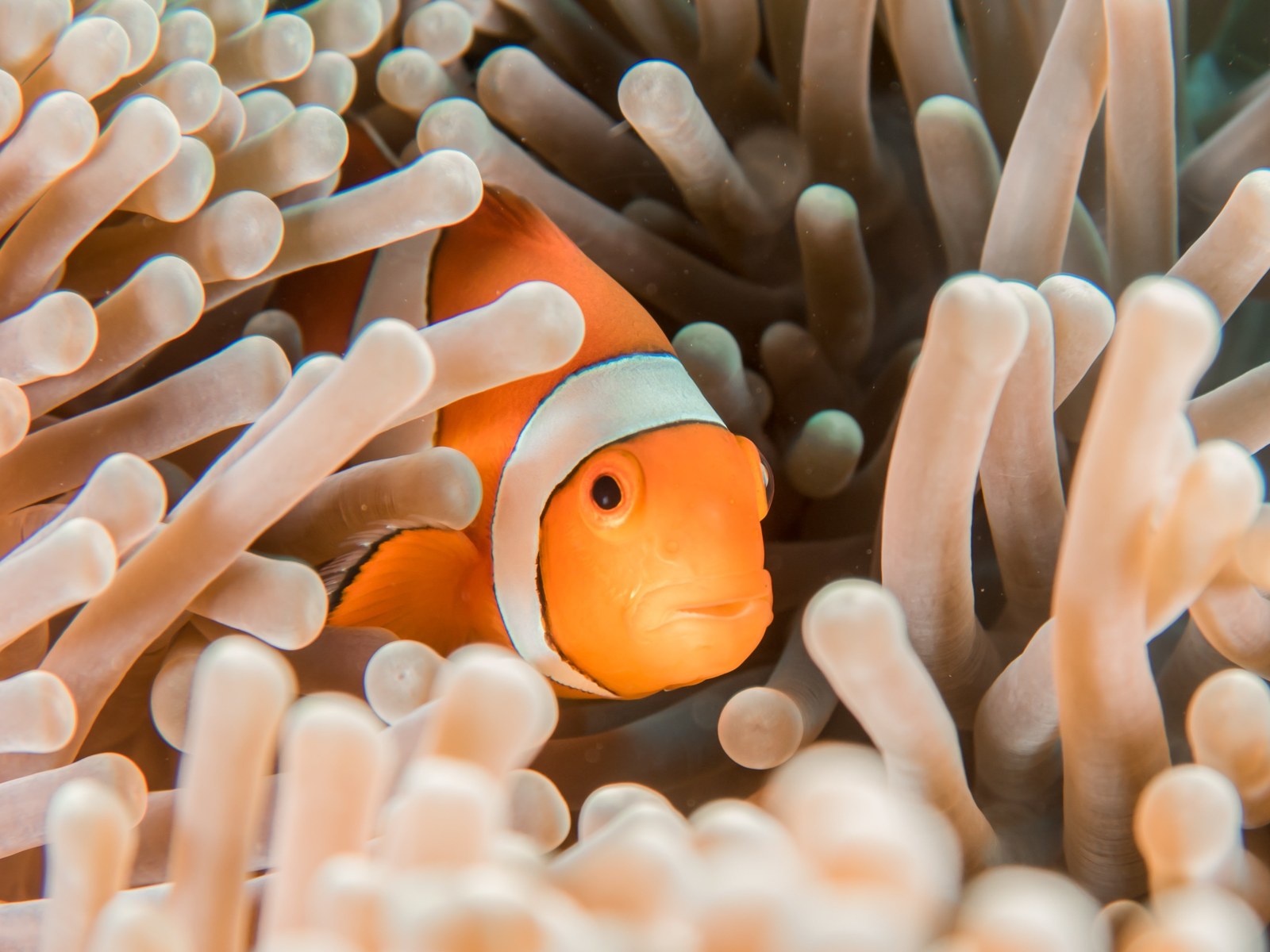
Clownfish
Lives unharmed among an anemone’s stinging tentacles; every clownfish is born male.
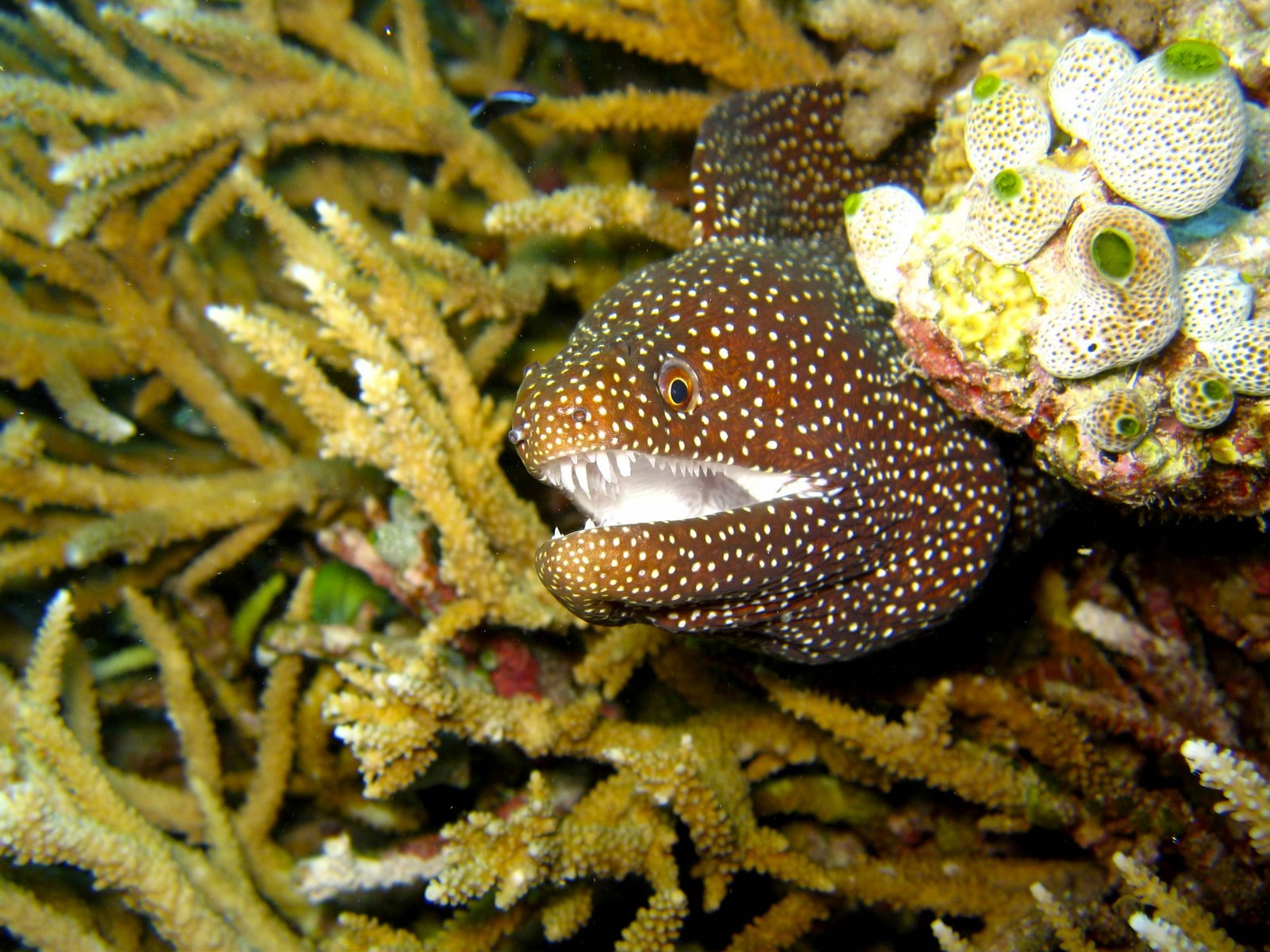
Moray eel
A reef ambush predator with a hidden second set of jaws in its throat to drag prey down.
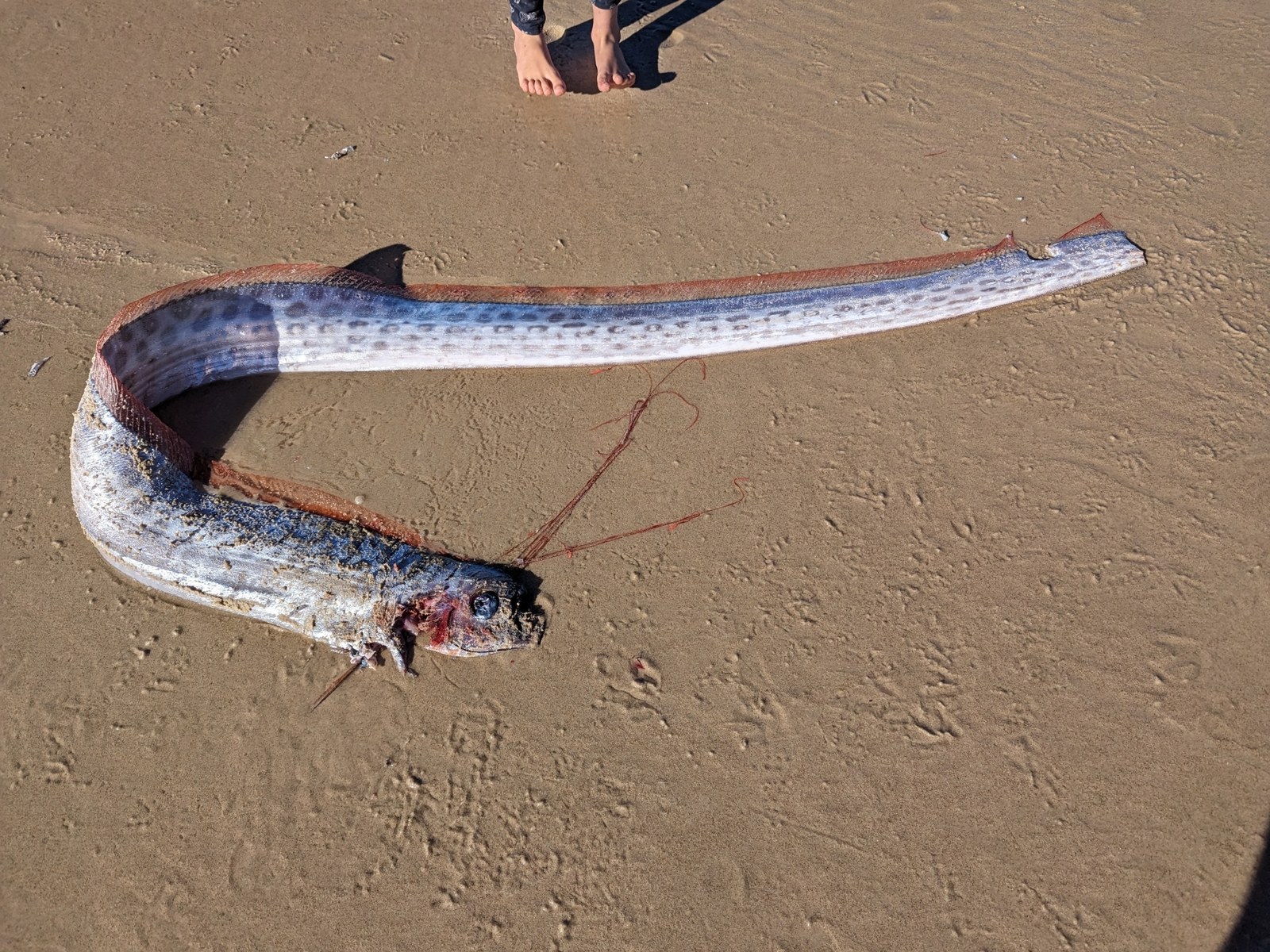
Oarfish
The longest bony fish on Earth — a ribbon up to 8 m that inspired sea-serpent legends.
Seabirds
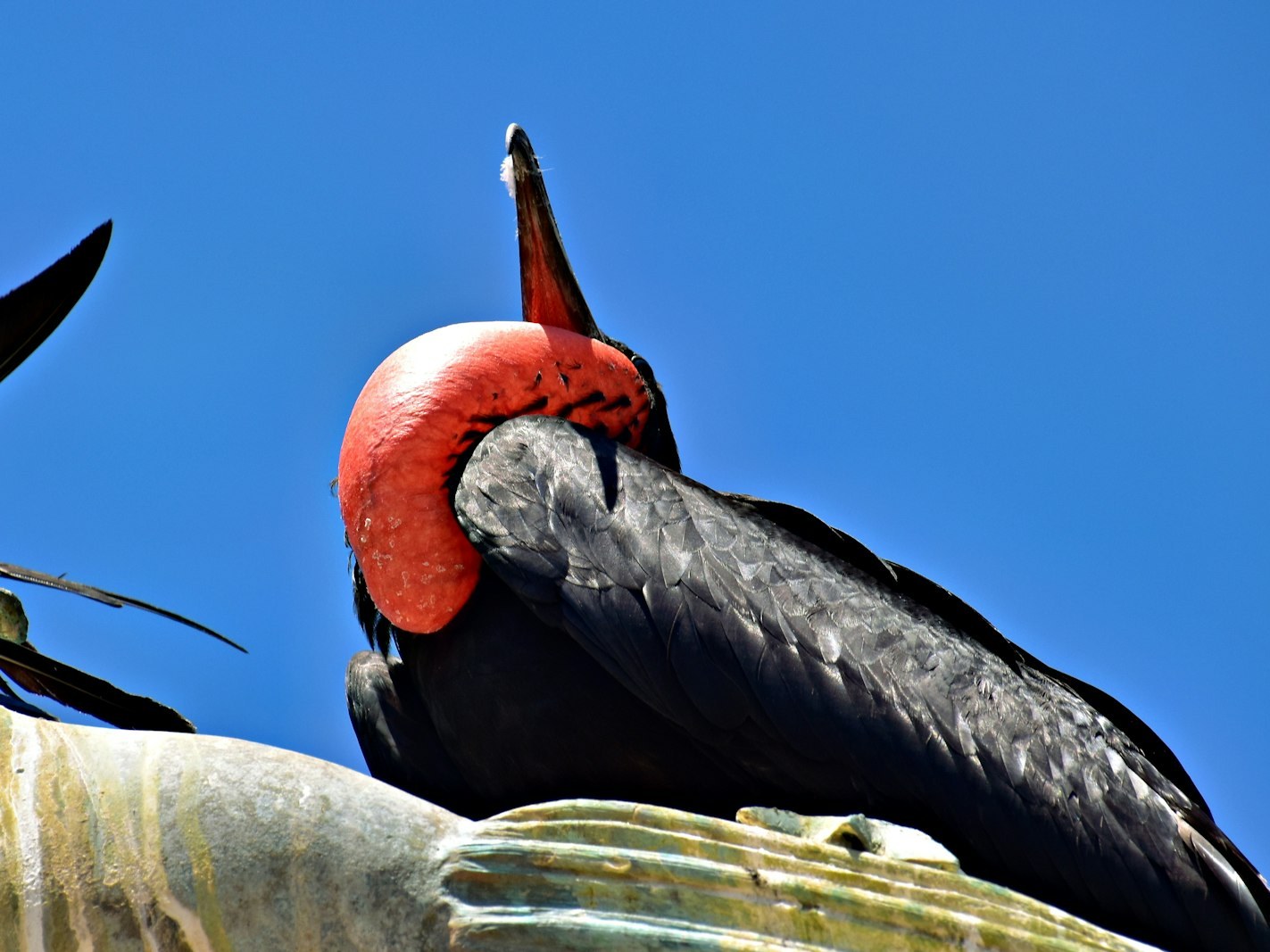
Frigatebird
A pirate of tropical skies; the male balloons a scarlet throat pouch to court mates.
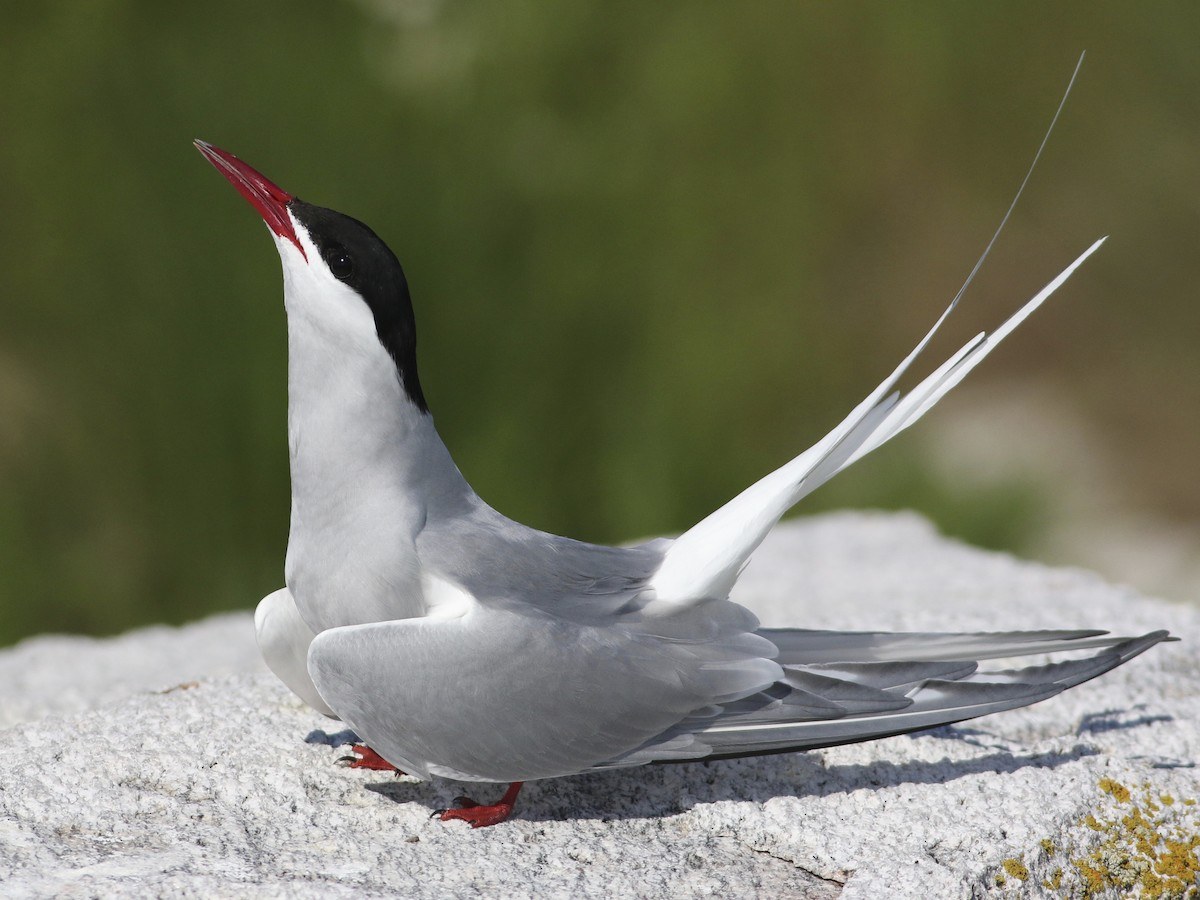
Arctic tern
The migration champion, flying pole to pole and back — the longest journey of any animal.
Marine plants & algae
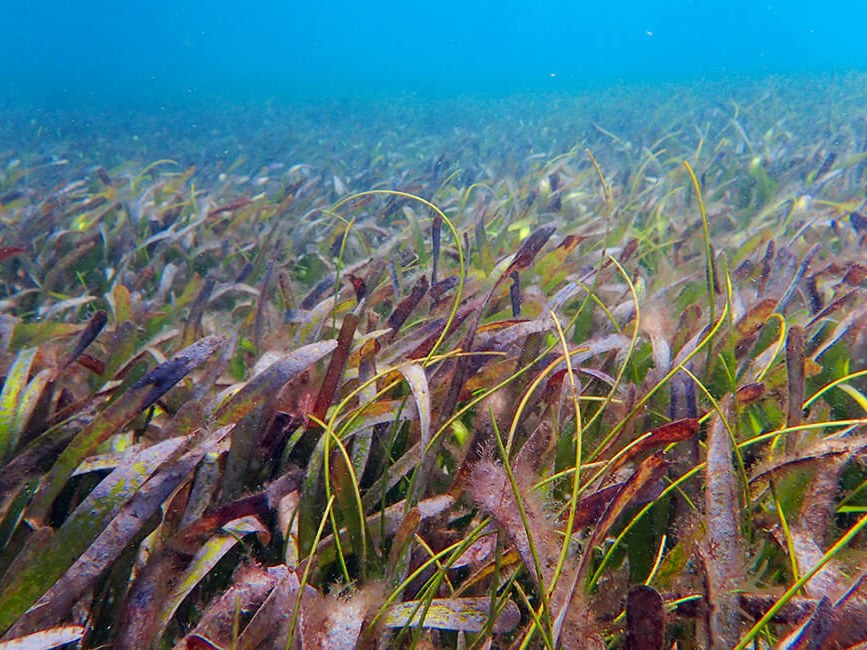
Turtle grass
A tropical seagrass whose meadows feed turtles, manatees and dugongs.
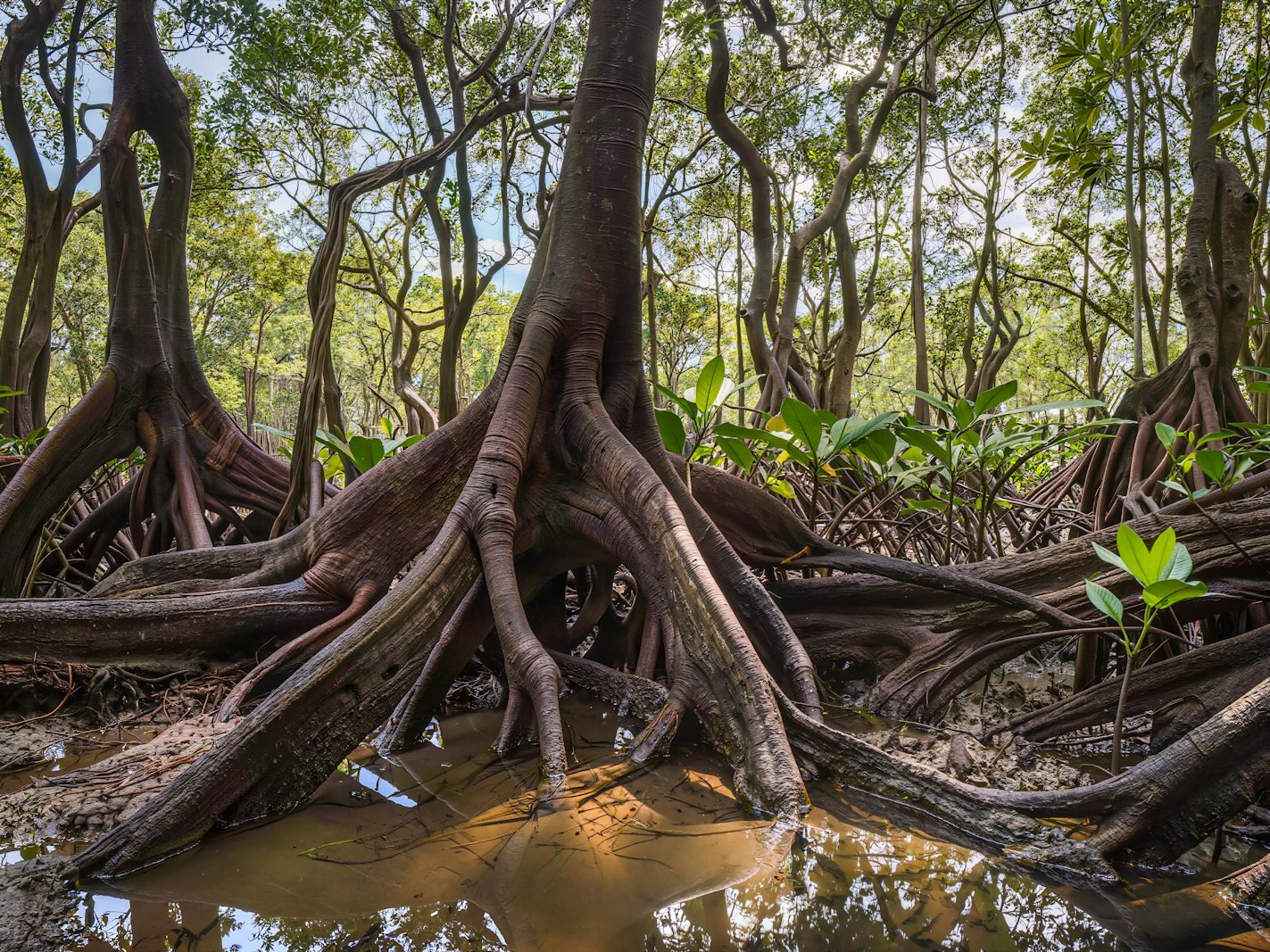
Mangrove
Salt-tolerant coastal trees whose tangled roots shelter young fish and buffer storms.
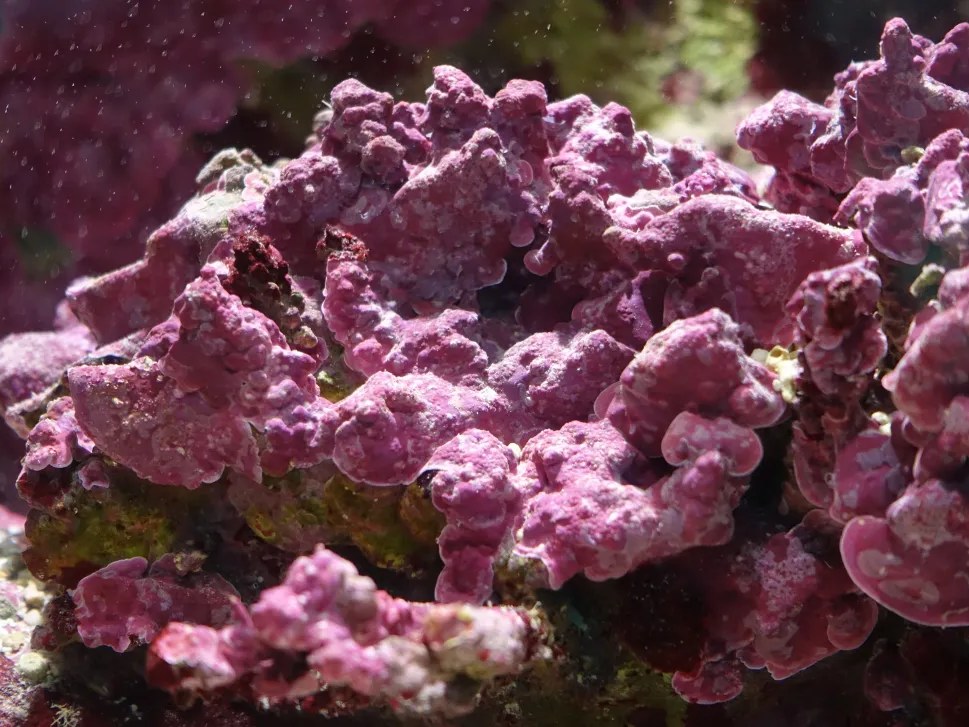
Coralline algae
Stony pink algae that cement coral reefs together and help them grow.
Surface & deep in the Indian Ocean
The sea is warm where the Sun reaches it and cold far below. Flip between the sunlit surface and the deep water to feel the difference — these are typical figures for a ocean.
Sunlit surface
20°C
typical surface temperature
Sun-warmed at the top, the open ocean turns cold and black with depth. Below about 1,000 m it hovers near 3–4°C almost everywhere on Earth, no matter the surface weather.
Recorded range for the Indian Ocean: Among the warmest ocean waters, often above 28°C