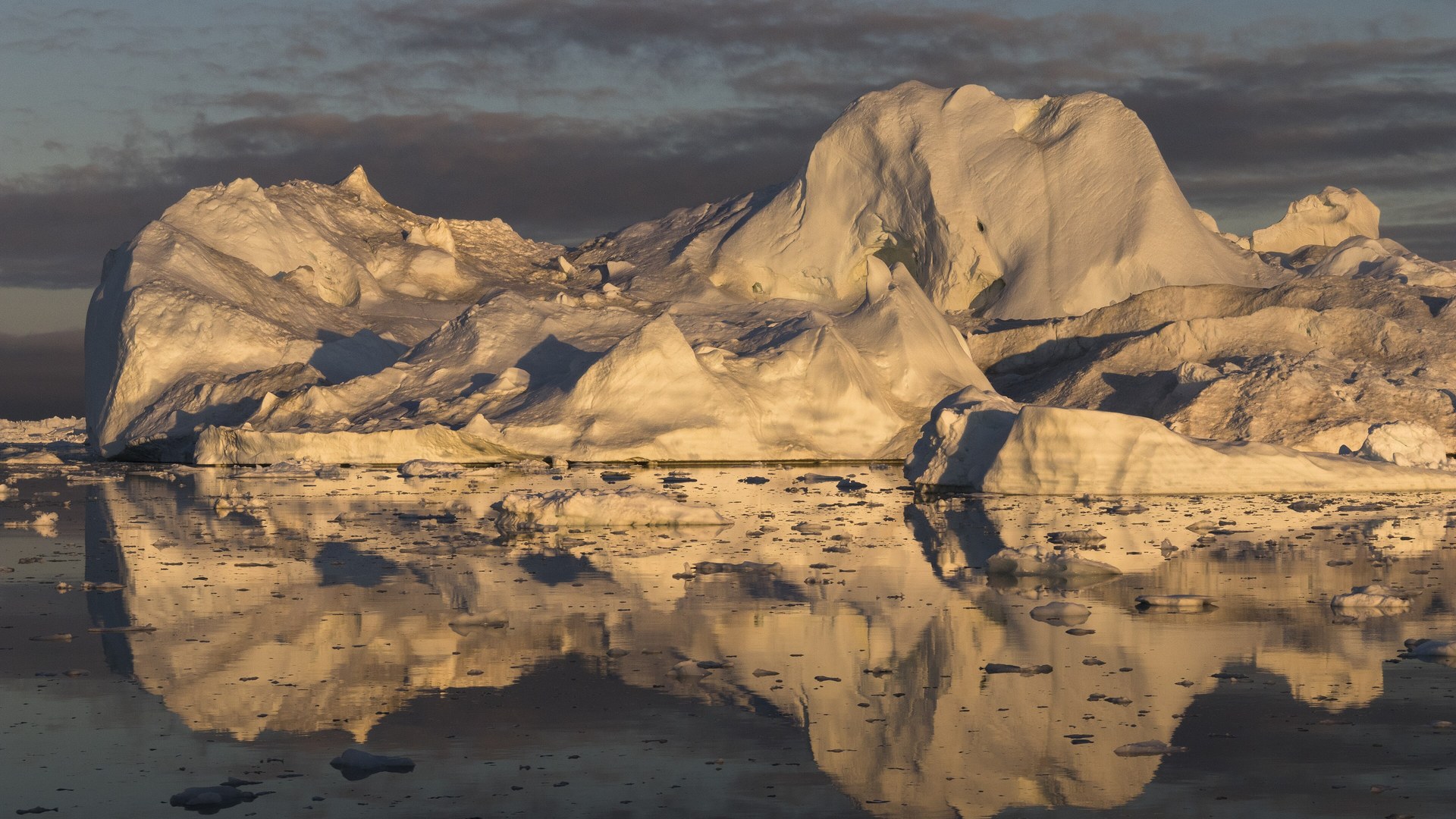
A cold, iceberg-strewn Arctic sea off Greenland where surface water sinks to power the deep global ocean circulation.
Area
1,205,000 km²
Ocean basin
Arctic
Location
An ice-choked Arctic sea and engine of the ocean conveyor
Average depth
about 1,440 m
Maximum depth
about 4,850 m
Salinity
~34 ppt
Temperature
Icy, −1.8°C to 6°C
Region
Between Greenland, Iceland & Svalbard
About the Greenland Sea
The Greenland Sea lies between Greenland, Iceland and the Svalbard archipelago, carrying the cold East Greenland Current and its cargo of drift ice and icebergs southward. It is one of the planet’s key “deep-water formation” sites, where chilled surface water plunges to the depths and helps circulate the whole world ocean. Whales, seals and seabirds crowd its ice edge.
Did you know?
Here the surface ocean grows so cold and dense that it sinks kilometres down — one of the few places on Earth that drives the global conveyor.
Highlights
- A birthplace of the deep ocean conveyor
- Carries drift ice and icebergs south
- Teeming ice-edge wildlife
Photo gallery
Life in the Greenland Sea
Creatures, seabirds and marine plants — including some of the rarest and strangest — that live in these waters.
Creatures of the deep
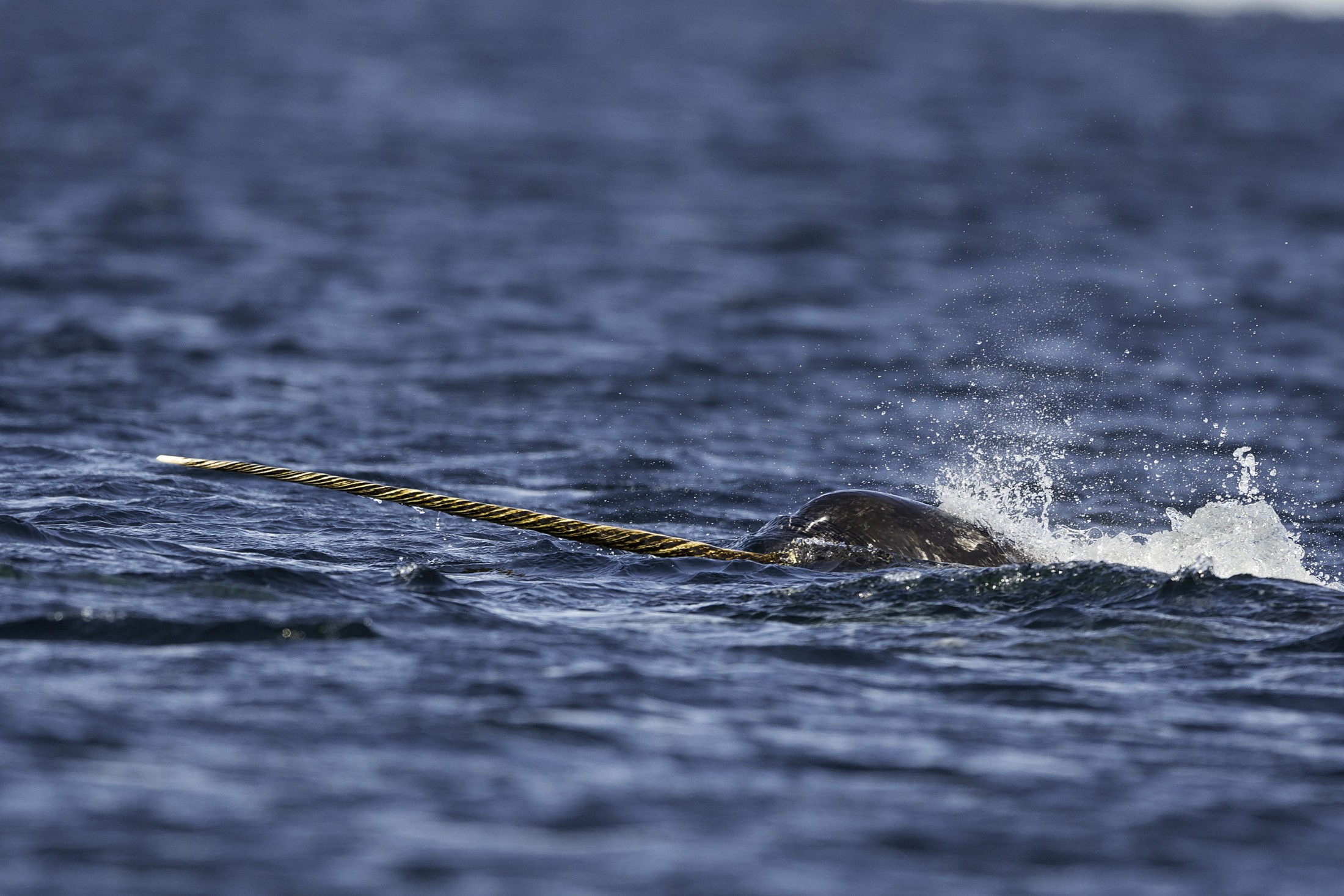
Narwhal
The “unicorn of the sea”, an Arctic whale whose tusk is a single spiralled tooth.
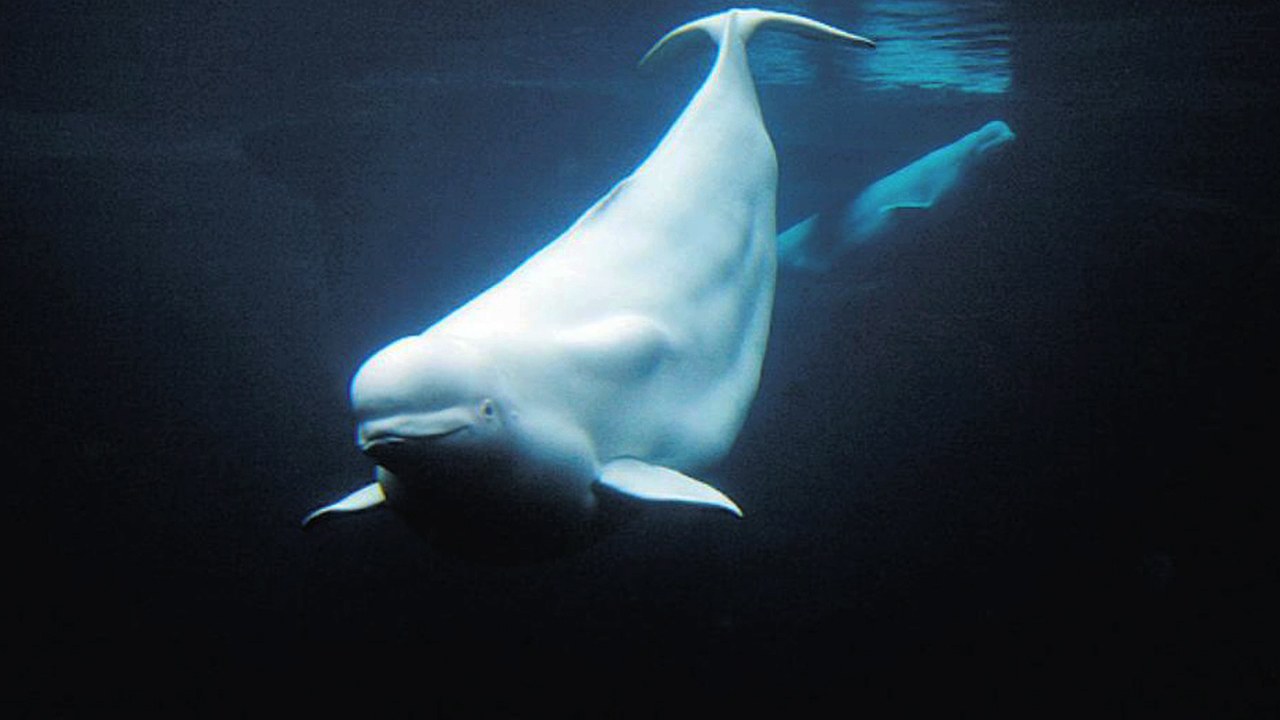
Beluga whale
The chatty white “canary of the sea” of the Arctic, famed for its range of calls.
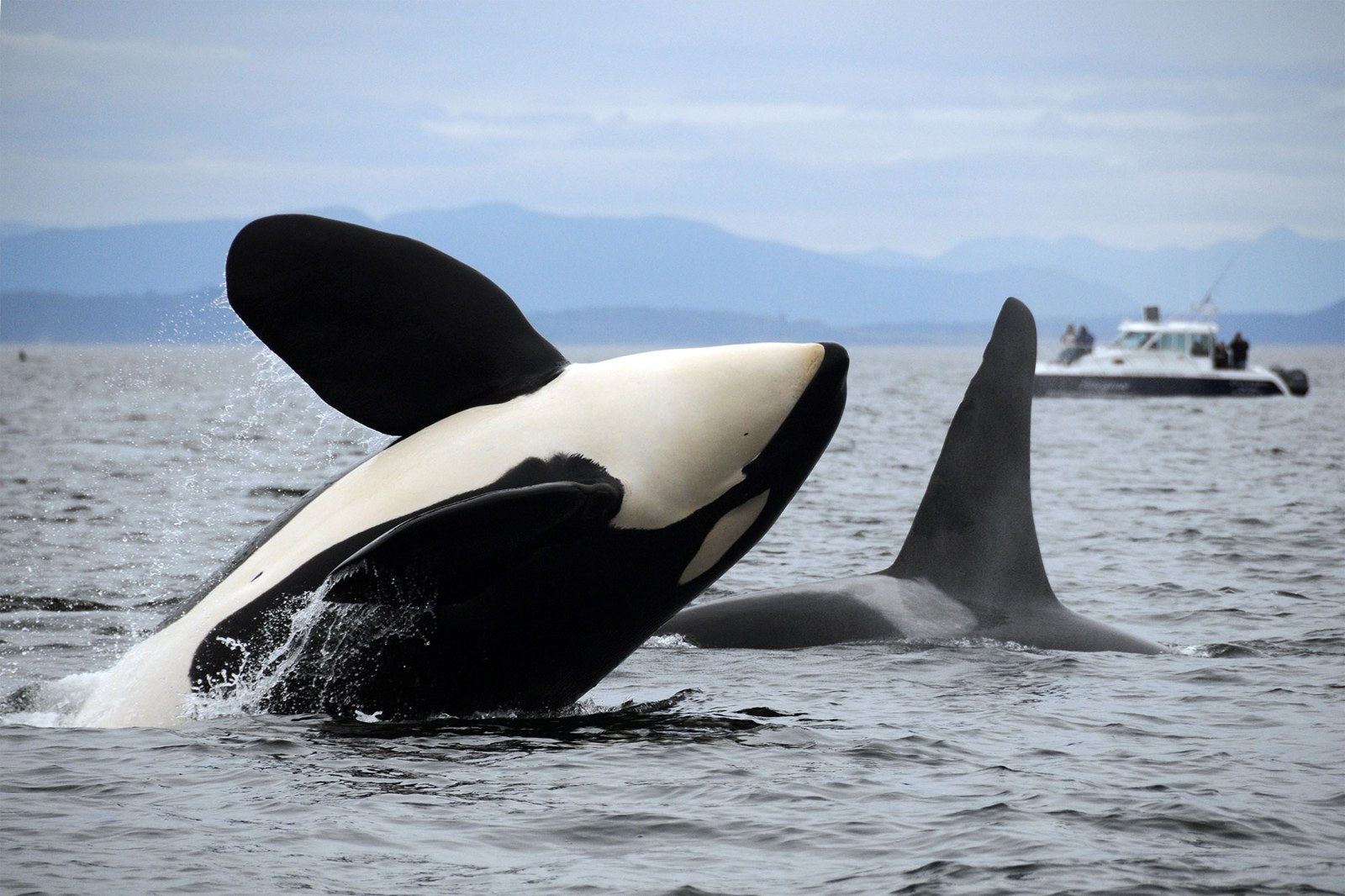
Orca (killer whale)
The ocean’s top predator: a brilliant, family-living dolphin found in every sea.
Seabirds
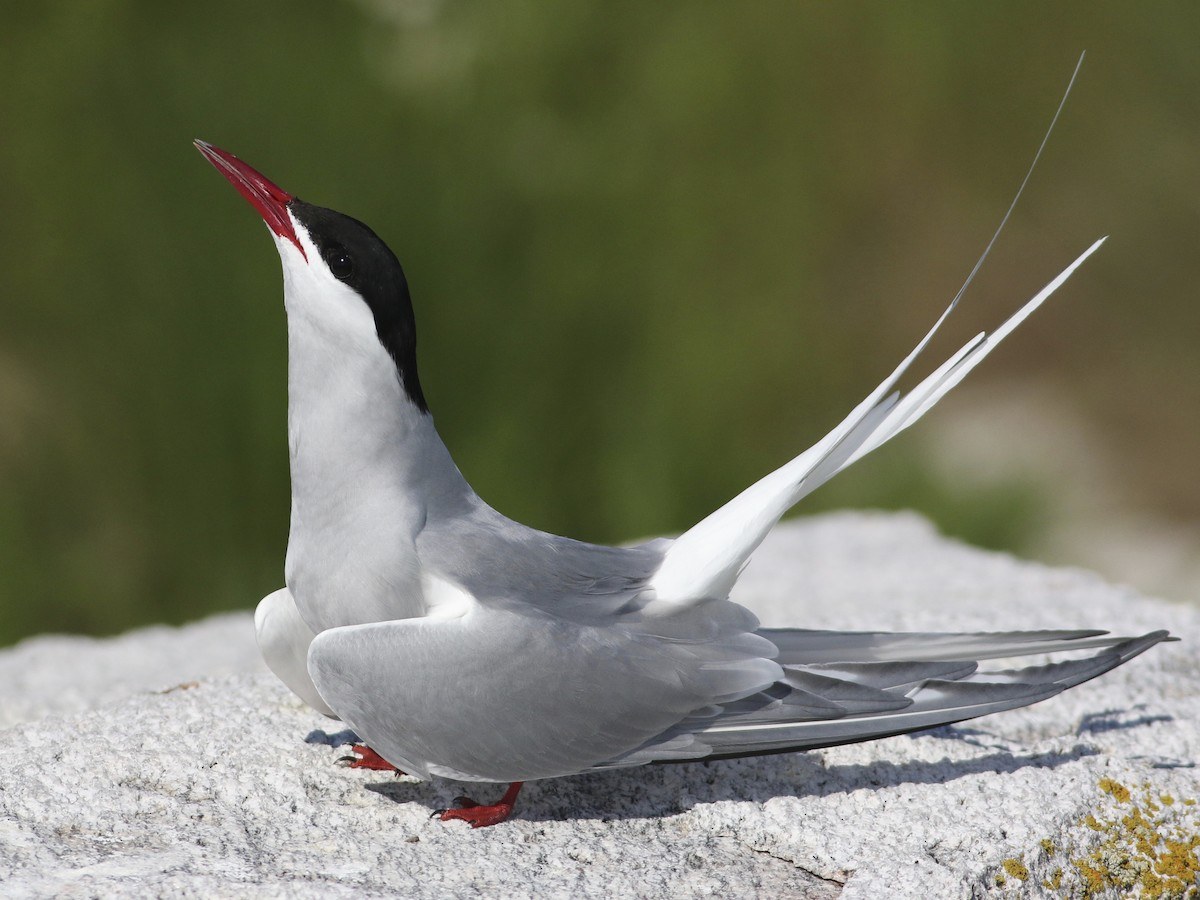
Arctic tern
The migration champion, flying pole to pole and back — the longest journey of any animal.
Marine plants & algae
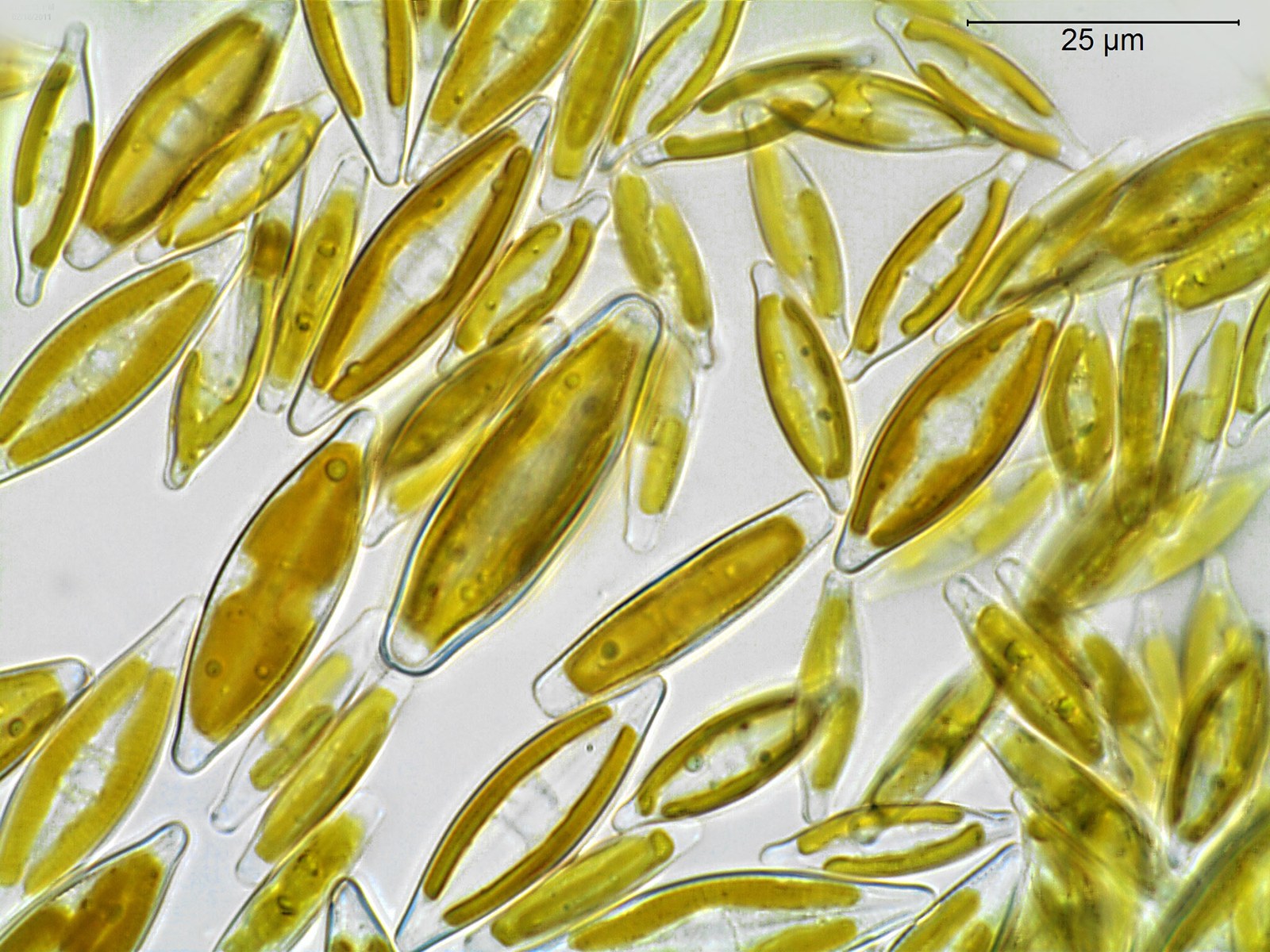
Diatoms
Microalgae in glass-like shells that generate a huge share of the oxygen we breathe.
Surface & deep in the Greenland Sea
The sea is warm where the Sun reaches it and cold far below. Flip between the sunlit surface and the deep water to feel the difference — these are typical figures for a sea.
Sunlit surface
22°C
typical surface temperature
Seas warm strongly at the surface in summer, but their deeper water stays cold and still — the sunlight simply never reaches it.
Recorded range for the Greenland Sea: Icy, −1.8°C to 6°C