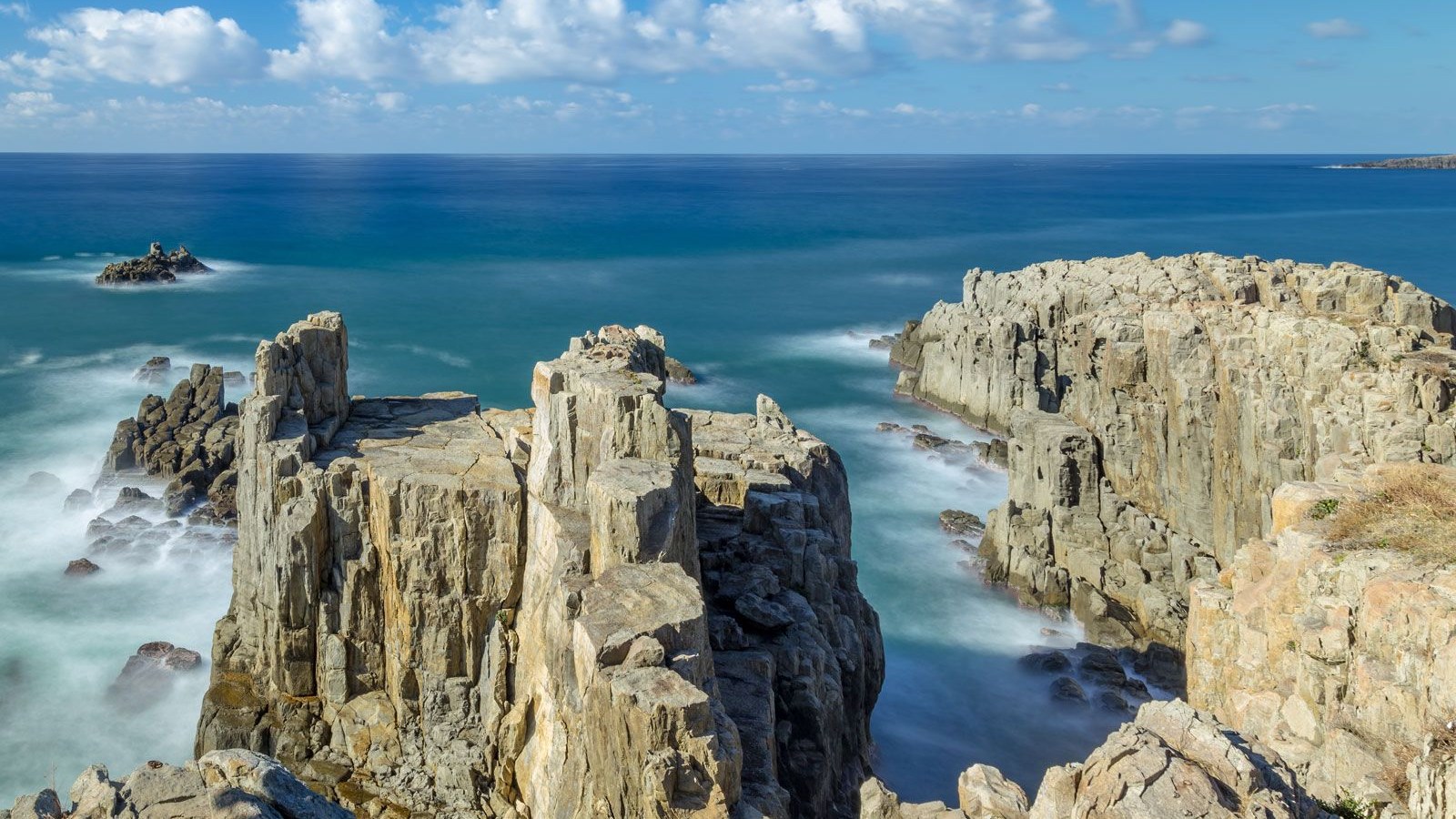
A deep, almost enclosed sea between the Asian mainland and the Japanese islands, with its own miniature ocean circulation.
Area
978,000 km²
Ocean basin
Pacific
Location
A near-enclosed sea of the north-west Pacific
Average depth
about 1,750 m
Maximum depth
about 3,742 m
Salinity
~34 ppt
Temperature
0°C in the north to 25°C in the south
Region
Between Japan, Korea & Russia
About the Sea of Japan (East Sea)
The Sea of Japan, also called the East Sea, is bounded by Japan, the Korean Peninsula and the Russian Far East, connected to neighbouring seas only by narrow straits. This near-isolation gives it very small tides and a distinct deep-water circulation. Warm and cold currents meet here, creating rich fishing grounds that have fed the surrounding nations for centuries.
Did you know?
Because it is nearly closed off, it has almost no tides and behaves like a small ocean all of its own.
Highlights
- Almost enclosed, with tiny tides
- Its own deep-water circulation
- Rich fishing grounds where currents meet
Photo gallery
Life in the Sea of Japan (East Sea)
Creatures, seabirds and marine plants — including some of the rarest and strangest — that live in these waters.
Creatures of the deep
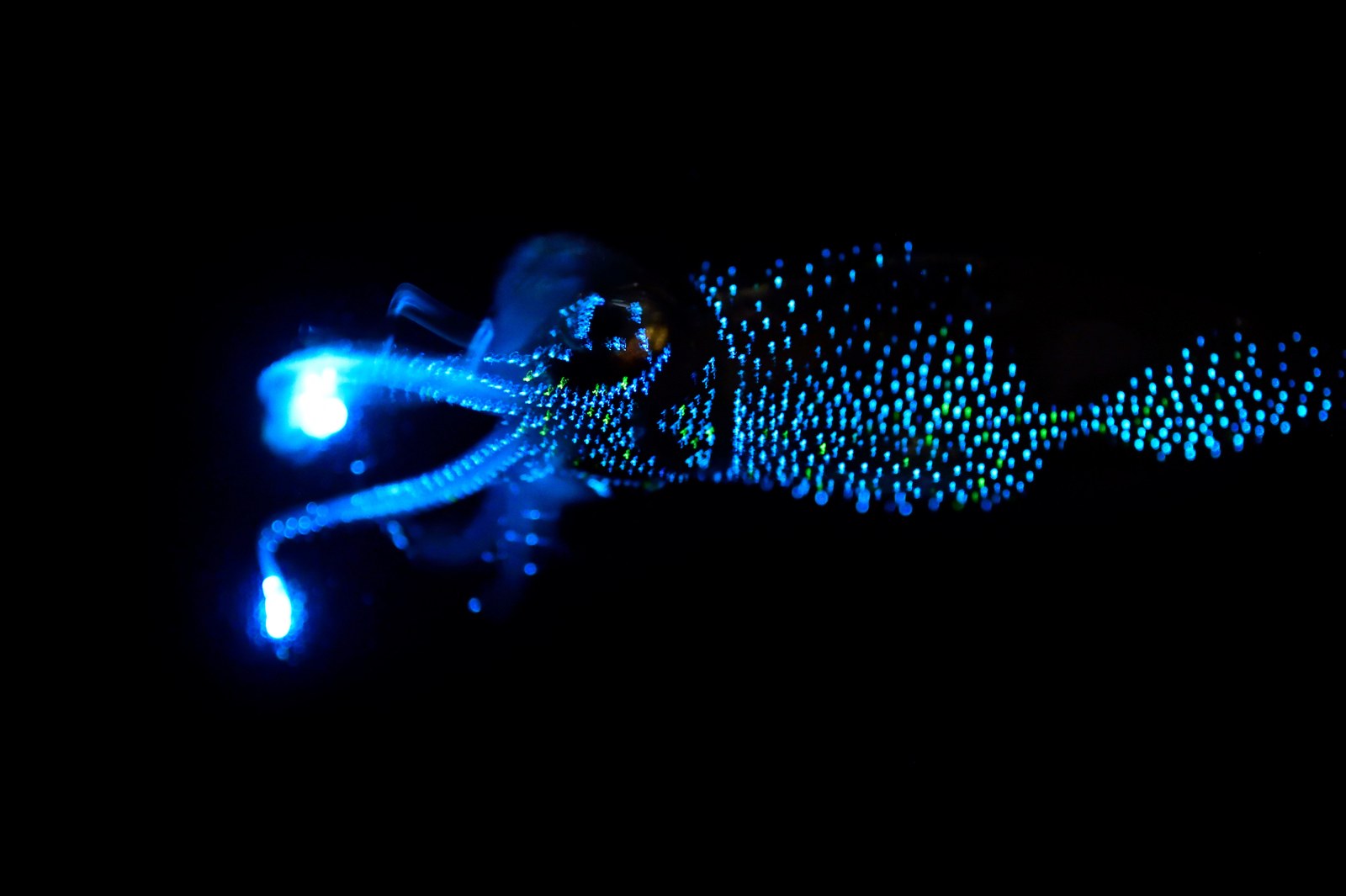
Firefly squid
A thumb-sized squid that lights Japan’s Toyama Bay electric blue each spring.
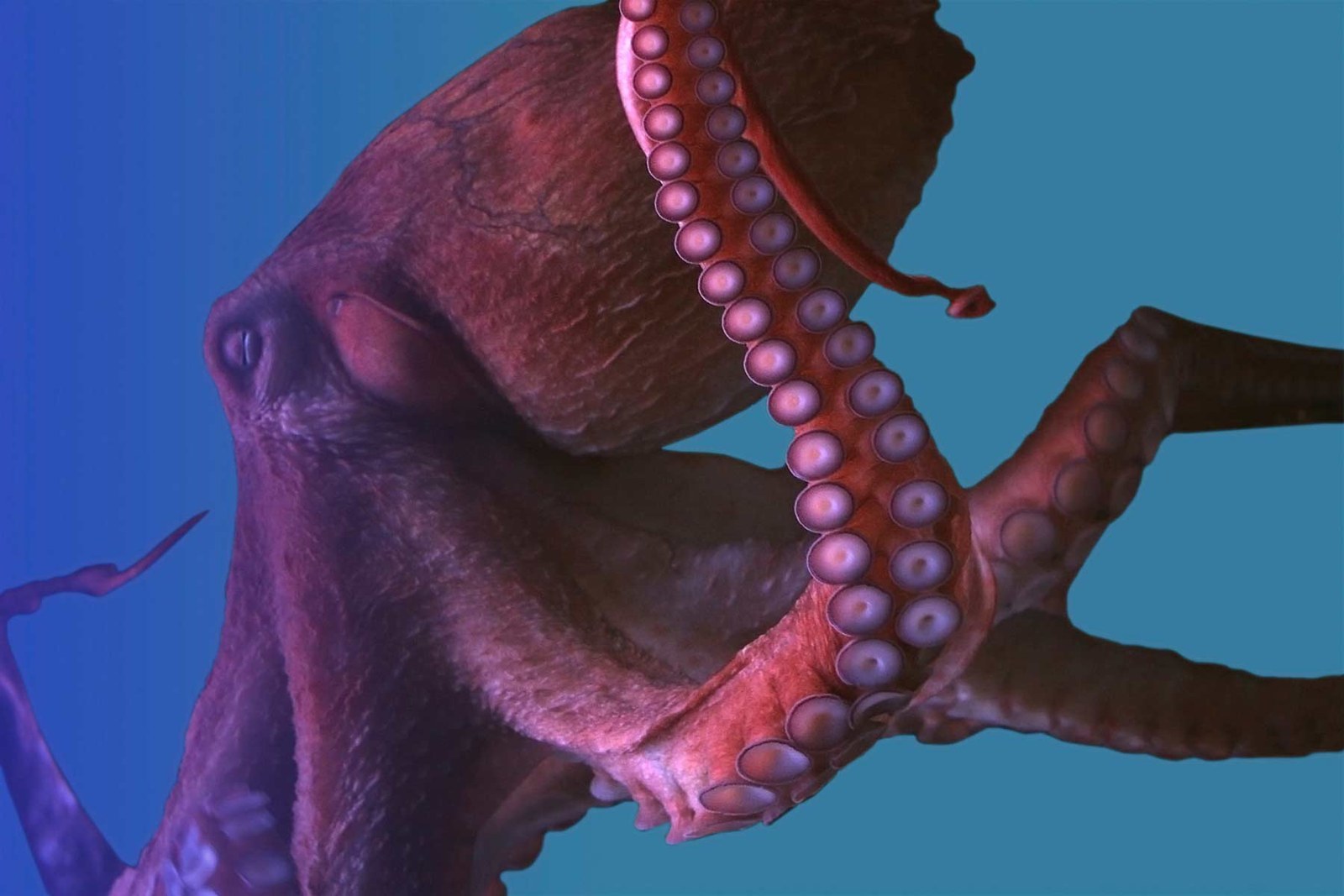
Giant Pacific octopus
The largest octopus on Earth — a shape-shifting, colour-changing cold-water giant.
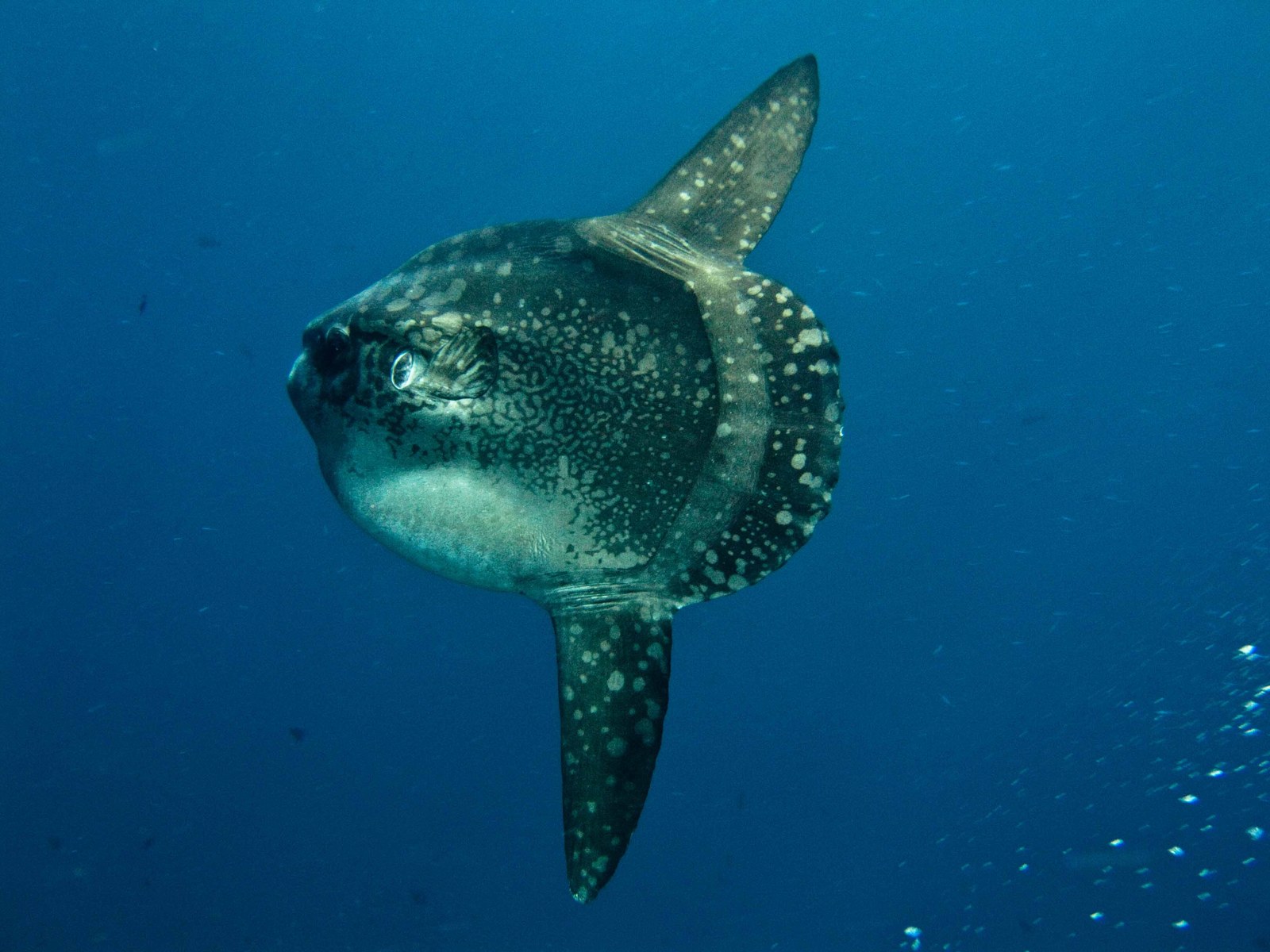
Ocean sunfish (mola mola)
The heaviest bony fish alive, basking flat on its side at the sunlit surface.
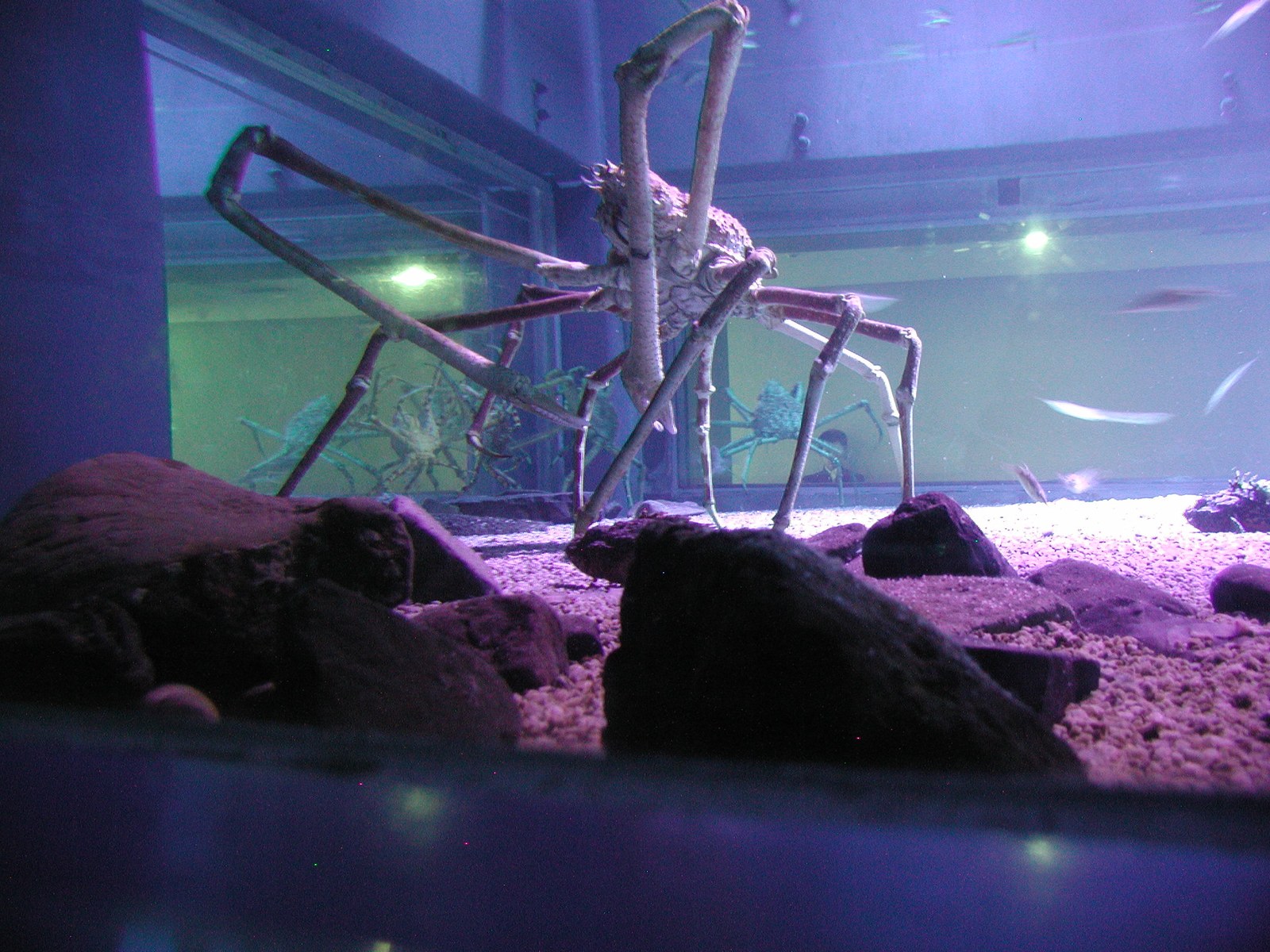
Japanese spider crab
The largest leg-span of any arthropod — up to 3.7 m from claw to claw.
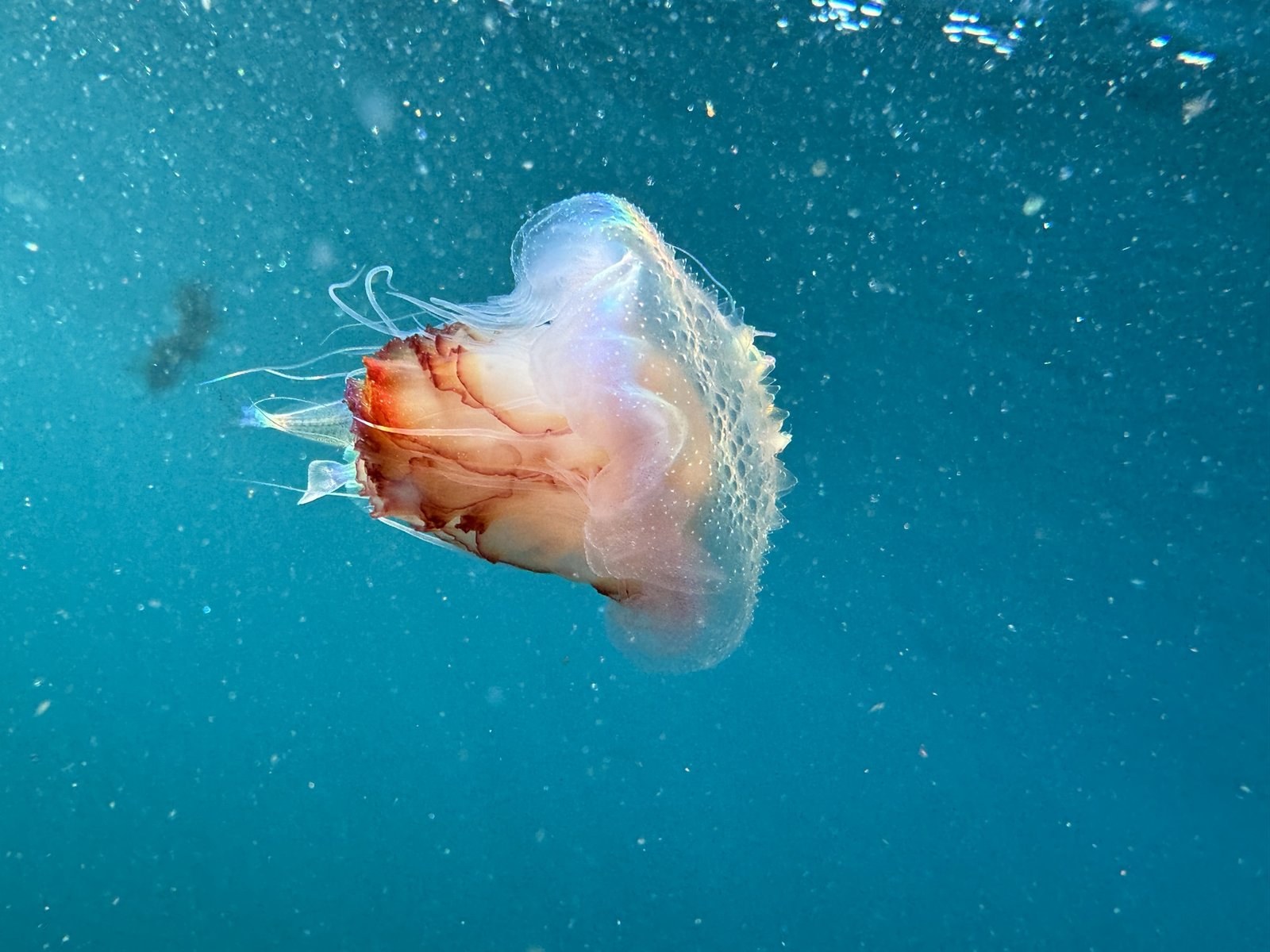
Lion’s mane jellyfish
The largest known jellyfish, trailing a mane of tentacles that can stretch over 30 m.
Seabirds
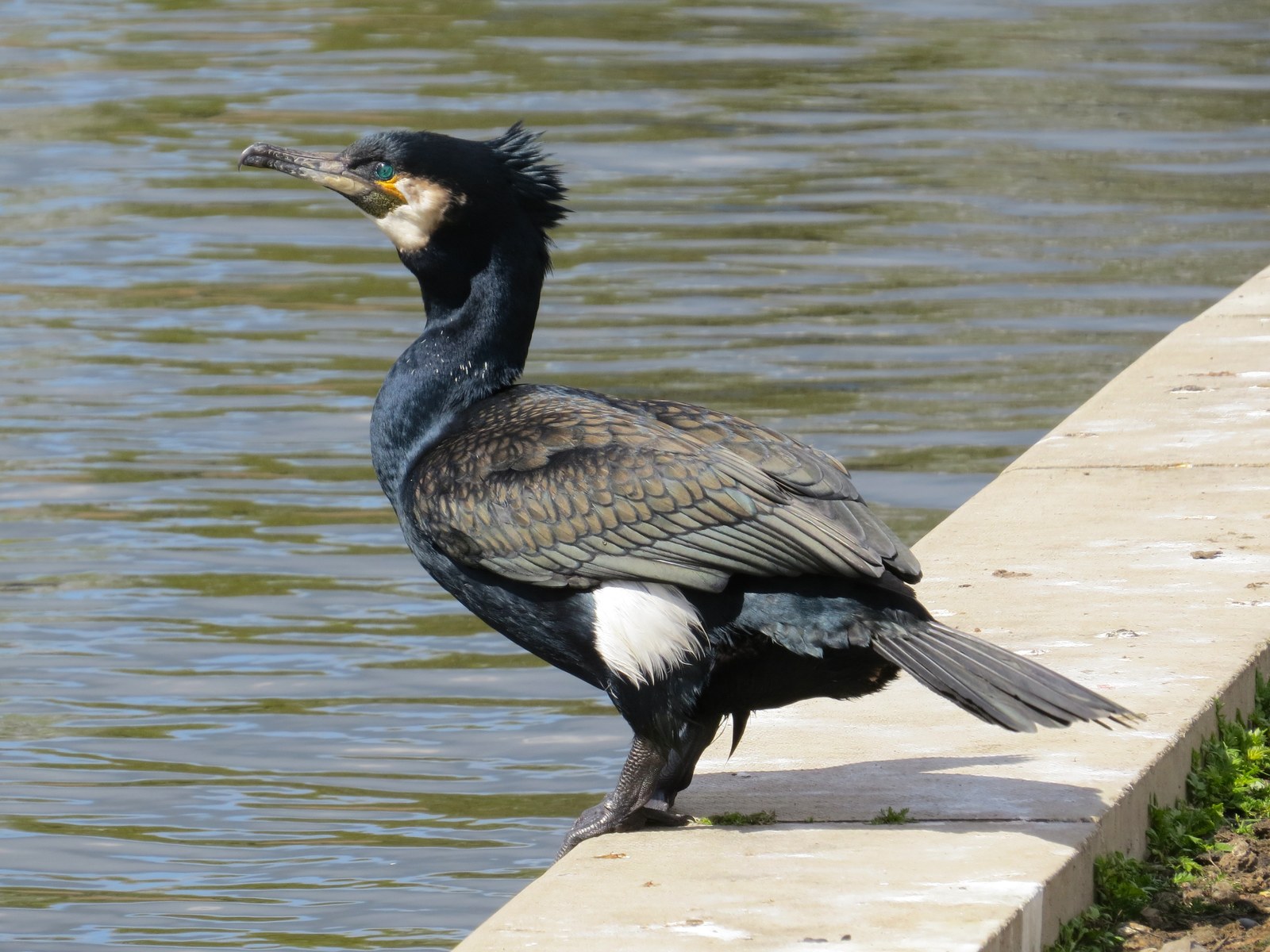
Great cormorant
An expert diving seabird that perches with wings spread wide to dry its feathers.
Marine plants & algae
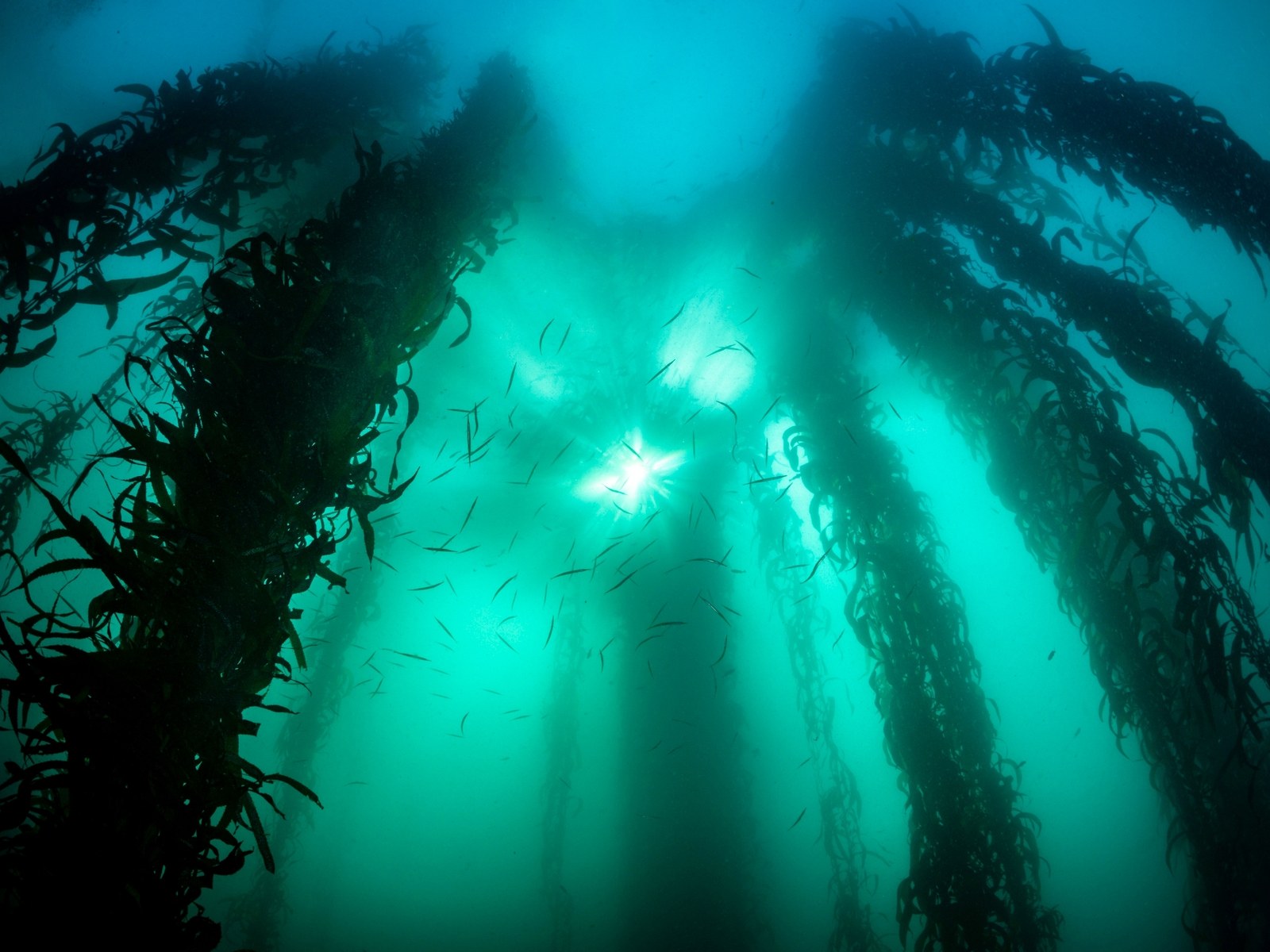
Giant kelp
The fastest-growing seaweed on Earth, building towering underwater forests up to 45 m tall.
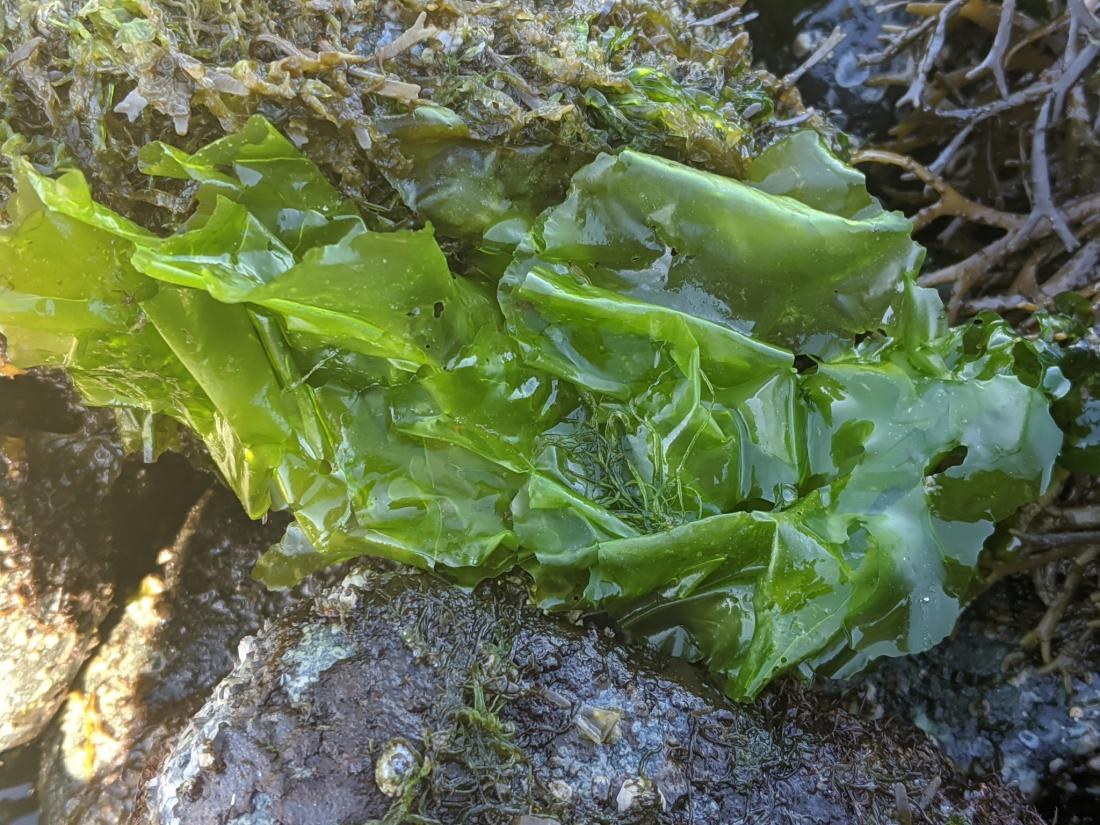
Sea lettuce
A bright-green, paper-thin edible seaweed that drapes rocky shores worldwide.
Surface & deep in the Sea of Japan (East Sea)
The sea is warm where the Sun reaches it and cold far below. Flip between the sunlit surface and the deep water to feel the difference — these are typical figures for a sea.
Sunlit surface
22°C
typical surface temperature
Seas warm strongly at the surface in summer, but their deeper water stays cold and still — the sunlight simply never reaches it.
Recorded range for the Sea of Japan (East Sea): 0°C in the north to 25°C in the south