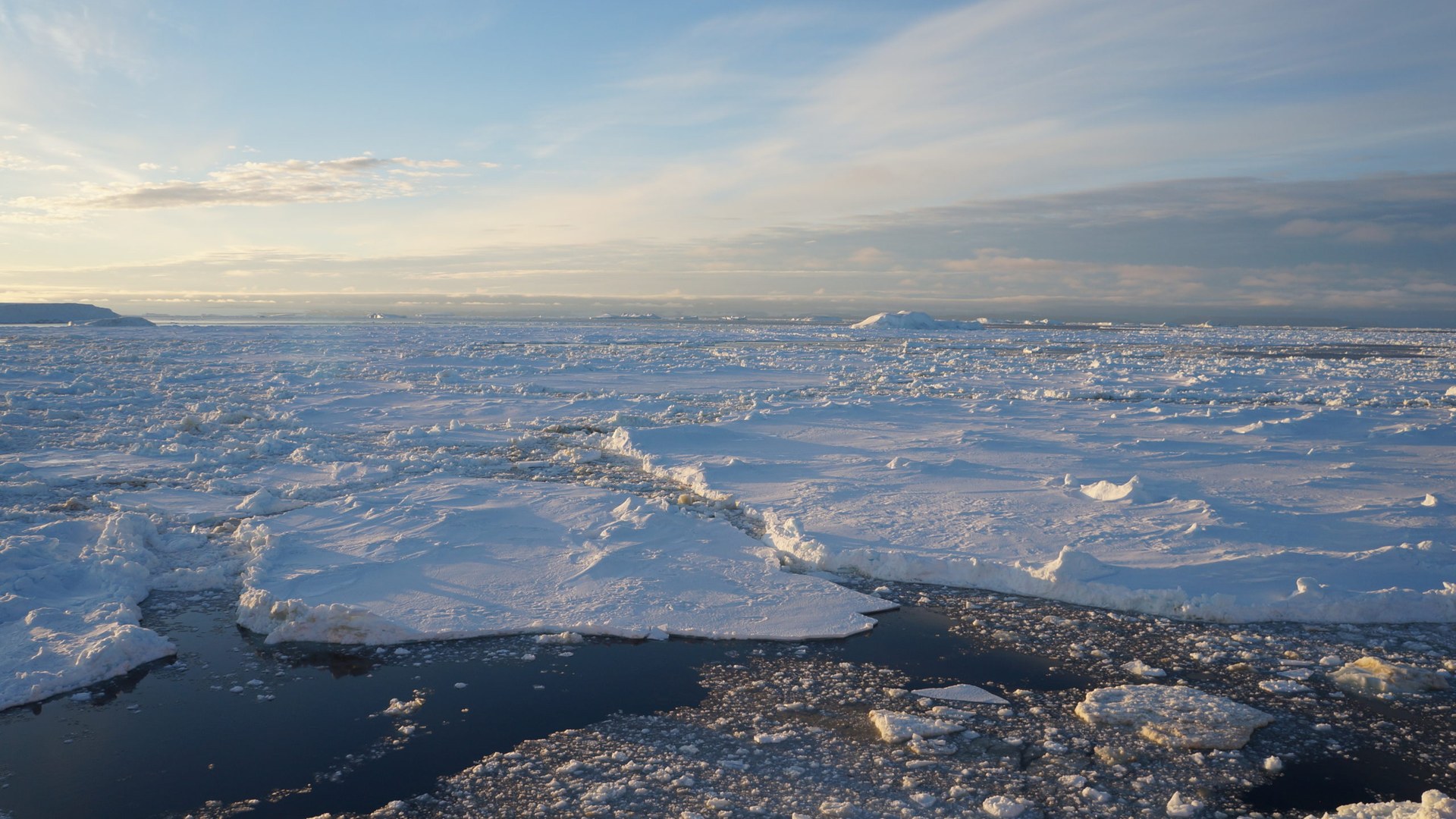
A frozen Antarctic sea with some of the clearest water ever measured and vast floating ice shelves.
Area
2,800,000 km²
Ocean basin
Southern
Location
The clearest water in the world
Average depth
about 4,000 m
Maximum depth
about 7,236 m
Salinity
~34 ppt
Temperature
Near freezing, around −2°C
Region
Off Antarctica, south of the Atlantic
About the Weddell Sea
The Weddell Sea lies off the Atlantic side of Antarctica, dominated by huge floating ice shelves and drifting pack ice that once trapped and crushed Ernest Shackleton’s ship Endurance. Its cold, dense water sinks to the bottom and helps drive ocean currents worldwide. Emperor penguins, Weddell seals and minke whales thrive in its icy waters.
Did you know?
Its water is so clear that scientists could see a dinner-plate-sized disc nearly 80 m down — almost as clear as distilled water.
Highlights
- Among the clearest seawater on Earth
- Where Shackleton’s Endurance was crushed
- Drives deep ocean currents worldwide
Photo gallery
Life in the Weddell Sea
Creatures, seabirds and marine plants — including some of the rarest and strangest — that live in these waters.
Creatures of the deep
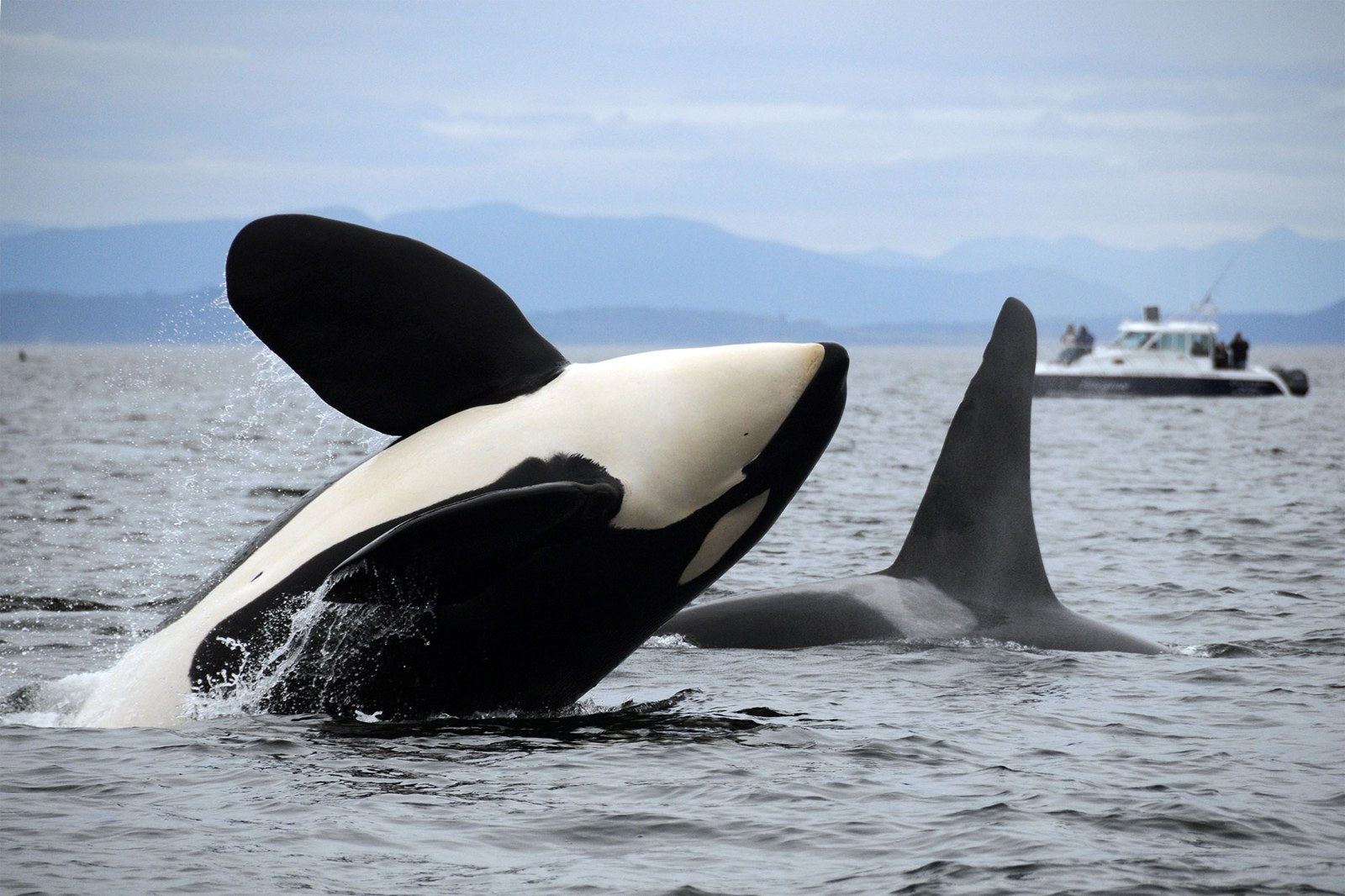
Orca (killer whale)
The ocean’s top predator: a brilliant, family-living dolphin found in every sea.
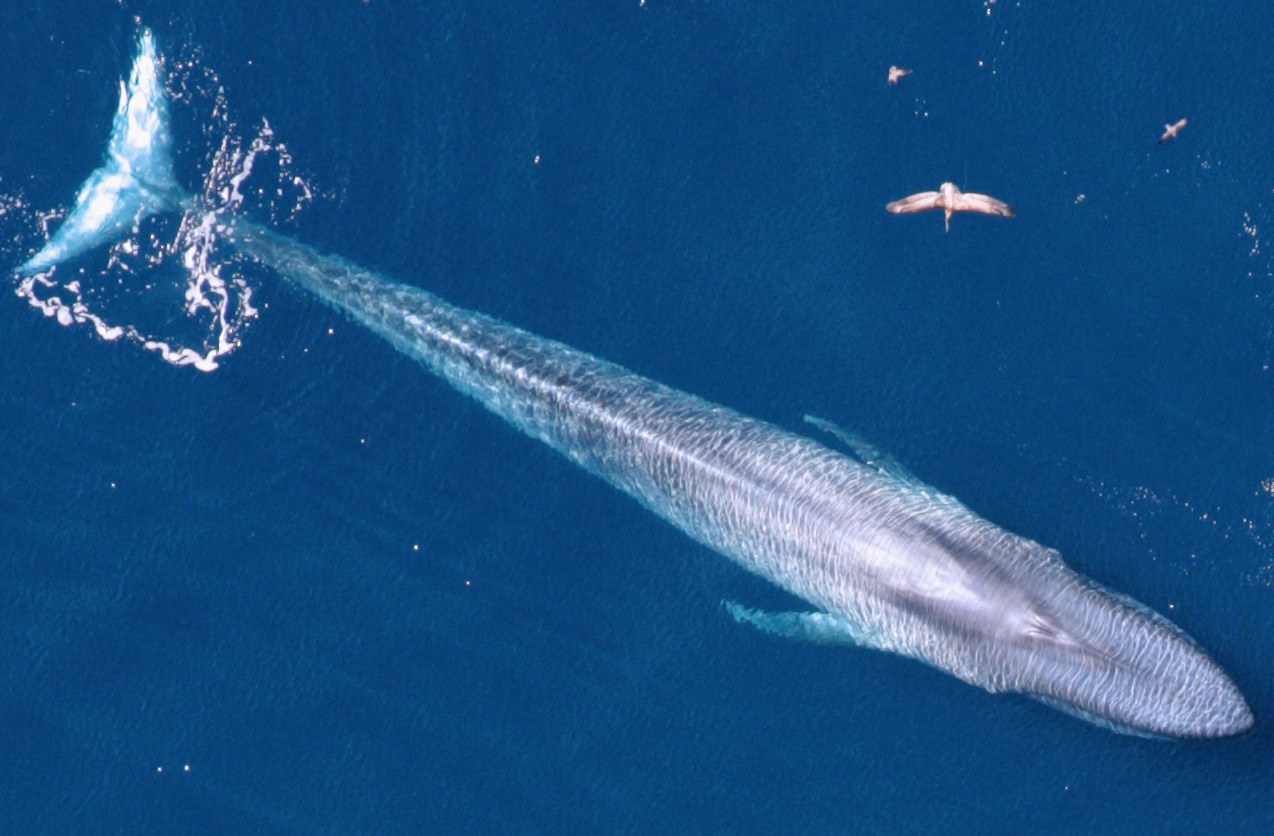
Blue whale
The largest animal ever to live — longer than three buses and heavier than 25 elephants.
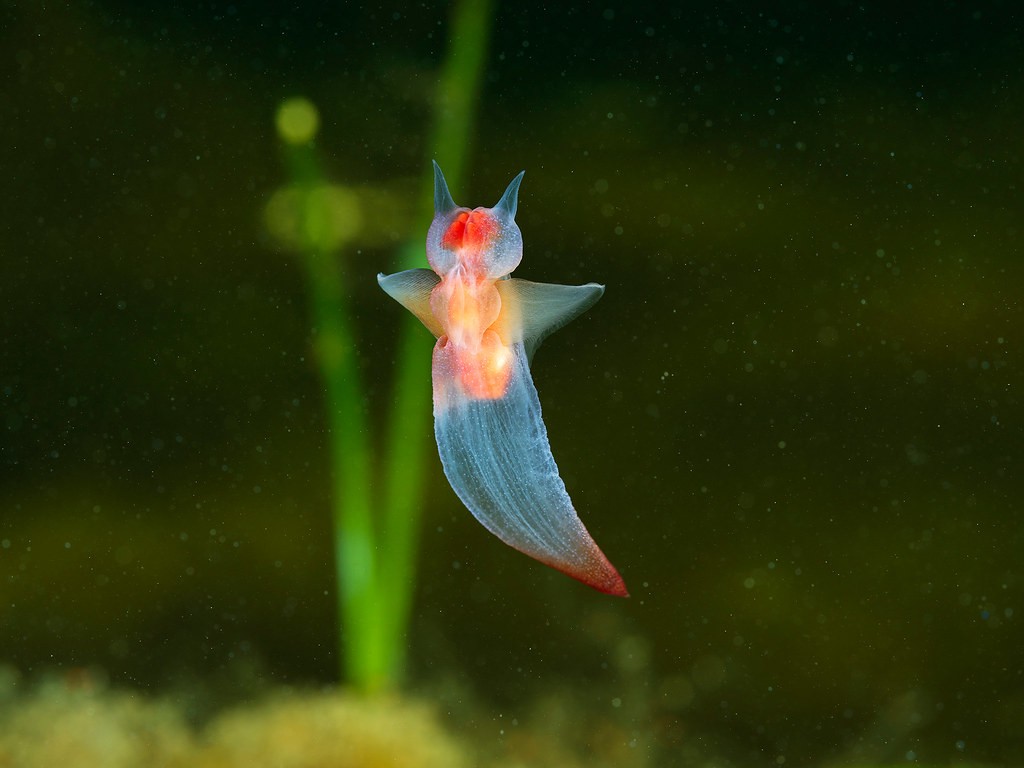
Sea angel
A tiny, glass-clear swimming sea slug that flaps wing-like feet through the cold open sea.
Seabirds
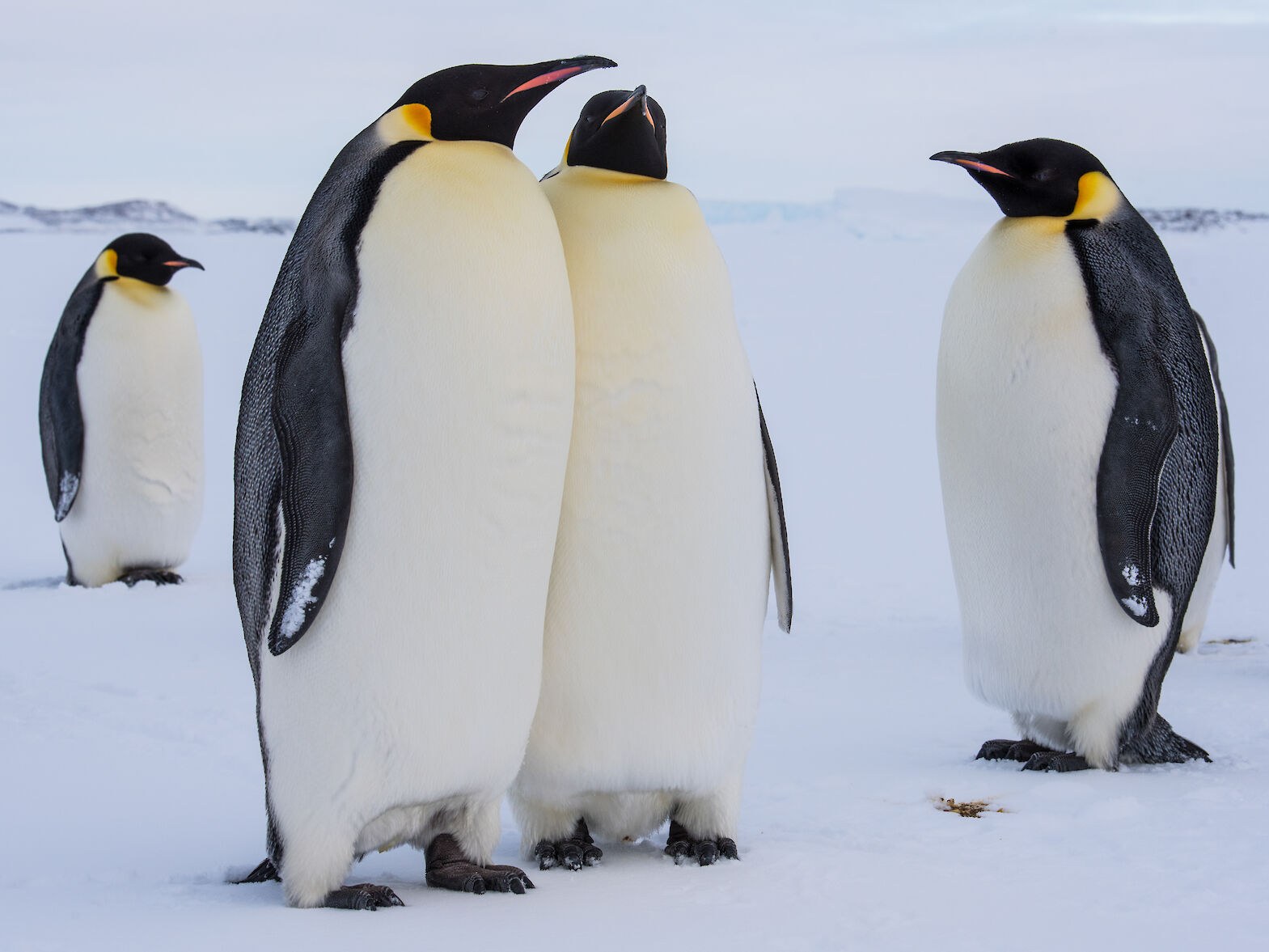
Emperor penguin
The tallest penguin, breeding through the Antarctic winter on the open sea ice.
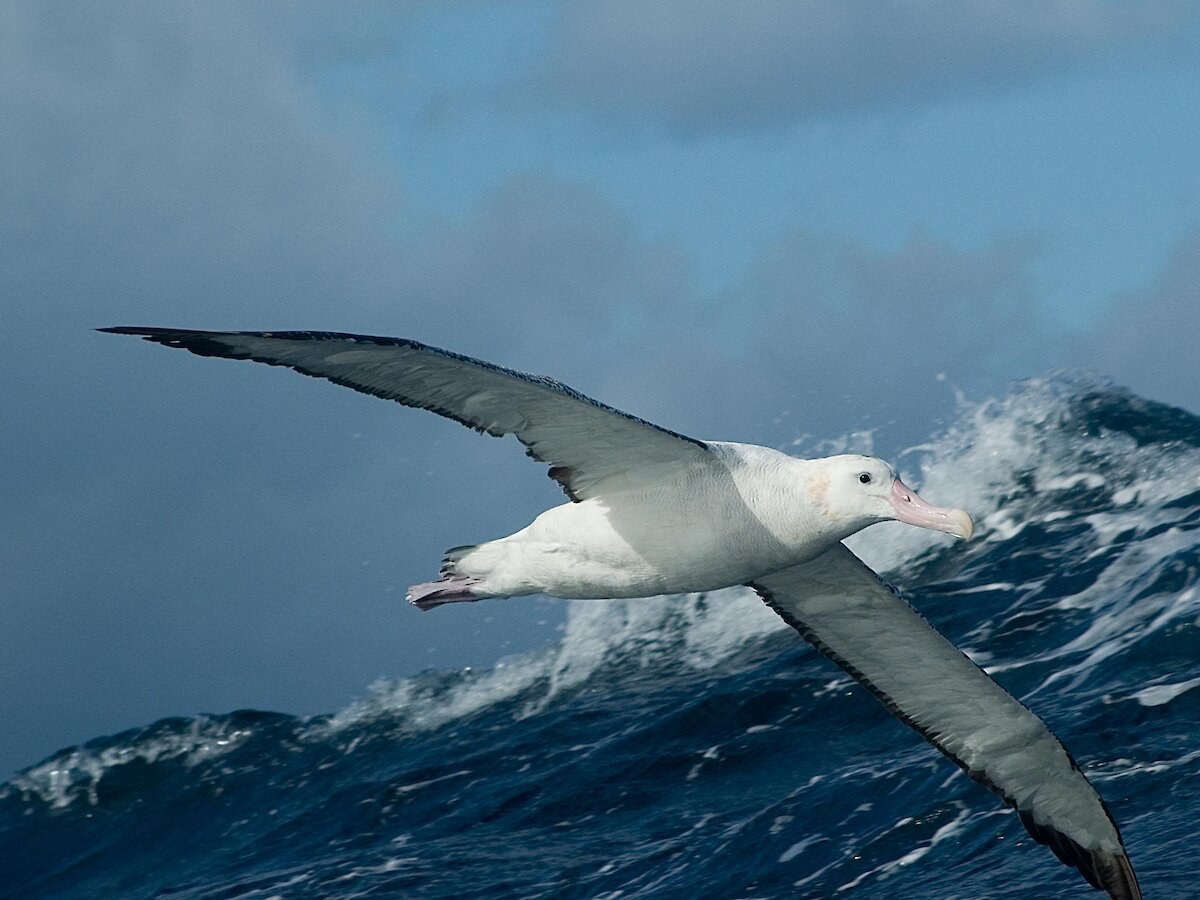
Wandering albatross
The longest wingspan of any bird — 3.5 m — gliding the Southern Ocean for years without landing.
Surface & deep in the Weddell Sea
The sea is warm where the Sun reaches it and cold far below. Flip between the sunlit surface and the deep water to feel the difference — these are typical figures for a sea.
Sunlit surface
22°C
typical surface temperature
Seas warm strongly at the surface in summer, but their deeper water stays cold and still — the sunlight simply never reaches it.
Recorded range for the Weddell Sea: Near freezing, around −2°C