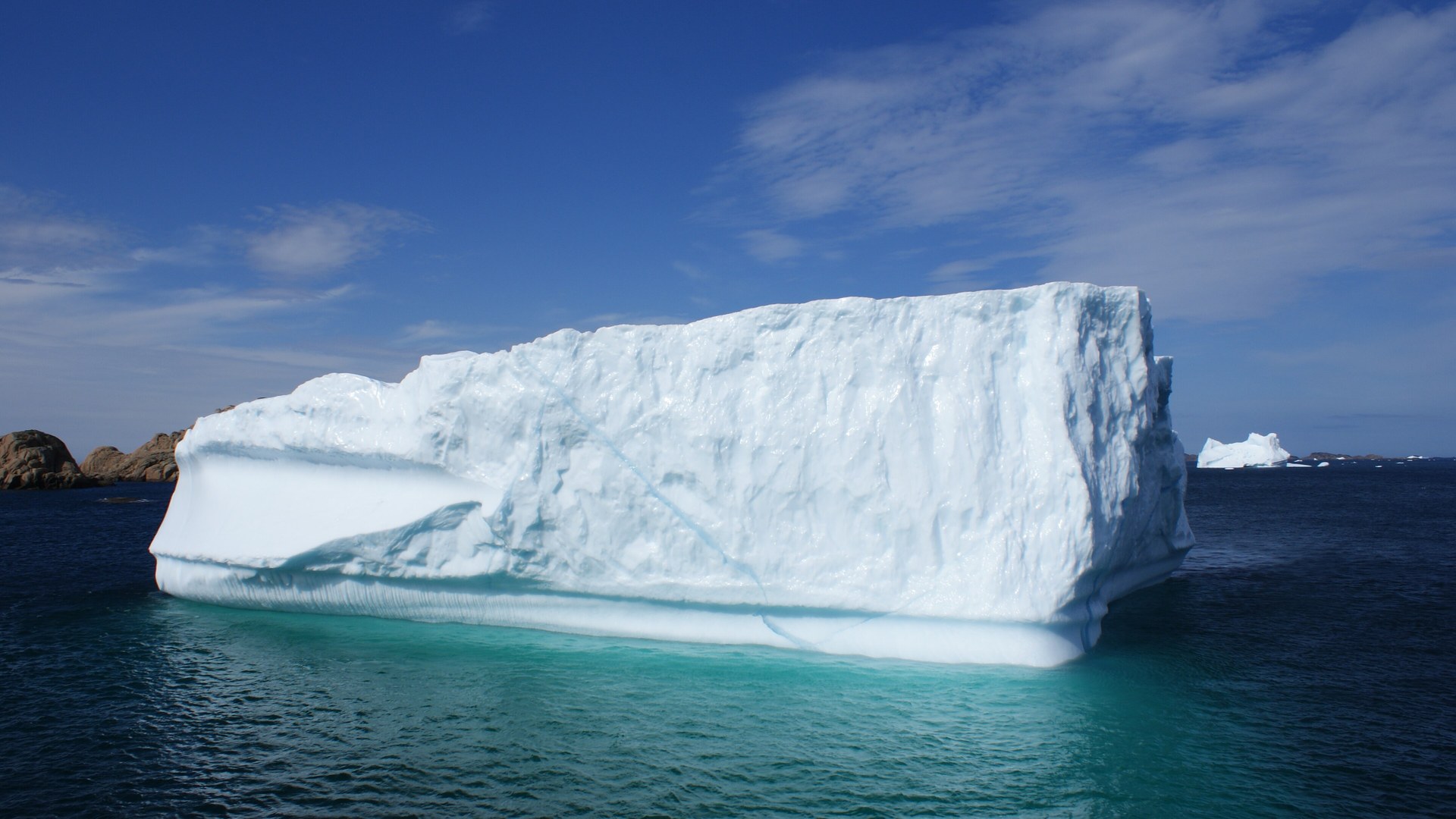
A cold northern arm of the Atlantic between Greenland and Canada, famous as the route that carries Arctic icebergs south.
Area
841,000 km²
Ocean basin
Atlantic
Location
The iceberg highway of the north-west Atlantic
Average depth
about 1,900 m
Maximum depth
about 4,320 m
Salinity
~34–35 ppt
Temperature
Cold, −1°C to 10°C
Region
Between Greenland & Canada
About the Labrador Sea
The Labrador Sea lies between Greenland and the Labrador coast of Canada, fed by the cold Labrador Current that ferries icebergs far to the south along “Iceberg Alley”. Like the Greenland Sea, it is a site of deep-water formation that helps drive global ocean circulation, and its cold, rich waters draw whales and vast seabird flocks.
Did you know?
Icebergs calved from Greenland drift down it along “Iceberg Alley” — the same waters where the Titanic met its end.
Highlights
- The Atlantic’s famous “Iceberg Alley”
- A deep-water-formation site
- Rich whale and seabird waters
Photo gallery
Life in the Labrador Sea
Creatures, seabirds and marine plants — including some of the rarest and strangest — that live in these waters.
Creatures of the deep
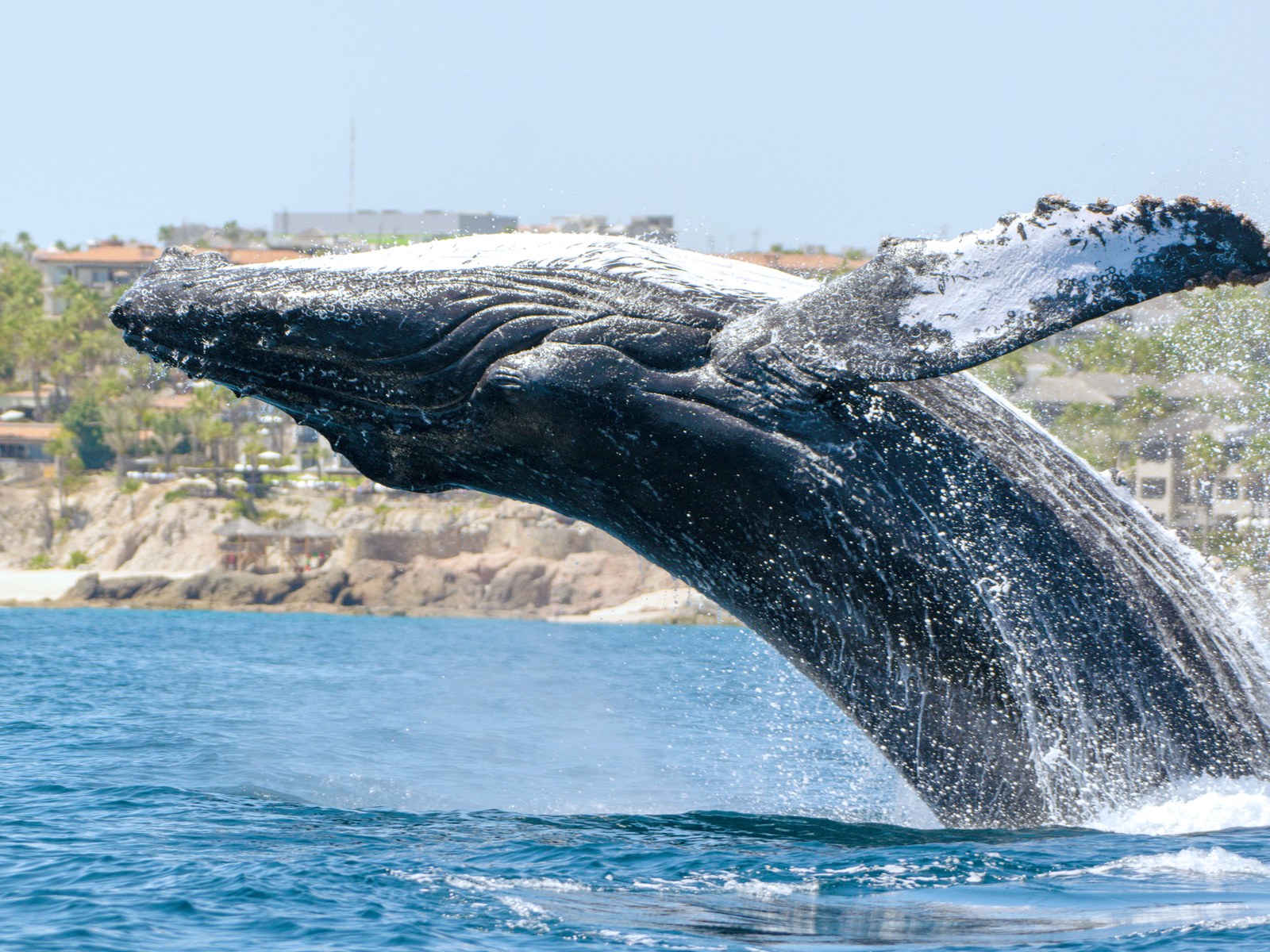
Humpback whale
An acrobatic baleen whale famed for breaching clear of the water and singing haunting songs.
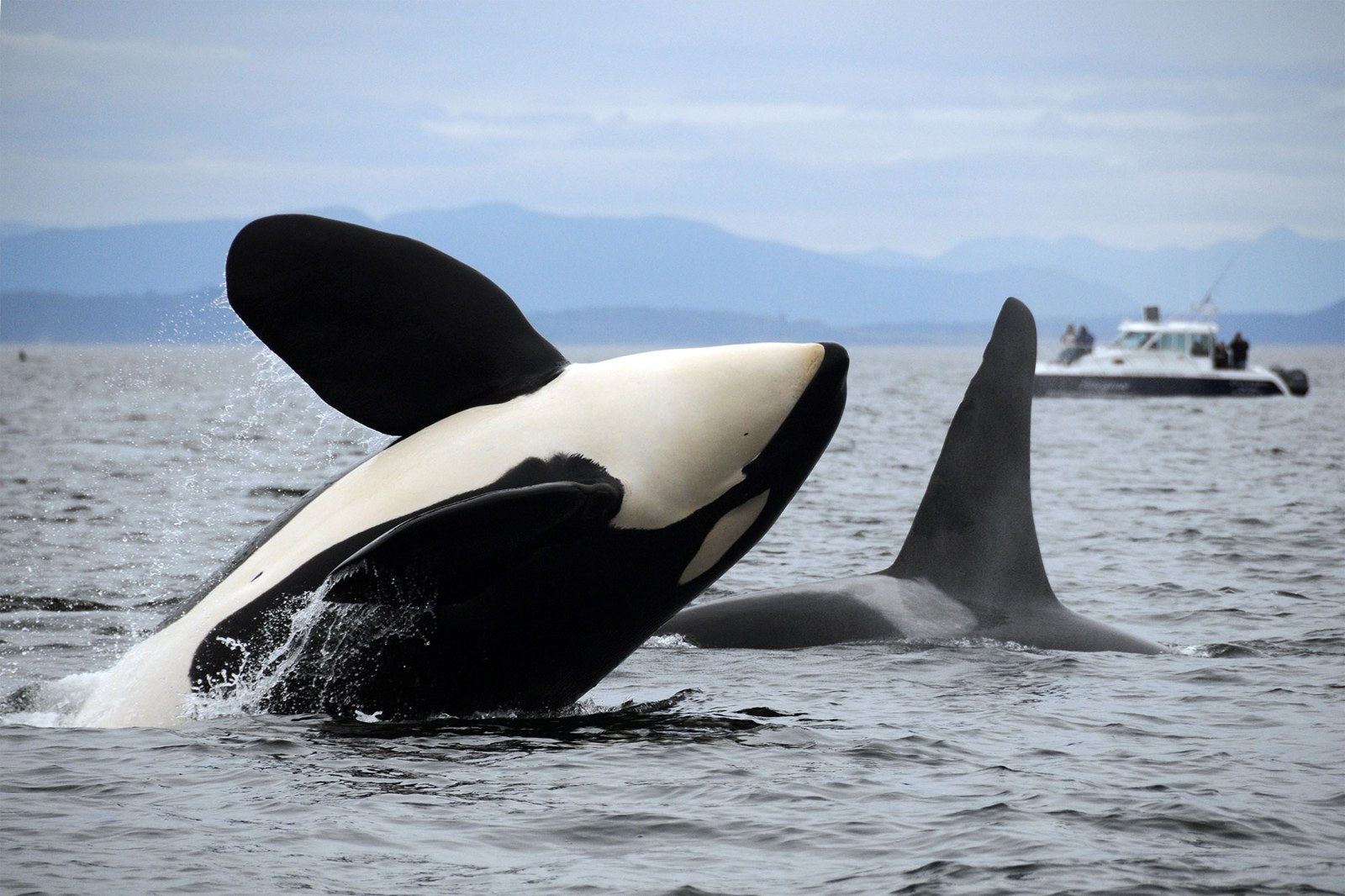
Orca (killer whale)
The ocean’s top predator: a brilliant, family-living dolphin found in every sea.
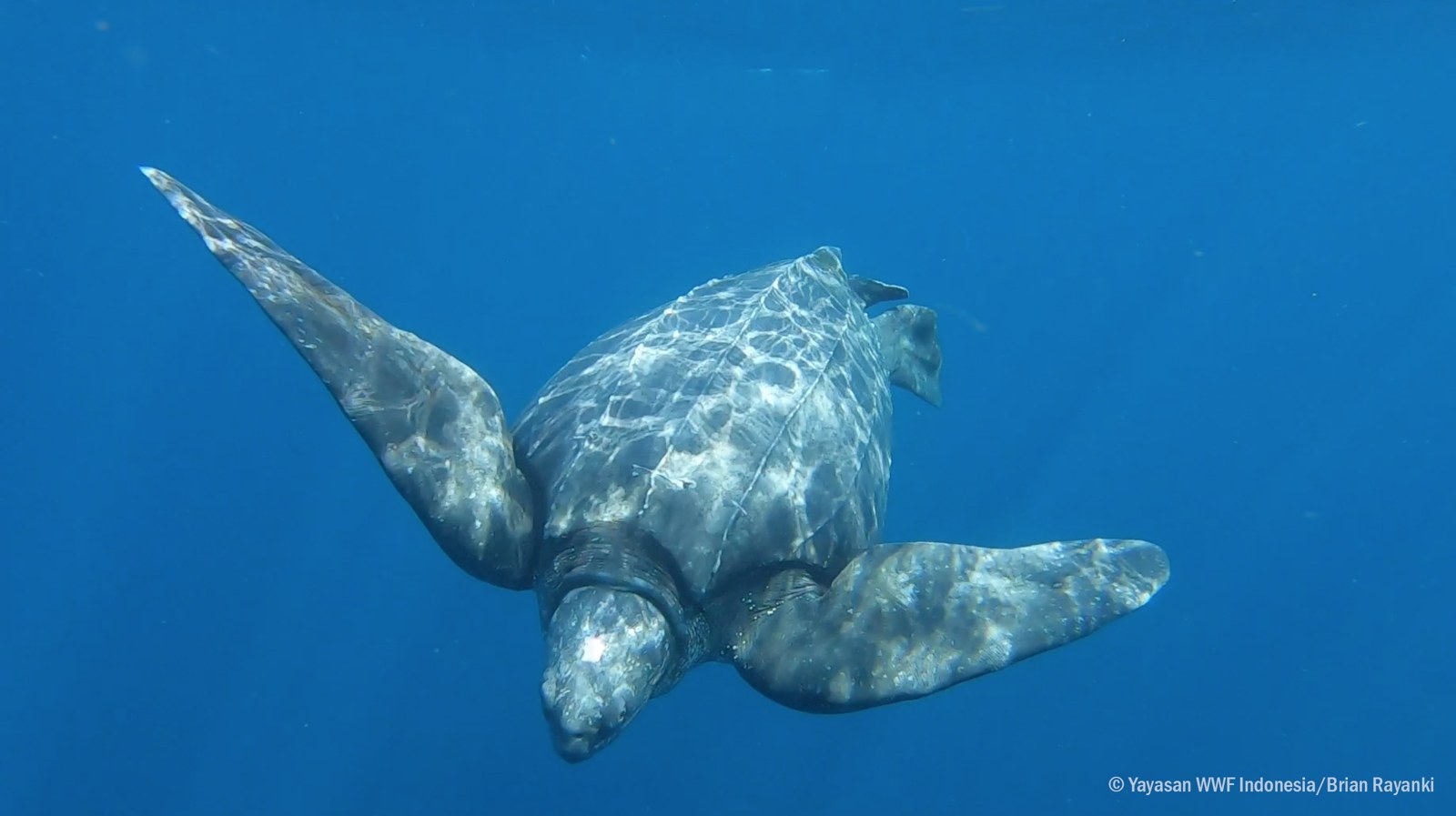
Leatherback turtle
The largest sea turtle, diving over 1,000 m in pursuit of jellyfish.
Seabirds
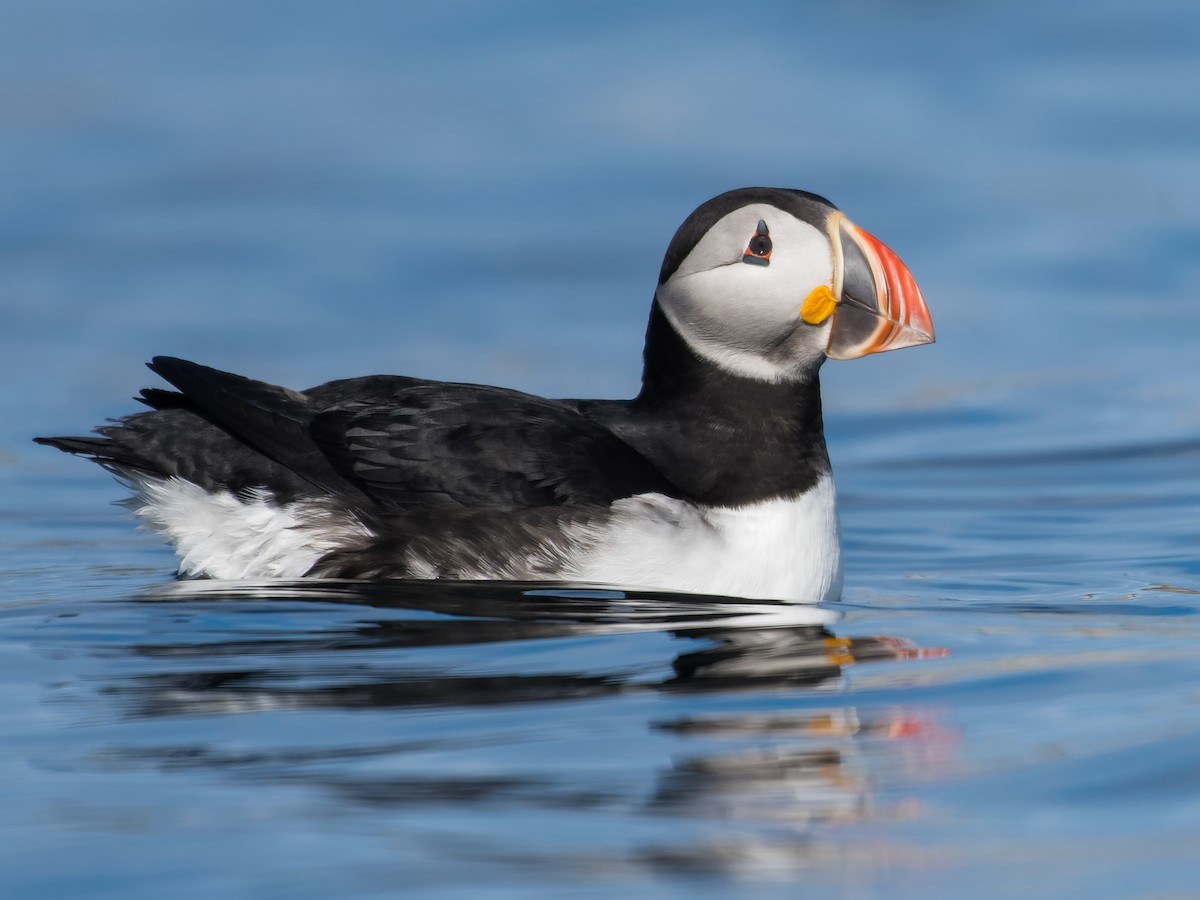
Atlantic puffin
The clown-faced “sea parrot” that nests in burrows on North Atlantic cliffs.
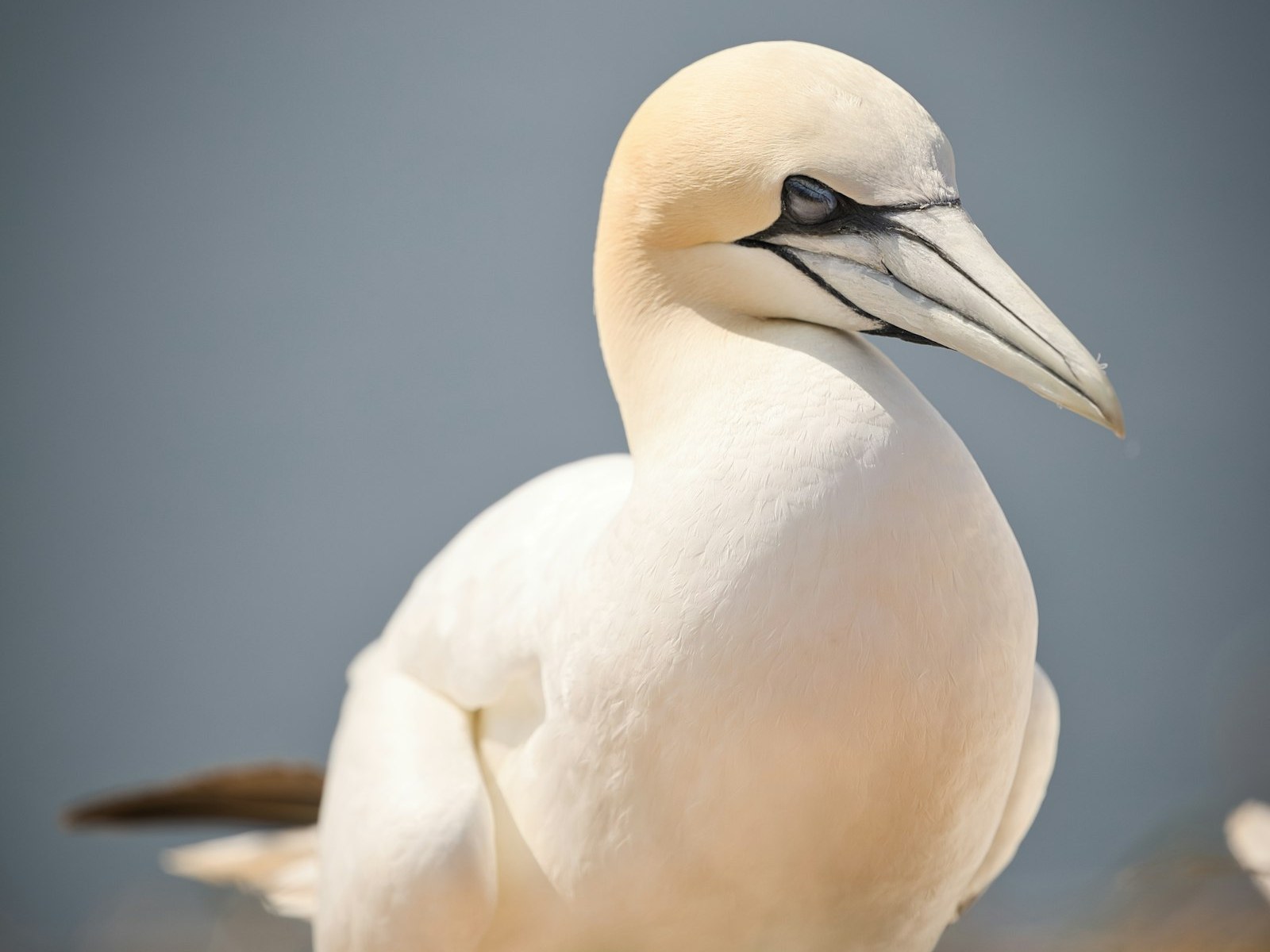
Northern gannet
A big white seabird that folds its wings and dives like an arrow at 100 km/h.
Marine plants & algae
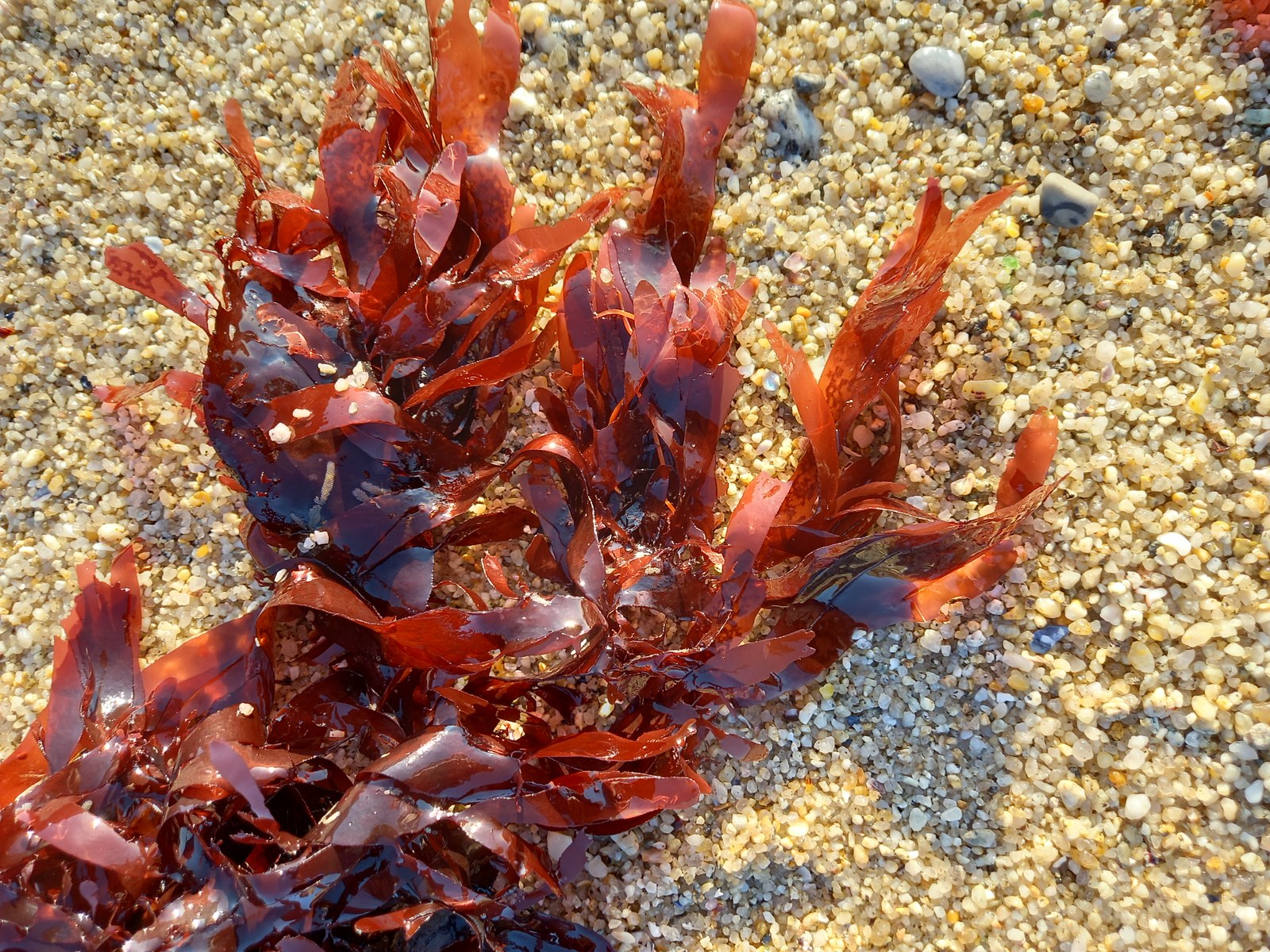
Dulse
A red cold-water seaweed eaten for centuries around the North Atlantic.
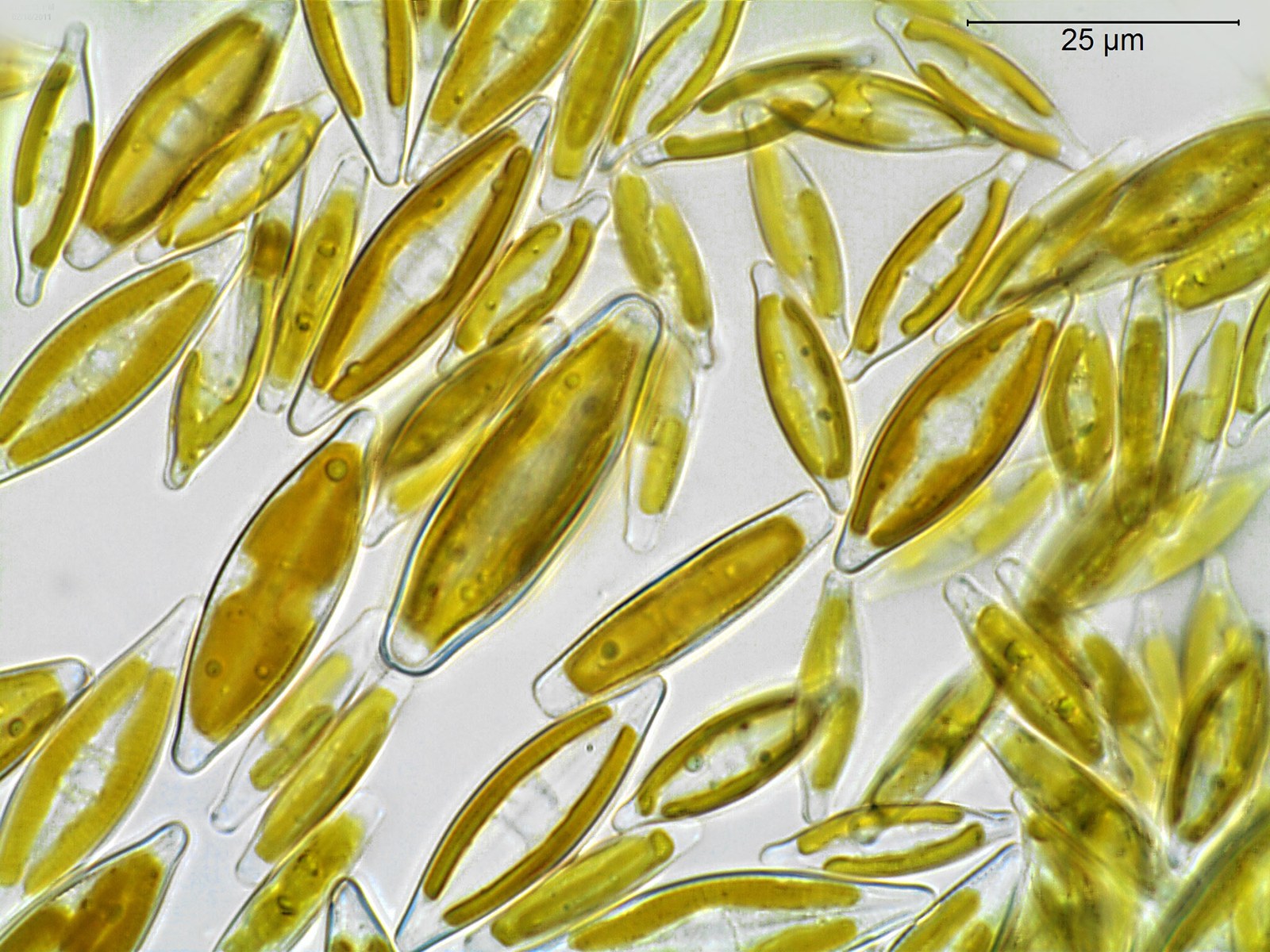
Diatoms
Microalgae in glass-like shells that generate a huge share of the oxygen we breathe.
Surface & deep in the Labrador Sea
The sea is warm where the Sun reaches it and cold far below. Flip between the sunlit surface and the deep water to feel the difference — these are typical figures for a sea.
Sunlit surface
22°C
typical surface temperature
Seas warm strongly at the surface in summer, but their deeper water stays cold and still — the sunlight simply never reaches it.
Recorded range for the Labrador Sea: Cold, −1°C to 10°C