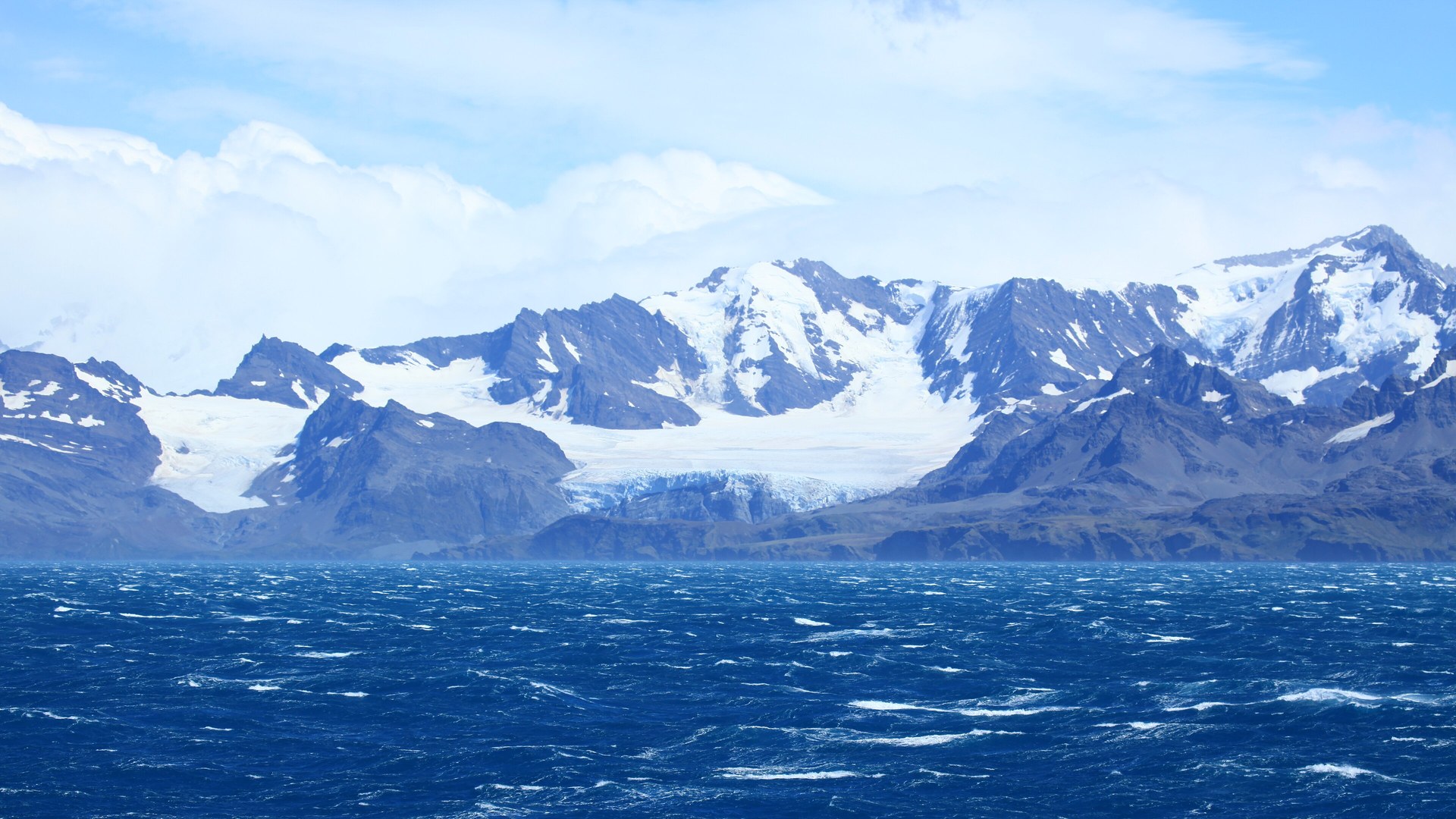
A wild, krill-rich sea between the tip of South America and Antarctica, ringed by island refuges like South Georgia.
Area
900,000 km²
Ocean basin
Southern
Location
A storm-lashed sea on the fringe of Antarctica
Average depth
about 3,000 m
Maximum depth
about 6,020 m
Salinity
~34 ppt
Temperature
Icy, −1.8°C to 5°C
Region
Between South America & Antarctica
About the Scotia Sea
The Scotia Sea lies east of Drake Passage, enclosed by the curving Scotia Arc of islands that includes South Georgia and the South Sandwich Islands. Fed by the Antarctic Circumpolar Current, its cold waters teem with krill that support enormous colonies of penguins, albatrosses, seals and whales. The seas here are among the stormiest on Earth.
Did you know?
Its waters swarm with Antarctic krill — the tiny shrimp-like animals that feed the whales, seals and millions of penguins of the far south.
Highlights
- Swarming with Antarctic krill
- Ringed by the island Scotia Arc
- Vast penguin and seal colonies
Photo gallery
Life in the Scotia Sea
Creatures, seabirds and marine plants — including some of the rarest and strangest — that live in these waters.
Creatures of the deep
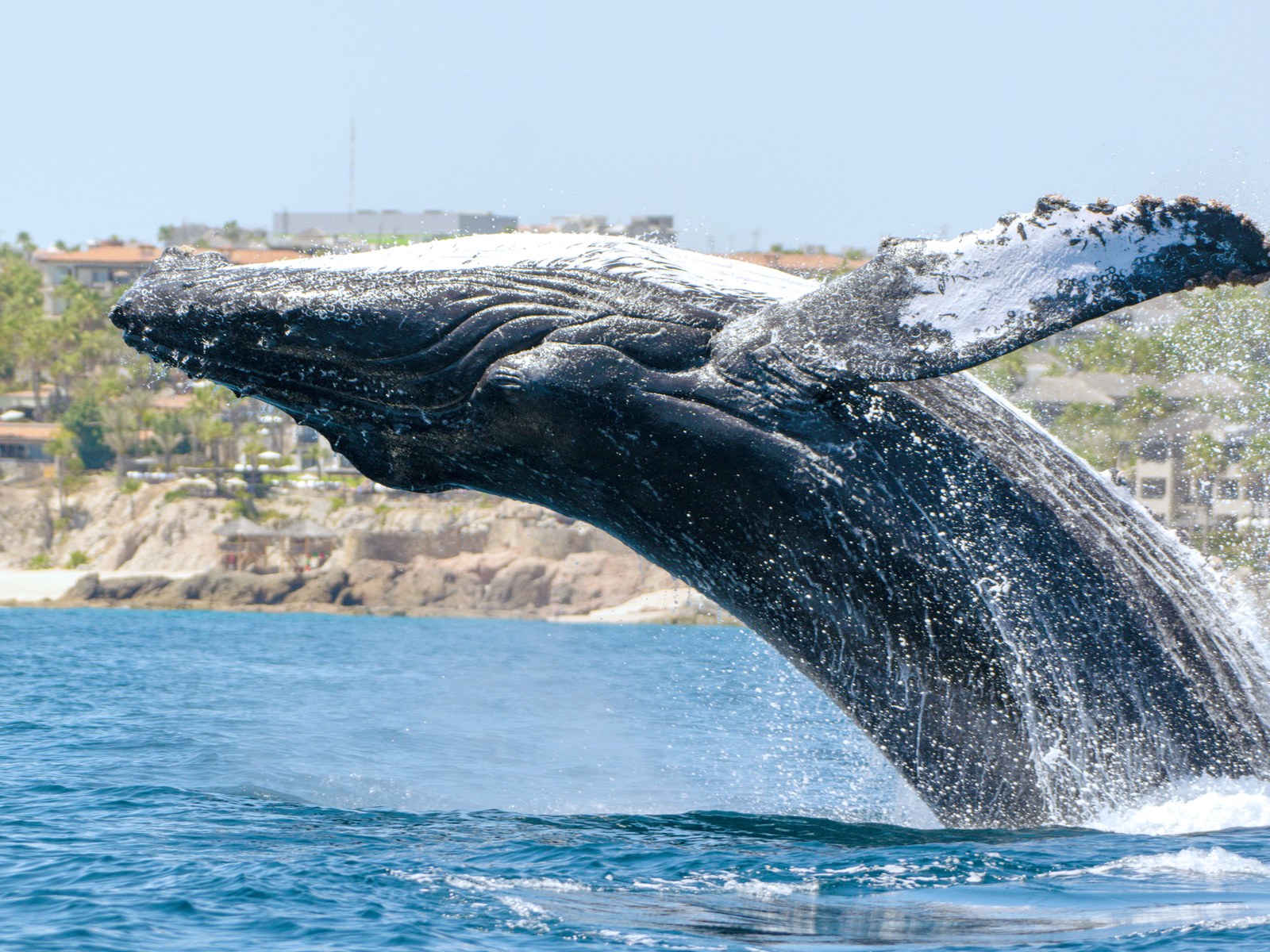
Humpback whale
An acrobatic baleen whale famed for breaching clear of the water and singing haunting songs.
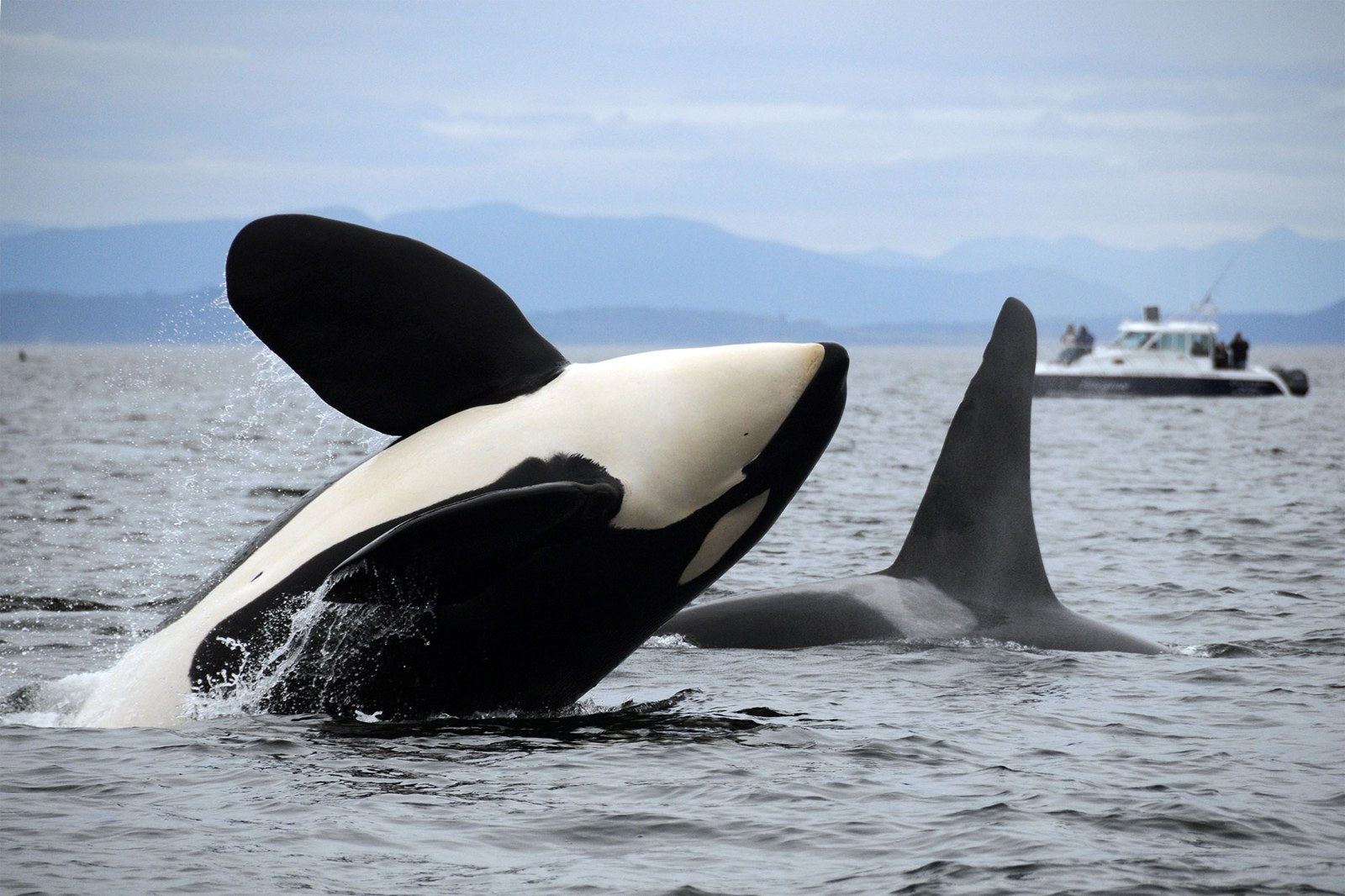
Orca (killer whale)
The ocean’s top predator: a brilliant, family-living dolphin found in every sea.
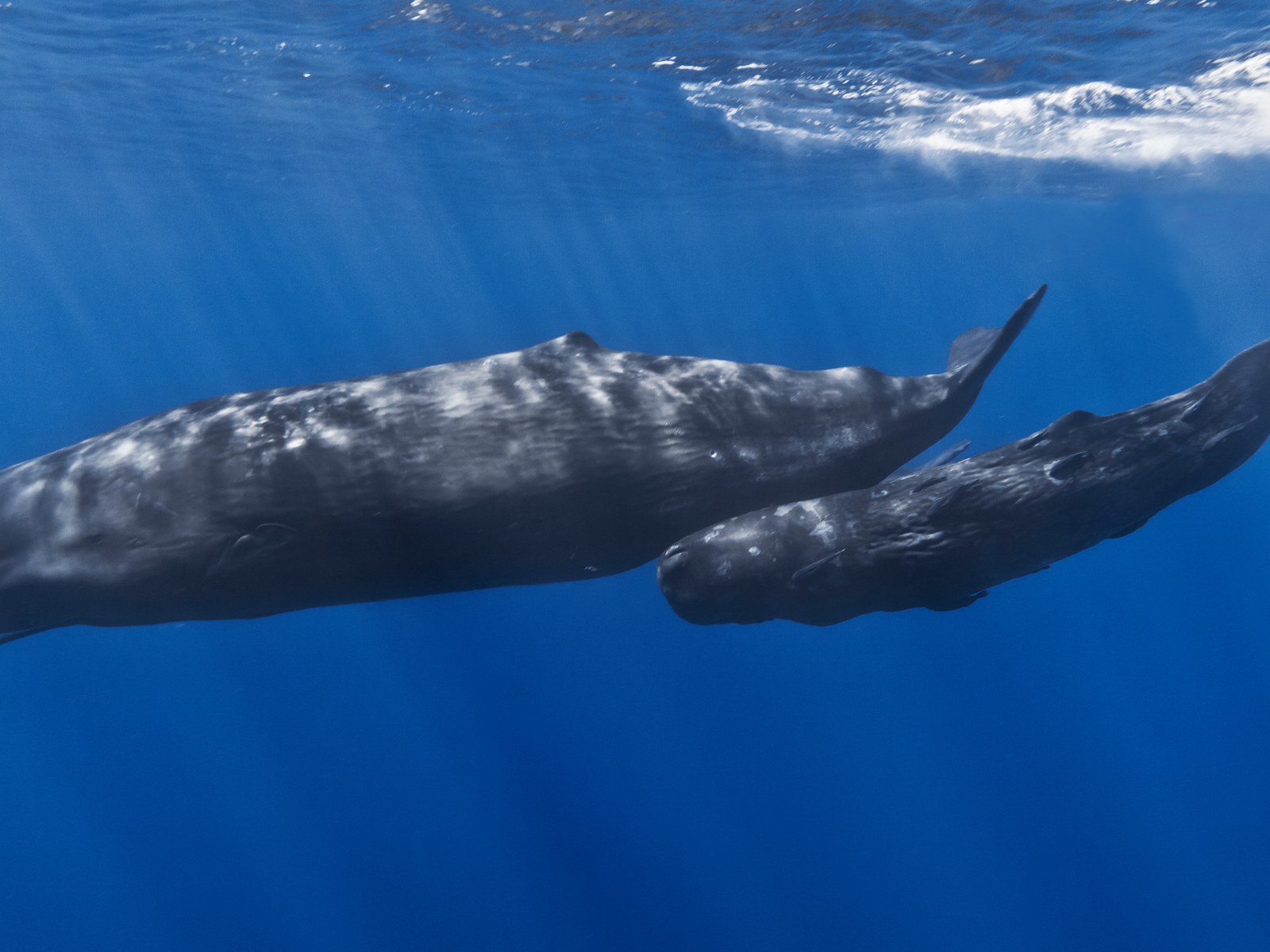
Sperm whale
The largest toothed predator alive, diving over 2 km into the dark to hunt giant squid.
Seabirds
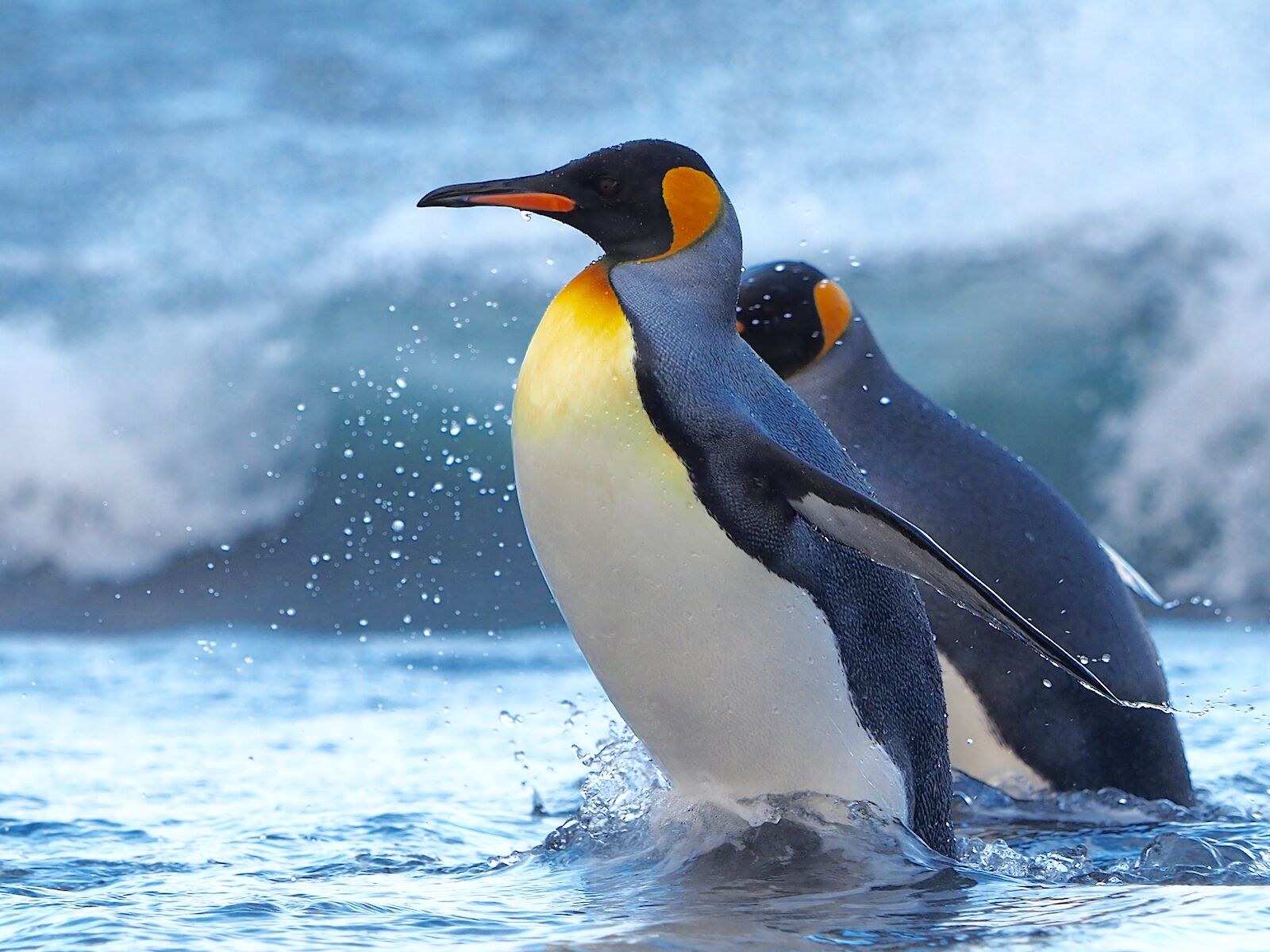
King penguin
A regal sub-Antarctic penguin with glowing golden-orange ear patches.
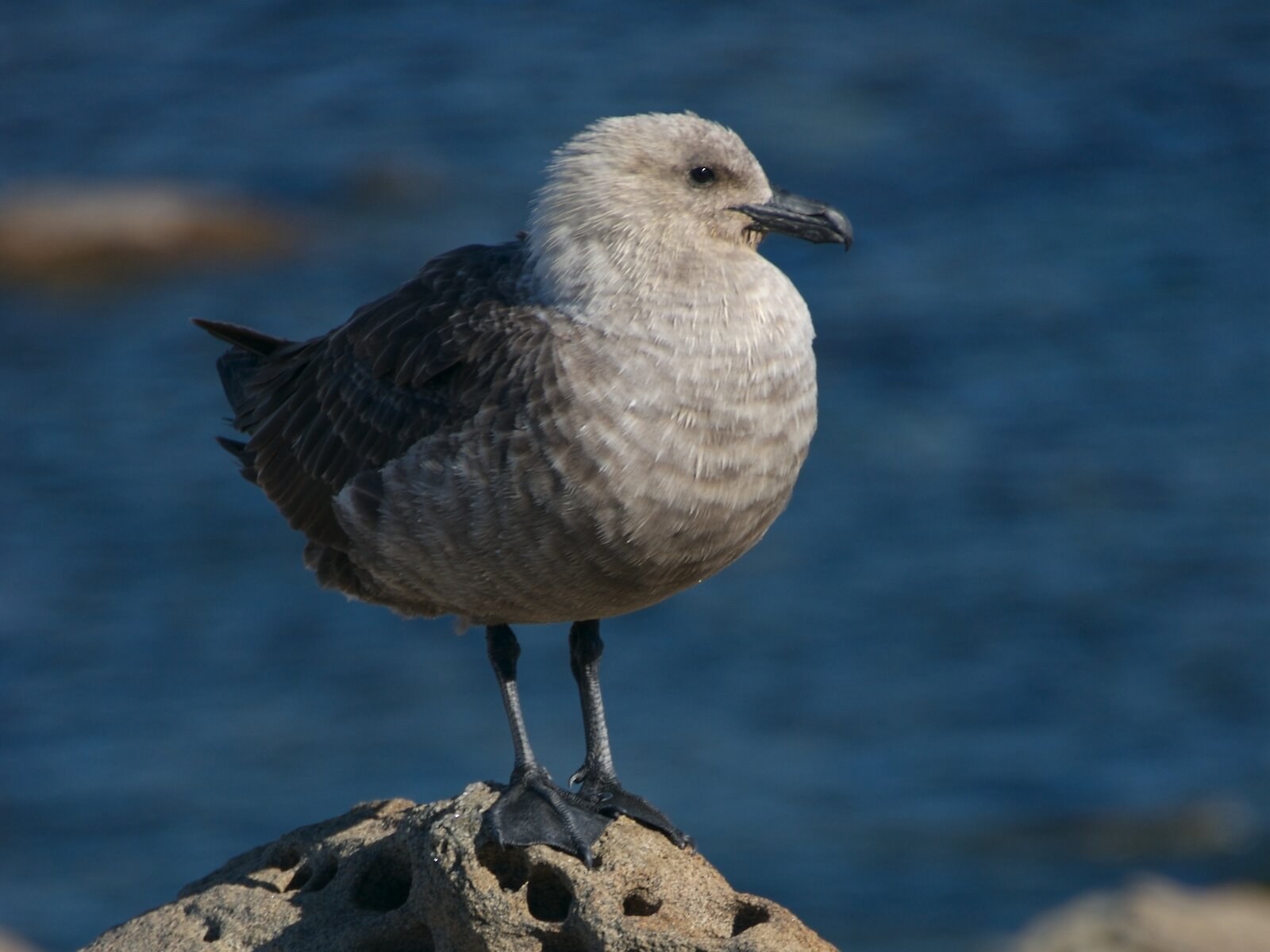
South polar skua
A fierce Antarctic pirate that robs other birds and has been seen at the South Pole itself.
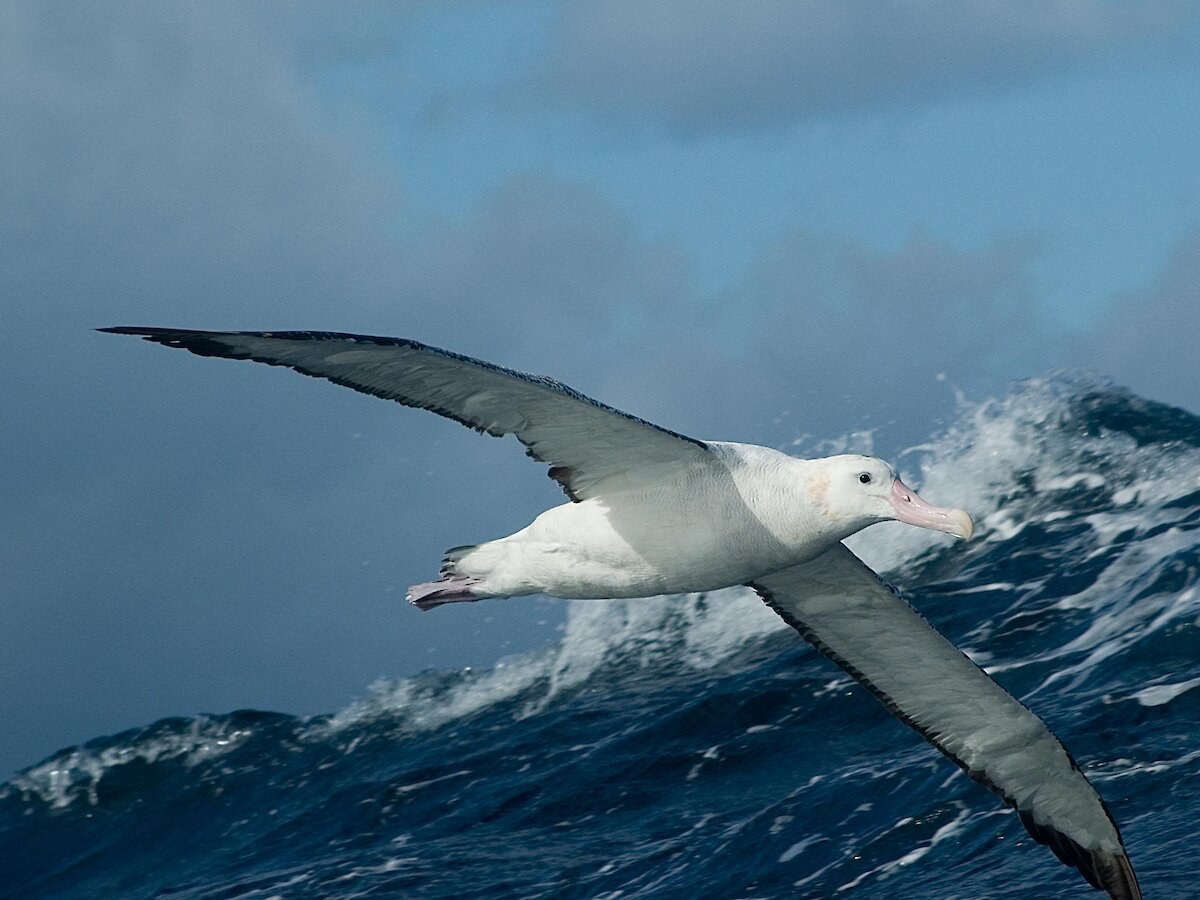
Wandering albatross
The longest wingspan of any bird — 3.5 m — gliding the Southern Ocean for years without landing.
Surface & deep in the Scotia Sea
The sea is warm where the Sun reaches it and cold far below. Flip between the sunlit surface and the deep water to feel the difference — these are typical figures for a sea.
Sunlit surface
22°C
typical surface temperature
Seas warm strongly at the surface in summer, but their deeper water stays cold and still — the sunlight simply never reaches it.
Recorded range for the Scotia Sea: Icy, −1.8°C to 5°C