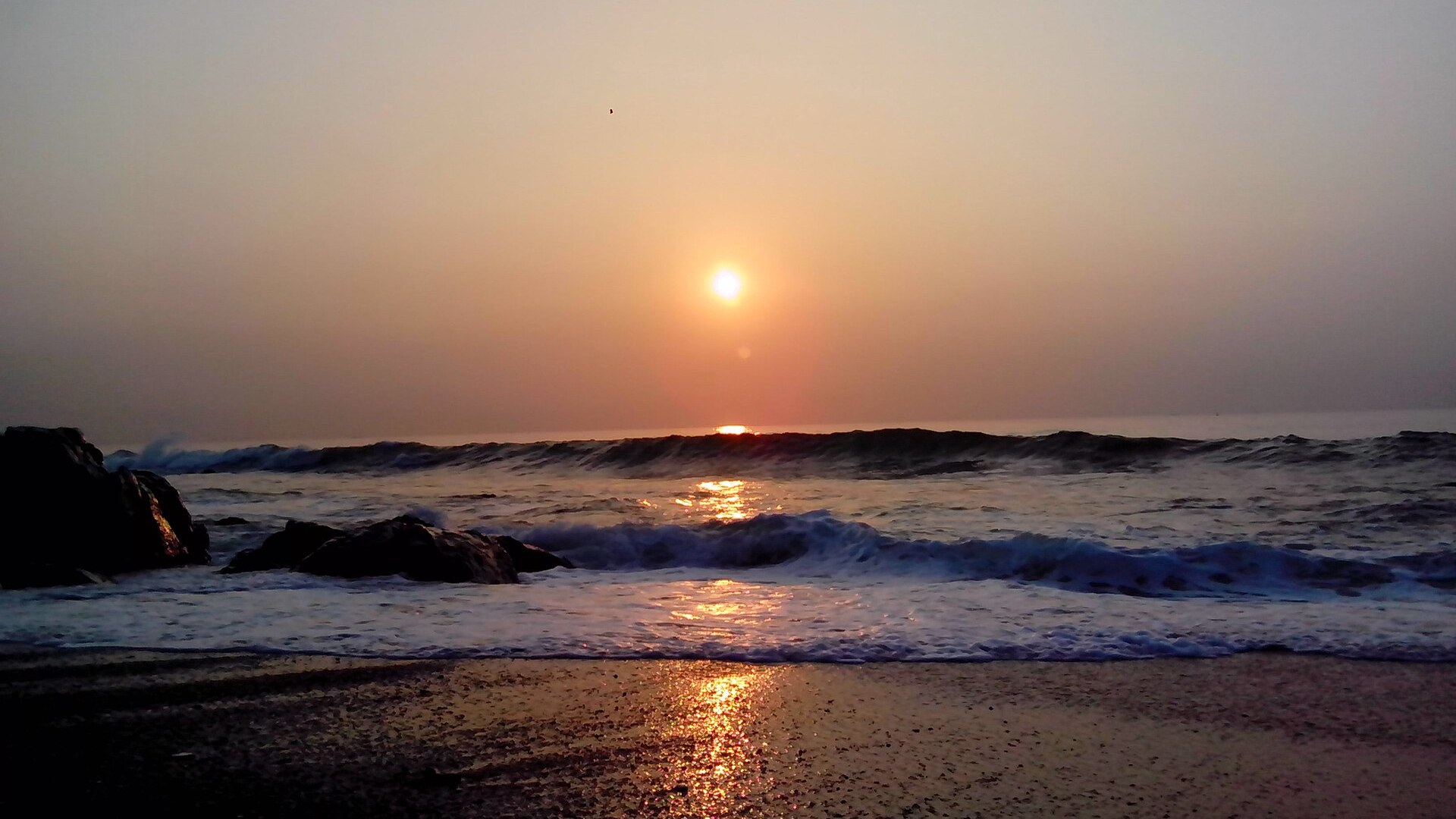
The largest bay on Earth, a vast arm of the Indian Ocean ringed by India, Bangladesh and South-east Asia.
Area
2,172,000 km²
Ocean basin
Indian
Location
The largest bay in the world
Average depth
about 2,600 m
Maximum depth
about 4,694 m
Salinity
~30–34 ppt
Temperature
Warm, 25–30°C
Region
North-east Indian Ocean
About the Bay of Bengal
The Bay of Bengal is bordered by India, Bangladesh, Myanmar and Sri Lanka, receiving the outflow of some of the greatest rivers in Asia. Their silt builds the Sundarbans, the largest mangrove forest and river delta on Earth. The bay’s warm waters spawn devastating tropical cyclones, yet also support fisheries that feed hundreds of millions of people.
Did you know?
It is the biggest bay in the world, fed by mighty rivers like the Ganges and Brahmaputra that build the planet’s largest river delta.
Highlights
- The largest bay in the world
- Fed by the Ganges and Brahmaputra
- Builds the vast Sundarbans delta
Photo gallery
Life in the Bay of Bengal
Creatures, seabirds and marine plants — including some of the rarest and strangest — that live in these waters.
Creatures of the deep
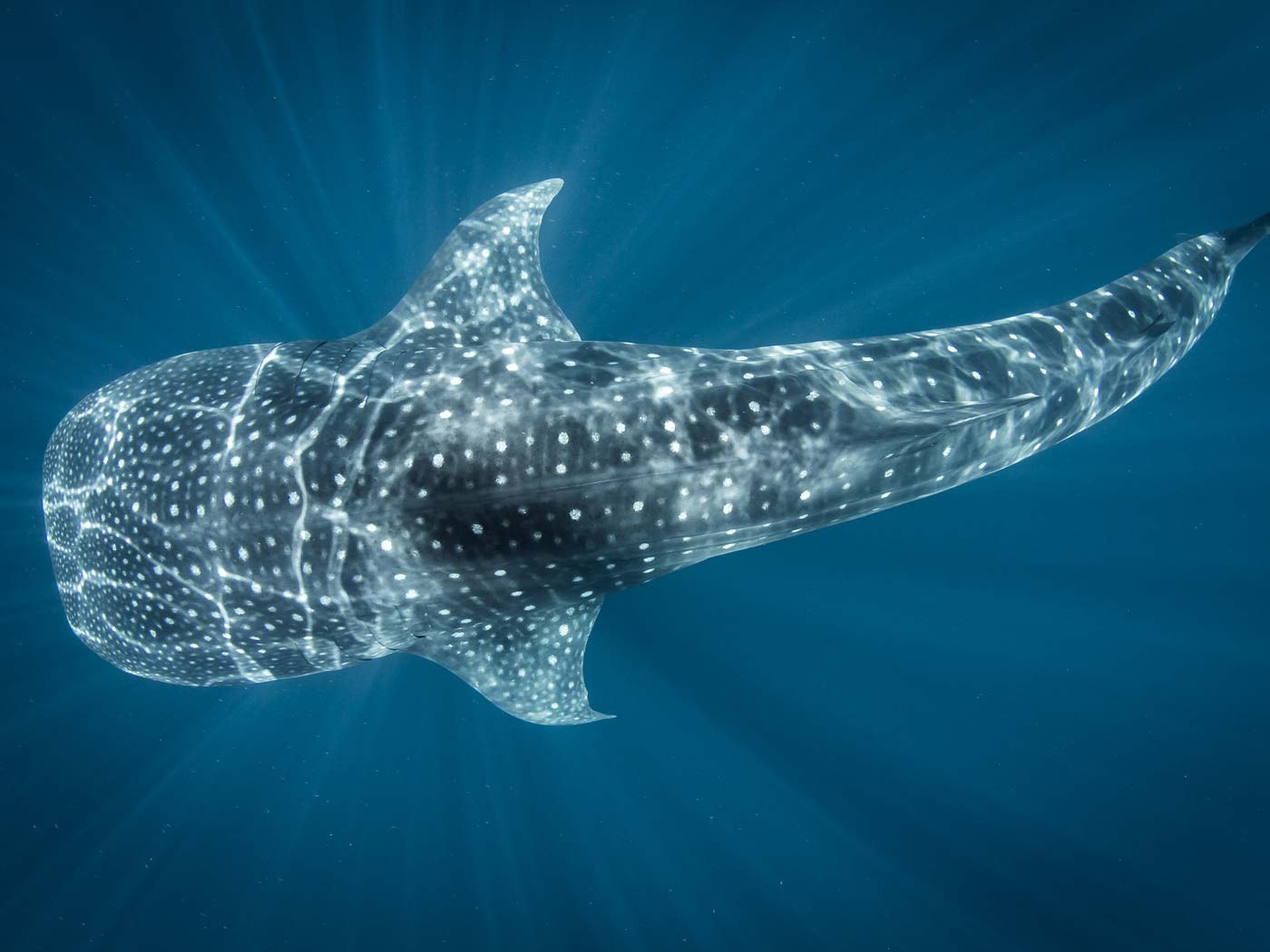
Whale shark
The largest fish alive — a spotted, harmless giant that strains plankton from the sea.
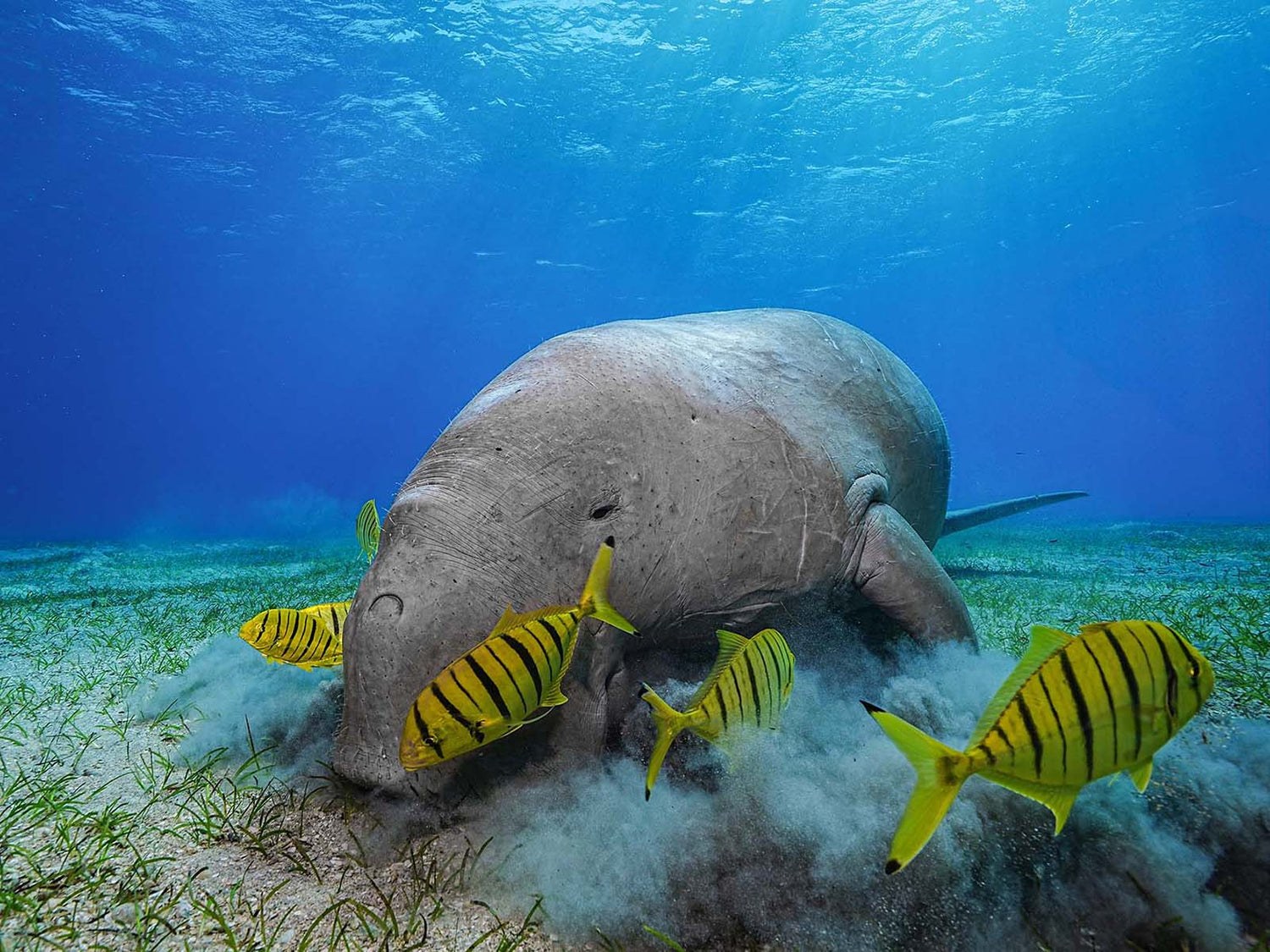
Dugong
A gentle seagrass-grazing “sea cow” of warm Indo-Pacific coasts, cousin to the manatee.
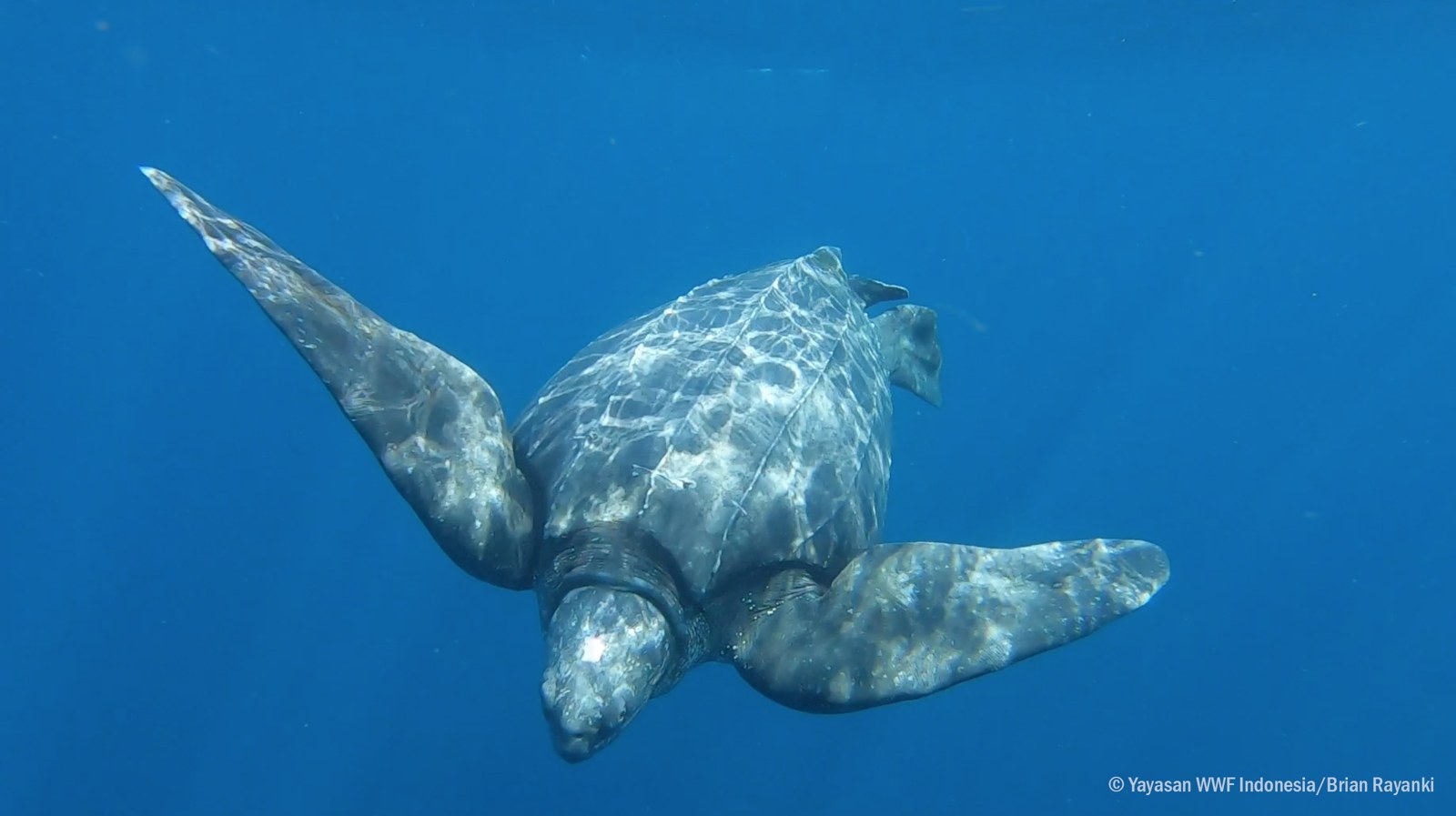
Leatherback turtle
The largest sea turtle, diving over 1,000 m in pursuit of jellyfish.

Hammerhead shark
Its wing-shaped head is packed with sensors that detect prey buried in the sand.
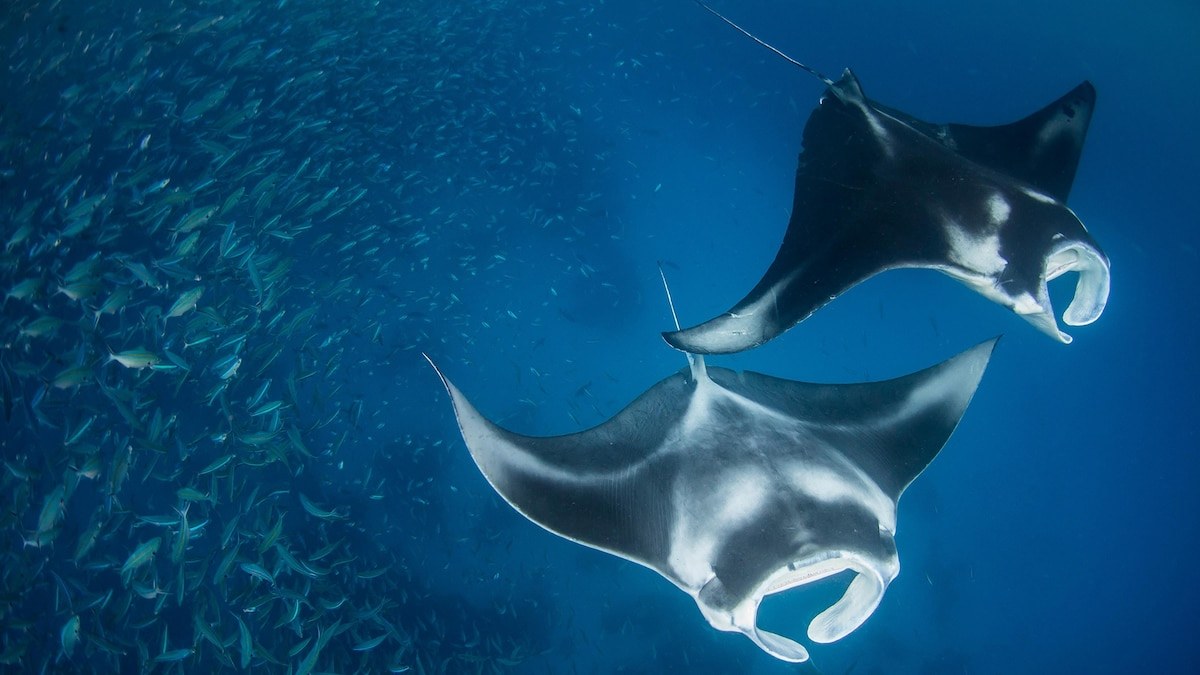
Manta ray
A gentle giant that “flies” through the water on wings up to seven metres across.
Seabirds
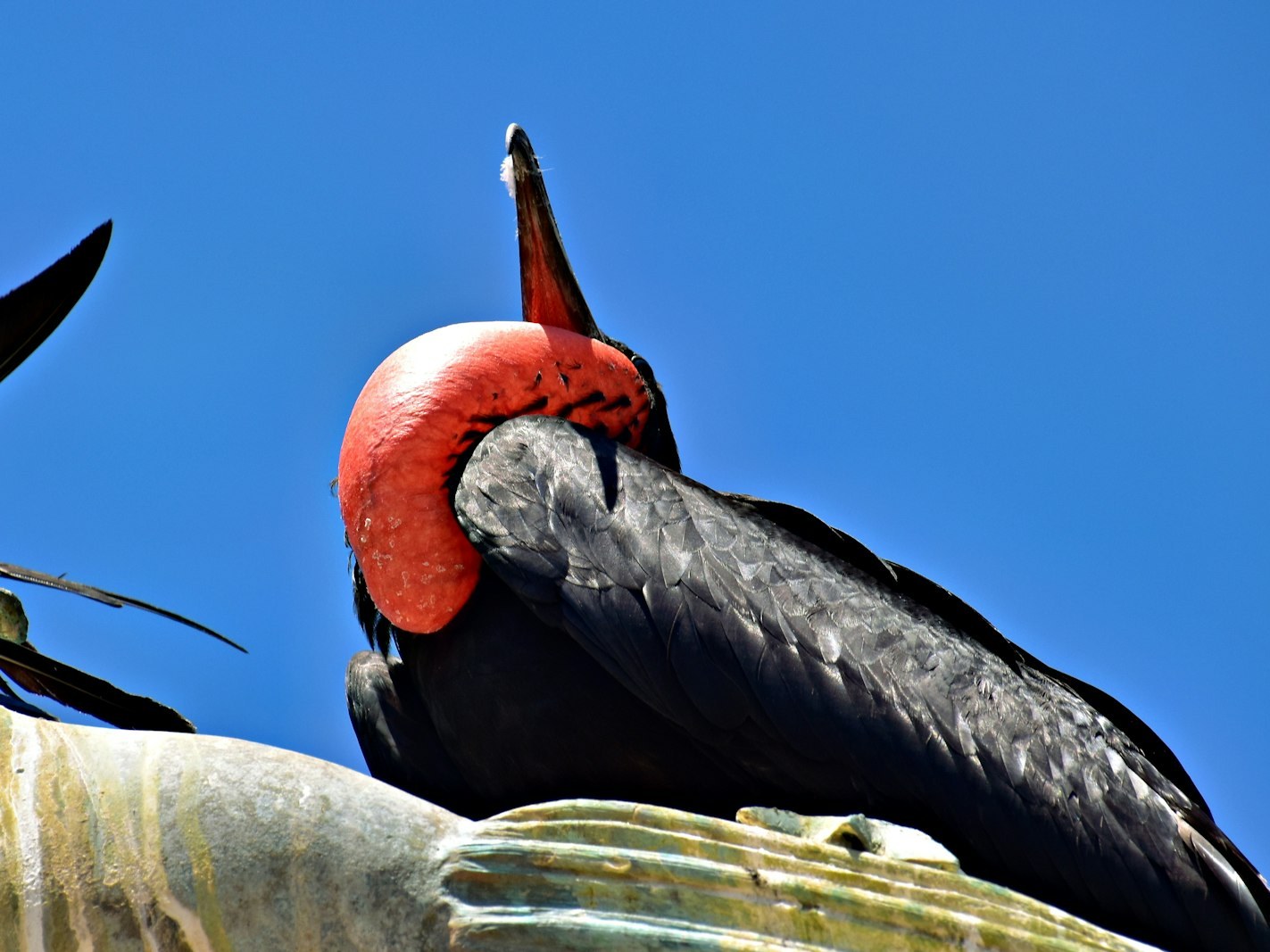
Frigatebird
A pirate of tropical skies; the male balloons a scarlet throat pouch to court mates.
Marine plants & algae
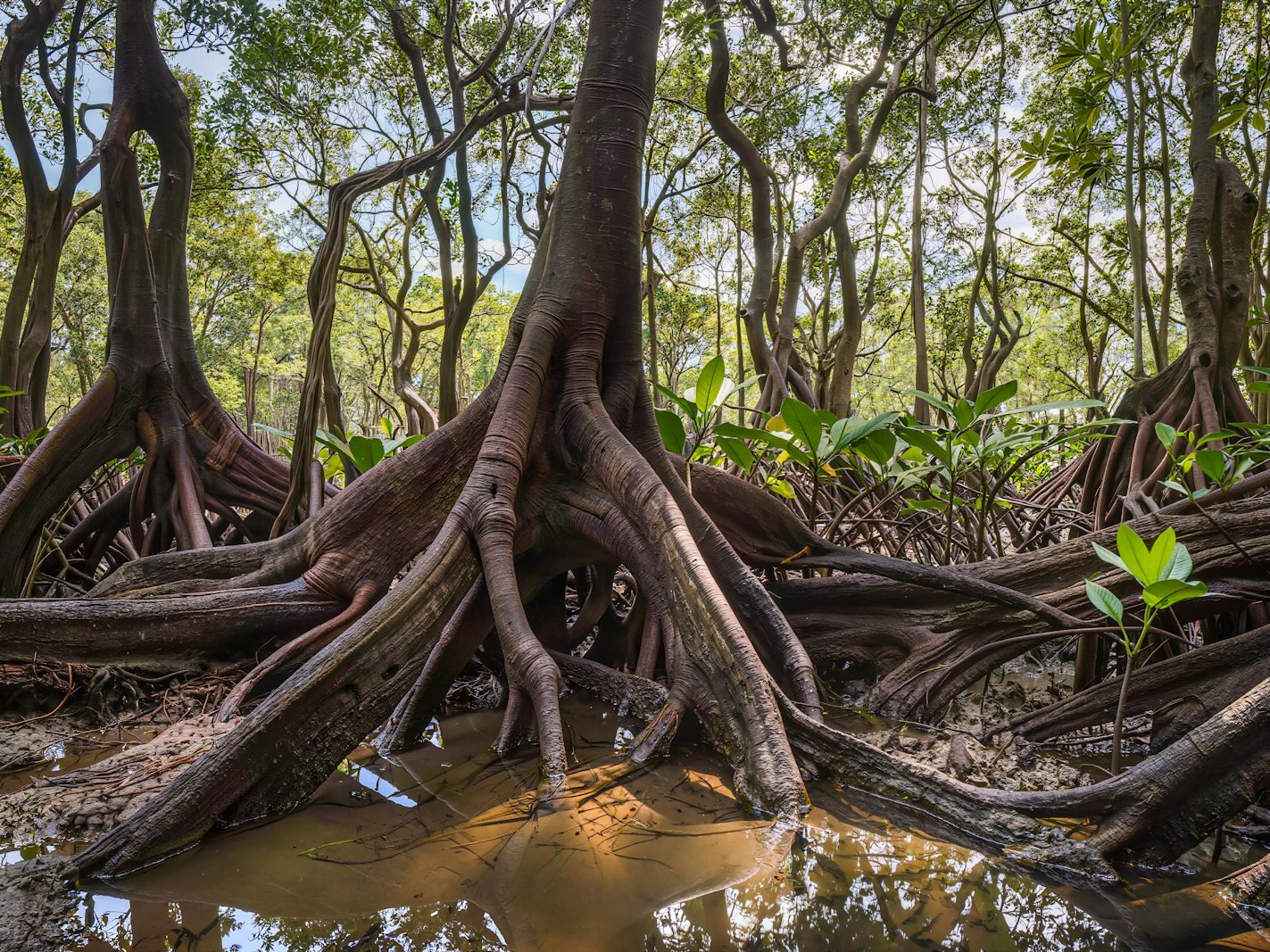
Mangrove
Salt-tolerant coastal trees whose tangled roots shelter young fish and buffer storms.
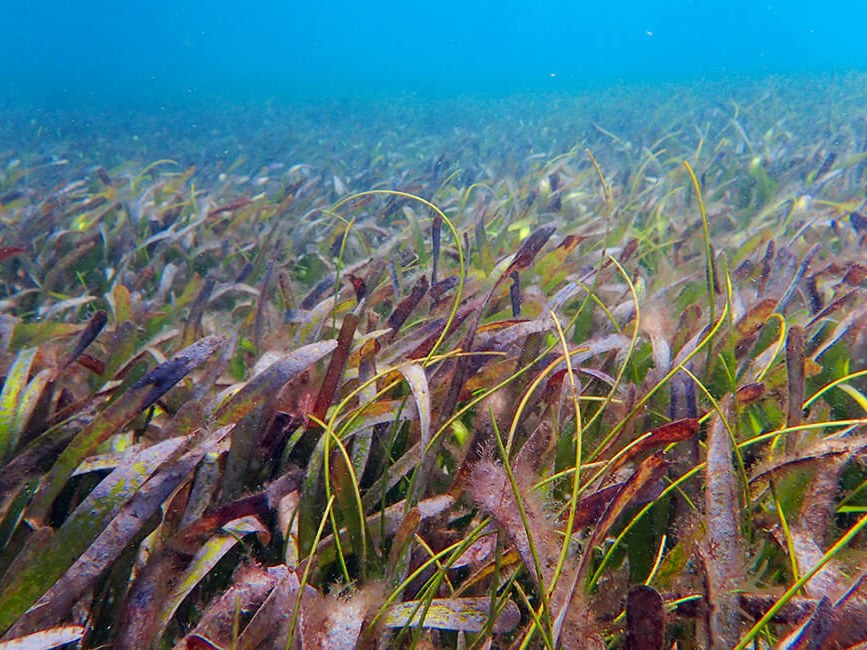
Turtle grass
A tropical seagrass whose meadows feed turtles, manatees and dugongs.
Surface & deep in the Bay of Bengal
The sea is warm where the Sun reaches it and cold far below. Flip between the sunlit surface and the deep water to feel the difference — these are typical figures for a gulf & bay.
Sunlit surface
26°C
typical surface temperature
Shallow and sheltered, gulfs and bays warm up quickly from top to bottom, staying far milder than the deep open ocean nearby.
Recorded range for the Bay of Bengal: Warm, 25–30°C