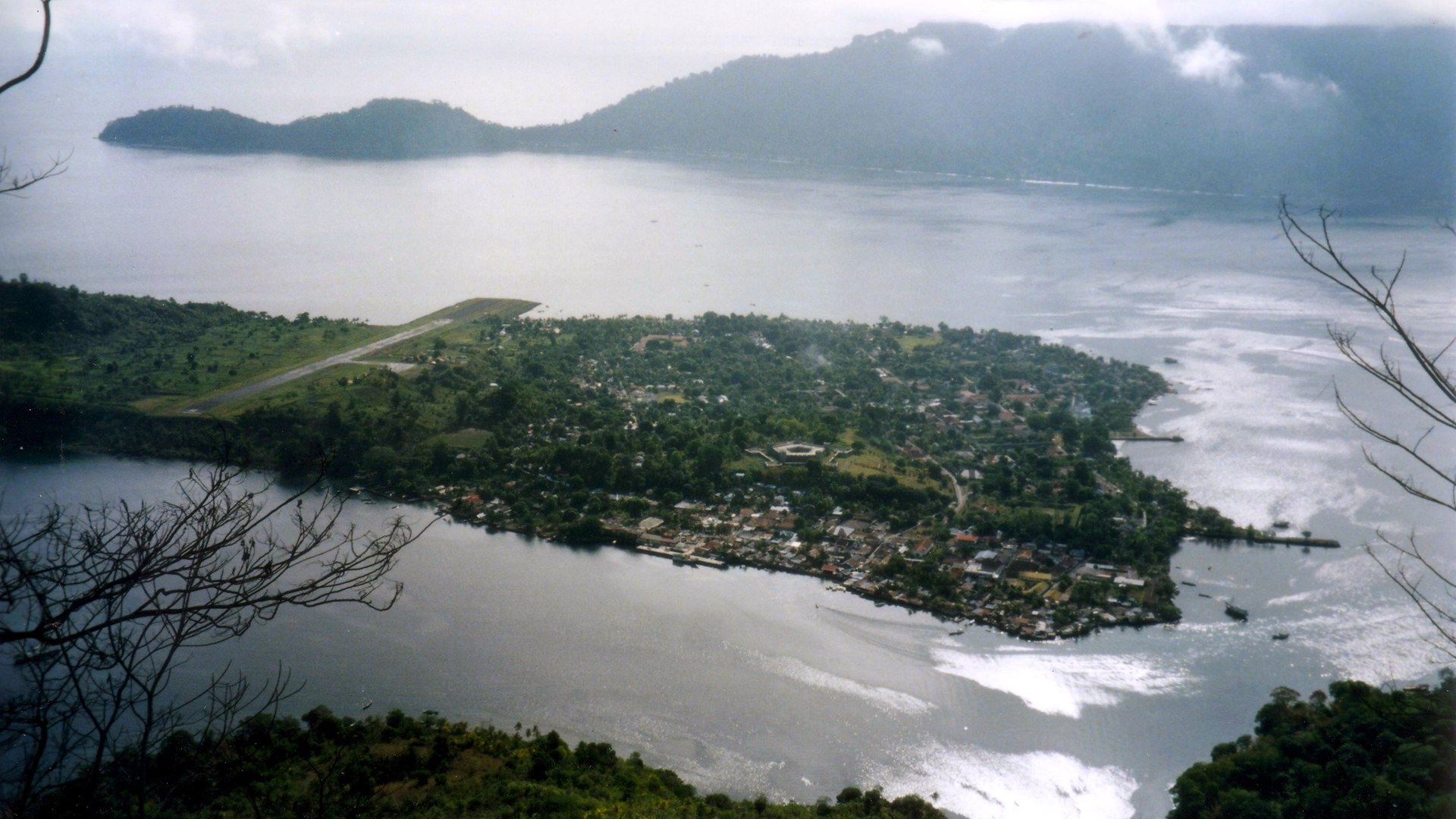
A deep volcanic sea in eastern Indonesia, a hotspot of the Coral Triangle and a migration route for whales.
Area
695,000 km²
Ocean basin
Pacific
Location
A deep tropical sea at the heart of the Coral Triangle
Average depth
about 3,000 m
Maximum depth
about 7,440 m
Salinity
~34 ppt
Temperature
Warm, 27–29°C
Region
Eastern Indonesia
About the Banda Sea
The Banda Sea lies among the volcanic islands of eastern Indonesia, within the Coral Triangle — the most biodiverse marine region on Earth. Its deep basin drops past 7,000 m, yet its reefs blaze with life. Pods of sperm whales, pilot whales and even blue whales migrate through its clear, deep-blue water.
Did you know?
Despite sitting in the warm tropics it plunges to over 7 km deep, and sperm and blue whales pass through its blue water.
Highlights
- In the biodiverse Coral Triangle
- Over 7 km deep despite the tropics
- A whale migration corridor
Photo gallery
Life in the Banda Sea
Creatures, seabirds and marine plants — including some of the rarest and strangest — that live in these waters.
Creatures of the deep
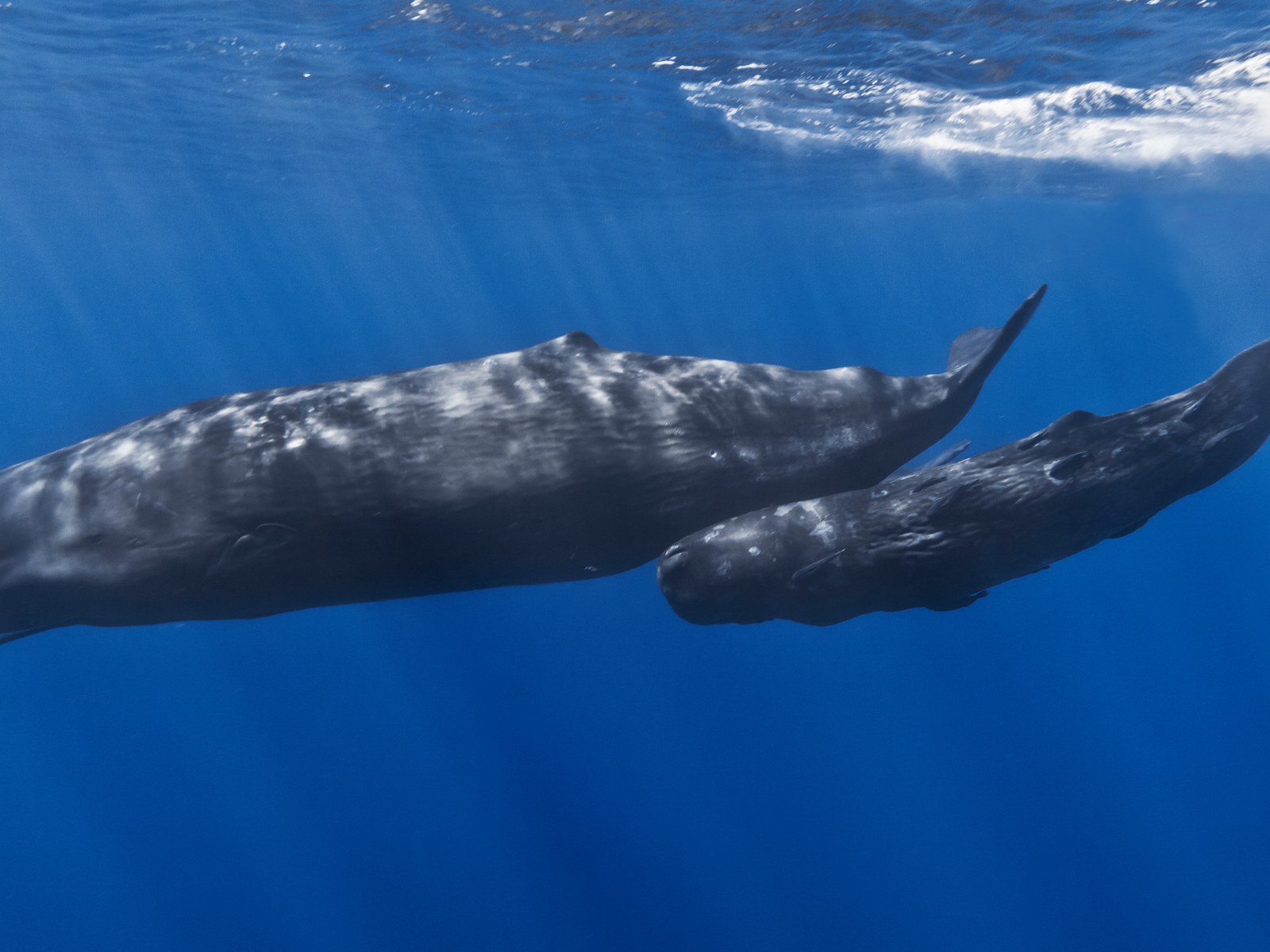
Sperm whale
The largest toothed predator alive, diving over 2 km into the dark to hunt giant squid.
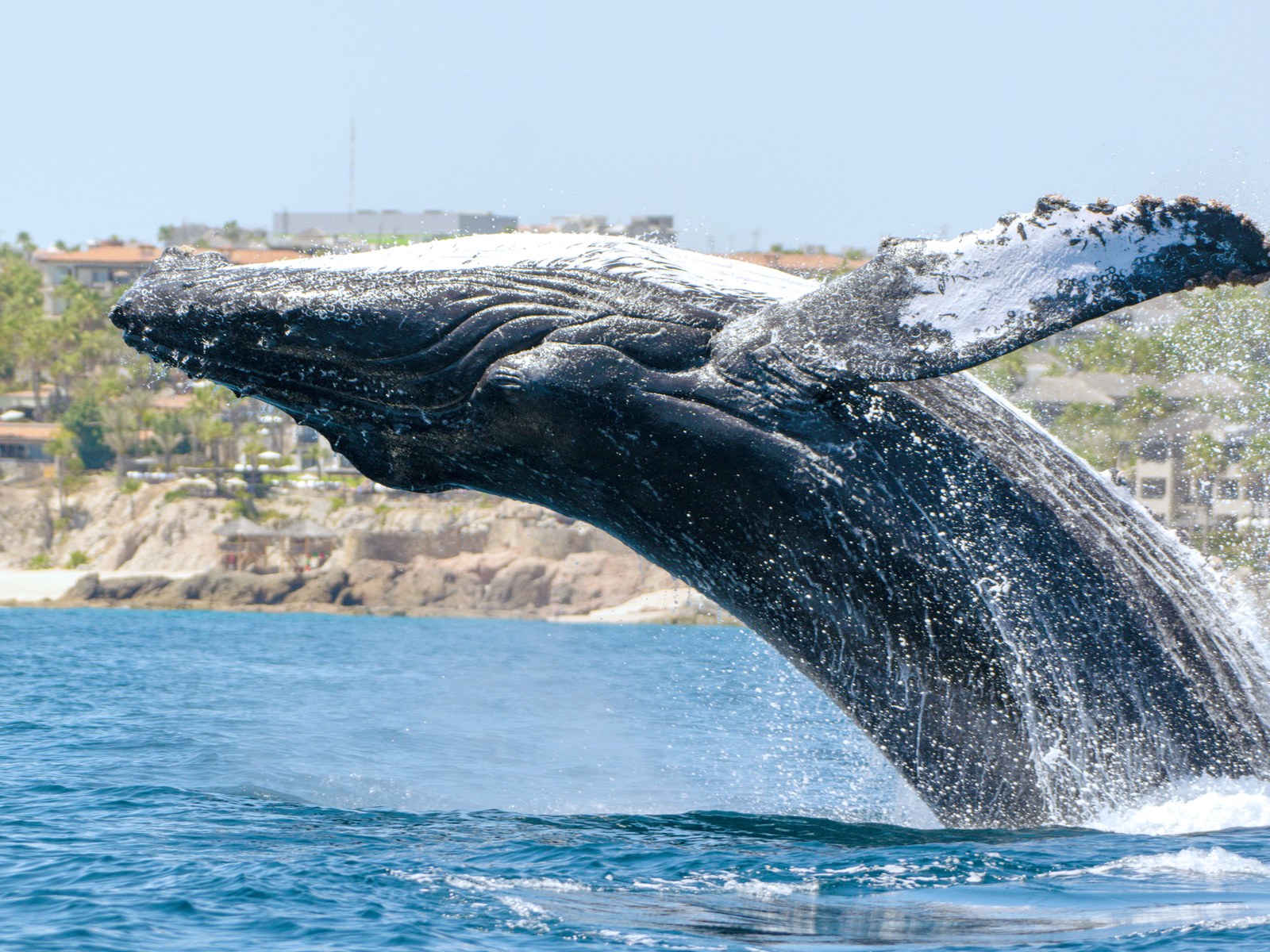
Humpback whale
An acrobatic baleen whale famed for breaching clear of the water and singing haunting songs.
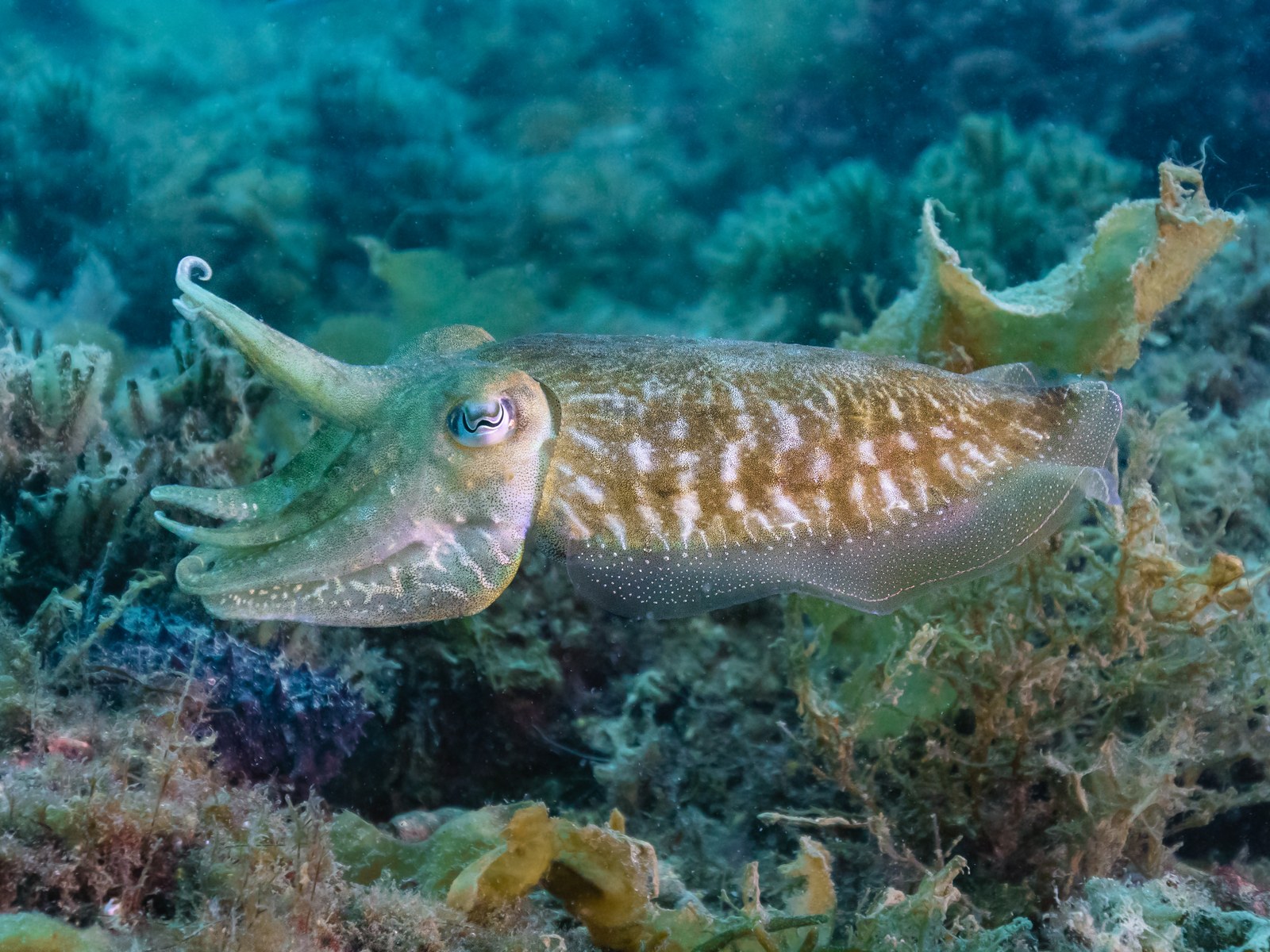
Cuttlefish
A master of disguise with W-shaped pupils that flashes rippling colour across its skin.
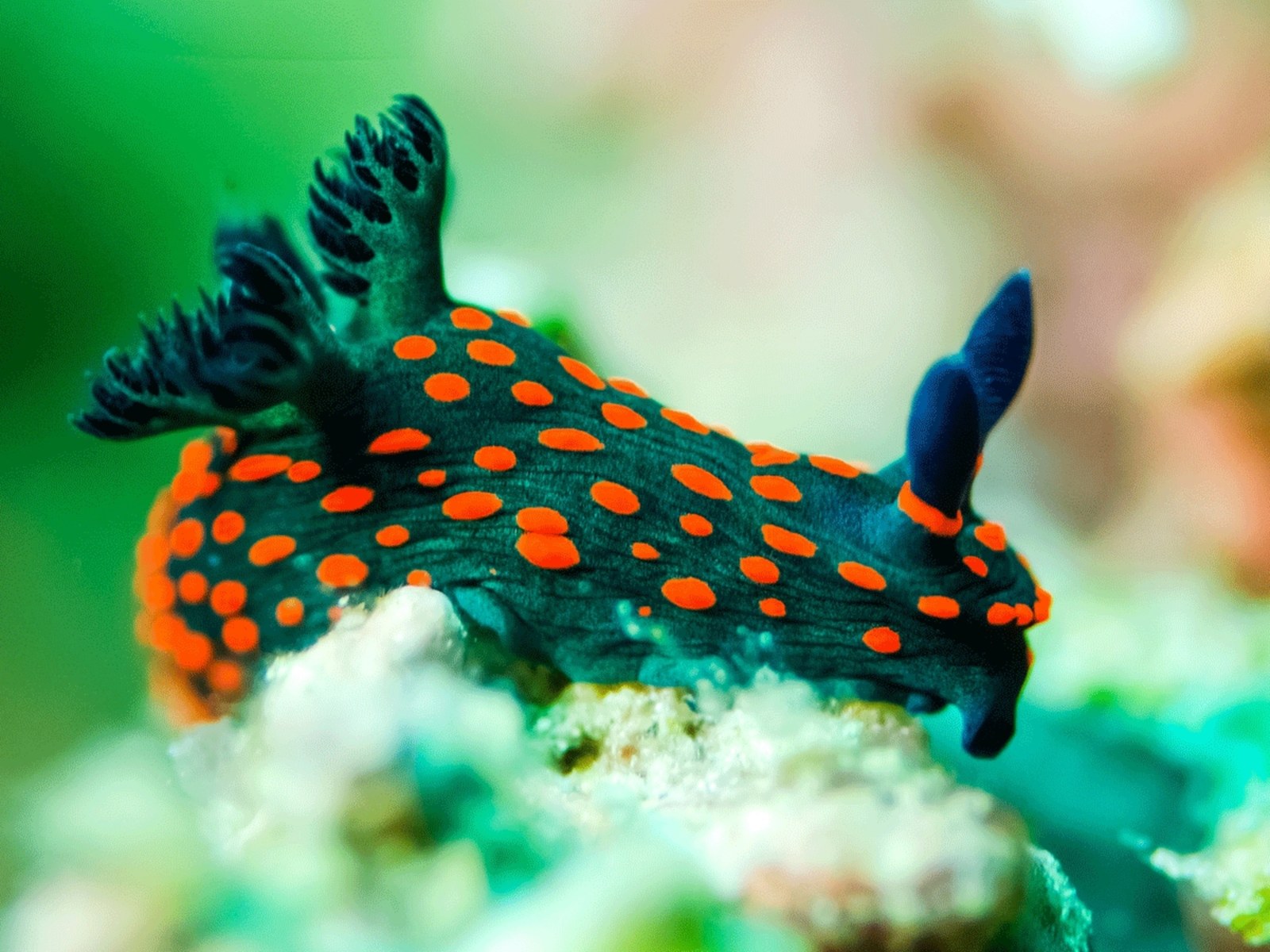
Nudibranch (sea slug)
Dazzlingly coloured sea slugs that steal stings — and even sunlight — from the food they eat.
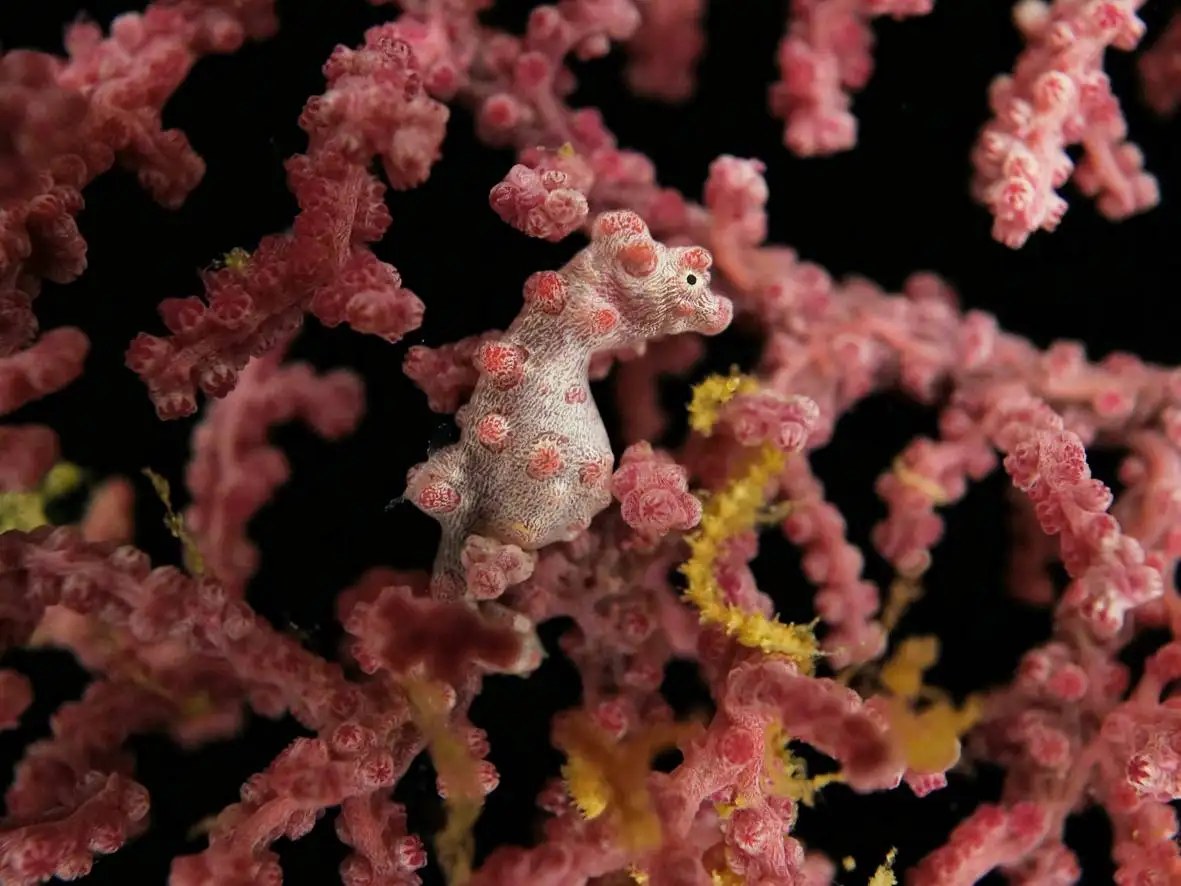
Pygmy seahorse
A thumbnail-sized seahorse camouflaged so perfectly on sea fans it was found by accident.
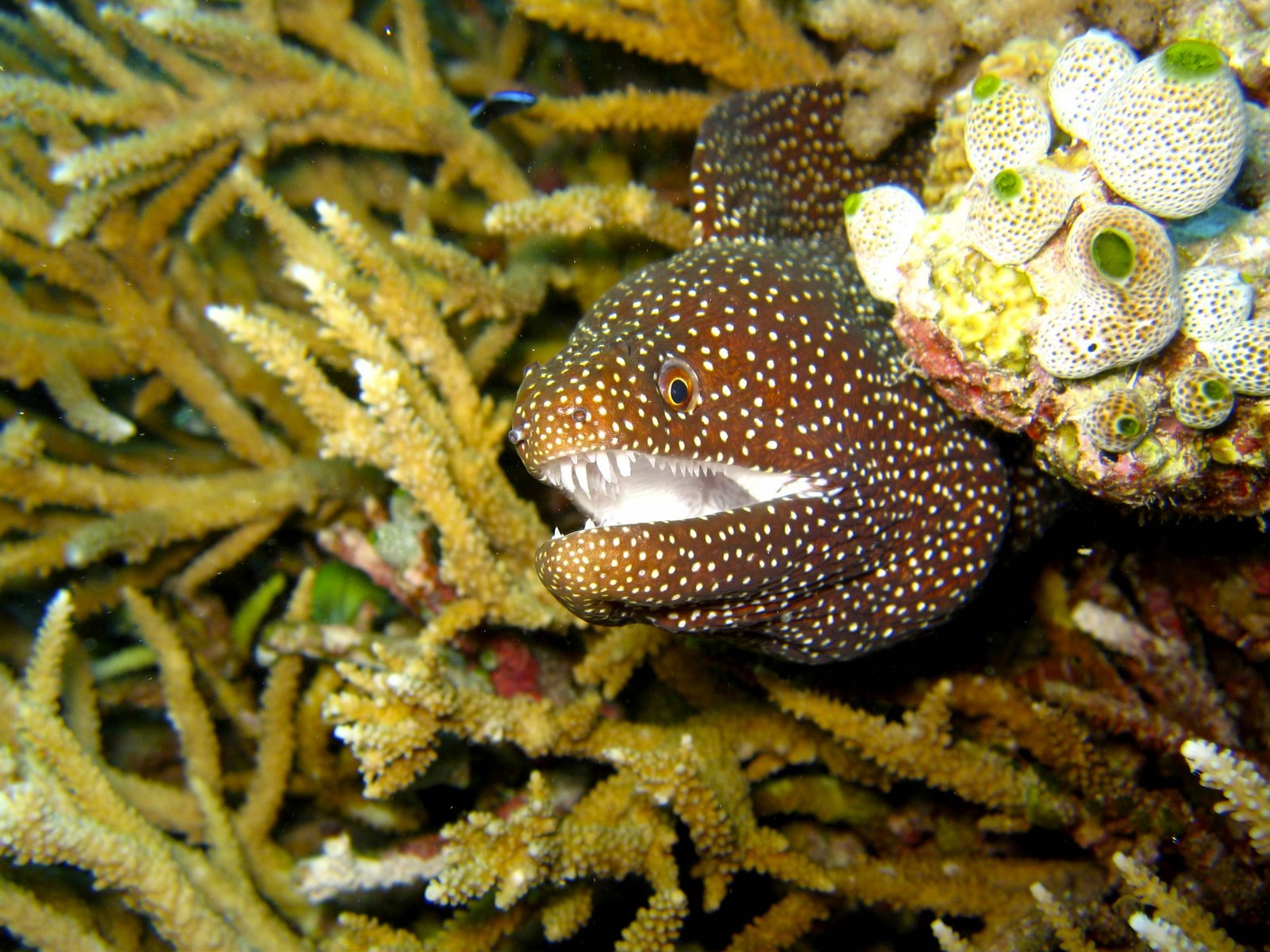
Moray eel
A reef ambush predator with a hidden second set of jaws in its throat to drag prey down.
Seabirds
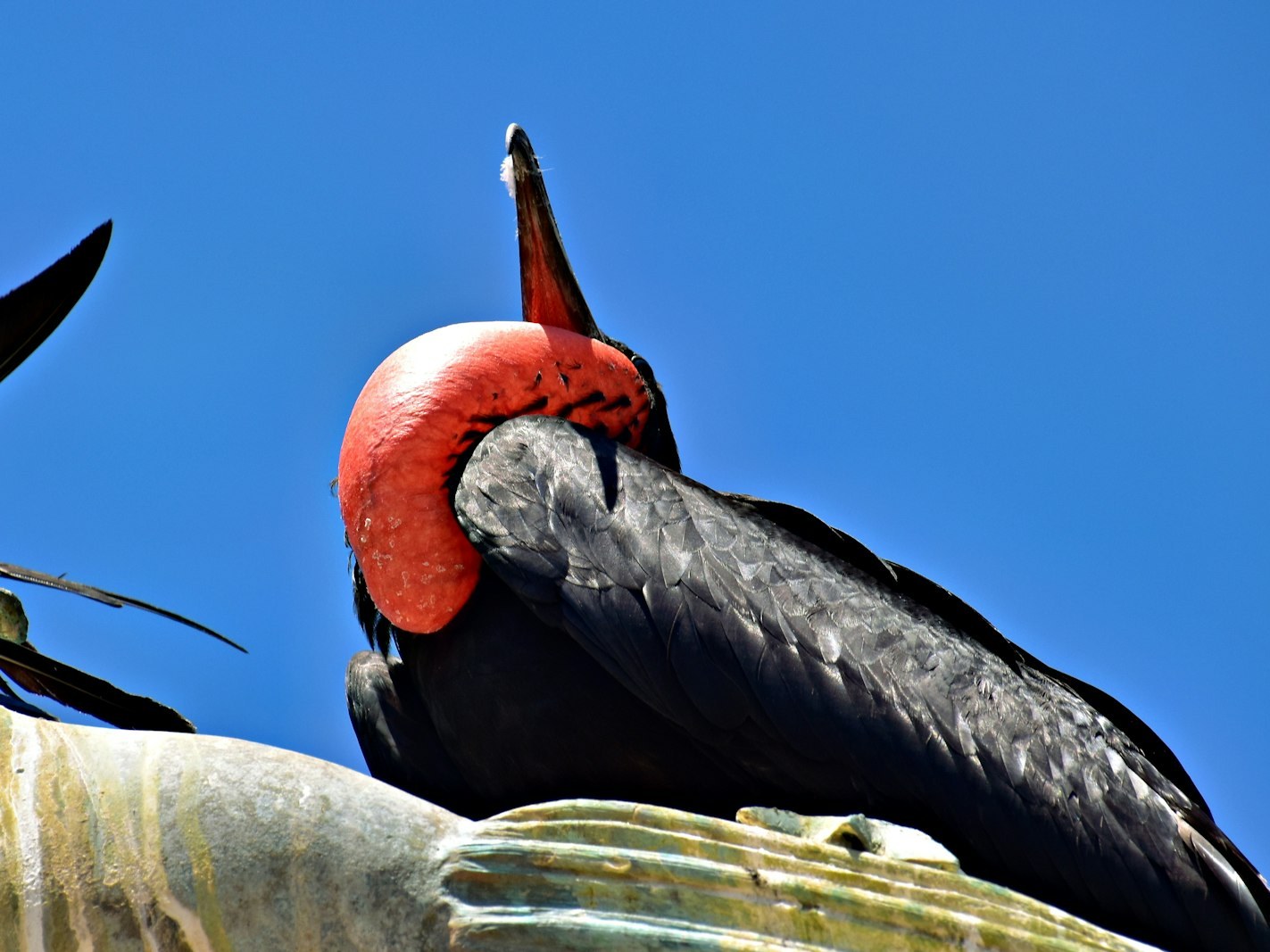
Frigatebird
A pirate of tropical skies; the male balloons a scarlet throat pouch to court mates.
Marine plants & algae
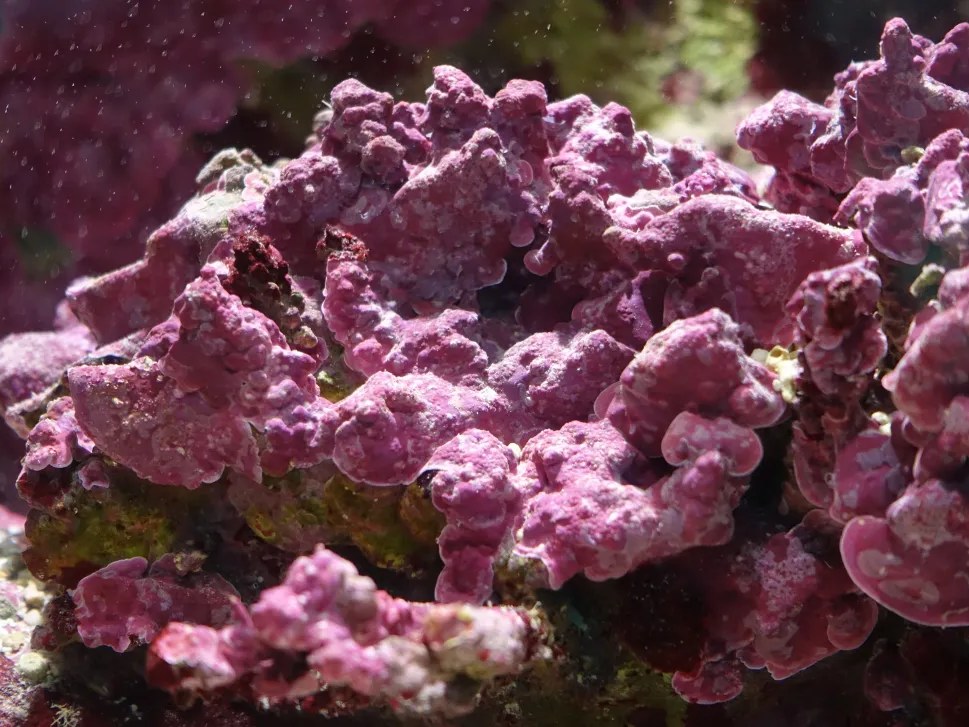
Coralline algae
Stony pink algae that cement coral reefs together and help them grow.
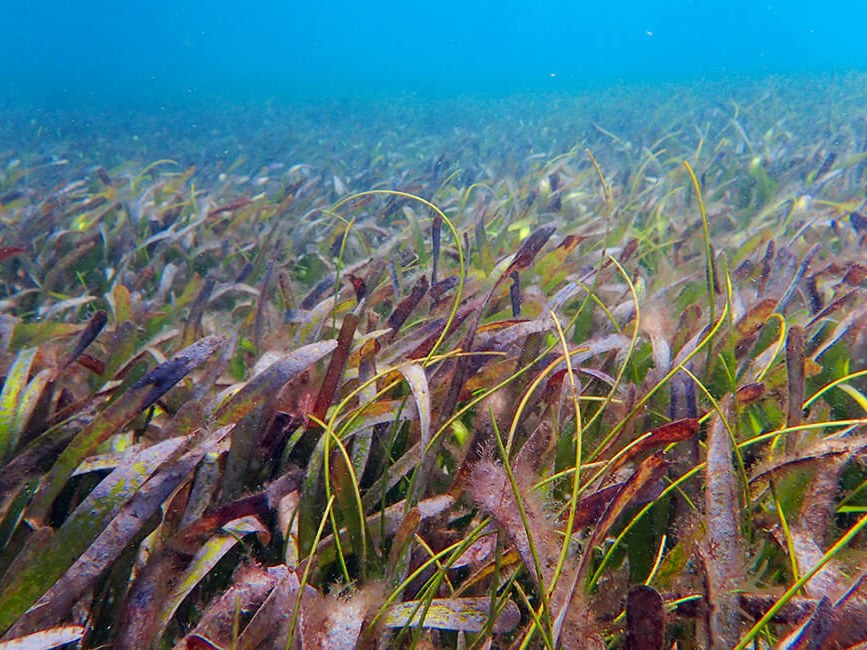
Turtle grass
A tropical seagrass whose meadows feed turtles, manatees and dugongs.
Surface & deep in the Banda Sea
The sea is warm where the Sun reaches it and cold far below. Flip between the sunlit surface and the deep water to feel the difference — these are typical figures for a sea.
Sunlit surface
22°C
typical surface temperature
Seas warm strongly at the surface in summer, but their deeper water stays cold and still — the sunlight simply never reaches it.
Recorded range for the Banda Sea: Warm, 27–29°C