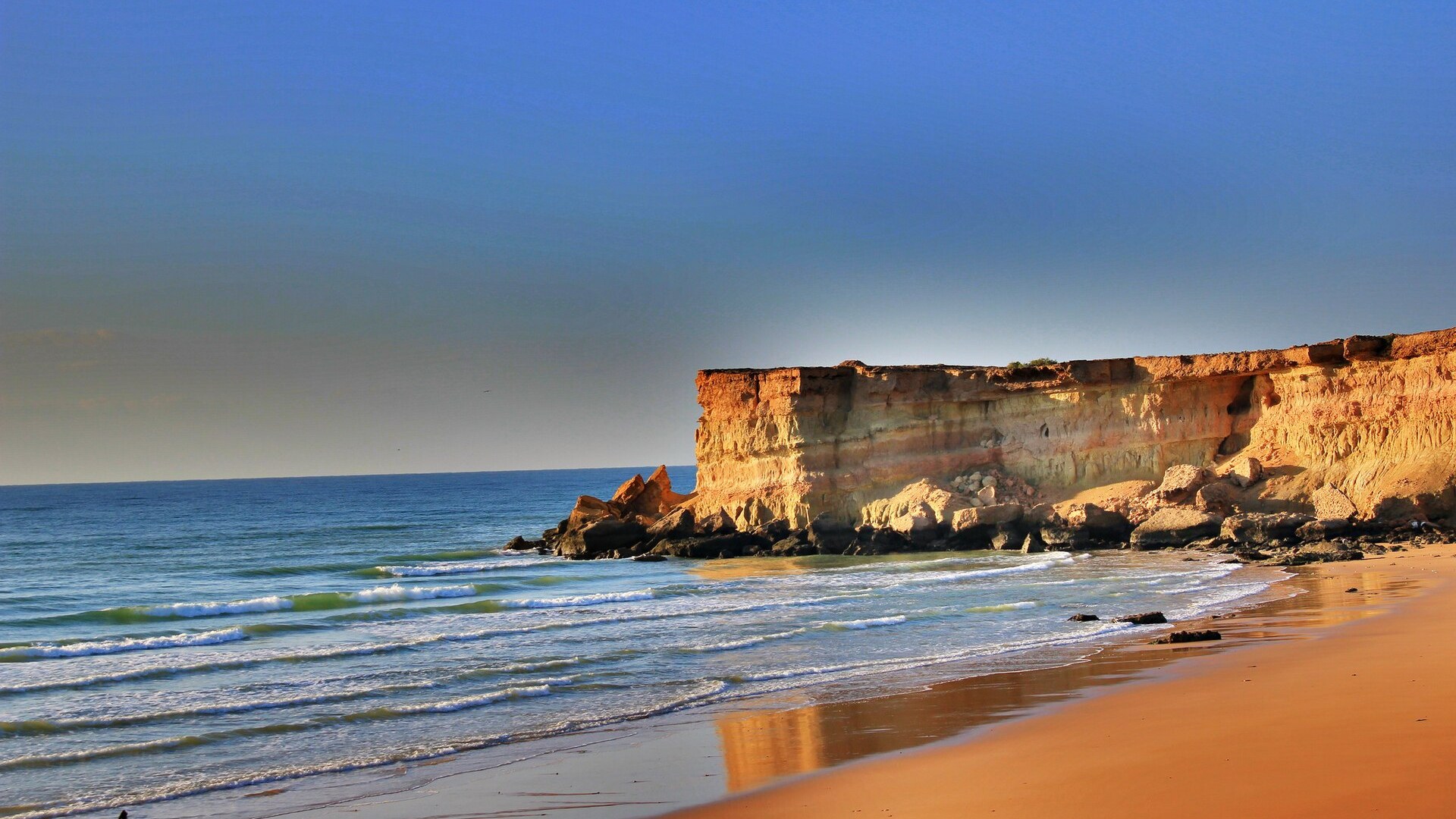
A shallow, extremely warm gulf between Iran and Arabia, holding the richest oil fields and some of the hottest seawater on Earth.
Area
251,000 km²
Ocean basin
Indian
Location
The warm, shallow gulf of the oil lands
Average depth
about 50 m
Maximum depth
about 90 m
Salinity
~40 ppt (very salty)
Temperature
The warmest sea — up to 35°C in summer
Region
Between Iran & the Arabian Peninsula
About the Persian Gulf
The Persian Gulf is a shallow arm of the Indian Ocean between Iran and the Arabian Peninsula, linked to the open sea by the strategic Strait of Hormuz. Barely 50 m deep on average and ringed by desert, it heats up dramatically in summer and is extremely salty. Beneath and around it lie the largest oil and gas reserves on Earth, making it one of the most economically vital seas.
Did you know?
In summer its surface can reach 35°C — bath-warm — making it one of the hottest large bodies of seawater in the world.
Highlights
- Some of the hottest seawater on Earth
- Holds the world’s richest oil reserves
- Guarded by the Strait of Hormuz
Photo gallery
Life in the Persian Gulf
Creatures, seabirds and marine plants — including some of the rarest and strangest — that live in these waters.
Creatures of the deep
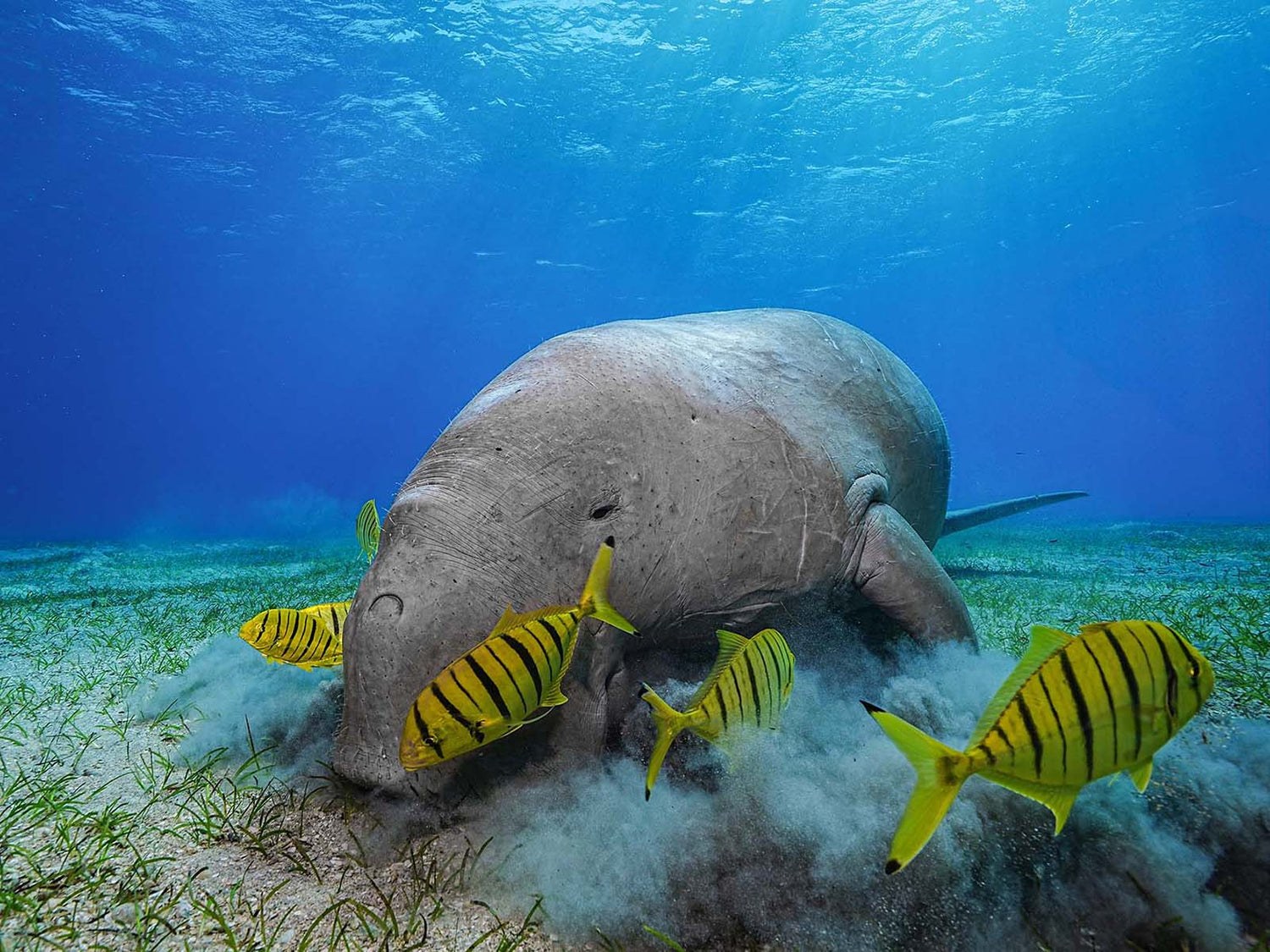
Dugong
A gentle seagrass-grazing “sea cow” of warm Indo-Pacific coasts, cousin to the manatee.
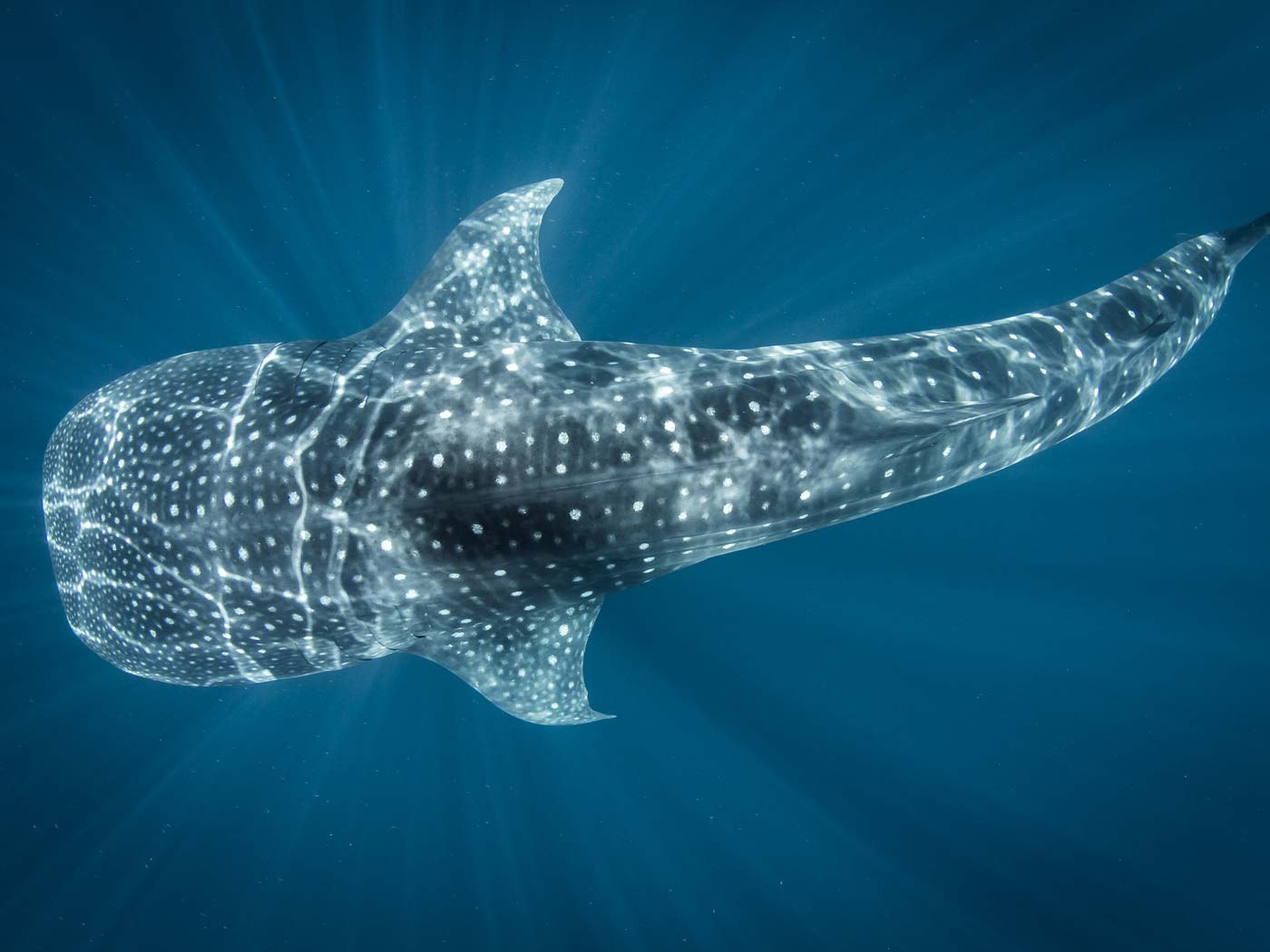
Whale shark
The largest fish alive — a spotted, harmless giant that strains plankton from the sea.
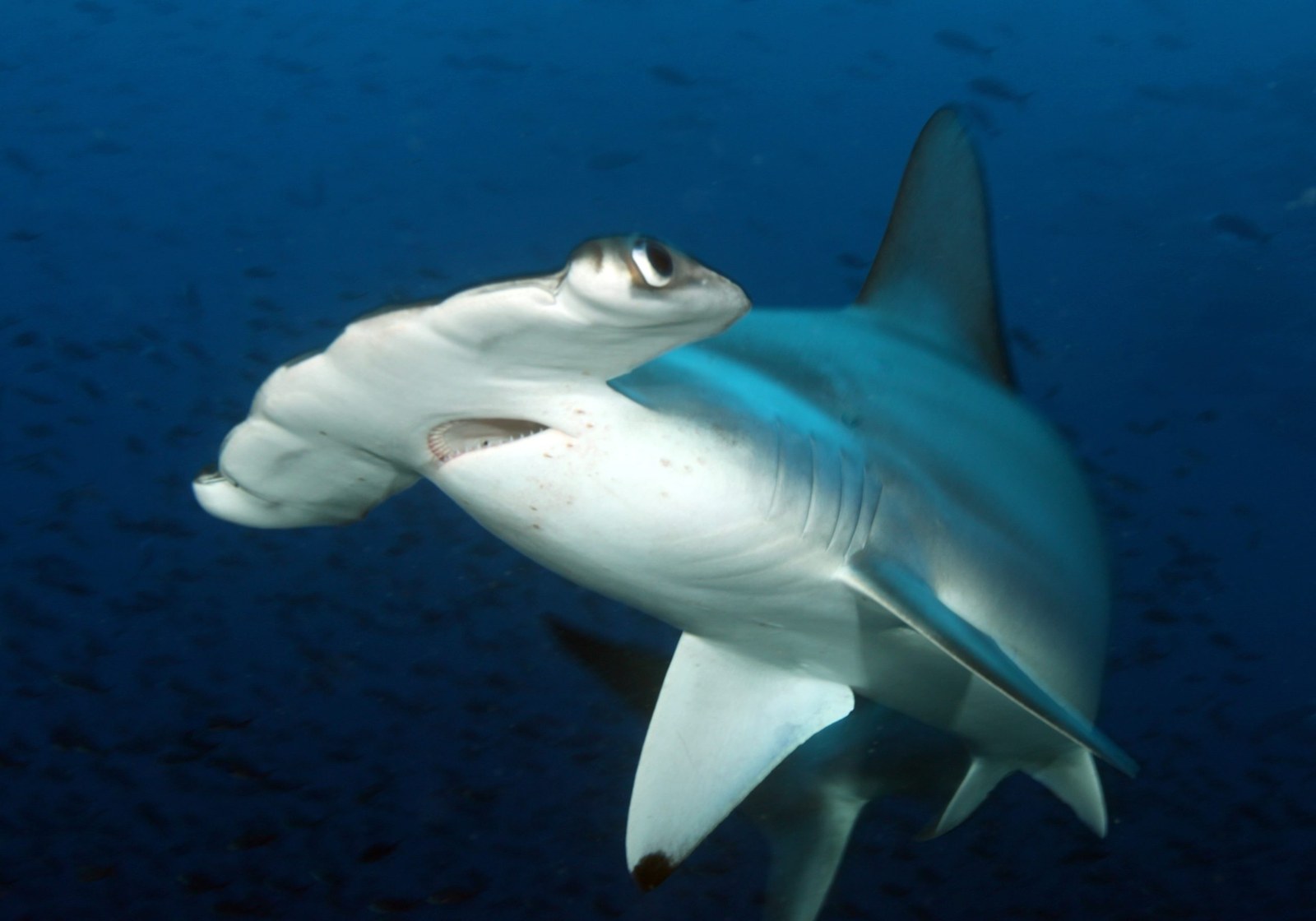
Hammerhead shark
Its wing-shaped head is packed with sensors that detect prey buried in the sand.
Seabirds
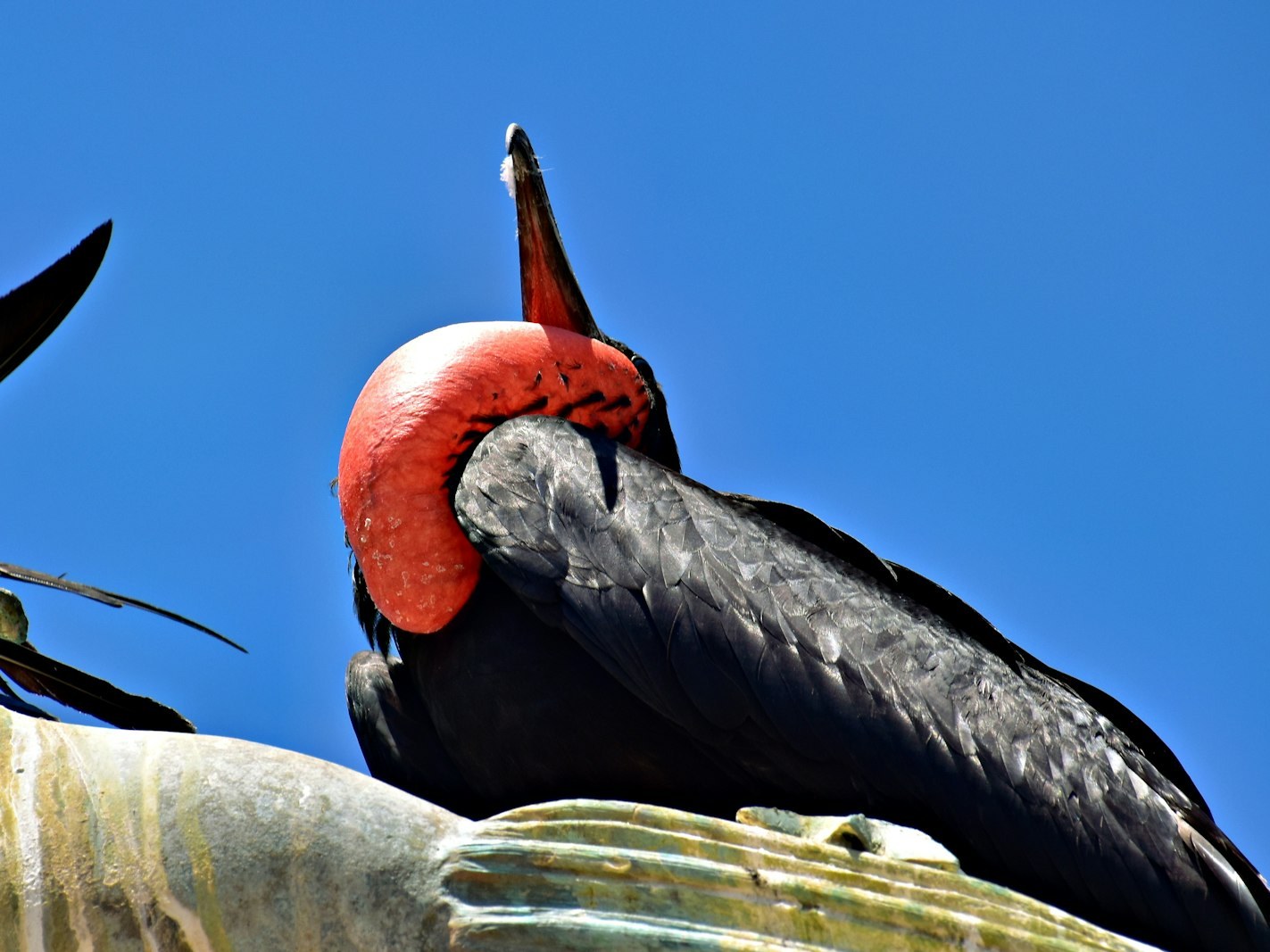
Frigatebird
A pirate of tropical skies; the male balloons a scarlet throat pouch to court mates.
Marine plants & algae
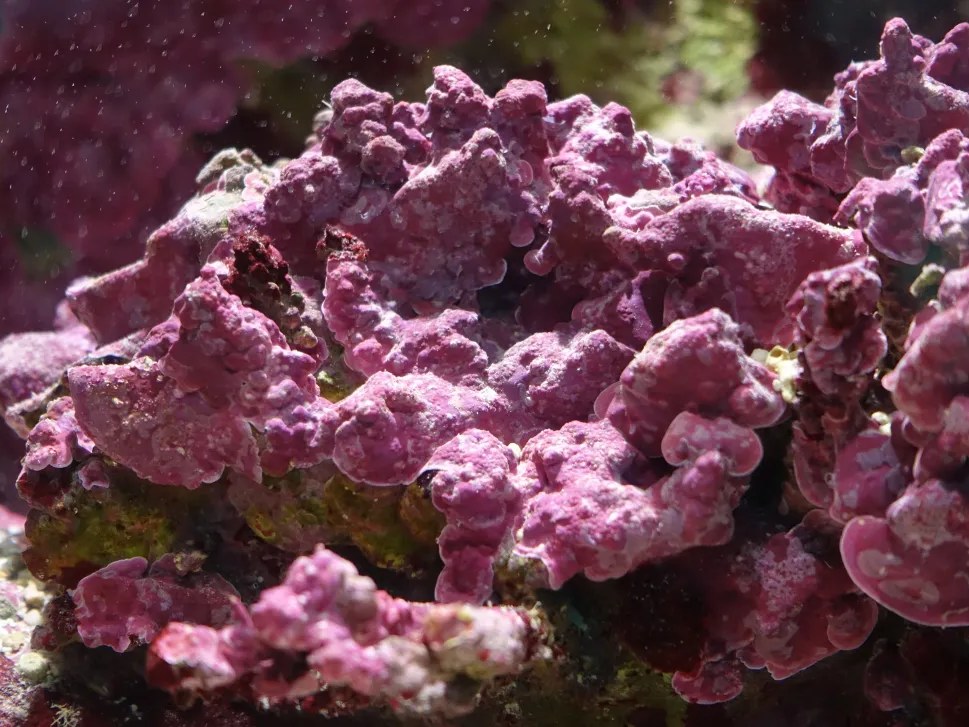
Coralline algae
Stony pink algae that cement coral reefs together and help them grow.
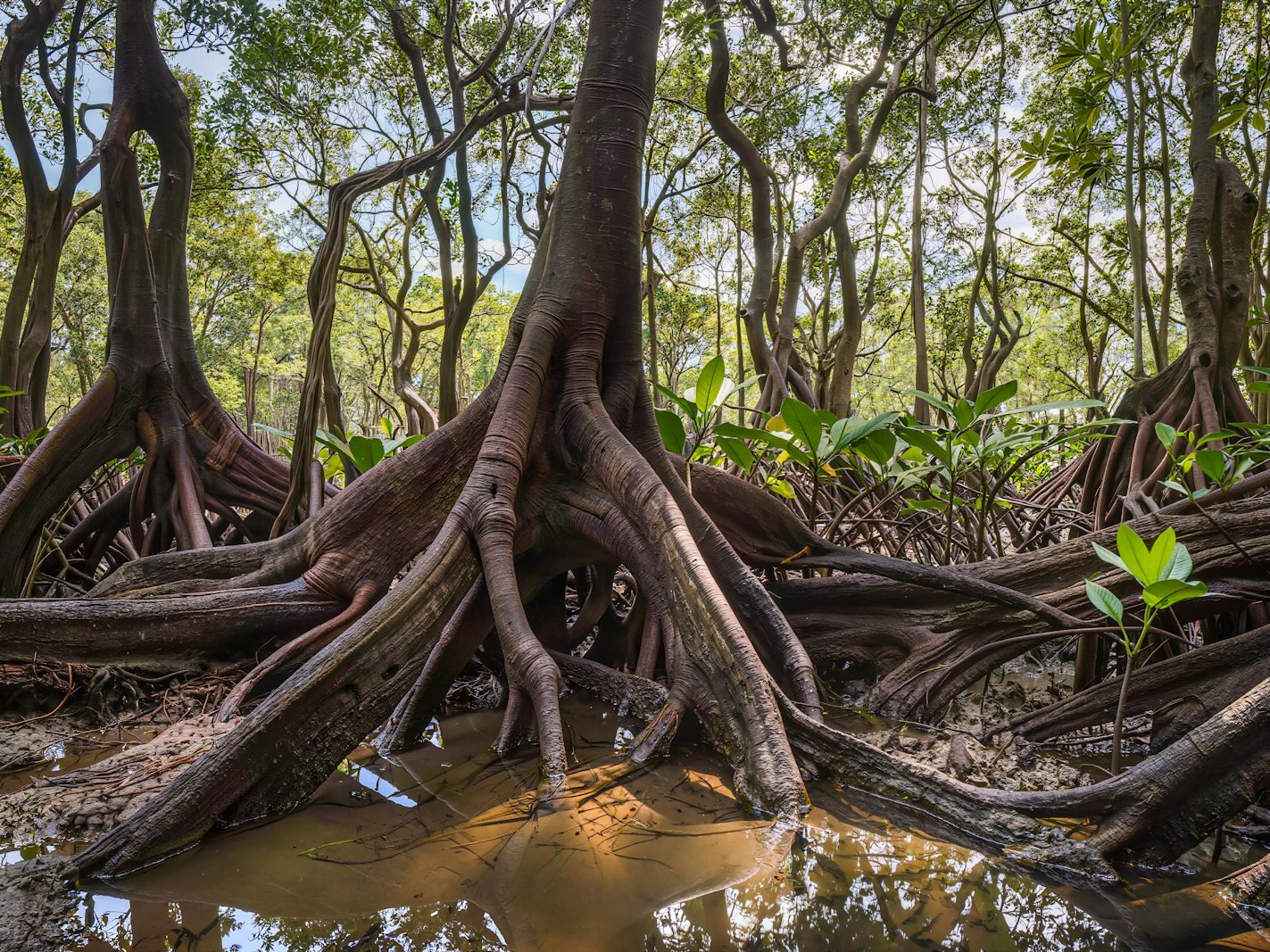
Mangrove
Salt-tolerant coastal trees whose tangled roots shelter young fish and buffer storms.
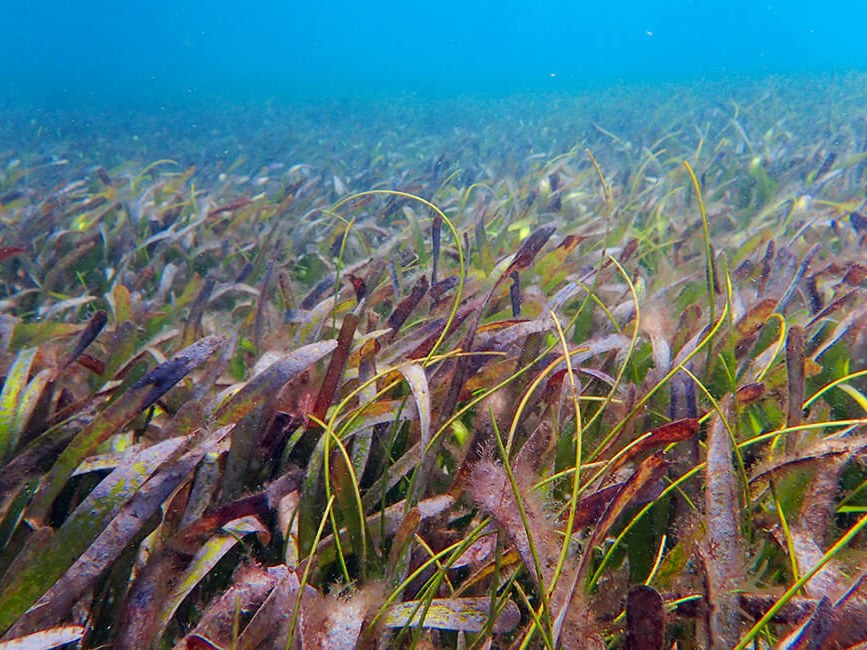
Turtle grass
A tropical seagrass whose meadows feed turtles, manatees and dugongs.
Surface & deep in the Persian Gulf
The sea is warm where the Sun reaches it and cold far below. Flip between the sunlit surface and the deep water to feel the difference — these are typical figures for a gulf & bay.
Sunlit surface
26°C
typical surface temperature
Shallow and sheltered, gulfs and bays warm up quickly from top to bottom, staying far milder than the deep open ocean nearby.
Recorded range for the Persian Gulf: The warmest sea — up to 35°C in summer