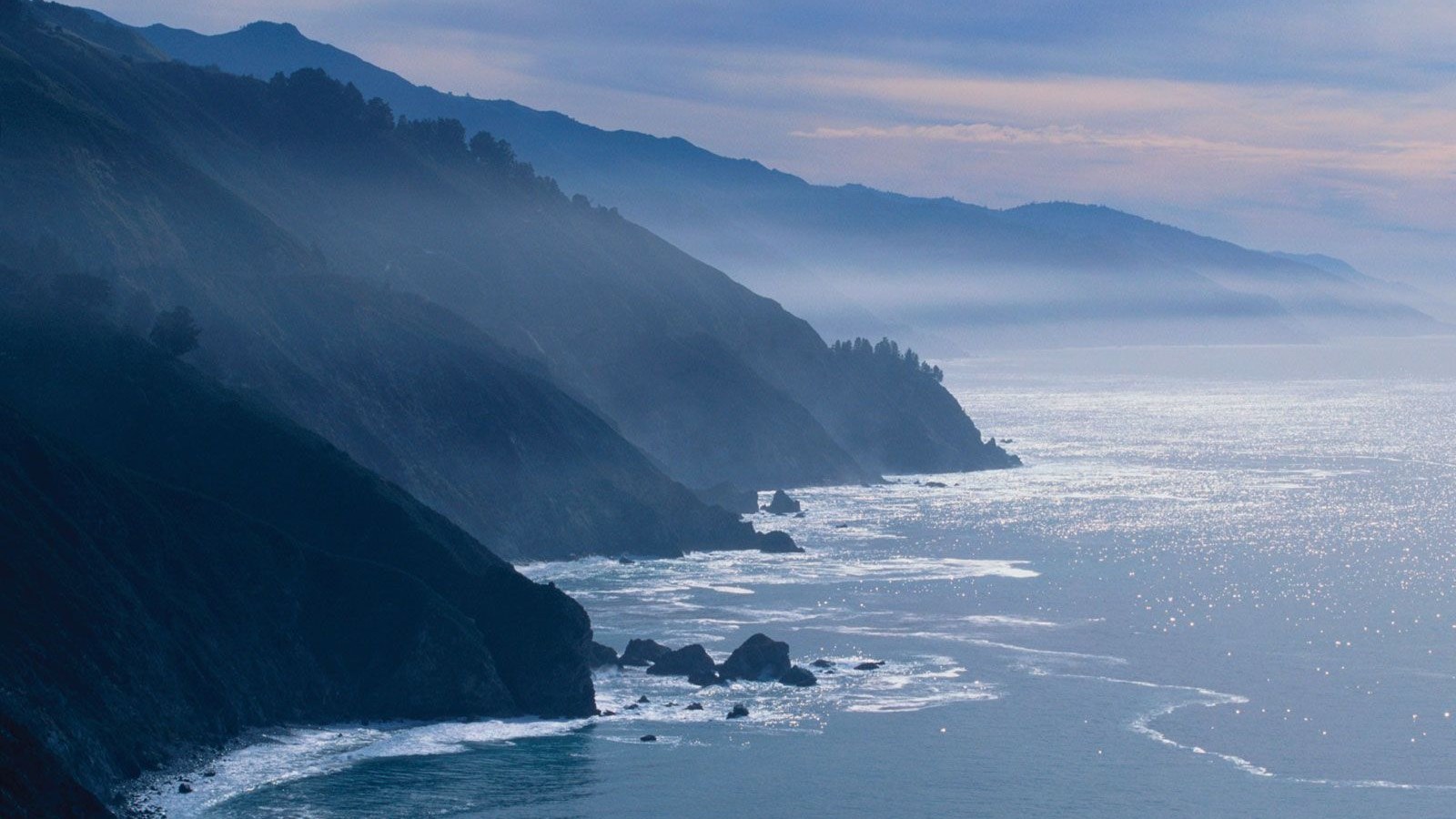
The largest and deepest ocean on Earth, so vast it holds more water than all the others combined and contains the deepest point on the planet.
Area
165,250,000 km²
Ocean basin
Pacific
Location
The largest and deepest ocean, spanning a third of the globe
Average depth
about 4,000 m
Maximum depth
Challenger Deep — about 10,935 m
Salinity
~34–35 ppt
Temperature
−1.4°C near the poles to 30°C at the equator
Region
Between Asia, the Americas, Australia & Antarctica
About the Pacific Ocean
The Pacific Ocean stretches from the Arctic in the north to the Southern Ocean around Antarctica, and from Asia and Australia in the west to the Americas in the east. It is ringed by the “Ring of Fire”, a belt of volcanoes and earthquakes, and hides the Mariana Trench — the deepest place known on Earth. Thousands of islands, coral reefs and the richest fisheries on the planet lie within its waters.
Did you know?
The Pacific is so big that every continent on Earth could fit inside it with room to spare — and it still covers a third of the globe.
Highlights
- The largest and deepest ocean on Earth
- Contains the Mariana Trench — the deepest point known
- Ringed by the volcanic “Ring of Fire”
Photo gallery
Life in the Pacific Ocean
Creatures, seabirds and marine plants — including some of the rarest and strangest — that live in these waters.
Creatures of the deep
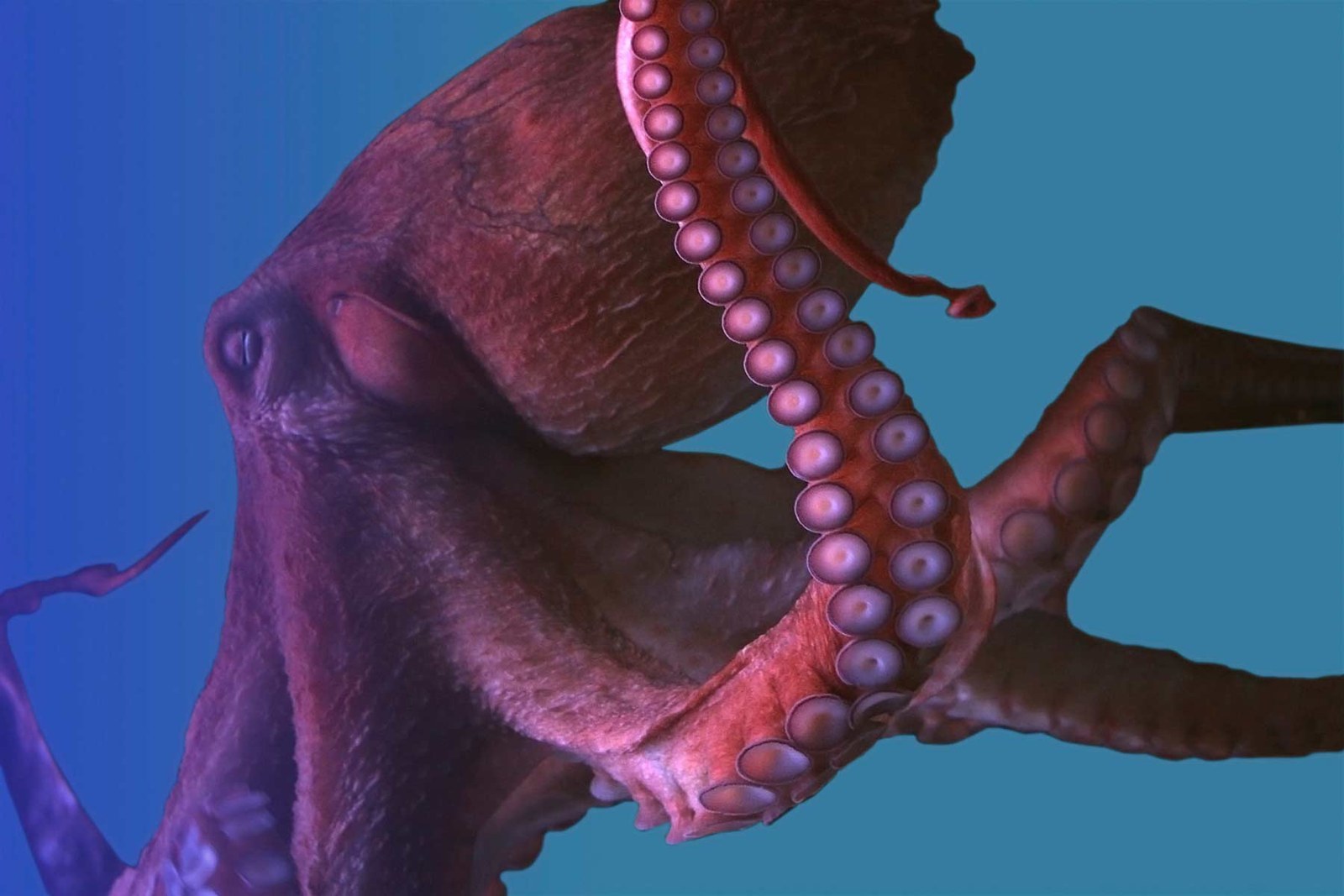
Giant Pacific octopus
The largest octopus on Earth — a shape-shifting, colour-changing cold-water giant.
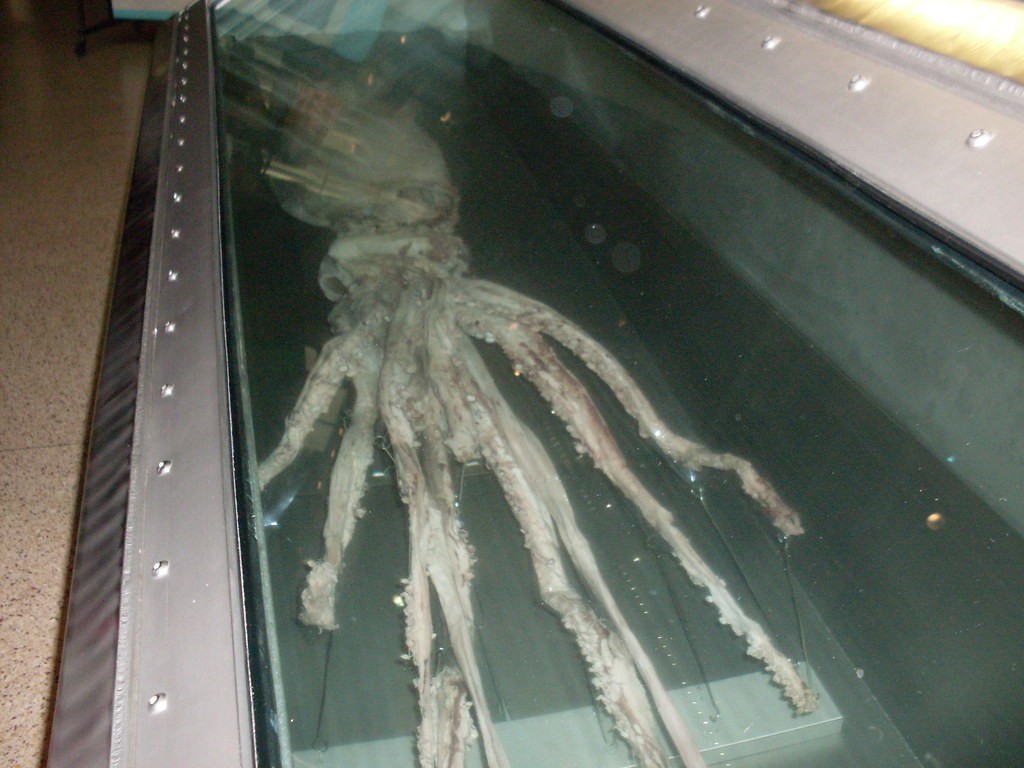
Giant squid
A deep-ocean giant with eyes the size of dinner plates, almost never seen alive.
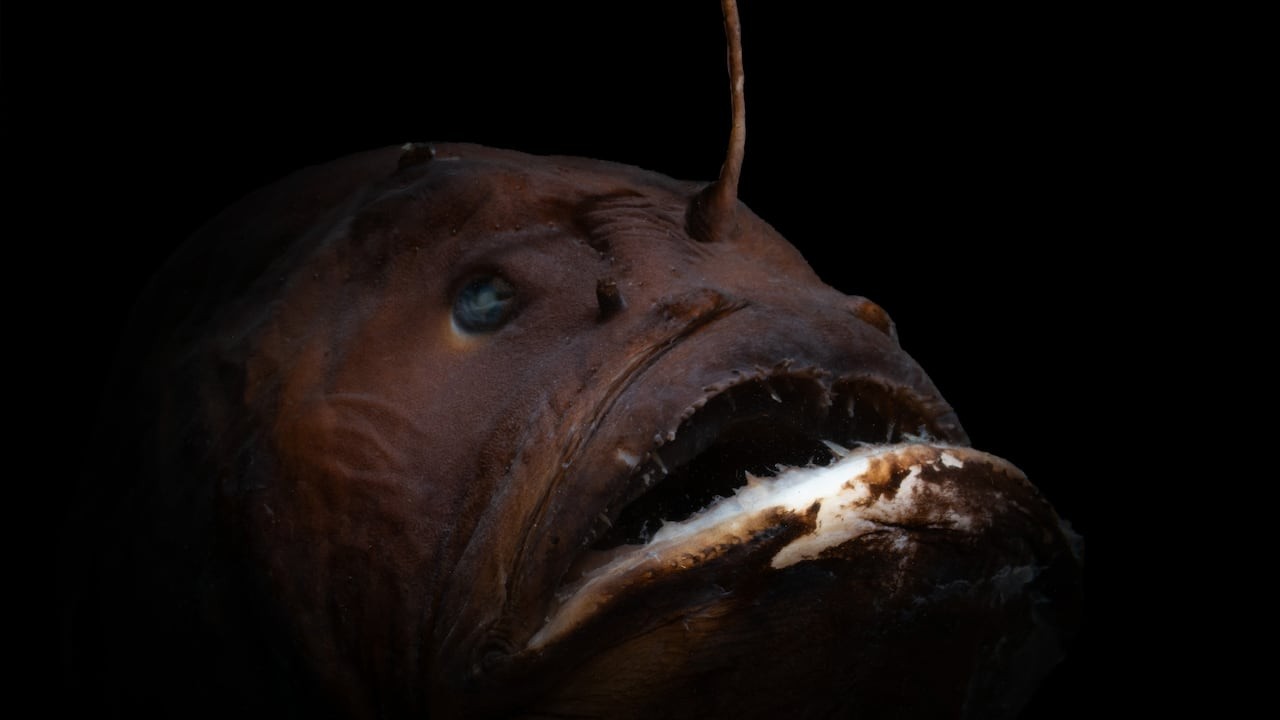
Deep-sea anglerfish
In the lightless deep, the female dangles a glowing lure to draw prey into her fang-filled jaws.
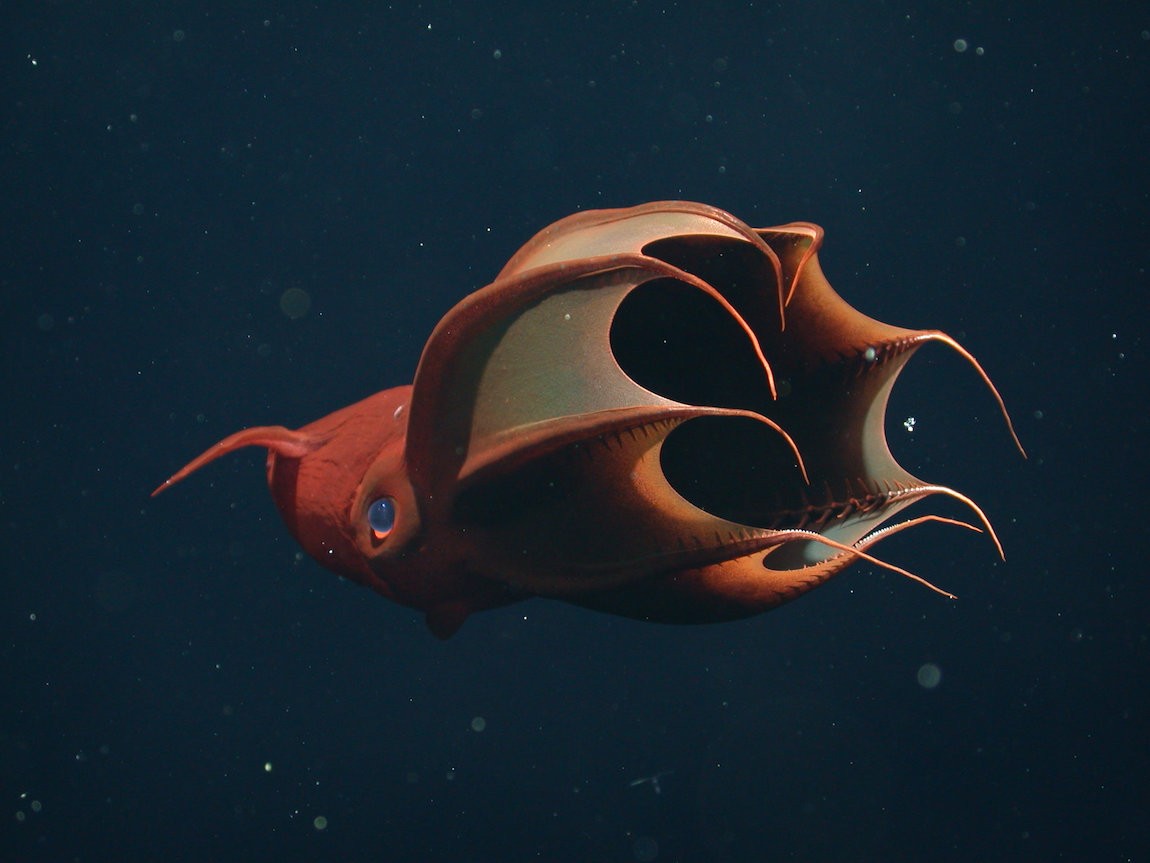
Vampire squid
A living fossil of the oxygen-poor twilight zone that turns itself inside-out to hide.
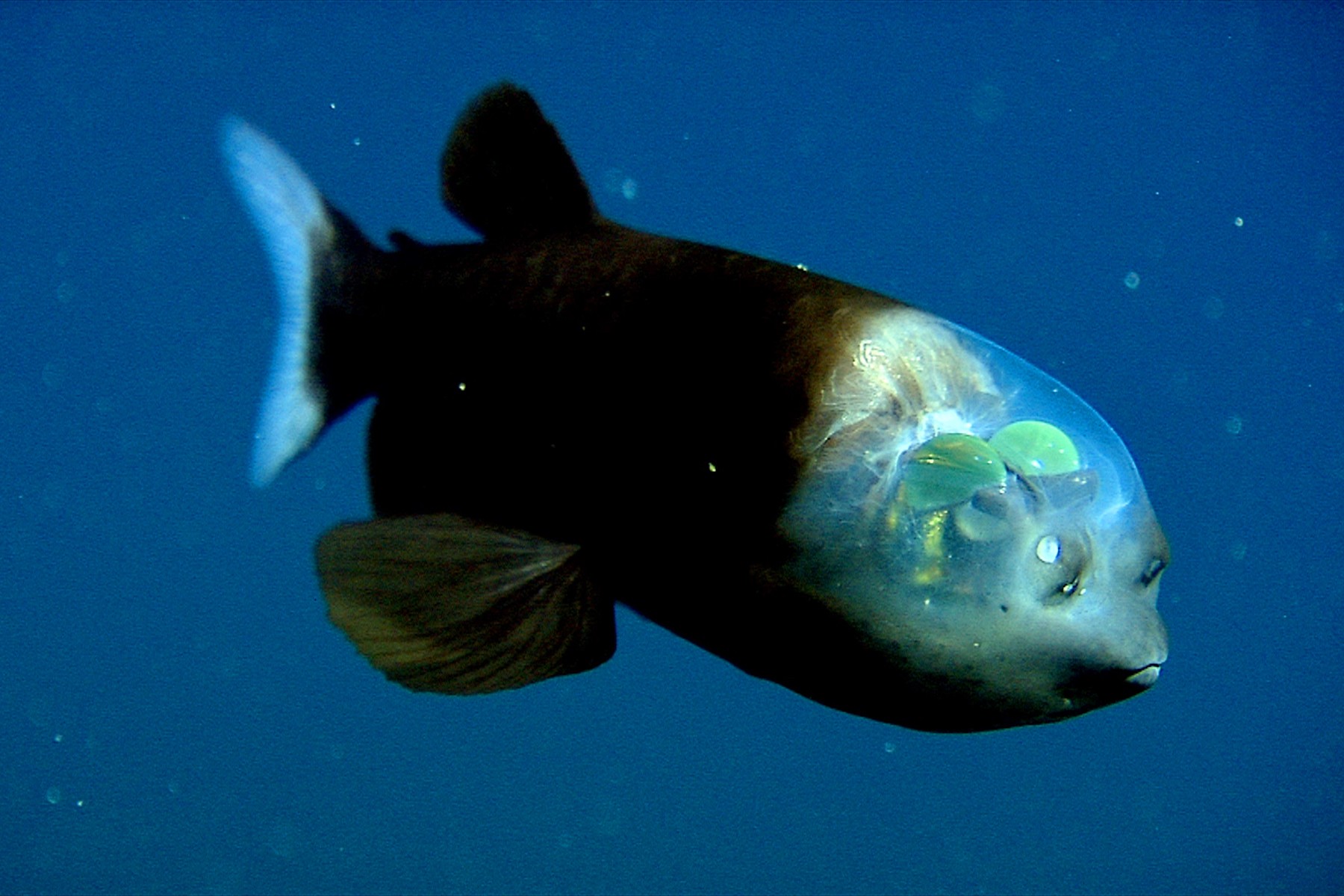
Barreleye fish
Its transparent, dome-shaped head lets tubular eyes rotate to peer straight up for prey.
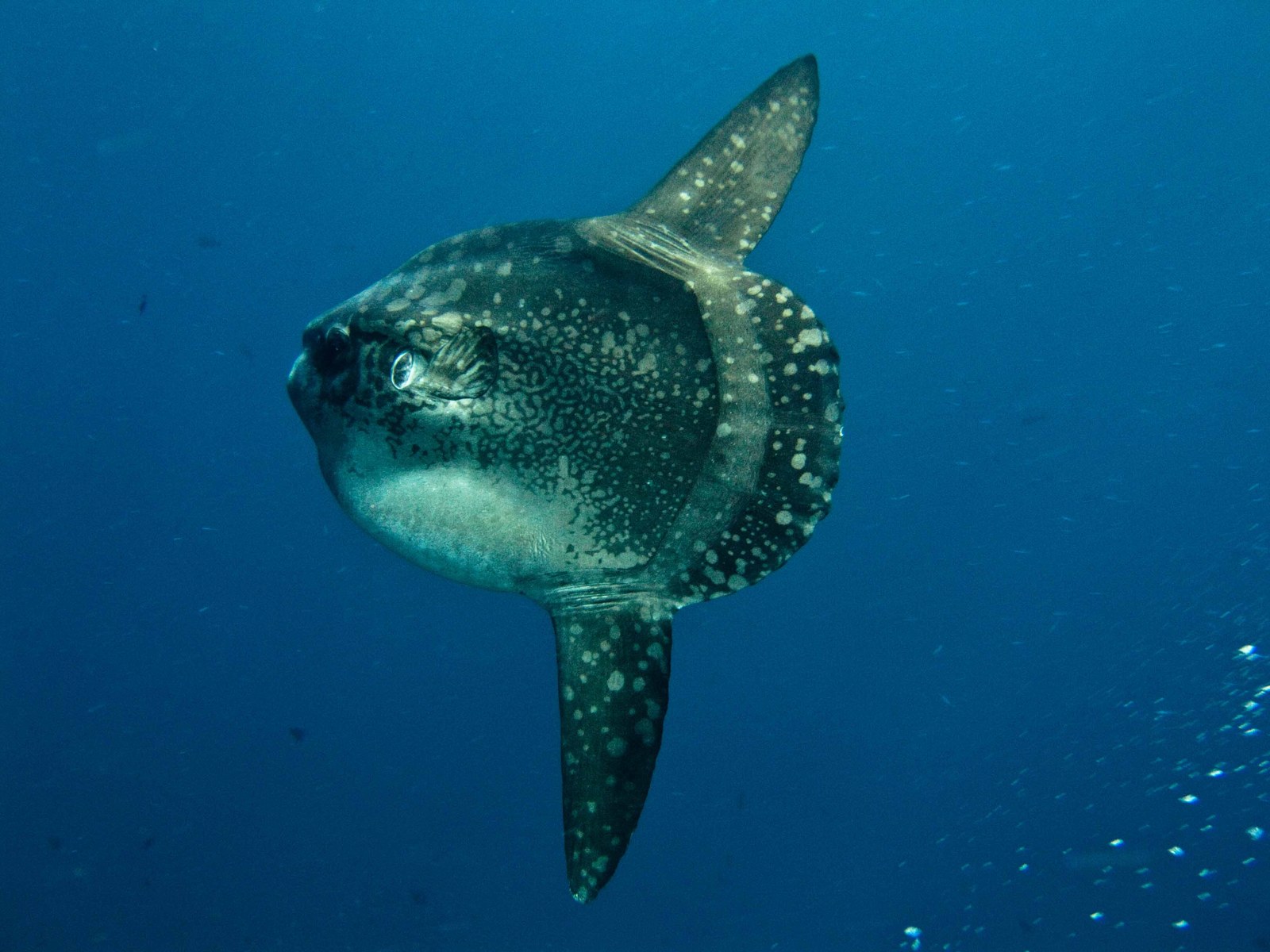
Ocean sunfish (mola mola)
The heaviest bony fish alive, basking flat on its side at the sunlit surface.
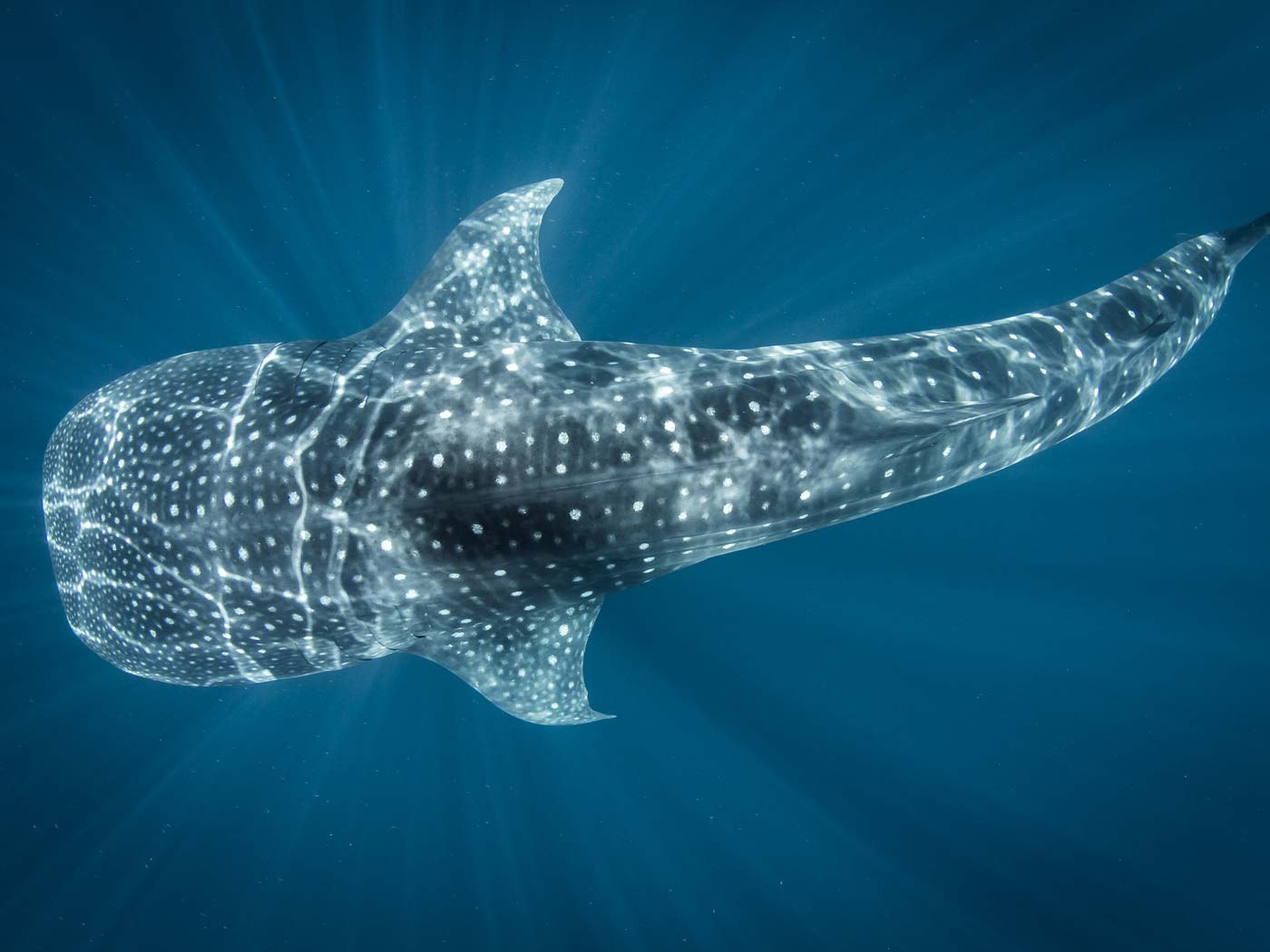
Whale shark
The largest fish alive — a spotted, harmless giant that strains plankton from the sea.
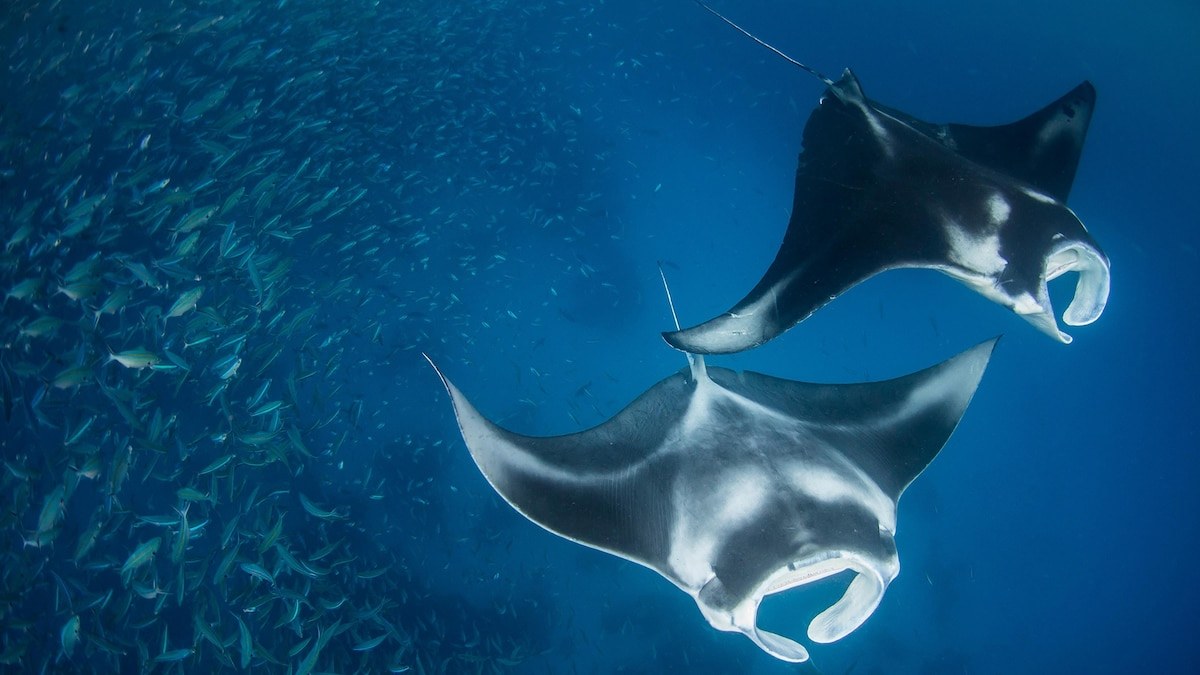
Manta ray
A gentle giant that “flies” through the water on wings up to seven metres across.
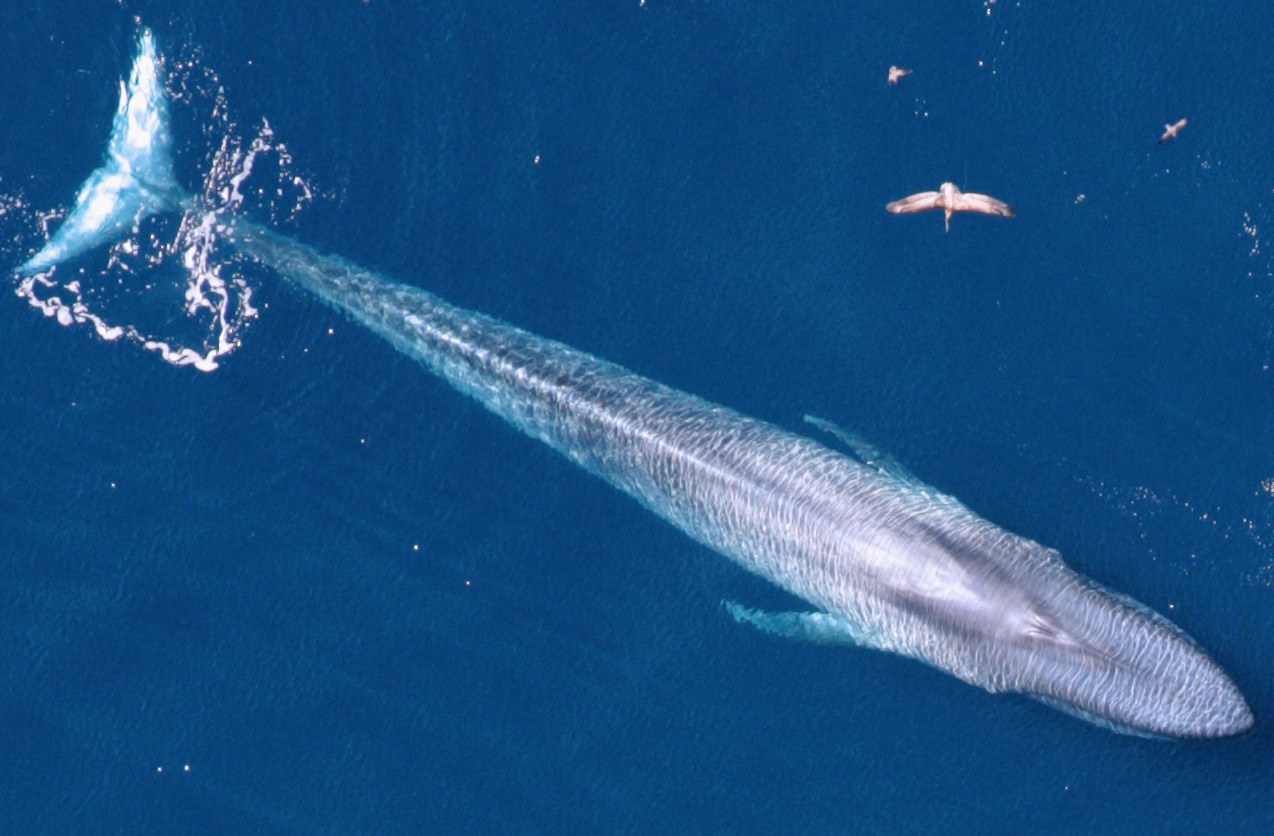
Blue whale
The largest animal ever to live — longer than three buses and heavier than 25 elephants.
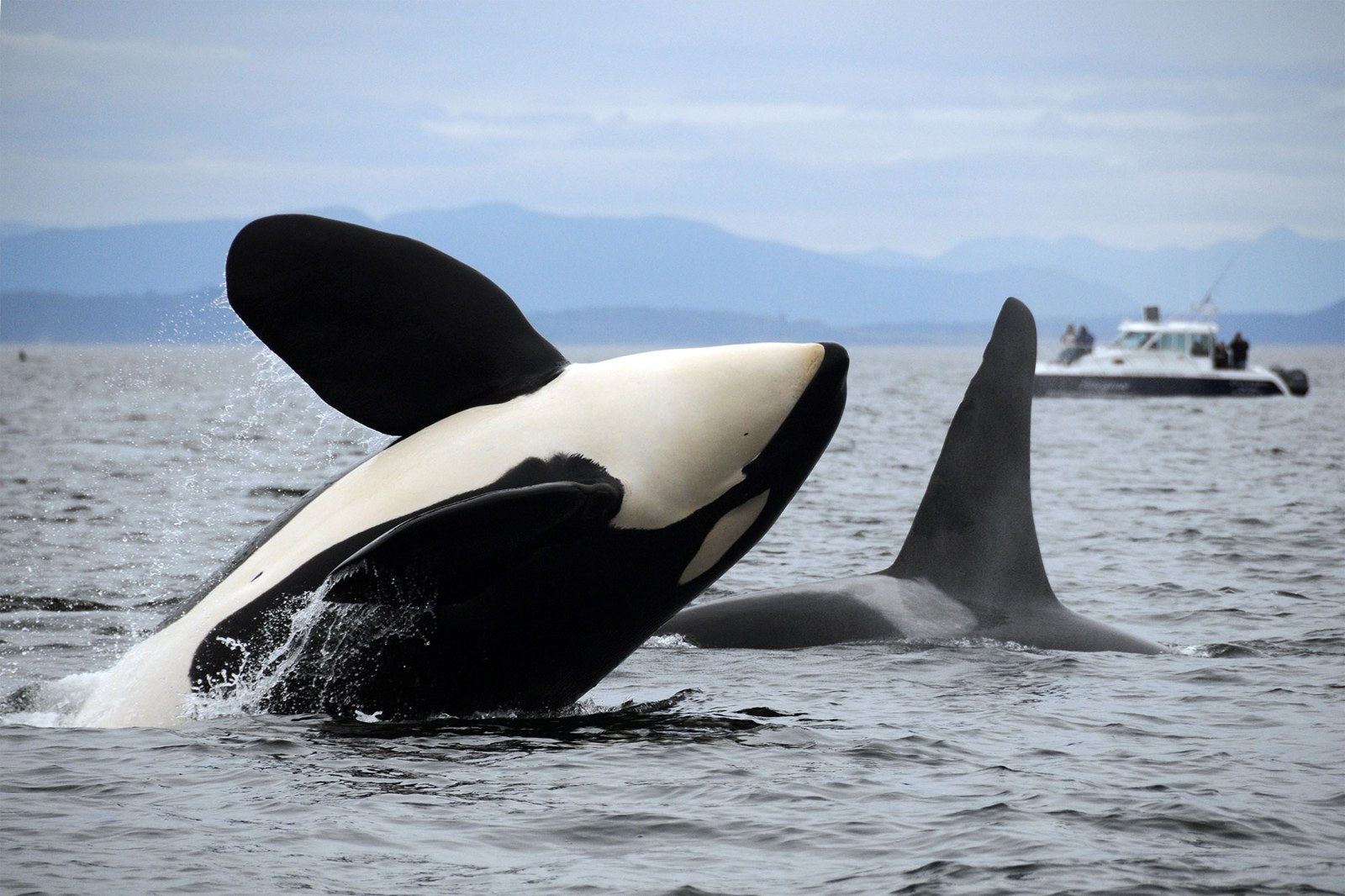
Orca (killer whale)
The ocean’s top predator: a brilliant, family-living dolphin found in every sea.
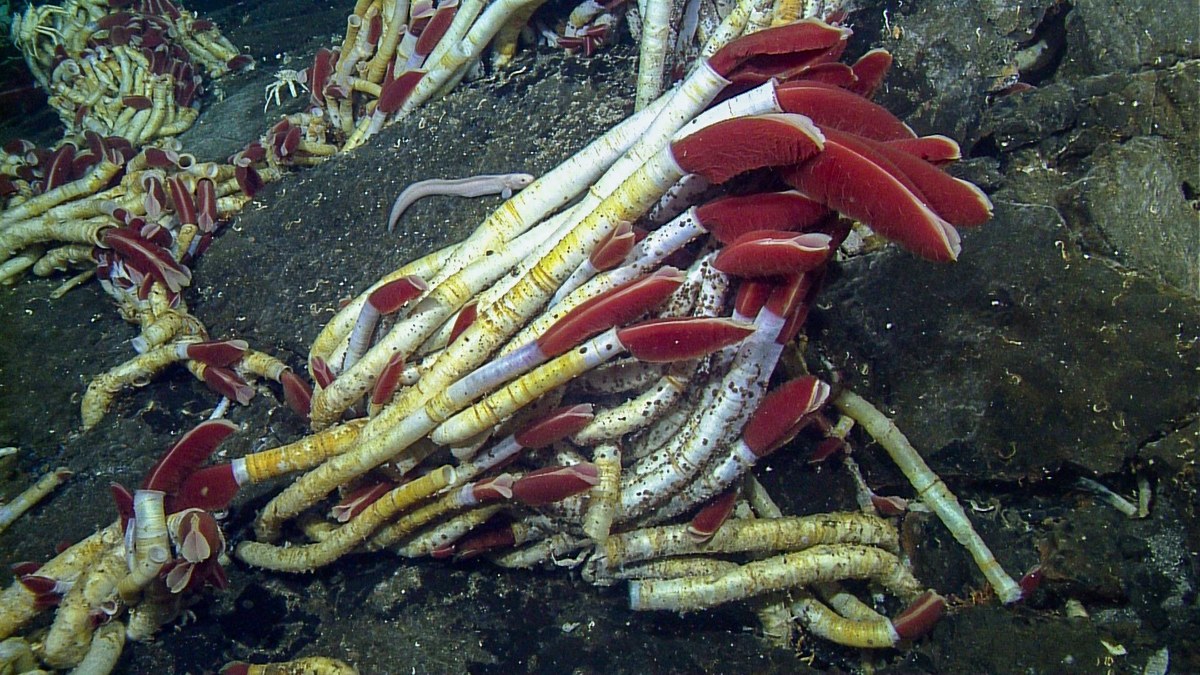
Giant tube worm
Red-plumed worms up to 2 m tall that live on vent chemicals, never touching sunlight.
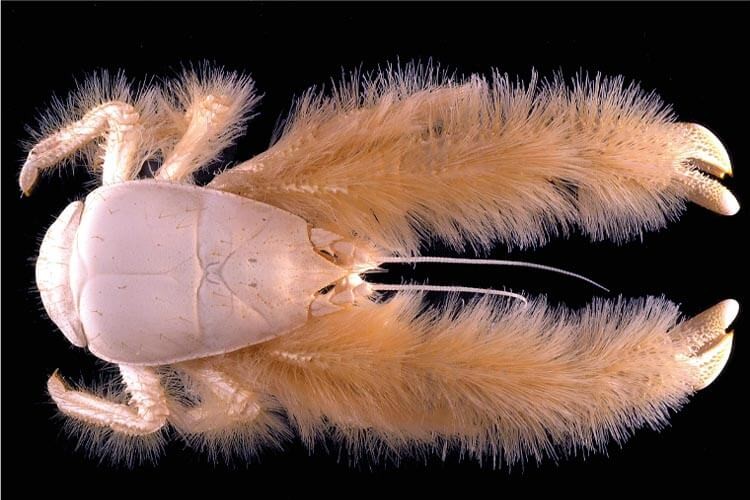
Yeti crab
A blind, hairy-armed crab of hydrothermal vents that farms bacteria on its own bristles.
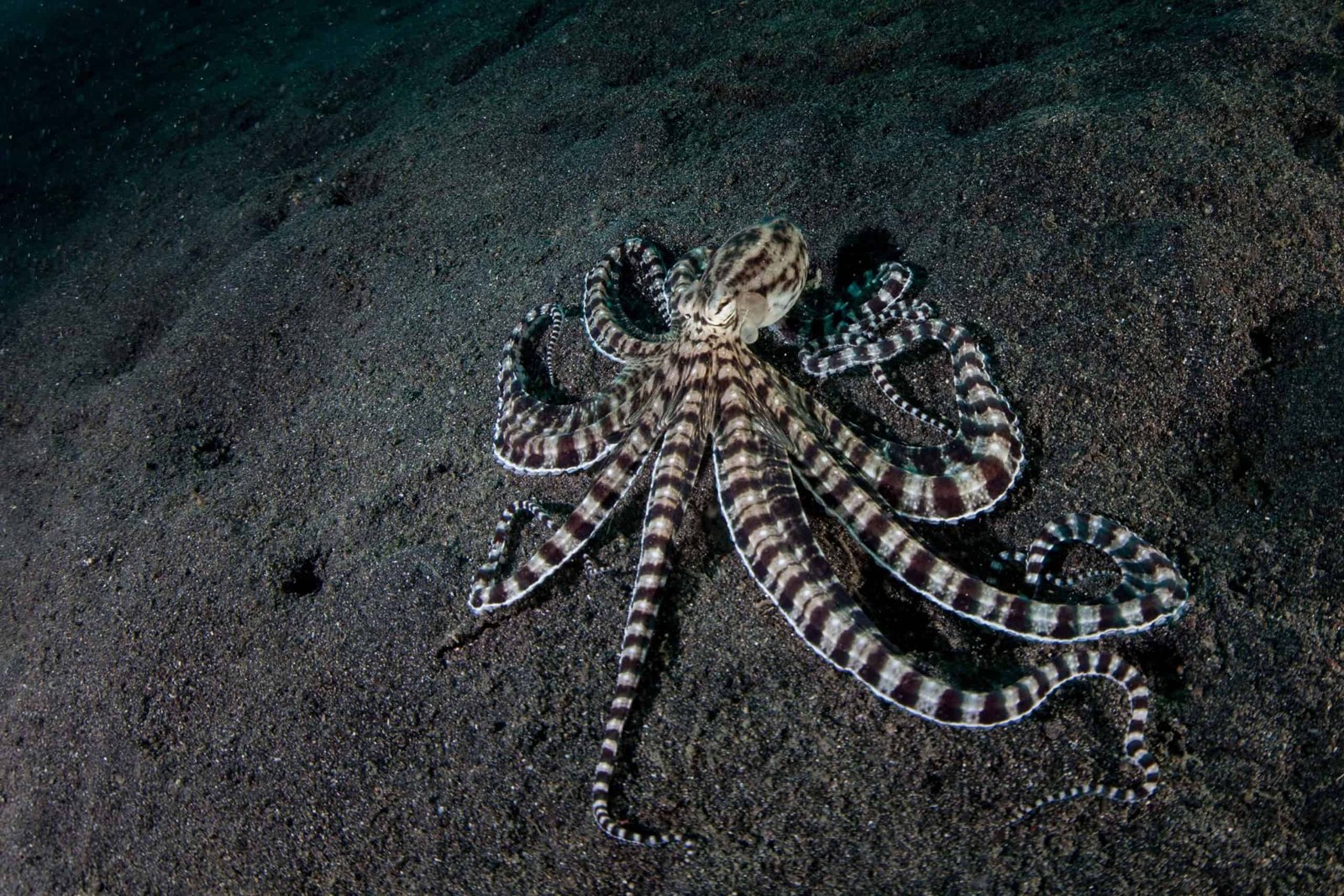
Mimic octopus
An octopus that impersonates sea snakes, lionfish and flatfish on demand.
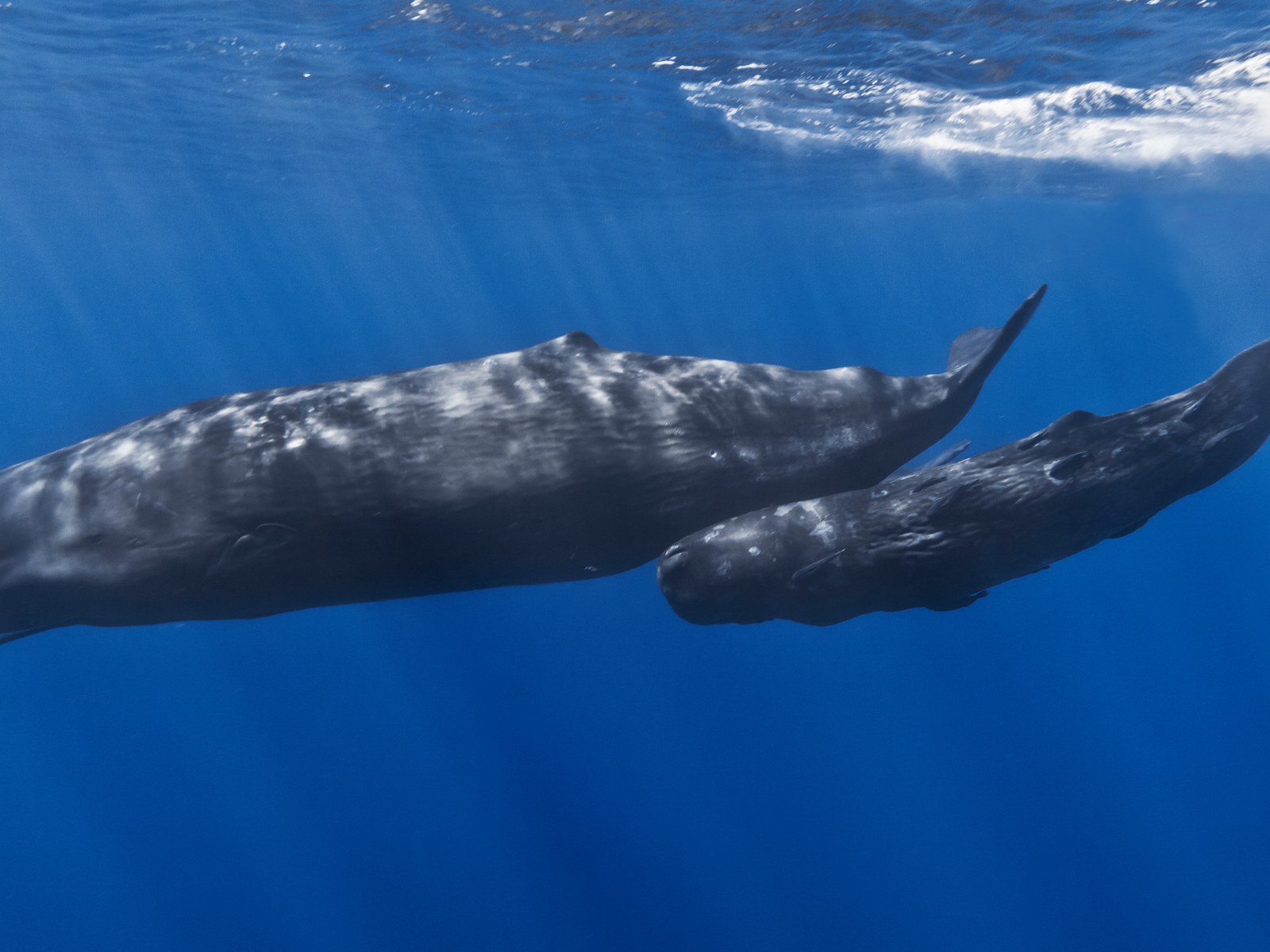
Sperm whale
The largest toothed predator alive, diving over 2 km into the dark to hunt giant squid.
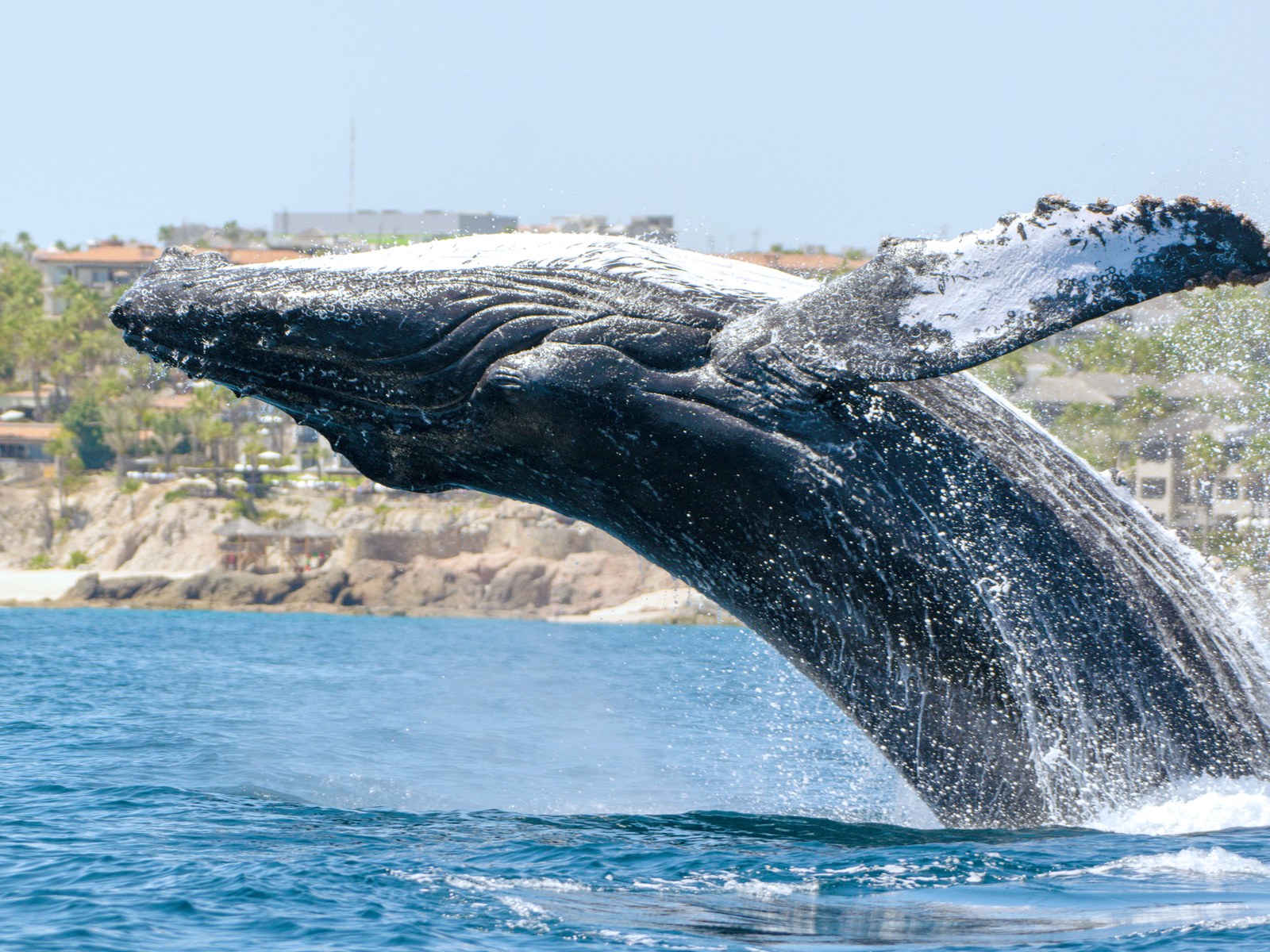
Humpback whale
An acrobatic baleen whale famed for breaching clear of the water and singing haunting songs.
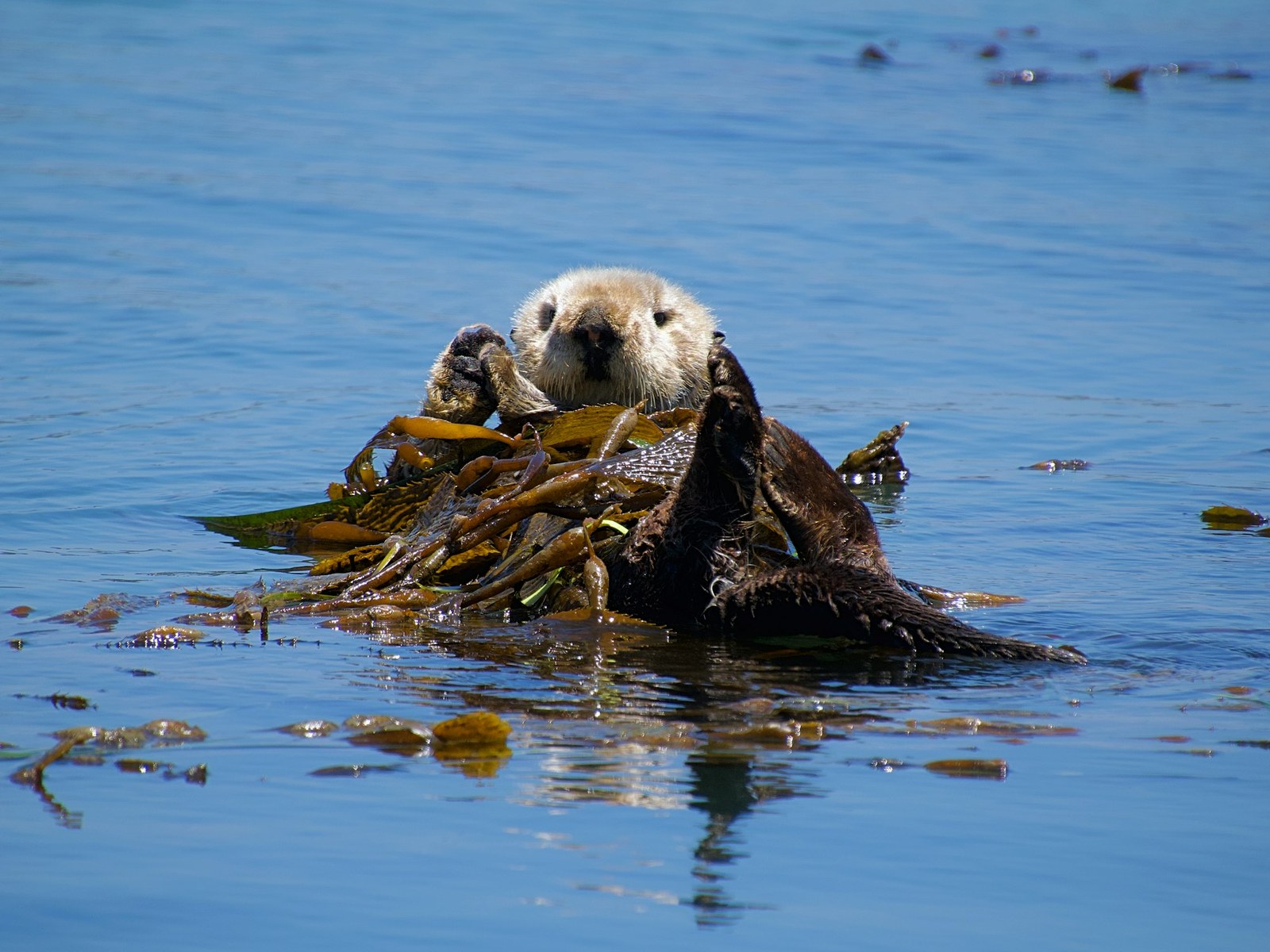
Sea otter
A tool-using kelp-forest keystone that cracks shellfish on a stone balanced on its belly.
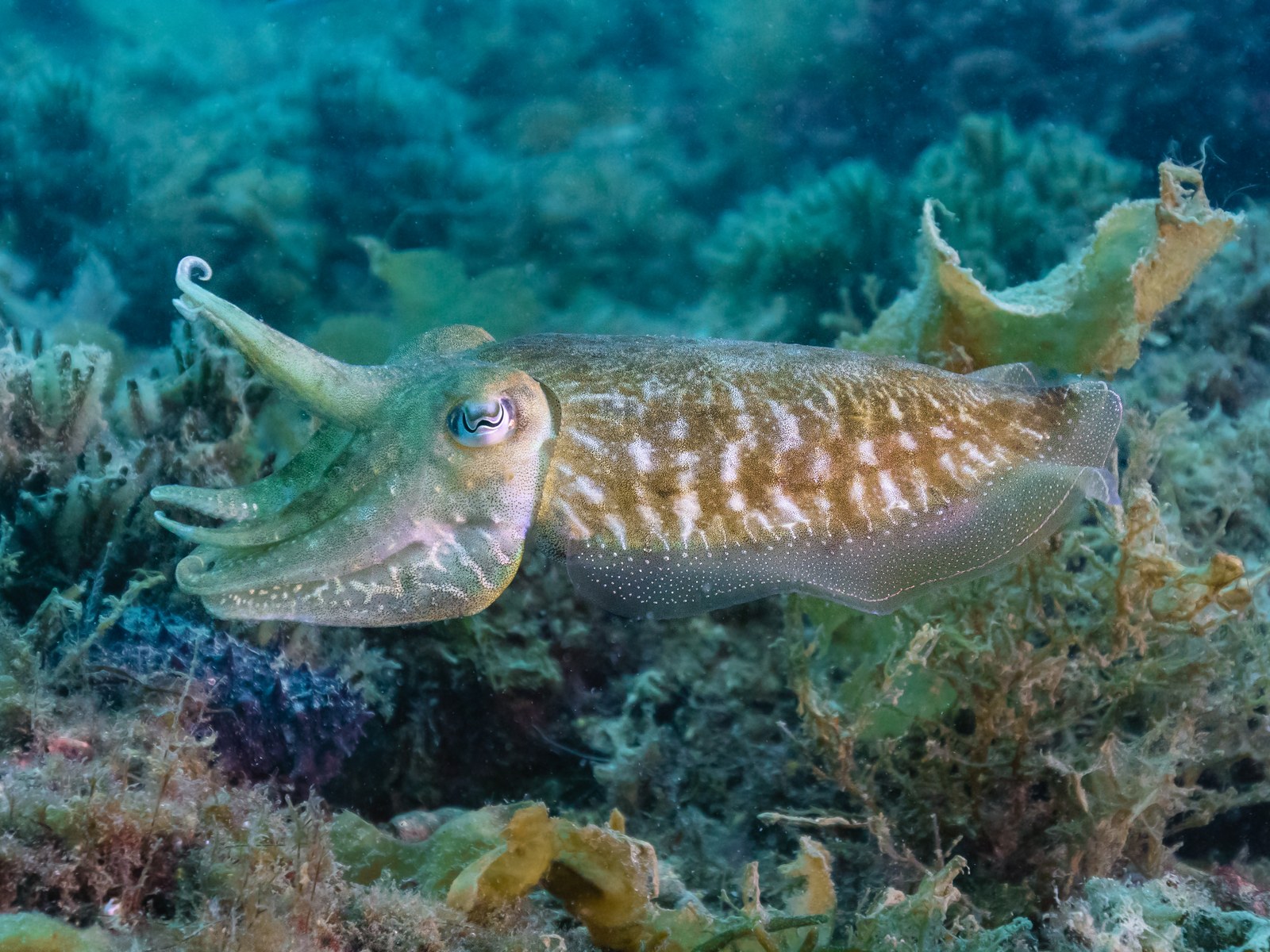
Cuttlefish
A master of disguise with W-shaped pupils that flashes rippling colour across its skin.
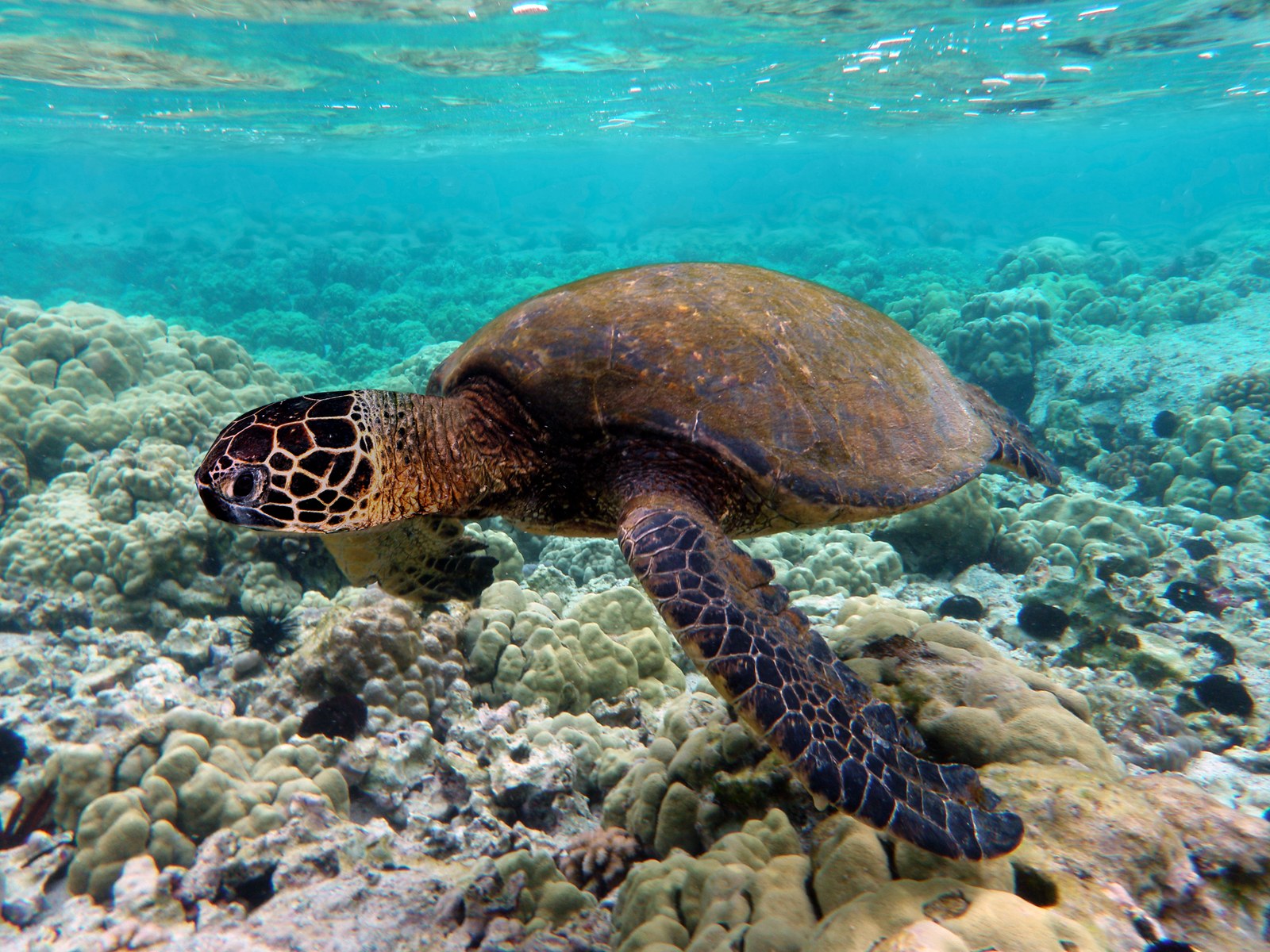
Green sea turtle
The only sea turtle that grazes seagrass as an adult, which tints its fat green.
Seabirds
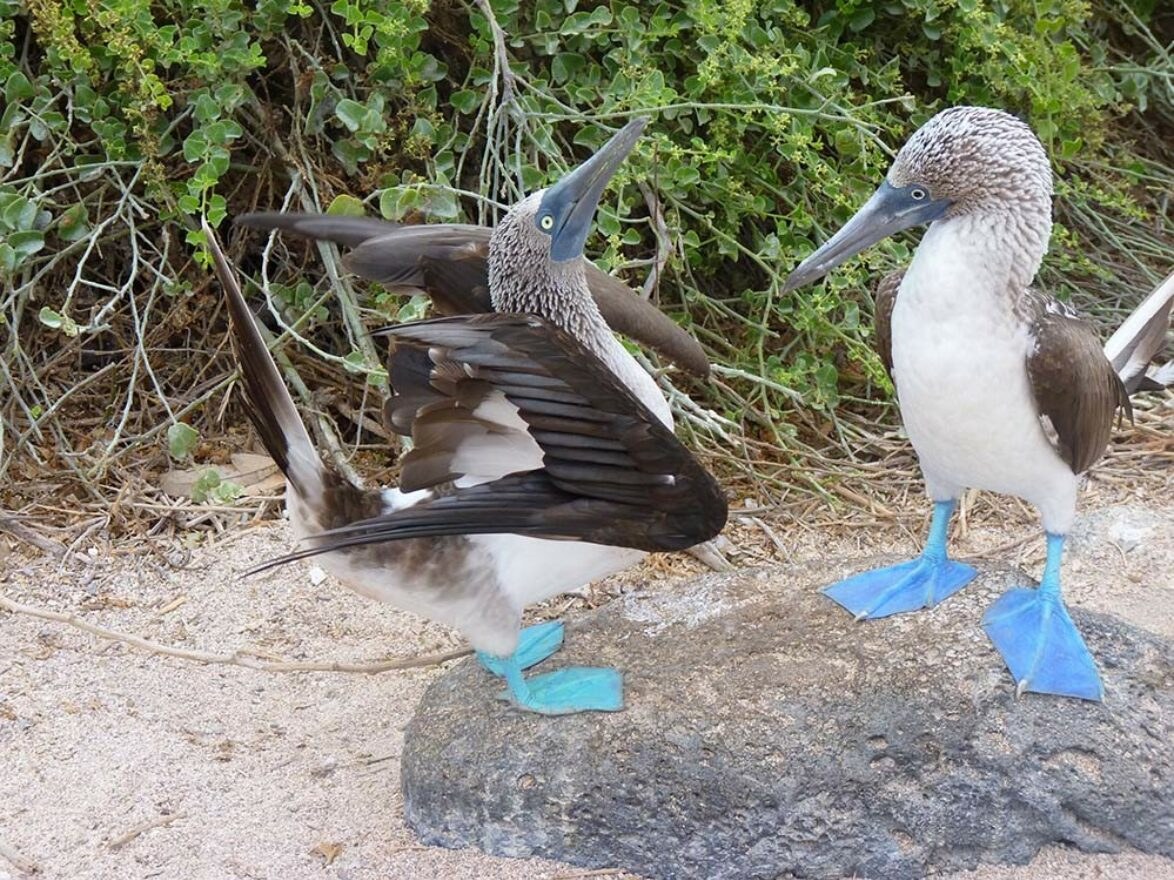
Blue-footed booby
A Pacific seabird famed for its bright blue feet and comical courtship dance.
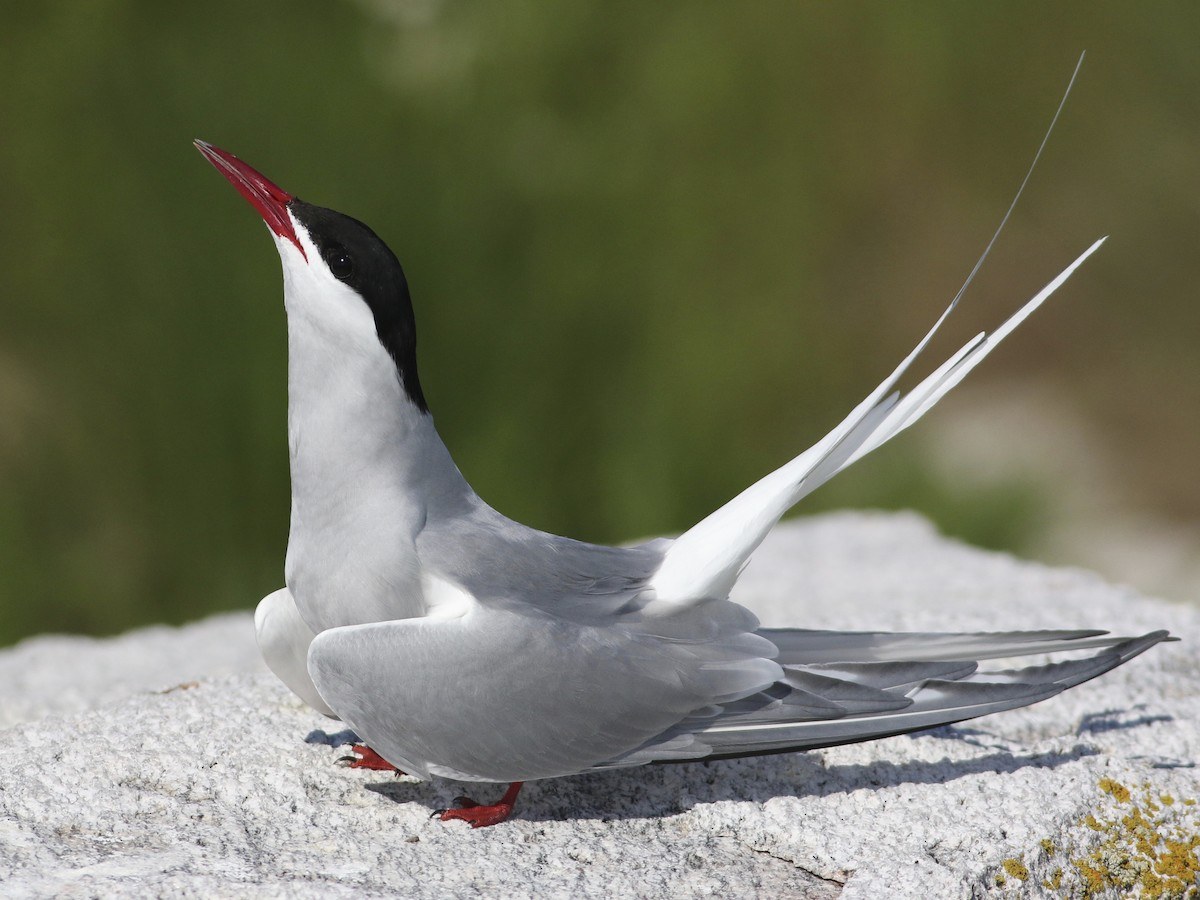
Arctic tern
The migration champion, flying pole to pole and back — the longest journey of any animal.
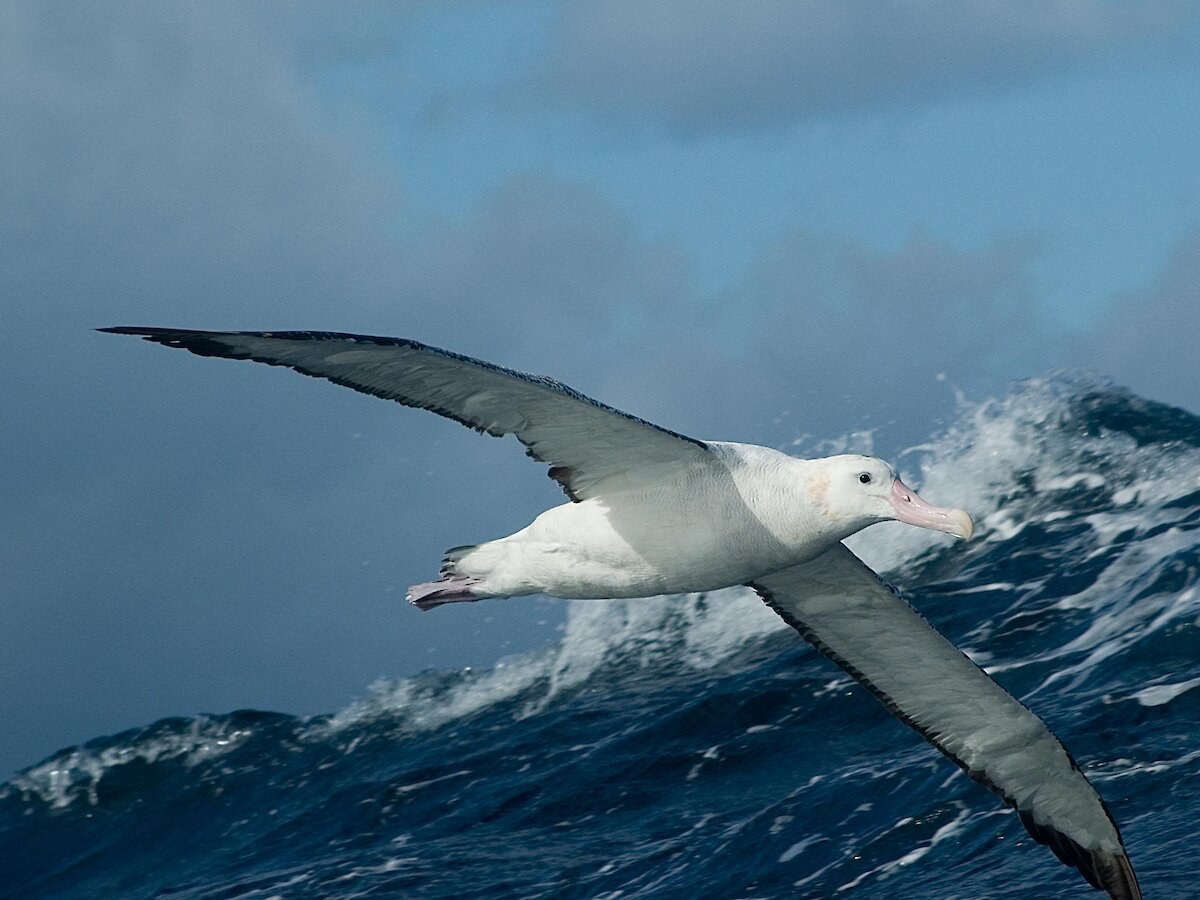
Wandering albatross
The longest wingspan of any bird — 3.5 m — gliding the Southern Ocean for years without landing.
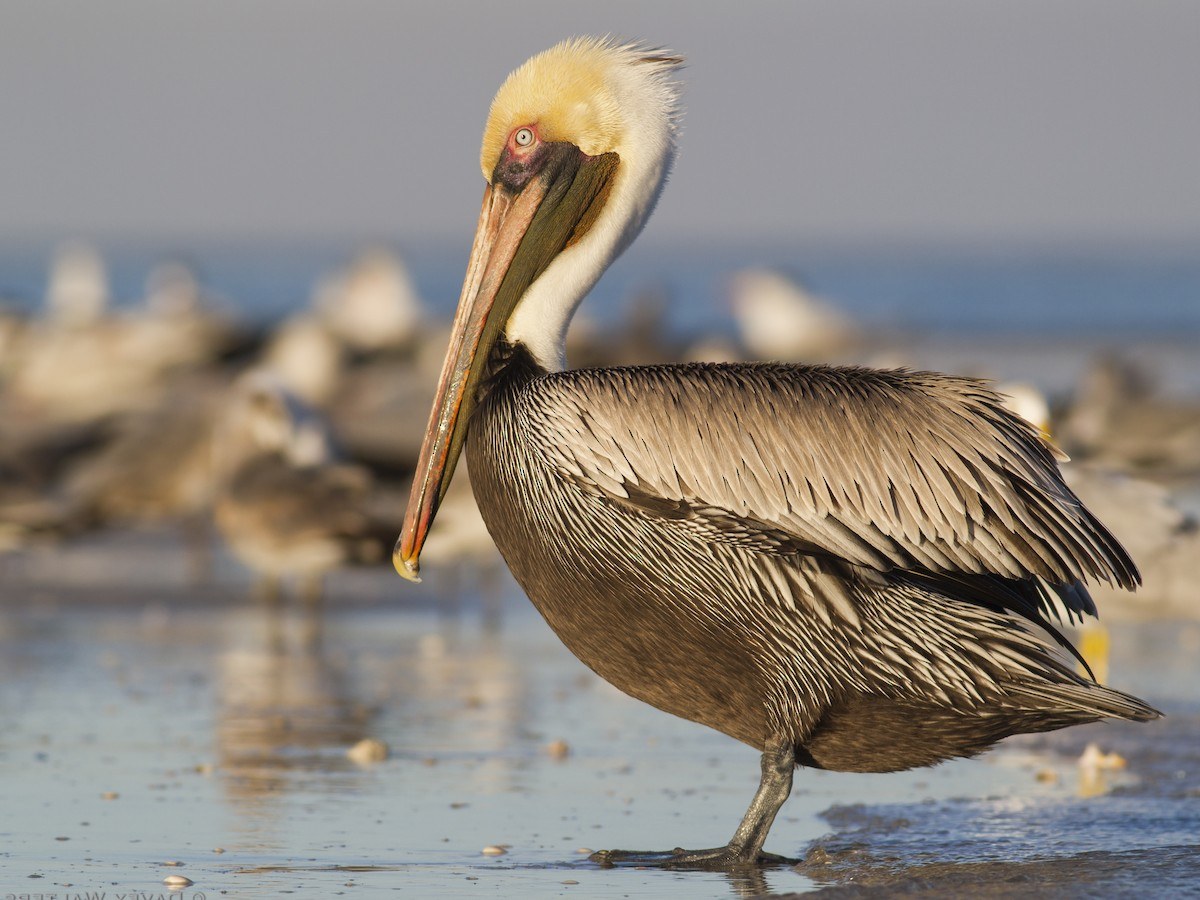
Brown pelican
Plunge-dives headfirst into the sea, scooping up fish in its enormous throat pouch.
Marine plants & algae
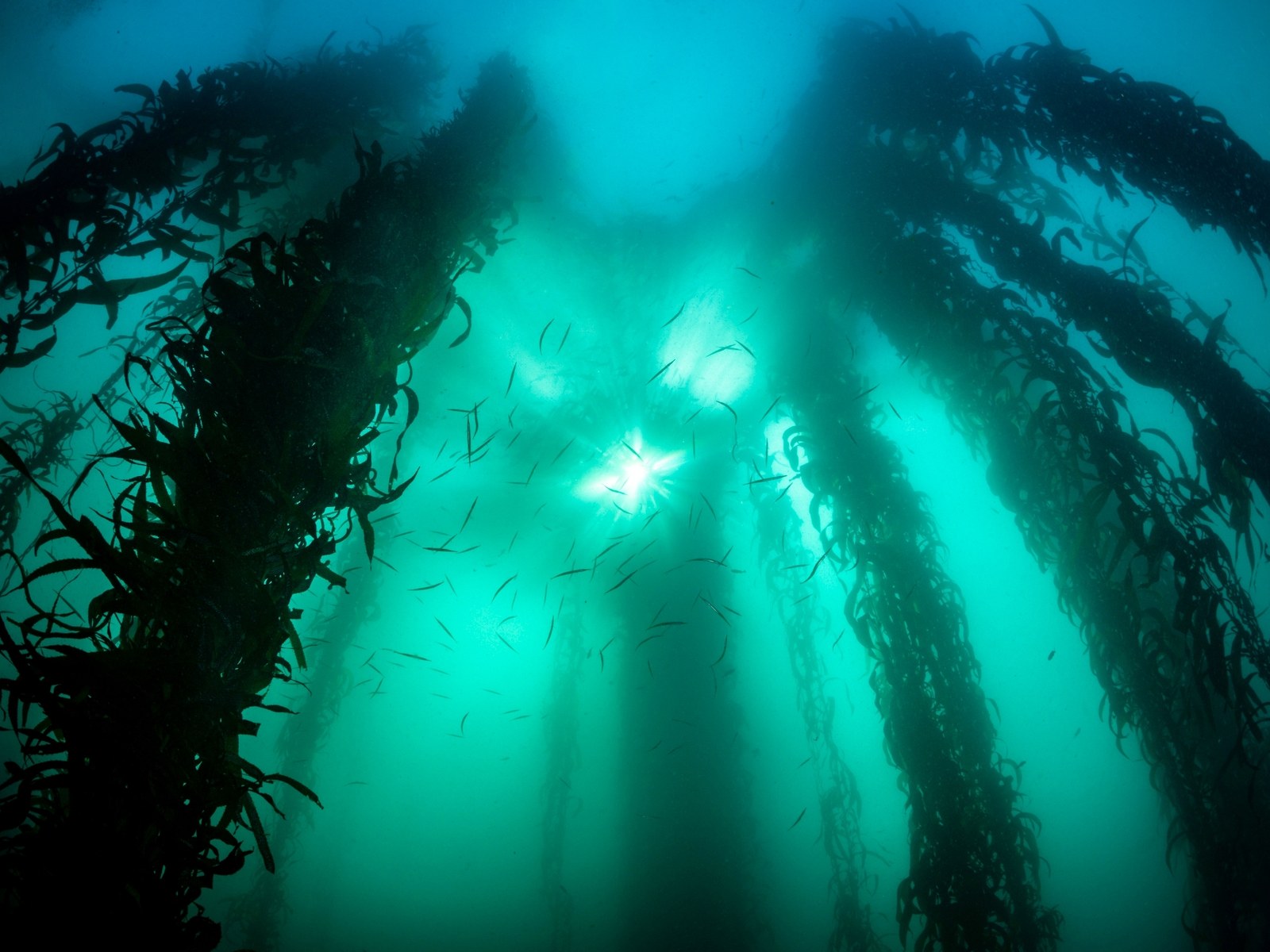
Giant kelp
The fastest-growing seaweed on Earth, building towering underwater forests up to 45 m tall.
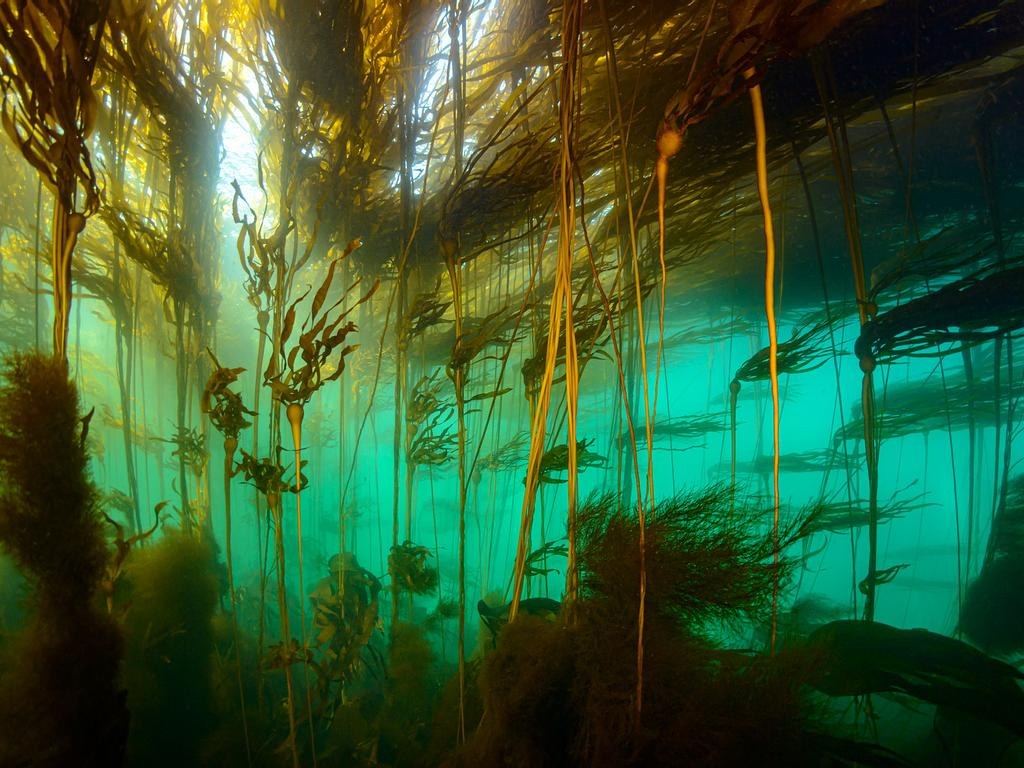
Bull kelp
A tough cold-water kelp with a gas-filled float and long, whip-like fronds.
Surface & deep in the Pacific Ocean
The sea is warm where the Sun reaches it and cold far below. Flip between the sunlit surface and the deep water to feel the difference — these are typical figures for a ocean.
Sunlit surface
20°C
typical surface temperature
Sun-warmed at the top, the open ocean turns cold and black with depth. Below about 1,000 m it hovers near 3–4°C almost everywhere on Earth, no matter the surface weather.
Recorded range for the Pacific Ocean: −1.4°C near the poles to 30°C at the equator