The World's Driest Places
Deserts of the World
A journey through 50 of the planet's greatest deserts across 9 regions — the hot sand seas, cold windswept steppes, fog-fed coasts and frozen polar deserts that cover a third of all the land on Earth.
Deserts of the World — the full tour
Prefer to watch? Take the whole journey through all 50 deserts in one film — how they form, the record-breakers, and the life that survives inside them.
Interactive
How are deserts formed?
A desert is simply a place that gets very little water. There are five main ways Earth builds one — tap each to see it come to life.
Where the sky pushes the rain away
Near the equator the Sun heats the air so strongly that it rises, dumps its rain as tropical storms, then spreads out high up and sinks back down around 30° north and south. Sinking air warms and dries as it falls, so almost no clouds can form. These permanent belts of high pressure create the planet’s greatest hot deserts.
Deserts formed this way
Record holders
The biggest, driest, oldest and hottest places on Earth — the deserts that break the records.
Largest desert on Earth
≈ 14 million km²
Deserts are defined by how little precipitation they get — and by that measure the frozen Antarctic is the biggest of them all.
Antarctic Polar DesertLargest hot desert
≈ 9.2 million km²
The Sahara sprawls across eleven North African countries — roughly the size of the entire United States.
SaharaDriest place on Earth
Some areas: no rain for centuries
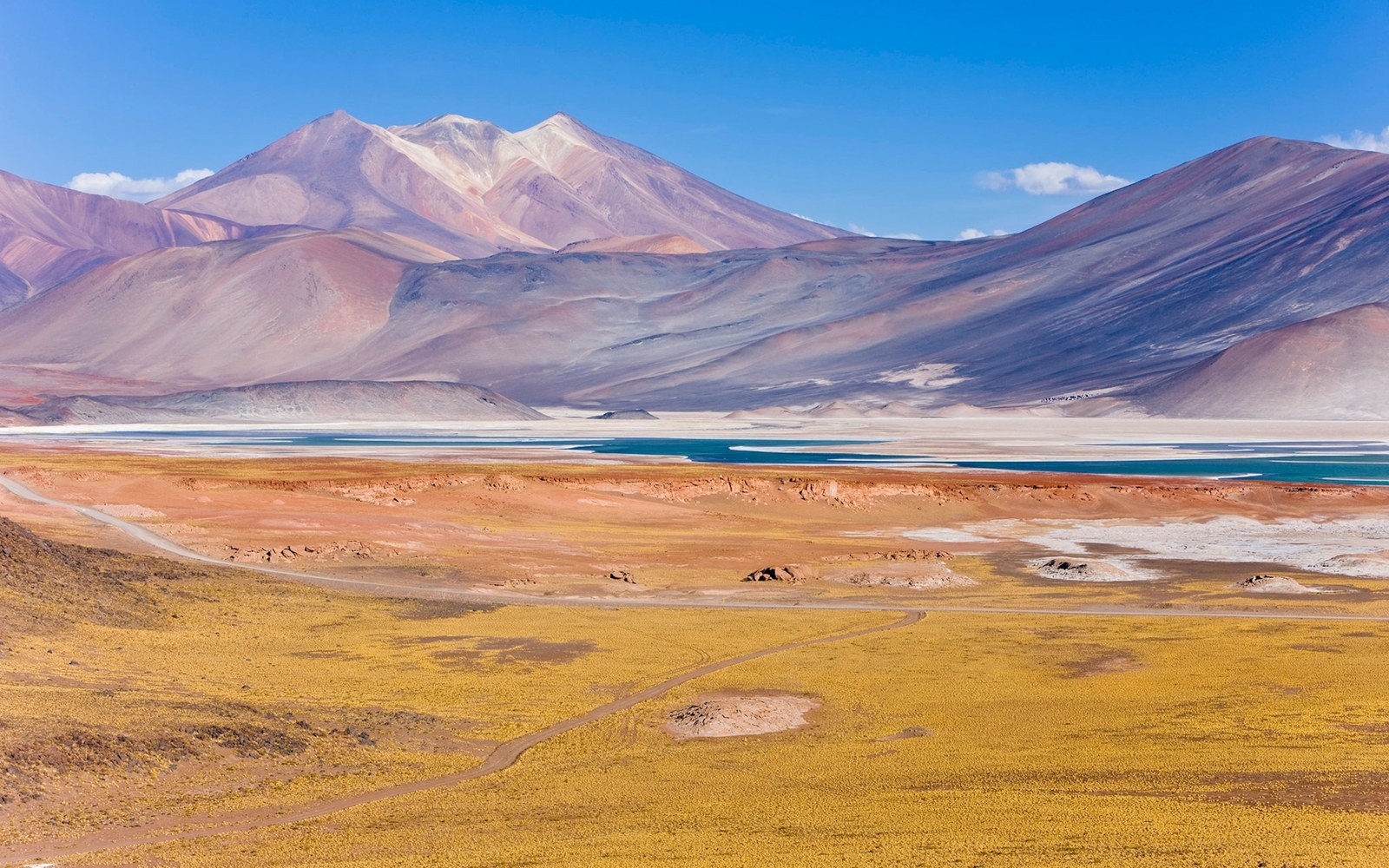
Parts of Chile’s Atacama have gone without measurable rainfall for decades — some river beds have been dry for 120,000 years.
Atacama DesertHottest surface temperature
70.7°C land surface
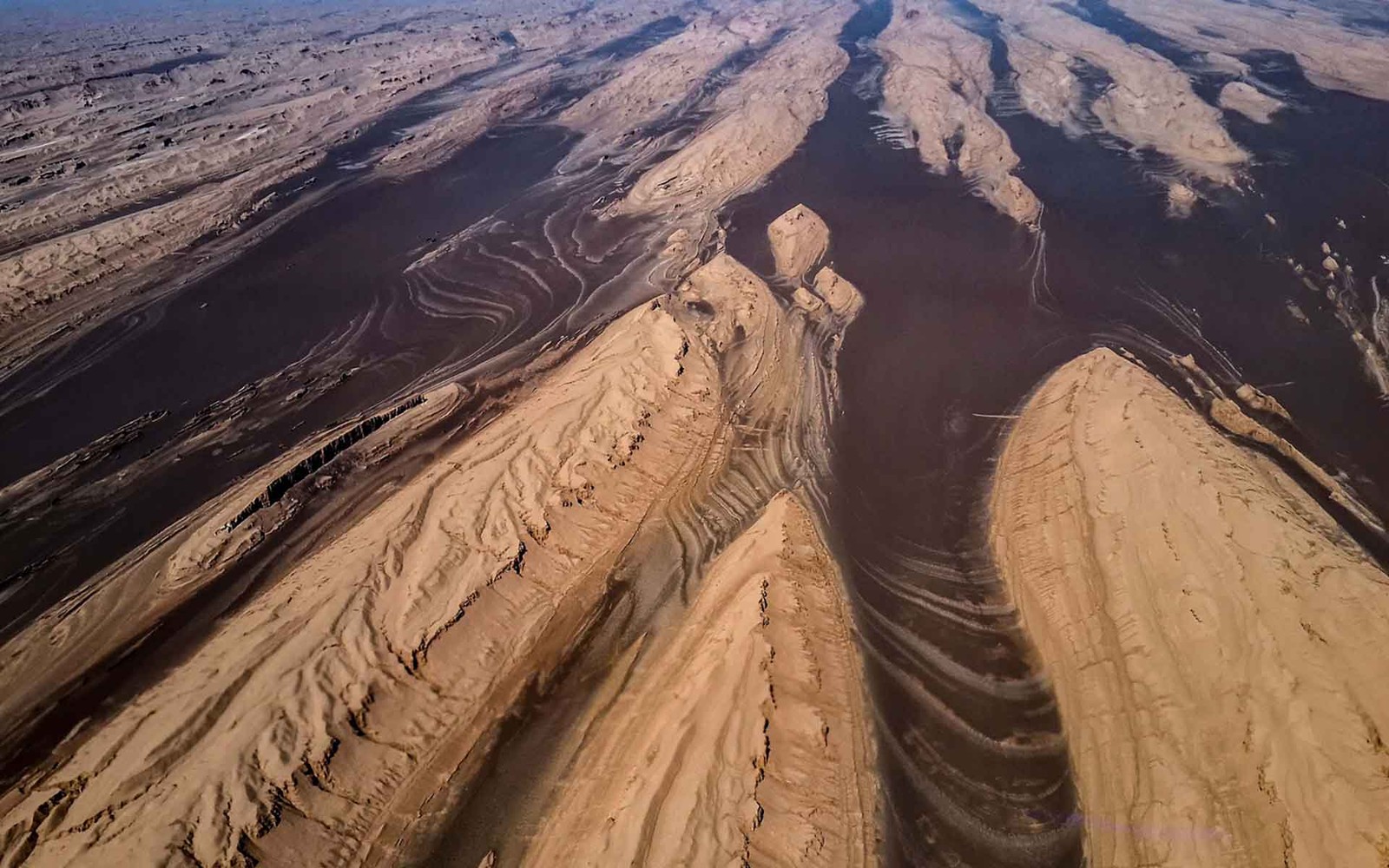
Satellites measured the ground in Iran’s Lut Desert at an astonishing 70.7°C — among the highest ever recorded anywhere.
Lut DesertOldest desert
≈ 55 million years
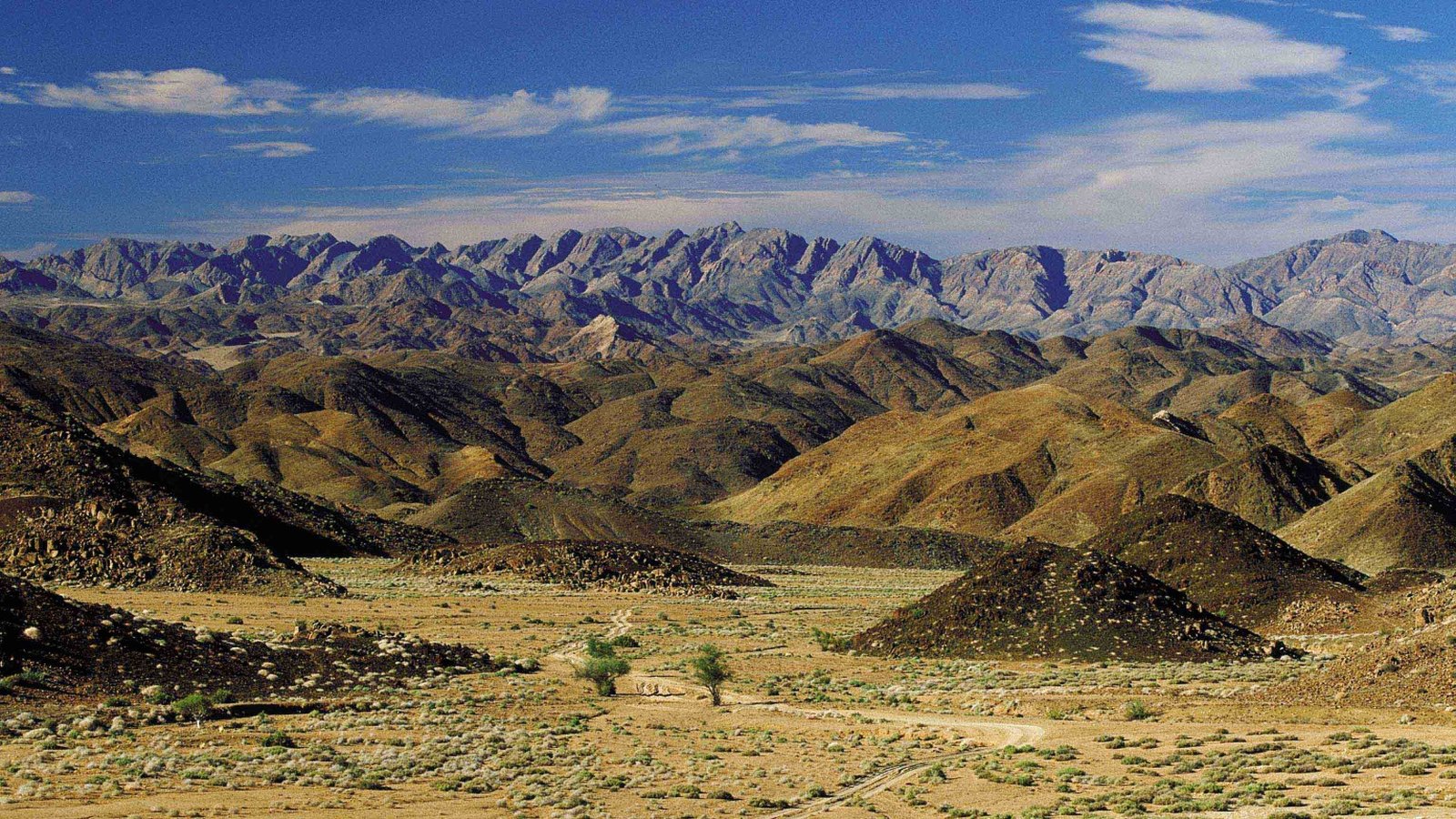
The Namib has been arid for at least 55 million years, making it the oldest desert on the planet.
Namib DesertTallest sand dunes
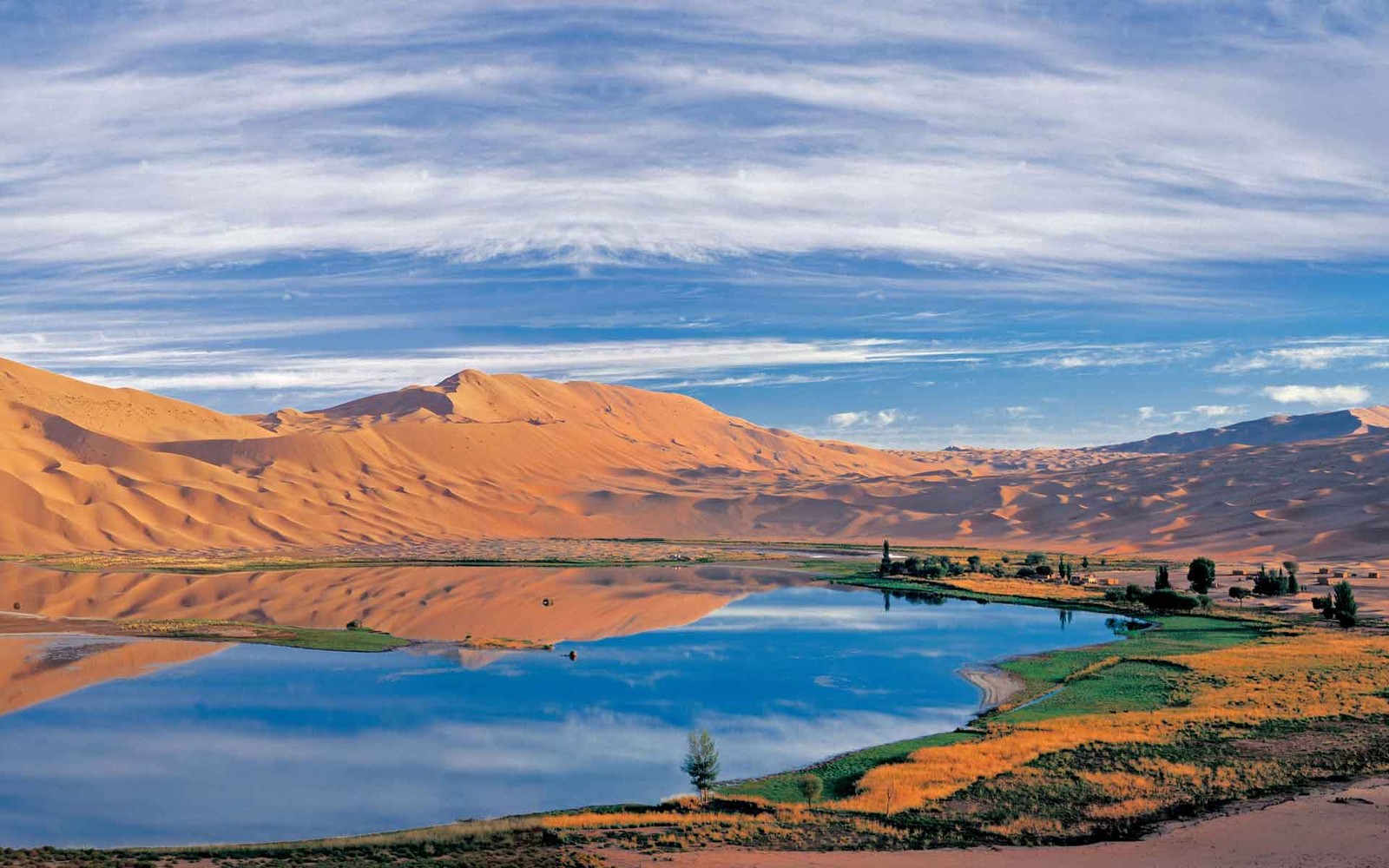
Up to ≈ 460 m
China’s Badain Jaran holds some of the tallest stationary dunes on Earth — rising almost half a kilometre into the sky.
Badain Jaran DesertMost populated desert
≈ 16 million people
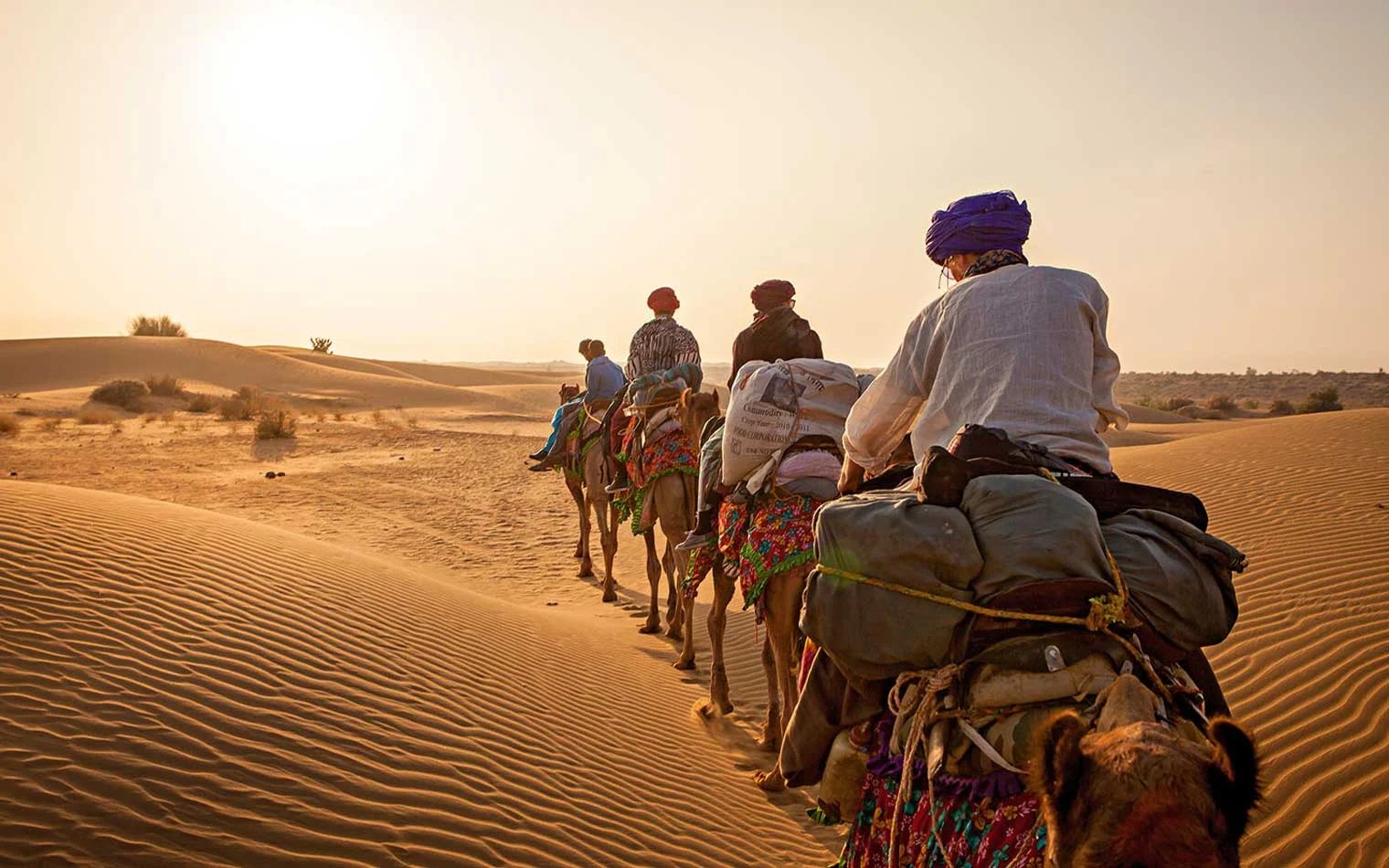
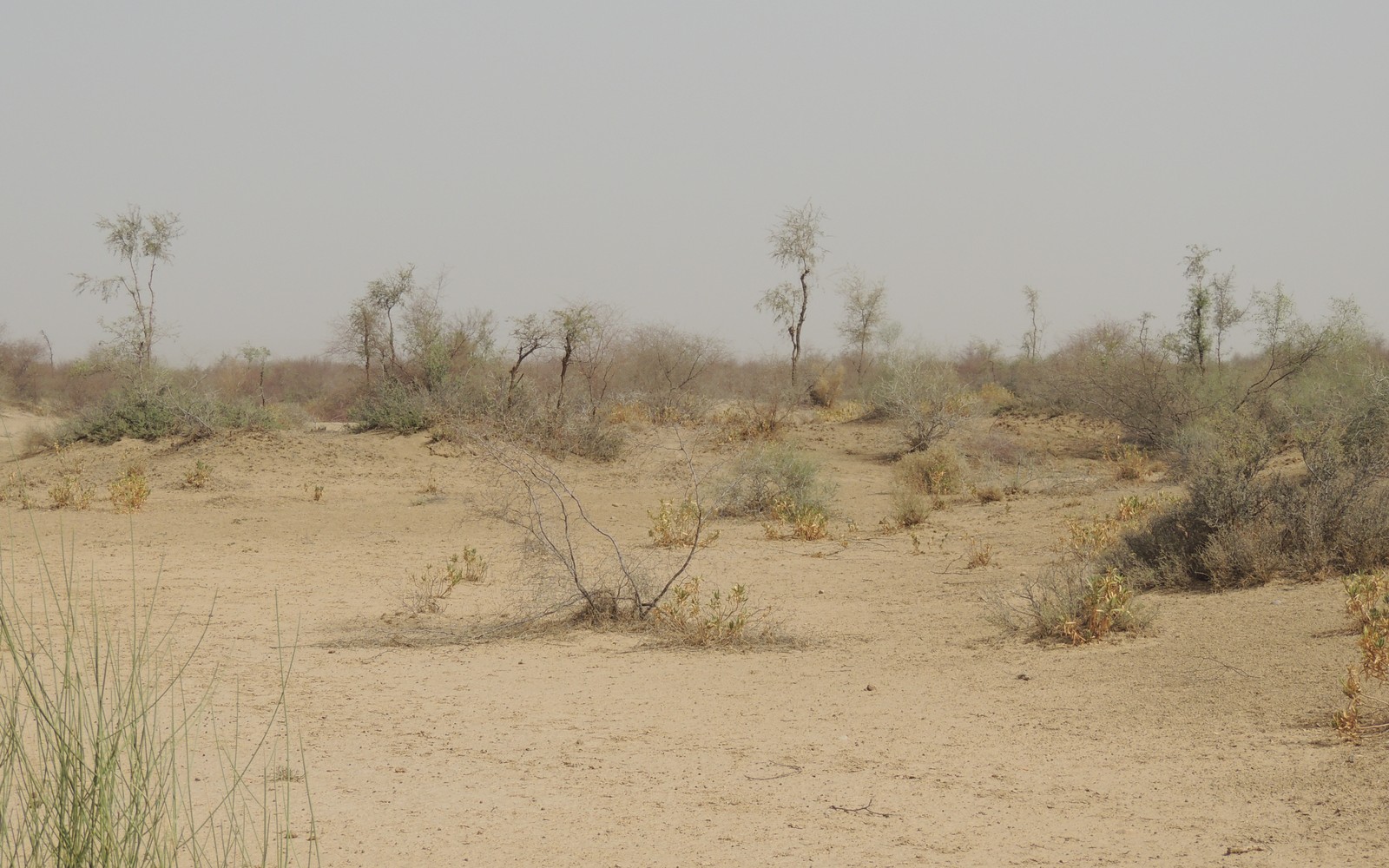
The Thar on the India–Pakistan border is the most densely populated desert in the world.
Thar DesertLargest sand sea
Rub’ al-Khali
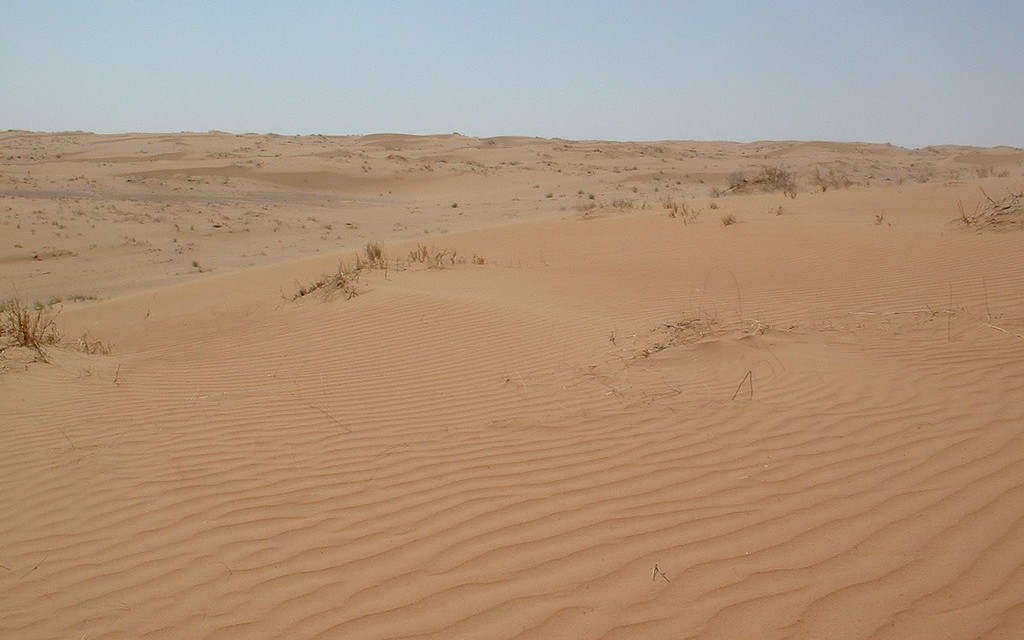
The Arabian Desert’s “Empty Quarter” is the largest continuous body of sand in the world — bigger than France.
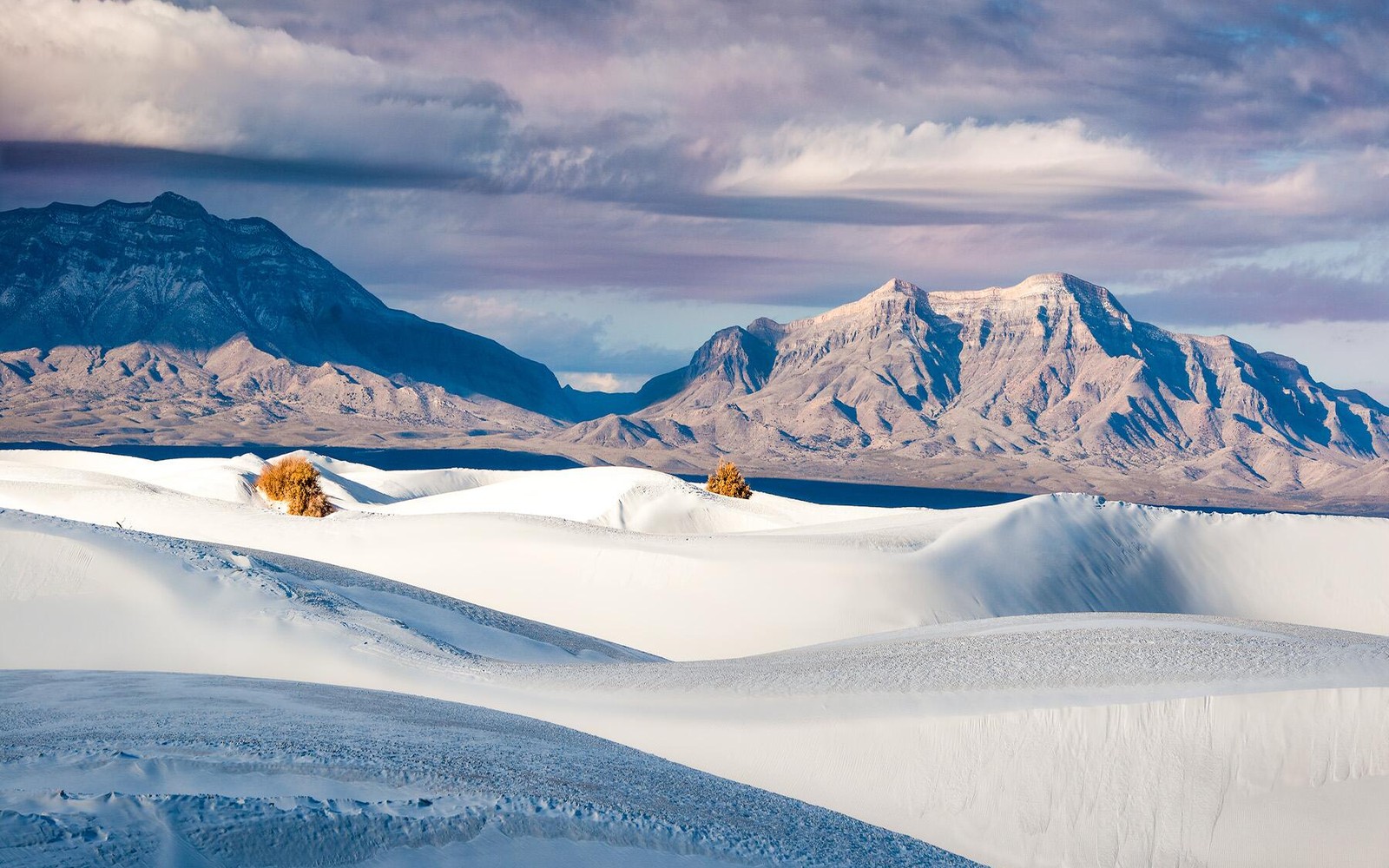
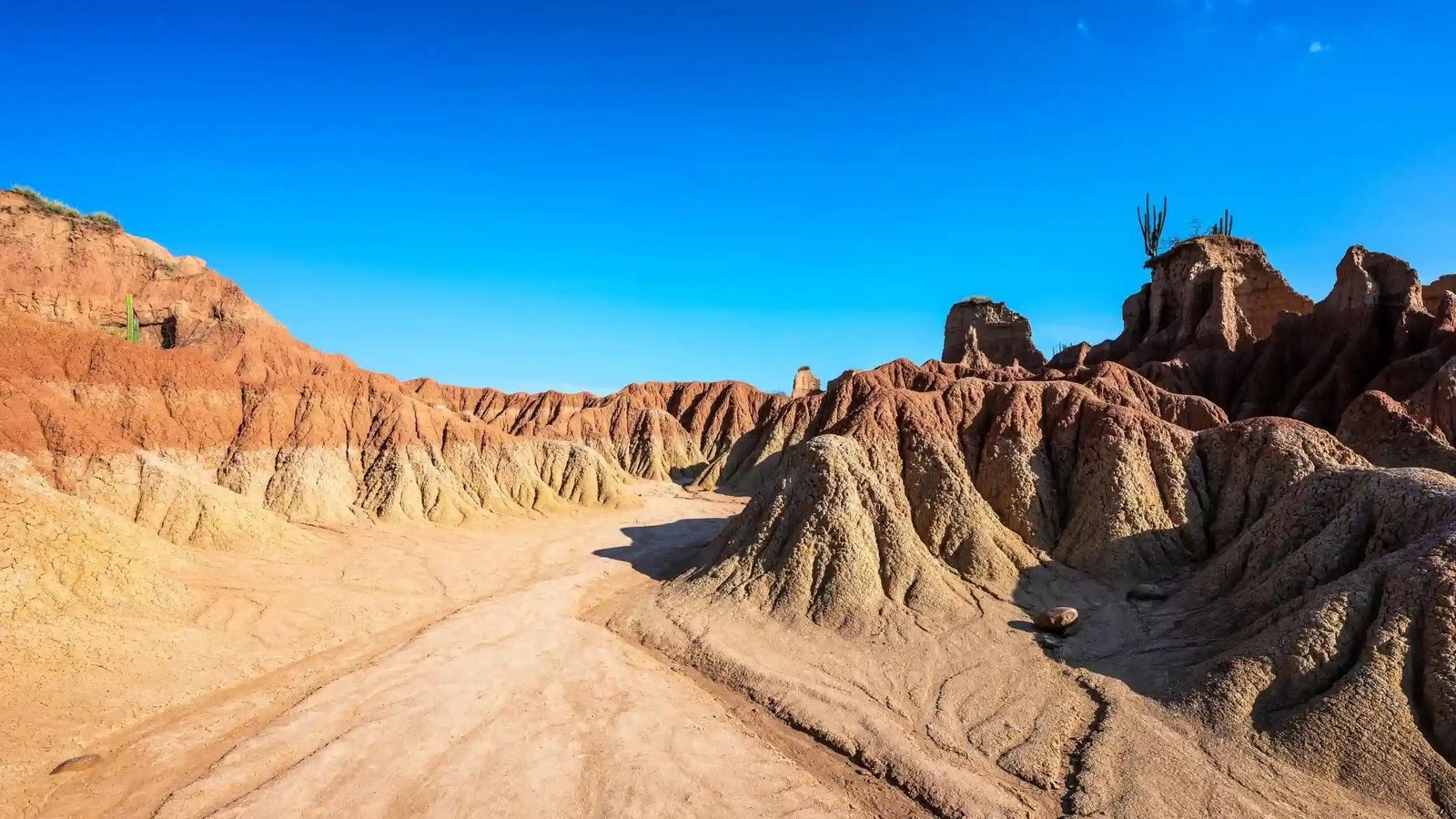
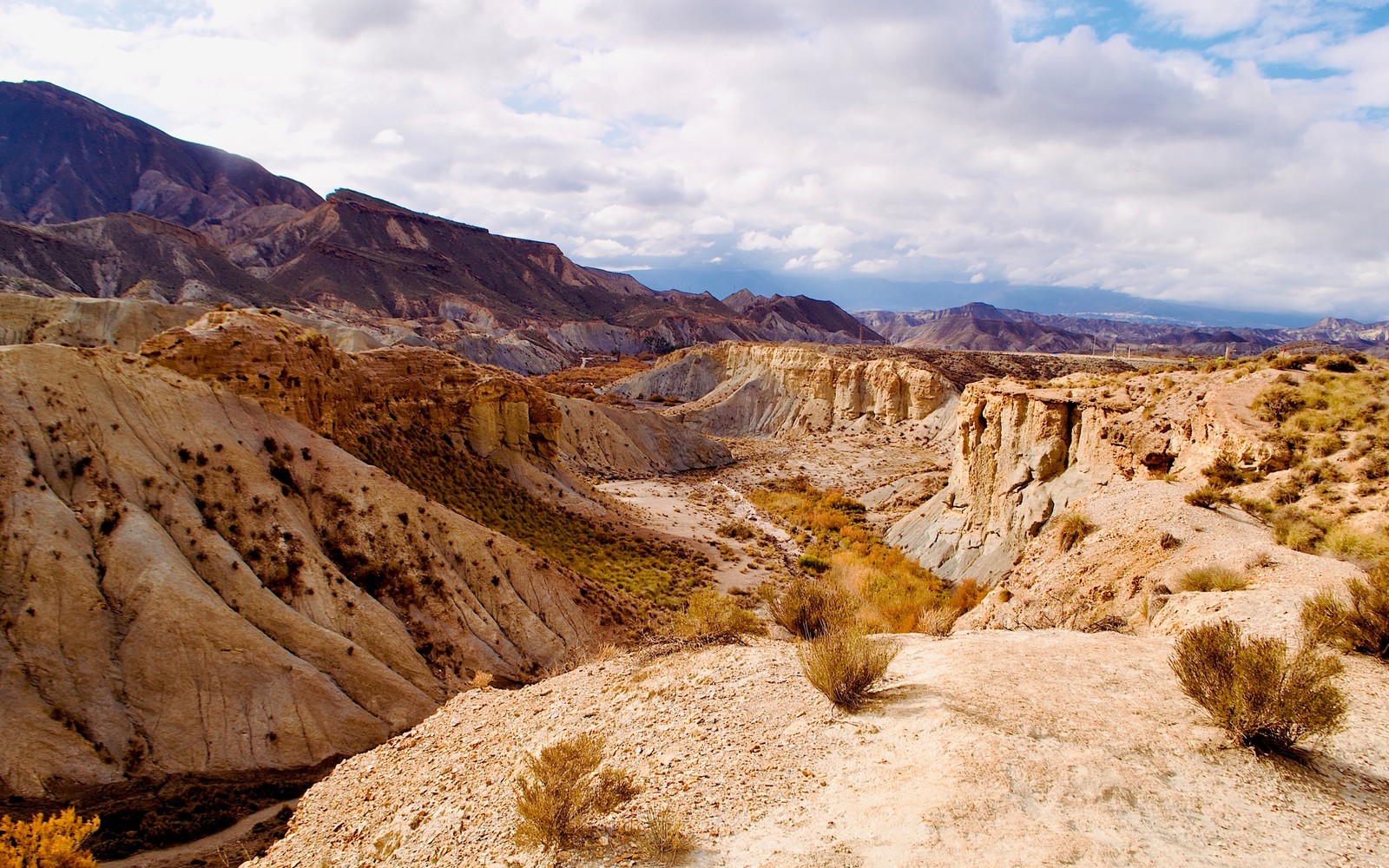
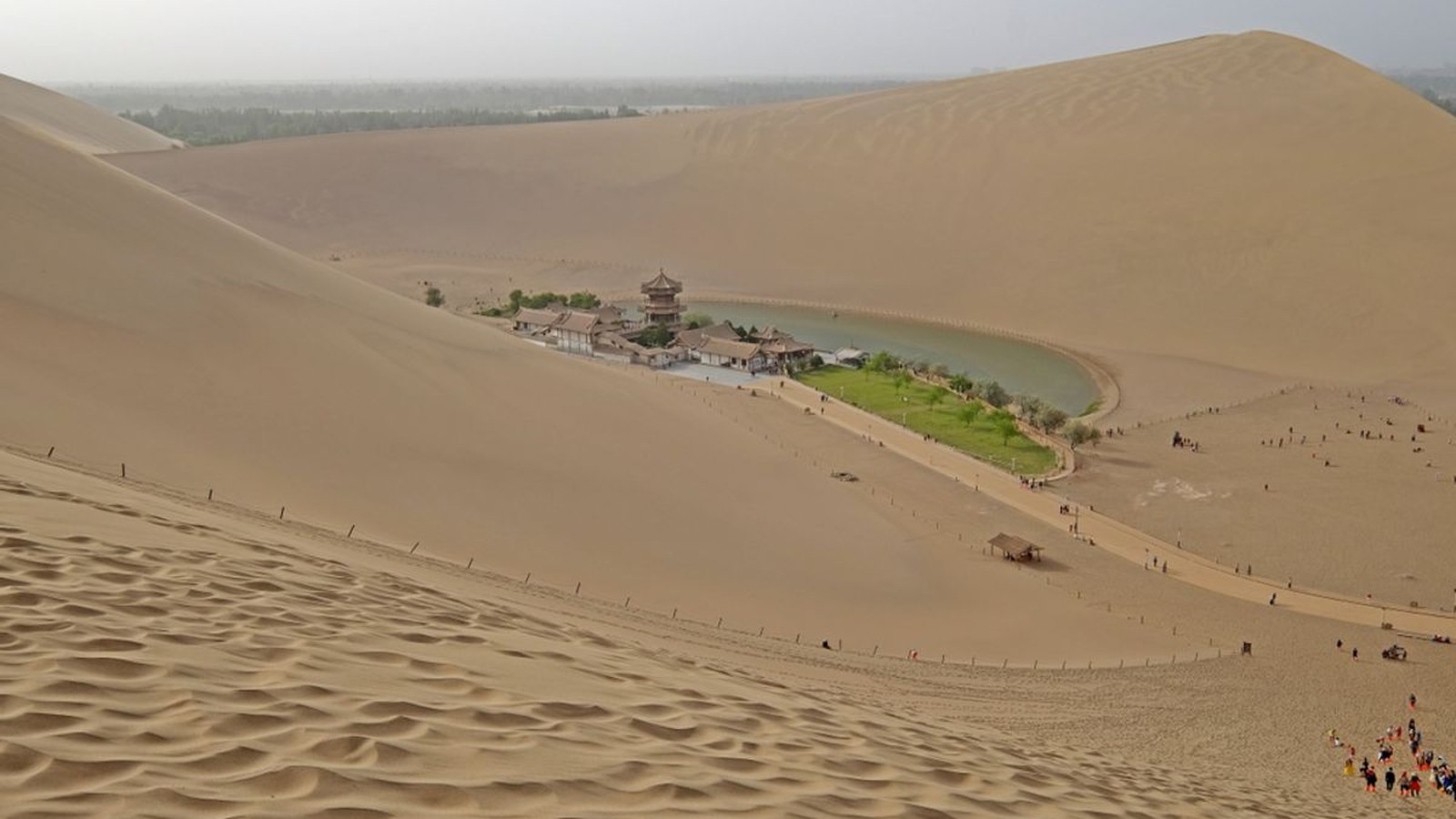
Arabian DesertSubtropical
31 deserts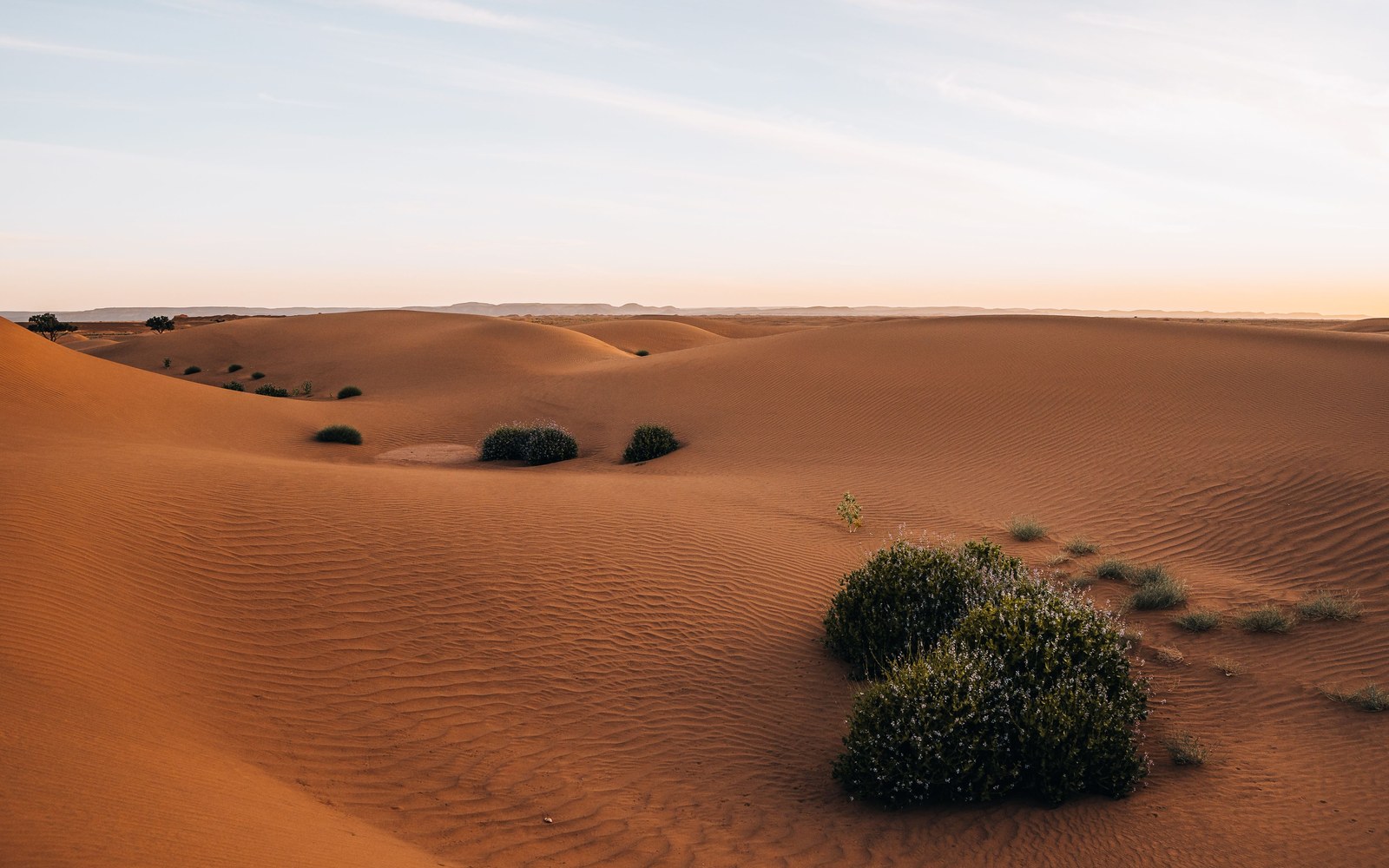
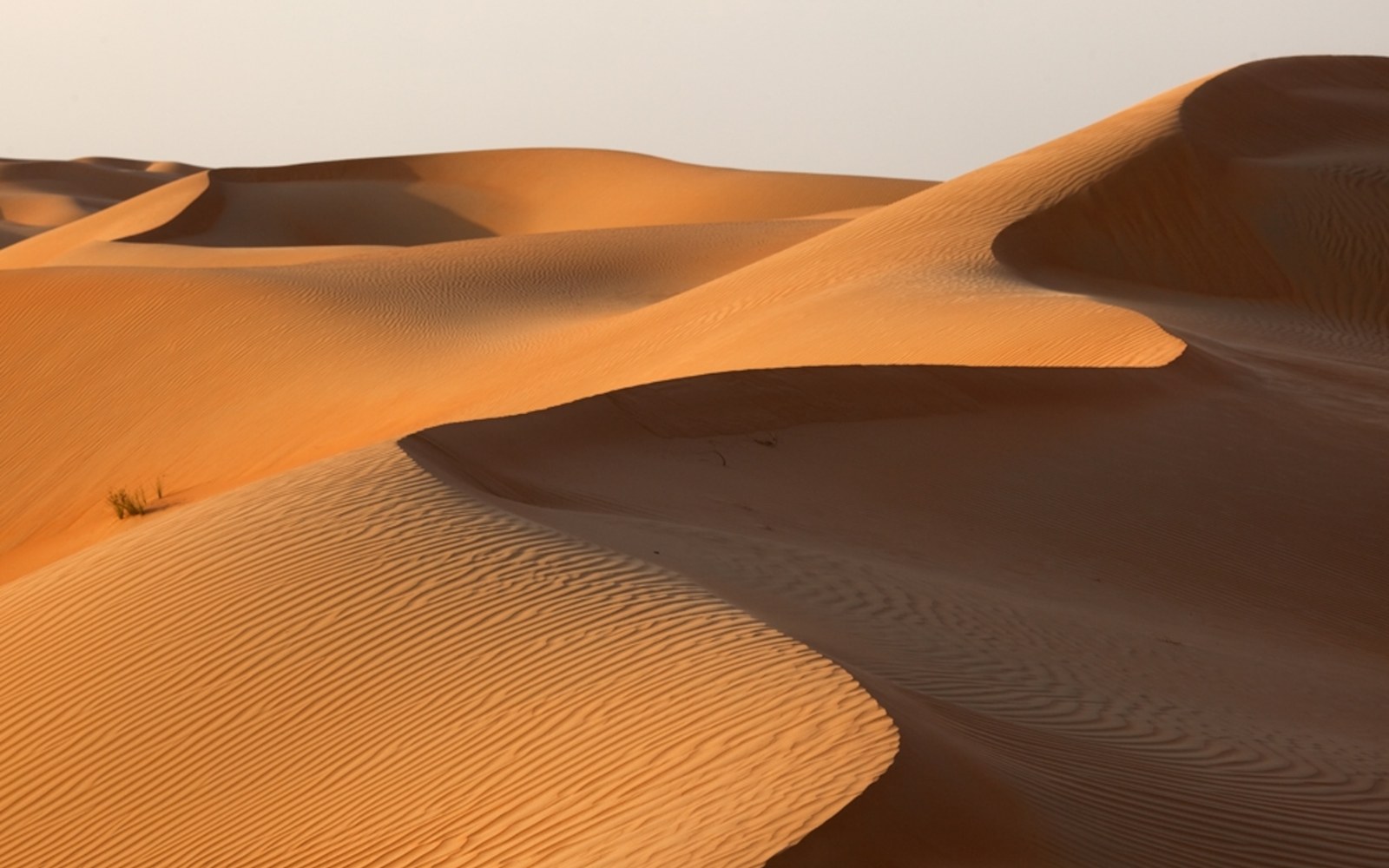
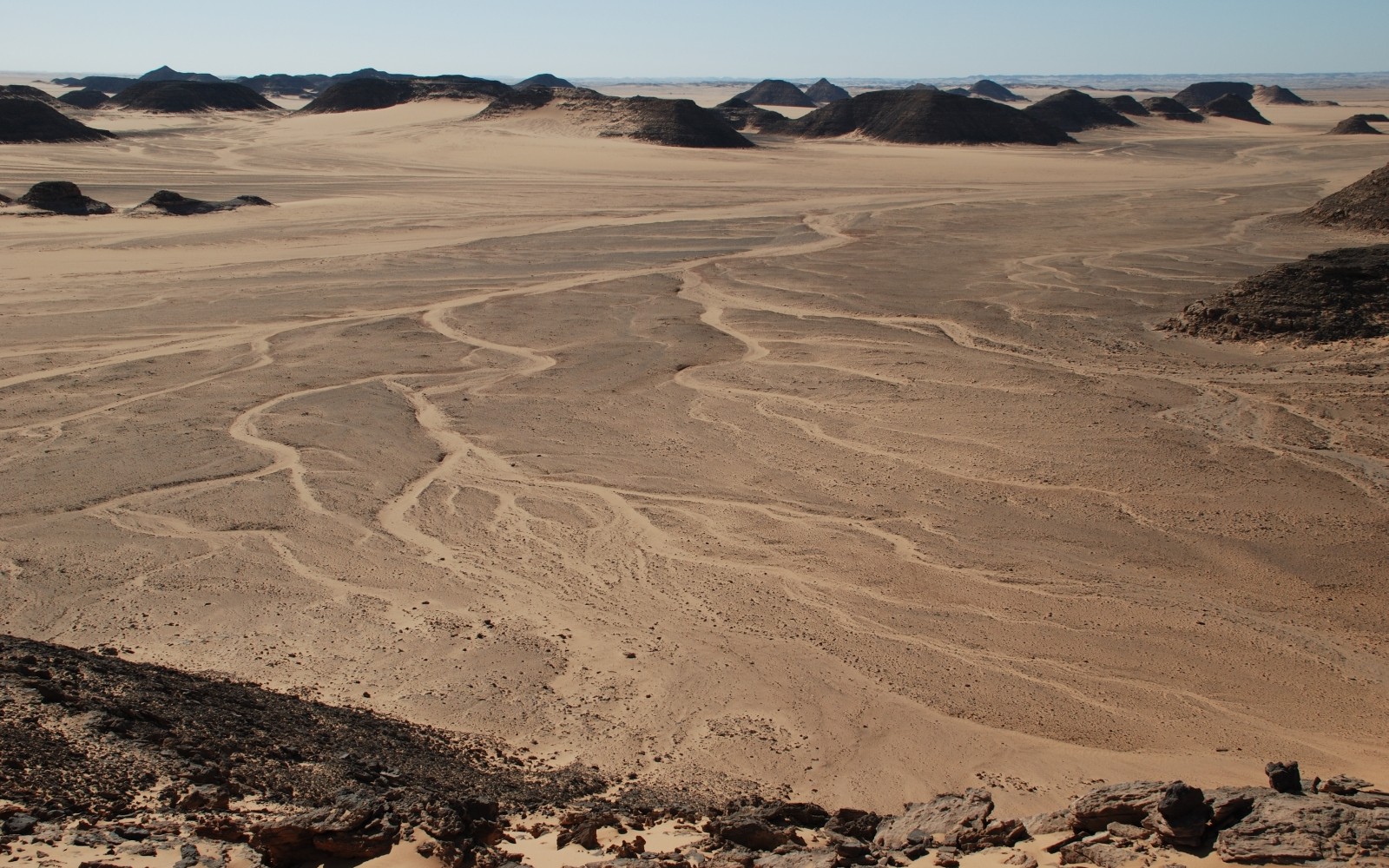
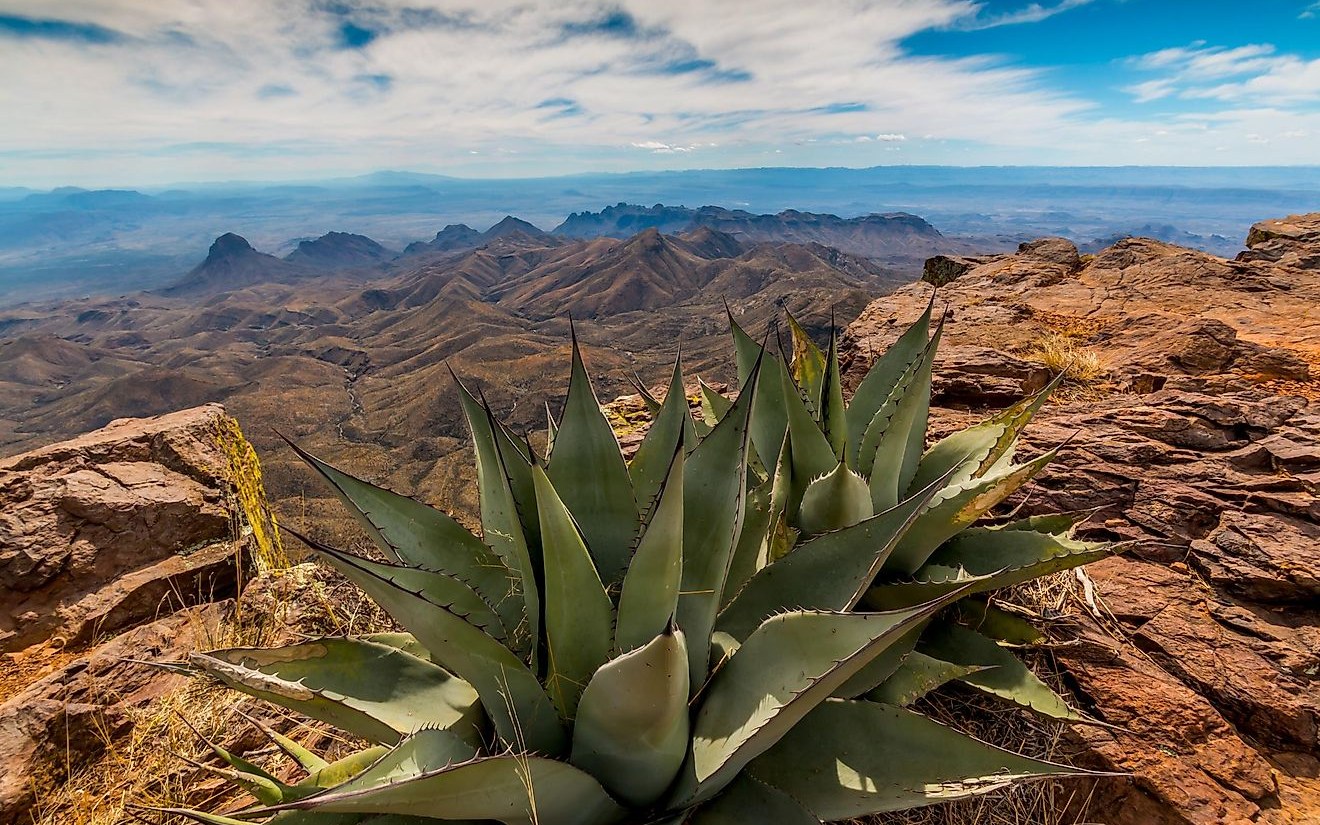
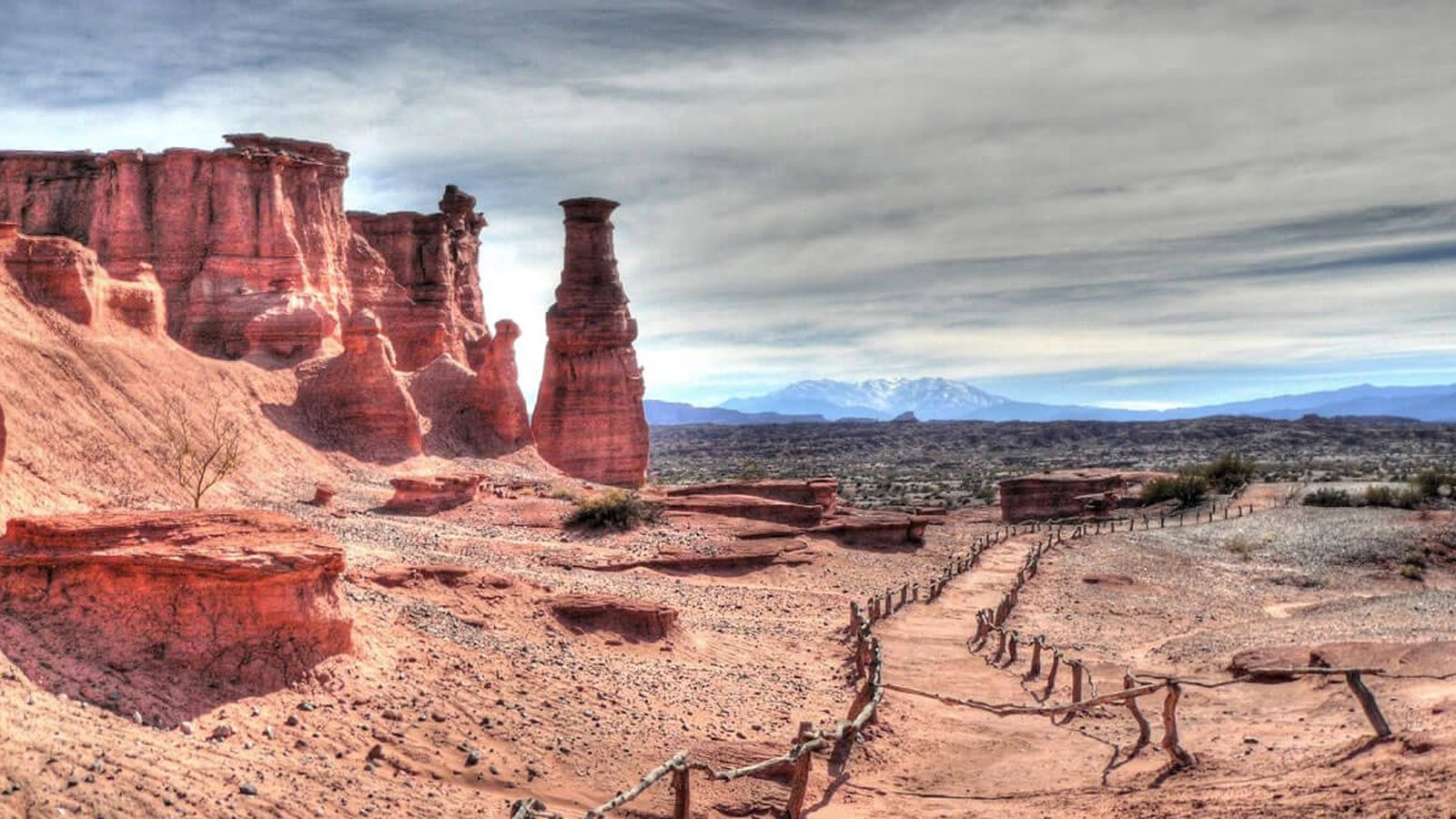
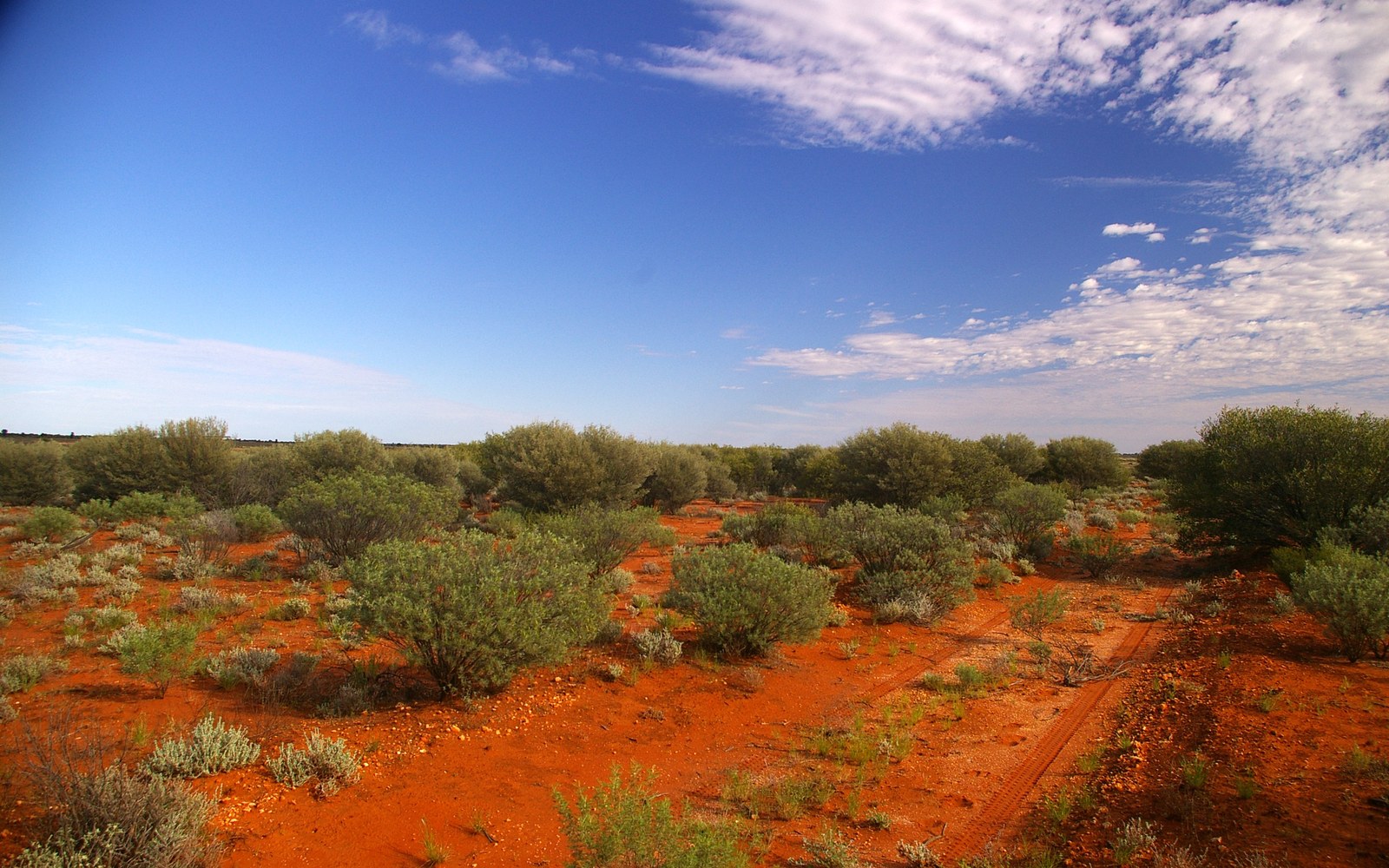
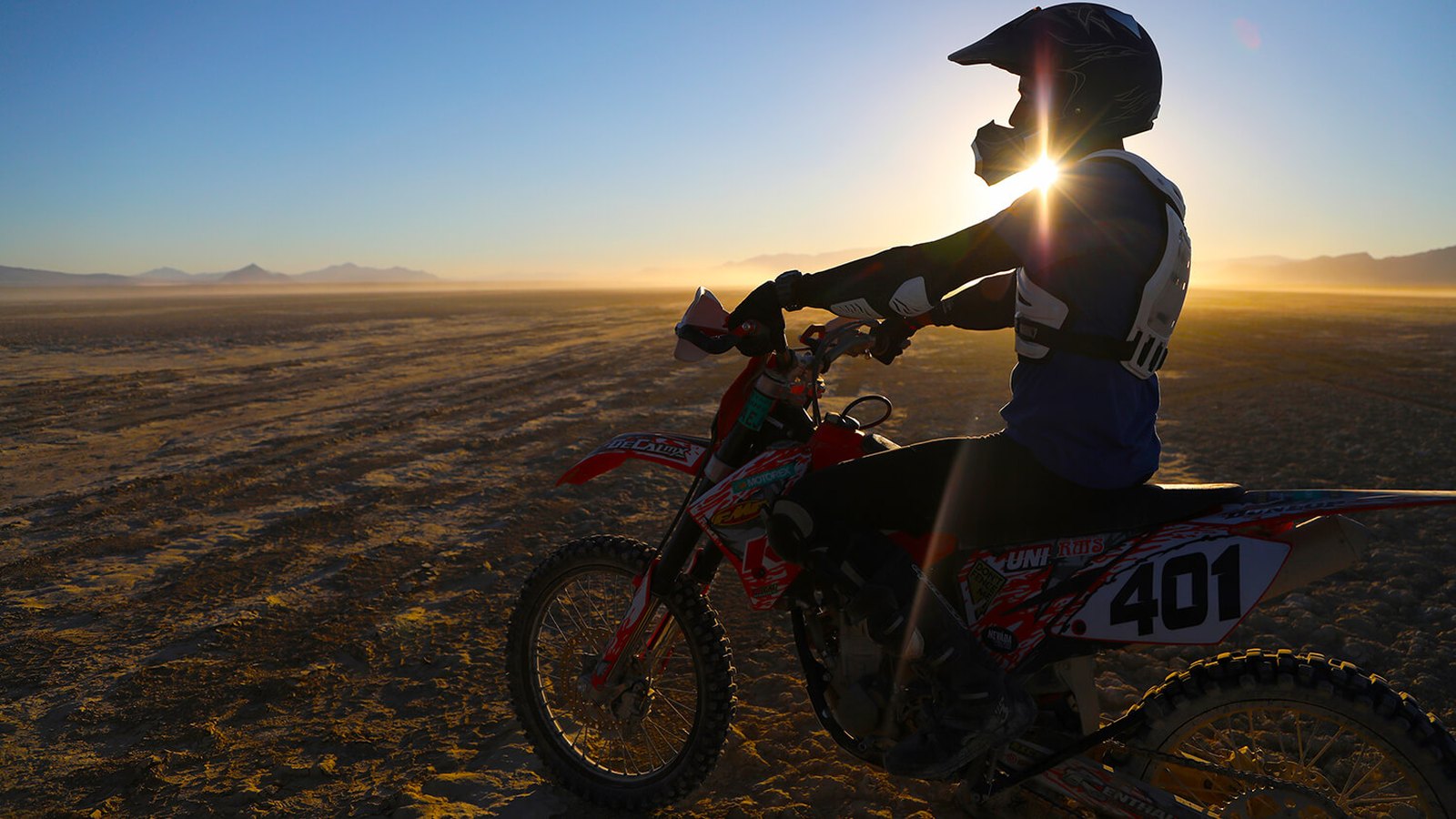
Cold
11 deserts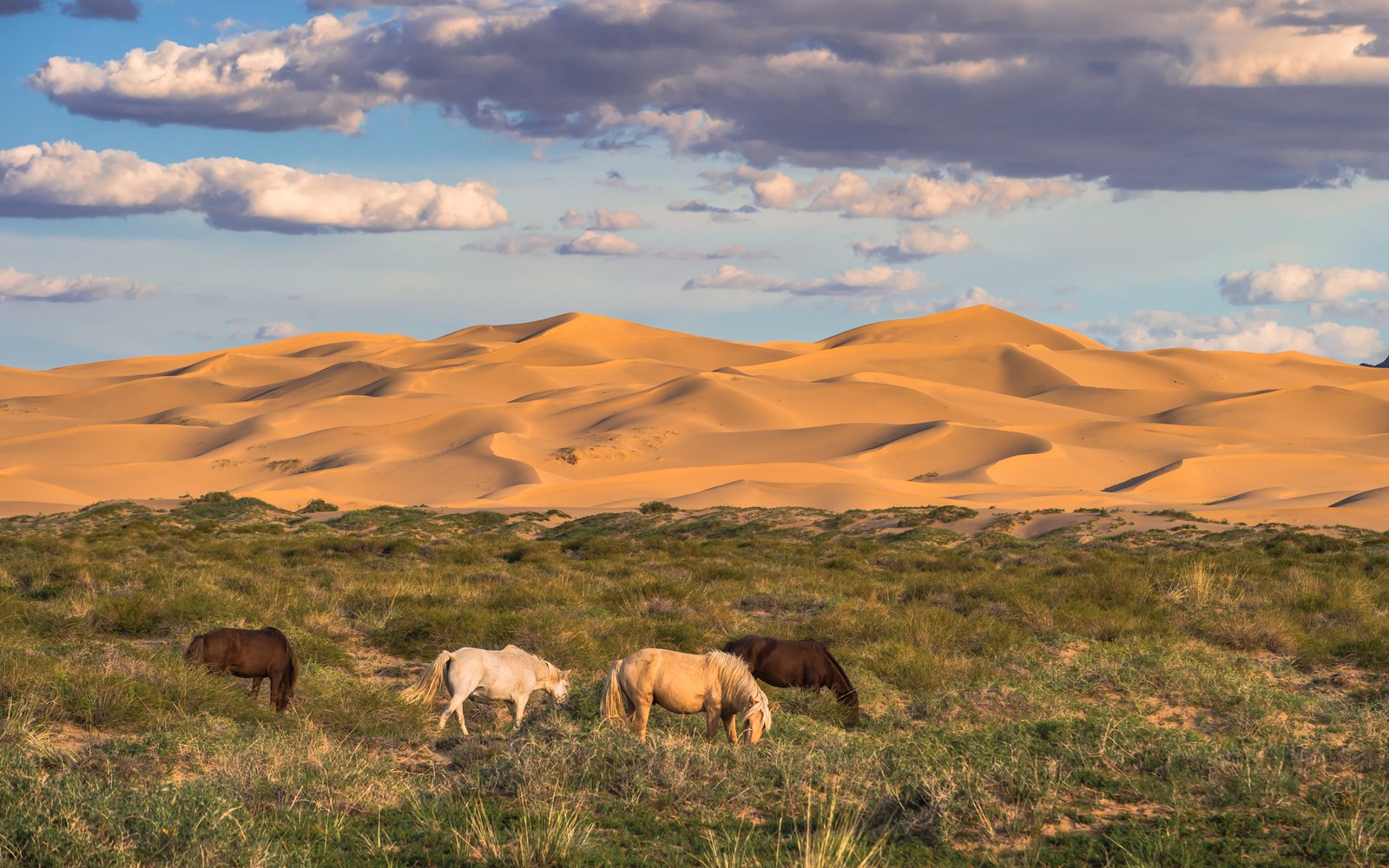
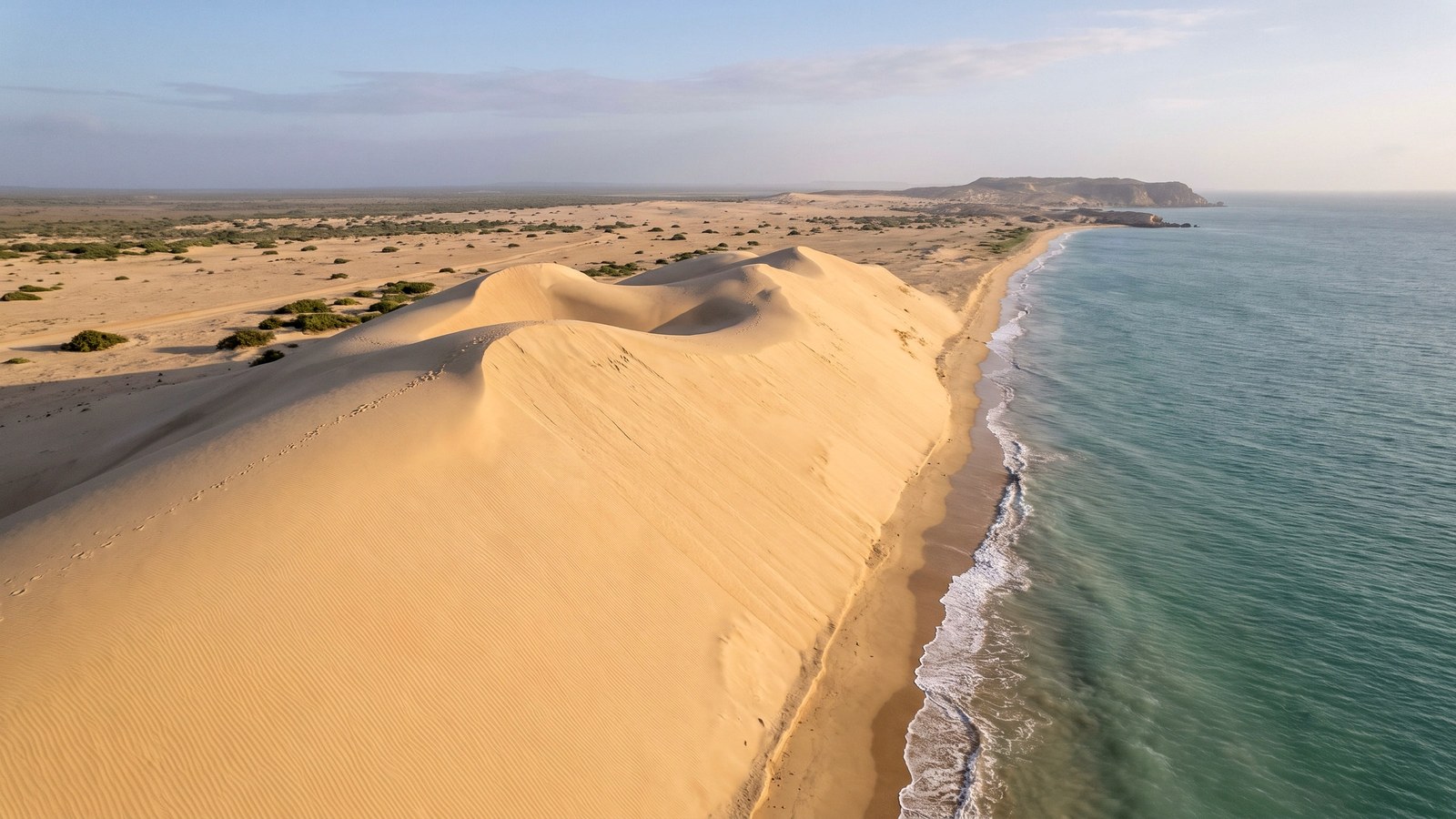
Coastal
6 deserts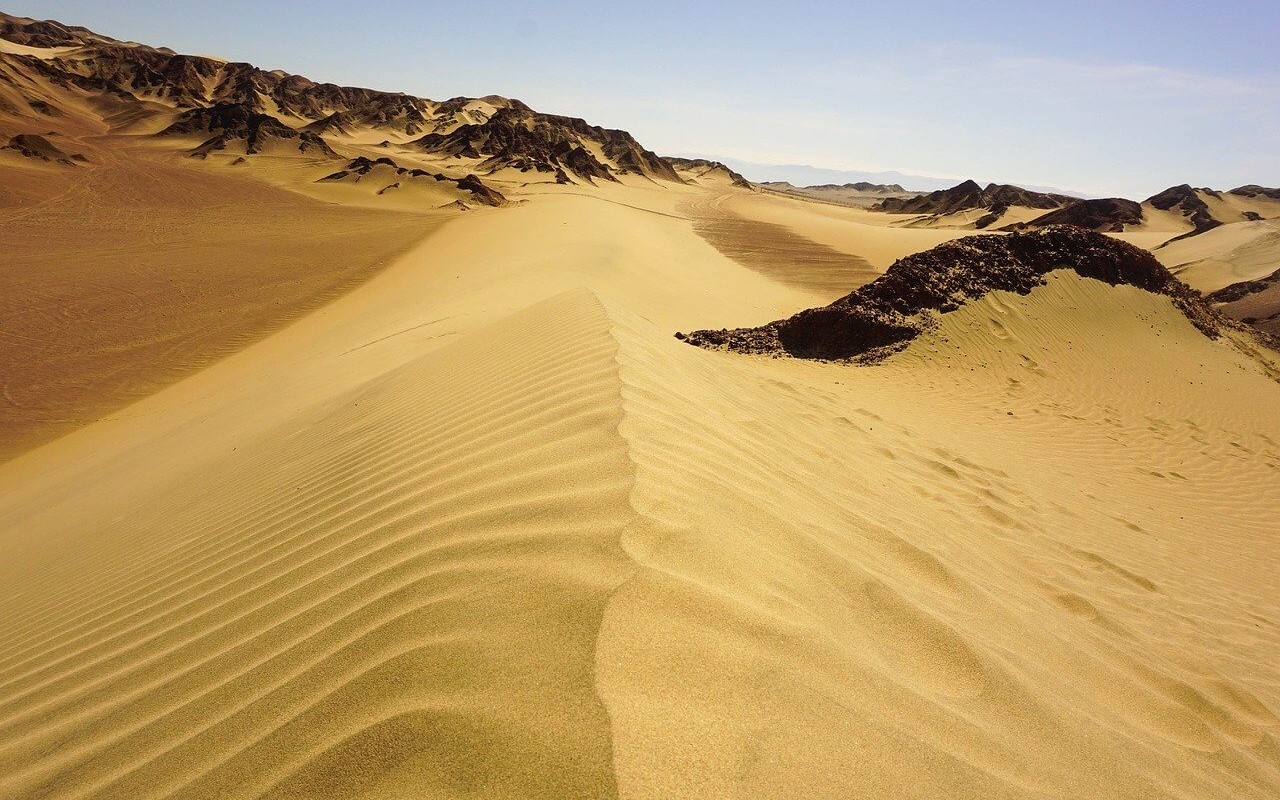
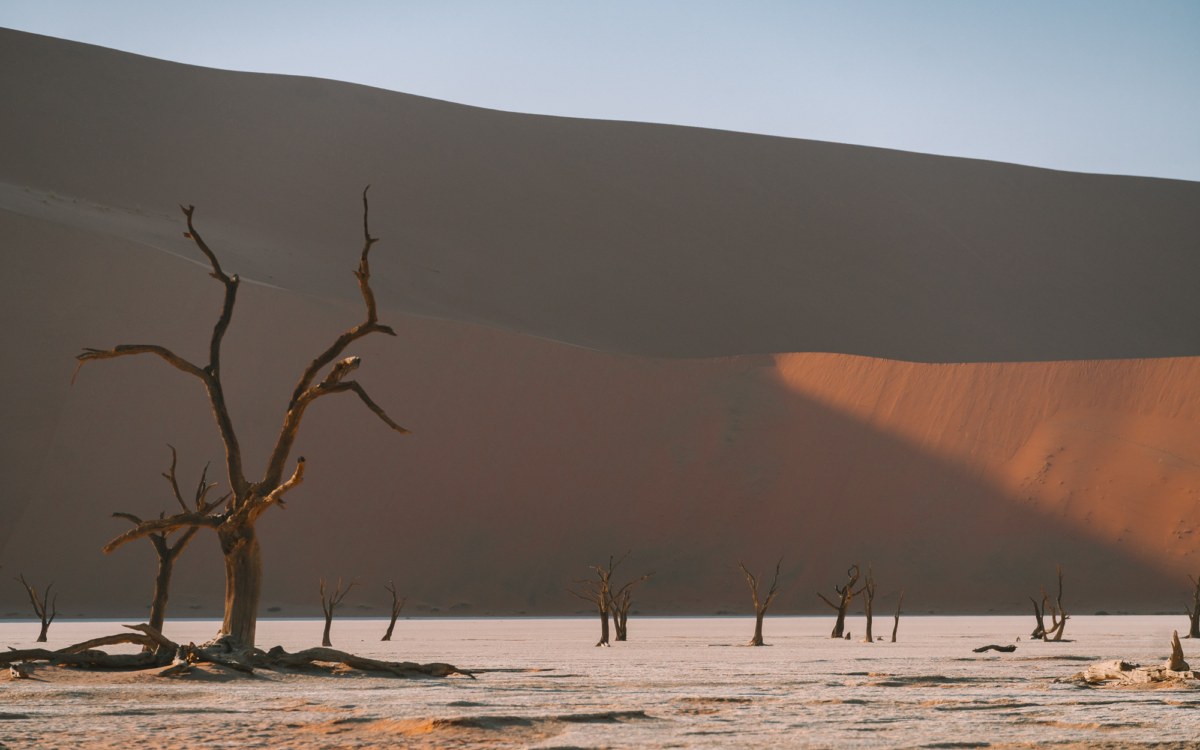
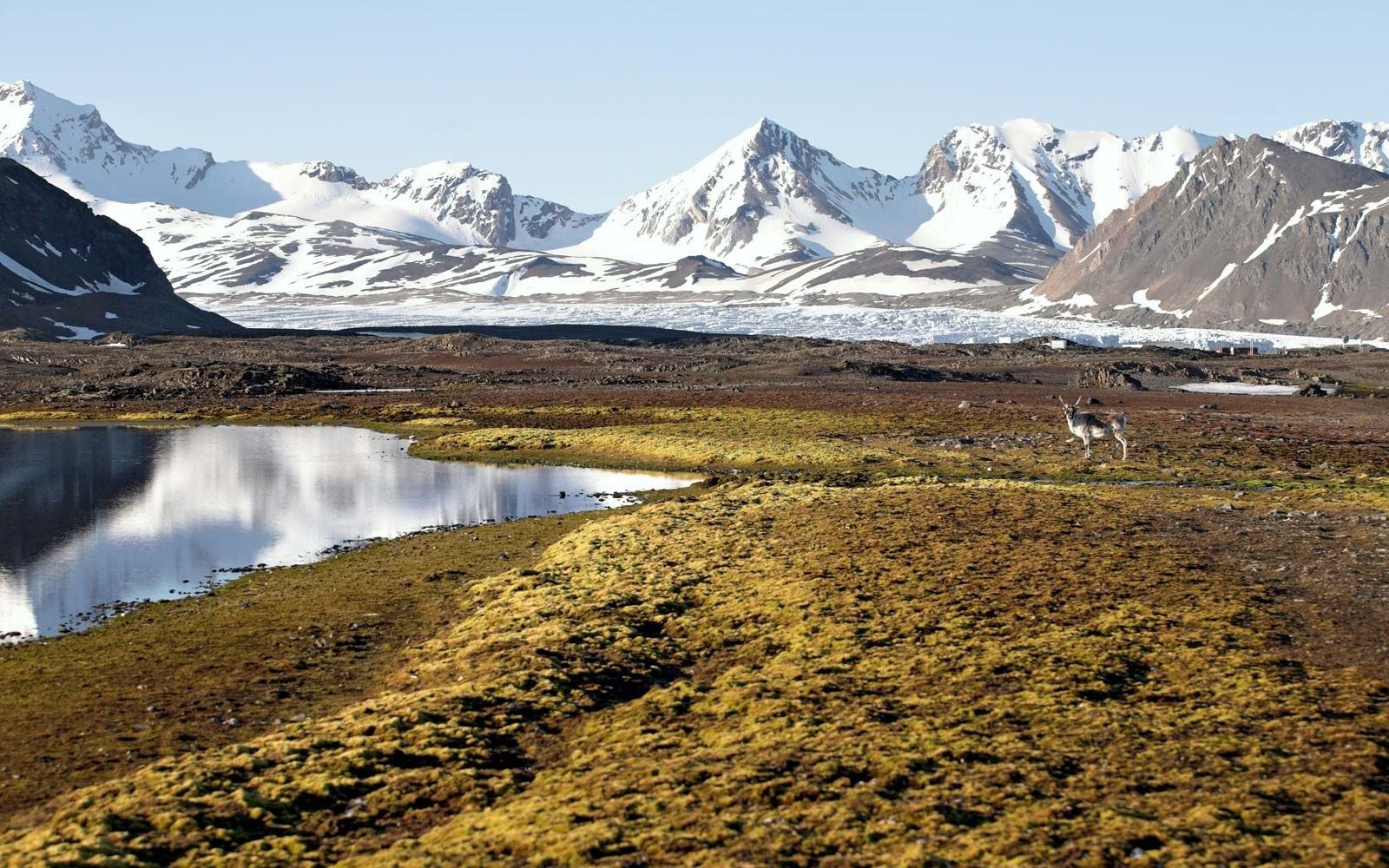
Polar
2 deserts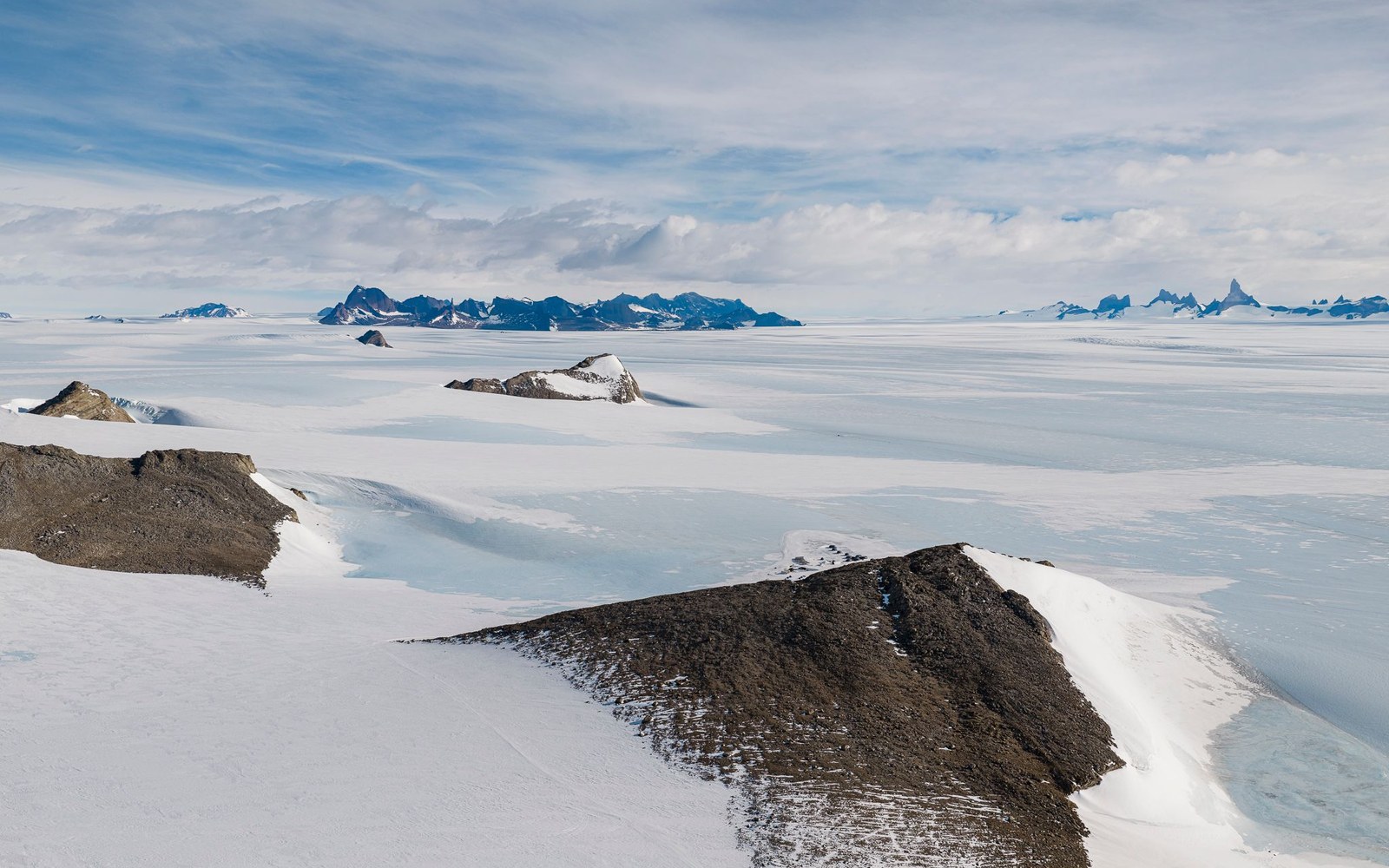
How life survives the desert
With blistering heat, freezing nights and almost no water, desert plants and animals have evolved astonishing tricks to stay alive. Here are the big ones.
Storing water inside
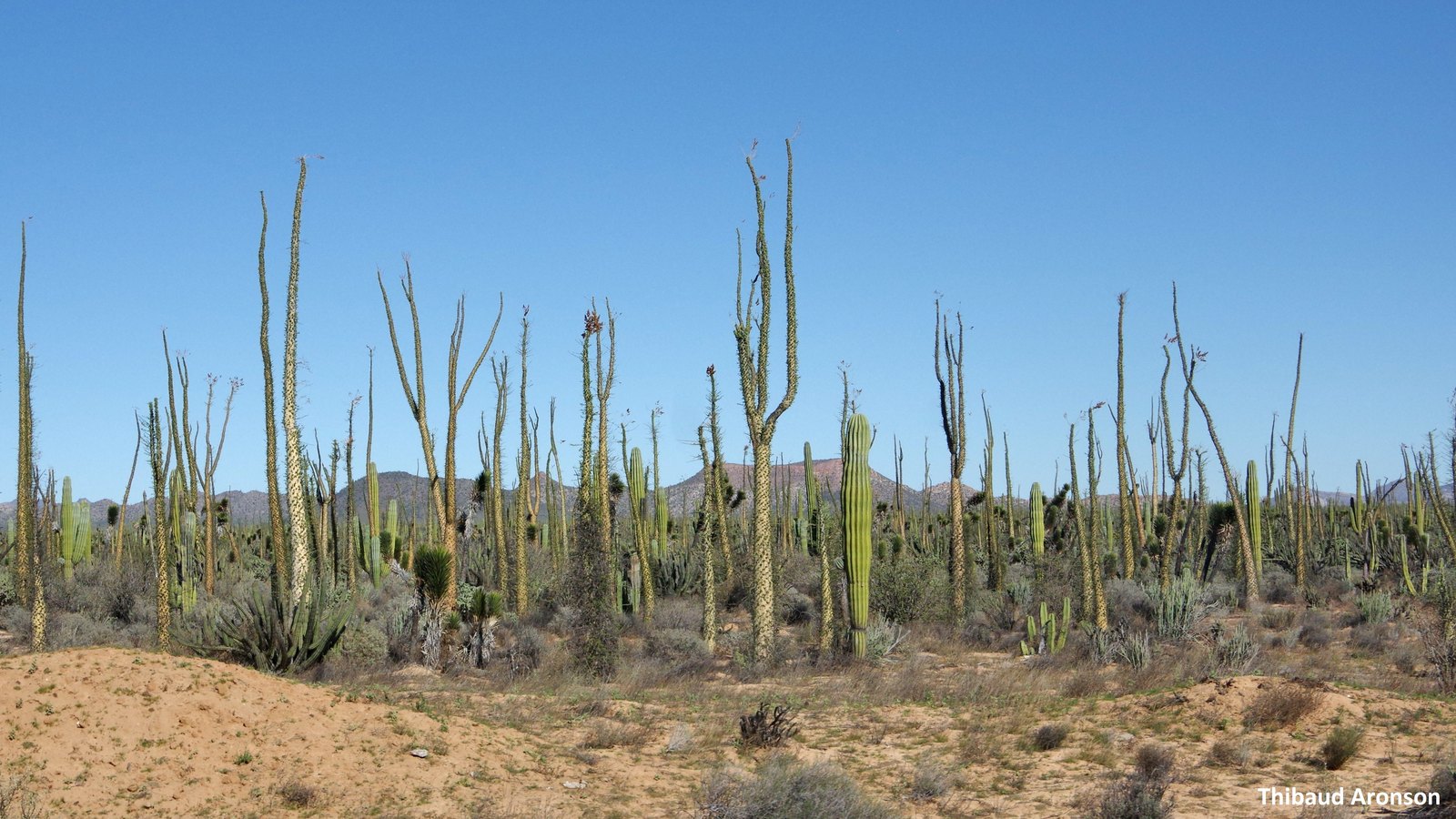
Succulents swell their stems and leaves into living water tanks, then seal them with a waxy skin so almost nothing evaporates.
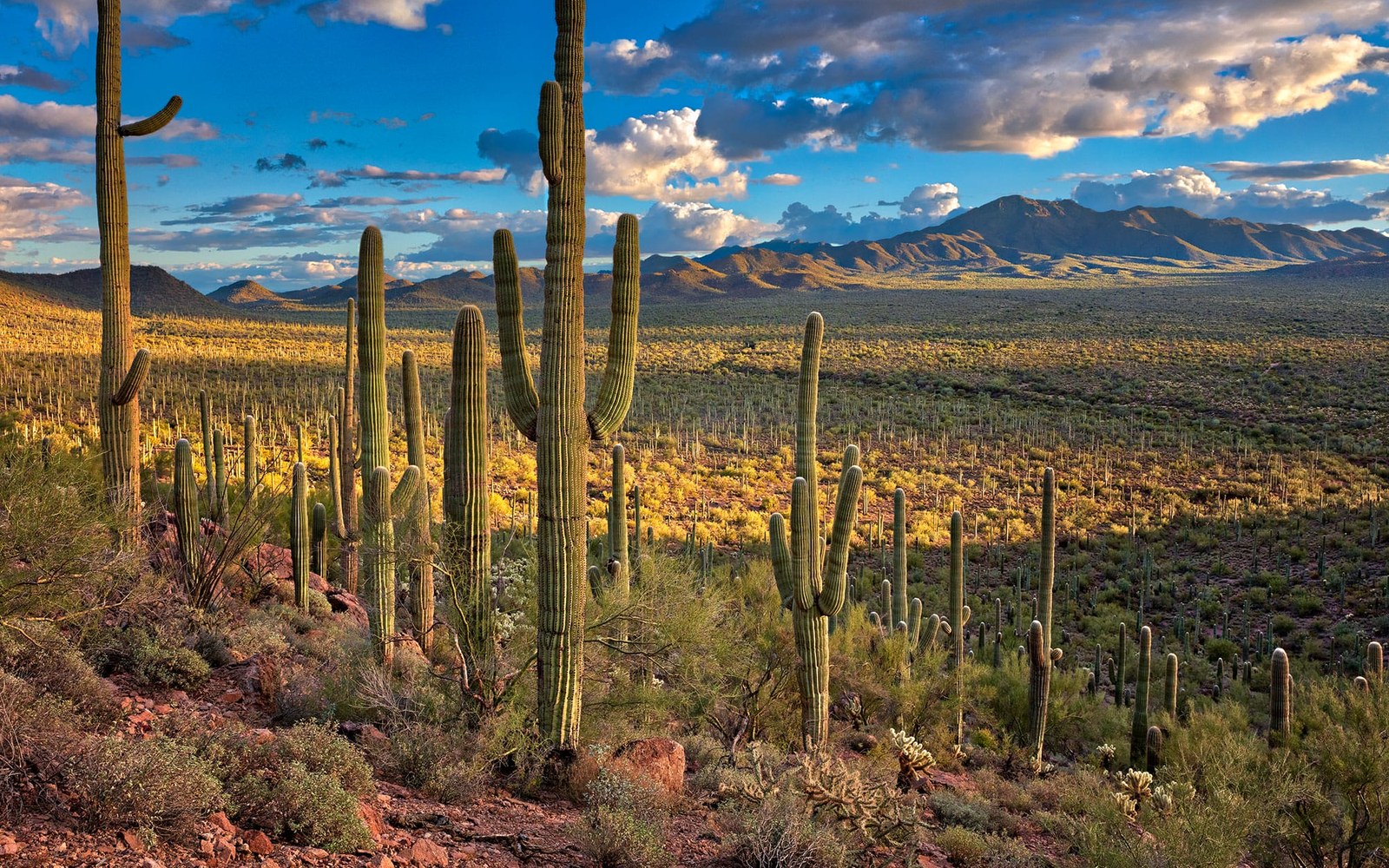
e.g. Saguaro & barrel cactus, aloes, quiver tree
Barely drinking at all
Many desert animals never drink — they squeeze every drop of water from their food and produce extremely concentrated waste.
e.g. Kangaroo rat, oryx, addax
Hiding from the heat
Burrowing and coming out only at night lets small animals skip the furnace of midday, when sand can top 70°C.
e.g. Fennec fox, meerkats, jerboa
Chasing the water
Some plants send taproots tens of metres down to buried water; others spread shallow roots wide to grab any surface rain fast.
e.g. Mesquite, creosote bush, acacia
Waiting it out
Seeds can lie dormant for years, then burst into bloom within days of a rare downpour — turning deserts into carpets of flowers.
e.g. Atacama “desierto florido”, ephemeral wildflowers
Shedding heat
Pale coats reflect sunlight and oversized ears radiate heat away, acting like built-in air conditioning.
e.g. Fennec fox’s ears, jackrabbit, pale coats
Harvesting fog
Along cold-current coasts, life drinks the fog itself — beetles tip up to let droplets run to their mouths, and plants catch mist on their leaves.
e.g. Namib fog beetle, welwitschia
Surviving the cold
In cold and polar deserts, animals grow thick fur or fat and plants hug the ground to escape icy winds and brief growing seasons.
e.g. Bactrian camel, arctic hare, cushion plants
Explore the deserts your way
Dig deeper with our interactive desert tools.
Go deeper into the desert
Dunes and landforms, record-breaking sand seas, the clearest night skies on Earth, famous expeditions, climate change and the people who call the desert home.