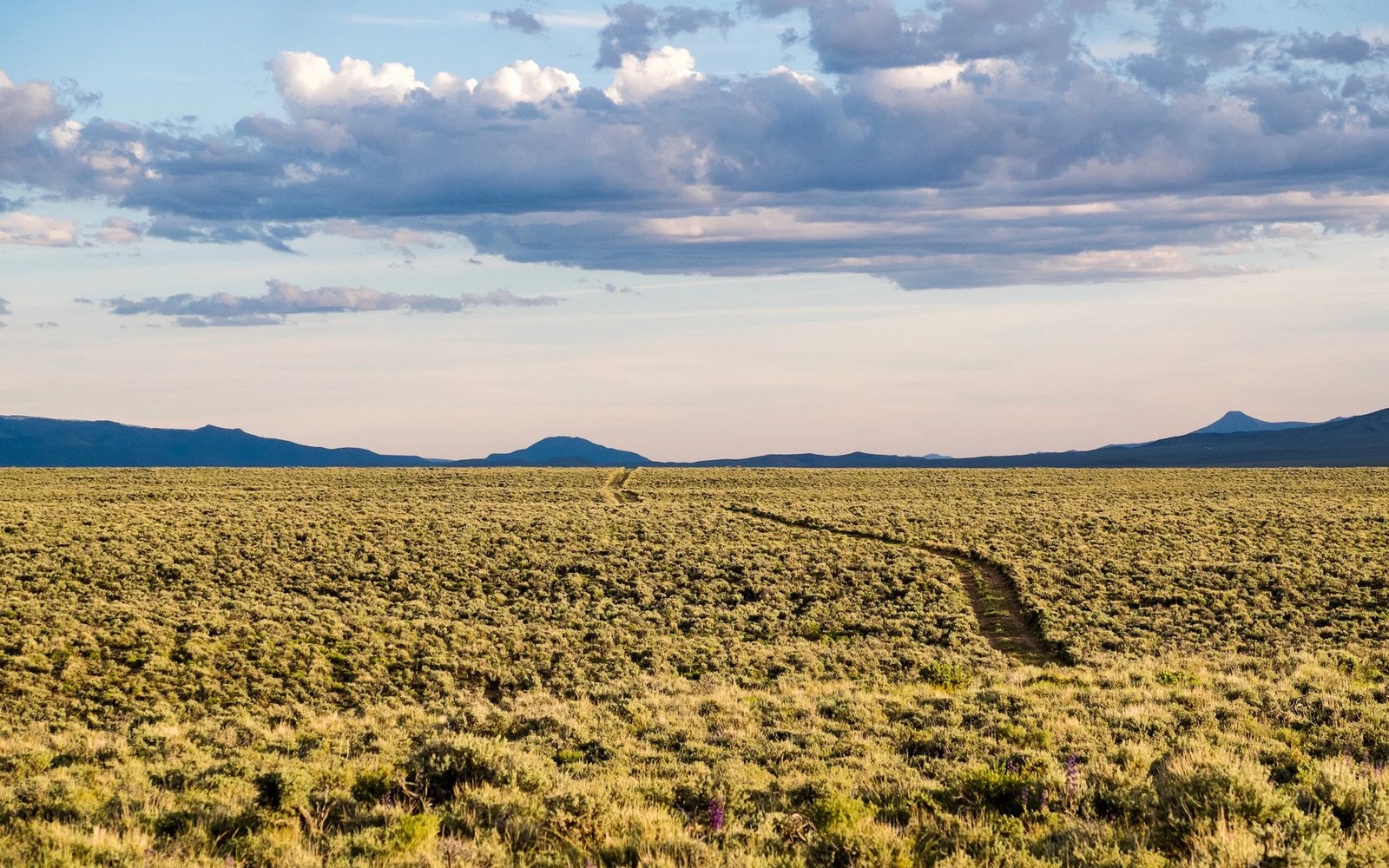
The largest US desert — a cold, sagebrush-covered land of basins and ranges between the Sierra Nevada and the Rockies.
Area
492,000 km²
Continent
North America
Location
Nevada & Utah, western USA
Temperature
Hot summers, freezing winters
Rainfall
Under 300 mm a year
Climate
Cold desert
About the Great Basin Desert
The Great Basin is a cold desert of alternating mountain ranges and wide valleys, where no river reaches the sea. Snow falls in winter and sagebrush blankets the basins. High on its peaks grow bristlecone pines — gnarled trees that are the oldest known living organisms, some nearly 5,000 years old.
Did you know?
It shelters the oldest living trees on Earth: bristlecone pines nearly 5,000 years old.
Highlights
- The largest desert in the United States
- Home to 5,000-year-old bristlecone pines
- A land of basins and mountain ranges
Photo gallery
Life in the Great Basin Desert
Animals, birds and plants that have adapted to survive this landscape.
Animals
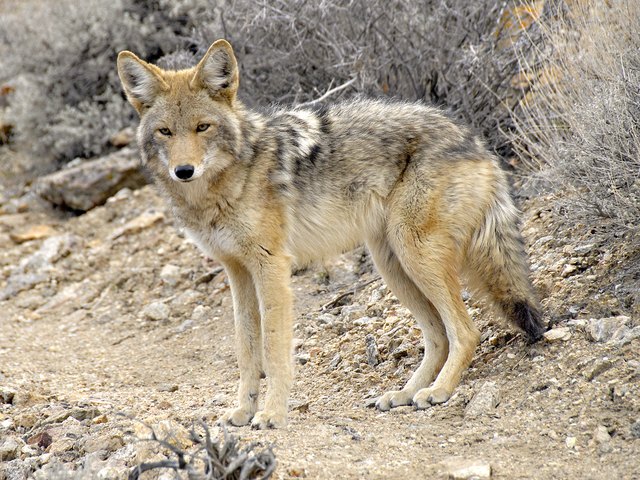
Coyote
A clever, adaptable wild dog of North America’s deserts and plains.
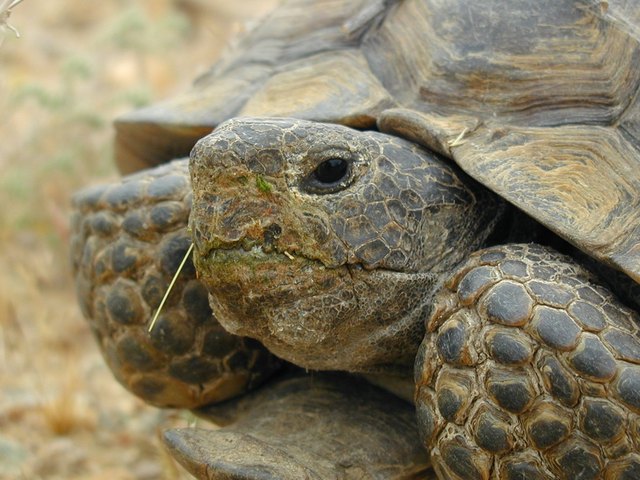
Desert tortoise
A long-lived reptile that digs burrows to escape the searing heat.
Birds
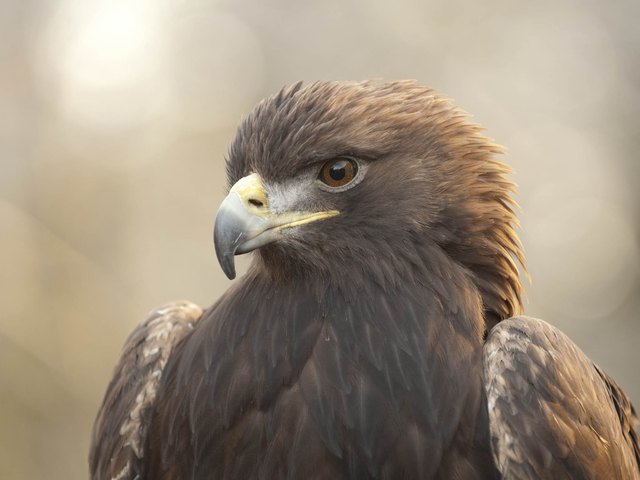
Golden eagle
A mighty raptor that patrols open desert mountains and plains.
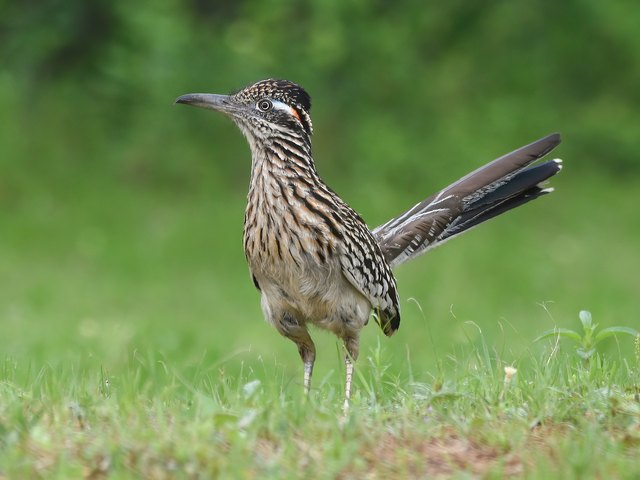
Greater roadrunner
A fast ground bird of the American deserts that chases down lizards.
Trees & plants
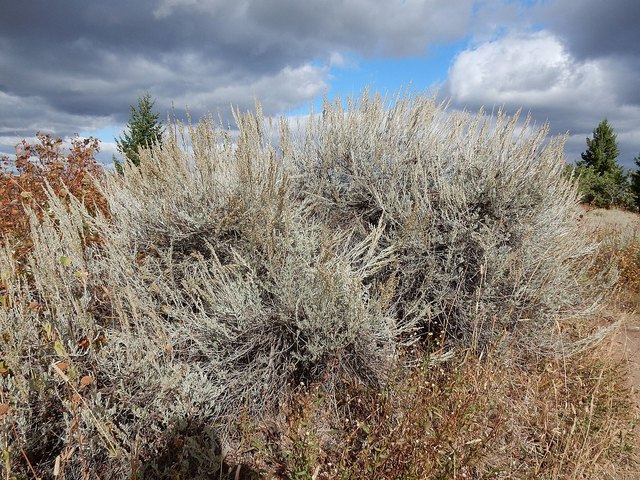
Sagebrush
The silvery, aromatic shrub that blankets North America’s cold deserts.
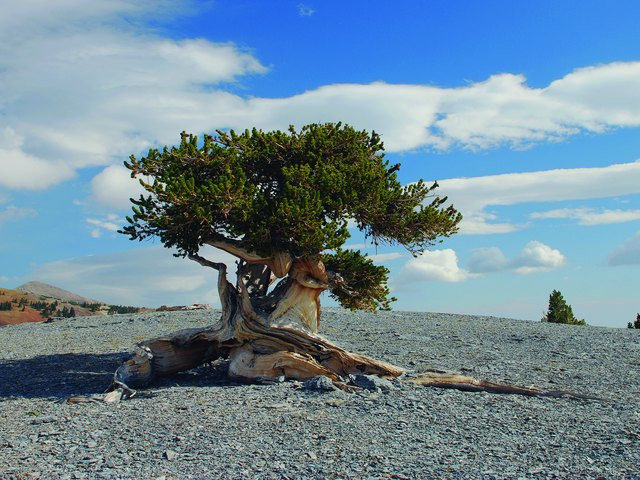
Bristlecone pine
Among the oldest living things on Earth, some nearly 5,000 years old.
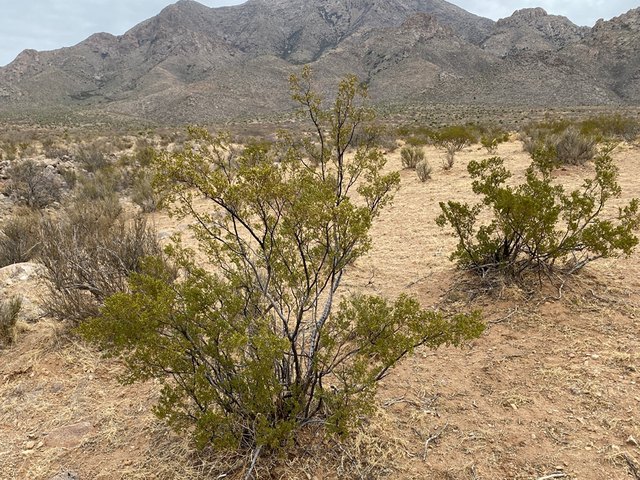
Creosote bush
A hardy shrub whose clones can live for thousands of years.
Day & night in the Great Basin Desert
Deserts are famous for their extreme temperature swings. Flip between day and night to feel the difference — these are typical figures for a cold desert.
Midday sun
+32°C
typical daytime high
Hot or mild summer days swing to bitterly cold nights, and winters can stay far below freezing — these deserts see some of the biggest temperature ranges on Earth.
Recorded range for the Great Basin Desert: Hot summers, freezing winters