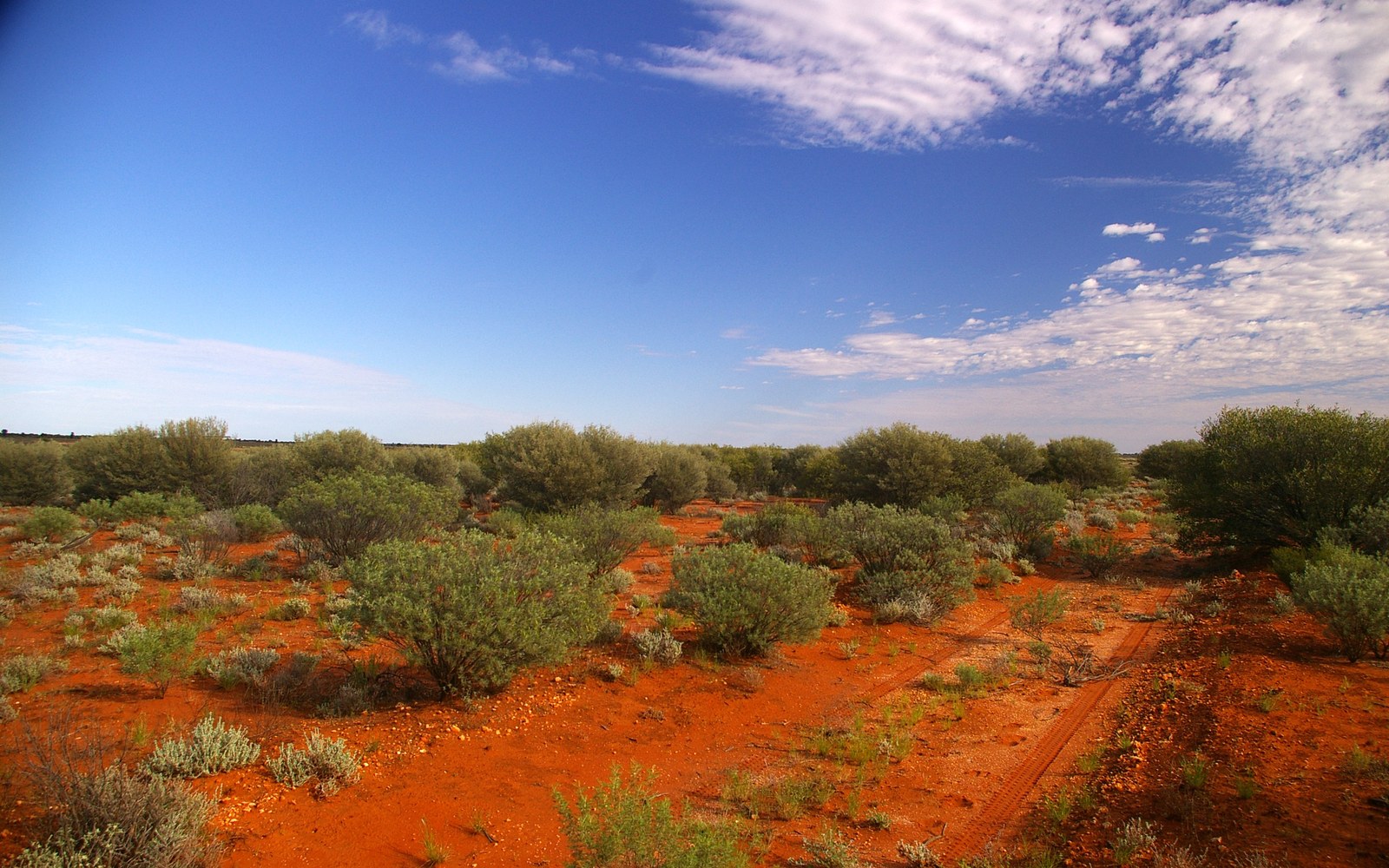
Australia’s largest desert — a remote expanse of red sand dunes, salt lakes and hardy spinifex grass.
Area
348,750 km²
Continent
Oceania
Location
Western & South Australia
Temperature
32–40°C summers
Rainfall
150–250 mm a year
Climate
Hot desert
About the Great Victoria Desert
The Great Victoria is the biggest desert in Australia, a sweep of red dunes, gravel plains, salt lakes and tough spinifex grass. Rain is scarce and roads almost non-existent, so it stays one of the most remote places on Earth. Reptiles thrive here, including the rare great desert skink.
Did you know?
It is so remote and roadless that it remains one of the least-visited places on the planet.
Highlights
- The largest desert in Australia
- Dunes, salt lakes and spinifex grass
- A stronghold for desert reptiles
Photo gallery
Life in the Great Victoria Desert
Animals, birds and plants that have adapted to survive this landscape.
Animals
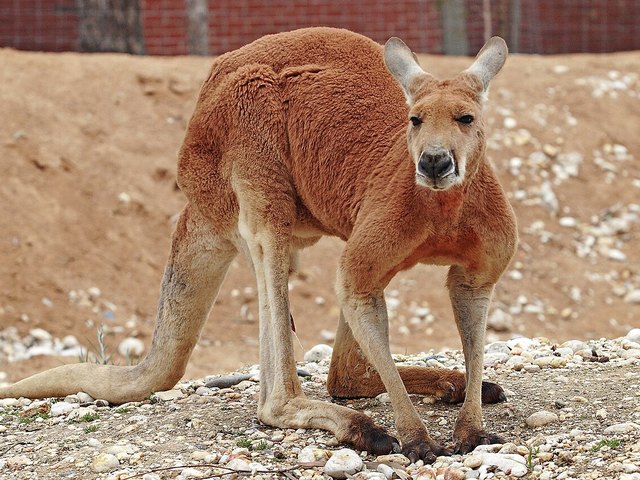
Red kangaroo
The largest marsupial, roaming the arid Australian outback in mobs.
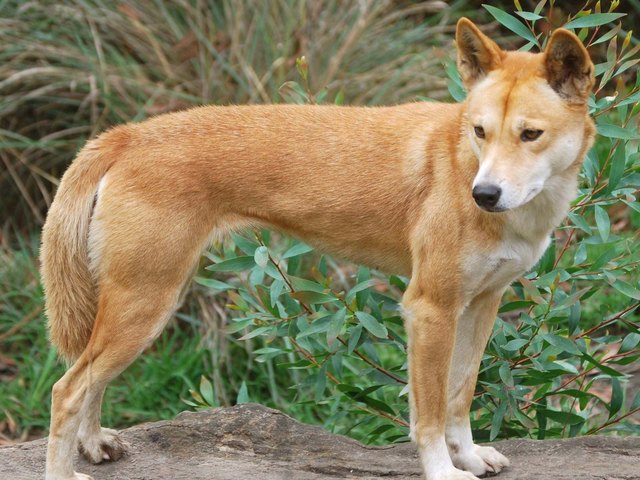
Dingo
Australia’s wild dog, a top predator across the outback deserts.
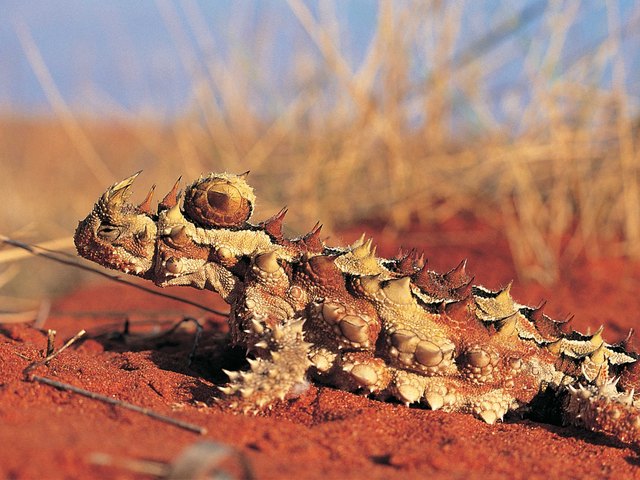
Thorny devil
A spiky Australian lizard that channels dew along its skin to its mouth.
Birds
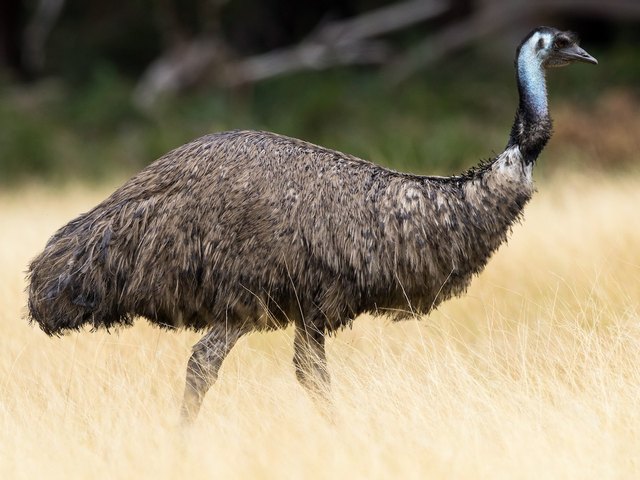
Emu
Australia’s tall flightless bird, wandering the outback for food and water.
Trees & plants
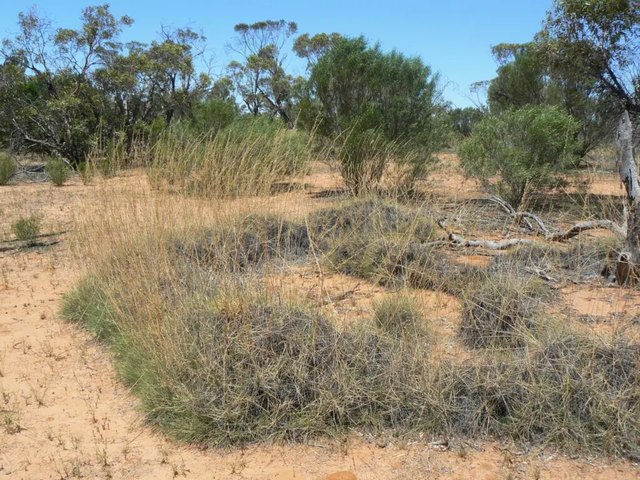
Spinifex grass
Spiky hummock grass that covers vast stretches of the Australian outback.
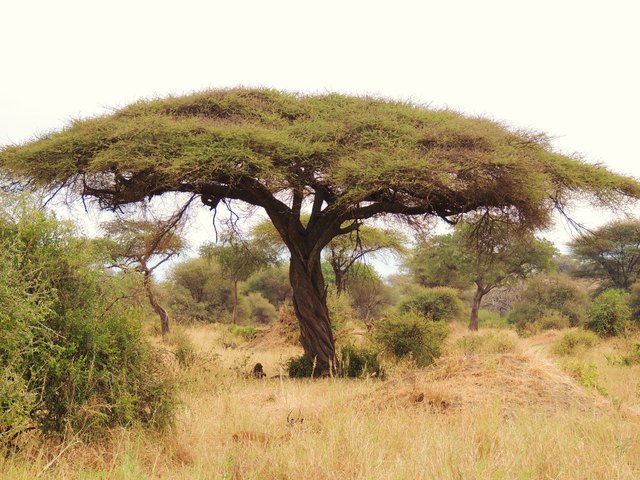
Acacia (thorn tree)
Flat-topped thorn trees that survive on scarce desert groundwater.
Day & night in the Great Victoria Desert
Deserts are famous for their extreme temperature swings. Flip between day and night to feel the difference — these are typical figures for a subtropical desert.
Midday sun
+45°C
typical daytime high
Blistering daytime heat gives way to surprisingly cool nights — clear skies let the day’s warmth escape, and the temperature can tumble by 30°C or more after dark.
Recorded range for the Great Victoria Desert: 32–40°C summers