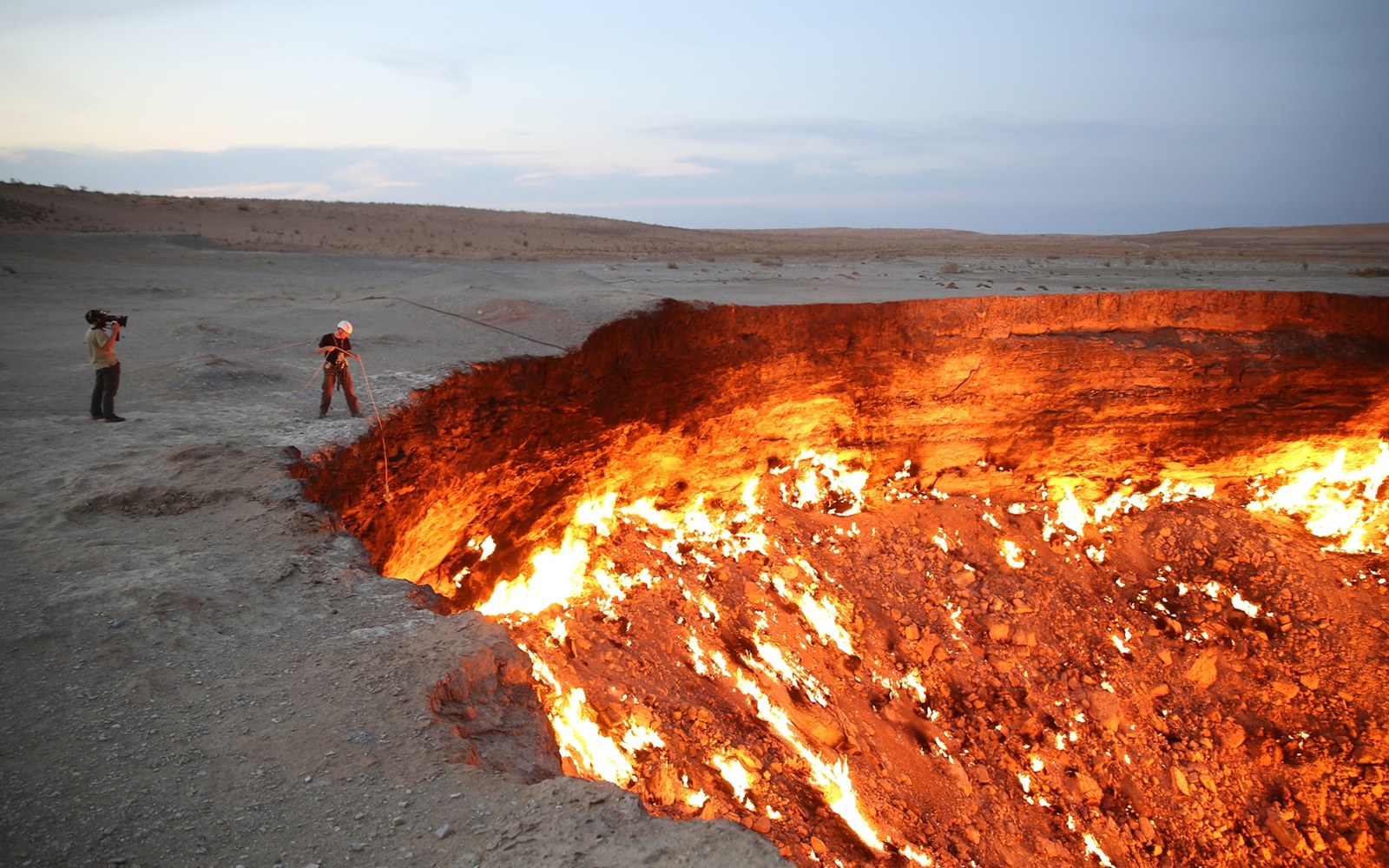
The “Black Sand” desert covering most of Turkmenistan, a dry expanse crossed by ancient Silk Road routes.
Area
350,000 km²
Continent
Asia
Location
Central Turkmenistan
Temperature
−20°C to +50°C
Rainfall
Under 150 mm a year
Climate
Cold desert
About the Karakum Desert
The Karakum, meaning “Black Sand”, covers around 70% of Turkmenistan. Summers are blazing and winters cold, and it was long a barrier crossed by Silk Road caravans. Its most famous sight is the Darvaza gas crater — a fiery pit that has burned non-stop for over fifty years.
Did you know?
The Darvaza “Door to Hell” gas crater has been burning here continuously since 1971.
Highlights
- Covers most of Turkmenistan
- The fiery Darvaza “Door to Hell”
- An ancient Silk Road crossing
Photo gallery
Life in the Karakum Desert
Animals, birds and plants that have adapted to survive this landscape.
Animals
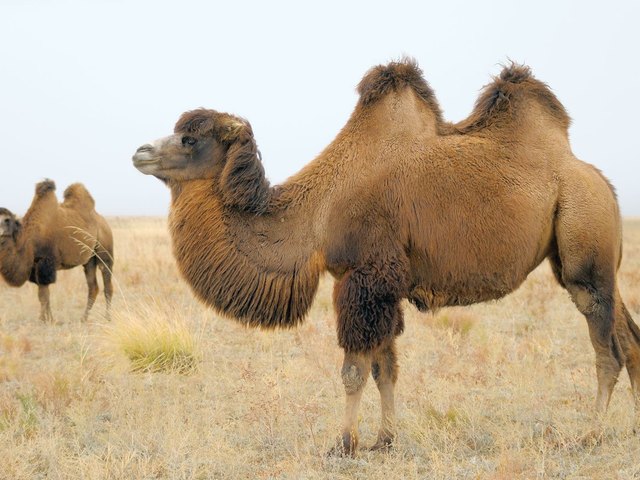
Bactrian camel
The two-humped camel of Central Asia, built for freezing cold-desert winters.
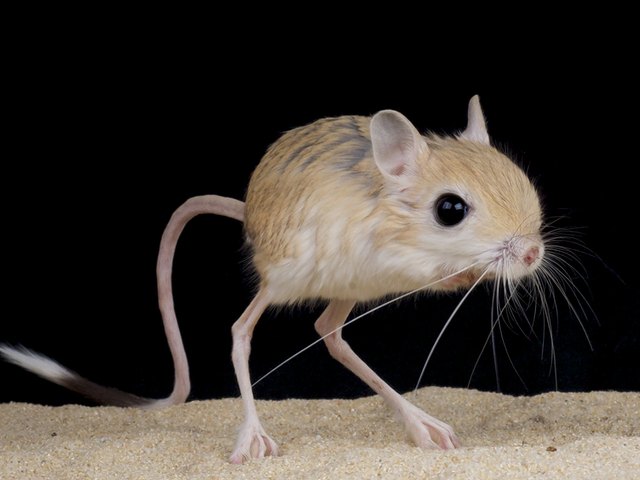
Jerboa
A tiny hopping rodent with long hind legs, bounding like a mini-kangaroo.
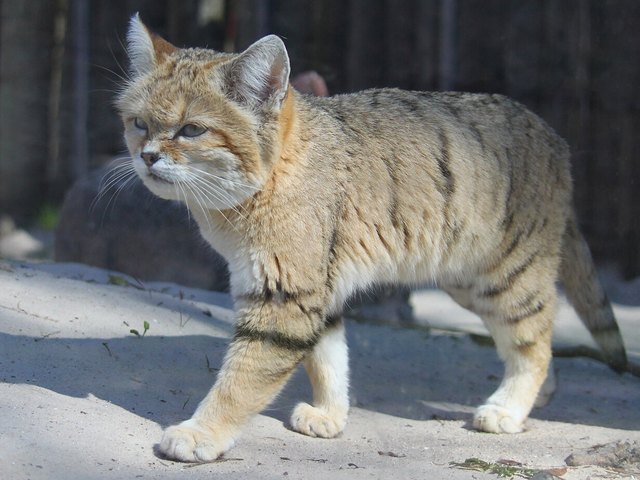
Sand cat
A small wildcat with furry foot-pads that walk unburnt across hot sand.
Birds
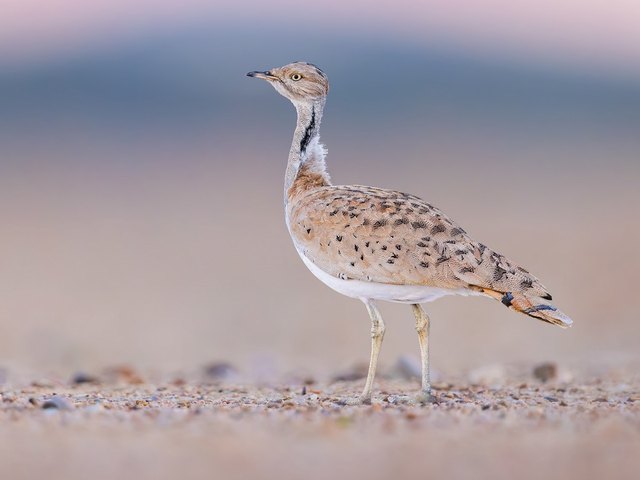
Houbara bustard
A well-camouflaged desert bird of Arabia and Central Asia.
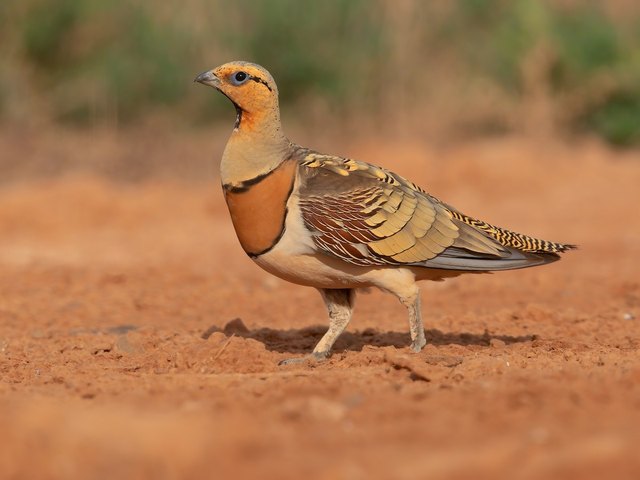
Sandgrouse
Flies vast distances to water and soaks it up in its breast feathers.
Trees & plants
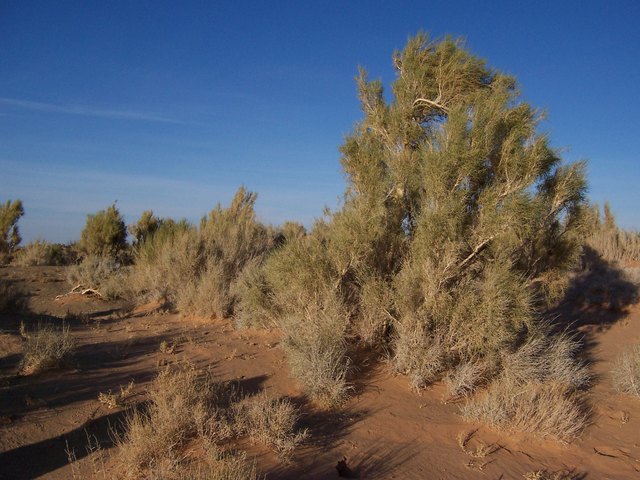
Saxaul
A gnarled Central-Asian tree that anchors shifting cold-desert sands.
Day & night in the Karakum Desert
Deserts are famous for their extreme temperature swings. Flip between day and night to feel the difference — these are typical figures for a cold desert.
Midday sun
+32°C
typical daytime high
Hot or mild summer days swing to bitterly cold nights, and winters can stay far below freezing — these deserts see some of the biggest temperature ranges on Earth.
Recorded range for the Karakum Desert: −20°C to +50°C