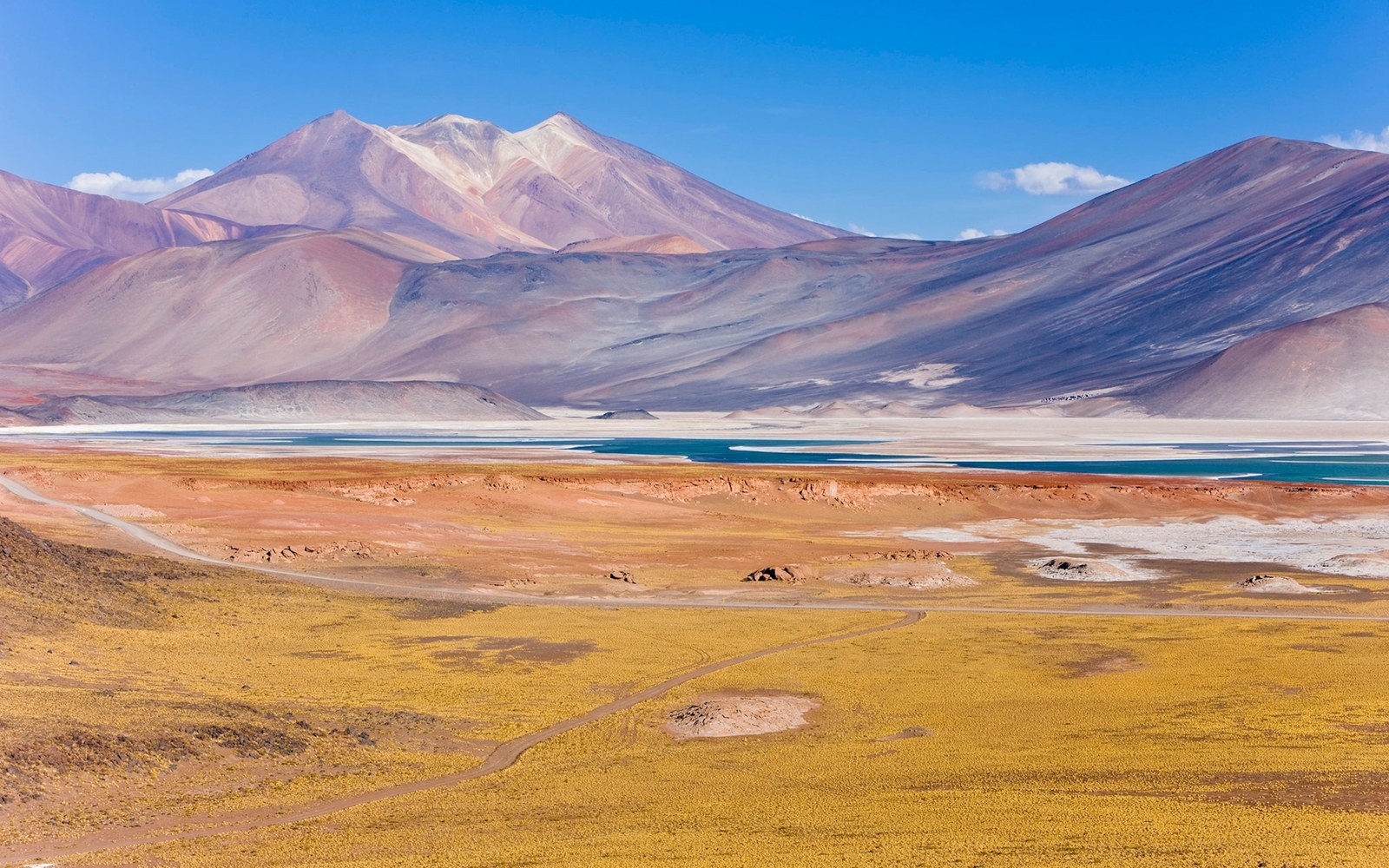
The driest nonpolar desert on Earth, wedged between the Andes and the Pacific in northern Chile.
Area
105,000 km²
Continent
South America
Location
Northern Chile, between the Andes & Pacific
Temperature
0–25°C, mild
Rainfall
Near zero
Climate
Hyper-arid
About the Atacama Desert
The Atacama is the driest place on Earth outside the poles, trapped in a double rain shadow between the Andes and the coastal mountains. Parts of it may not have seen meaningful rain for centuries. Its clear skies make it one of the world’s best places for astronomy, and its Mars-like soil is used to test space rovers.
Did you know?
Some weather stations here have never recorded a single drop of rain.
Highlights
- The driest nonpolar desert on Earth
- A world-class site for stargazing
- Used by NASA to test Mars rovers
Photo gallery
Life in the Atacama Desert
Animals, birds and plants that have adapted to survive this landscape.
Animals
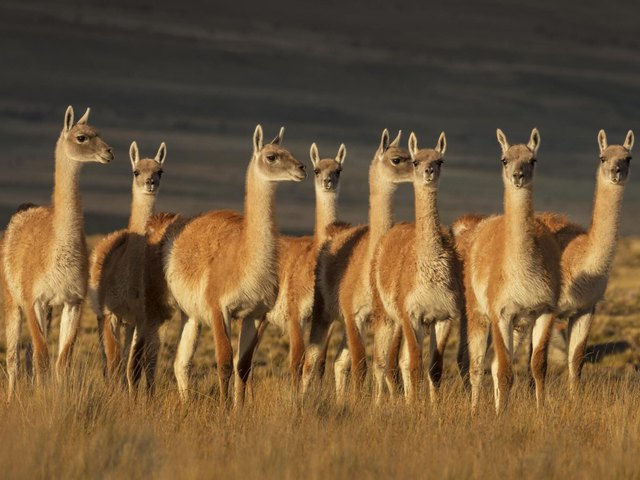
Guanaco
A wild camelid of South America, cousin to the domestic llama.
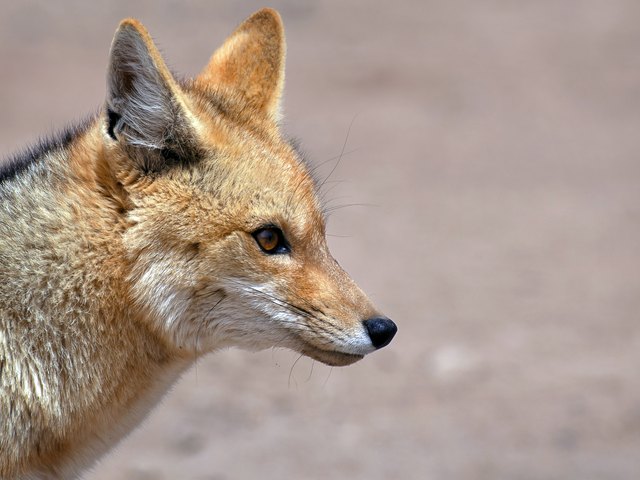
Culpeo fox
The Andean fox, a rusty-coated hunter of the high desert.
Birds
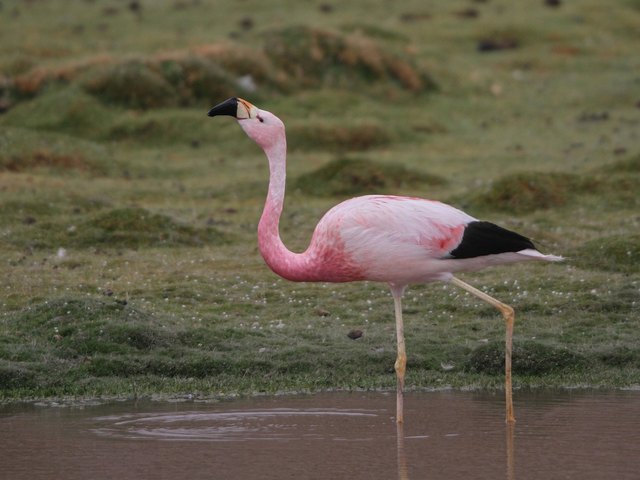
Andean flamingo
Wades the salt lagoons of the high Atacama, feeding on tiny algae.
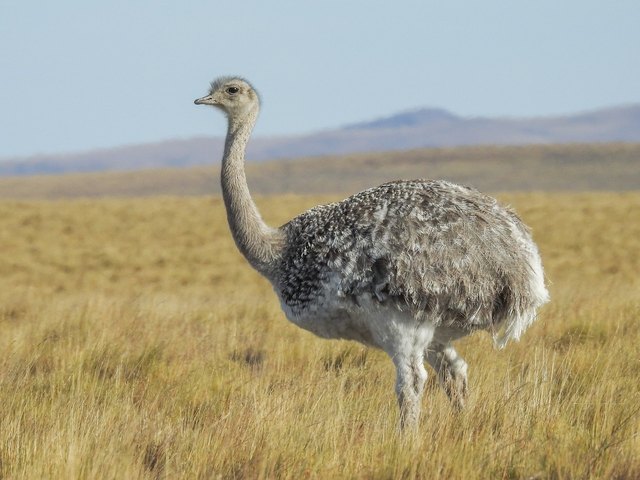
Darwin's rhea
A flightless relative of the ostrich roaming Patagonia and the Andes.
Trees & plants
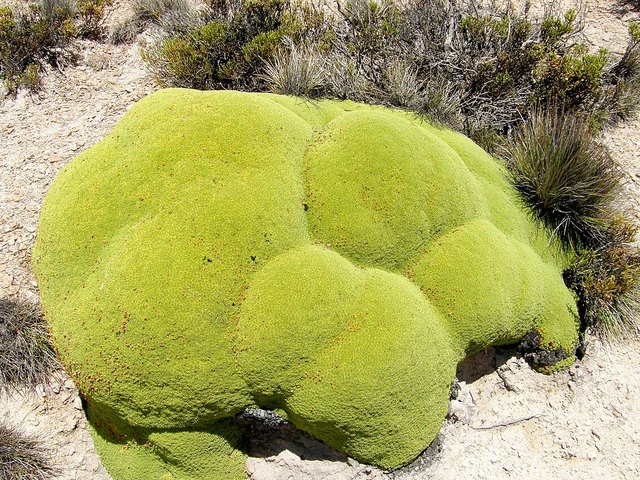
Llareta
A rock-hard green cushion plant of the high Andes, growing millimetres a year.
Day & night in the Atacama Desert
Deserts are famous for their extreme temperature swings. Flip between day and night to feel the difference — these are typical figures for a coastal desert.
Midday sun
+22°C
typical daytime high
Cool ocean currents and fog keep coastal deserts mild, so the gap between day and night is much smaller than in hot inland deserts.
Recorded range for the Atacama Desert: 0–25°C, mild