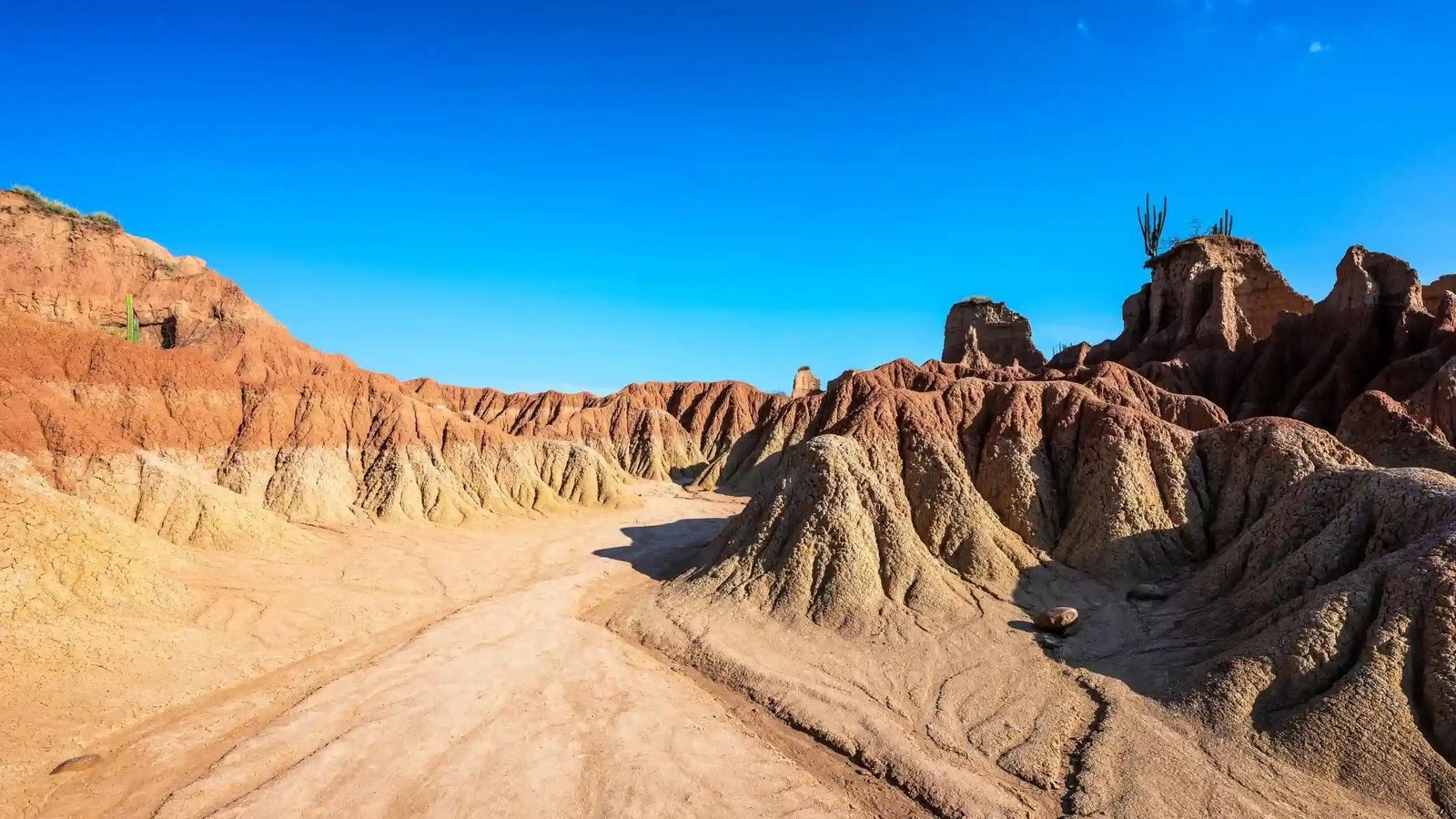
A small but spectacular maze of red and grey eroded badlands in Colombia, prized as one of the world’s great stargazing spots.
Area
330 km²
Continent
South America
Location
Huila, central Colombia
Temperature
Up to 43°C
Rainfall
Low and seasonal
Climate
Tropical dry
About the Tatacoa Desert
The Tatacoa is a dramatic landscape of eroded gullies and ridges, split into a rust-red zone called Cuzco and a pale grey zone called Los Hoyos. Cacti rise between the ravines, fossils lie buried in the rock, and its remote, cloudless nights draw astronomers to its observatory. Though called a desert, it is really a patch of dry tropical scrub.
Did you know?
Technically a tropical dry forest, its clear, dark skies make it one of the best places in South America to watch the stars.
Highlights
- Red and grey eroded badlands
- A world-class stargazing destination
- Rich in ancient fossils
Photo gallery
Life in the Tatacoa Desert
Animals, birds and plants that have adapted to survive this landscape.
Trees & plants
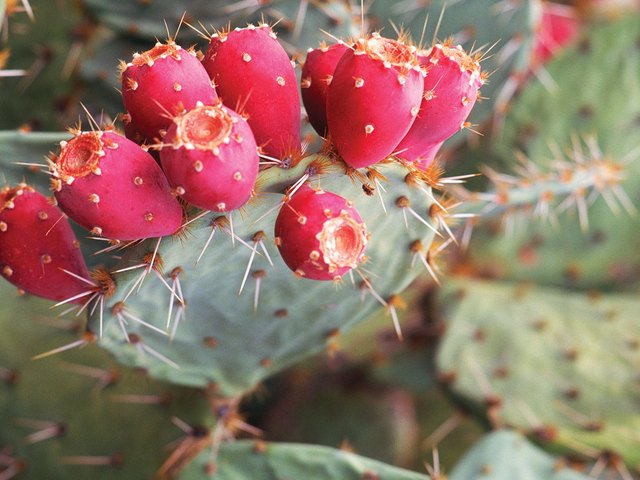
Prickly pear
A flat-padded cactus with edible fruit, spread across many deserts.
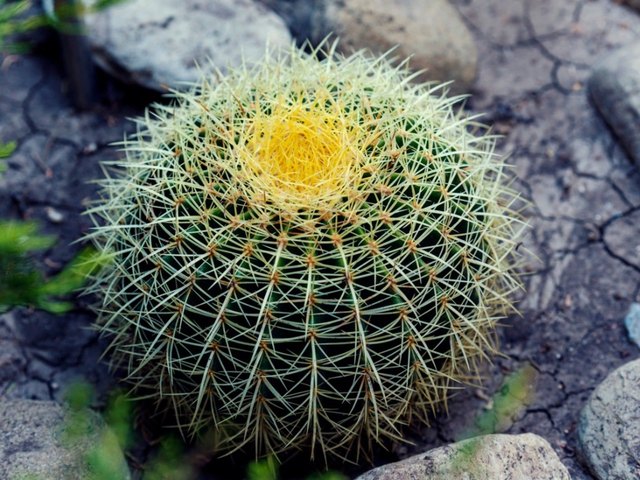
Barrel cactus
A stout, ribbed cactus that swells with water after rare rains.
Day & night in the Tatacoa Desert
Deserts are famous for their extreme temperature swings. Flip between day and night to feel the difference — these are typical figures for a subtropical desert.
Midday sun
+45°C
typical daytime high
Blistering daytime heat gives way to surprisingly cool nights — clear skies let the day’s warmth escape, and the temperature can tumble by 30°C or more after dark.
Recorded range for the Tatacoa Desert: Up to 43°C