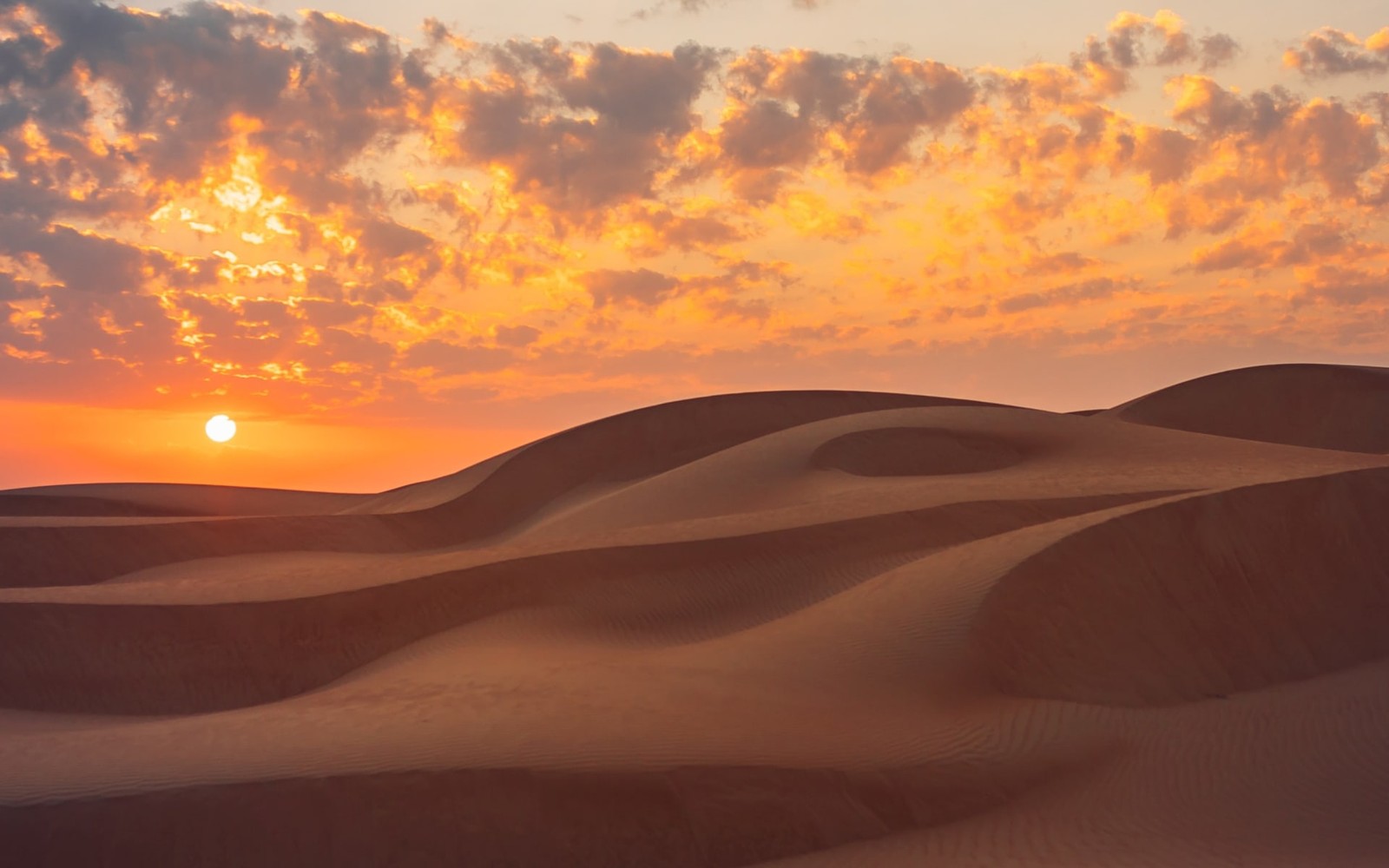
A sweep of long orange and honey-coloured dunes in eastern Oman, shaped by two opposing winds.
Area
12,500 km²
Continent
Asia
Location
Eastern Oman
Temperature
Up to 46°C
Rainfall
Very low
Climate
Hot desert
About the Wahiba Sands
The Wahiba Sands (also called the Sharqiya Sands) form a striking band of dunes in eastern Oman, their colours shifting from honey-gold to deep orange. The dunes are sculpted by two seasonal winds pushing from opposite directions. Bedouin families still live here, and scientists have studied it as a near-perfect example of dune formation.
Did you know?
Its dunes are aligned by monsoon and shamal winds blowing from different directions.
Highlights
- Dunes shaped by two opposing winds
- Rich honey-to-orange sand colours
- Home to Bedouin desert families
Photo gallery
Life in the Wahiba Sands
Animals, birds and plants that have adapted to survive this landscape.
Animals
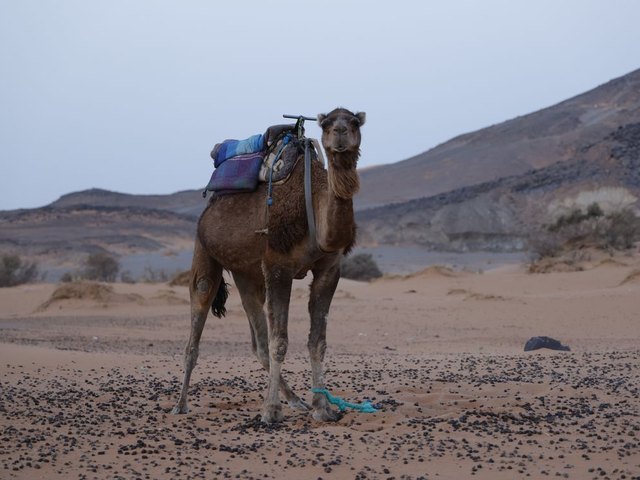
Dromedary camel
The one-humped “ship of the desert”, able to go for days without water.
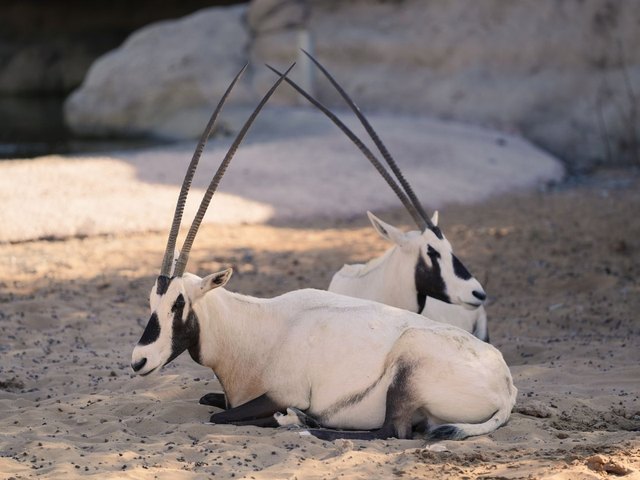
Arabian oryx
A white, straight-horned antelope saved from extinction in Arabia.
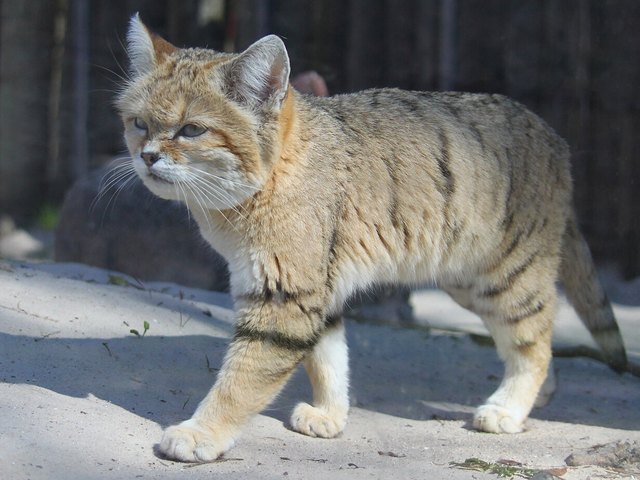
Sand cat
A small wildcat with furry foot-pads that walk unburnt across hot sand.
Birds

Houbara bustard
A well-camouflaged desert bird of Arabia and Central Asia.
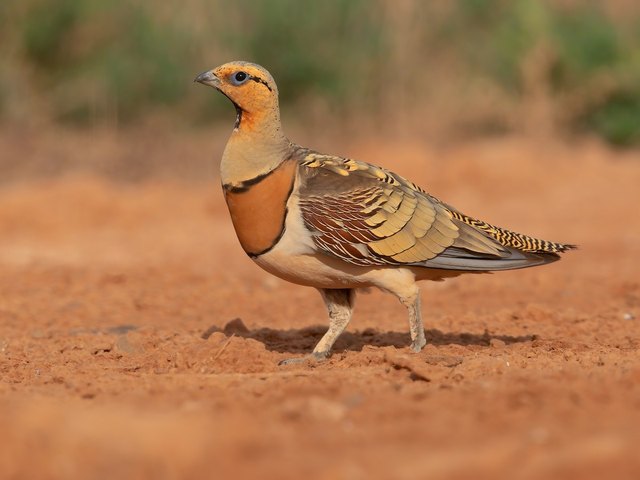
Sandgrouse
Flies vast distances to water and soaks it up in its breast feathers.
Trees & plants
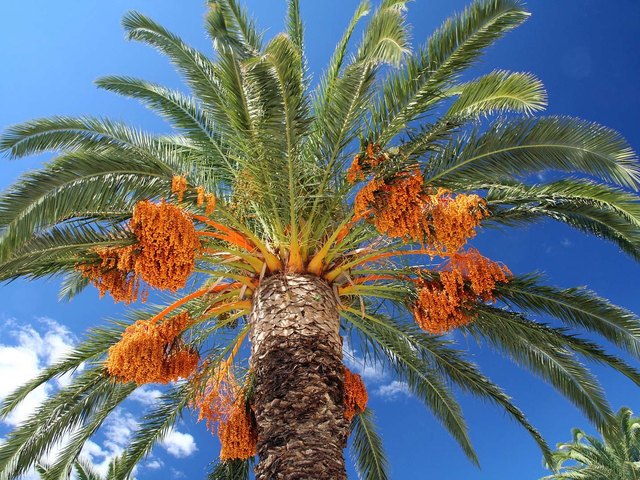
Date palm
The classic oasis tree, feeding desert peoples with sweet dates for millennia.
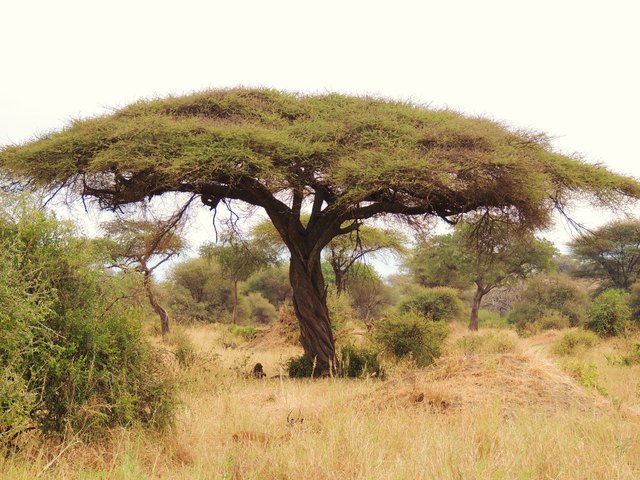
Acacia (thorn tree)
Flat-topped thorn trees that survive on scarce desert groundwater.
Day & night in the Wahiba Sands
Deserts are famous for their extreme temperature swings. Flip between day and night to feel the difference — these are typical figures for a subtropical desert.
Midday sun
+45°C
typical daytime high
Blistering daytime heat gives way to surprisingly cool nights — clear skies let the day’s warmth escape, and the temperature can tumble by 30°C or more after dark.
Recorded range for the Wahiba Sands: Up to 46°C