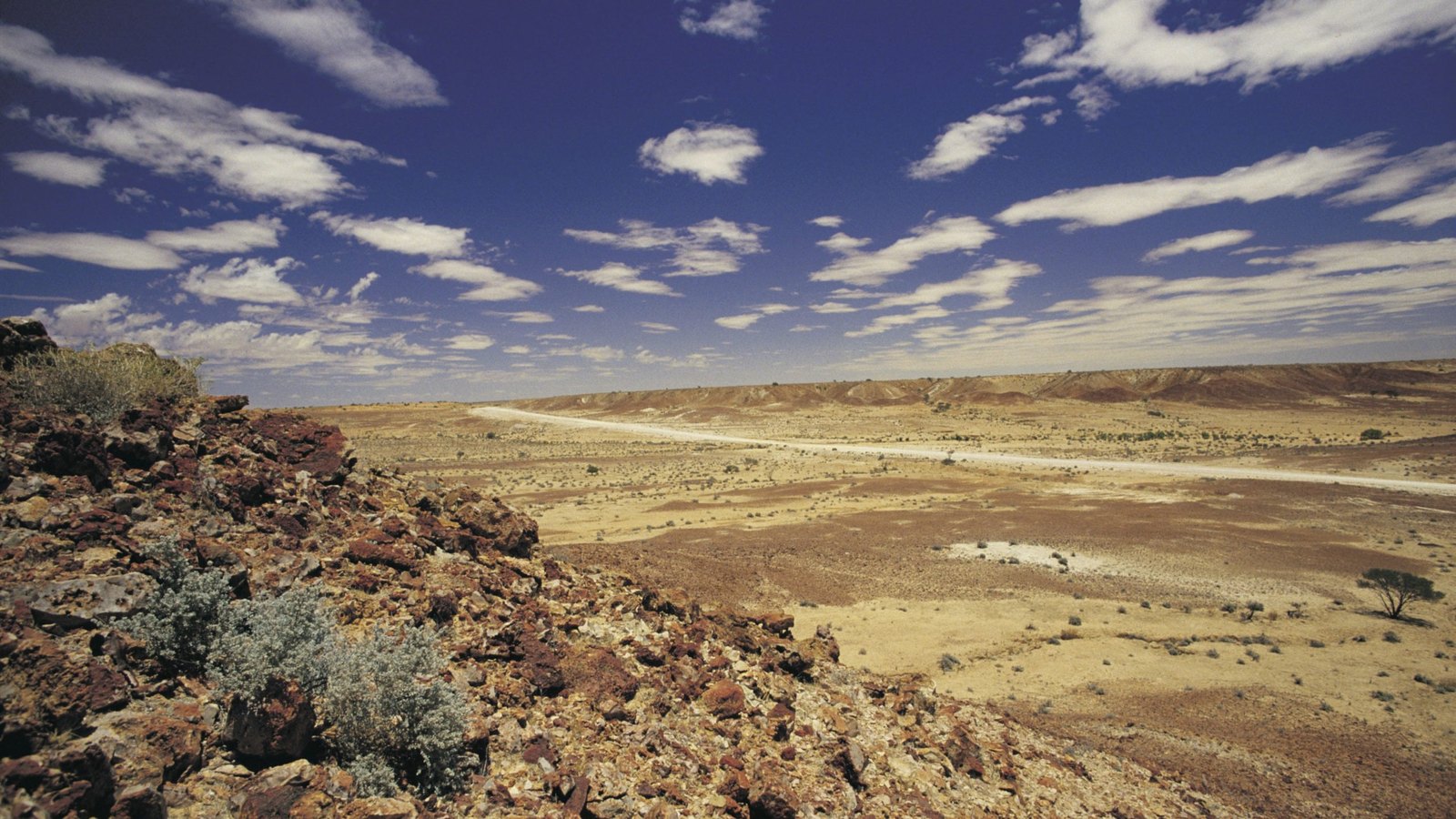
A harsh plain of wind-polished stones in outback Australia, where pebbles pave the ground as far as the eye can see.
Area
30,000 km²
Continent
Australia
Location
North-eastern South Australia
Temperature
Scorching summers
Rainfall
Under 150 mm a year
Climate
Hot desert
About the Sturt Stony Desert
The Sturt Stony Desert is covered by gibber — a pavement of small, wind-smoothed stones left behind as finer sand blows away. The dark pebbles bake in the sun and glint after rare rain. Named after explorer Charles Sturt, who struggled to cross it, the plain is still home to tough specialists like the small marsupial kowari.
Did you know?
Its surface of tightly packed “gibber” stones once stopped the explorer Charles Sturt in his tracks in 1844.
Highlights
- A desert paved with polished “gibber” stones
- Named after explorer Charles Sturt
- Home to the rare kowari marsupial
Photo gallery
Life in the Sturt Stony Desert
Animals, birds and plants that have adapted to survive this landscape.
Animals
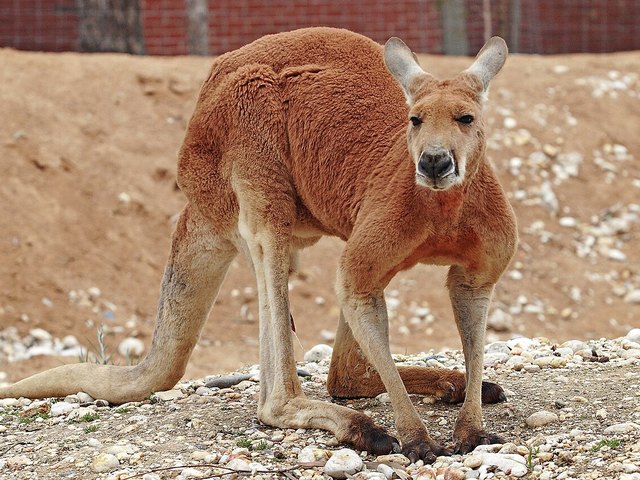
Red kangaroo
The largest marsupial, roaming the arid Australian outback in mobs.
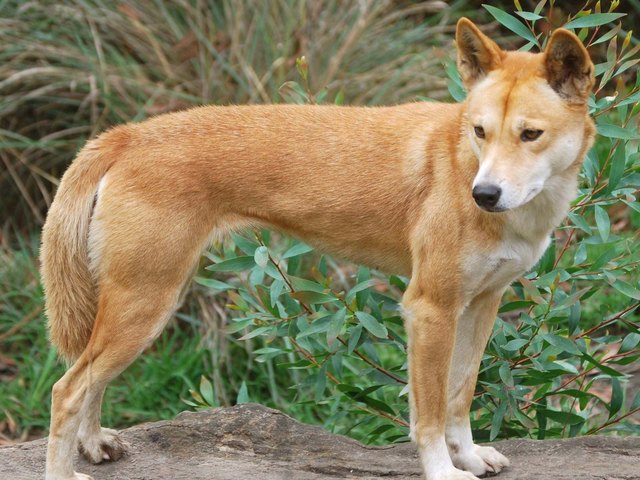
Dingo
Australia’s wild dog, a top predator across the outback deserts.
Birds
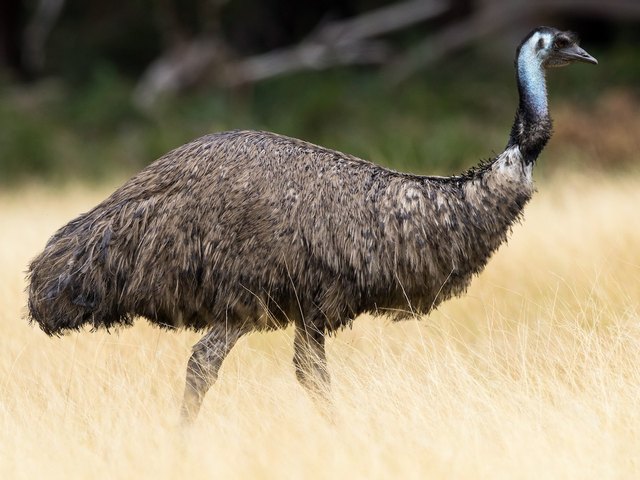
Emu
Australia’s tall flightless bird, wandering the outback for food and water.
Trees & plants
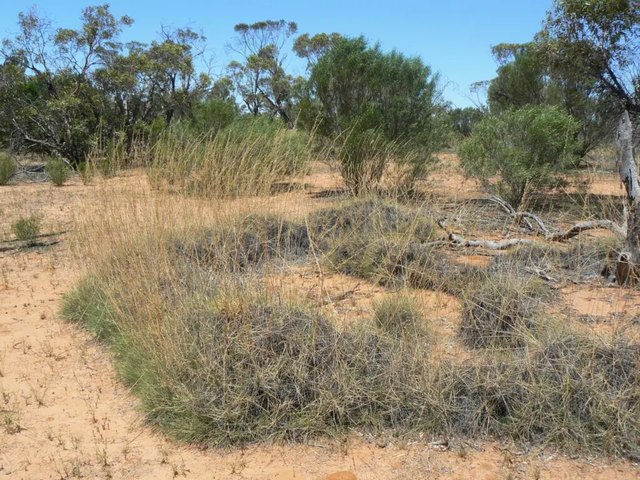
Spinifex grass
Spiky hummock grass that covers vast stretches of the Australian outback.
Day & night in the Sturt Stony Desert
Deserts are famous for their extreme temperature swings. Flip between day and night to feel the difference — these are typical figures for a subtropical desert.
Midday sun
+45°C
typical daytime high
Blistering daytime heat gives way to surprisingly cool nights — clear skies let the day’s warmth escape, and the temperature can tumble by 30°C or more after dark.
Recorded range for the Sturt Stony Desert: Scorching summers