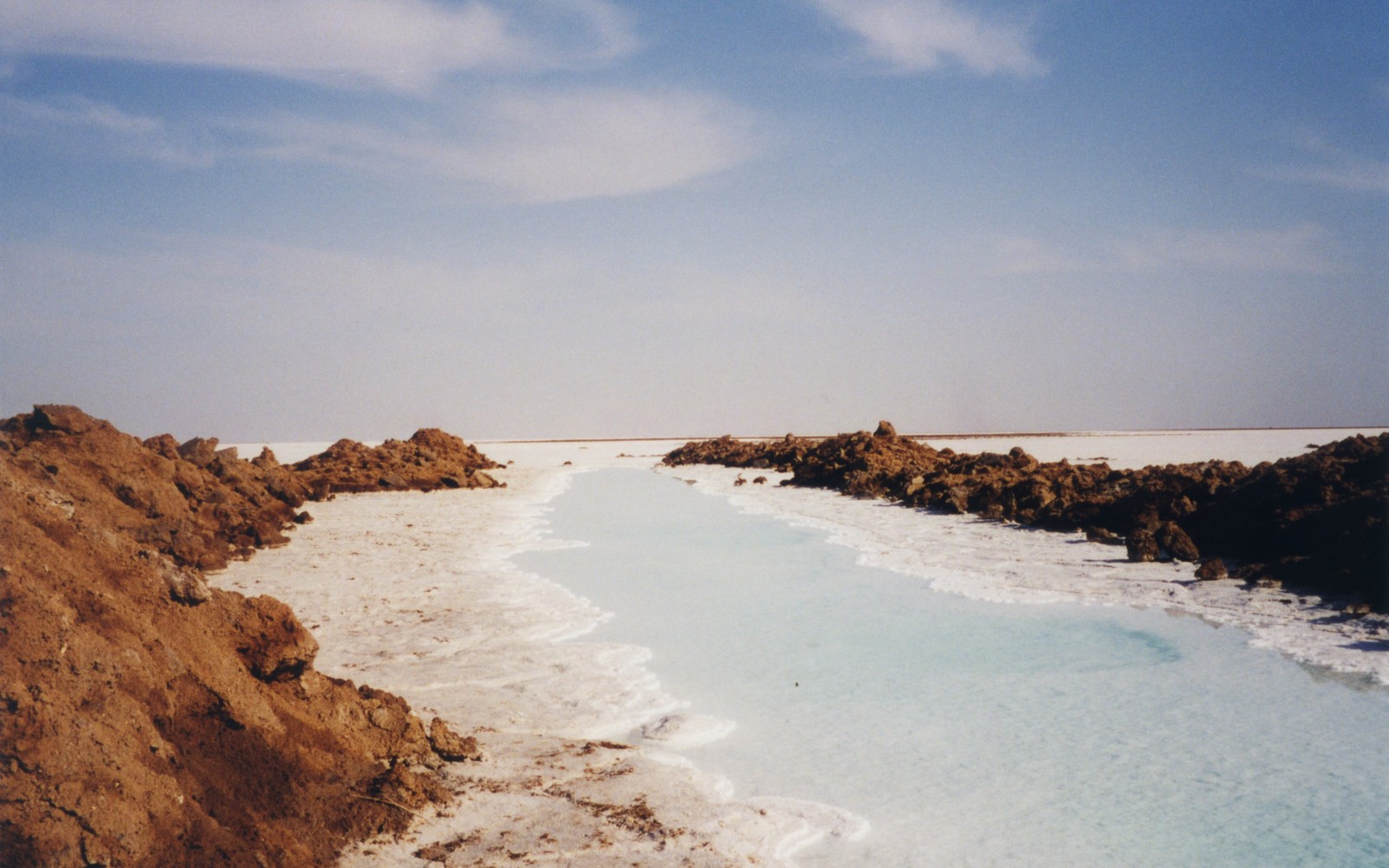
Iran’s “Great Salt Desert” — a forbidding plateau of salt crusts, mudflats and salt marshes.
Area
77,600 km²
Continent
Asia
Location
Central Iranian plateau
Temperature
Up to 50°C
Rainfall
Under 100 mm a year
Climate
Hot desert
About the Dasht-e Kavir
The Dasht-e Kavir, or Great Salt Desert, sprawls across the central Iranian plateau. Fierce heat evaporates what little water reaches it, leaving vast salt crusts and dangerous marshes where brittle crust hides deep mud below. Little grows here, and the interior is almost uninhabited.
Did you know?
Its salt crust hides treacherous mud beneath, so few routes dare cross its interior.
Highlights
- One of Iran’s two great deserts
- Covered in salt flats and marshes
- Extreme heat and sudden storms
Photo gallery
Life in the Dasht-e Kavir
Animals, birds and plants that have adapted to survive this landscape.
Animals
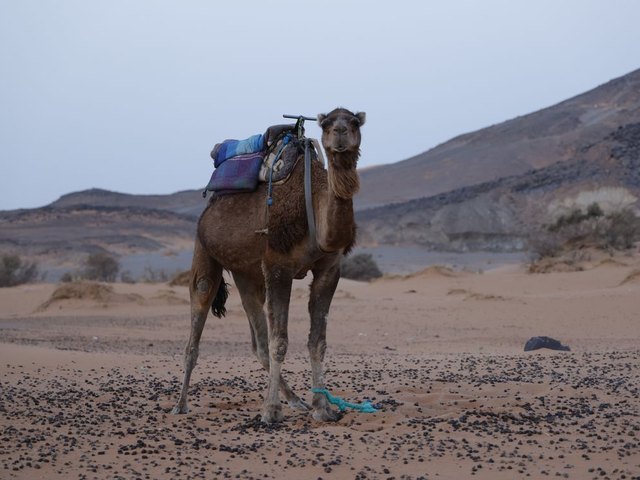
Dromedary camel
The one-humped “ship of the desert”, able to go for days without water.
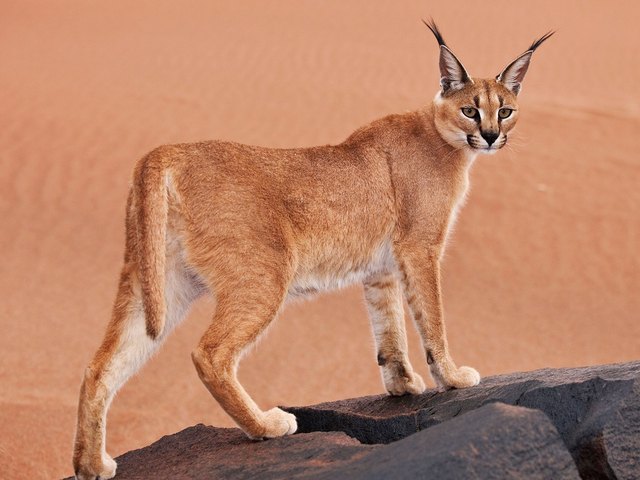
Caracal
A tawny desert cat with black ear-tufts, famous for leaping at birds.
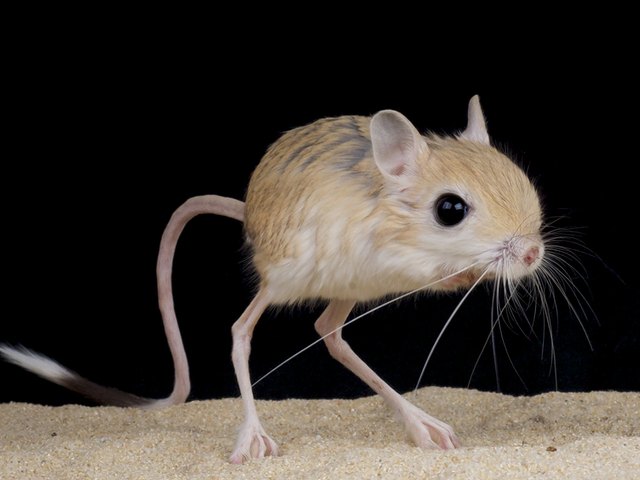
Jerboa
A tiny hopping rodent with long hind legs, bounding like a mini-kangaroo.
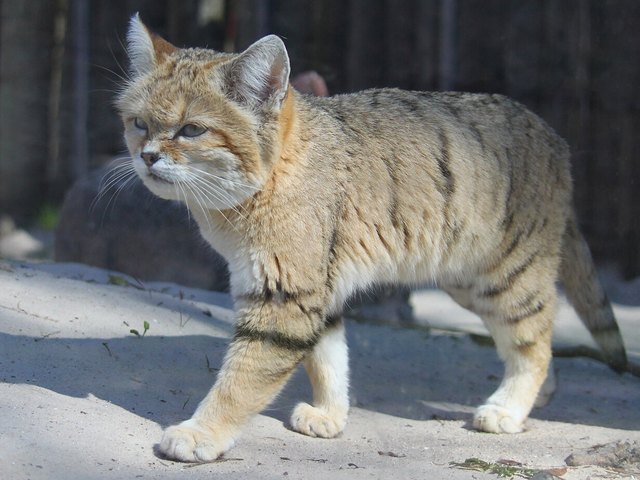
Sand cat
A small wildcat with furry foot-pads that walk unburnt across hot sand.
Birds
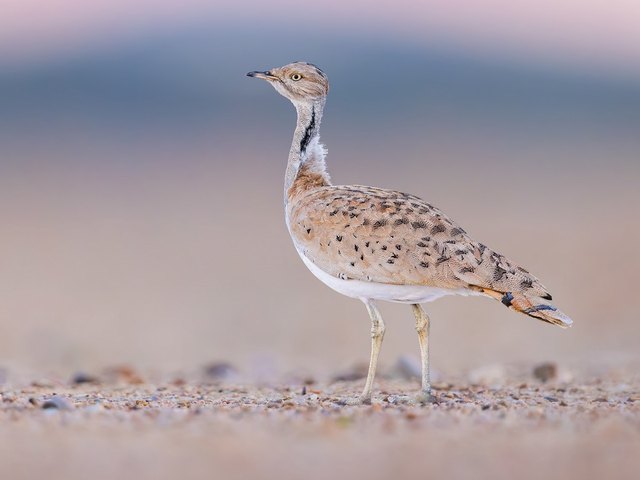
Houbara bustard
A well-camouflaged desert bird of Arabia and Central Asia.
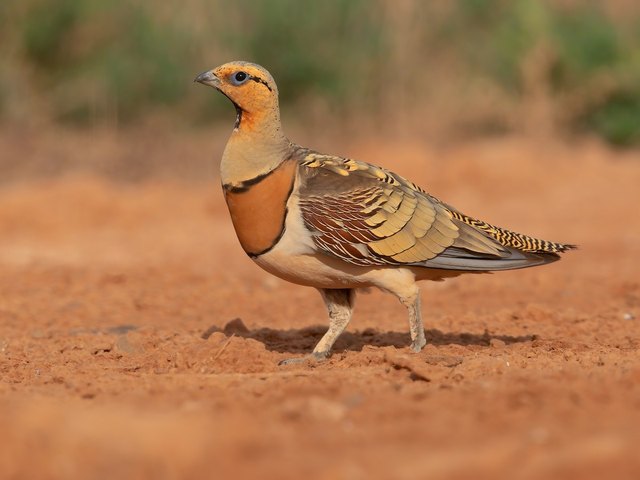
Sandgrouse
Flies vast distances to water and soaks it up in its breast feathers.
Trees & plants
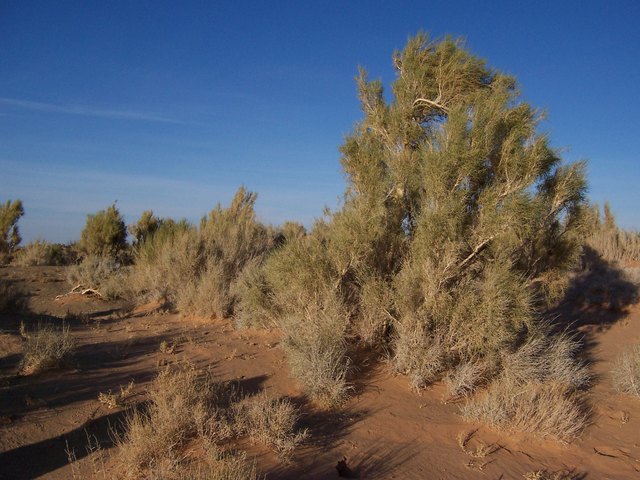
Saxaul
A gnarled Central-Asian tree that anchors shifting cold-desert sands.
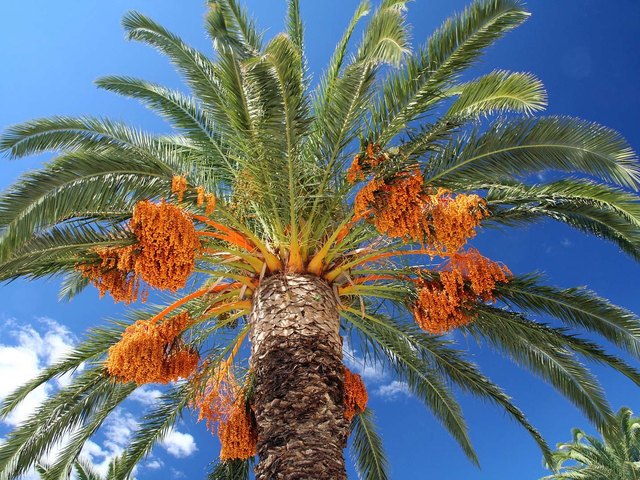
Date palm
The classic oasis tree, feeding desert peoples with sweet dates for millennia.
Day & night in the Dasht-e Kavir
Deserts are famous for their extreme temperature swings. Flip between day and night to feel the difference — these are typical figures for a subtropical desert.
Midday sun
+45°C
typical daytime high
Blistering daytime heat gives way to surprisingly cool nights — clear skies let the day’s warmth escape, and the temperature can tumble by 30°C or more after dark.
Recorded range for the Dasht-e Kavir: Up to 50°C