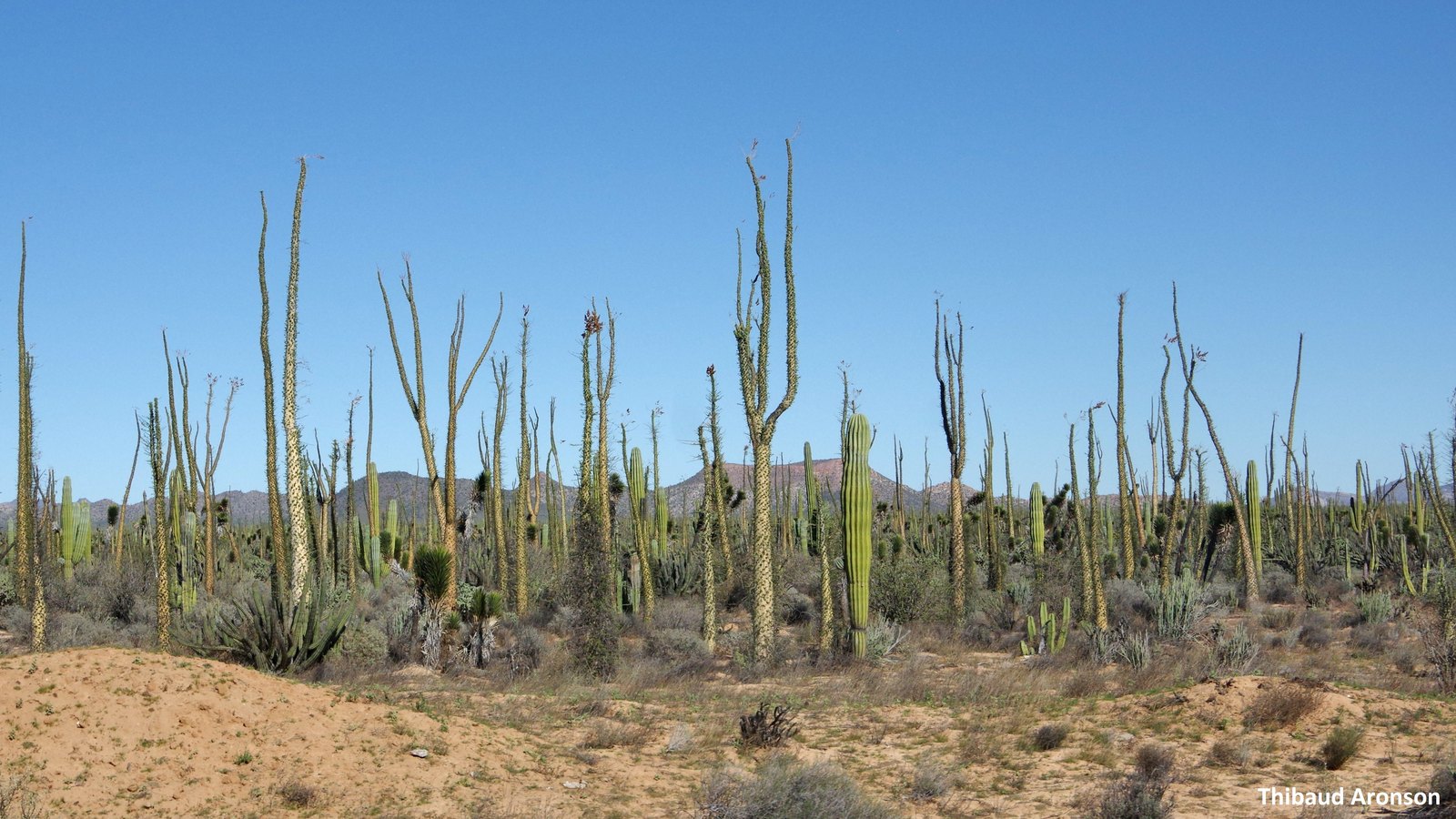
A fog-cooled coastal desert on Mexico’s Baja California peninsula, home to the bizarre boojum tree and giant cardón cactus.
Area
25,000 km²
Continent
North America
Location
Central Baja California, Mexico
Temperature
Mild, fog-cooled
Rainfall
Under 100 mm a year
Climate
Coastal desert
About the Vizcaíno Desert
The Vizcaíno spreads across the middle of the Baja California peninsula, where cool Pacific fog keeps a strange desert alive. Towering cardón cacti and the upside-down-carrot shapes of boojum trees dot the plains. On the coast, sheltered lagoons draw thousands of grey whales each winter, and the whole region is protected as a vast biosphere reserve.
Did you know?
Its El Vizcaíno Biosphere Reserve is the largest wildlife refuge in Latin America, and its lagoons are a nursery for grey whales.
Highlights
- Home to the weird boojum tree and cardón cactus
- Cooled by Pacific coastal fog
- Grey-whale lagoons on its shores
Photo gallery
Life in the Vizcaíno Desert
Animals, birds and plants that have adapted to survive this landscape.
Animals
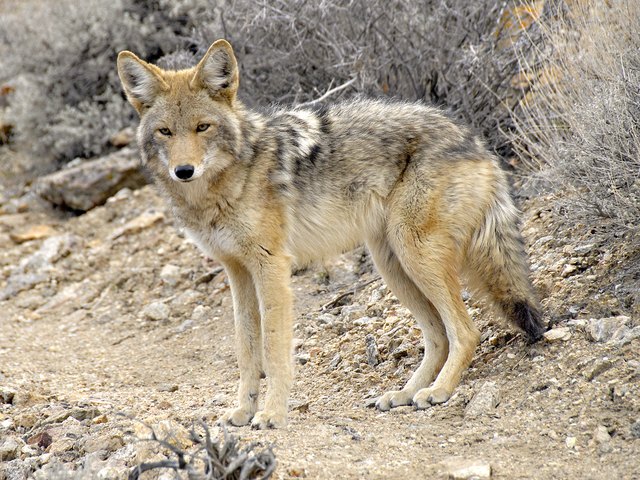
Coyote
A clever, adaptable wild dog of North America’s deserts and plains.
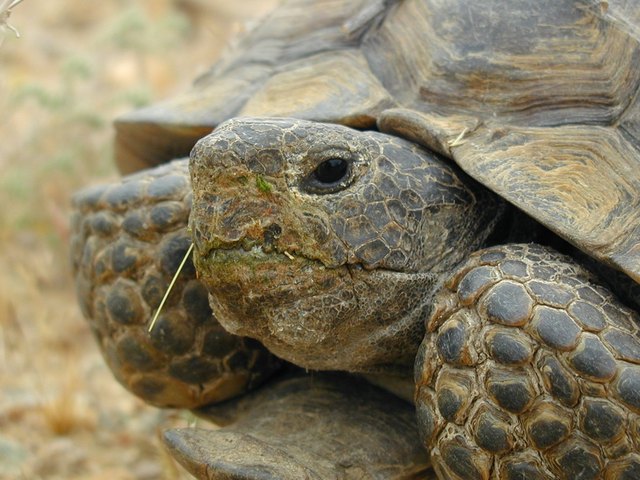
Desert tortoise
A long-lived reptile that digs burrows to escape the searing heat.
Birds
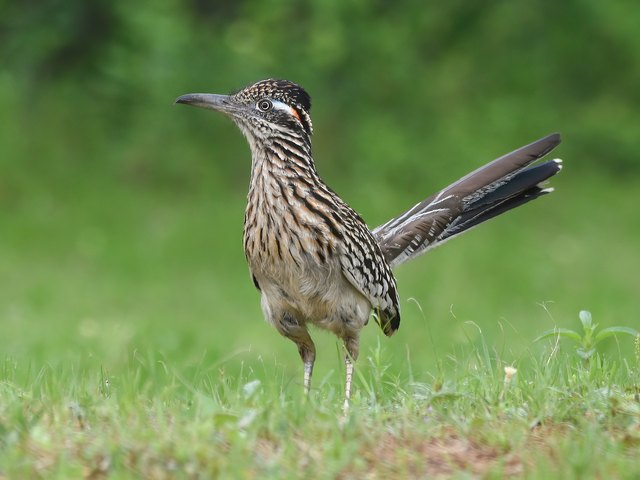
Greater roadrunner
A fast ground bird of the American deserts that chases down lizards.

Golden eagle
A mighty raptor that patrols open desert mountains and plains.
Trees & plants
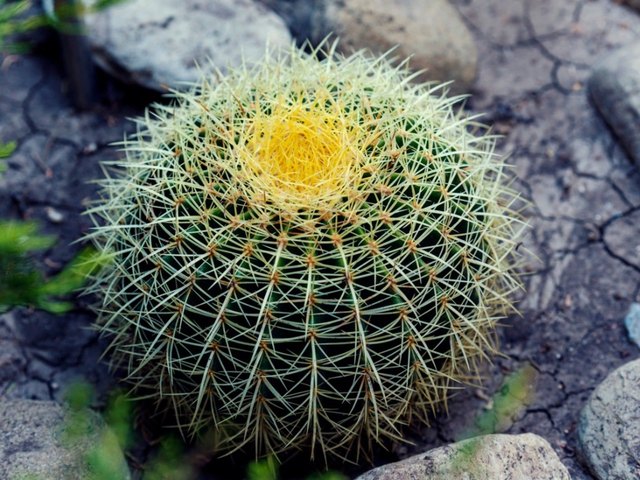
Barrel cactus
A stout, ribbed cactus that swells with water after rare rains.
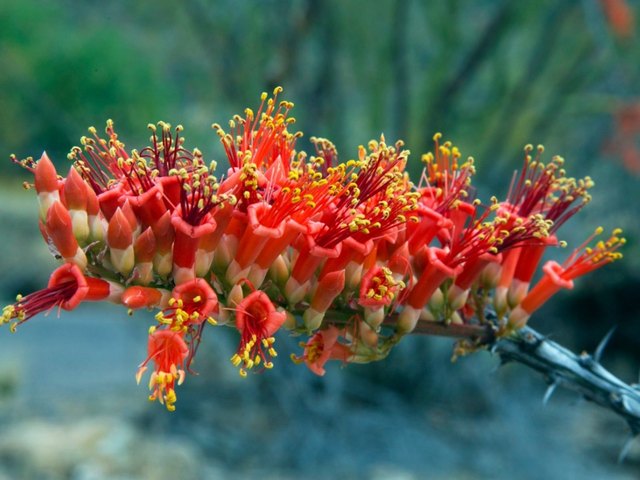
Ocotillo
Whip-like spiny stems that burst into red flowers after rain.
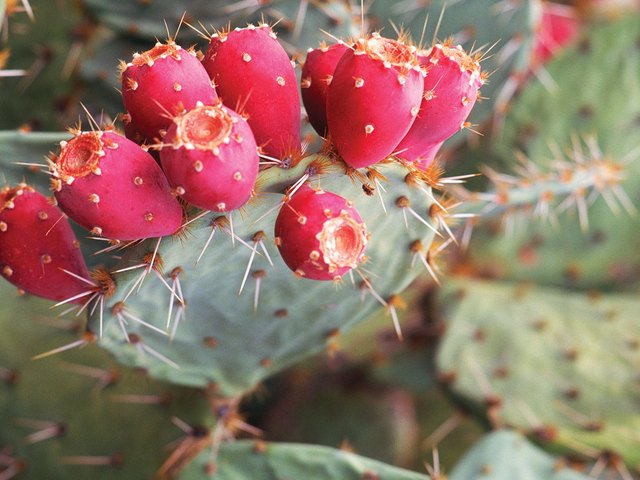
Prickly pear
A flat-padded cactus with edible fruit, spread across many deserts.
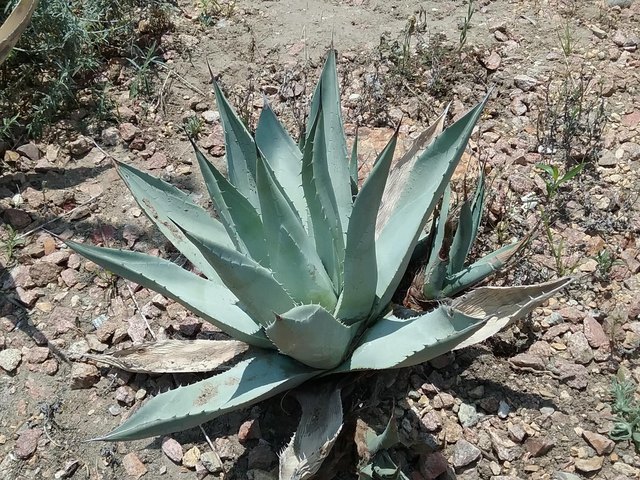
Agave
A rosette of thick, spiny leaves that flowers just once, then dies.
Day & night in the Vizcaíno Desert
Deserts are famous for their extreme temperature swings. Flip between day and night to feel the difference — these are typical figures for a coastal desert.
Midday sun
+22°C
typical daytime high
Cool ocean currents and fog keep coastal deserts mild, so the gap between day and night is much smaller than in hot inland deserts.
Recorded range for the Vizcaíno Desert: Mild, fog-cooled