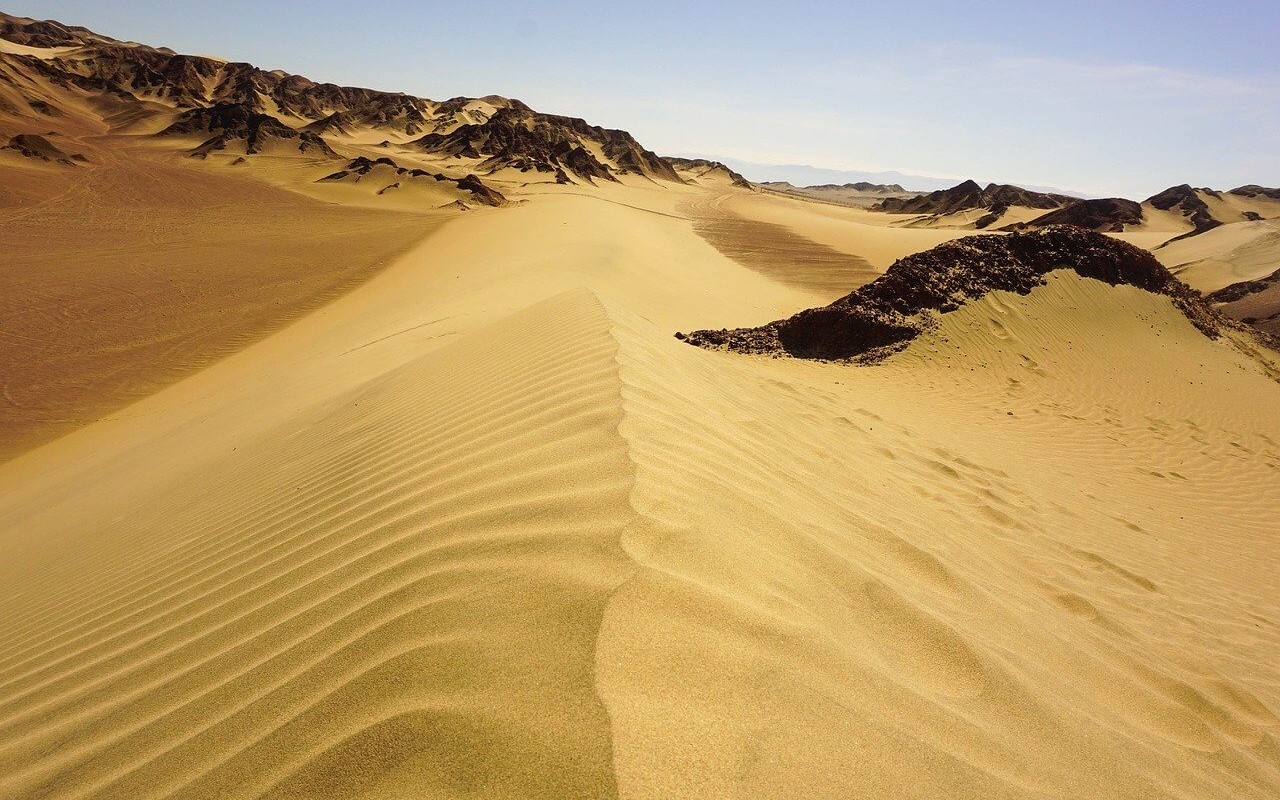
A coastal desert along northern Peru’s Pacific shore, where dunes meet the ocean and dry forests cling on.
Area
188,700 km²
Continent
South America
Location
North-west Pacific coast of Peru
Temperature
Mild, 18–30°C
Rainfall
Very low
Climate
Coastal desert
About the Sechura Desert
The Sechura Desert runs along the Pacific coast of northern Peru, kept dry by the cold Humboldt Current offshore. Sand dunes, dry plains and patches of hardy dry forest make up the landscape. During powerful El Niño years, unusual rains can transform the desert, filling temporary lakes and sprouting greenery.
Did you know?
In strong El Niño years, rare rains can briefly turn parts of it green.
Highlights
- A coastal desert on the Pacific shore
- Kept dry by the cold Humboldt Current
- Greens briefly in strong El Niño years
Photo gallery
Life in the Sechura Desert
Animals, birds and plants that have adapted to survive this landscape.
Animals
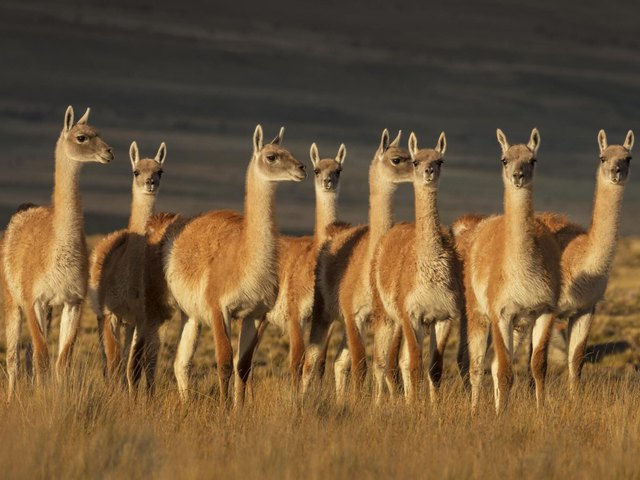
Guanaco
A wild camelid of South America, cousin to the domestic llama.
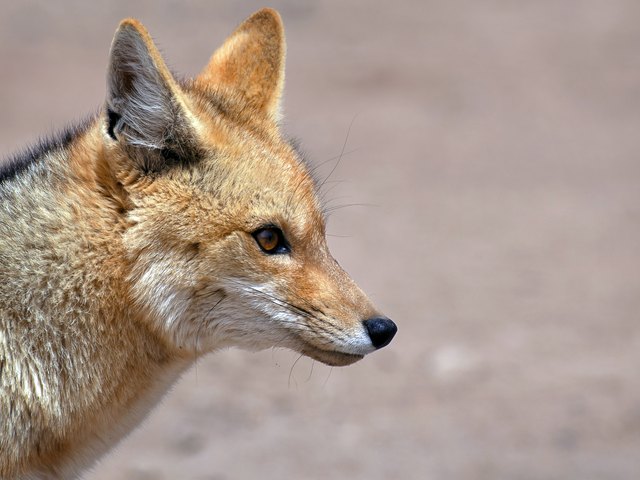
Culpeo fox
The Andean fox, a rusty-coated hunter of the high desert.
Birds
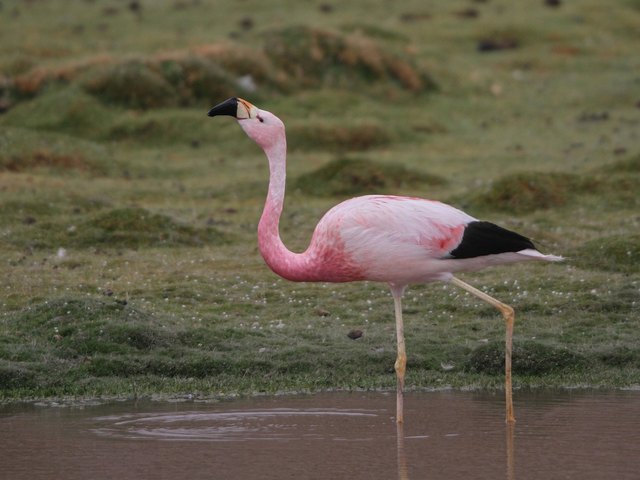
Andean flamingo
Wades the salt lagoons of the high Atacama, feeding on tiny algae.
Trees & plants
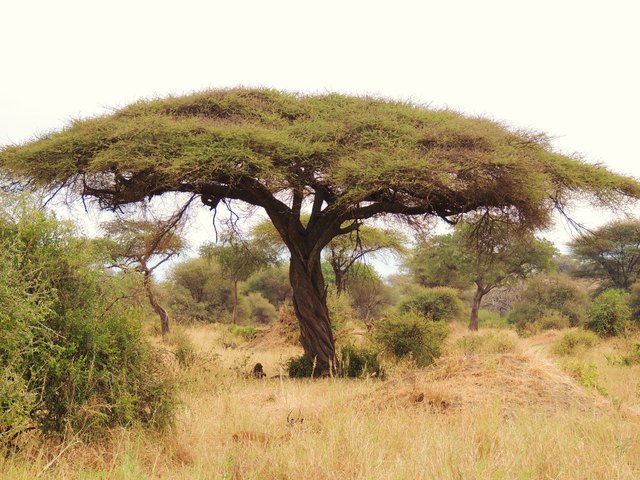
Acacia (thorn tree)
Flat-topped thorn trees that survive on scarce desert groundwater.
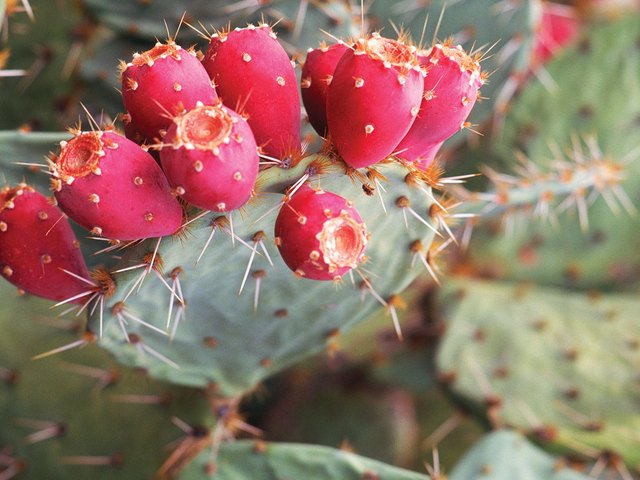
Prickly pear
A flat-padded cactus with edible fruit, spread across many deserts.
Day & night in the Sechura Desert
Deserts are famous for their extreme temperature swings. Flip between day and night to feel the difference — these are typical figures for a coastal desert.
Midday sun
+22°C
typical daytime high
Cool ocean currents and fog keep coastal deserts mild, so the gap between day and night is much smaller than in hot inland deserts.
Recorded range for the Sechura Desert: Mild, 18–30°C