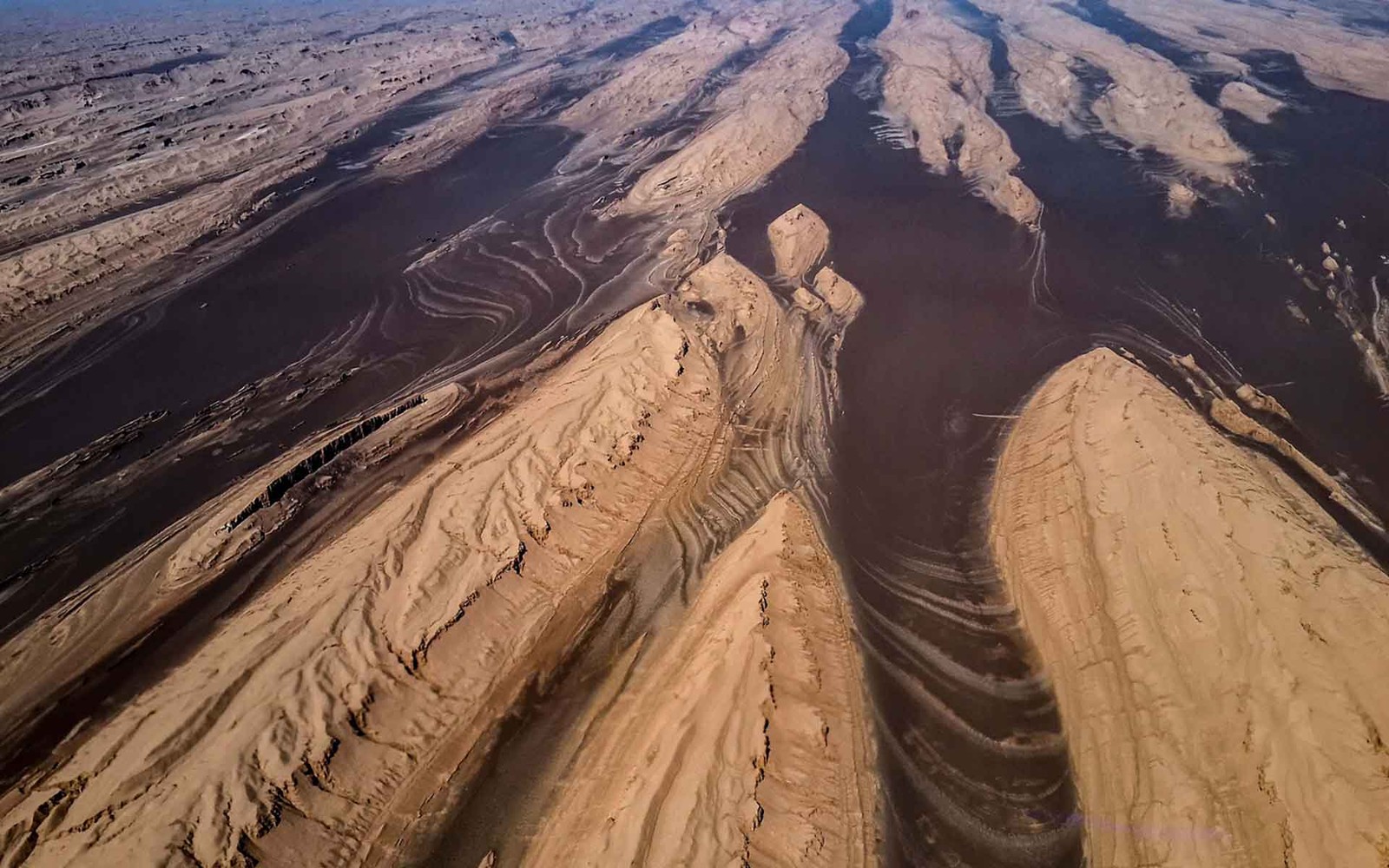
A UNESCO-listed desert of wind-sculpted ridges in south-east Iran — one of the hottest places on the planet.
Area
51,800 km²
Continent
Asia
Location
South-eastern Iran
Temperature
Land surface up to 70.7°C
Rainfall
Almost none
Climate
Hyper-arid
About the Lut Desert
The Dasht-e Lut, or Lut Desert, is famous for its kaluts — giant ridges carved by relentless wind — and for extraordinary heat. Dark volcanic sand soaks up the sun, and satellites have measured ground temperatures above 70°C, making it one of the hottest surfaces ever recorded. It became a UNESCO World Heritage Site in 2016.
Did you know?
Satellites recorded a land-surface temperature of 70.7°C here — among the highest ever measured on Earth.
Highlights
- Among the hottest surfaces on Earth
- Wind-carved “kalut” ridges
- A UNESCO World Heritage Site
Photo gallery
Life in the Lut Desert
Animals, birds and plants that have adapted to survive this landscape.
Animals
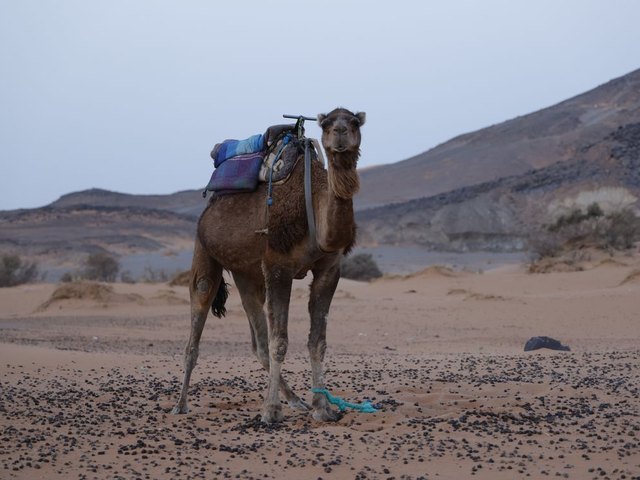
Dromedary camel
The one-humped “ship of the desert”, able to go for days without water.
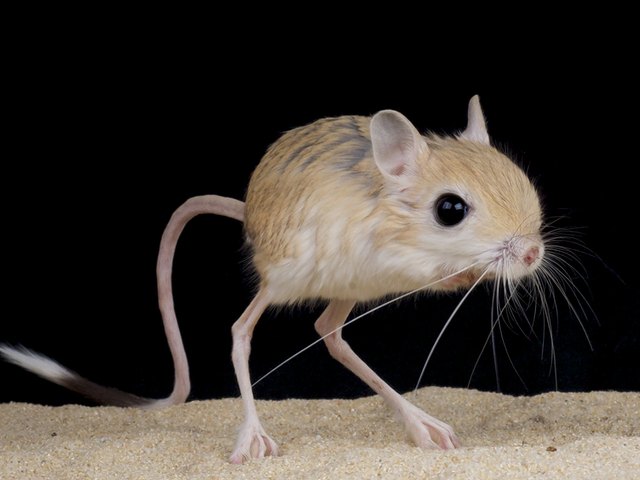
Jerboa
A tiny hopping rodent with long hind legs, bounding like a mini-kangaroo.
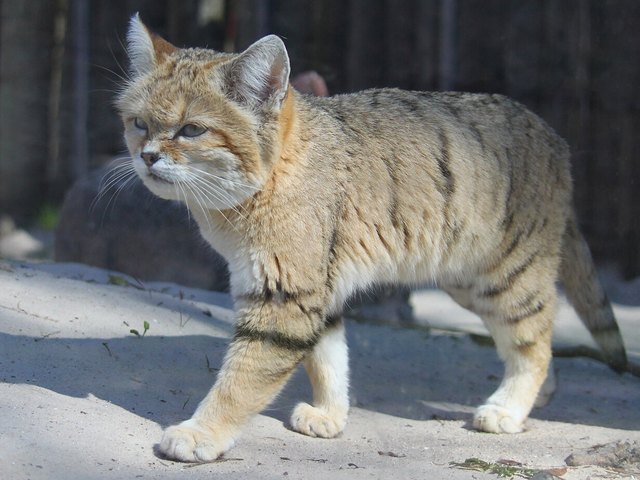
Sand cat
A small wildcat with furry foot-pads that walk unburnt across hot sand.
Birds

Sandgrouse
Flies vast distances to water and soaks it up in its breast feathers.
Trees & plants
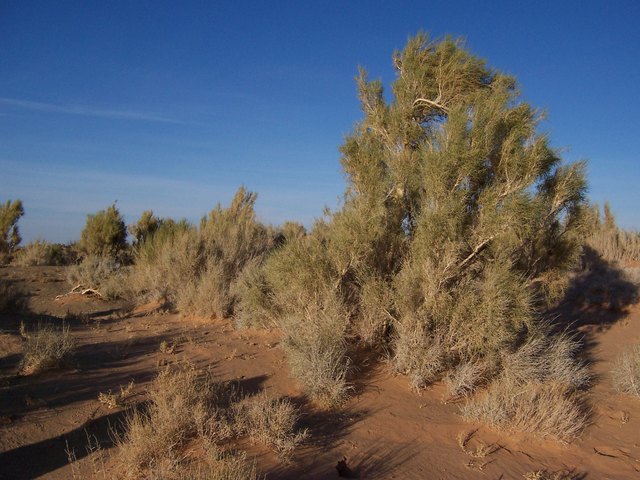
Saxaul
A gnarled Central-Asian tree that anchors shifting cold-desert sands.
Day & night in the Lut Desert
Deserts are famous for their extreme temperature swings. Flip between day and night to feel the difference — these are typical figures for a subtropical desert.
Midday sun
+45°C
typical daytime high
Blistering daytime heat gives way to surprisingly cool nights — clear skies let the day’s warmth escape, and the temperature can tumble by 30°C or more after dark.
Recorded range for the Lut Desert: Land surface up to 70.7°C