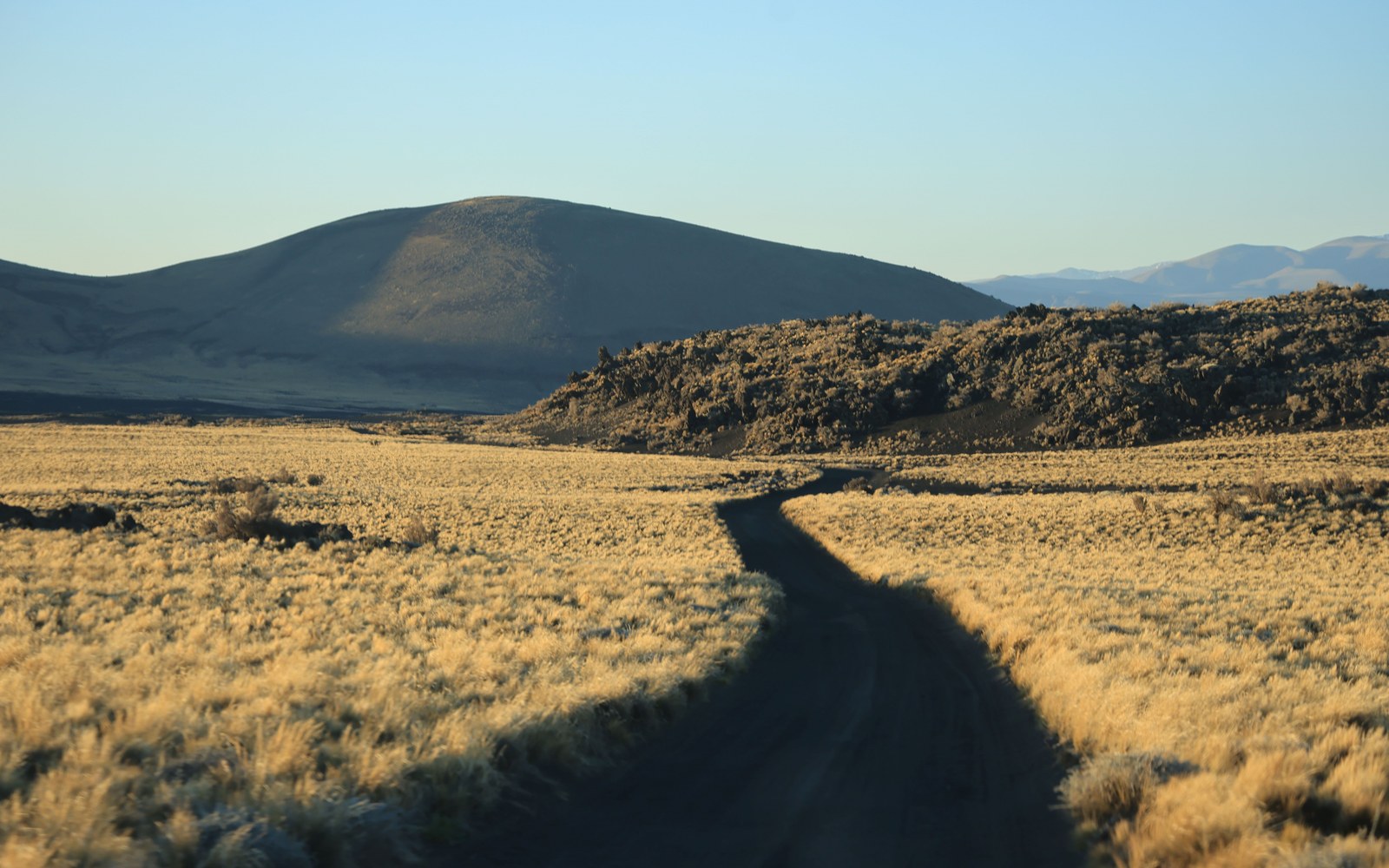
The largest desert in the Americas — a cold, windswept steppe east of the Andes.
Area
620,000 km²
Continent
South America
Location
Southern Argentina, east of the Andes
Temperature
Cool, windy year-round
Rainfall
Under 200 mm a year
Climate
Cold desert
About the Patagonian Desert
The Patagonian Desert covers much of southern Argentina in cold, gravelly steppe. The Andes to the west strip moisture from the winds, leaving the land dry and battered by near-constant westerlies. Guanacos, rheas and burrowing owls live here, and its cliffs preserve some of the world’s richest dinosaur fossils.
Did you know?
Fierce westerly winds sweep across it almost every day of the year.
Highlights
- The largest desert in the Americas
- Swept by near-constant wind
- Home to guanacos and rheas
Photo gallery
Life in the Patagonian Desert
Animals, birds and plants that have adapted to survive this landscape.
Animals
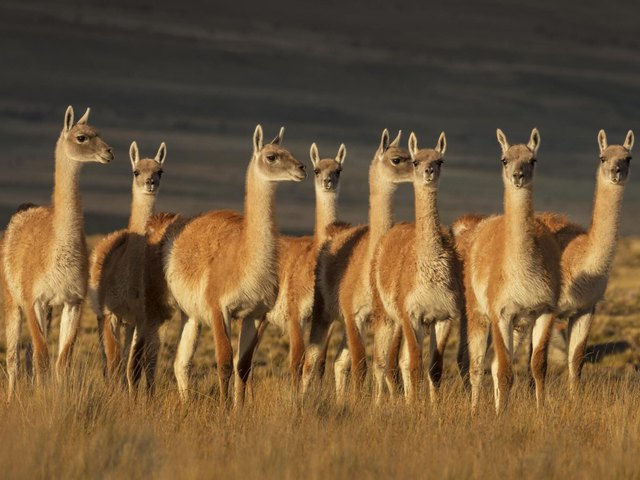
Guanaco
A wild camelid of South America, cousin to the domestic llama.
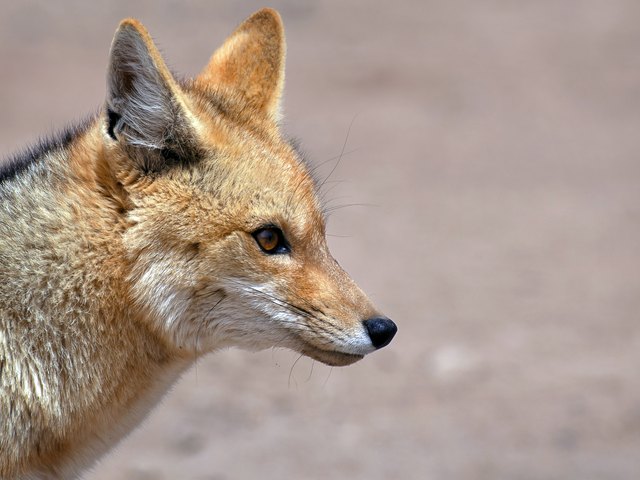
Culpeo fox
The Andean fox, a rusty-coated hunter of the high desert.
Birds
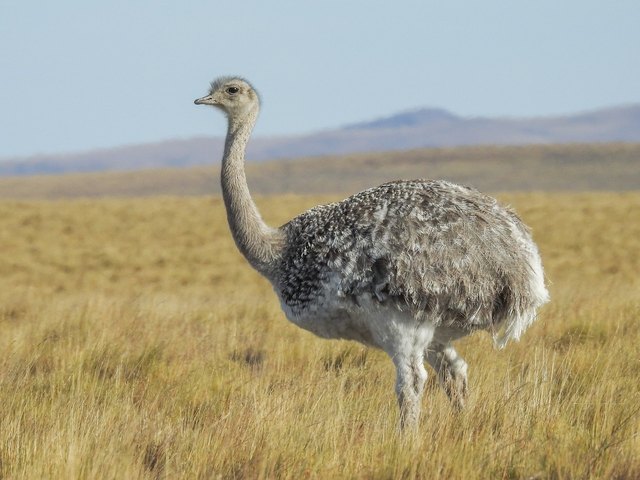
Darwin's rhea
A flightless relative of the ostrich roaming Patagonia and the Andes.
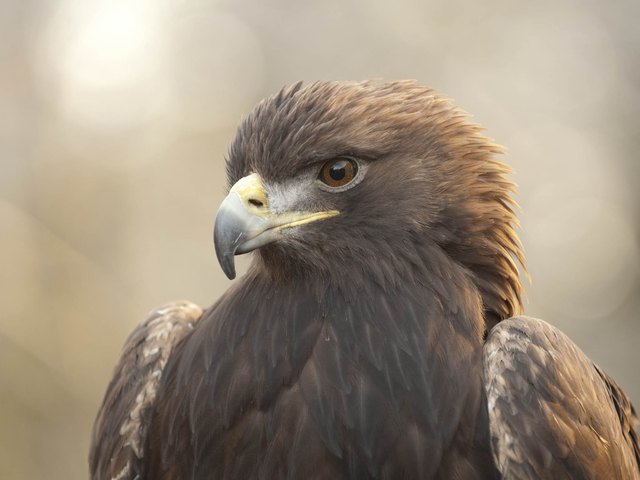
Golden eagle
A mighty raptor that patrols open desert mountains and plains.
Trees & plants
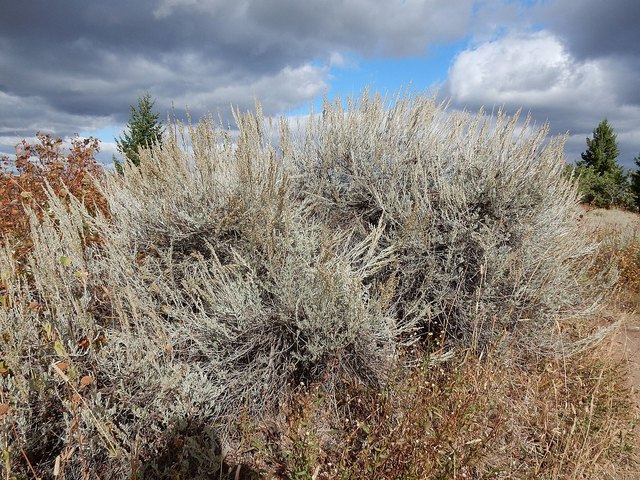
Sagebrush
The silvery, aromatic shrub that blankets North America’s cold deserts.
Day & night in the Patagonian Desert
Deserts are famous for their extreme temperature swings. Flip between day and night to feel the difference — these are typical figures for a cold desert.
Midday sun
+32°C
typical daytime high
Hot or mild summer days swing to bitterly cold nights, and winters can stay far below freezing — these deserts see some of the biggest temperature ranges on Earth.
Recorded range for the Patagonian Desert: Cool, windy year-round