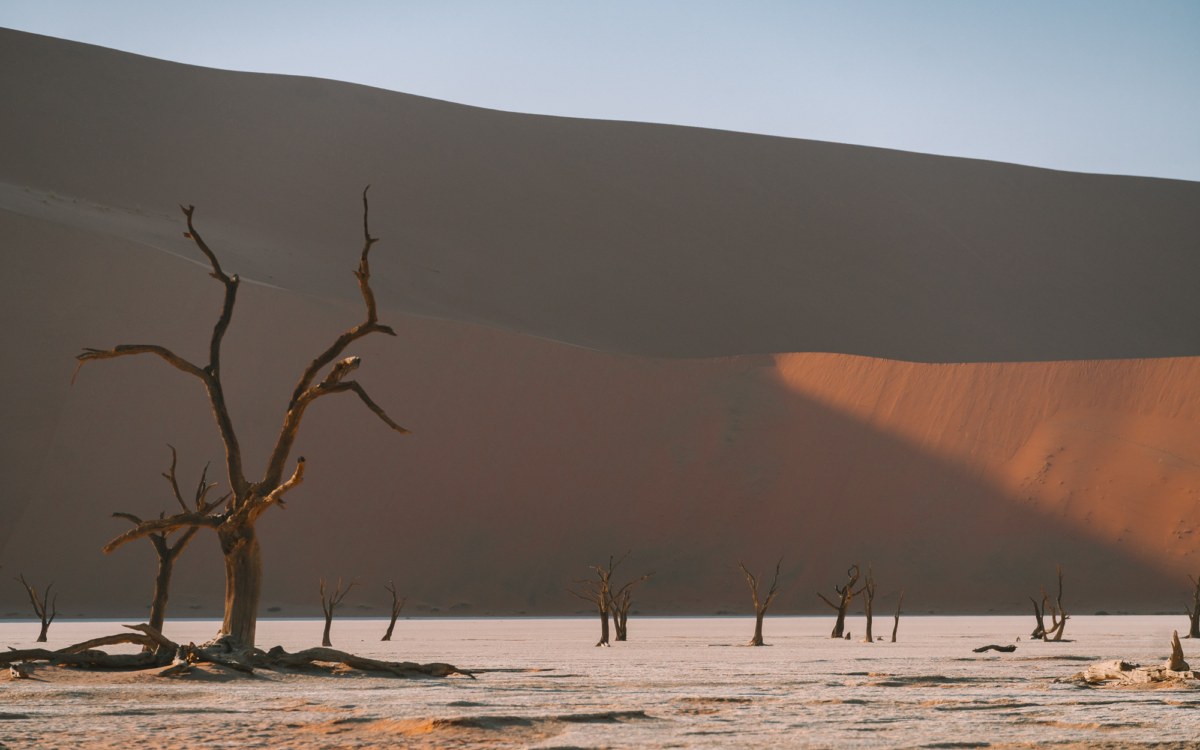
The world’s oldest desert, where towering rust-red dunes run down to meet the cold Atlantic coast.
Area
160,000 km²
Continent
Africa
Location
Atlantic coast of southern Africa
Temperature
Mild, fog-cooled
Rainfall
Under 50 mm a year
Climate
Coastal desert
About the Namib Desert
The Namib runs for 1,600 kilometres along the Atlantic coast of Namibia and is thought to be the oldest desert on Earth, arid for at least 55 million years. Cold ocean currents create coastal fog that is the main source of water for its specially adapted plants and animals. Its giant red dunes at Sossusvlei are world-famous.
Did you know?
Its dunes at Sossusvlei are among the tallest on Earth, reaching about 300 metres.
Highlights
- Believed to be the world’s oldest desert
- Life survives on coastal fog
- Soaring red dunes at Sossusvlei
Photo gallery
Life in the Namib Desert
Animals, birds and plants that have adapted to survive this landscape.
Animals
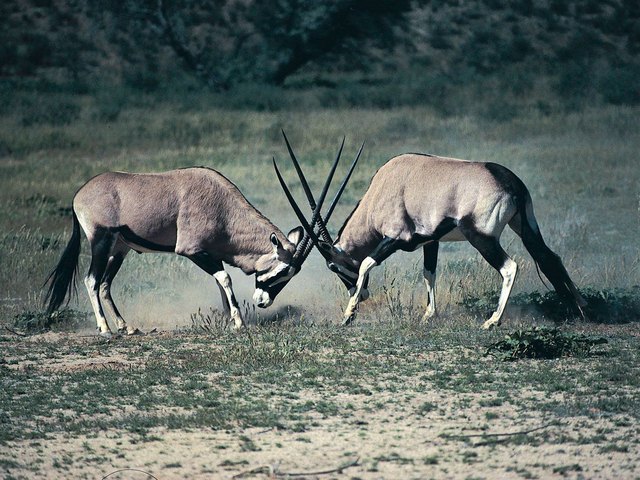
Gemsbok
A striking southern-African oryx with rapier horns and a black-and-white face.
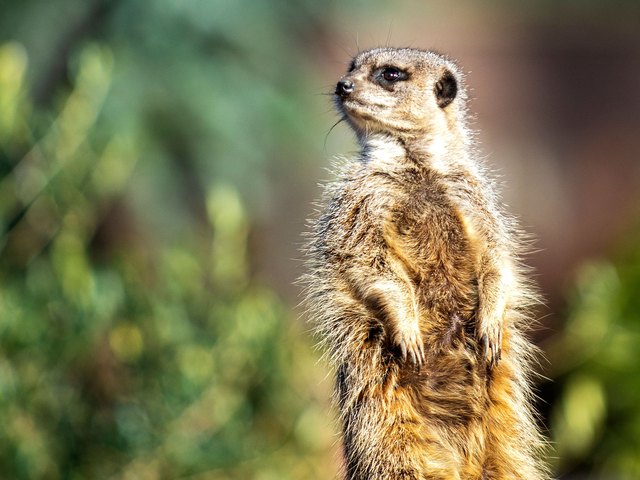
Meerkat
A sociable mongoose that stands sentry over its desert burrow colonies.
Birds
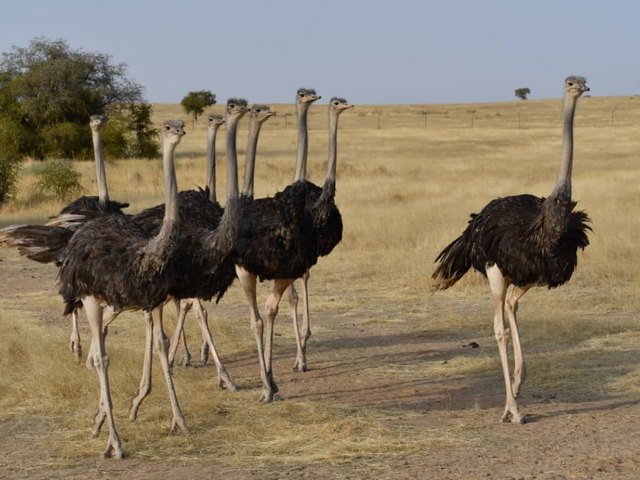
Ostrich
The world’s largest bird — flightless, but able to sprint at 70 km/h.
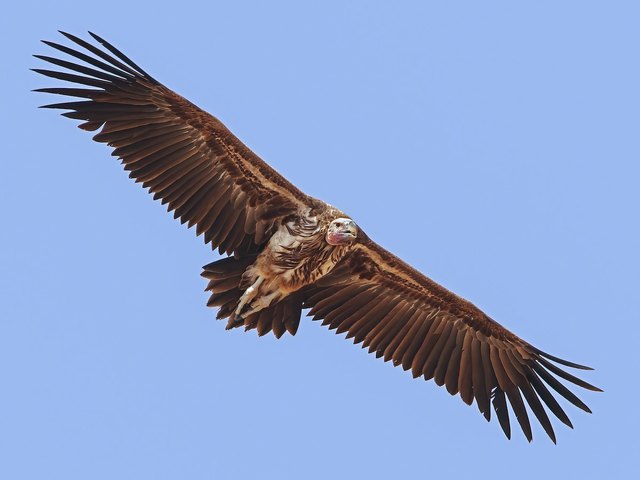
Lappet-faced vulture
A huge, powerful vulture that soars above African and Arabian deserts.
Trees & plants
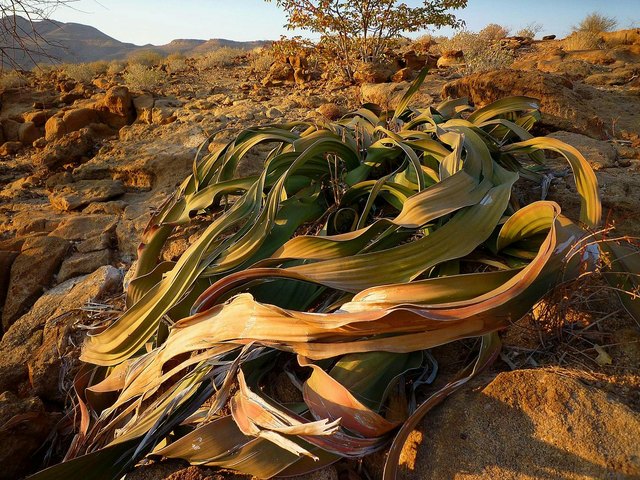
Welwitschia
A living fossil of the Namib with two leaves that grow for 1,000+ years.
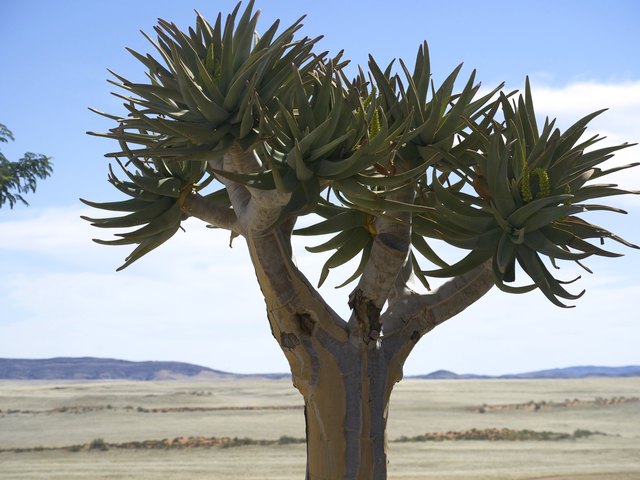
Quiver tree
A tree-sized aloe of southern Africa; the San made quivers from its branches.
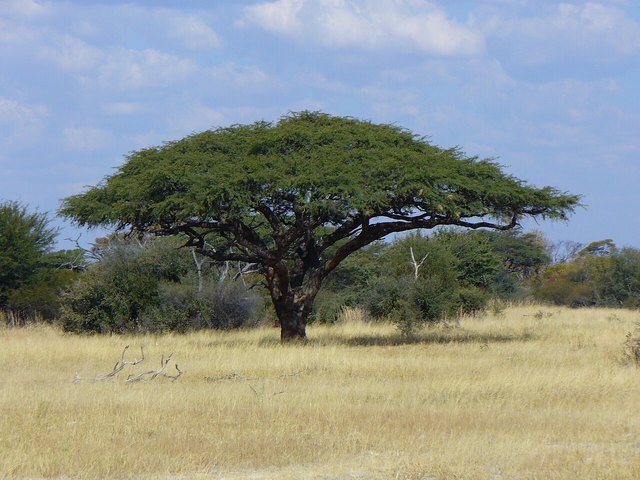
Camelthorn tree
A deep-rooted thorn tree that shades the red dunes of the Kalahari.
Day & night in the Namib Desert
Deserts are famous for their extreme temperature swings. Flip between day and night to feel the difference — these are typical figures for a coastal desert.
Midday sun
+22°C
typical daytime high
Cool ocean currents and fog keep coastal deserts mild, so the gap between day and night is much smaller than in hot inland deserts.
Recorded range for the Namib Desert: Mild, fog-cooled