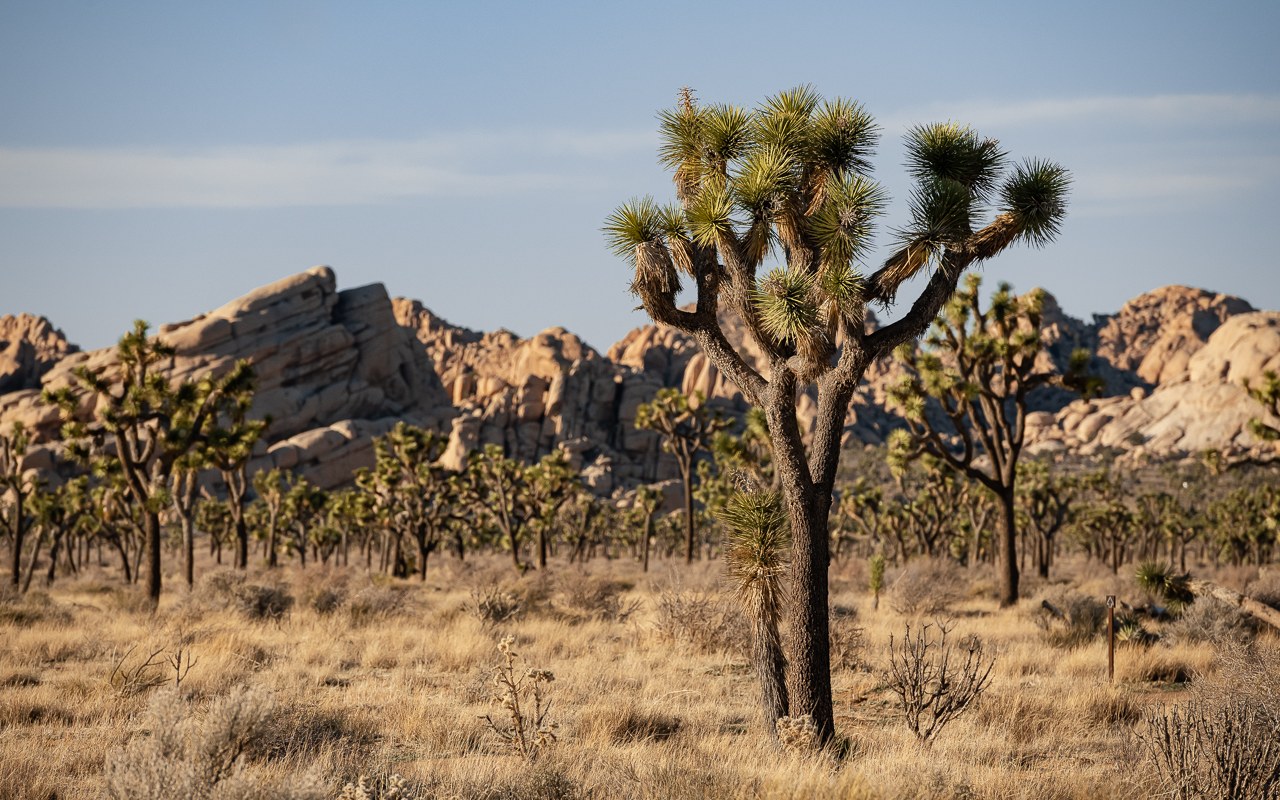
North America’s driest desert, famous for its spiky Joshua trees and for containing Death Valley.
Area
124,000 km²
Continent
North America
Location
California, Nevada, Arizona & Utah
Temperature
Record 56.7°C at Death Valley
Rainfall
Under 150 mm a year
Climate
Hot desert
About the Mojave Desert
The Mojave is the smallest and driest of the North American deserts, instantly recognisable by its twisted Joshua trees. Within it lies Death Valley, where the air temperature reached 56.7°C in 1913 — the hottest ever reliably recorded. Despite the heat, spring wildflower “super blooms” can carpet the ground in colour.
Did you know?
Death Valley recorded 56.7°C (134°F) — the hottest air temperature ever measured on Earth.
Highlights
- Contains the hottest place on Earth
- Home of the iconic Joshua tree
- Famous spring wildflower super blooms
Photo gallery
Life in the Mojave Desert
Animals, birds and plants that have adapted to survive this landscape.
Animals
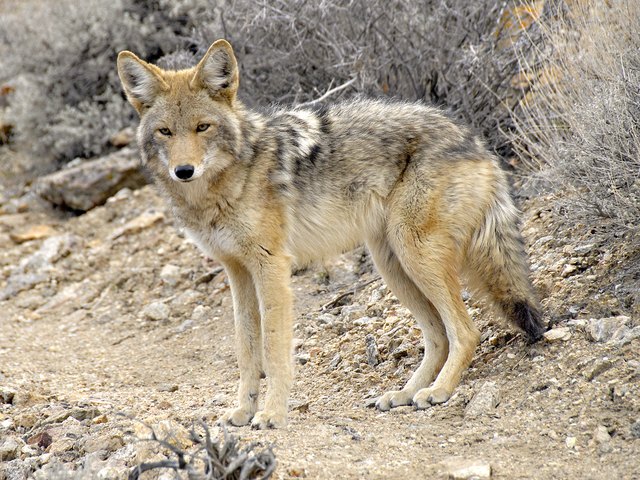
Coyote
A clever, adaptable wild dog of North America’s deserts and plains.
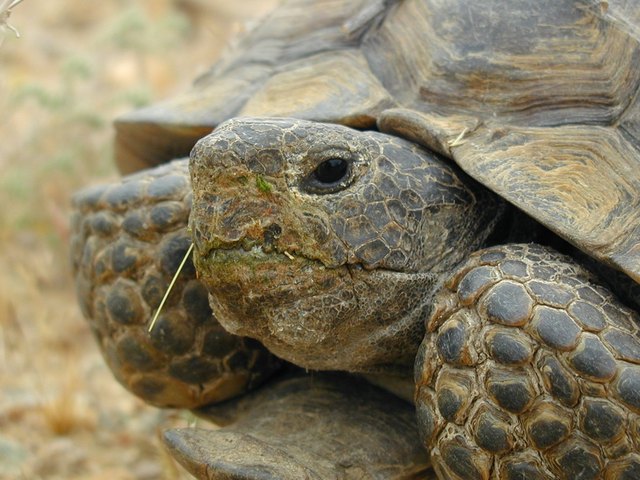
Desert tortoise
A long-lived reptile that digs burrows to escape the searing heat.
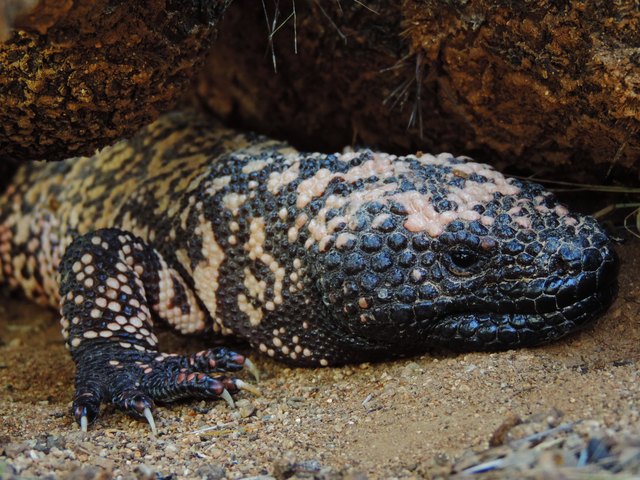
Gila monster
One of the few venomous lizards, beaded in black and orange.
Birds
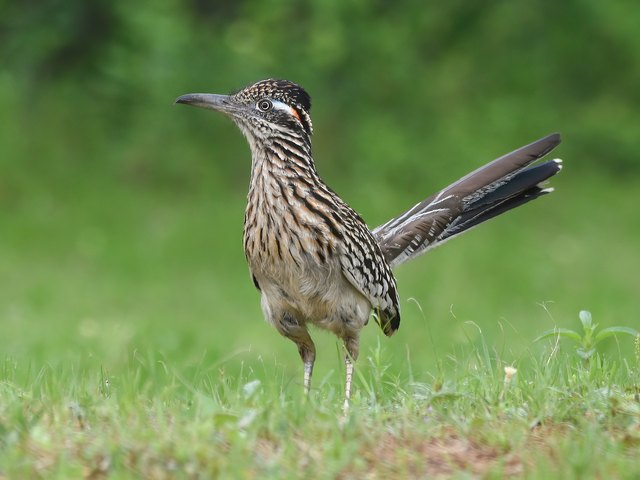
Greater roadrunner
A fast ground bird of the American deserts that chases down lizards.
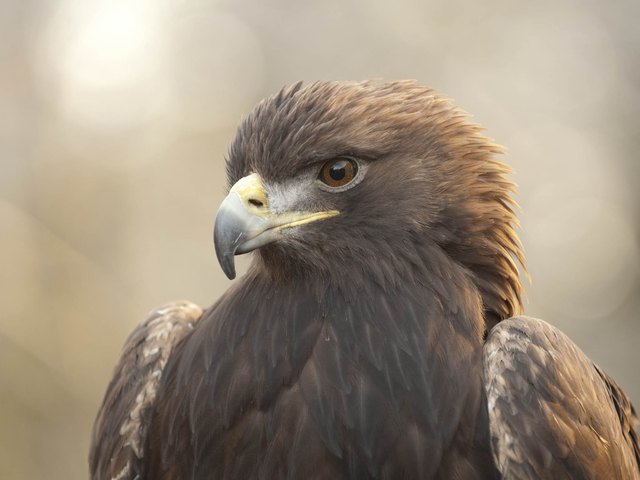
Golden eagle
A mighty raptor that patrols open desert mountains and plains.
Trees & plants
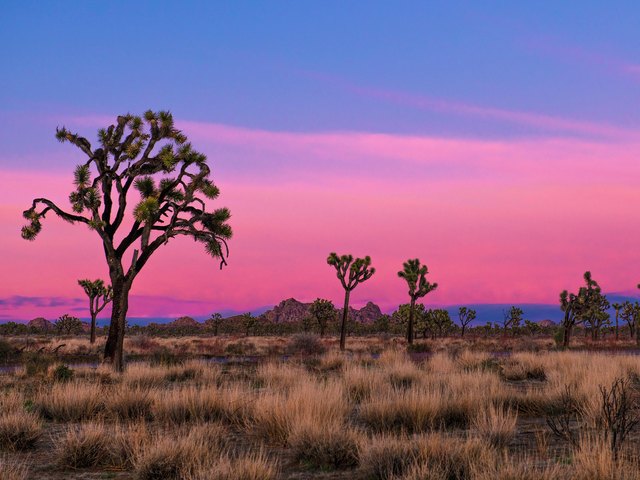
Joshua tree
A spiky yucca that is the signature plant of the Mojave Desert.
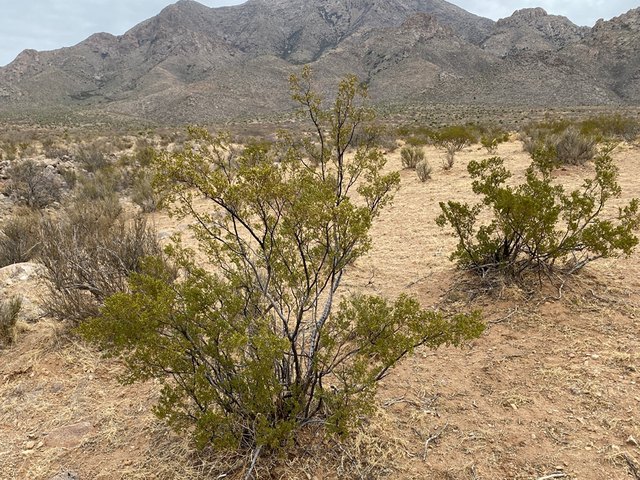
Creosote bush
A hardy shrub whose clones can live for thousands of years.
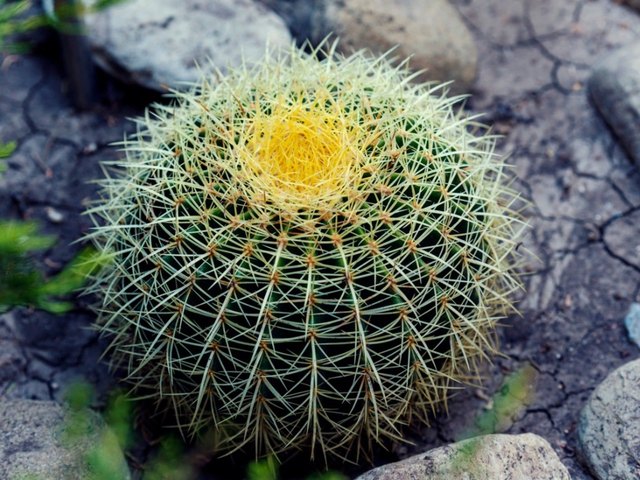
Barrel cactus
A stout, ribbed cactus that swells with water after rare rains.
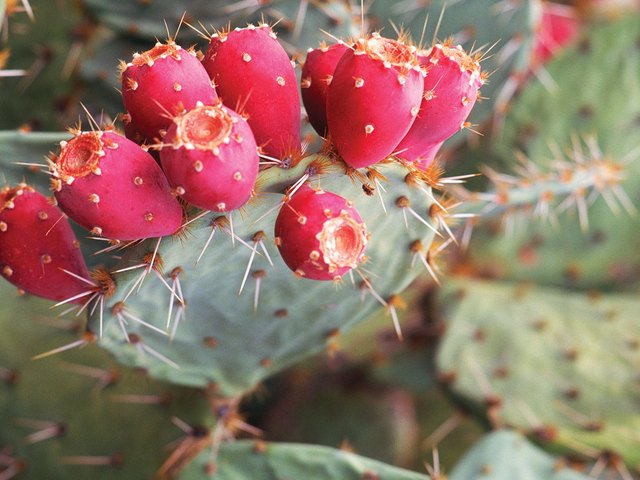
Prickly pear
A flat-padded cactus with edible fruit, spread across many deserts.
Day & night in the Mojave Desert
Deserts are famous for their extreme temperature swings. Flip between day and night to feel the difference — these are typical figures for a subtropical desert.
Midday sun
+45°C
typical daytime high
Blistering daytime heat gives way to surprisingly cool nights — clear skies let the day’s warmth escape, and the temperature can tumble by 30°C or more after dark.
Recorded range for the Mojave Desert: Record 56.7°C at Death Valley