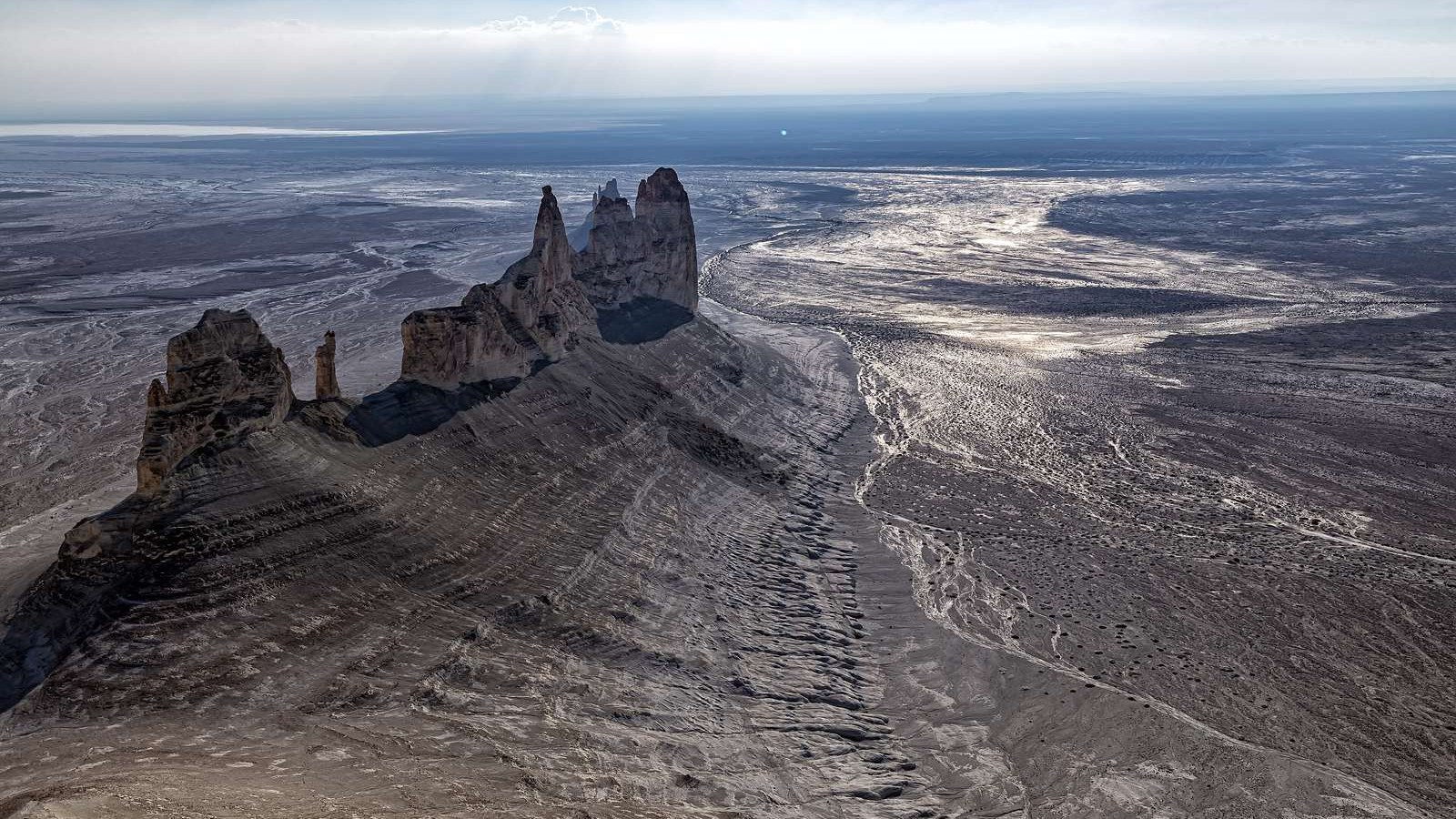
A vast, lonely plateau of clay and stone between the Caspian and Aral seas, ringed by dramatic layered cliffs called “chinks”.
Area
200,000 km²
Continent
Asia
Location
Between the Caspian and Aral seas, Central Asia
Temperature
Hot summers, freezing winters
Rainfall
Under 150 mm a year
Climate
Cold clay-and-stone desert
About the Ustyurt Plateau
The Ustyurt is a huge, flat tableland of baked clay, gravel and salt, bounded on almost every side by steep escarpments known as chinks that glow in bands of white and ochre. Few people live on this cold, wind-scoured plain, but saiga antelope cross it on their migrations and strange rock formations like the Valley of Balls dot its surface.
Did you know?
Its edges drop away in sheer, colourful cliffs, and herds of rare saiga antelope still migrate across it.
Highlights
- Ringed by dramatic layered “chink” cliffs
- Crossed by rare migrating saiga antelope
- Lies between the Caspian and Aral seas
Photo gallery
Life in the Ustyurt Plateau
Animals, birds and plants that have adapted to survive this landscape.
Animals
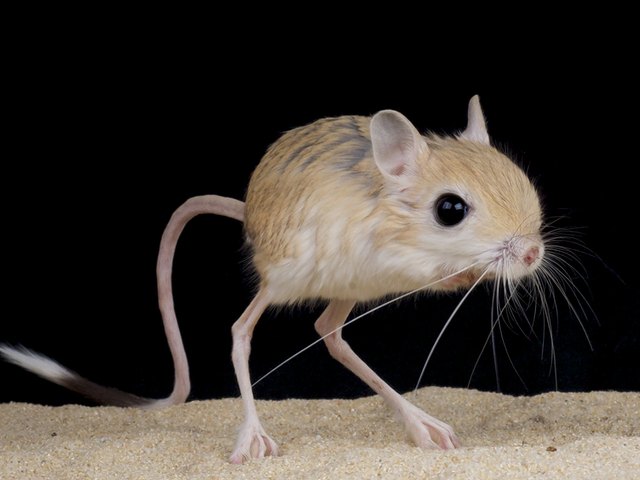
Jerboa
A tiny hopping rodent with long hind legs, bounding like a mini-kangaroo.
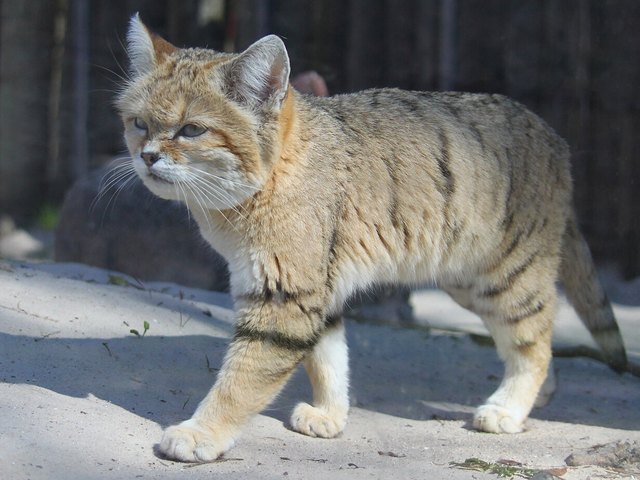
Sand cat
A small wildcat with furry foot-pads that walk unburnt across hot sand.
Birds
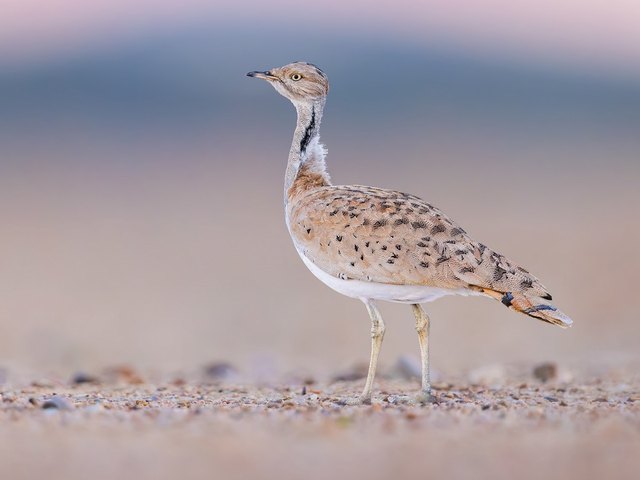
Houbara bustard
A well-camouflaged desert bird of Arabia and Central Asia.
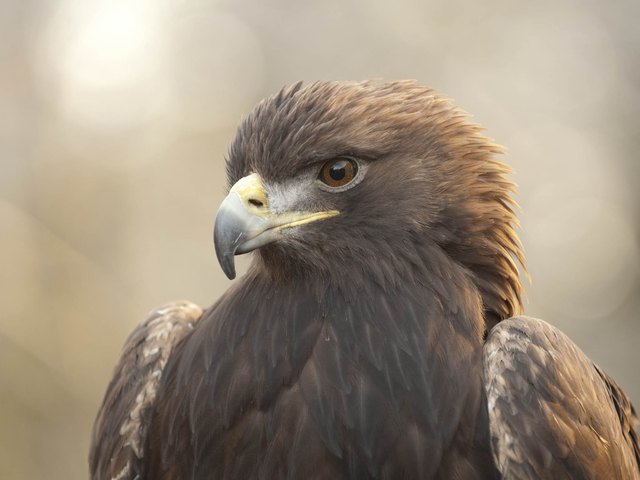
Golden eagle
A mighty raptor that patrols open desert mountains and plains.
Trees & plants
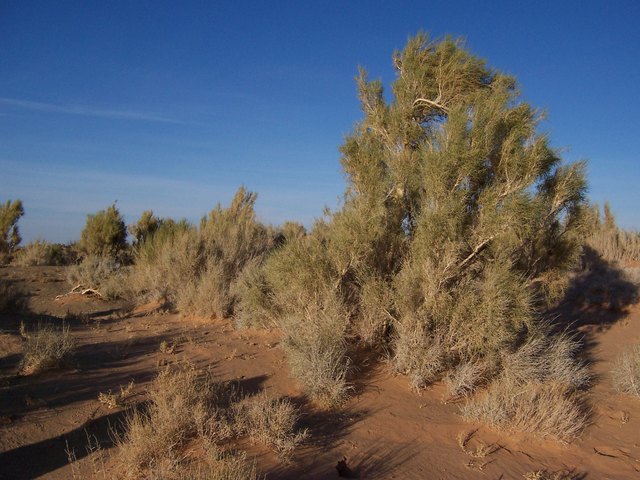
Saxaul
A gnarled Central-Asian tree that anchors shifting cold-desert sands.
Day & night in the Ustyurt Plateau
Deserts are famous for their extreme temperature swings. Flip between day and night to feel the difference — these are typical figures for a cold desert.
Midday sun
+32°C
typical daytime high
Hot or mild summer days swing to bitterly cold nights, and winters can stay far below freezing — these deserts see some of the biggest temperature ranges on Earth.
Recorded range for the Ustyurt Plateau: Hot summers, freezing winters