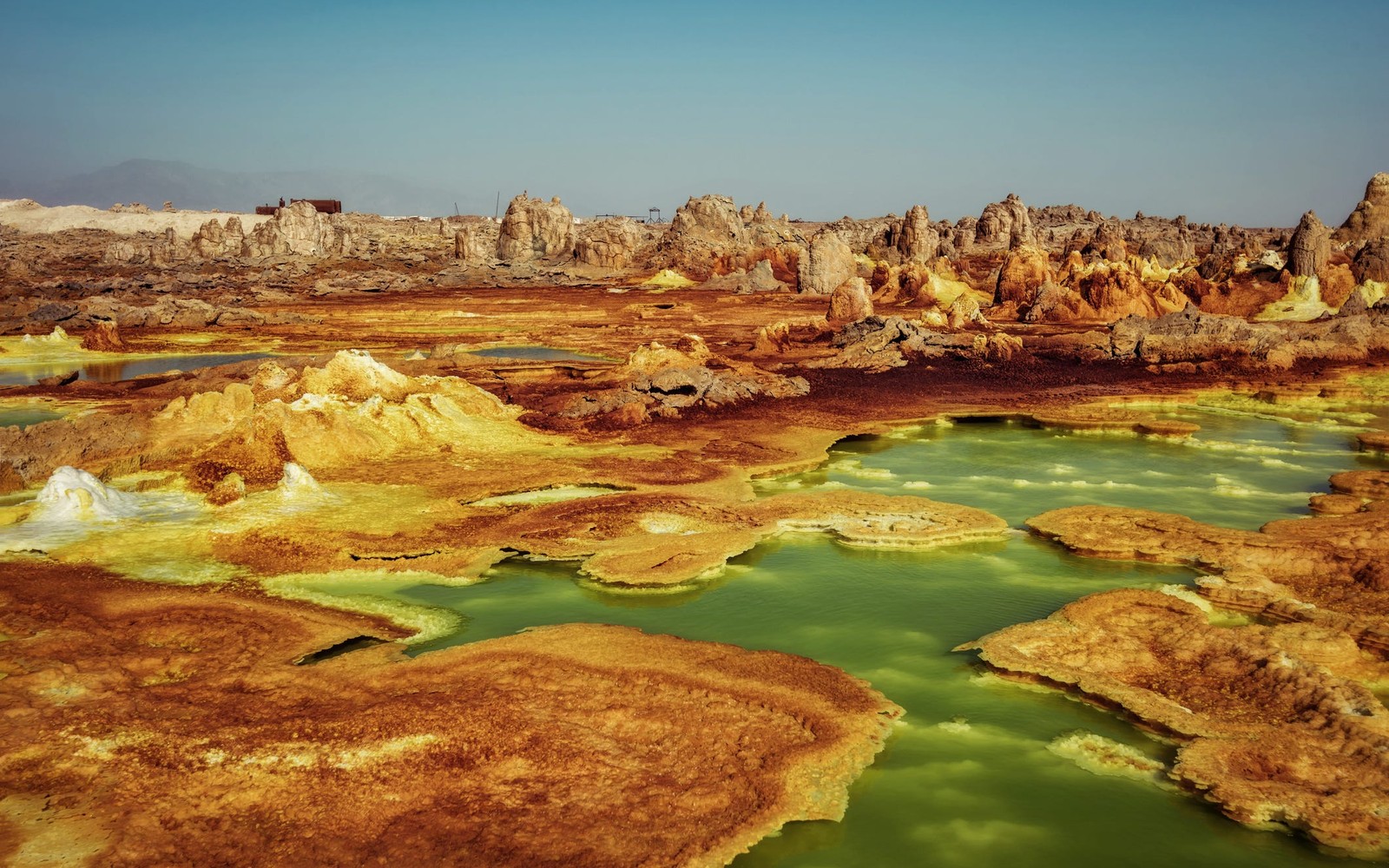
A searing, below-sea-level desert in the Horn of Africa, filled with lava lakes, sulphur fields and neon salt pools.
Area
137,000 km²
Continent
Africa
Location
Afar Triangle, Horn of Africa
Temperature
Among the hottest on Earth
Rainfall
Under 100 mm a year
Climate
Hyper-arid
About the Danakil Desert
The Danakil sits in the Afar Triangle, where three tectonic plates pull apart. It is one of the hottest and lowest places on the planet, dropping below sea level and baking year-round. Active volcanoes, bubbling lava lakes and the surreal, acidic pools of Dallol make it look more like another world than Earth.
Did you know?
The Dallol hydrothermal field glows with yellow, green and orange salts — one of the strangest landscapes on Earth.
Highlights
- One of the hottest places on Earth
- The neon-coloured Dallol salt springs
- Lava lakes at Erta Ale volcano
Photo gallery
Life in the Danakil Desert
Animals, birds and plants that have adapted to survive this landscape.
Animals
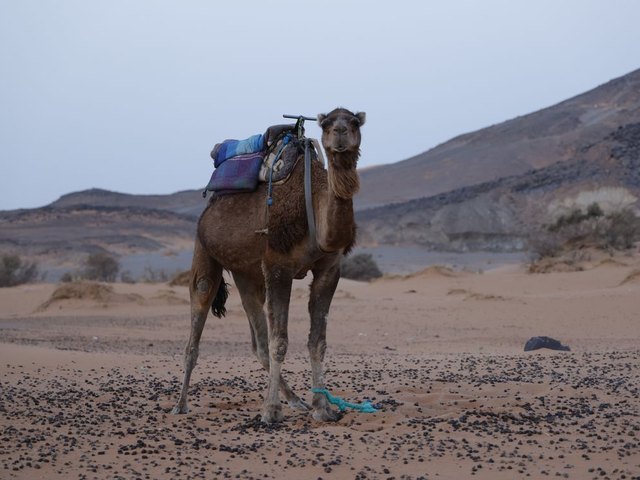
Dromedary camel
The one-humped “ship of the desert”, able to go for days without water.
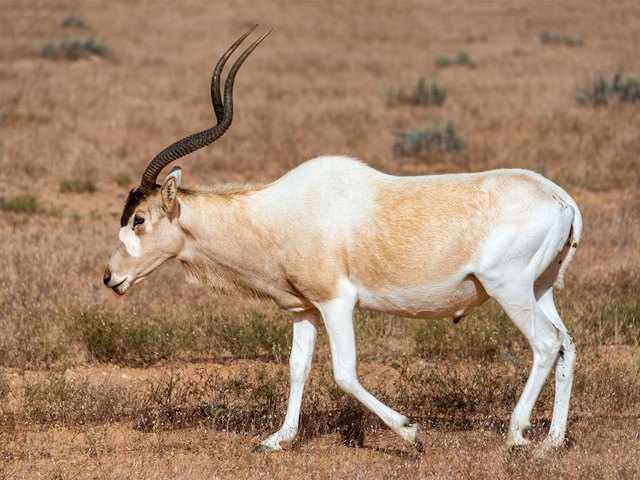
Addax
A pale, spiral-horned antelope that almost never needs to drink.
Birds
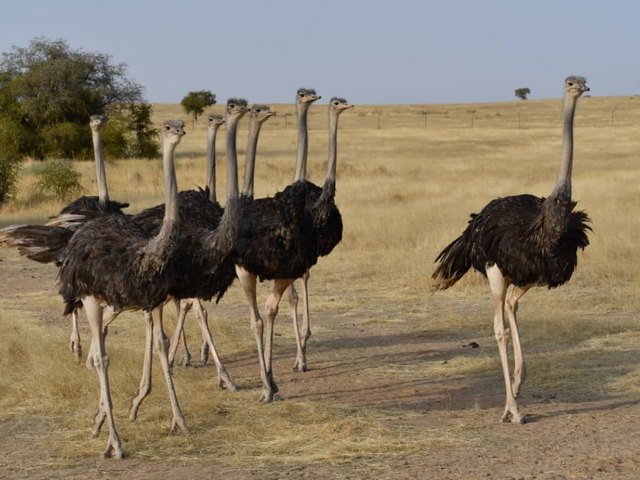
Ostrich
The world’s largest bird — flightless, but able to sprint at 70 km/h.
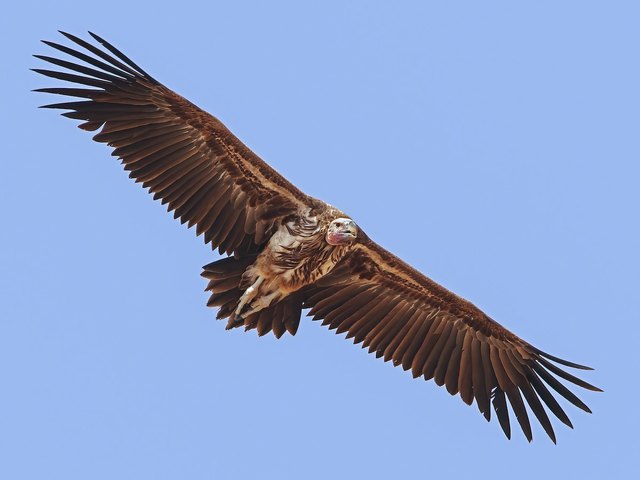
Lappet-faced vulture
A huge, powerful vulture that soars above African and Arabian deserts.
Trees & plants
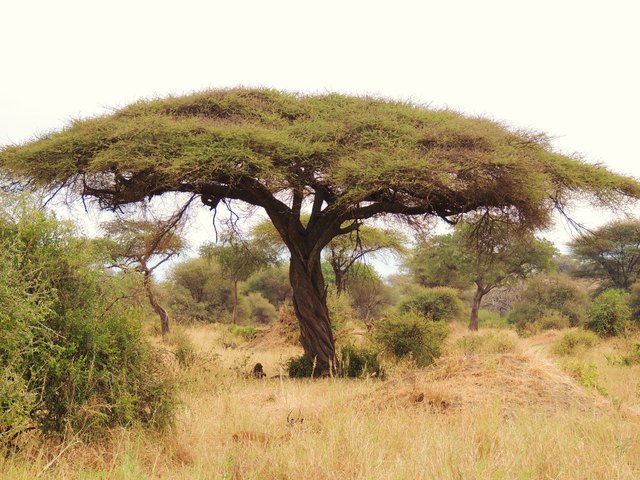
Acacia (thorn tree)
Flat-topped thorn trees that survive on scarce desert groundwater.
Day & night in the Danakil Desert
Deserts are famous for their extreme temperature swings. Flip between day and night to feel the difference — these are typical figures for a subtropical desert.
Midday sun
+45°C
typical daytime high
Blistering daytime heat gives way to surprisingly cool nights — clear skies let the day’s warmth escape, and the temperature can tumble by 30°C or more after dark.
Recorded range for the Danakil Desert: Among the hottest on Earth