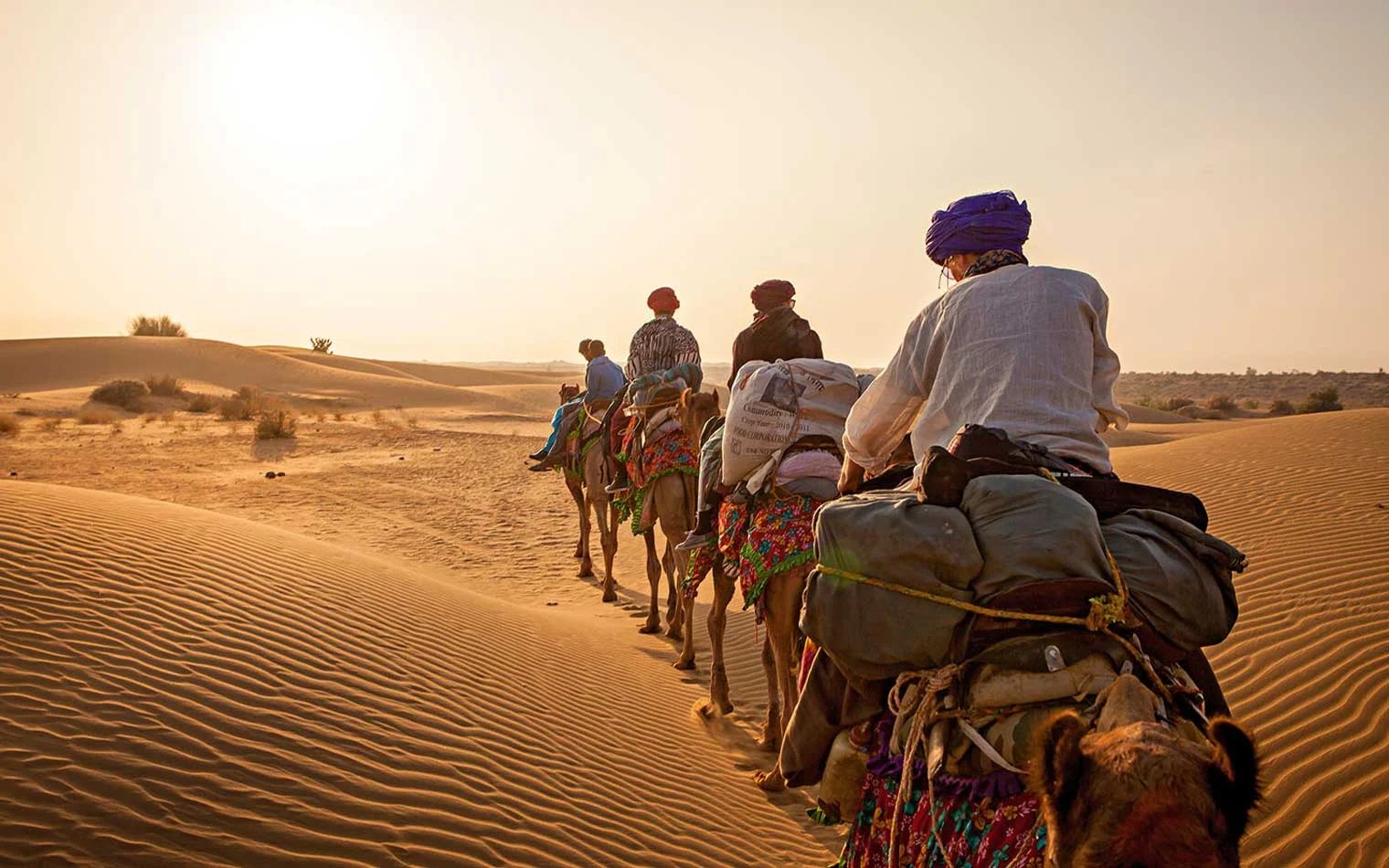
The Great Indian Desert — a golden-dune landscape and the most densely populated desert in the world.
Area
200,000 km²
Continent
Asia
Location
North-west India & south-east Pakistan
Temperature
Up to 50°C
Rainfall
100–500 mm a year
Climate
Hot desert
About the Thar Desert
The Thar, or Great Indian Desert, rolls across the border of India and Pakistan in waves of golden dunes. Remarkably, it is the most densely populated desert on Earth, supporting farming, herding and vibrant desert cities like Jaisalmer. The summer monsoon brings a brief burst of rain that turns parts of it green.
Did you know?
Around 16 million people live in and around it, far more than any other desert.
Highlights
- The world’s most populated desert
- Bright festivals and dune camel safaris
- Monsoon rains briefly green the sands
Photo gallery
Life in the Thar Desert
Animals, birds and plants that have adapted to survive this landscape.
Animals
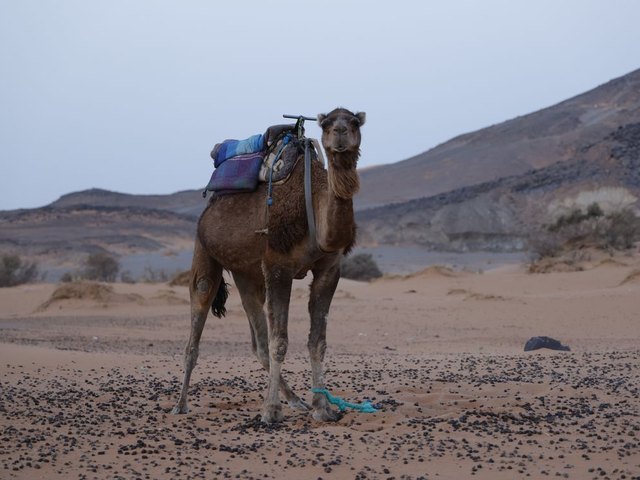
Dromedary camel
The one-humped “ship of the desert”, able to go for days without water.
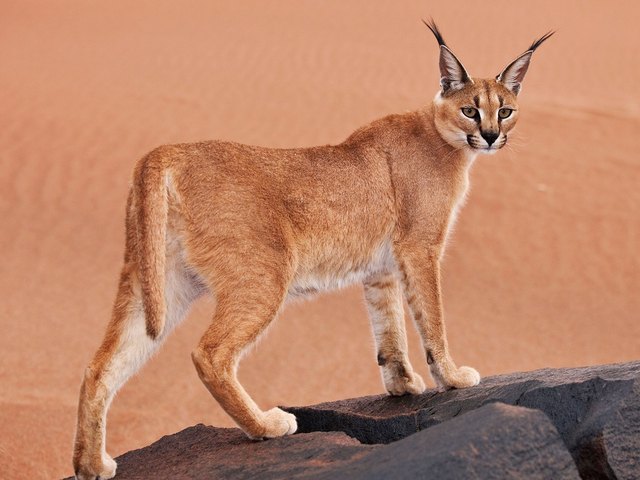
Caracal
A tawny desert cat with black ear-tufts, famous for leaping at birds.
Birds
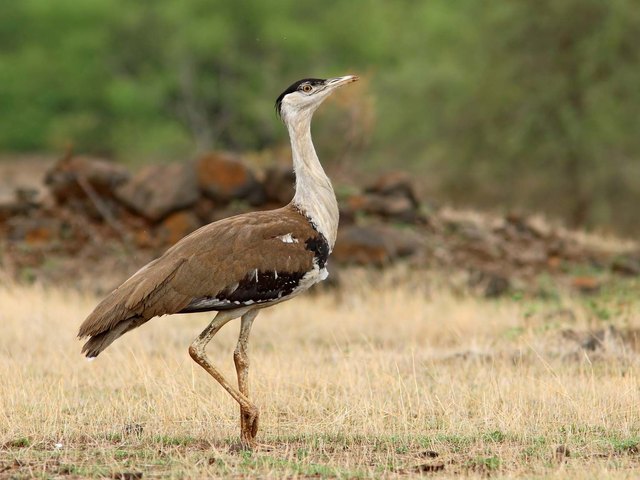
Great Indian bustard
A critically endangered giant of the Thar’s grassy desert.

Houbara bustard
A well-camouflaged desert bird of Arabia and Central Asia.
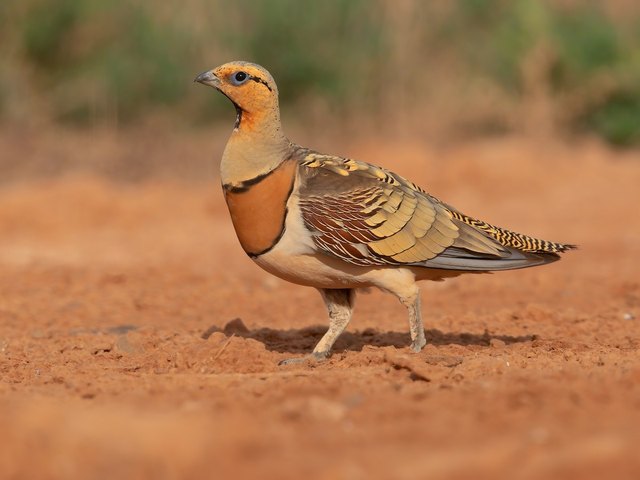
Sandgrouse
Flies vast distances to water and soaks it up in its breast feathers.
Trees & plants
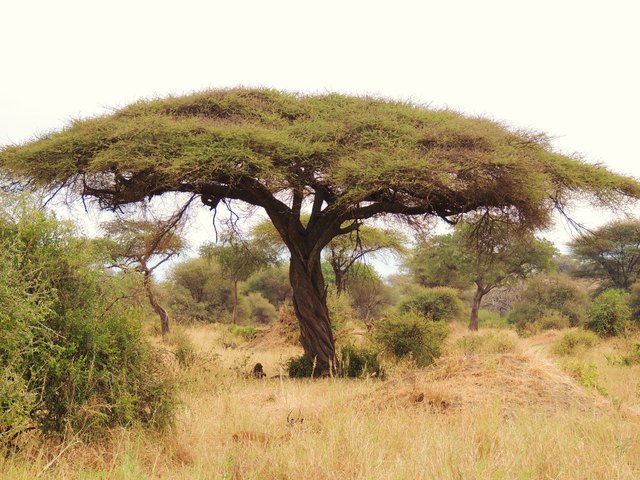
Acacia (thorn tree)
Flat-topped thorn trees that survive on scarce desert groundwater.
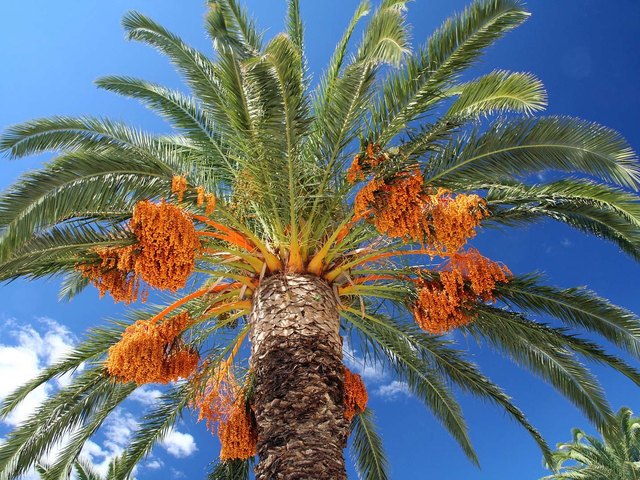
Date palm
The classic oasis tree, feeding desert peoples with sweet dates for millennia.
Day & night in the Thar Desert
Deserts are famous for their extreme temperature swings. Flip between day and night to feel the difference — these are typical figures for a subtropical desert.
Midday sun
+45°C
typical daytime high
Blistering daytime heat gives way to surprisingly cool nights — clear skies let the day’s warmth escape, and the temperature can tumble by 30°C or more after dark.
Recorded range for the Thar Desert: Up to 50°C