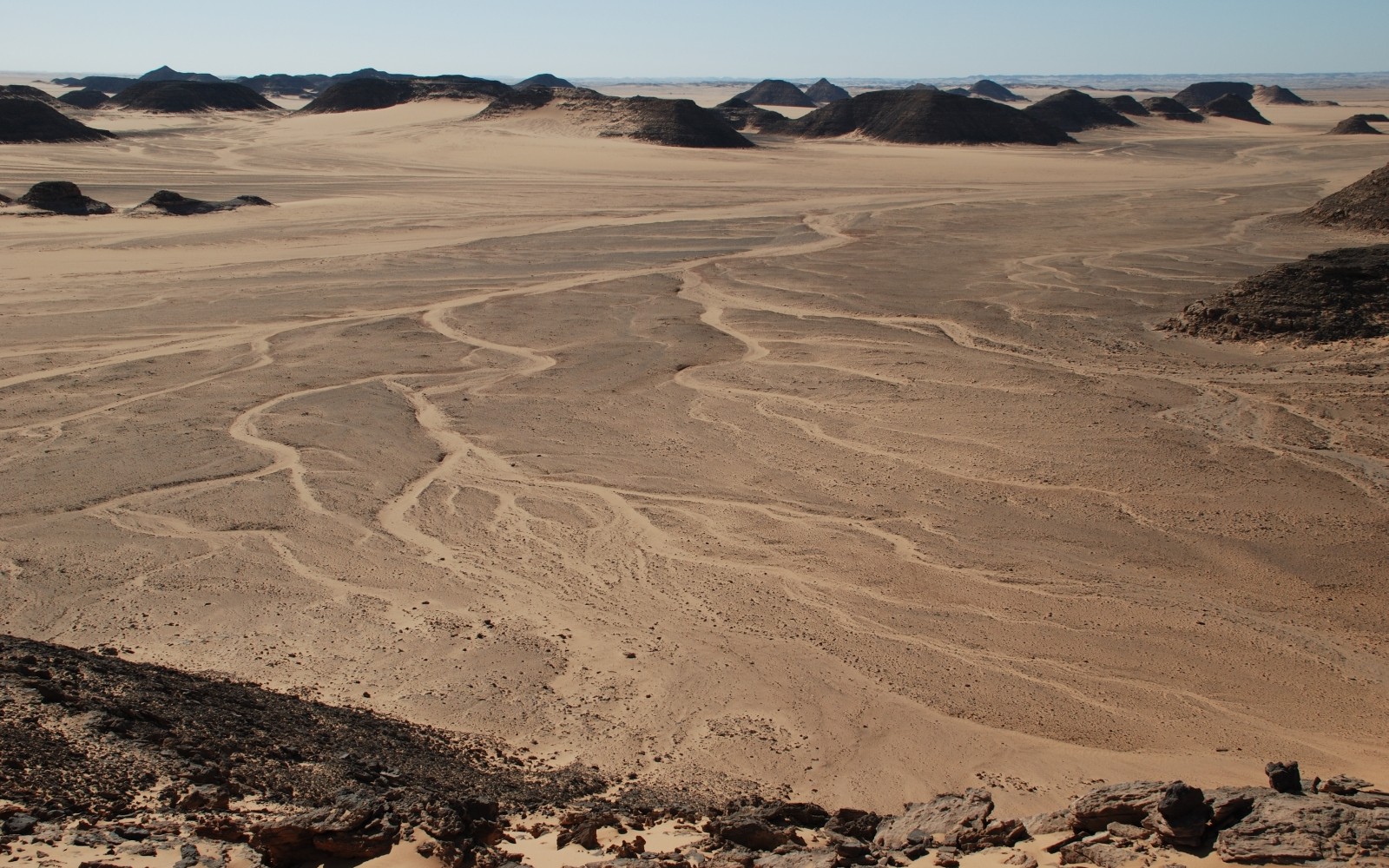
A rugged, almost rainless desert in north-eastern Sudan, forming the eastern wing of the Sahara between the Nile and the Red Sea.
Area
400,000 km²
Continent
Africa
Location
North-eastern Sudan, eastern Sahara
Temperature
Up to 45°C
Rainfall
Almost none
Climate
Hot desert
About the Nubian Desert
The Nubian Desert lies between the Nile and the Red Sea hills in northern Sudan. It is a dry, rocky land of sandstone and scattered dunes with virtually no rain, crossed for centuries by caravans and the ancient kingdoms of Nubia. Its clear, stable surface makes it a prized hunting ground for meteorites.
Did you know?
It is one of the most meteorite-rich places on Earth — dark stones show up clearly on its pale sand.
Highlights
- Forms the eastern Sahara in Sudan
- Crossed by ancient Nubian trade routes
- Famous for meteorite discoveries
Photo gallery
Life in the Nubian Desert
Animals, birds and plants that have adapted to survive this landscape.
Animals
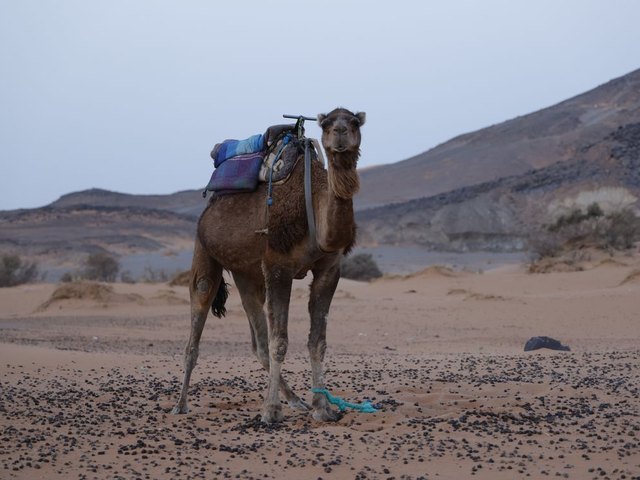
Dromedary camel
The one-humped “ship of the desert”, able to go for days without water.
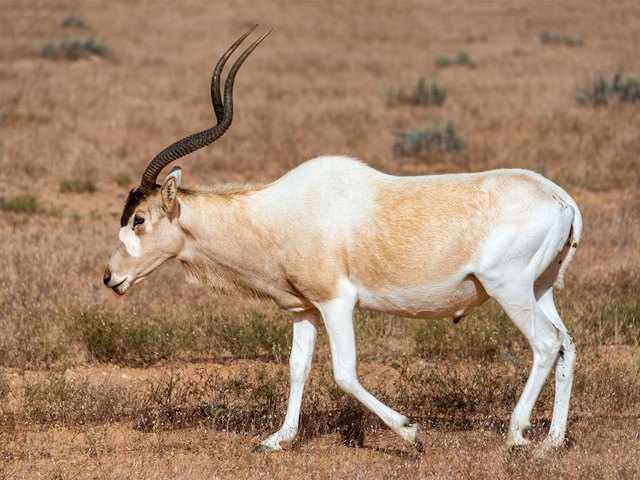
Addax
A pale, spiral-horned antelope that almost never needs to drink.
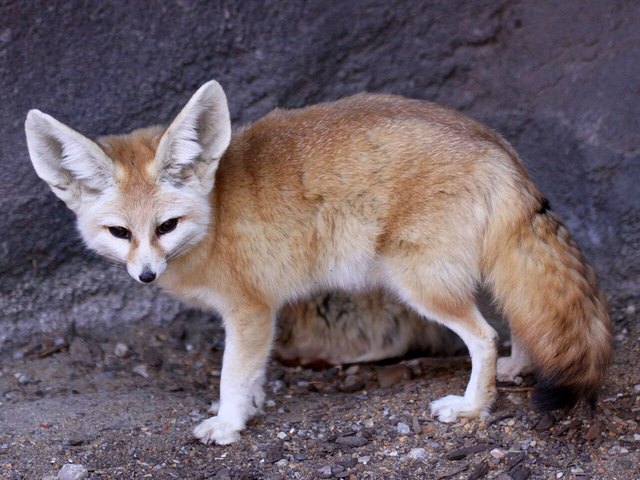
Fennec fox
The tiniest fox on Earth, its huge ears shed heat and track prey.
Birds
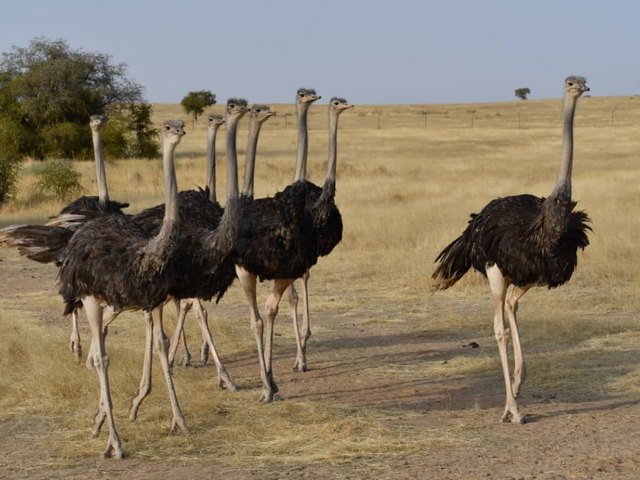
Ostrich
The world’s largest bird — flightless, but able to sprint at 70 km/h.
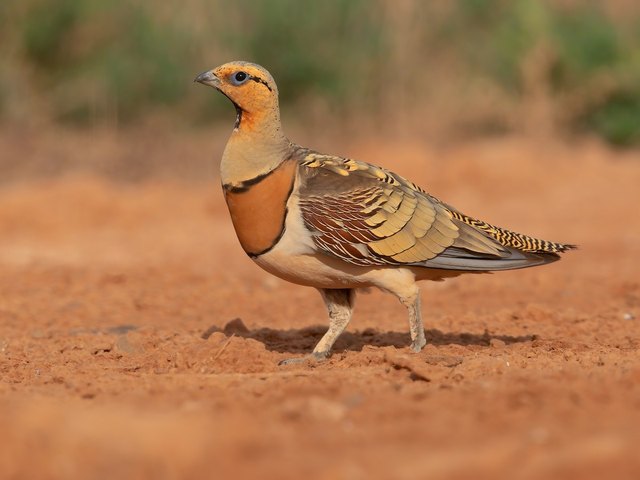
Sandgrouse
Flies vast distances to water and soaks it up in its breast feathers.
Trees & plants
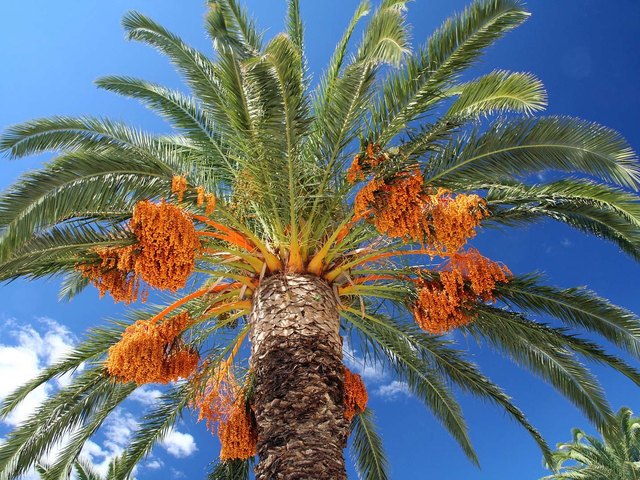
Date palm
The classic oasis tree, feeding desert peoples with sweet dates for millennia.
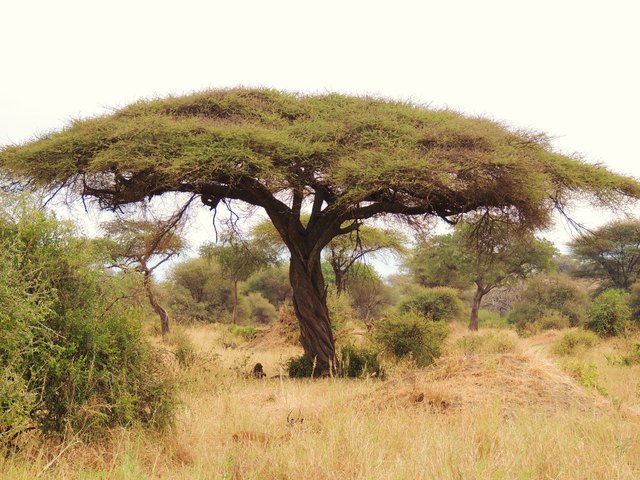
Acacia (thorn tree)
Flat-topped thorn trees that survive on scarce desert groundwater.
Day & night in the Nubian Desert
Deserts are famous for their extreme temperature swings. Flip between day and night to feel the difference — these are typical figures for a subtropical desert.
Midday sun
+45°C
typical daytime high
Blistering daytime heat gives way to surprisingly cool nights — clear skies let the day’s warmth escape, and the temperature can tumble by 30°C or more after dark.
Recorded range for the Nubian Desert: Up to 45°C