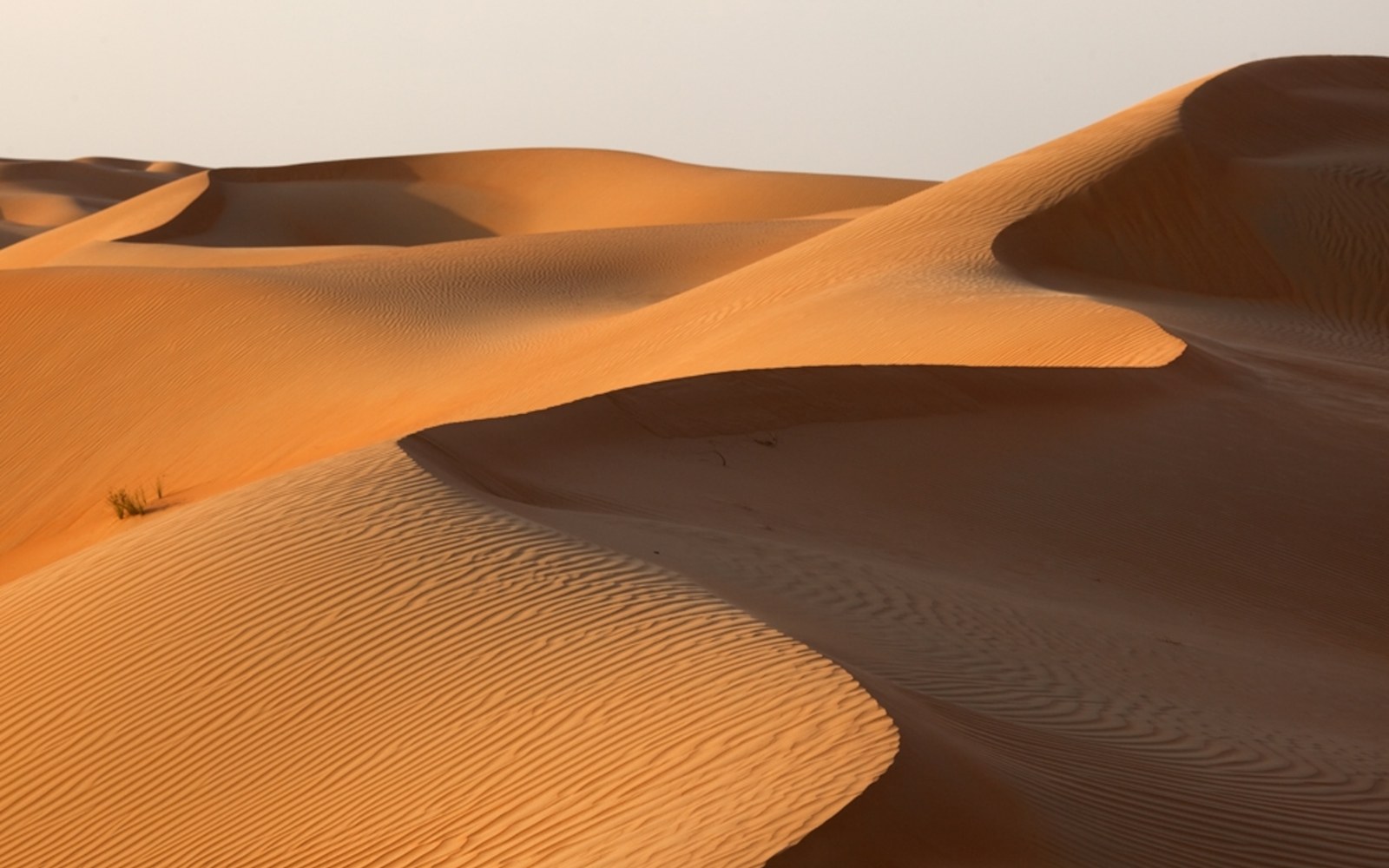
A vast desert covering most of the Arabian Peninsula, including the Rub’ al-Khali — the largest continuous body of sand in the world.
Area
2,330,000 km²
Continent
Asia
Location
Arabian Peninsula, south-west Asia
Temperature
Often above 50°C
Rainfall
Under 100 mm a year
Climate
Hot desert
About the Arabian Desert
The Arabian Desert blankets almost the entire Arabian Peninsula. At its heart lies the Rub’ al-Khali, the “Empty Quarter”, where some of the tallest dunes on Earth march in unbroken ranks. Summers are brutally hot and rain is rare, yet oil and gas reserves beneath the sand have reshaped the nations around it.
Did you know?
The Rub’ al-Khali, or “Empty Quarter”, alone is larger than the whole of France.
Highlights
- Contains the world’s largest continuous sand sea
- Dunes can reach 250 metres tall
- Oryx and sand gazelle survive its heat
Photo gallery
Life in the Arabian Desert
Animals, birds and plants that have adapted to survive this landscape.
Animals
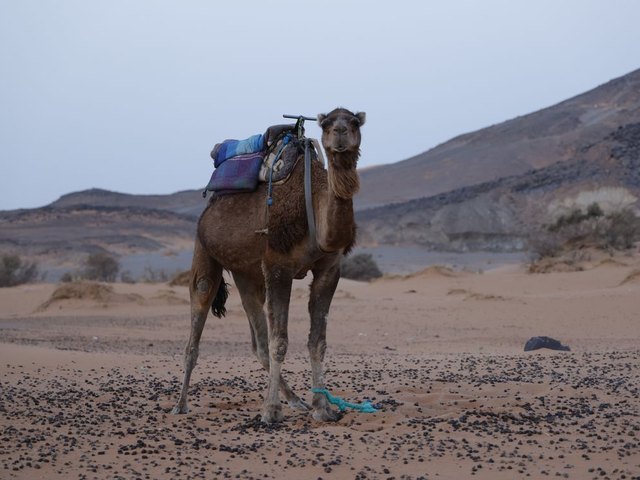
Dromedary camel
The one-humped “ship of the desert”, able to go for days without water.
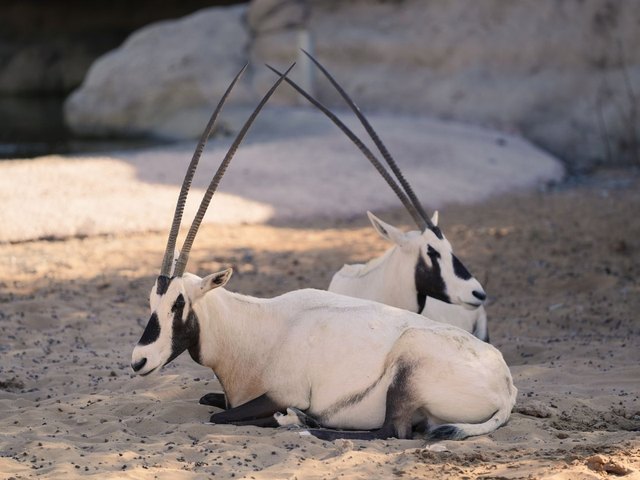
Arabian oryx
A white, straight-horned antelope saved from extinction in Arabia.
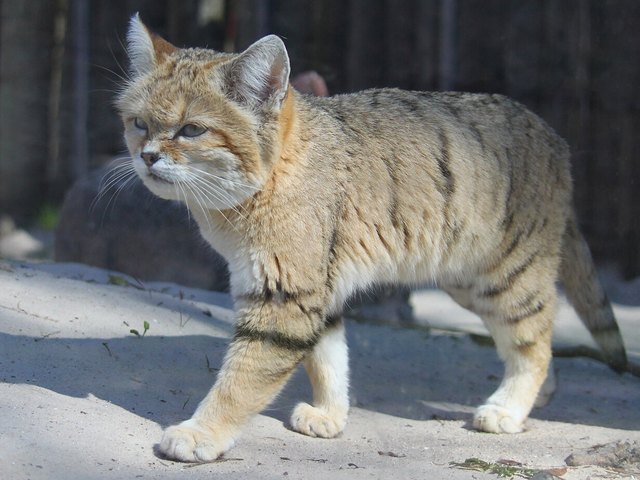
Sand cat
A small wildcat with furry foot-pads that walk unburnt across hot sand.
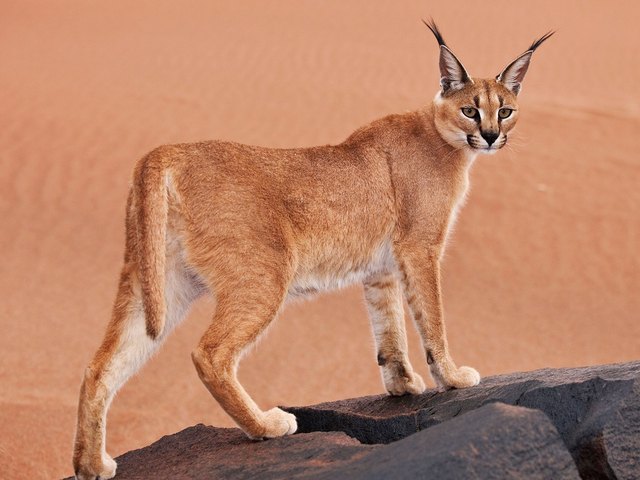
Caracal
A tawny desert cat with black ear-tufts, famous for leaping at birds.
Birds
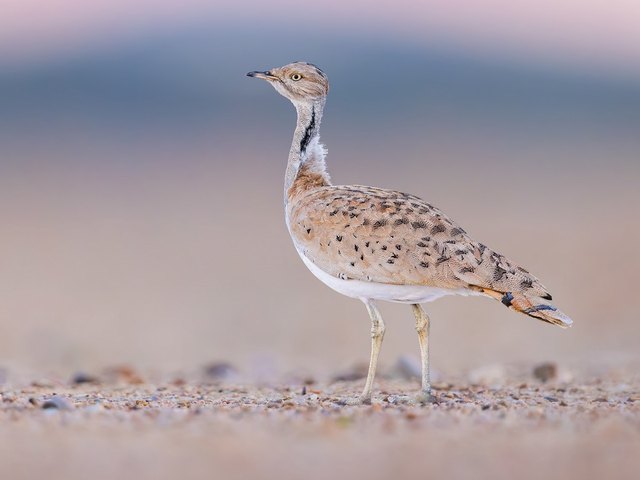
Houbara bustard
A well-camouflaged desert bird of Arabia and Central Asia.
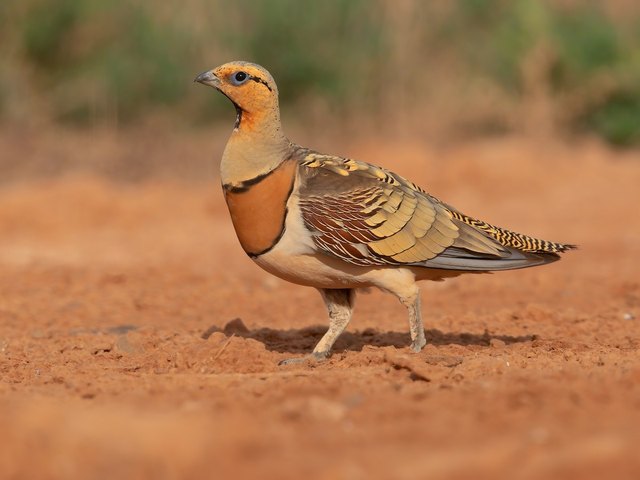
Sandgrouse
Flies vast distances to water and soaks it up in its breast feathers.
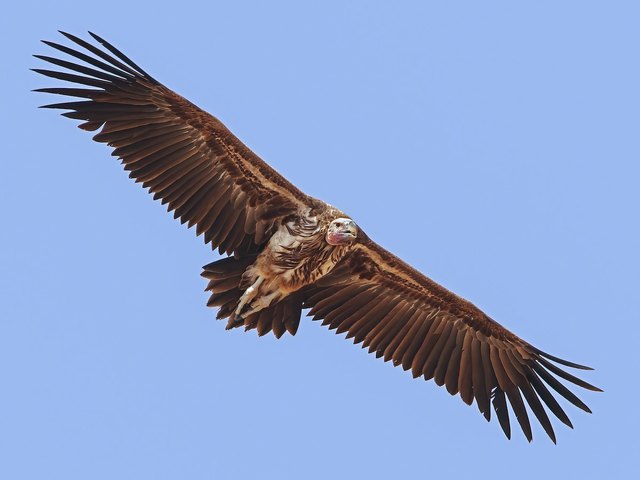
Lappet-faced vulture
A huge, powerful vulture that soars above African and Arabian deserts.
Trees & plants
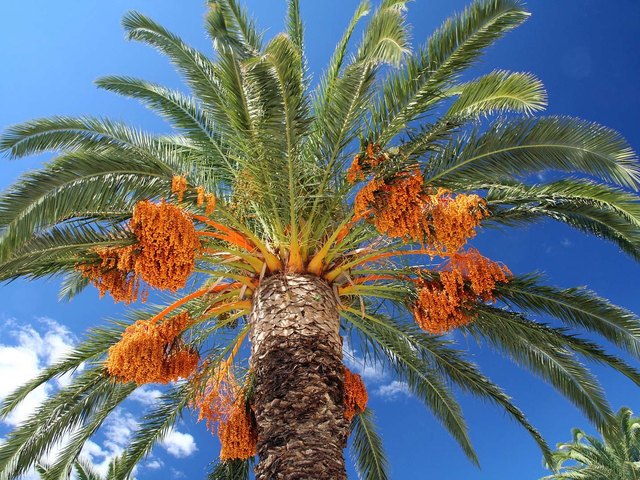
Date palm
The classic oasis tree, feeding desert peoples with sweet dates for millennia.
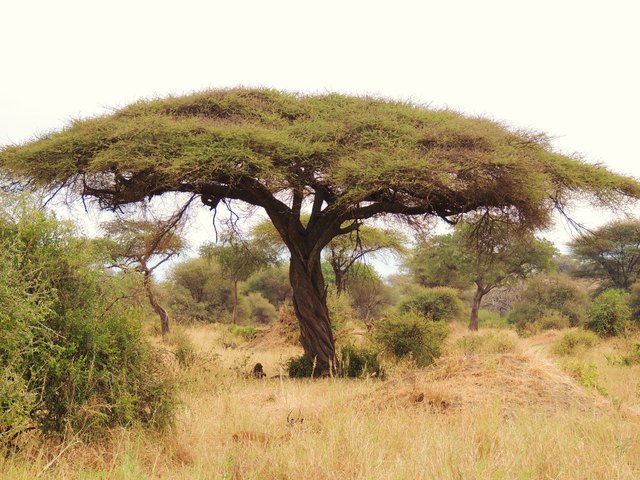
Acacia (thorn tree)
Flat-topped thorn trees that survive on scarce desert groundwater.
Day & night in the Arabian Desert
Deserts are famous for their extreme temperature swings. Flip between day and night to feel the difference — these are typical figures for a subtropical desert.
Midday sun
+45°C
typical daytime high
Blistering daytime heat gives way to surprisingly cool nights — clear skies let the day’s warmth escape, and the temperature can tumble by 30°C or more after dark.
Recorded range for the Arabian Desert: Often above 50°C