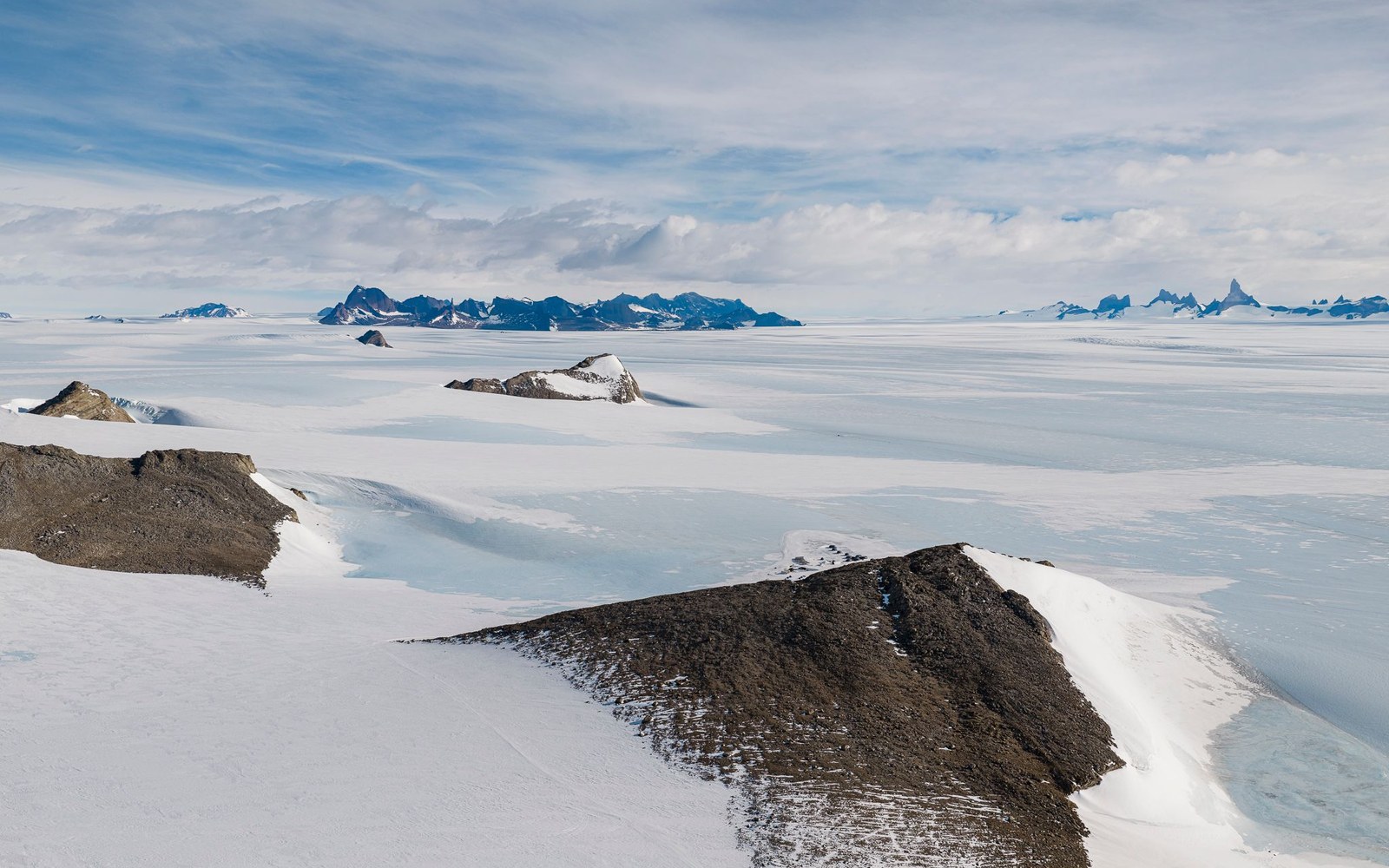
The largest desert in the world — a frozen polar desert blanketing almost an entire continent in ice.
Area
14,000,000 km²
Continent
Antarctica
Location
The continent of Antarctica
Temperature
Down to −89°C
Rainfall
Under 50 mm a year
Climate
Polar desert
About the Antarctic Polar Desert
Antarctica is the largest desert on Earth. Though buried under kilometres of ice, it receives almost no precipitation — the frigid air simply cannot hold moisture. Its McMurdo Dry Valleys are among the driest places anywhere, possibly rainless for two million years, and the lowest natural temperature ever recorded, −89.2°C, was measured here.
Did you know?
Parts of its Dry Valleys may not have seen rain or snow for around two million years.
Highlights
- The largest desert on the planet
- Holds the coldest temperature ever recorded
- The near-rainless McMurdo Dry Valleys
Photo gallery
Life in the Antarctic Polar Desert
Animals, birds and plants that have adapted to survive this landscape.
Animals
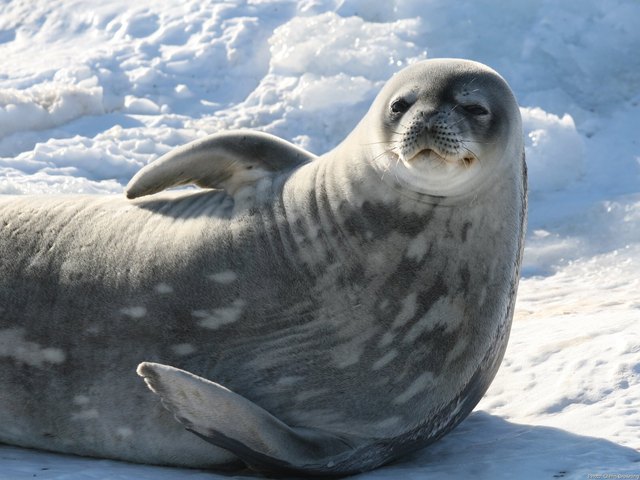
Weddell seal
An Antarctic seal that lives farther south than almost any mammal.
Birds
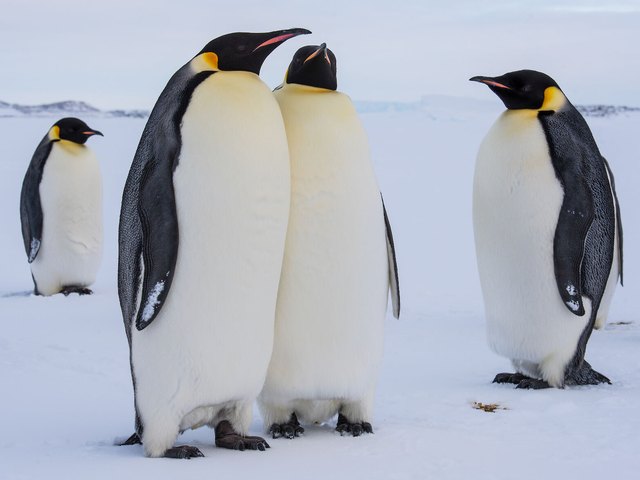
Emperor penguin
The tallest penguin, breeding through the Antarctic winter on sea ice.
Trees & plants
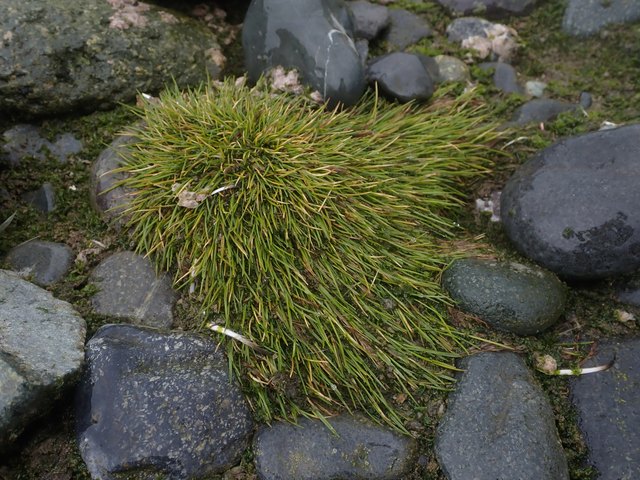
Antarctic hair grass
One of only two flowering plants tough enough to grow in Antarctica.
Day & night in the Antarctic Polar Desert
Deserts are famous for their extreme temperature swings. Flip between day and night to feel the difference — these are typical figures for a polar desert.
Midday sun
-20°C
typical daytime high
Here it is cold by day and brutally colder by night. In the long polar winter the sun barely rises and temperatures can plunge below -60°C.
Recorded range for the Antarctic Polar Desert: Down to −89°C