The Flowing & Still Waters of the World
Rivers & Lakes of the World
A journey through 100 of Earth's great rivers and lakes — 57 rivers and 43 lakes across 80+ countries — from the longest river and deepest lake to the saltiest, highest and strangest waters, with real photos, the wildlife they support and the little-known stories behind them.
Rivers & Lakes of the World — the full tour
Prefer to watch? Take the whole journey through 100 of the planet’s greatest rivers and lakes in one film — the freshwater giants, the strangest waters, and the life they support.
Interactive · 3D journey
Journey of a river · source → sea
Every river runs the same great journey — from an icy mountain spring, down through gorges and looping meanders, to a wide delta where it meets the sea. Tap a stage to follow the water downstream.
Tip: hover to tilt the valley · tap a stage to float downstream
The Source
Every river begins high up — in a mountain spring, a melting glacier or a boggy upland. The water is cold, clear and fast, tumbling down the steepest ground of its whole journey.
Landforms here
Interactive · 3D dive
How deep does a lake go?
A lake is layered from the sunlit, weed-filled shallows down to a cold, dark bed. Tap a zone to dive the submersible through the water column — and meet the life that belongs at each depth.
Tip: hover the column to tilt it · tap a layer to dive
Littoral Zone
The warm, bright band close to shore where sunlight reaches the bottom. Reeds, water lilies and rooted plants grow thickly here, making it the busiest, most crowded part of the whole lake.
Who lives here
Record holders
The longest, deepest, largest, highest and strangest waters on Earth — the rivers and lakes that break the records.
Longest river
≈ 6,650 km
The Nile runs the length of a continent, from the highlands of East Africa to the Mediterranean — by most reckonings the longest river on Earth.
NileGreatest by volume
≈ 209,000 m³ per second
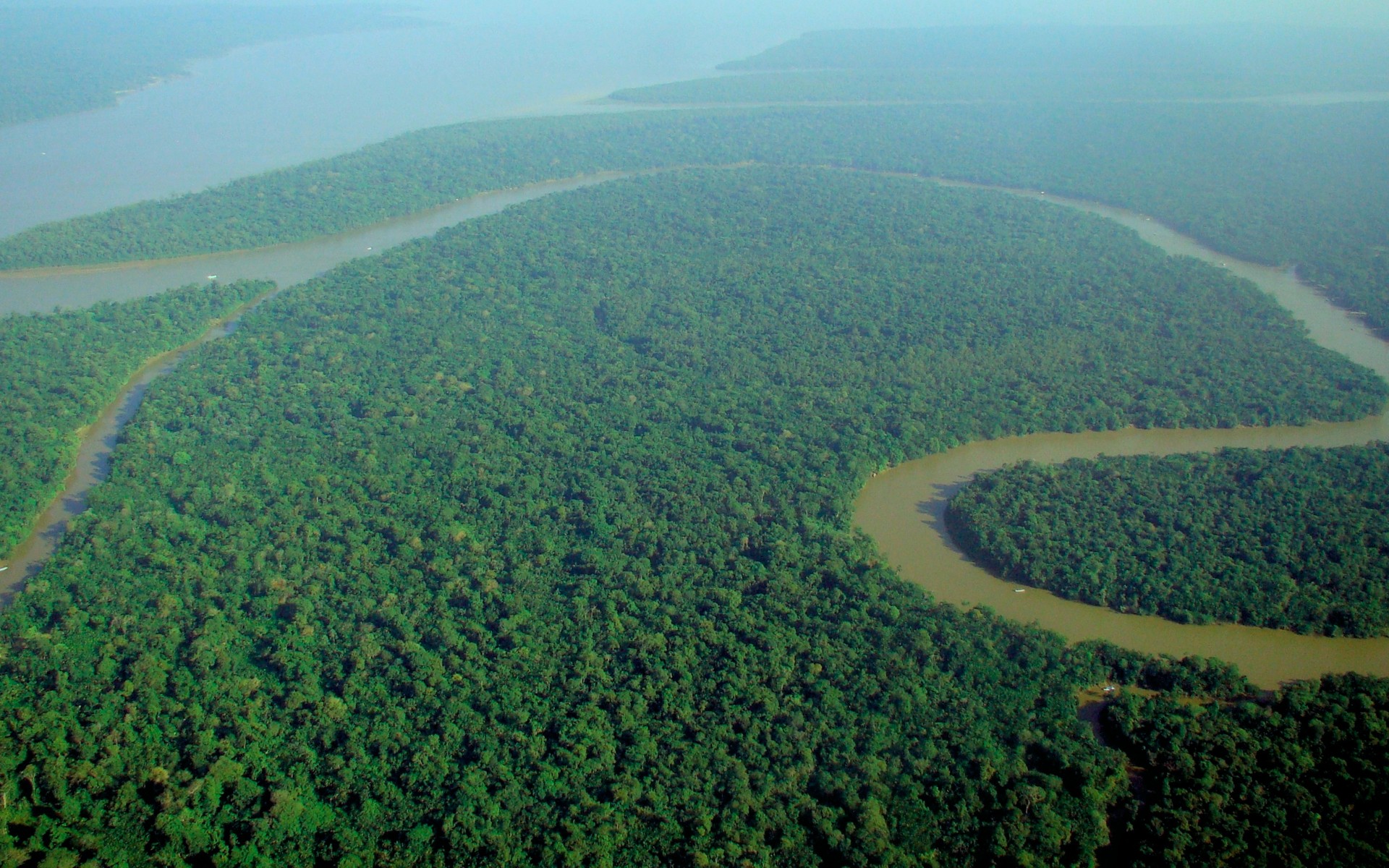
The Amazon pours more water into the sea than the next seven biggest rivers combined — about a fifth of all the river water on the planet.
AmazonDeepest & oldest lake
≈ 1,642 m deep, ~25 million years old
Siberia’s Lake Baikal holds about a fifth of all the unfrozen fresh water on Earth and is older than any other lake alive.
Lake BaikalLargest lake on Earth
≈ 371,000 km²
So vast it is called a sea, the landlocked Caspian holds roughly 40% of all the lake water in the world.
Caspian SeaLargest freshwater lake by area
≈ 82,100 km²
Lake Superior could flood both American continents to a depth of about 30 cm — the greatest of the Great Lakes.
Lake SuperiorHighest large navigable lake
3,812 m above sea level
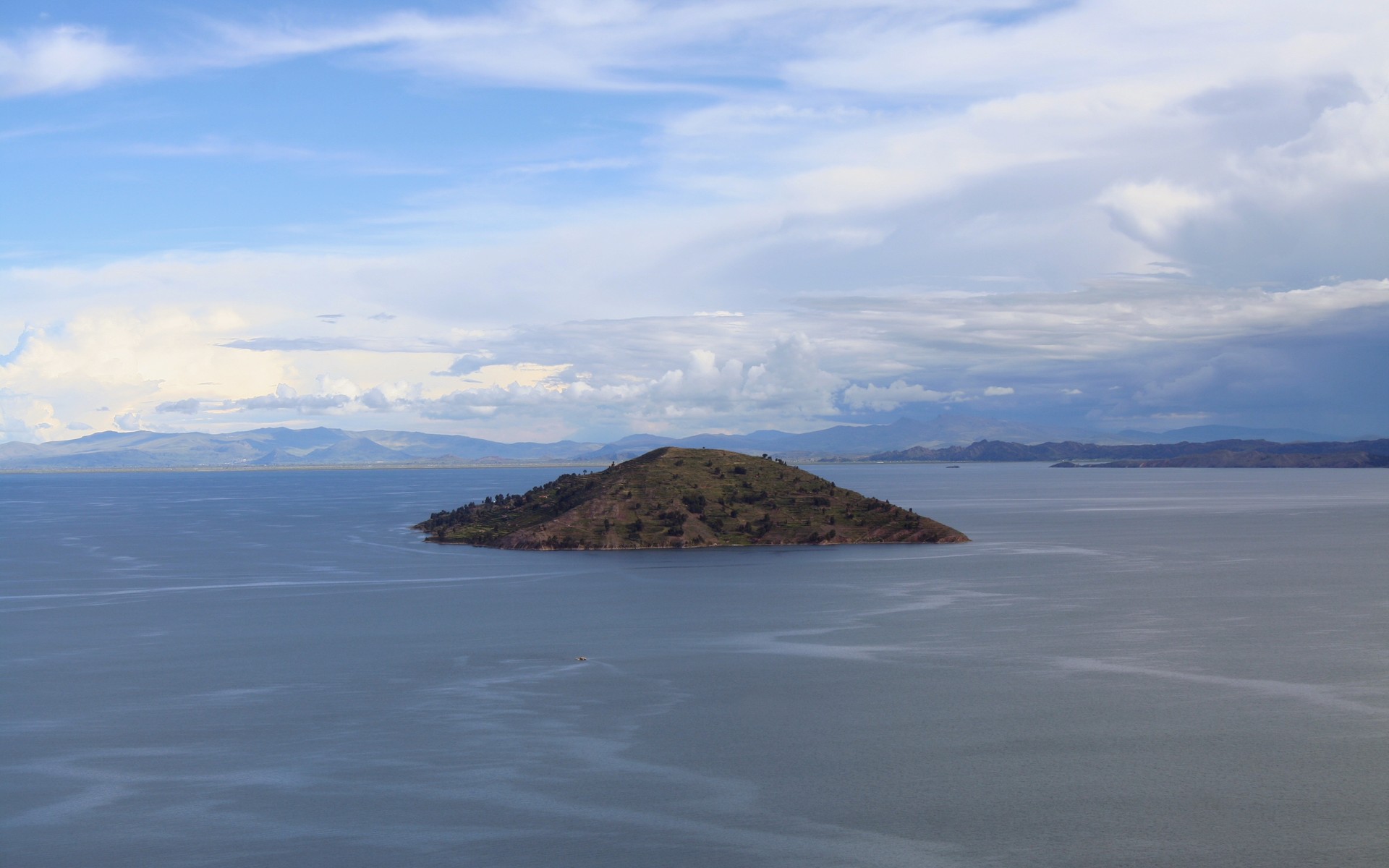
High in the Andes, Lake Titicaca sits above the summits of many mountains, plied by boats and floating reed islands.
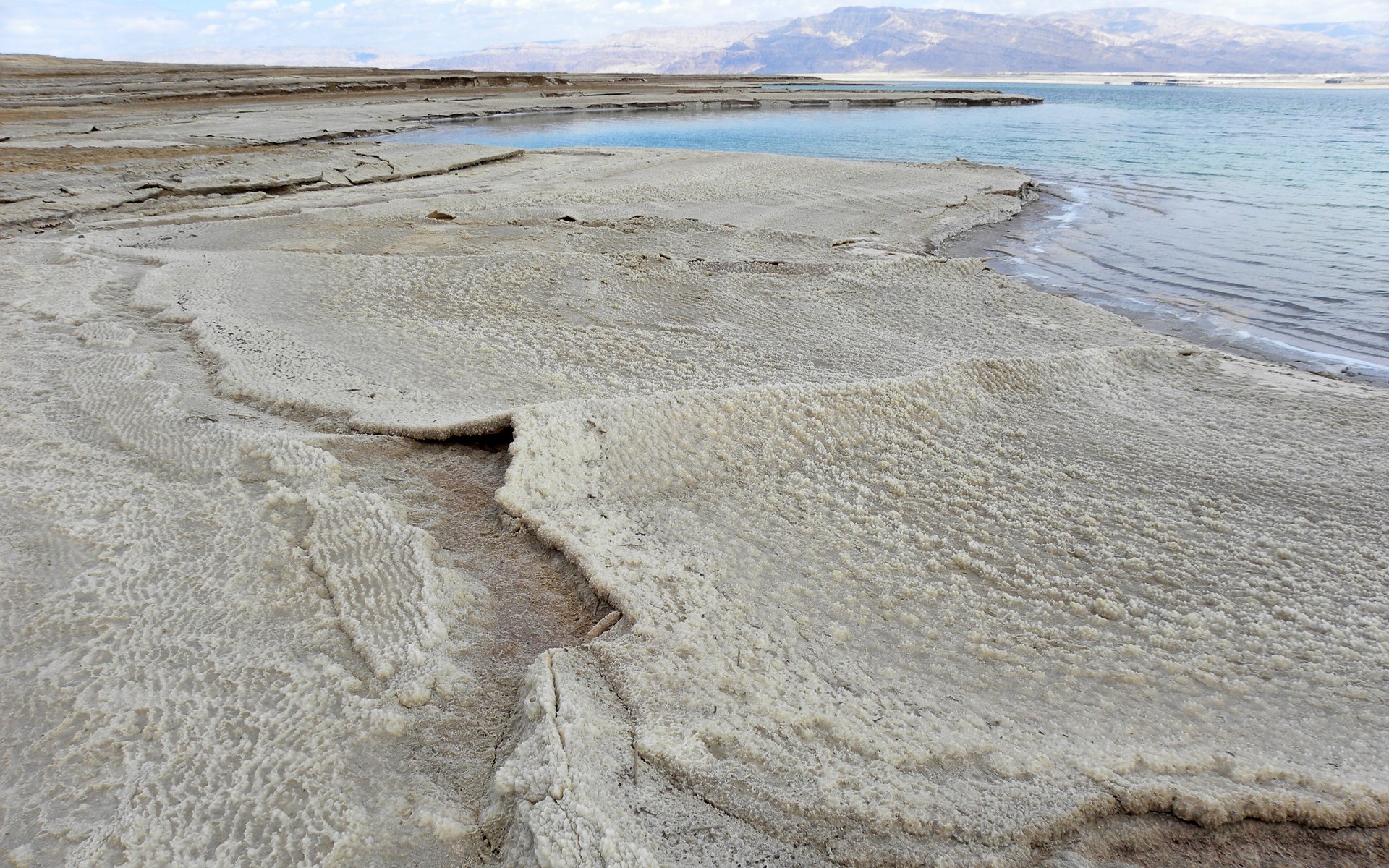
Lake TiticacaLowest & saltiest water
≈ 430 m below sea level, ~34% salt
Nearly ten times saltier than the ocean, the Dead Sea lets you float like a cork — and its shore is the lowest dry land on Earth.
Dead SeaLightning capital of the world
≈ 260 storm nights a year
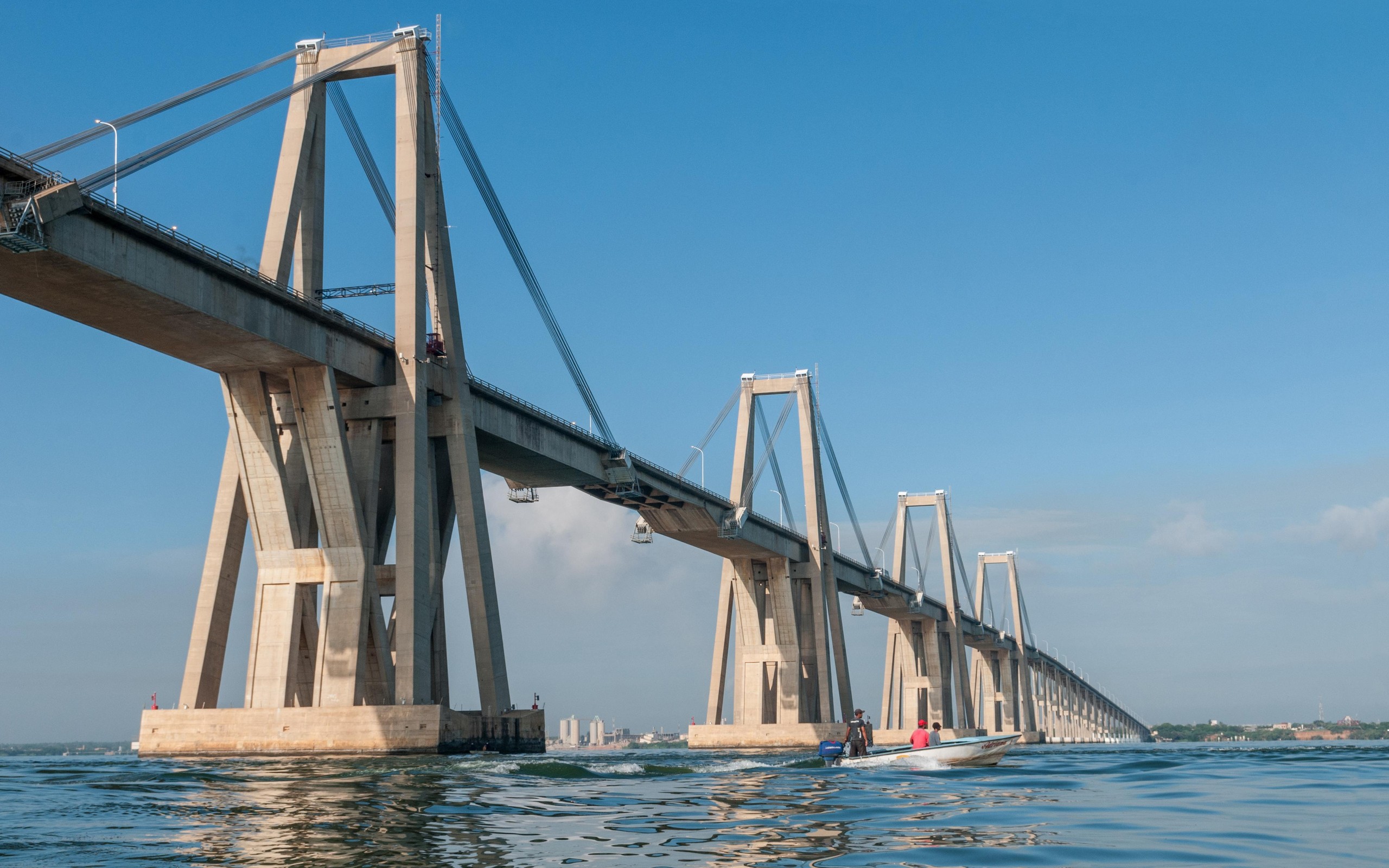
Where the Catatumbo River meets Lake Maracaibo, lightning flashes almost nightly — the most of anywhere on the planet.
Lake MaracaiboHow are rivers & lakes born?
Water bodies are shaped by ice, fire, moving crust and flowing rivers themselves. Tap a force of nature to see how it builds a river or a lake.
Tectonic & rift lakes
Where the Earth’s crust pulls apart or sinks, it leaves deep basins that fill with water. These rift lakes are the deepest and oldest on the planet.
Examples
Rivers
57 waters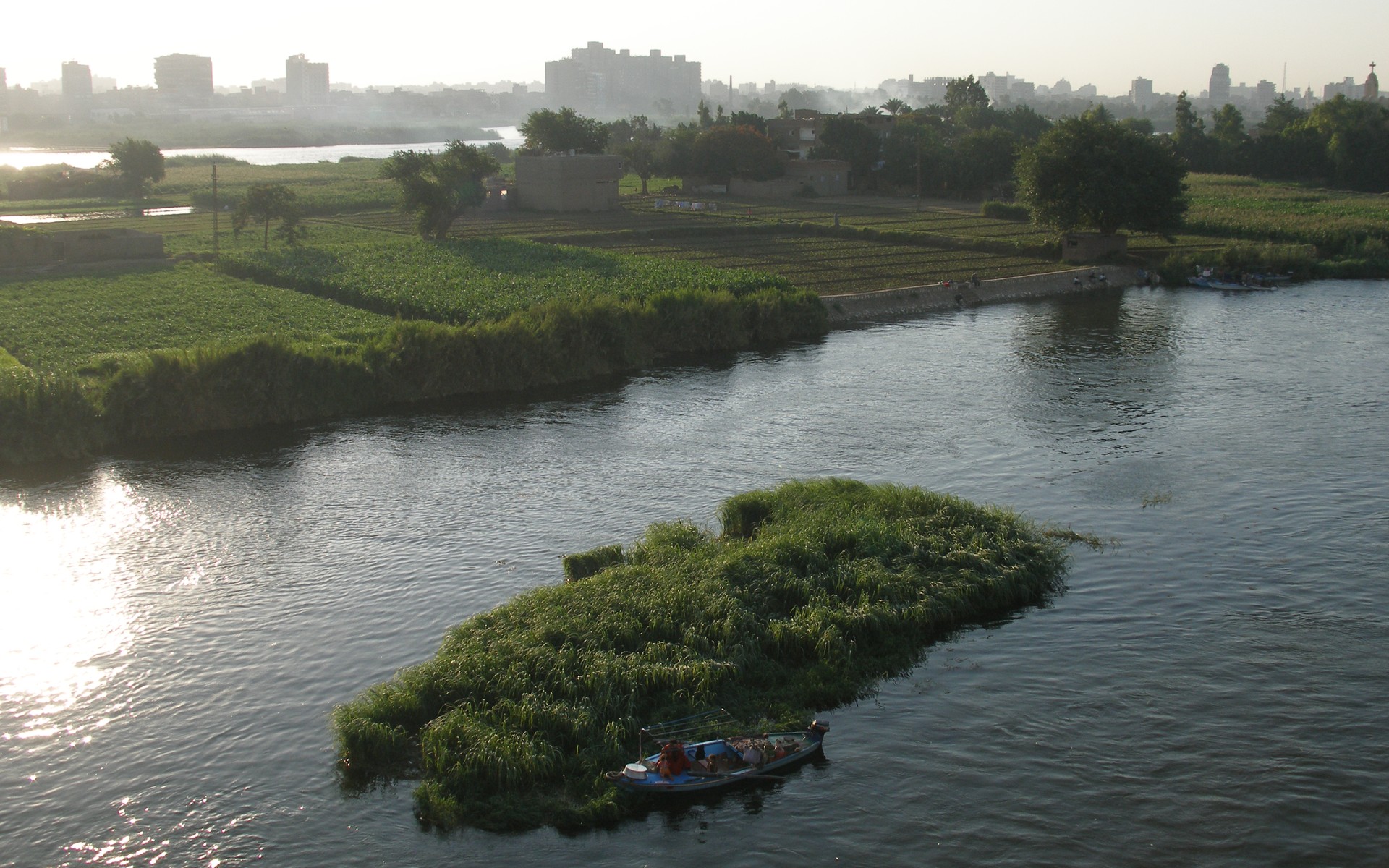
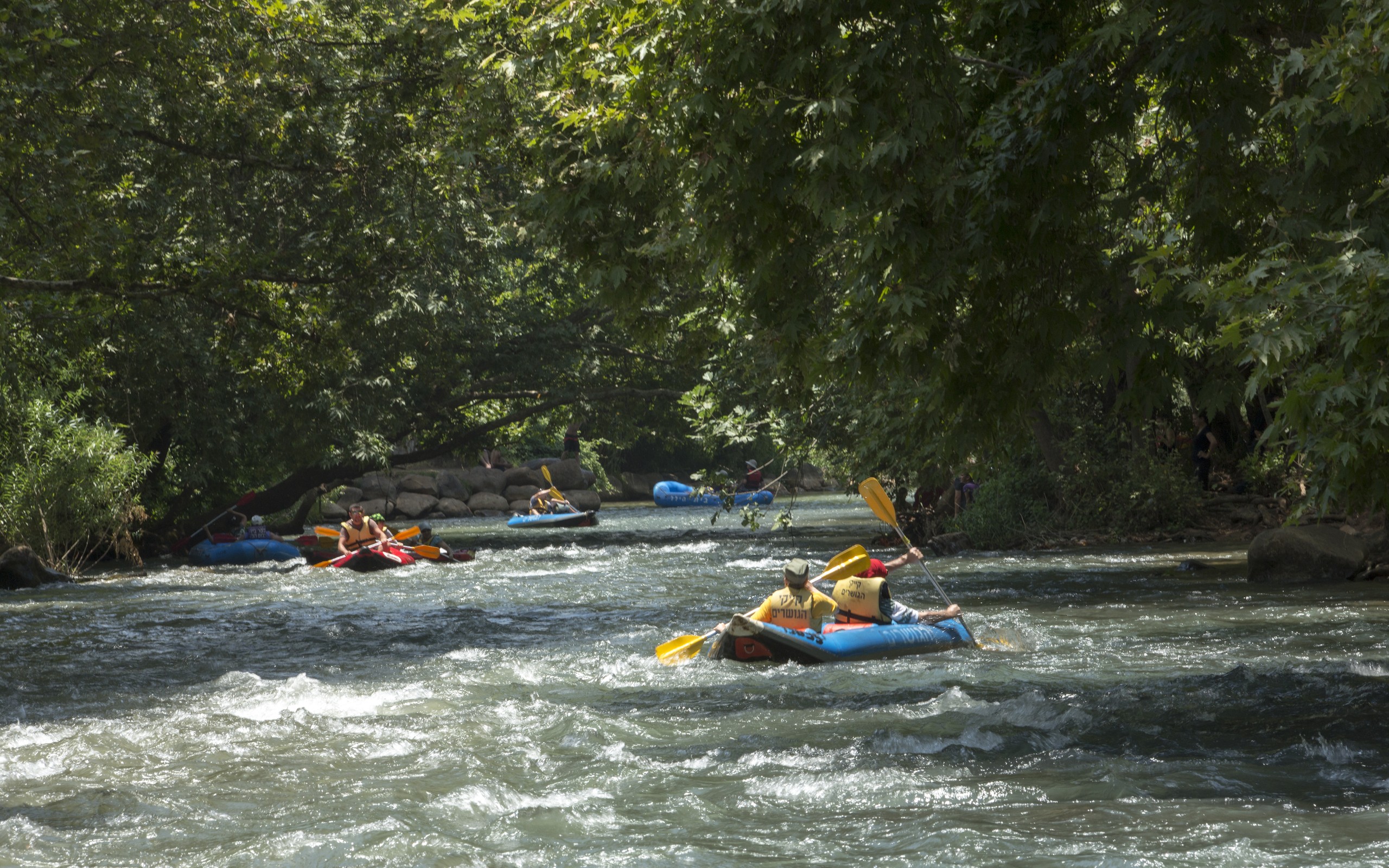
Lakes
33 waters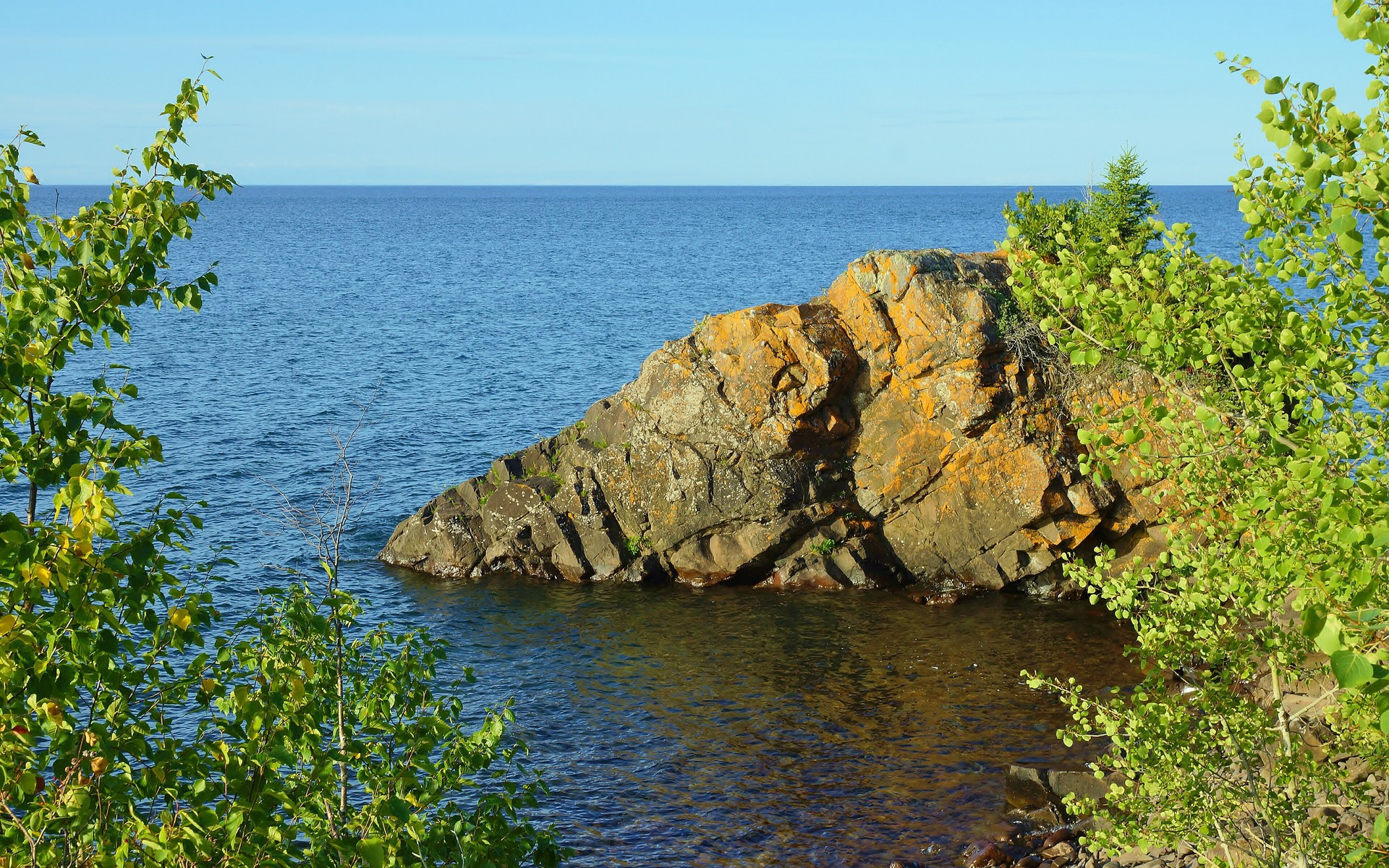
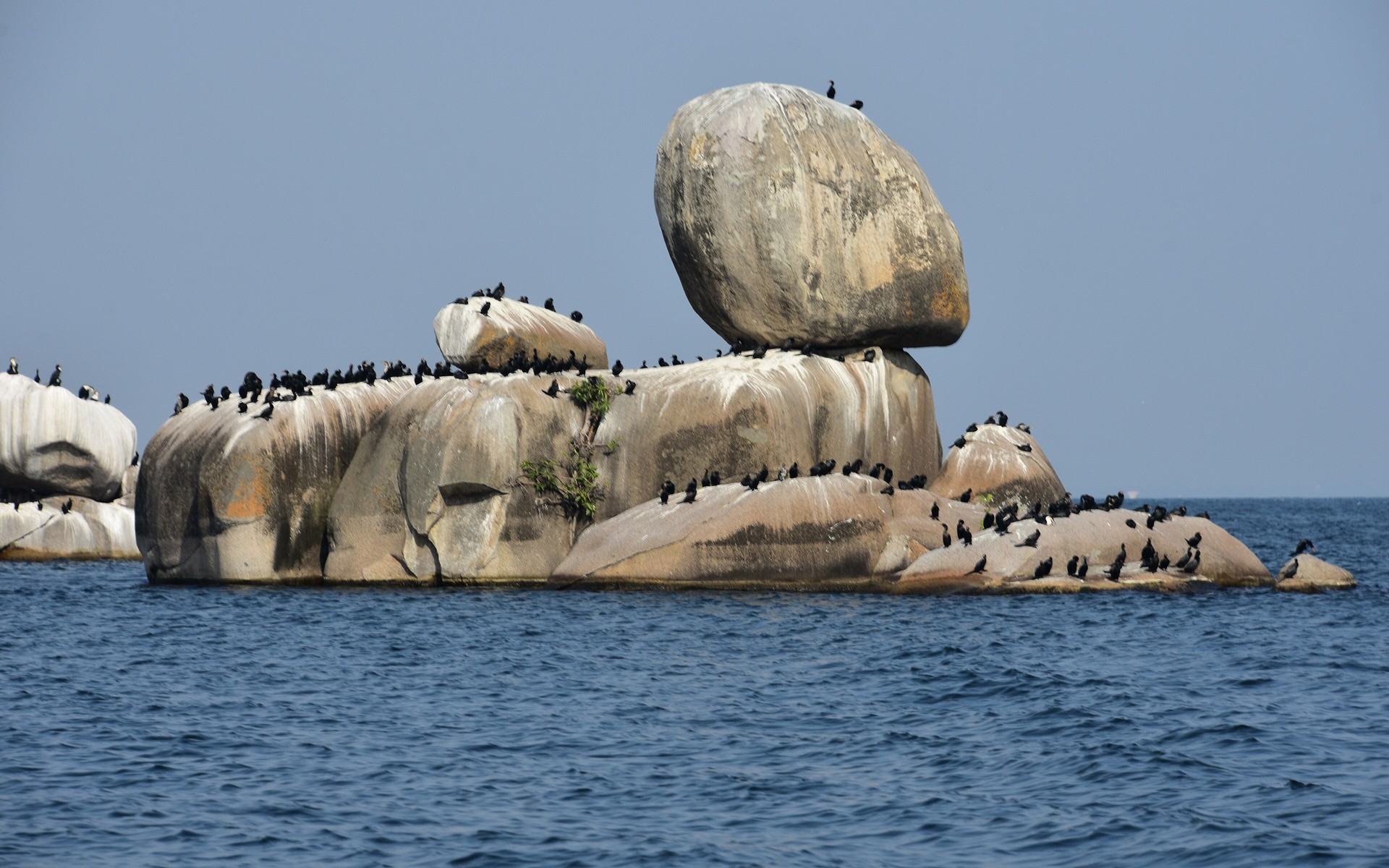
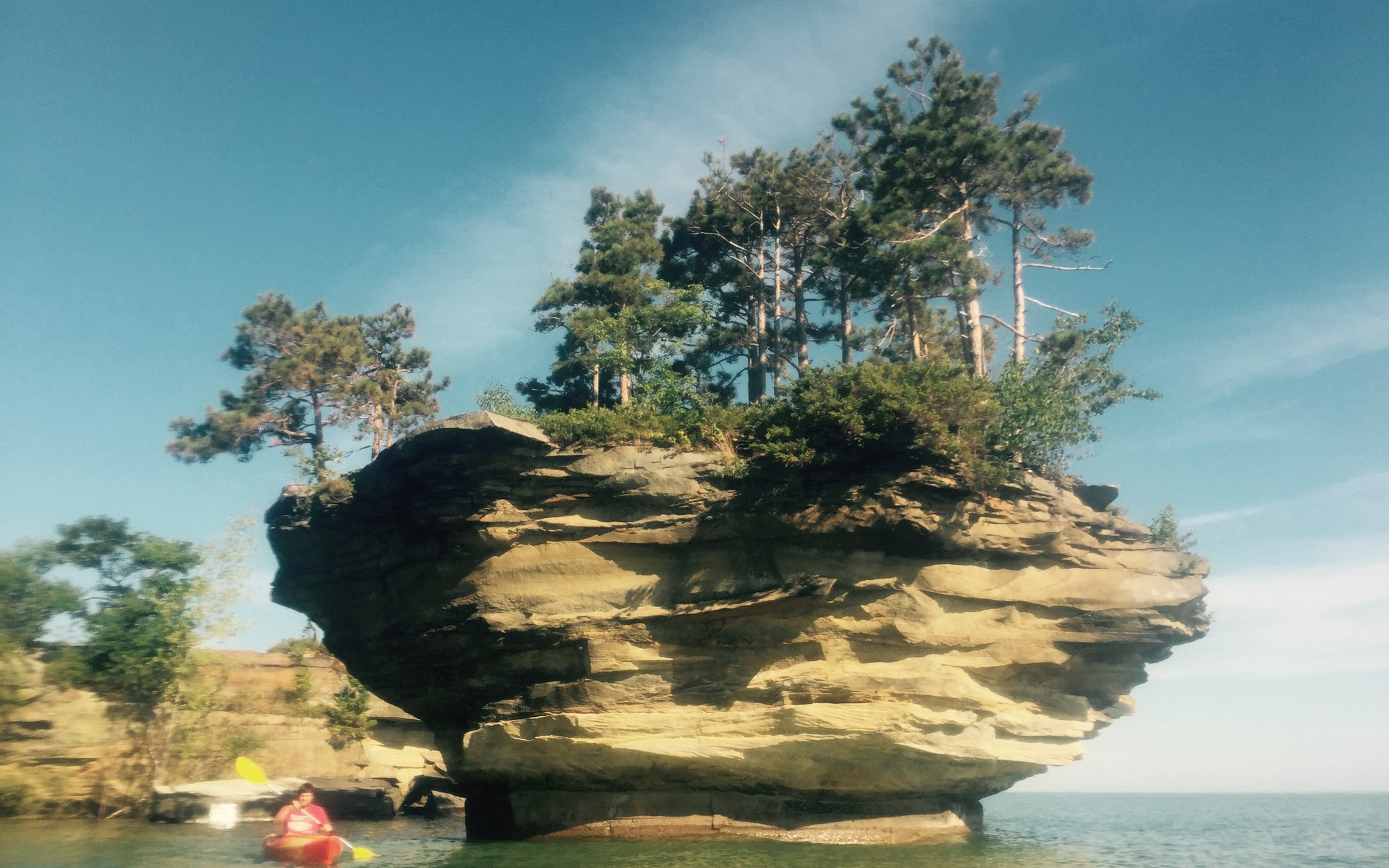
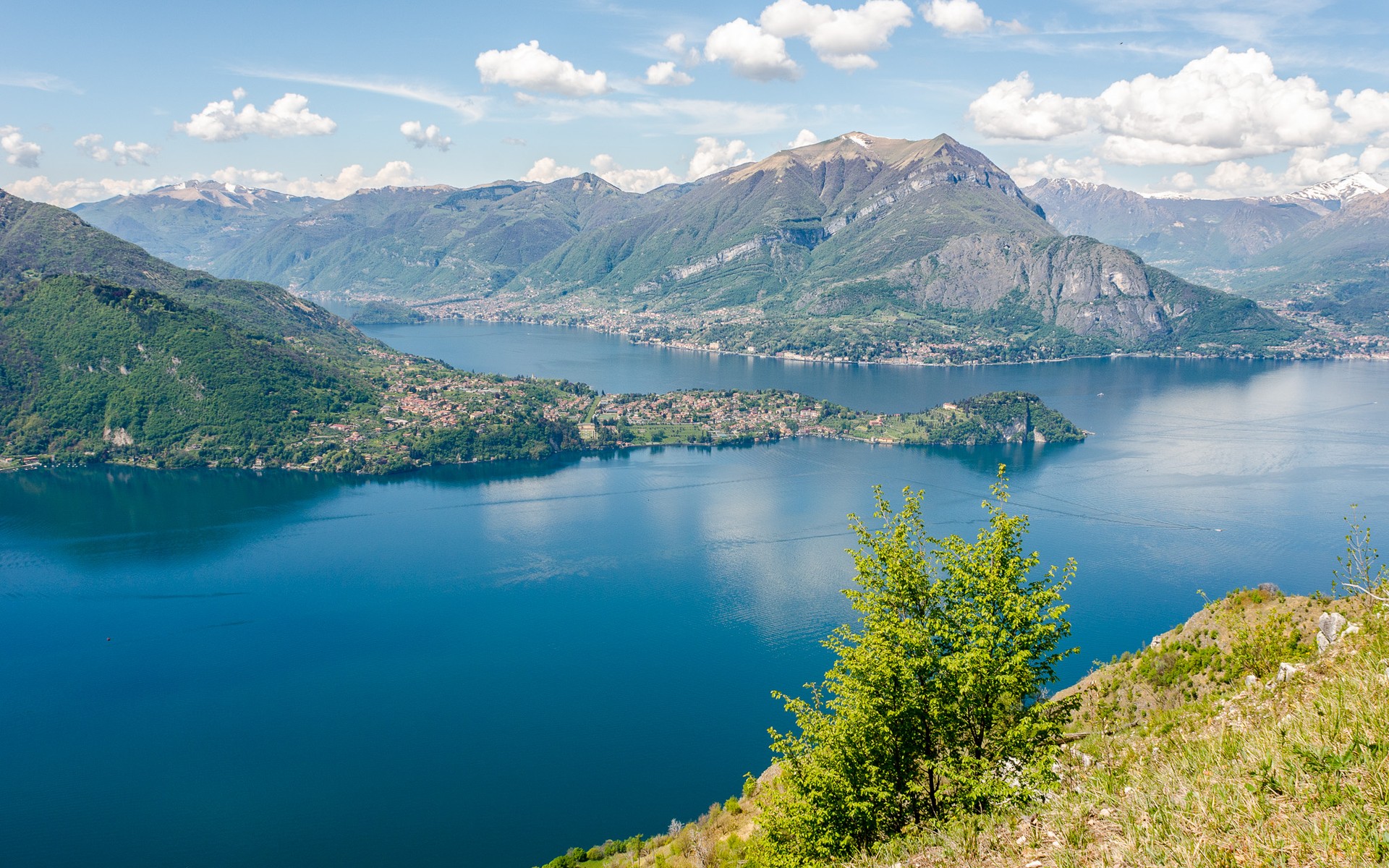
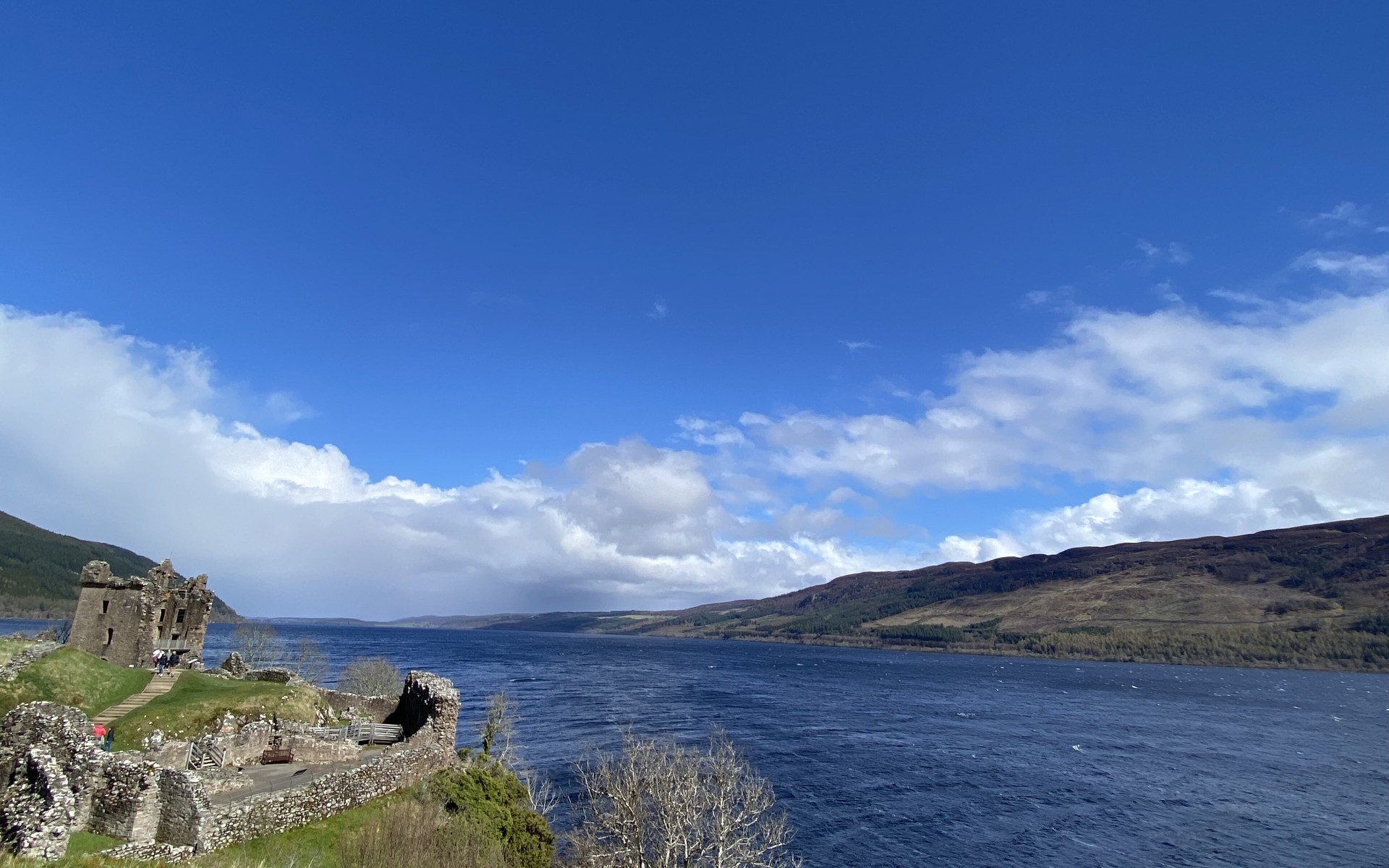
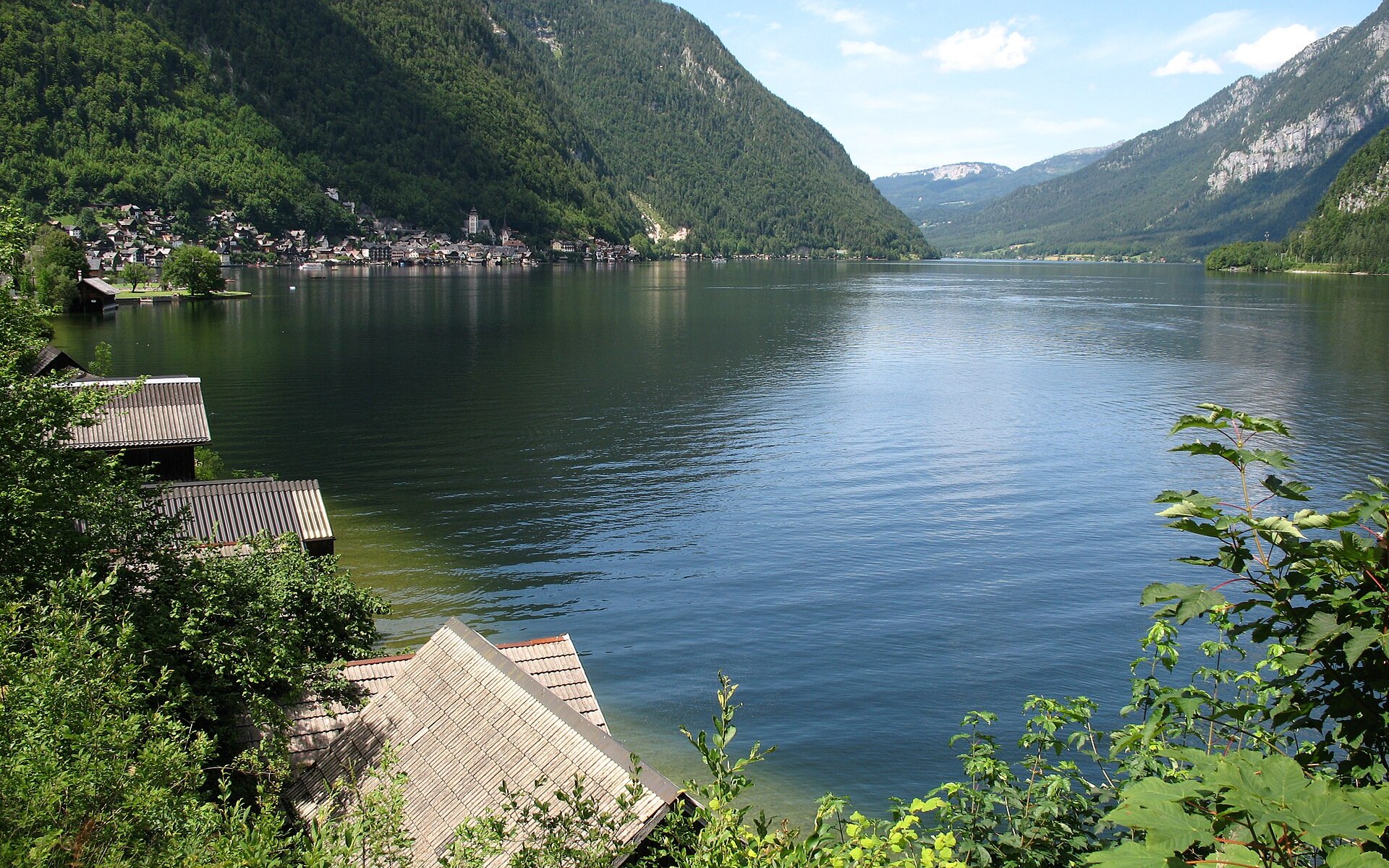
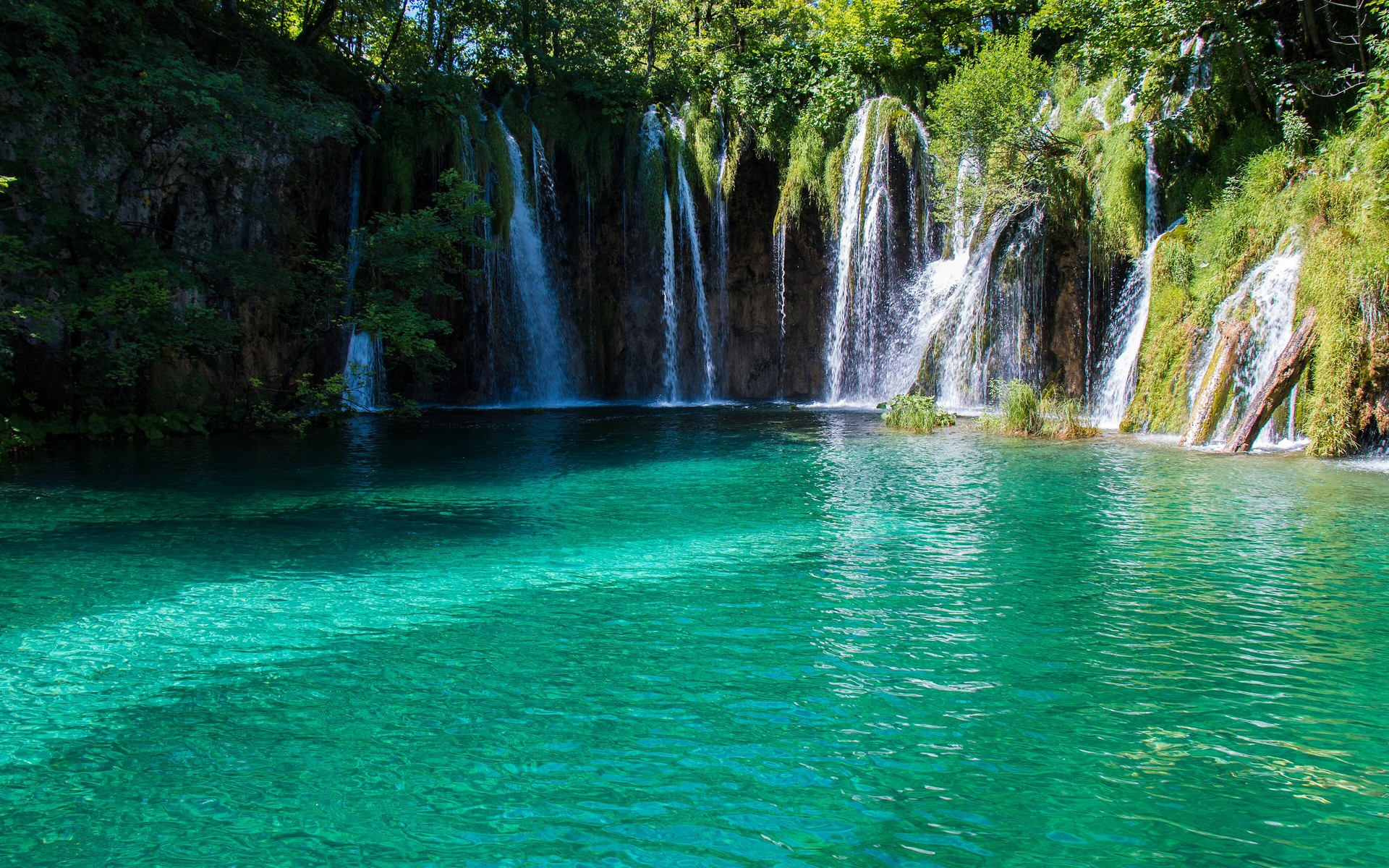
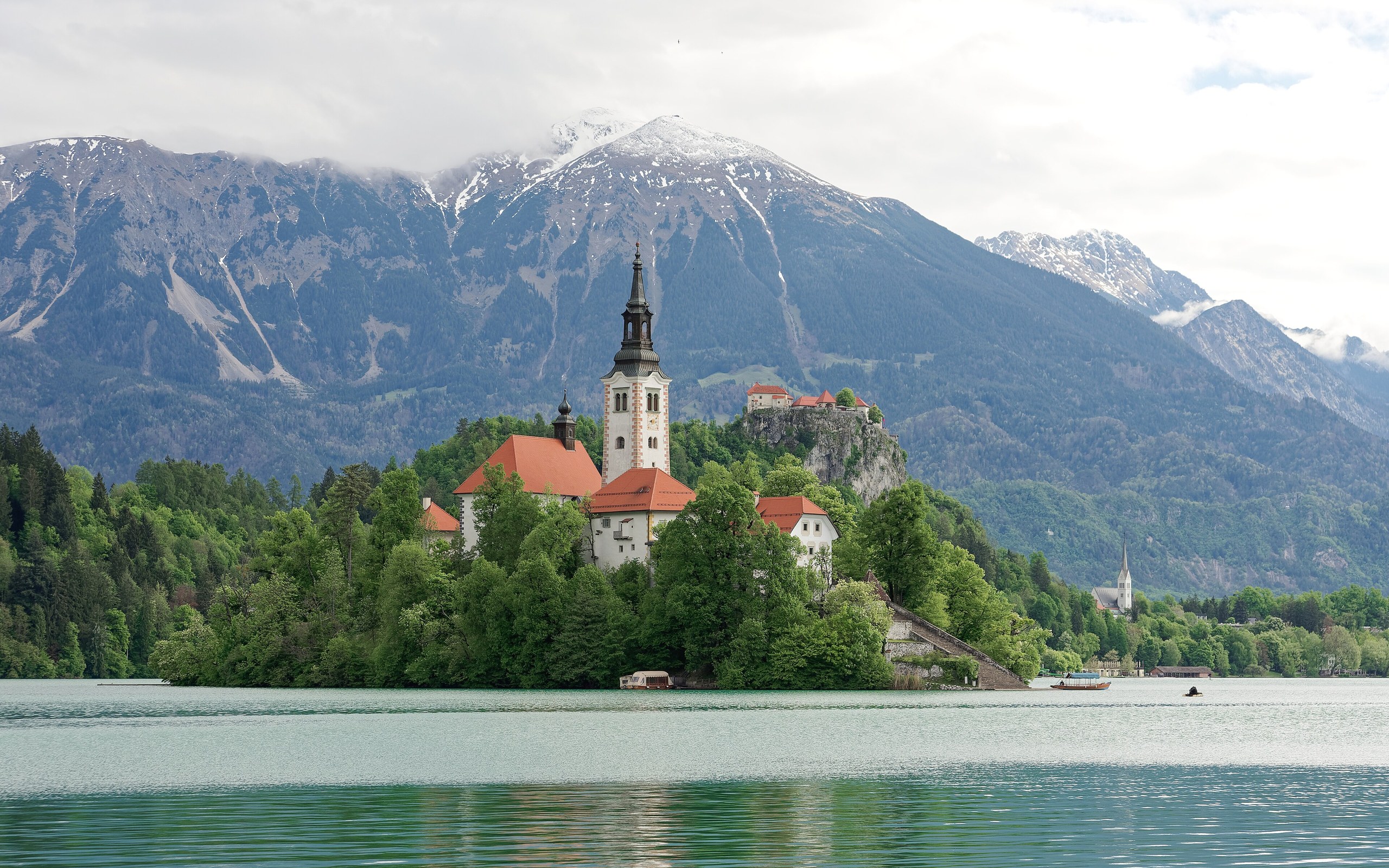
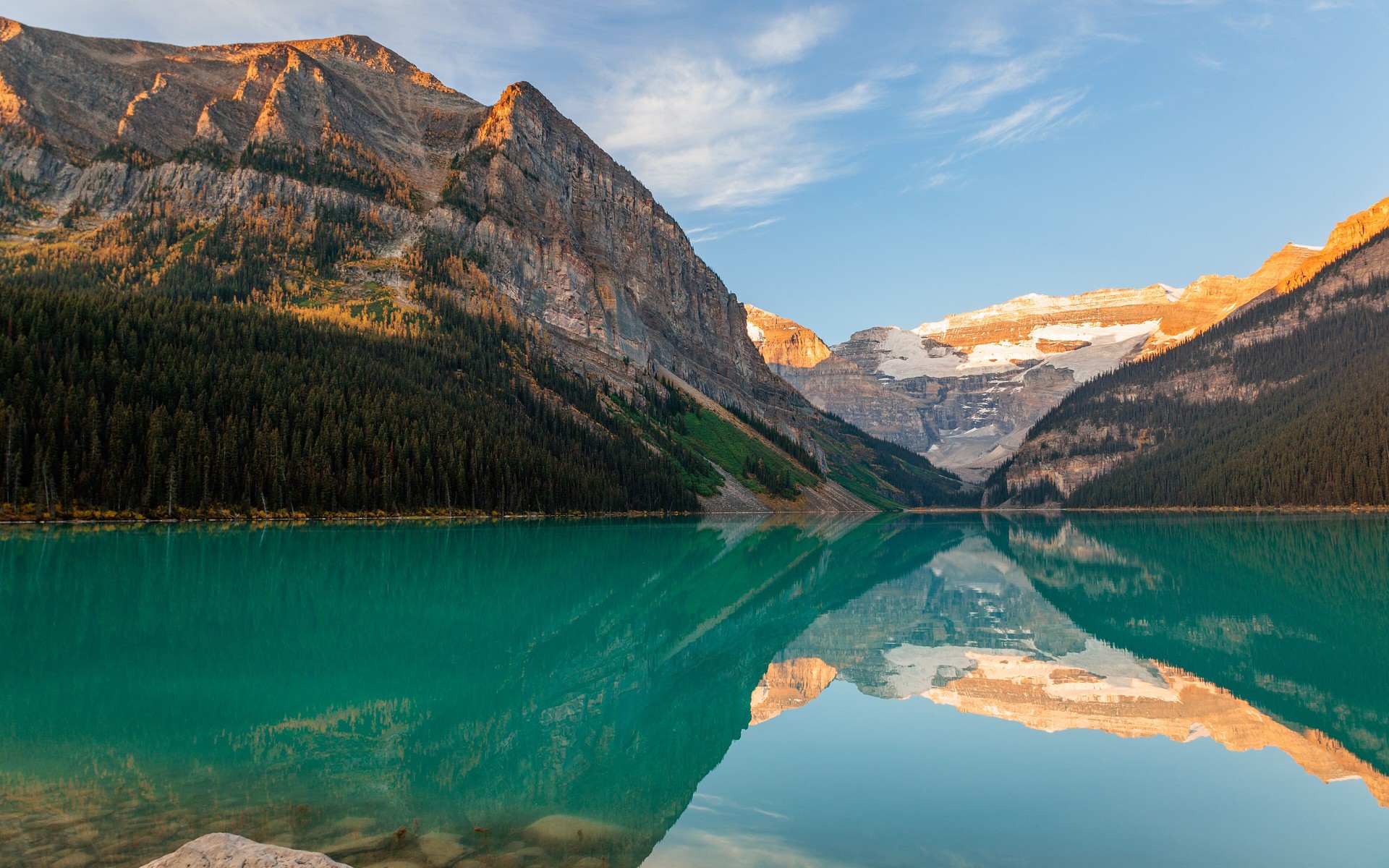
Salt Lakes
7 waters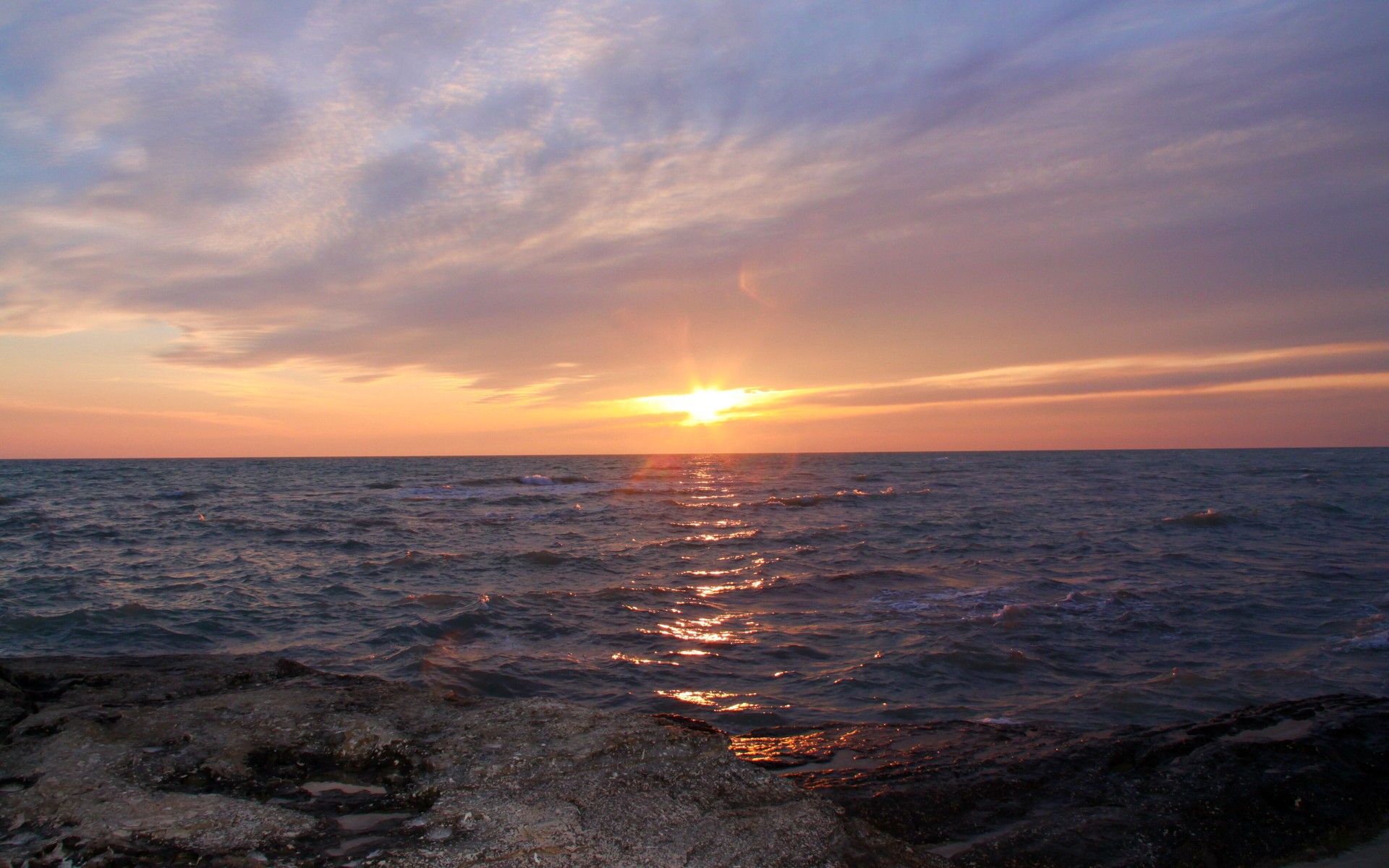
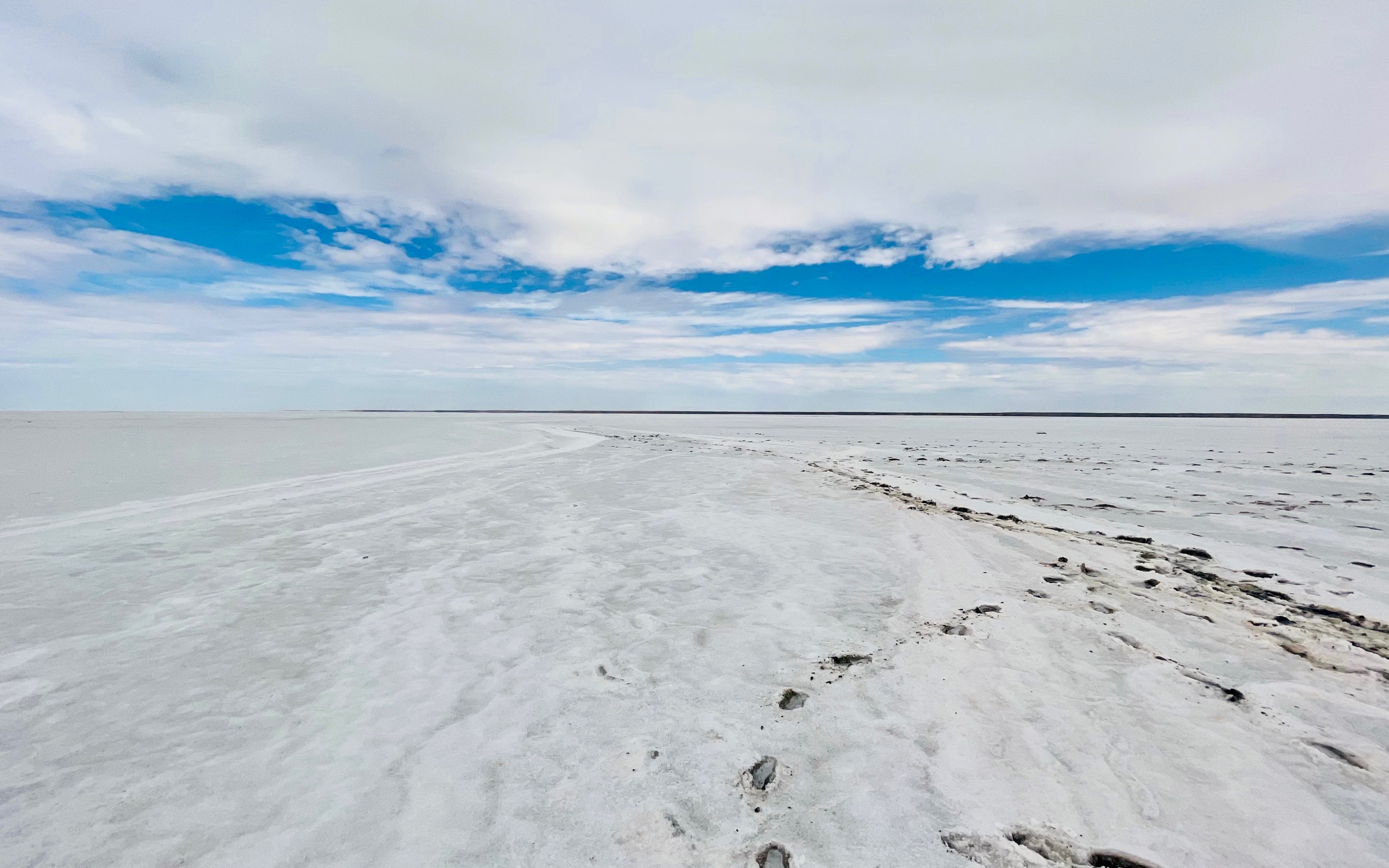
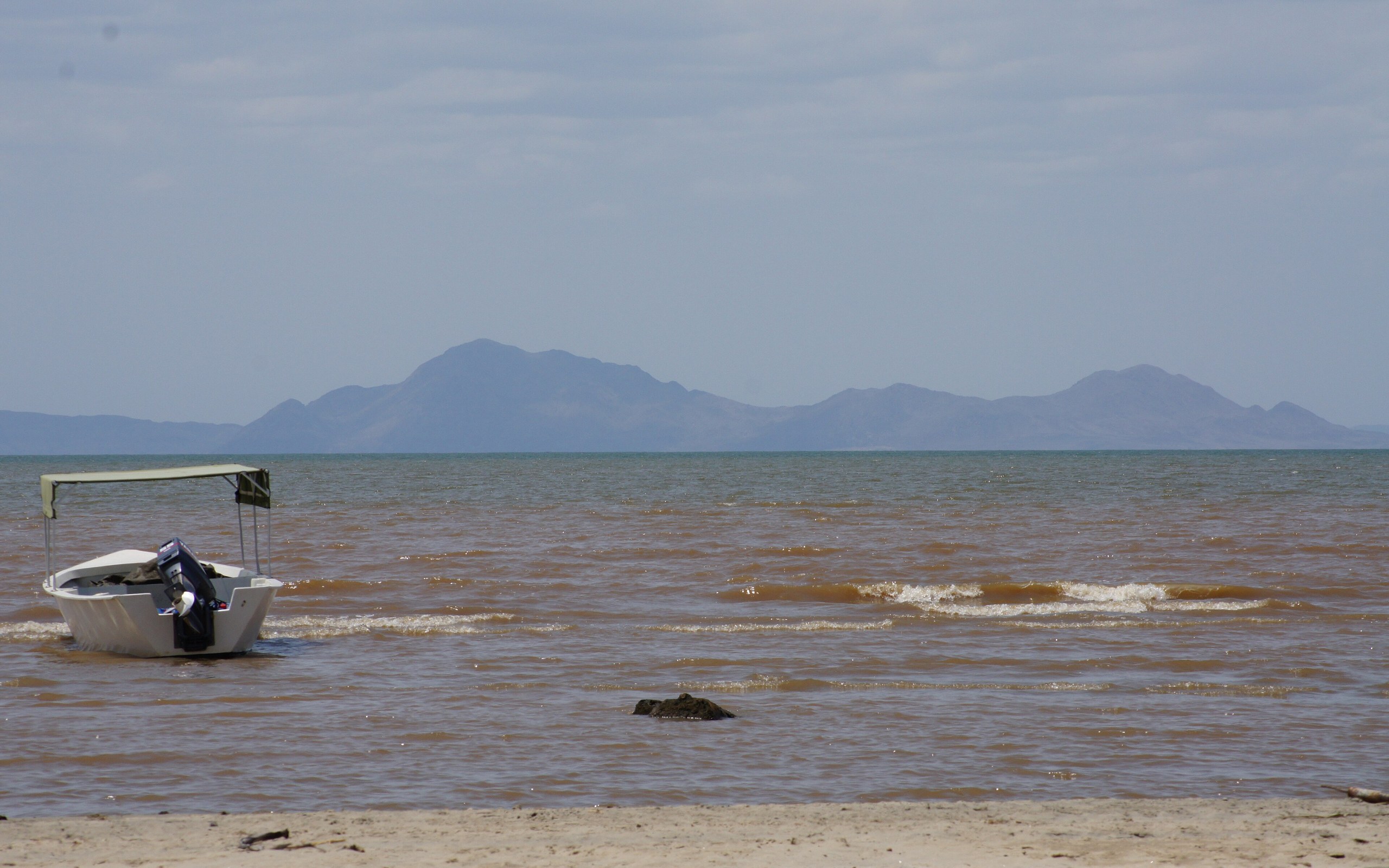
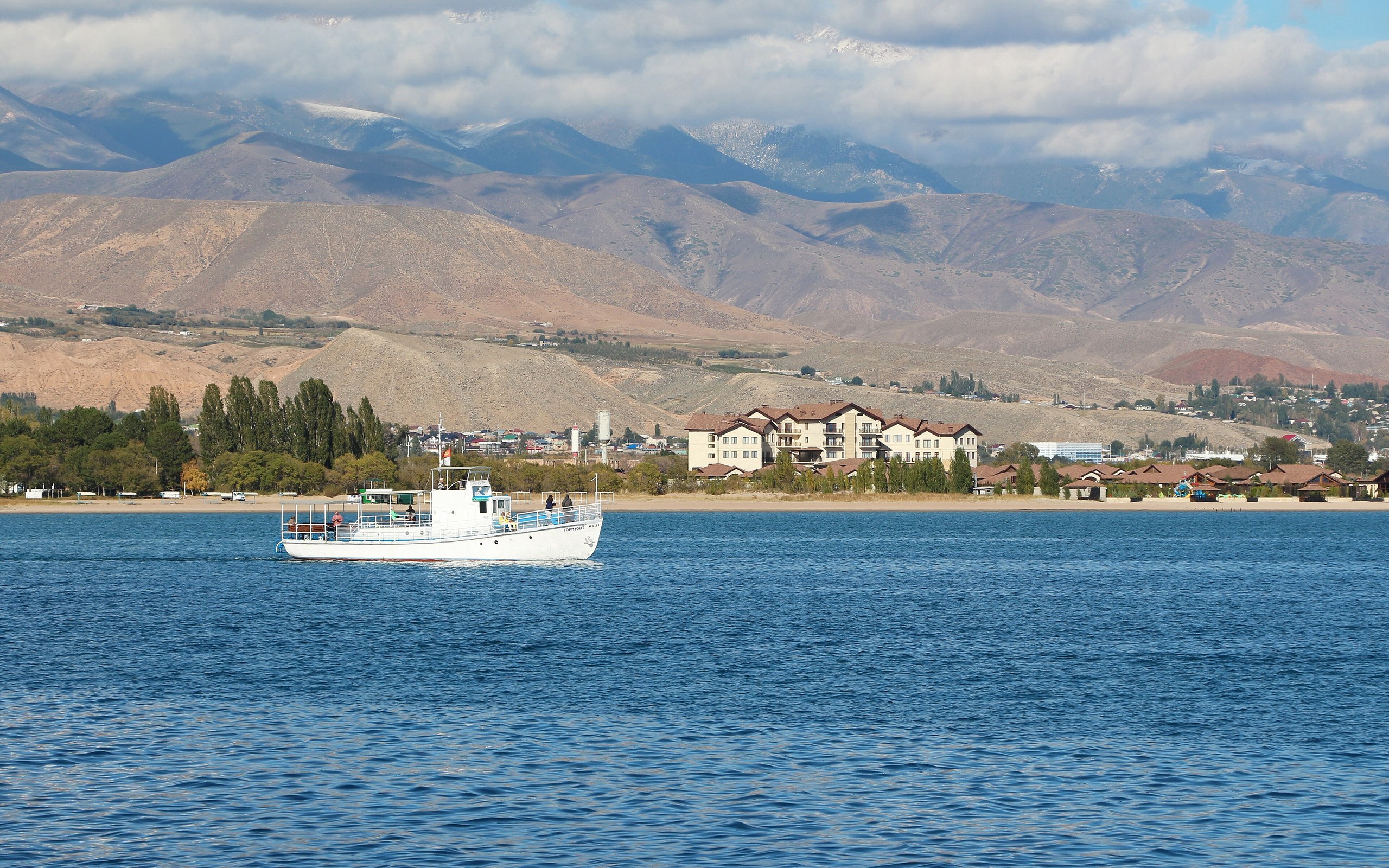
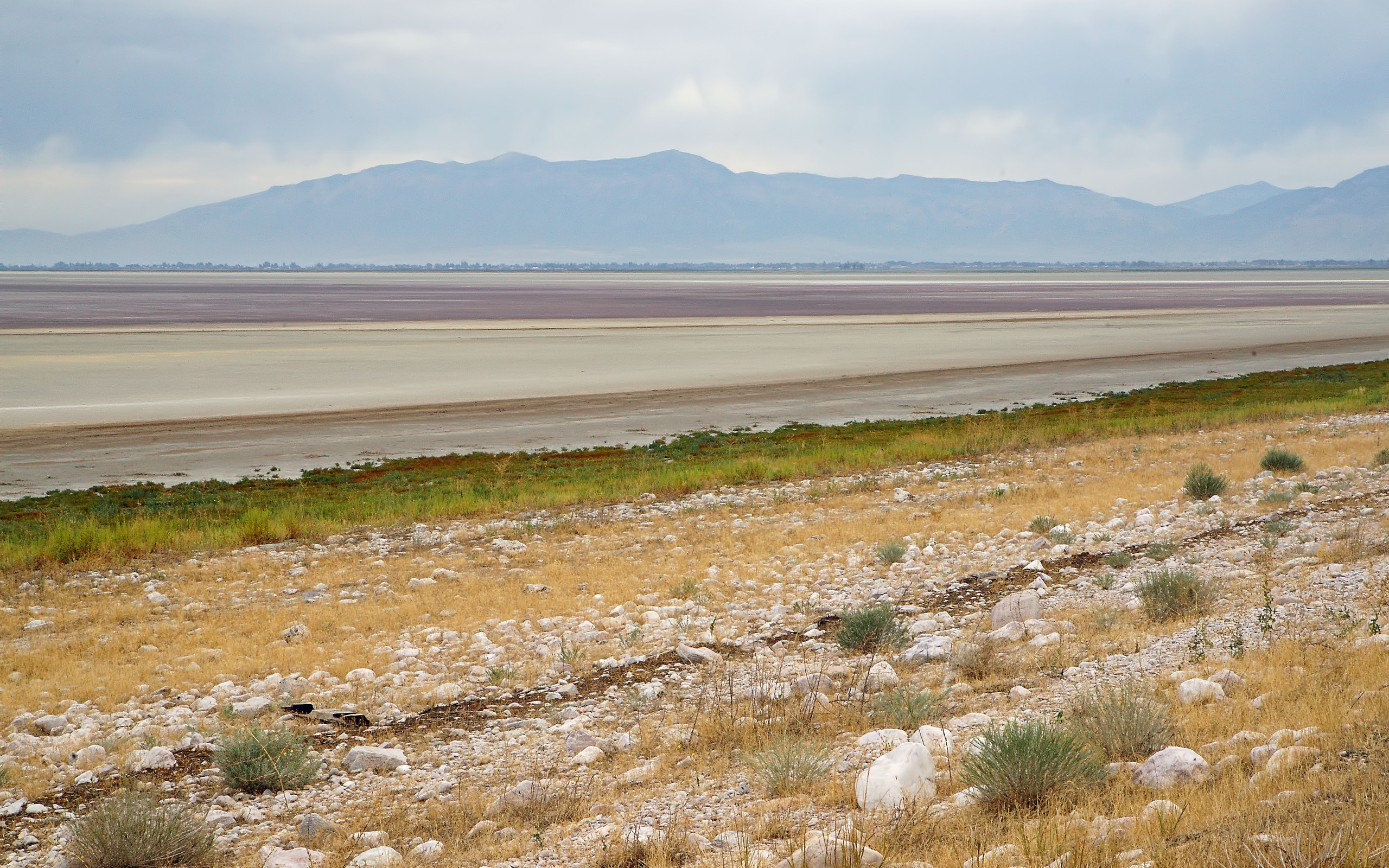
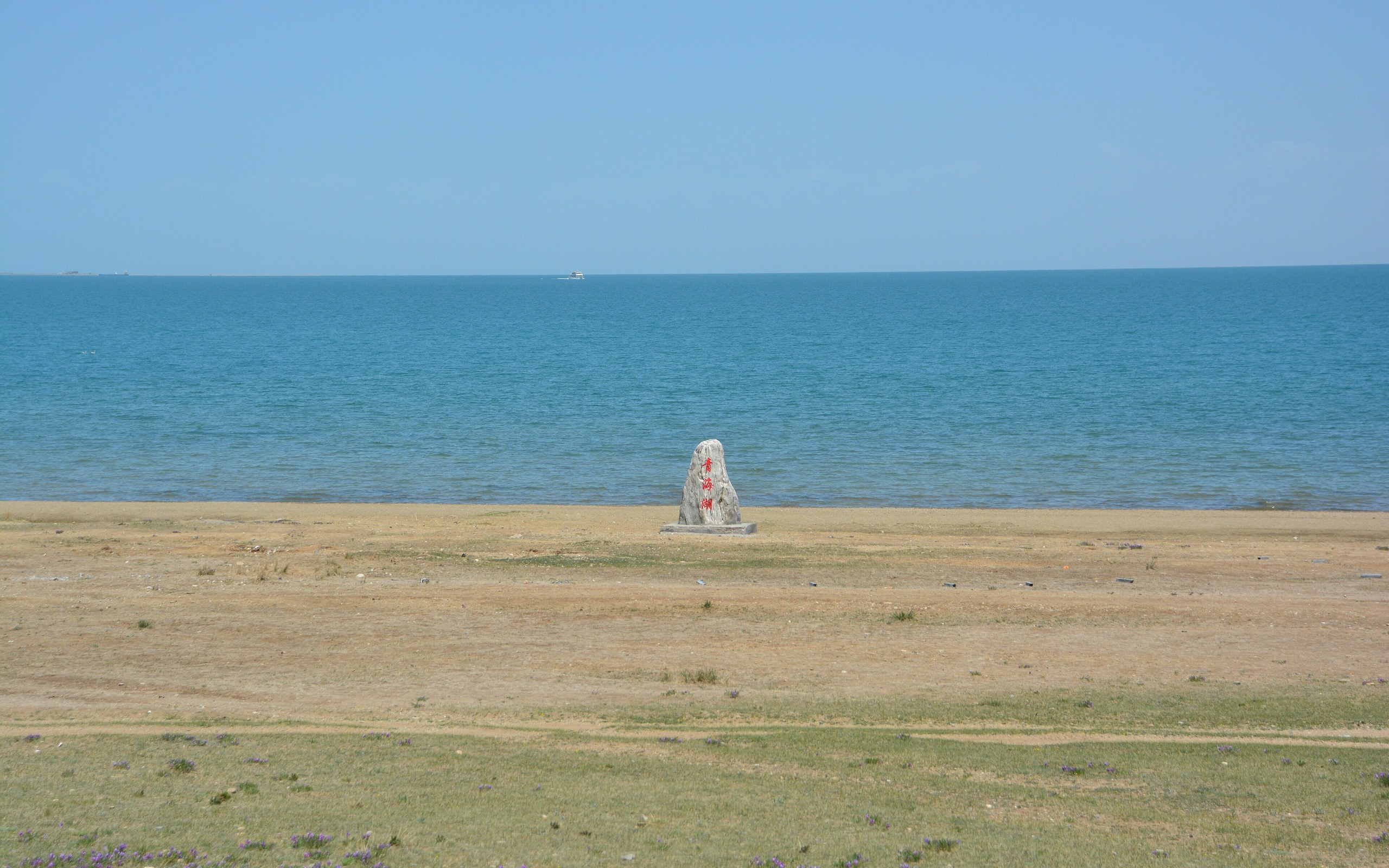
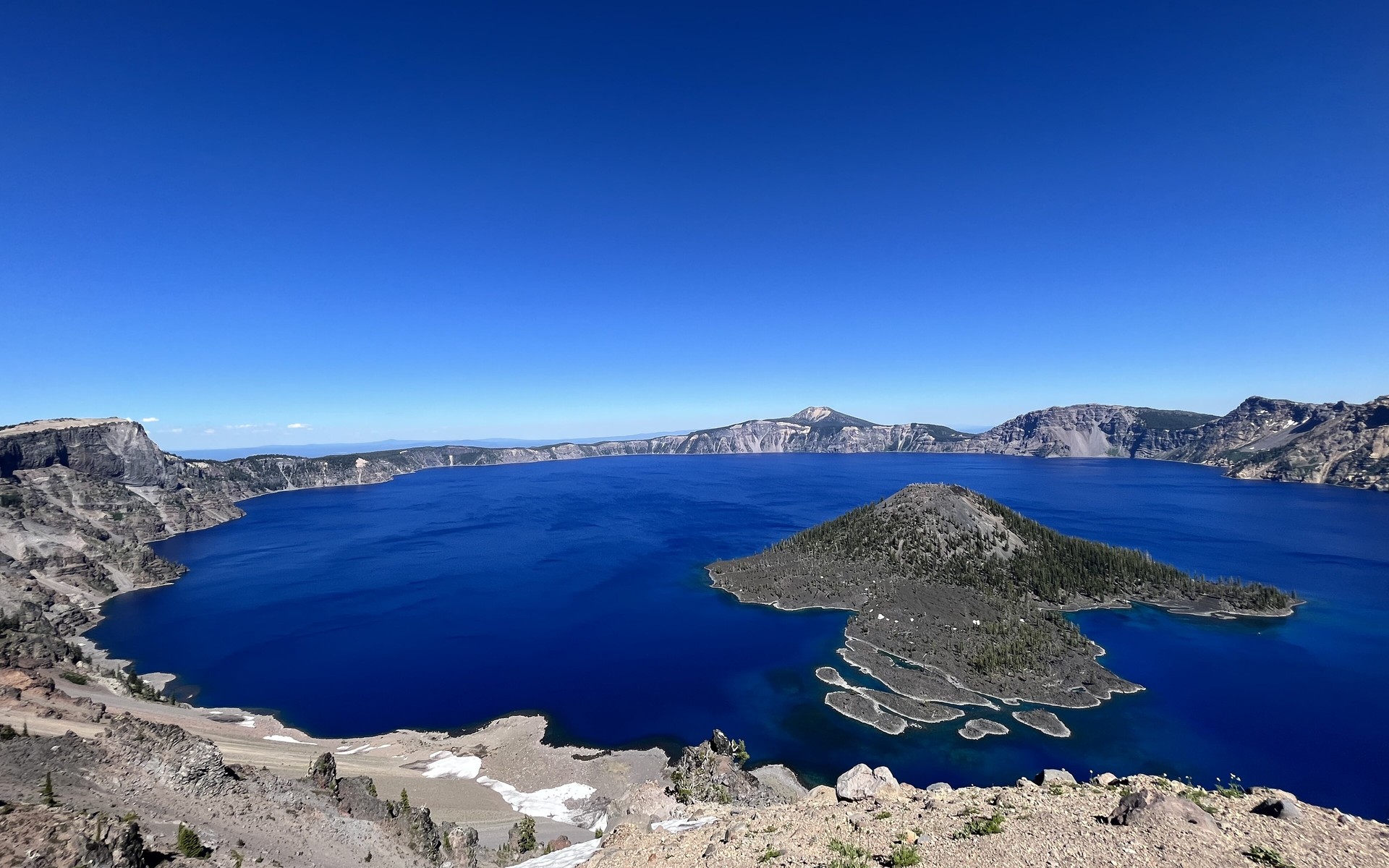
Crater Lakes
3 waters
Explore the waters your way
Dig deeper with our interactive river and lake tools.