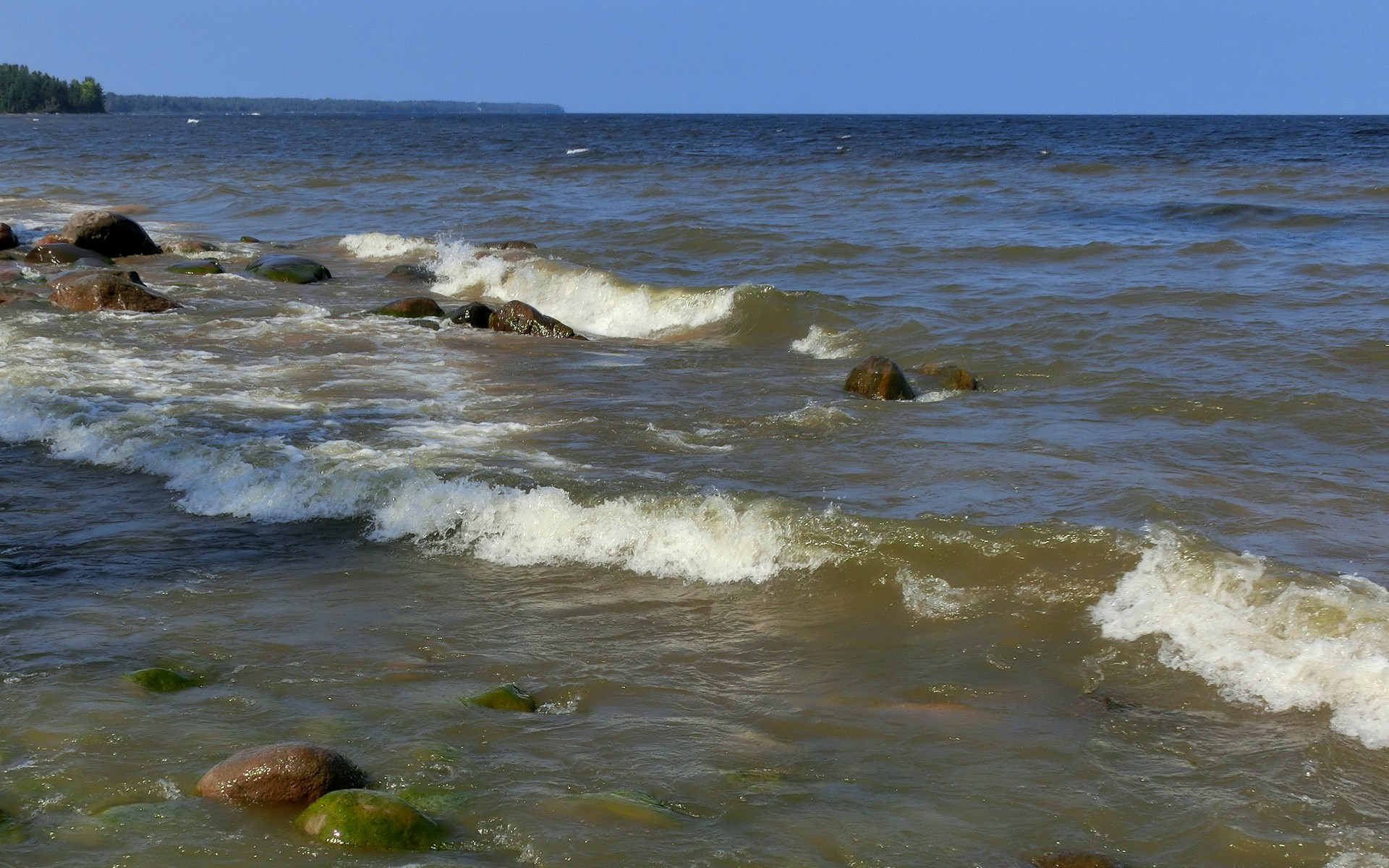
The largest lake entirely in Europe, near St. Petersburg.
Surface area
17,891 km²
Maximum depth
about 230 m
Elevation
5 m
Continent
Europe
Countries
Russia
Did you know?
Ladoga is the largest lake in Europe and drains through the Neva River into the Baltic at St. Petersburg.
Little-known fact
In World War II a frozen 'Road of Life' across its ice was the only lifeline into besieged Leningrad.
Highlights
- Largest lake in Europe
- Drains to the Baltic
- Site of the wartime 'Road of Life'
Life in the Lake Ladoga
The fish and animals, waterbirds and water plants — including some of the rarest — that this water supports.
Animals & fish
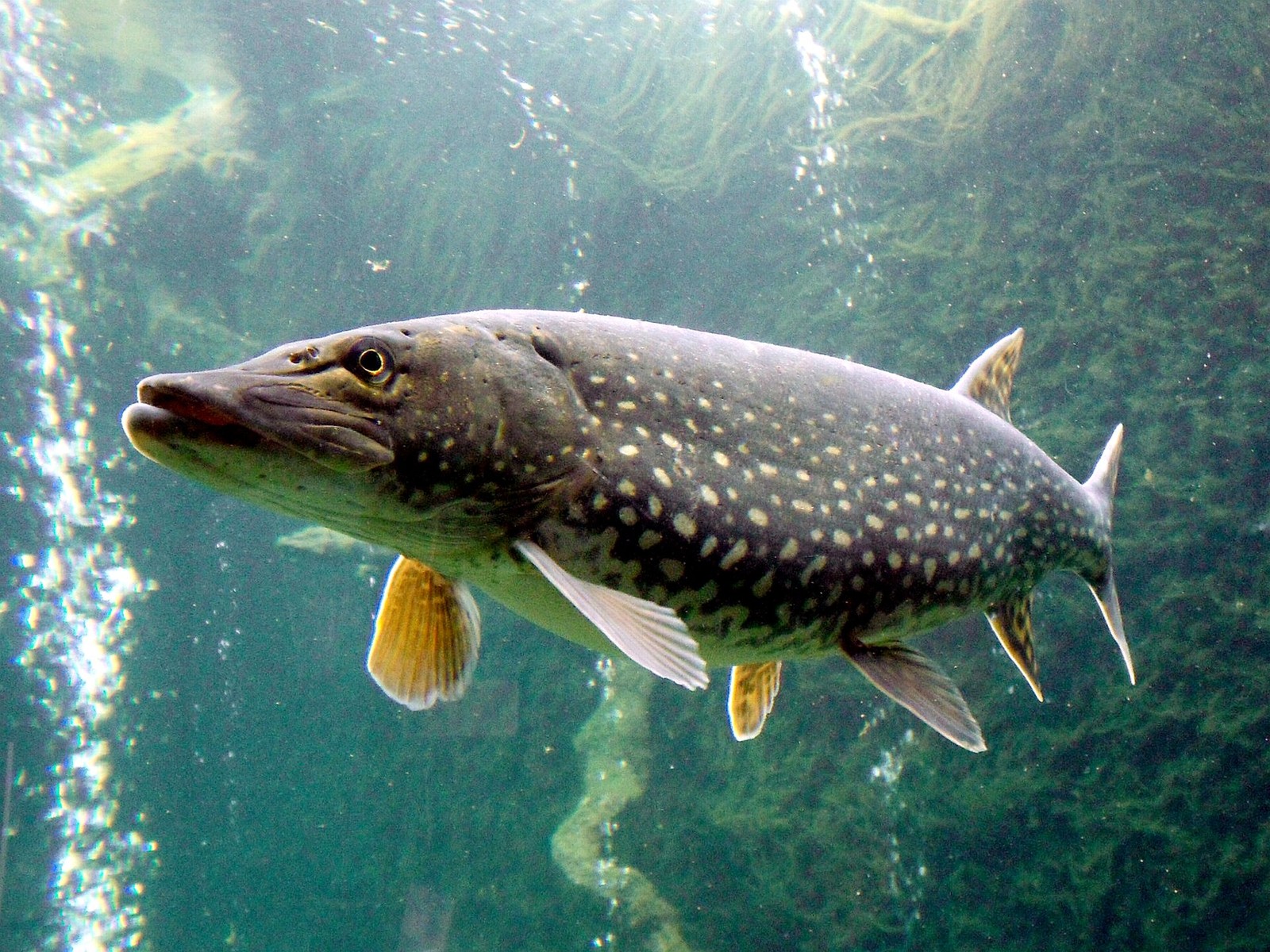
Northern pike
A long, torpedo-shaped ambush predator that lurks among weeds across the cool rivers and lakes of the north.
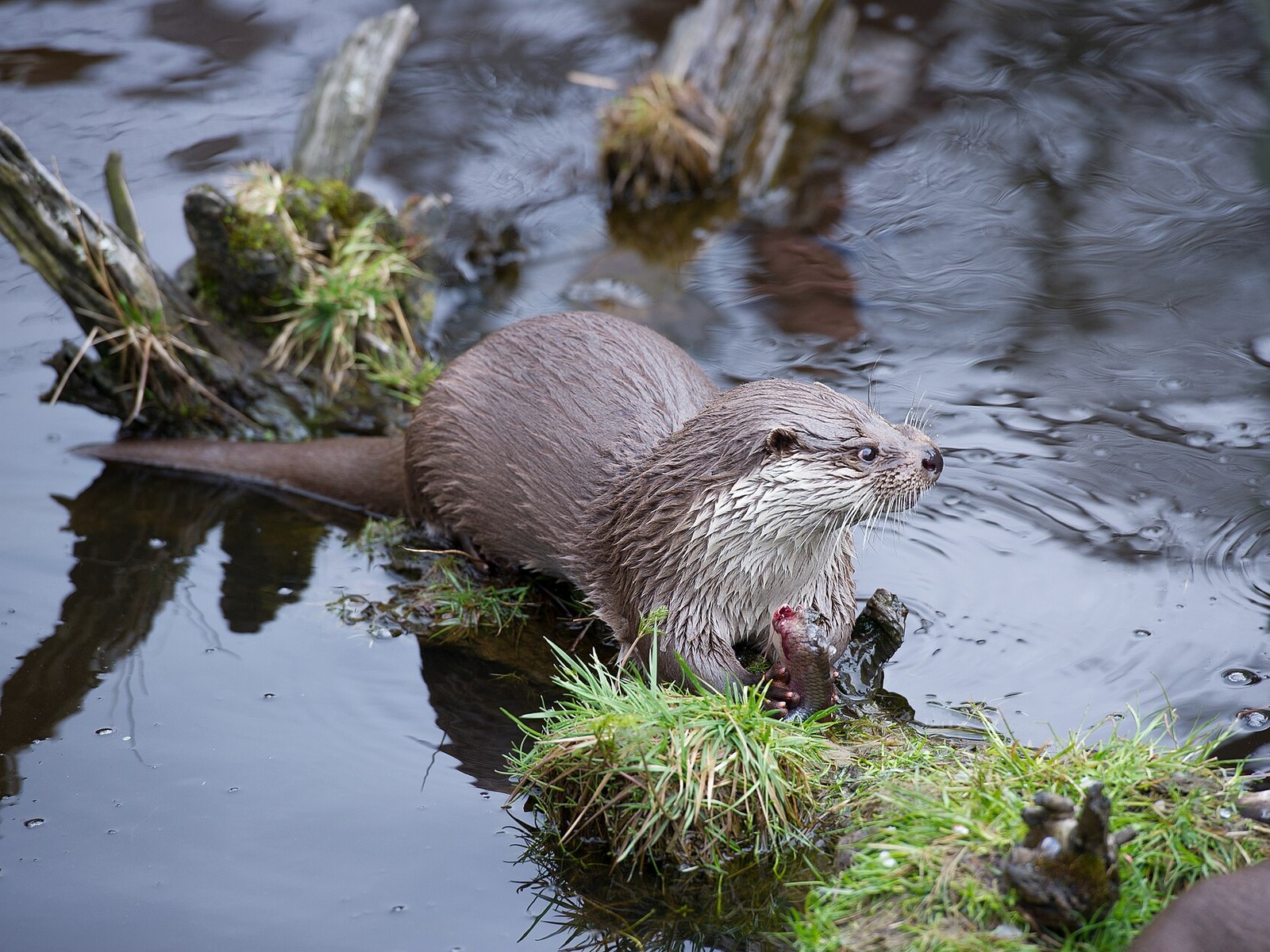
Eurasian otter
A sleek, playful hunter whose return to a river is a sign the water has run clean again.
Waterbirds
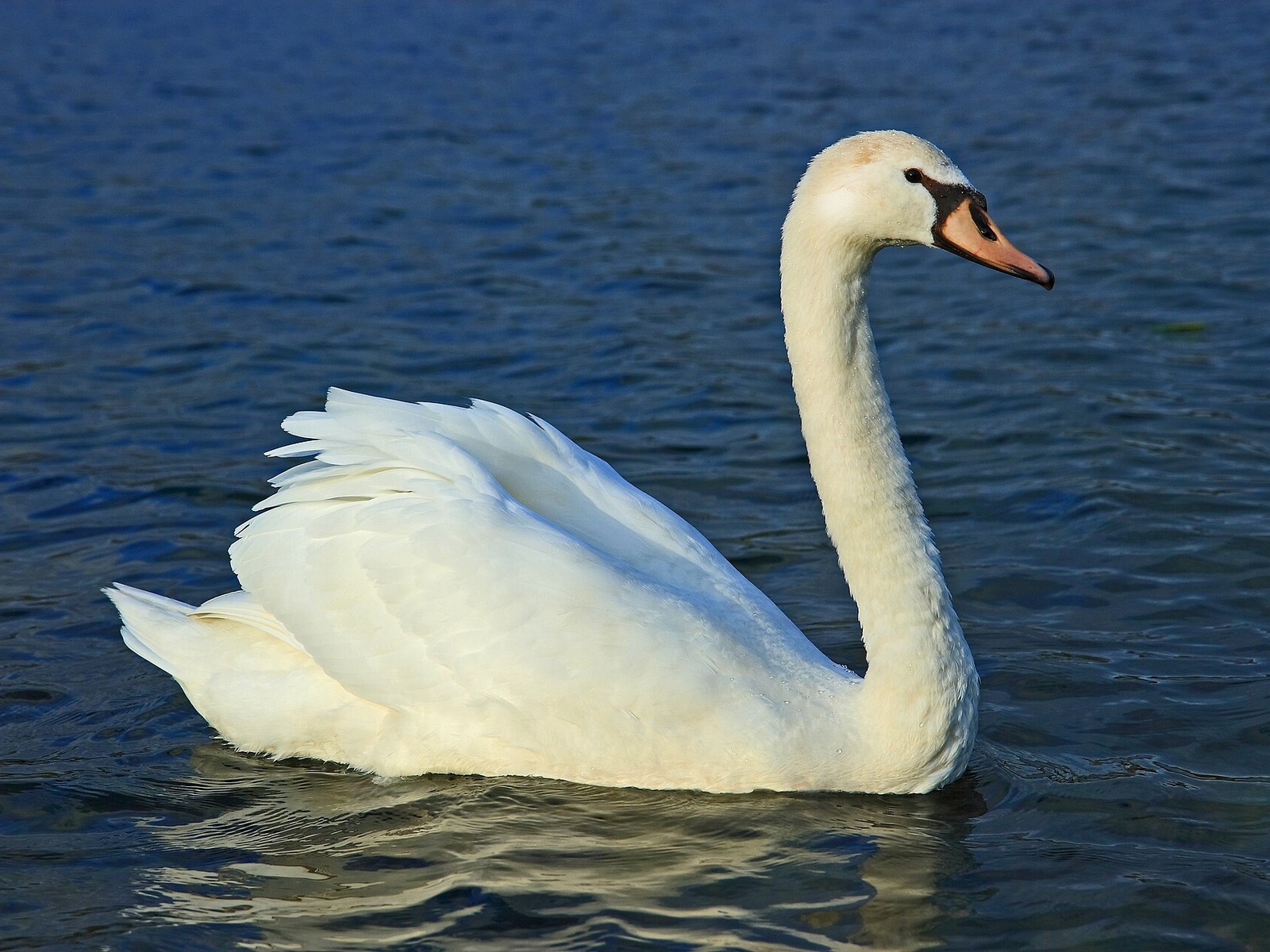
Mute swan
The great white swan of European waters, gliding in pairs that often mate for life.
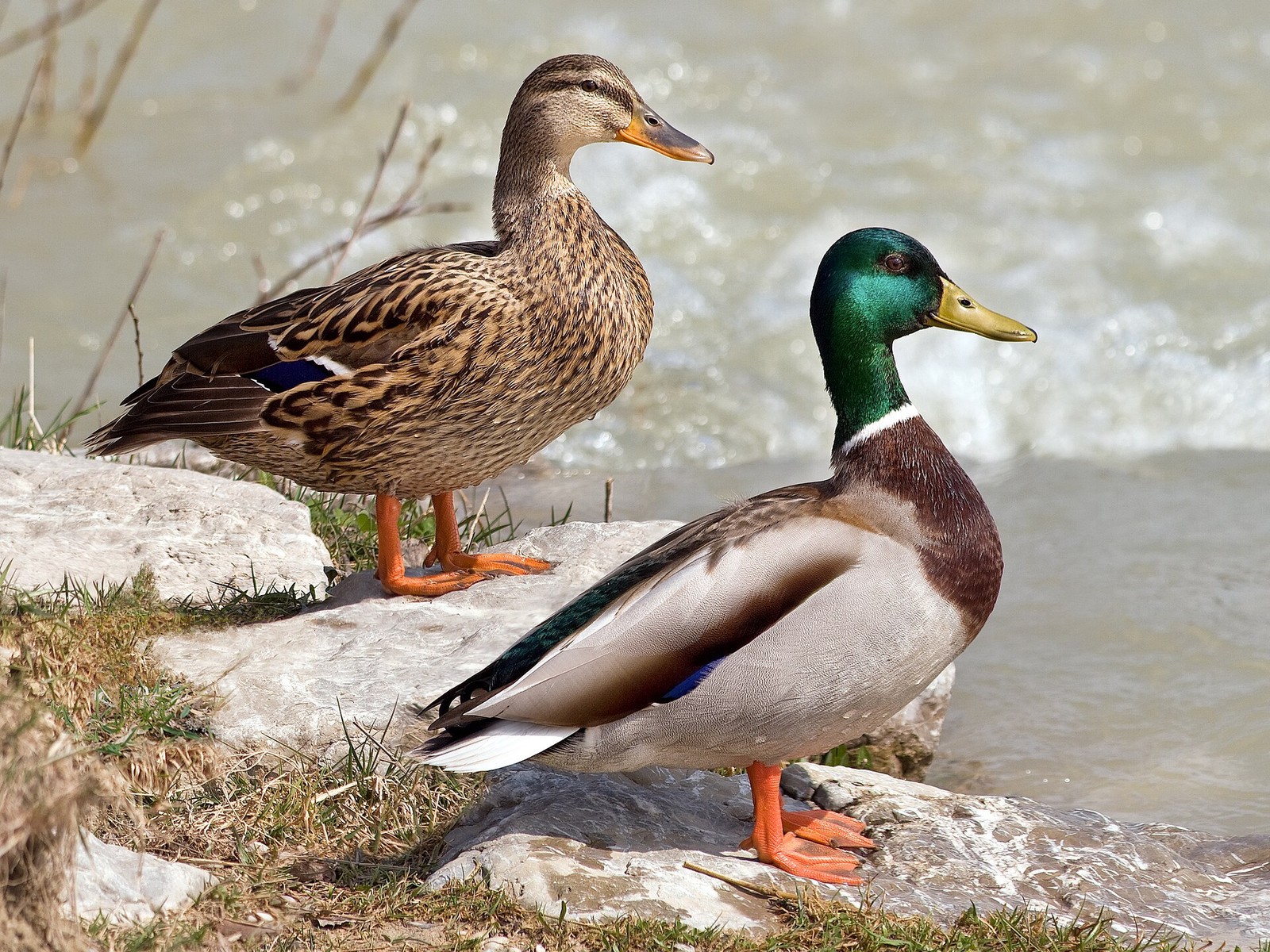
Mallard
The familiar green-headed dabbling duck — ancestor of most domestic ducks — found on waters worldwide.
Water plants & reeds
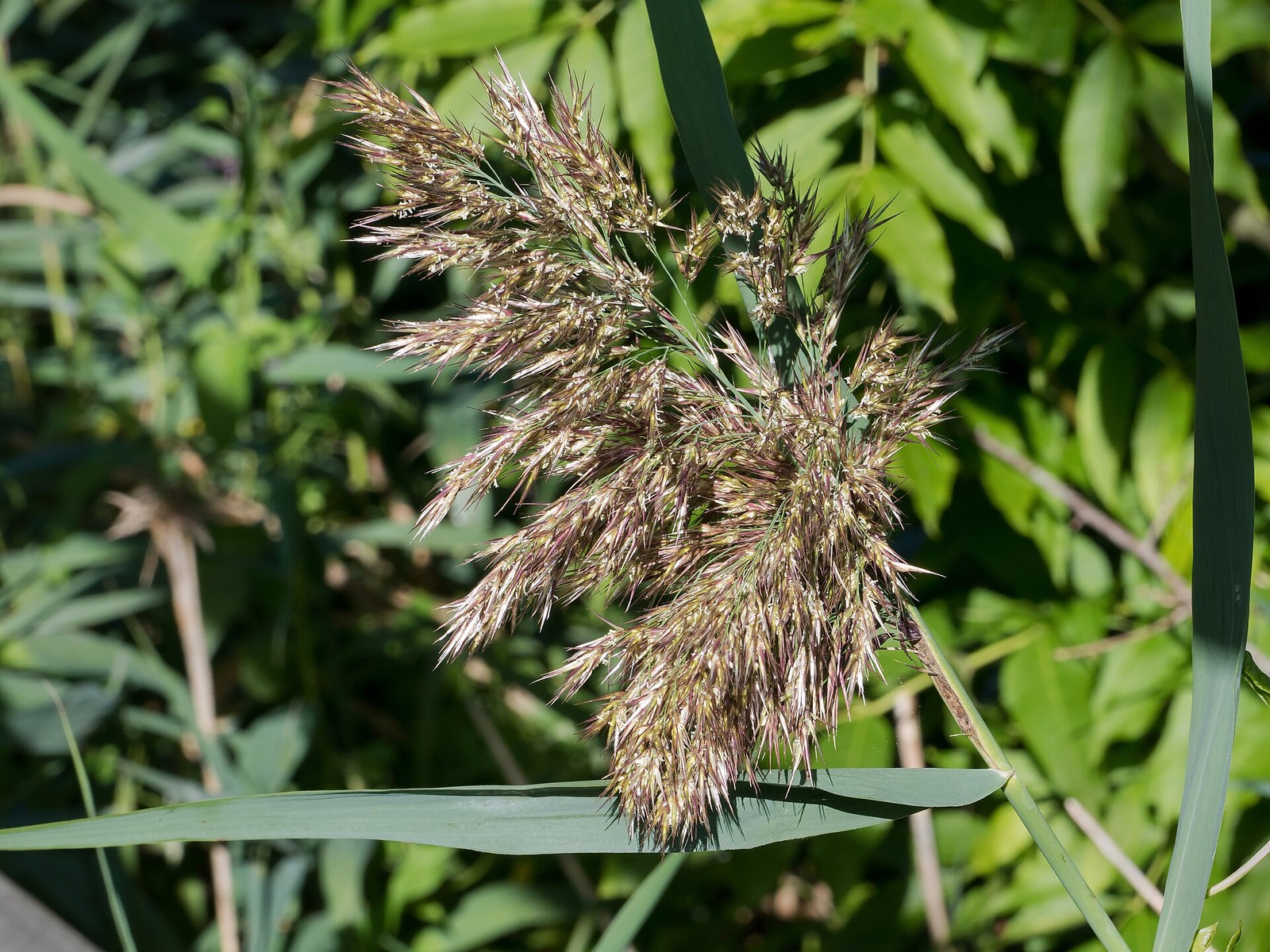
Common reed
The tall, feathery grass that forms the vast reedbeds fringing rivers and lakes, sheltering countless birds.
Interactive · 3D dive
How deep does a lake go?
A lake is layered from the sunlit, weed-filled shallows down to a cold, dark bed. Tap a zone to dive the submersible through the water column — and meet the life that belongs at each depth.
Tip: hover the column to tilt it · tap a layer to dive
Littoral Zone
The warm, bright band close to shore where sunlight reaches the bottom. Reeds, water lilies and rooted plants grow thickly here, making it the busiest, most crowded part of the whole lake.
Who lives here