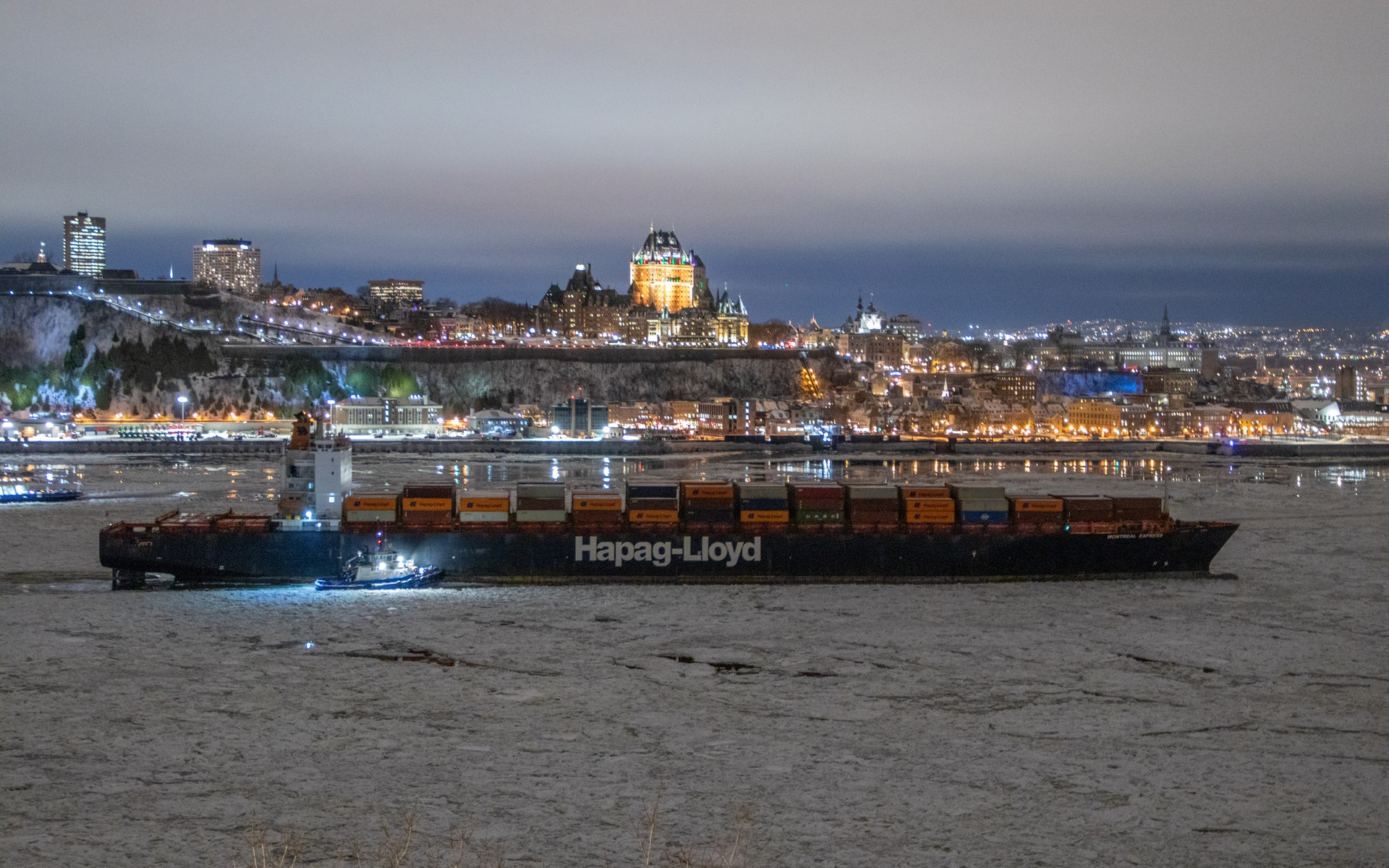
The great outflow of the Great Lakes, draining a fifth of the world's fresh surface water to the Atlantic.
Length
1,197 km
Source
Lake Ontario
Mouth
Gulf of St. Lawrence / Atlantic
Continent
North America
Countries
Canada & United States
Did you know?
The St. Lawrence Seaway lets ocean ships sail over 3,700 km inland, all the way to the heart of North America.
Little-known fact
Belugas and even blue whales swim up its widening estuary, one of the few places whales venture so far inland.
Highlights
- Drains the Great Lakes
- Lets ocean ships reach the interior
- Visited by whales far inland
Life in the St. Lawrence
The fish and animals, waterbirds and water plants — including some of the rarest — that this water supports.
Animals & fish
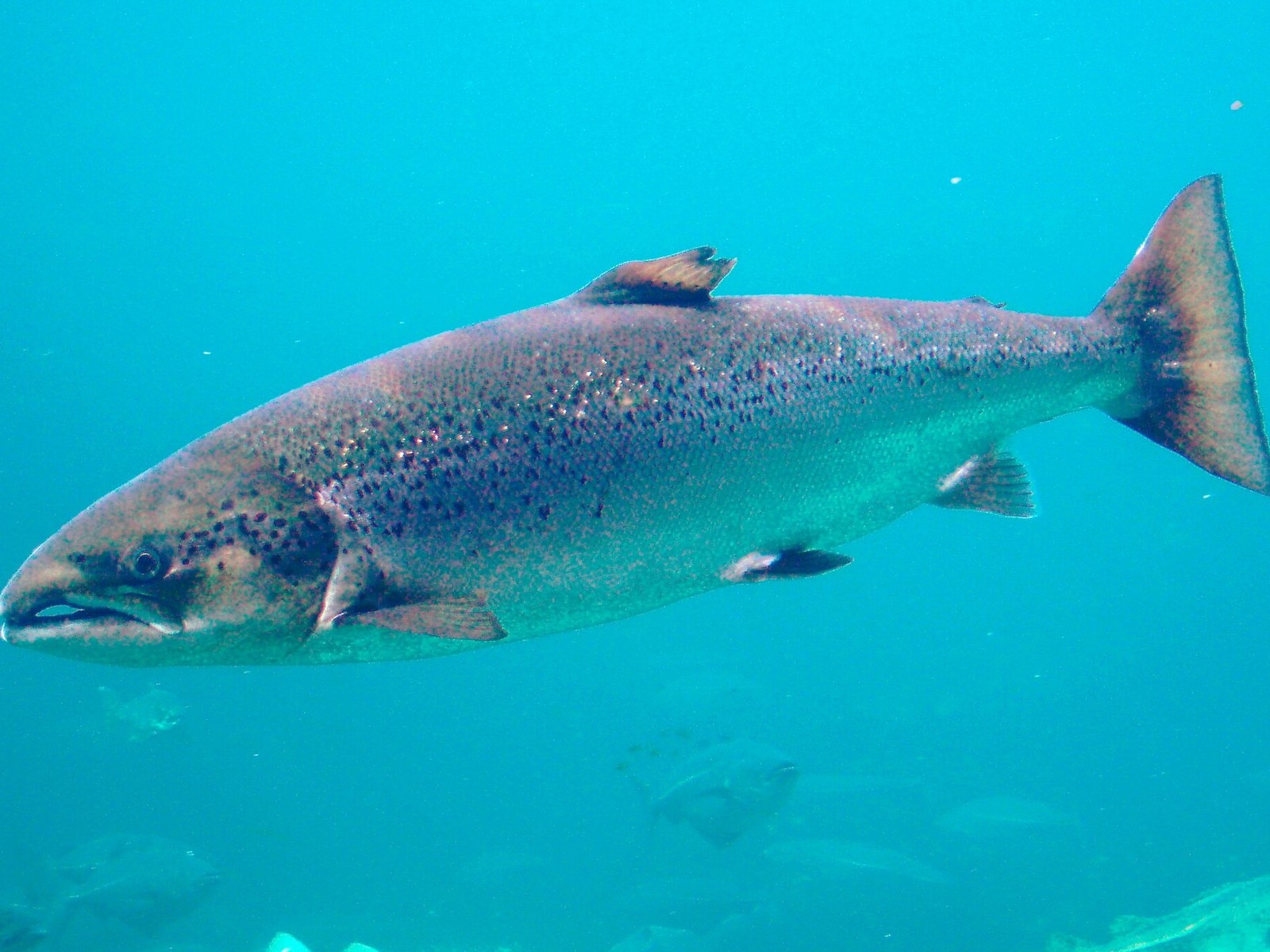
Atlantic salmon
The “king of fish” — it is born in a river, grows at sea, then fights its way back upstream to spawn where it hatched.
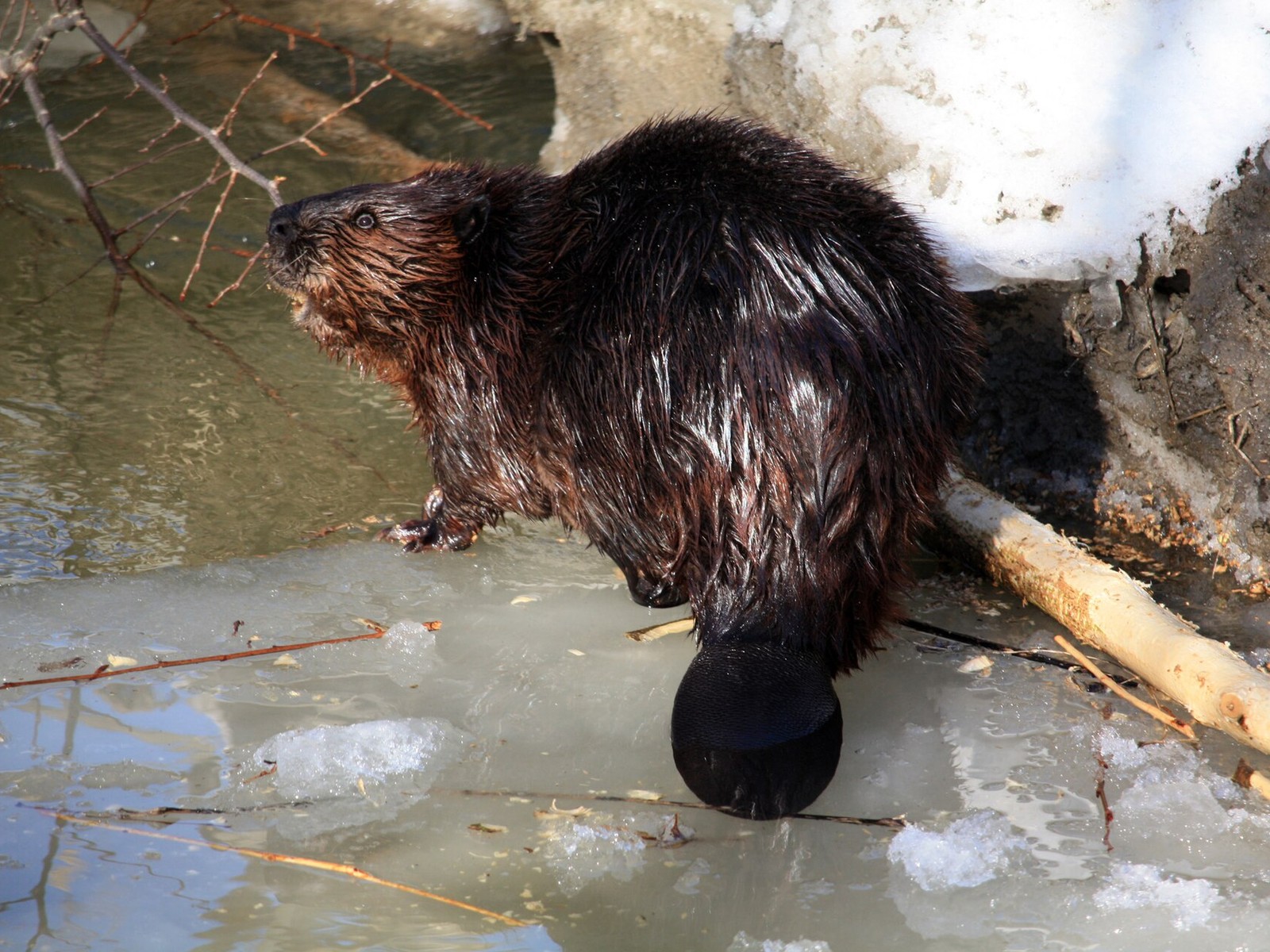
North American beaver
Nature’s engineer: its dams create wetlands that reshape whole river valleys.
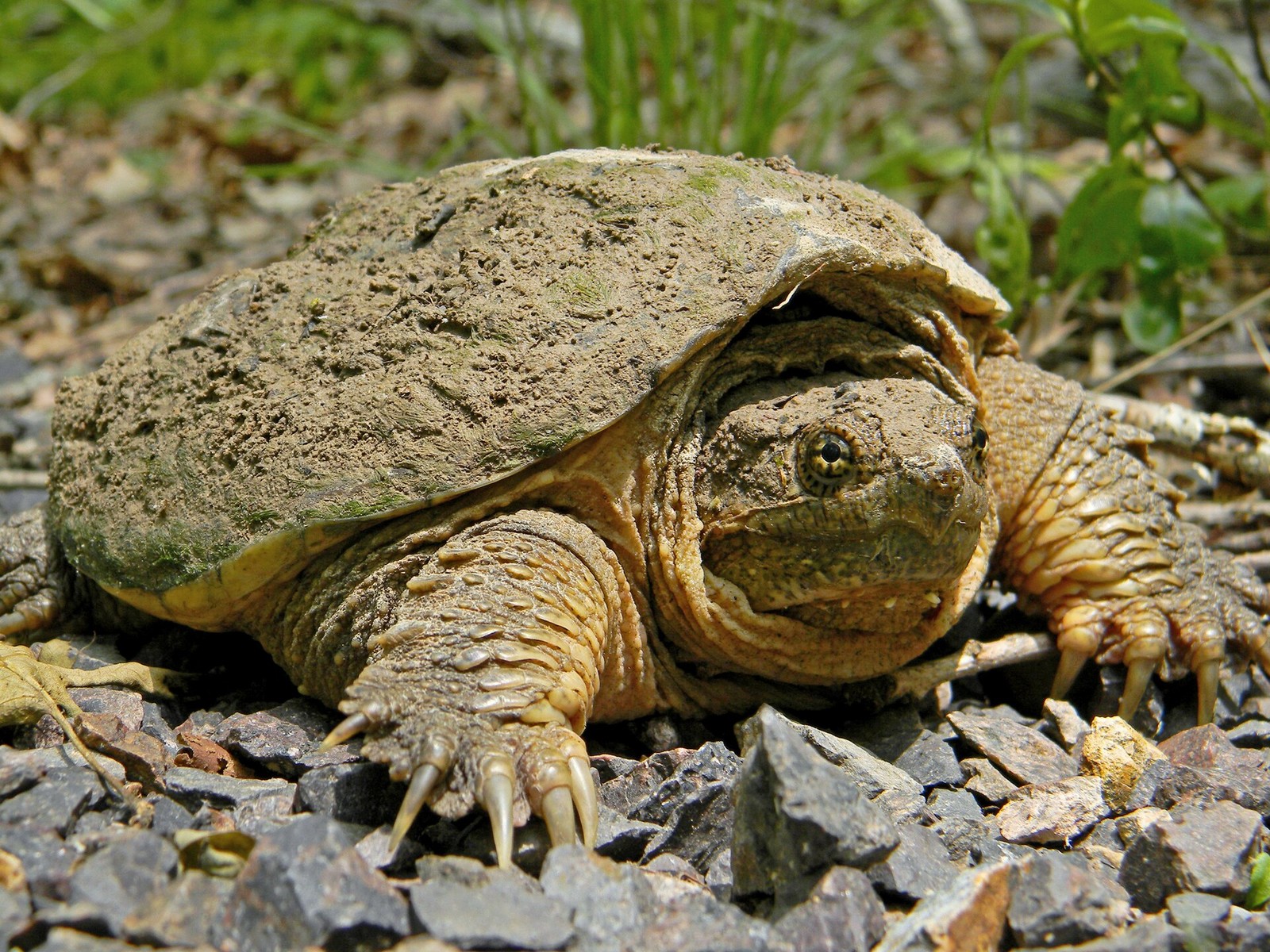
Common snapping turtle
An armoured, prehistoric-looking turtle with a powerful beak that haunts the muddy beds of North American waters.
Waterbirds
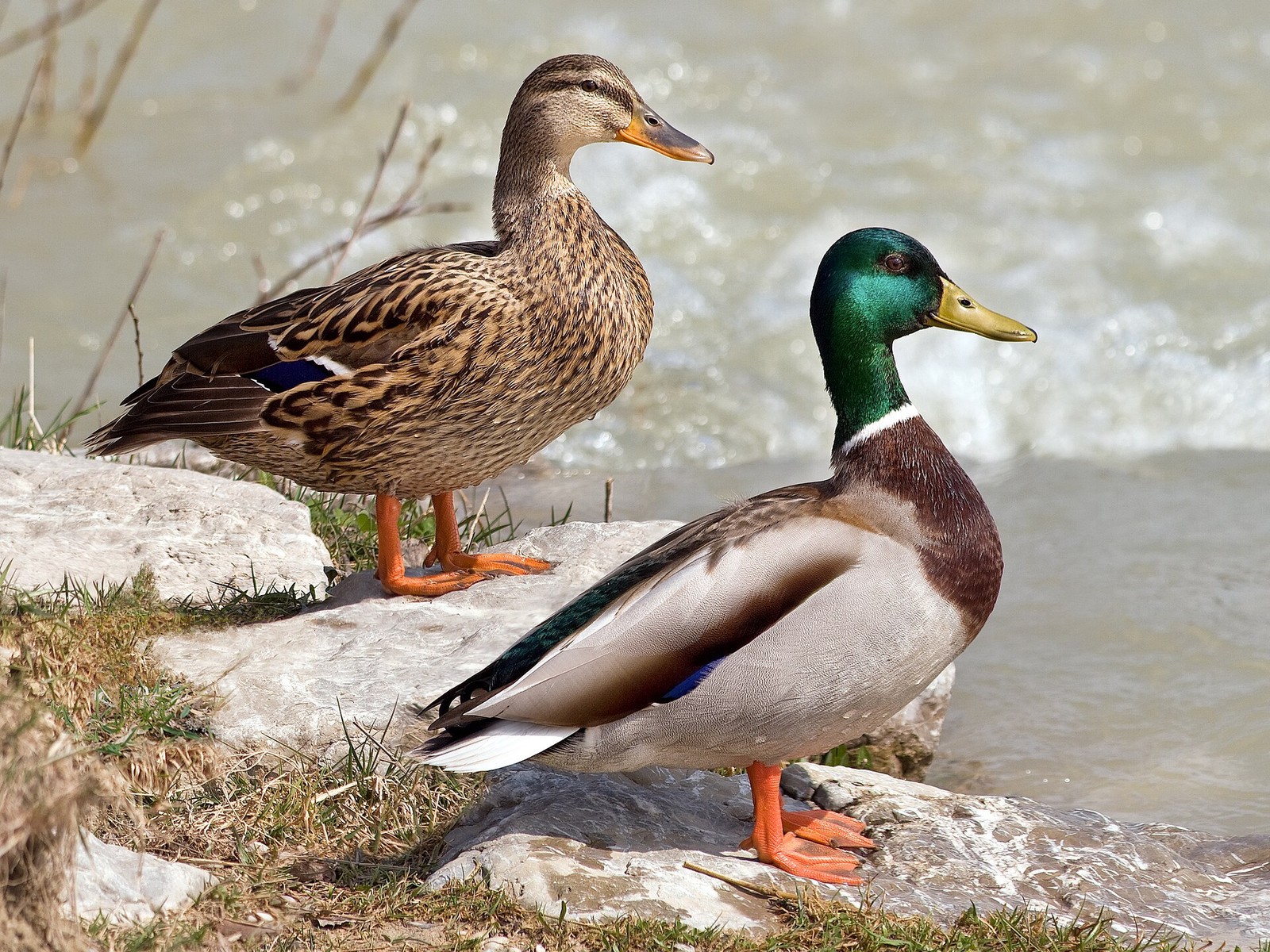
Mallard
The familiar green-headed dabbling duck — ancestor of most domestic ducks — found on waters worldwide.
Interactive · 3D journey
Journey of a river · source → sea
Every river runs the same great journey — from an icy mountain spring, down through gorges and looping meanders, to a wide delta where it meets the sea. Tap a stage to follow the water downstream.
Tip: hover to tilt the valley · tap a stage to float downstream
The Source
Every river begins high up — in a mountain spring, a melting glacier or a boggy upland. The water is cold, clear and fast, tumbling down the steepest ground of its whole journey.
Landforms here