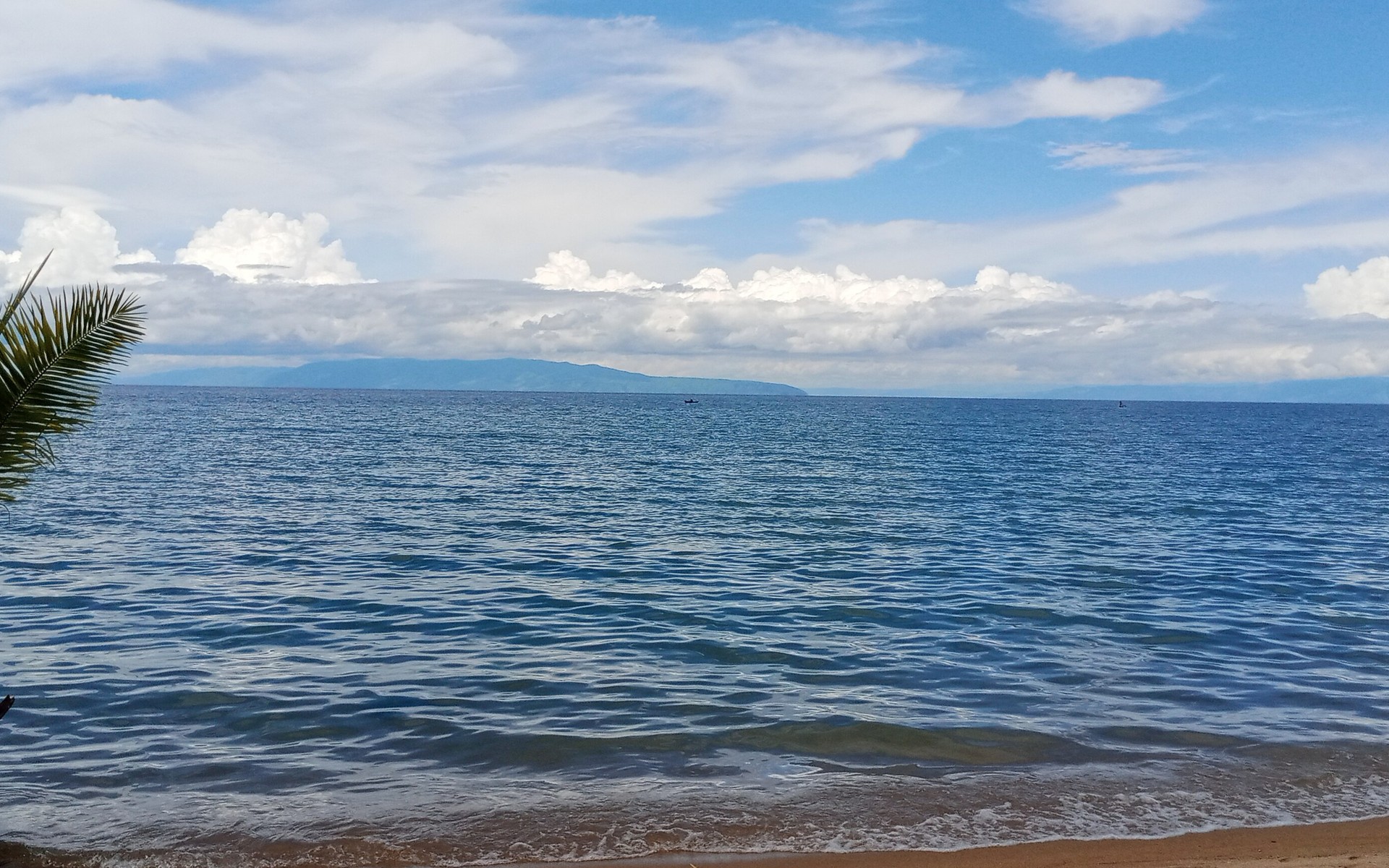
The longest freshwater lake in the world and the second deepest, cradled in the East African Rift.
Surface area
32,900 km²
Maximum depth
about 1,470 m
Elevation
773 m
Continent
Africa
Countries
DR Congo, Tanzania, Burundi & Zambia
Did you know?
Tanganyika holds about 16% of the world's available fresh water and is the second-deepest lake on Earth.
Little-known fact
Its waters teem with hundreds of colourful cichlid fish found nowhere else, prized by aquarium keepers worldwide.
Highlights
- World's longest freshwater lake
- Second deepest lake on Earth
- A hotspot of unique cichlid fish
Life in the Lake Tanganyika
The fish and animals, waterbirds and water plants — including some of the rarest — that this water supports.
Animals & fish
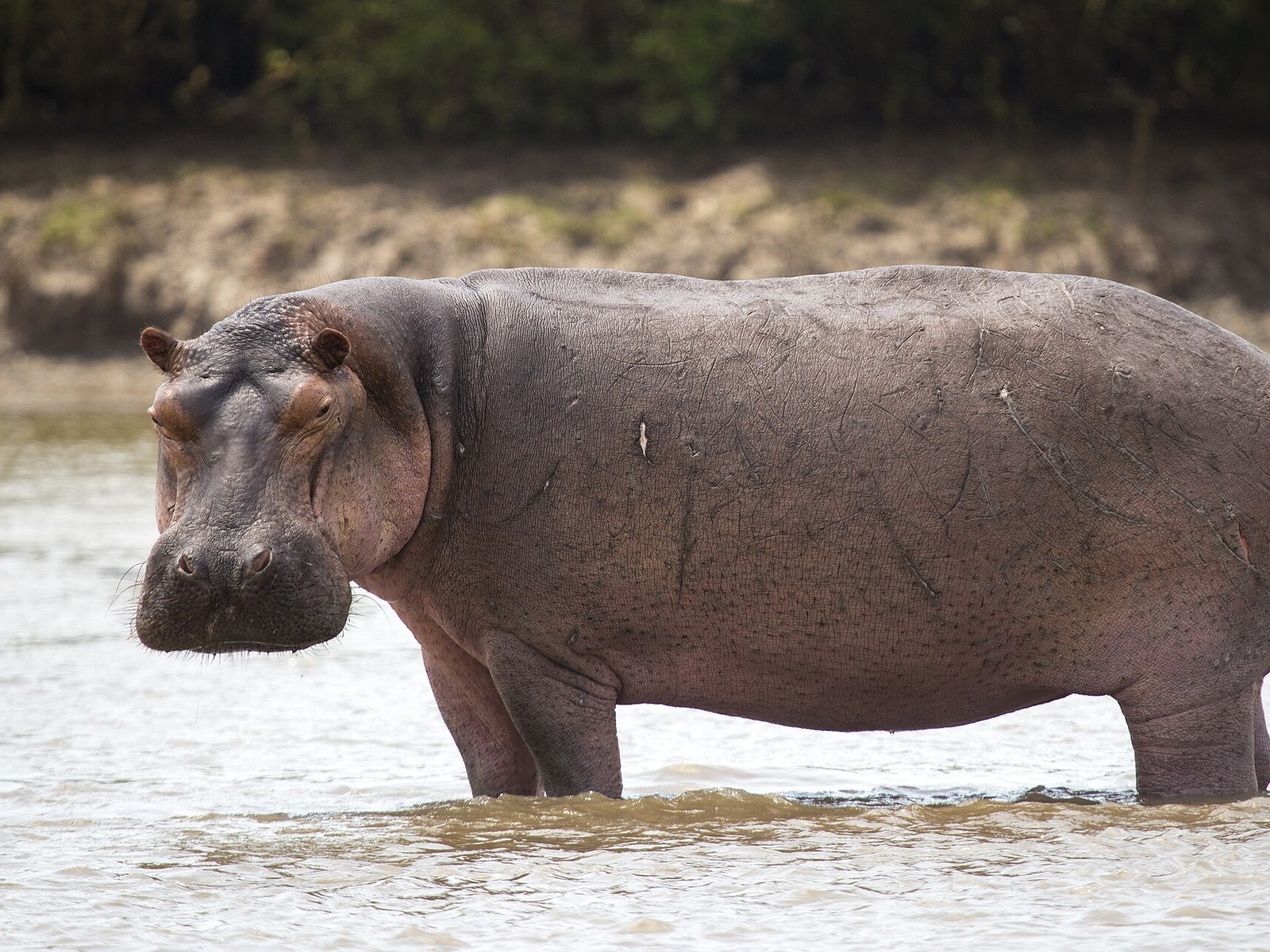
Hippopotamus
Africa’s river giant spends its days submerged and is, pound for pound, among the continent’s most dangerous animals.
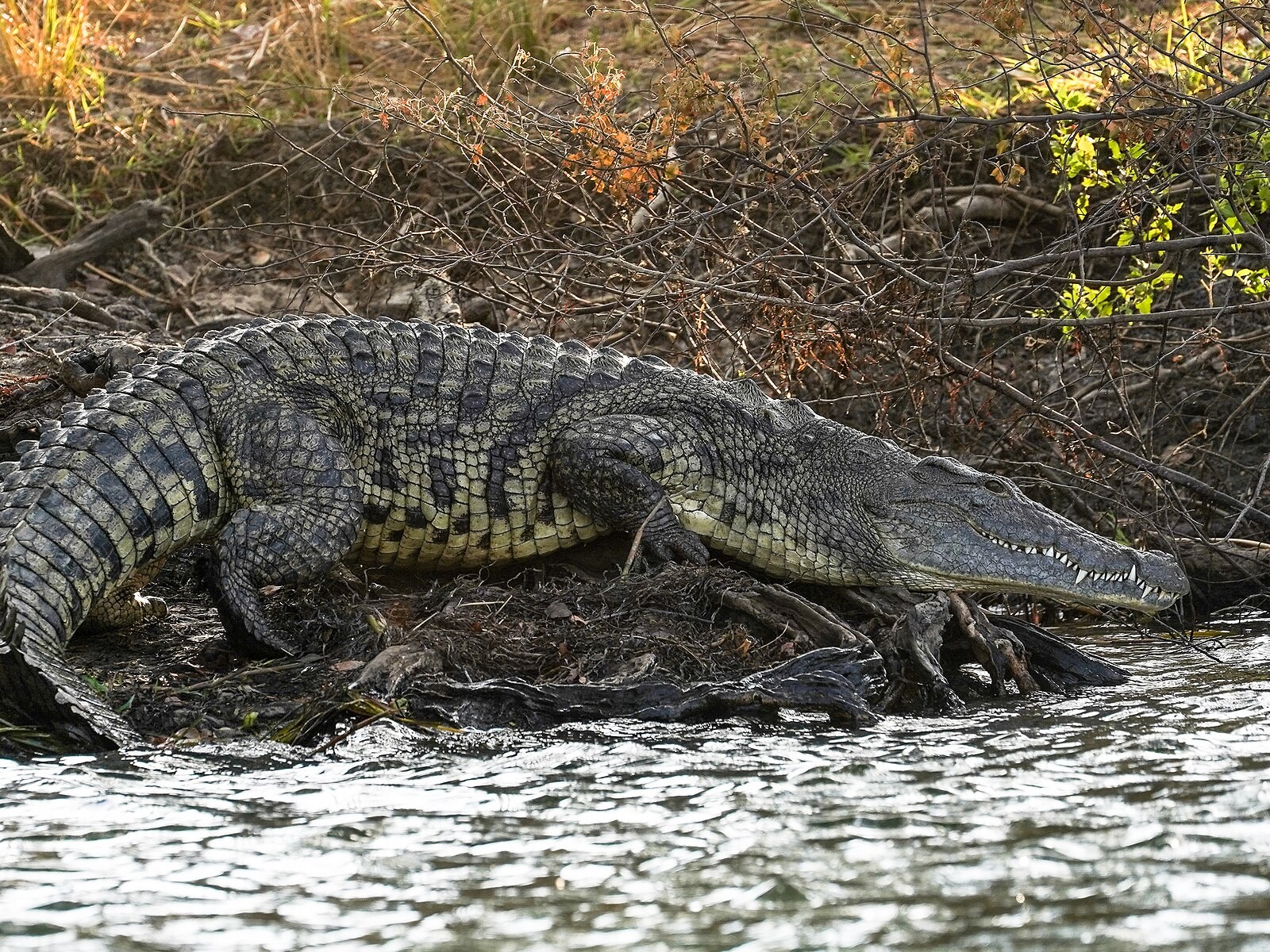
Nile crocodile
Africa’s largest crocodile and a patient ambush hunter little changed since the age of dinosaurs.
Waterbirds
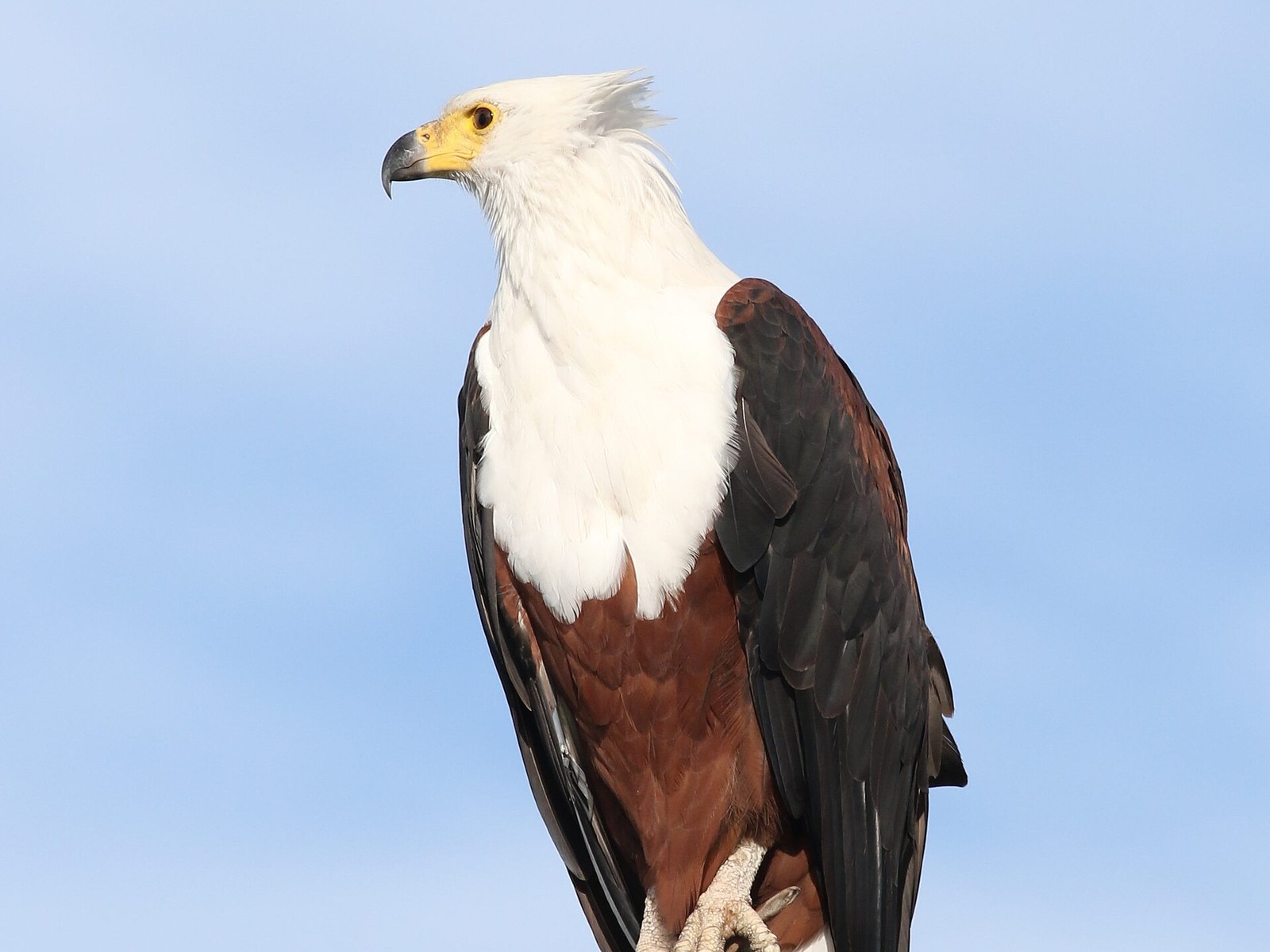
African fish eagle
The ringing call of this black-white-and-chestnut raptor is the iconic “voice of Africa” by the water.
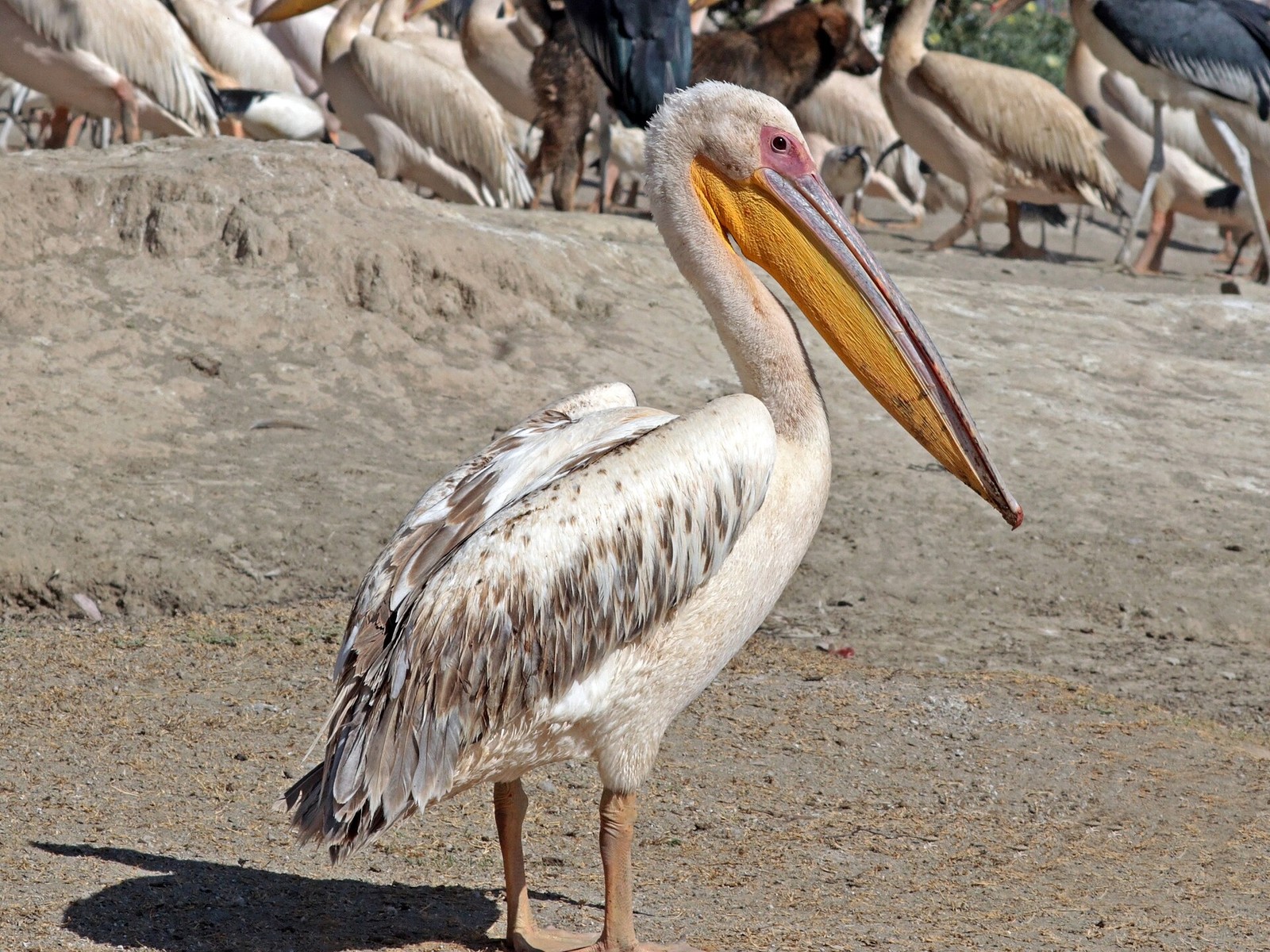
Great white pelican
A huge waterbird that fishes in co-ordinated flotillas, herding fish into its enormous pouch.
Interactive · 3D dive
How deep does a lake go?
A lake is layered from the sunlit, weed-filled shallows down to a cold, dark bed. Tap a zone to dive the submersible through the water column — and meet the life that belongs at each depth.
Tip: hover the column to tilt it · tap a layer to dive
Littoral Zone
The warm, bright band close to shore where sunlight reaches the bottom. Reeds, water lilies and rooted plants grow thickly here, making it the busiest, most crowded part of the whole lake.
Who lives here